15 Beauty Trends from Ancient Civilizations
Beauty standards have evolved dramatically over thousands of years, yet many practices we consider modern actually have ancient roots. From elaborate eye makeup to body modification, our ancestors were surprisingly innovative when it came to enhancing their appearance.
Some of these trends might seem familiar, while others will leave you wondering how they ever caught on.The beauty rituals of ancient civilizations reveal fascinating insights into their cultures, values, and daily lives.
Here is a list of 15 beauty trends from ancient civilizations that shaped how people presented themselves to the world.
Kohl-Rimmed Eyes
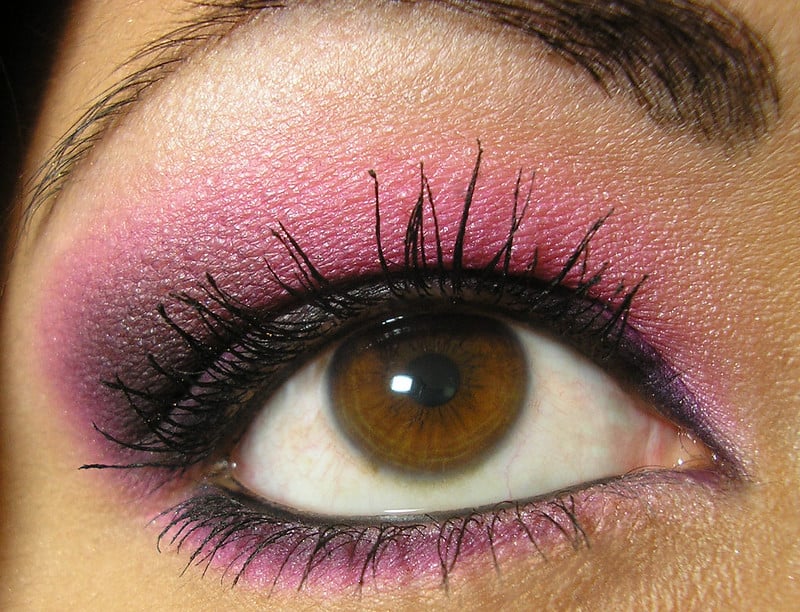
Ancient Egyptians turned eye makeup into an art form with their signature kohl application. Both men and women would line their eyes with a dark powder made from galena, malachite, or antimony, creating dramatic looks that extended well beyond the natural eye shape.
This wasn’t just about vanity—the thick black lines were believed to protect against the evil eye and reduce glare from the desert sun.
Pale Skin as Status
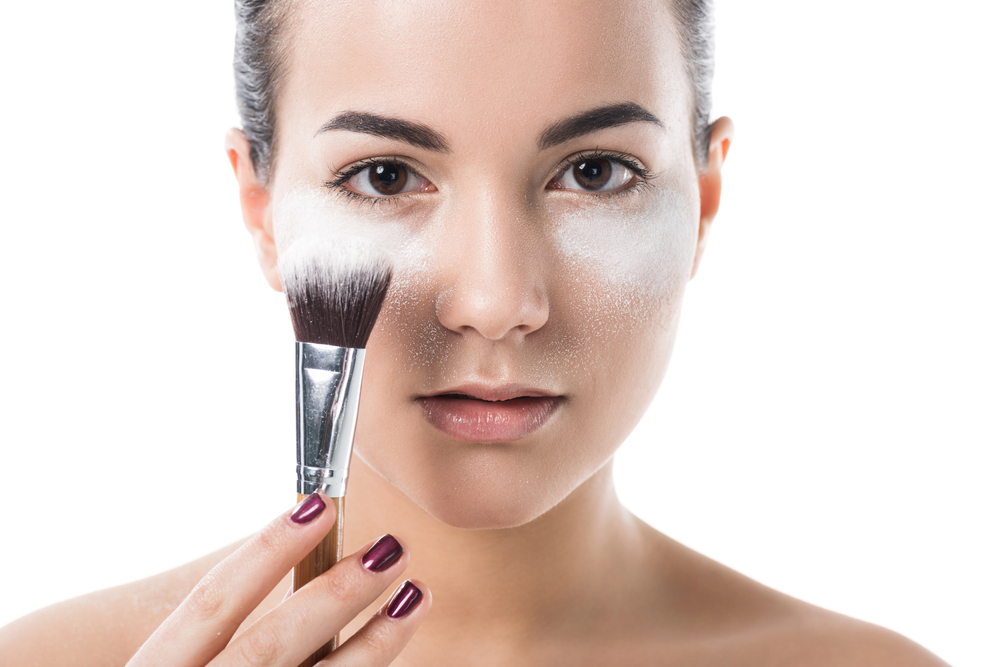
In ancient China, Japan, and Greece, pale skin represented wealth and leisure since it meant you didn’t have to work outdoors. Women would go to extreme lengths to achieve this look, including using white lead-based powders that were actually poisonous.
The whiter your skin, the higher your social standing appears to be.
Unibrows as Beauty Ideals
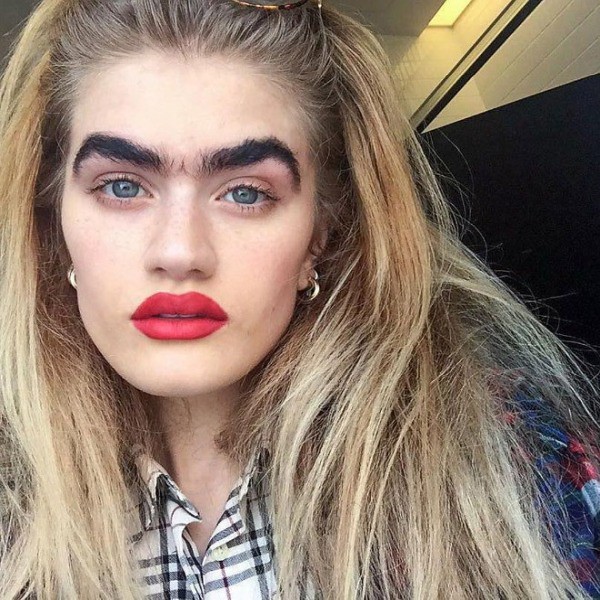
Ancient Greeks considered a single, continuous eyebrow the height of feminine beauty and intelligence. Women who weren’t naturally blessed with connected brows would use dark powders or even stick on patches of animal hair to create the desired effect.
This trend was so popular that it lasted for centuries across the Mediterranean region.
Gold Dust Hair Decorations
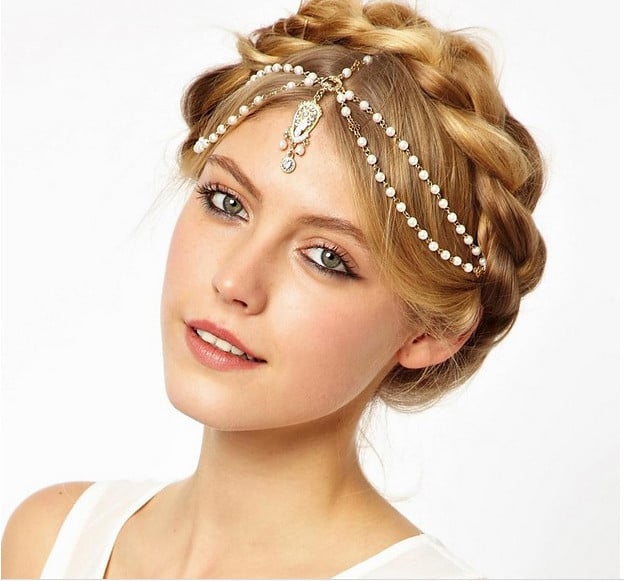
Wealthy Romans would sprinkle actual gold dust into their hair to catch the light and show off their fortune. They also used gold leaf to create intricate patterns and designs throughout their locks.
This practice was reserved for the elite, making golden hair a literal symbol of prosperity.
Blackened Teeth
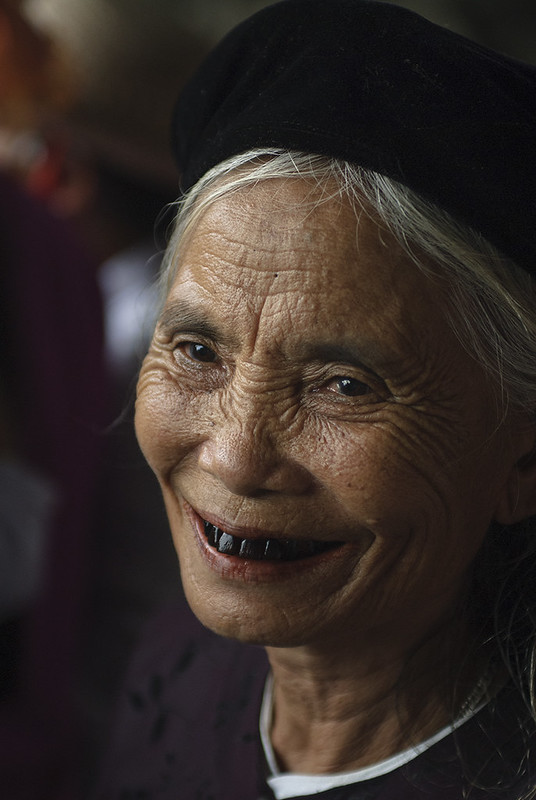
In ancient Japan, married women and members of the imperial court would dye their teeth black using a mixture called ohaguro. This involved iron filings, vinegar, and tea, creating a permanent black stain that was considered highly attractive.
The practice symbolized maturity, marital status, and adherence to court customs.
Elongated Skulls
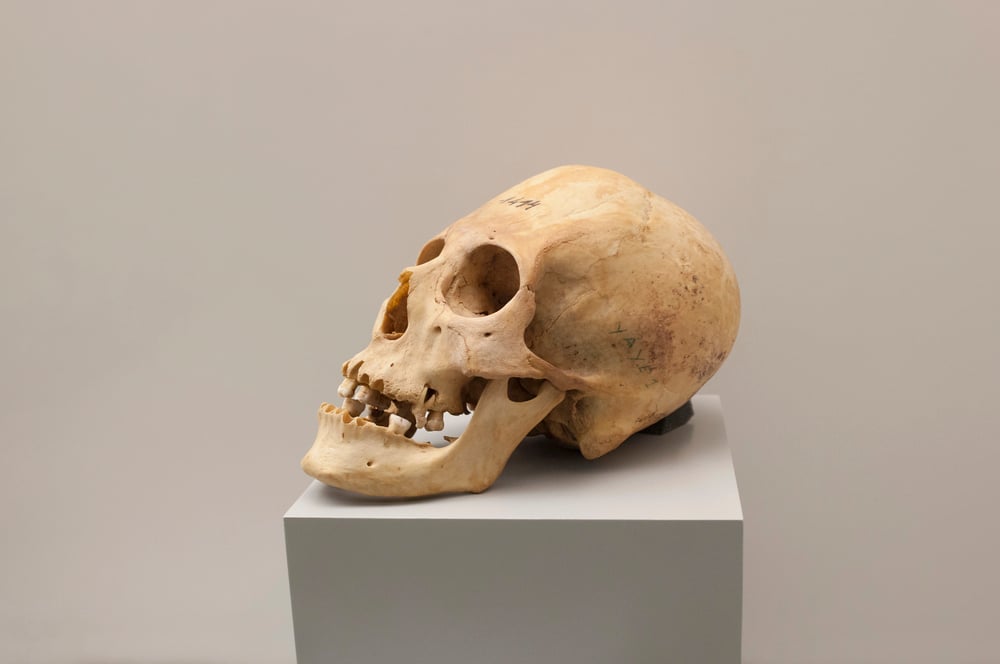
Various ancient civilizations, including the Maya and certain African tribes, practiced cranial modification to create elongated head shapes. Parents would bind their infants’ heads with boards or cloth to gradually reshape the skull as it grew.
These modified skulls were considered signs of nobility, intelligence, or divine favor.
Henna Body Art
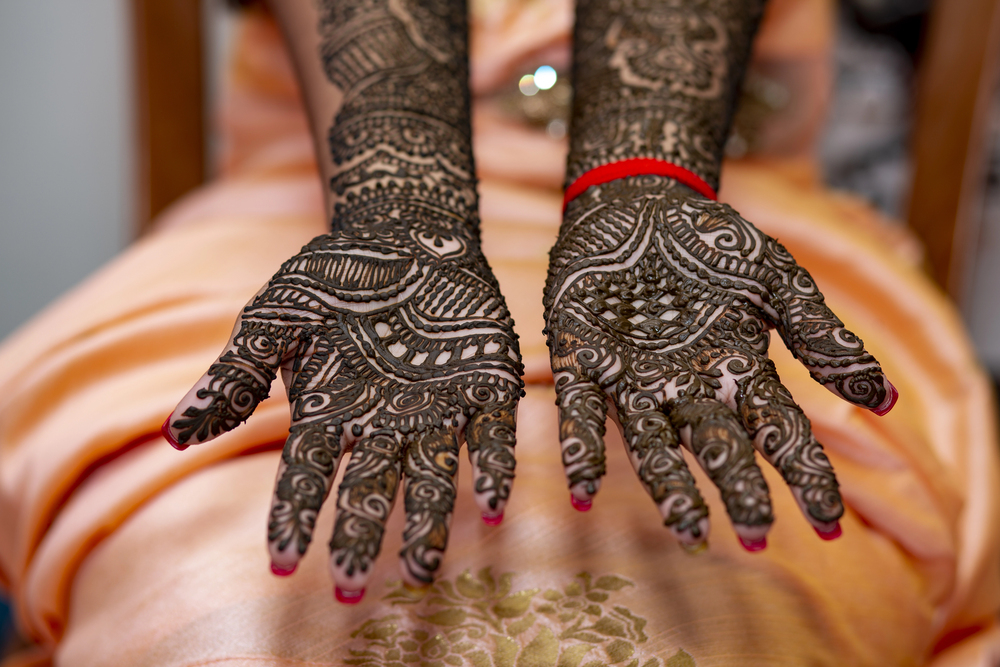
Ancient Egyptians, Indians, and Middle Eastern cultures used henna to create intricate temporary tattoos on hands, feet, and other body parts. The reddish-brown dye came from crushed henna leaves and was believed to bring good luck, ward off evil spirits, and enhance fertility.
Brides would often cover their hands and feet in elaborate henna designs before their wedding ceremonies.
Lip Color from Crushed Beetles
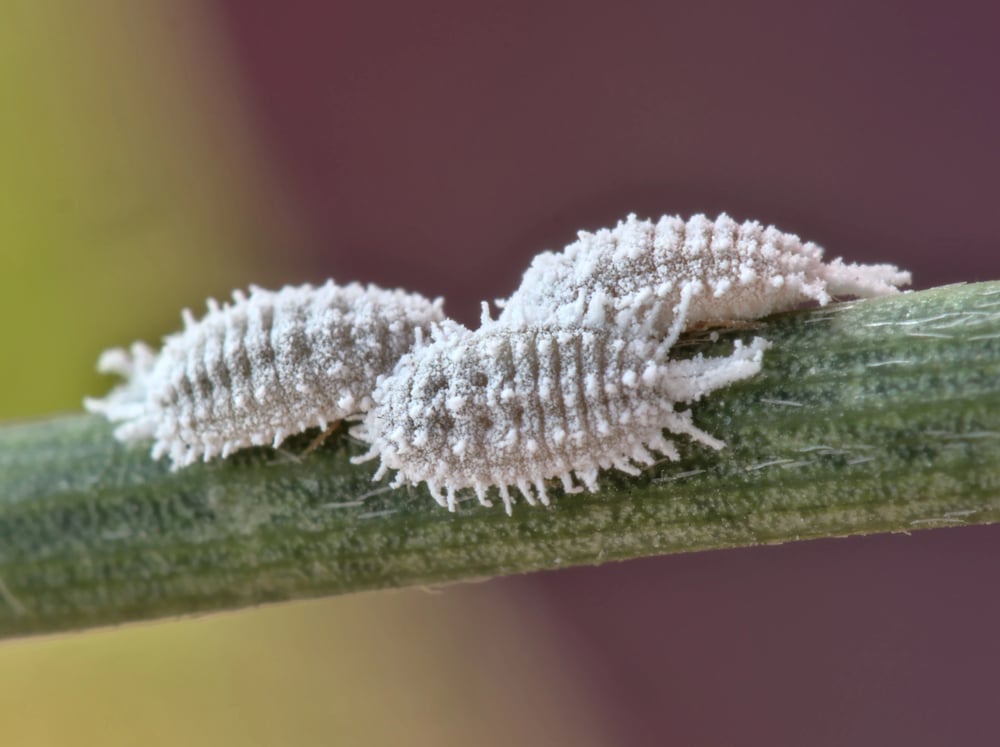
Ancient Mesopotamians and Egyptians created vibrant red lip color by crushing cochineal insects and mixing them with oils or waxes. This bright red pigment was incredibly valuable and often reserved for royalty and wealthy merchants.
The same insect-derived dye is still used in some cosmetics today, though most people don’t realize it.
Elaborate Wigs and Hair Extensions

Egyptians of all social classes wore wigs made from human hair, sheep’s wool, or plant fibers to protect their shaved heads from the sun and lice. These wigs came in various styles and colors, with the most elaborate versions featuring intricate braids, curls, and decorative elements.
Even children wore small wigs as part of their daily attire.
Tattooed Beauty Marks

In parts of ancient Thrace, women sometimes adorned their skin with intricate tattoos—sharp lines, repeating shapes, and symbolic patterns that acted as more than decoration. These permanent “beauty marks” could hint at a woman’s tribe, her place in society, or even her spiritual path.
The process was far from painless: sharpened needles pushed natural pigments deep into the skin, leaving marks that lasted a lifetime and told a silent story wherever she went.
Rouge Made from Red Clay
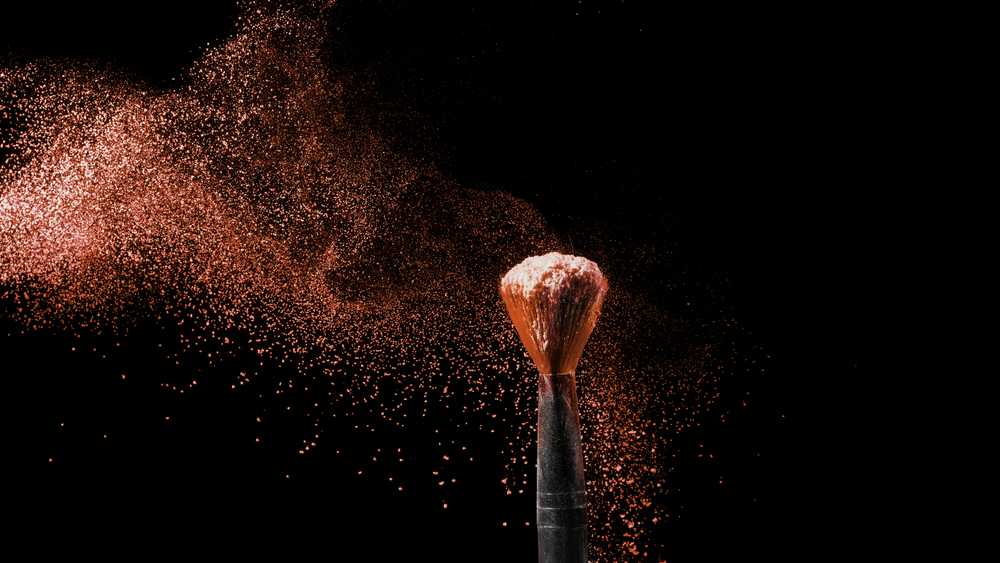
For Greek and Roman women, a pinch of color on the face was essential, and nature provided the perfect source. They would blend fine red clay with fragrant oils, dabbing it onto cheeks and lips for that coveted healthy flush.
Certain regions were famous for their clay’s vivid hue, and the best was traded like a luxury good. The result was simple yet striking—earth itself turned into a beauty tool.
Scented Cones of Fat

At grand gatherings in ancient Egypt, guests might arrive with something unusual perched atop their wigs: small cones made of perfumed animal fat. As the night went on and the warmth of the body worked its magic, the cones would slowly melt, releasing a gentle cascade of fragrant oils.
By the end of the evening, hair and garments were infused with scent—part personal perfume, part status symbol, and entirely unforgettable.
Foot Binding
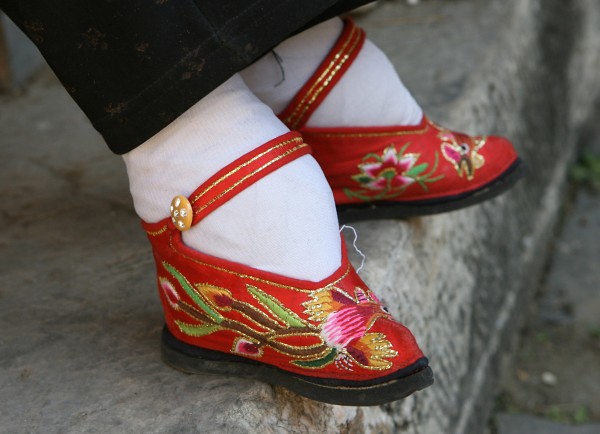
Chinese women from wealthy families would have their feet bound from childhood to create tiny, curved feet called ‘lotus feet’. This painful practice involved breaking bones and binding the feet tightly to prevent normal growth.
Small feet were considered the ultimate feminine ideal and were essential for making a good marriage.
Forehead Plucking
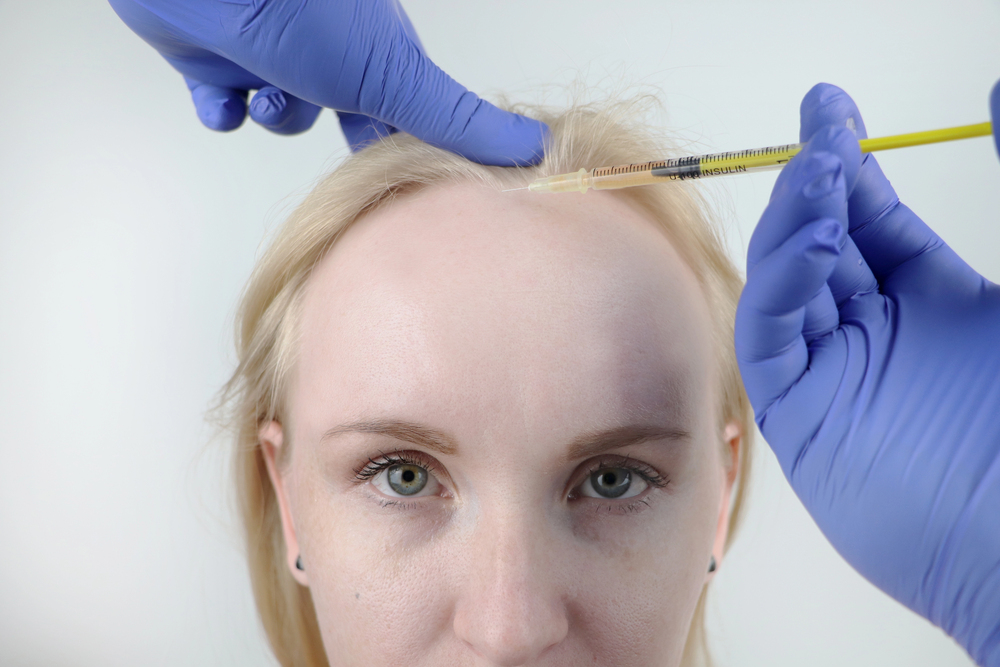
In order to achieve high, domed foreheads that were regarded as both fashionable and intellectually superior, Renaissance women would pluck their hairlines. To get the desired look, they would cut out the hair along their natural hairline in addition to the eyebrow hairs.
For a more dramatic effect, some would even completely shave off their eyebrows.
Green Nail Polish
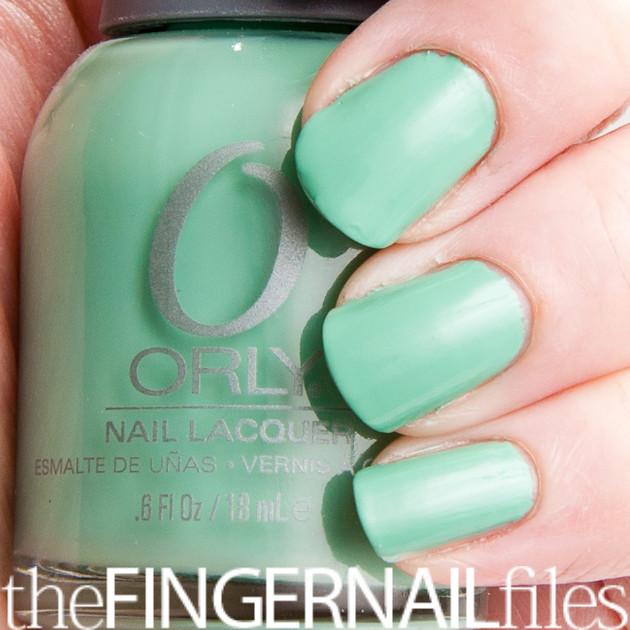
In order to create a variety of nail colors, ancient Chinese aristocrats would use mixtures of beeswax, egg whites, gelatin, and flower petals. Because it required costly ingredients and expert application, green was especially popular among the wealthy.
You were considered important enough to avoid manual labor if your nails were colored.
Beauty Echoes Through Time
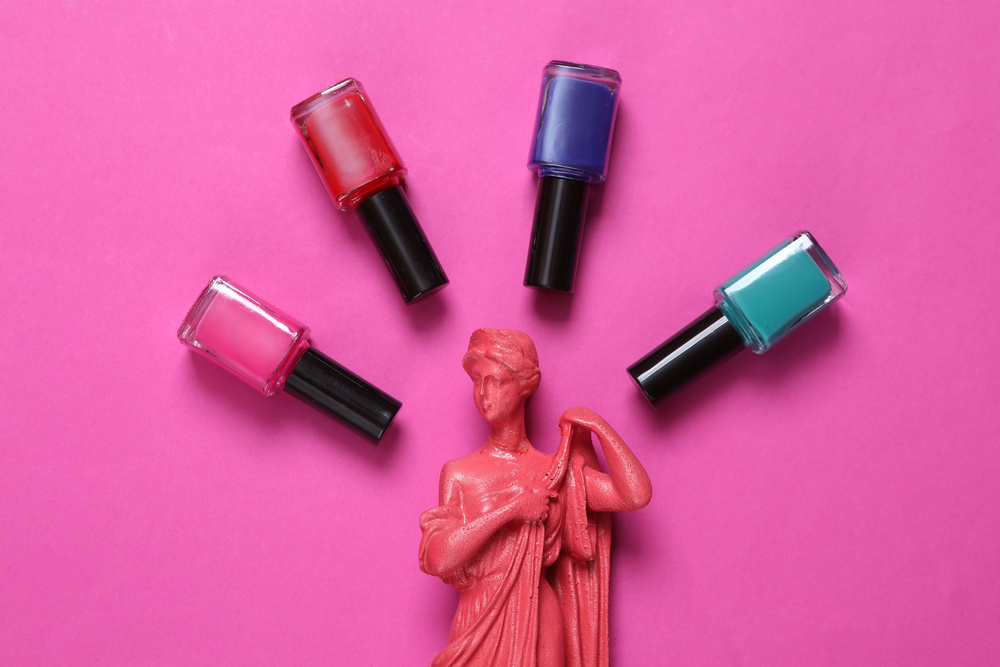
These ancient beauty practices remind us that the desire to enhance our appearance is truly timeless, even if the methods have changed dramatically. While we might cringe at lead-based makeup or foot binding today, many of these trends laid the groundwork for modern cosmetics and beauty treatments.
The next time you apply eyeliner or experiment with a bold lip color, remember you’re participating in traditions that stretch back thousands of years across countless civilizations.
More from Go2Tutors!

- The Romanov Crown Jewels and Their Tragic Fate
- 13 Historical Mysteries That Science Still Can’t Solve
- Famous Hoaxes That Fooled the World for Years
- 15 Child Stars with Tragic Adult Lives
- 16 Famous Jewelry Pieces in History
Like Go2Tutors’s content? Follow us on MSN.



