20 ’70s Ads Everyone Imitated
Advertising was transformed in the 1970s by catchphrases and jingles that grew commonplace and promoted not only goods. These were not just advertising efforts; they were cultural phenomena that changed the way Americans interacted with one another in workplaces, on playgrounds, and at dinner tables across the country.
By bringing these unforgettable advertisements straight into American homes, television helped viewers bond over shared experiences and allusions. These 20 classic ads from the 1970s had people imitating their catchphrases, characters, and settings for years after they were over.
Wendy’s “Where’s the Beef?”
Wendy’s struck advertising gold when they launched this campaign featuring Clara Peller, an elderly woman questioning the substance of competitors’ burgers. The phrase transcended fast food, becoming shorthand for questioning the substance of anything that seemed to promise more than it delivered.
Politicians even incorporated it into debates, proving just how deeply it had embedded itself in the American vernacular.
Coca-Cola’s “I’d Like to Buy the World a Coke”
This hillside gathering of diverse young people singing in harmony became an instant classic that captured the idealistic spirit of the early ’70s. The commercial was so beloved that its jingle was expanded into a full pop song that charted on the radio.
Families would often sing along whenever the commercial appeared, creating a shared moment of connection through advertising.
Like Go2Tutors’s content? Follow us on MSN.
Alka-Seltzer’s “I Can’t Believe I Ate the Whole Thing”
This simple line perfectly captured the universal experience of overindulgence. The commercial’s protagonist, played with perfect everyman discomfort, spawned countless dinner table reenactments as people patted their stomachs and repeated the phrase with the same pained expression.
It became the go-to expression for admitting food-related regret.
Miller Lite’s “Tastes Great, Less Filling”
Miller revolutionized beer marketing by having former athletes and celebrities debate whether their light beer tasted great or was just less filling. The campaign transformed how Americans viewed light beer and created a call-and-response pattern that friends would use at bars and parties.
Sports fans particularly embraced the debate format, often splitting into teams to shout the competing slogans.
Calgon’s “Ancient Chinese Secret”
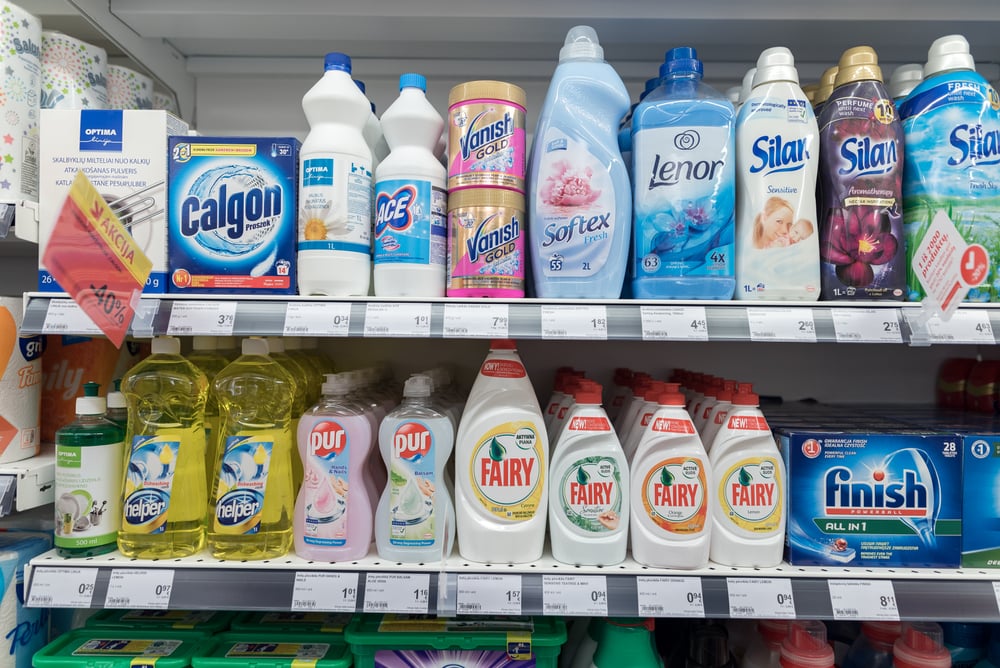
This commercial for laundry detergent featured a couple who owned a laundromat, with customers marveling at their cleaning abilities. When asked about their secret, the husband mysteriously responds “Ancient Chinese secret,” only to have his wife reveal it’s just Calgon.
People imitate both the question and the mystical response in situations having nothing to do with laundry.
Like Go2Tutors’s content? Follow us on MSN.
Life Cereal’s “Mikey Likes It!”
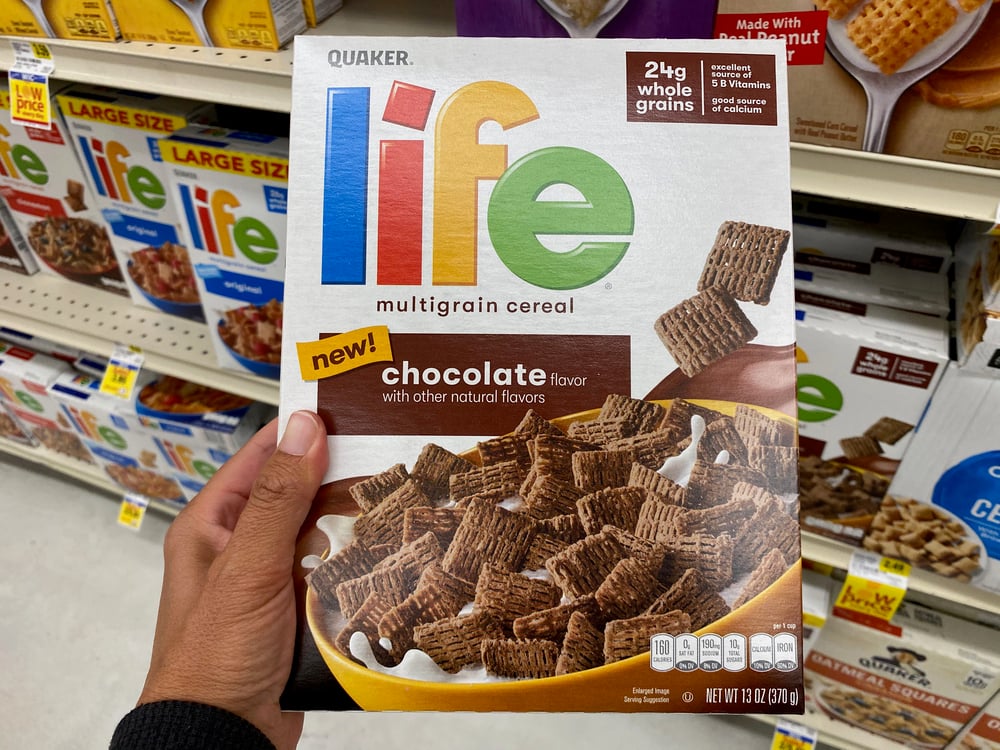
Few commercials captured sibling dynamics better than this classic featuring two brothers pushing their younger brother Mikey to try a healthy cereal. The surprise and delight when “he likes it!” resonated with families everywhere, turning into a widely repeated phrase whenever someone unexpectedly enjoyed something new.
Playground testing of unfamiliar foods often came with this declaration.
Oscar Mayer’s “My Bologna Has a First Name”
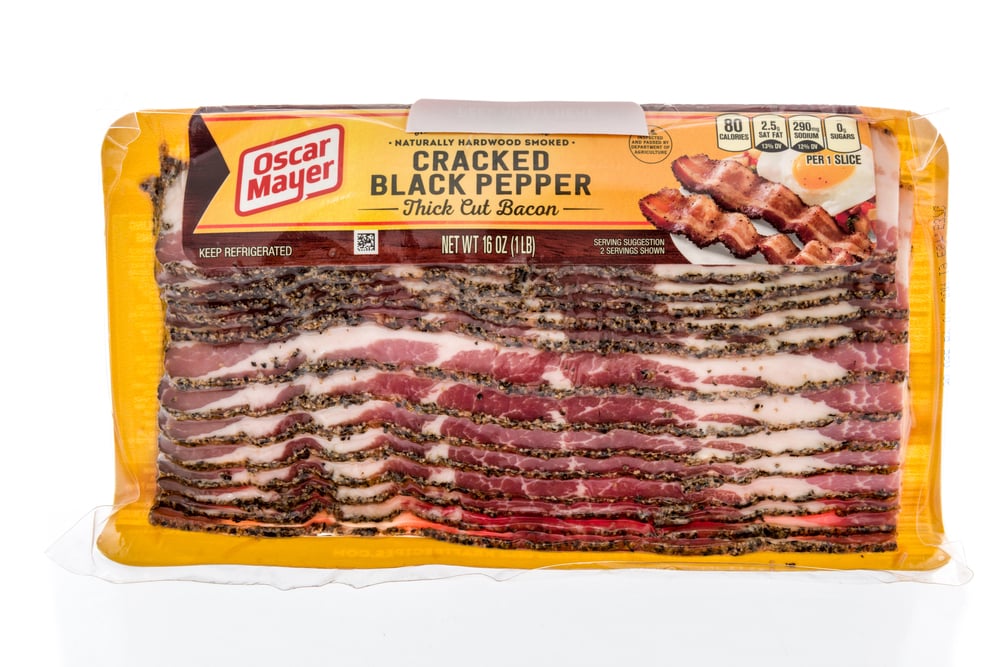
This earworm jingle about personalized lunch meat was impossible to forget once heard. Children across America not only memorized the song but customized it with their own names and food preferences.
The commercial’s child whistling the iconic tune at the end was particularly mimicked by kids who couldn’t quite master the skill, resulting in countless failed whistling attempts nationwide.
Enjoli Perfume’s “I Can Bring Home the Bacon”

Capturing the changing gender roles of the ’70s, this advertisement featured a woman singing about working full time while still maintaining traditional homemaker duties. The catchy “eight-hour perfume for the 24-hour woman” jingle became an anthem repeated by working women and parodied by those commenting on the emerging “superwoman” expectation of the era.
Like Go2Tutors’s content? Follow us on MSN.
Tootsie Pop’s “How Many Licks?”
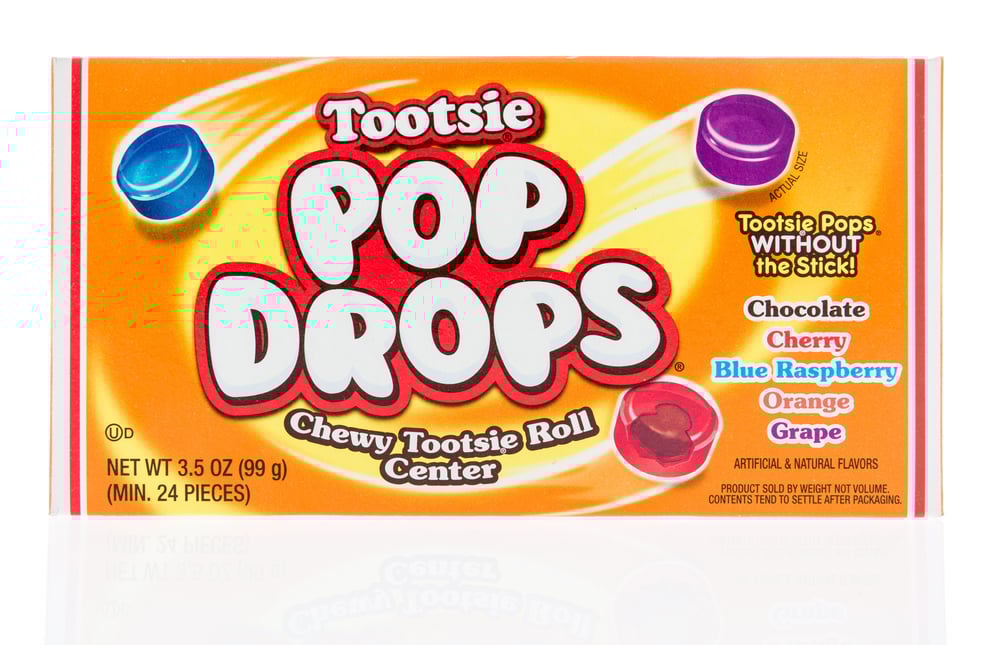
An animated boy asking a wise owl how many licks it takes to reach the center of a Tootsie Pop created one of advertising’s most enduring questions. The owl’s experiment, ending with an impatient crunch after just three licks, inspired countless real-world attempts by children determined to find the actual answer.
The phrase became shorthand for any task requiring patience and persistence.
Burger King’s “Have It Your Way”
This campaign directly challenged fast food standardization by emphasizing customization. The catchy jingle declaring freedom from “special orders” became a defiant consumer anthem that extended beyond restaurants.
People would quote it when asserting their preferences in completely unrelated situations, making it a declaration of personal choice.
Clairol’s “Does She or Doesn’t She?”
Women’s desire for results that look natural was tapped into by this thought-provoking inquiry regarding hair color. The ad campaign fostered a culture of lighthearted conjecture by implying that only her hairdresser was certain.
This remark was frequently used by women to compliment each other’s hair, transforming the commercial into a model for social interaction.
Like Go2Tutors’s content? Follow us on MSN.
FedEx’s “When It Absolutely, Positively Has to Be There Overnight”

This slogan’s promise of urgent dependability became the benchmark for articulating genuine urgency. Professionals in the business world embraced it as a shorthand for any important deadline, frequently making theatrical gestures to reflect the somber tone of the commercial.
It was even more satisfying to deliver the entire phrase because of its length.
Chiffon Margarine’s “It’s Not Nice to Fool Mother Nature”
This memorable commercial personified Mother Nature as a woman who, upon discovering she’s been tricked into thinking margarine is butter, creates stormy weather in retaliation. Her catchphrase became a popular warning against deception of any kind.
Parents particularly loved invoking it when catching children in fibs.
Wisk Detergent’s “Ring Around the Collar”
This campaign highlighted the embarrassing stains that appeared on shirt collars, creating social anxiety around a previously unnoticed issue. The sing-song repetition of “ring around the collar” became a playground taunt and shorthand for any minor but noticeable flaw.
The commercial’s success lay in its ability to create a problem it could then solve.
Like Go2Tutors’s content? Follow us on MSN.
“Plop, Plop, Fizz, Fizz” for Alka-Seltzer

The onomatopoeic jingle describing the sound of Alka-Seltzer tablets dissolving became one of advertising’s most recognized sound effects. People would sing it while dropping anything into liquid, from tea bags to bath bombs.
The completion of the phrase with “oh what a relief it is” became an expression of satisfaction after solving any problem.
Faberge Organics Shampoo’s “And They Told Two Friends”
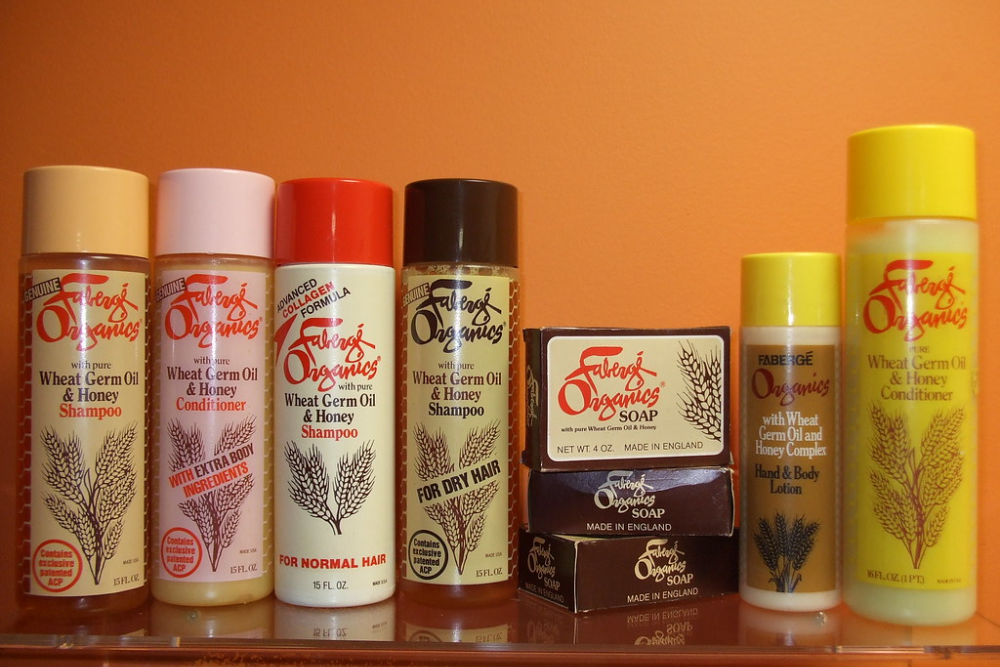
This commercial visualized word-of-mouth marketing with screens multiplying to show how recommendations spread. The concept of telling two friends “and so on, and so on” became a way to describe viral phenomena before the internet existed.
Friends would mimic the hand gestures and elaborate explanations when sharing gossip or recommendations.
Charlie Tuna for StarKist’s “Sorry, Charlie”
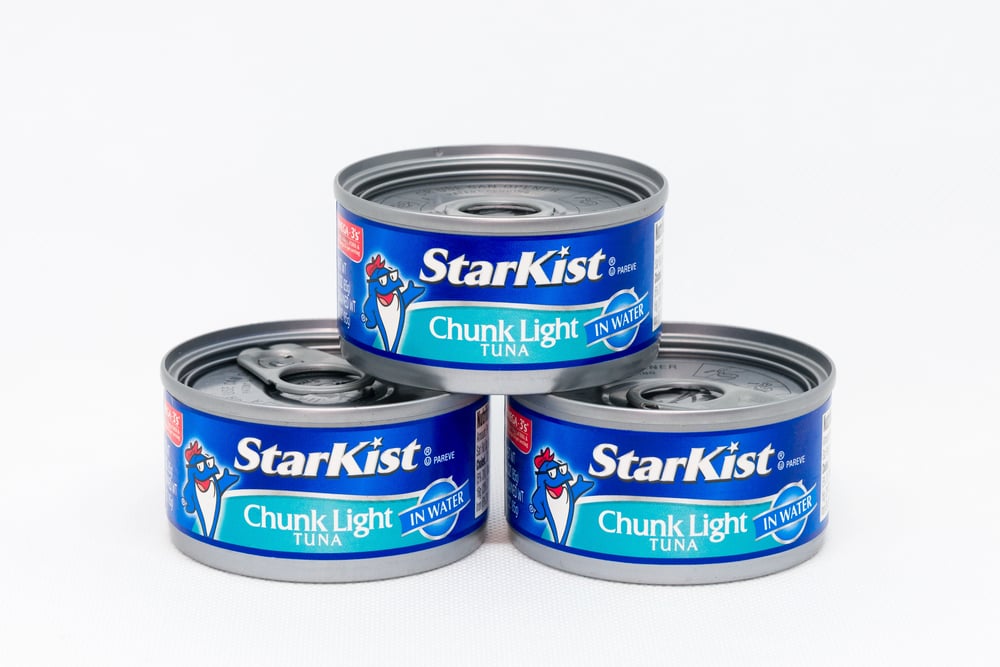
This animated tuna’s repeated rejection for not being “good enough” for StarKist created a catchphrase for any disappointing refusal. The casual dismissal of “Sorry, Charlie” entered the lexicon as a gentler way to say no, complete with the slight singsong delivery from the commercial.
Children particularly adopted it as a playground taunt.
Like Go2Tutors’s content? Follow us on MSN.
Timex’s “Takes a Licking and Keeps on Ticking”

Torture tests for Timex watches made for compelling television as timepieces endured extraordinary punishment yet continued functioning. The phrase became synonymous with durability and resilience, applied to everything from appliances to people who bounced back from adversity.
The commercials were so popular that people would gather around TVs to see what extreme test would be featured next.
Marlboro Man
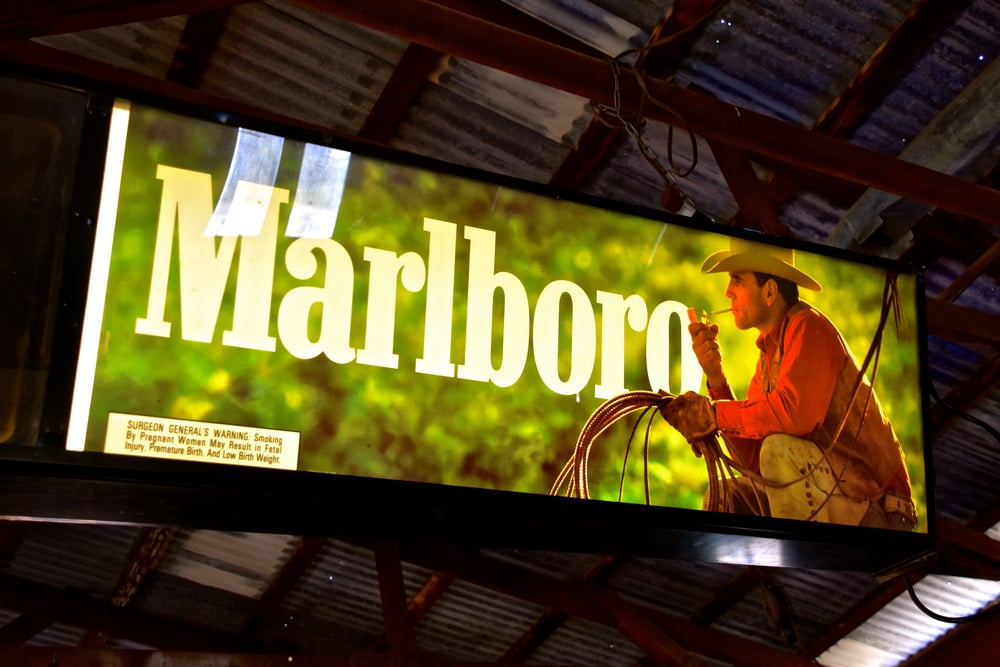
The rugged cowboy figure representing this brand became the ultimate symbol of American masculinity in the ’70s. Men would strike the iconic pose, leaning against walls with one foot propped up, attempting to channel the character’s stoic independence.
The character was so effective that people would call any strong, silent type a “Marlboro Man” regardless of whether they used the product.
Coke’s “Mean Joe Greene” Commercial
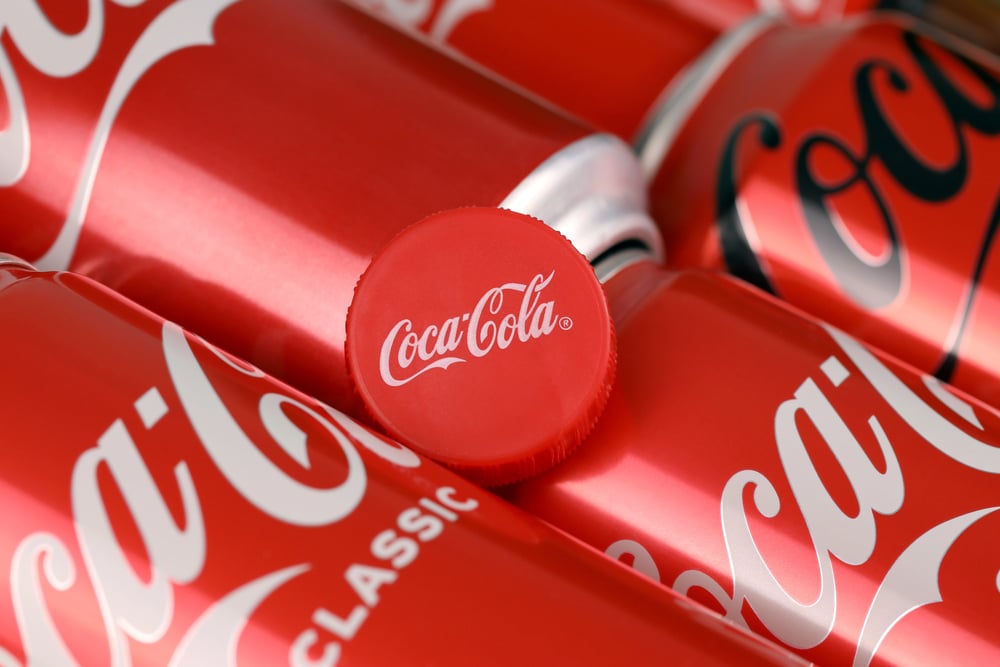
This heartwarming ad showed a young fan offering his Coca-Cola to the intimidating football star Joe Greene, who transforms from gruff to grateful after taking a sip. The commercial’s emotional climax—Greene tossing his jersey to the boy with the line “Hey kid, catch!”—was recreated countless times on playgrounds across America.
Children would toss items to friends while mimicking Greene’s exact tone and timing.
Like Go2Tutors’s content? Follow us on MSN.
Cultural Echoes That Last
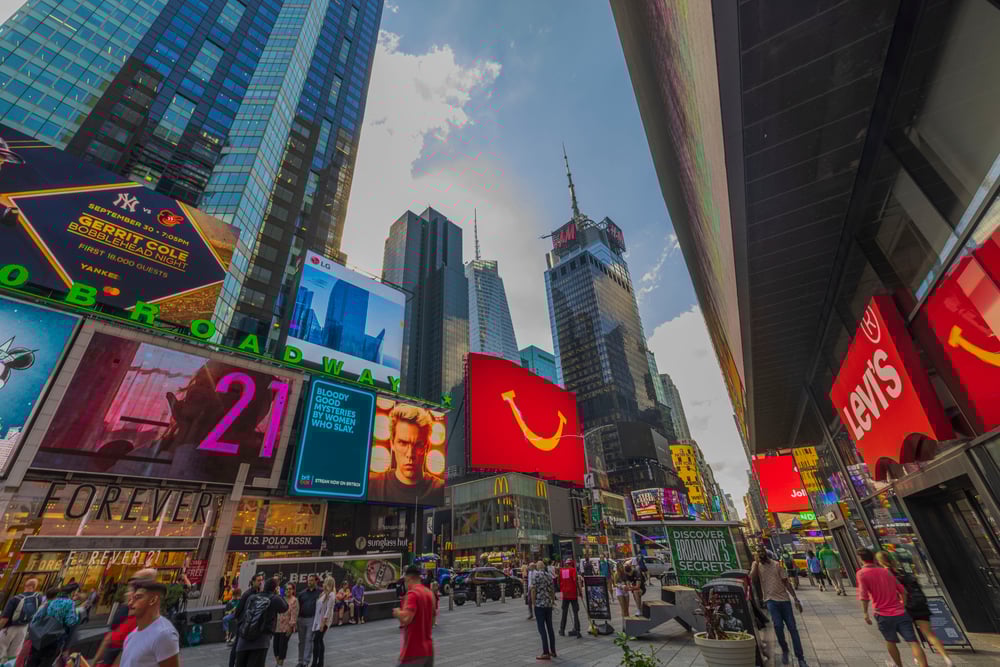
The staying power of these ’70s advertisements demonstrates how commercial messages can transcend their original purpose to become cultural touchstones. These weren’t just selling products—they were creating shared experiences that connected Americans through common language and reference points.
Today’s viral memes serve a similar function, but there was something special about these analog campaigns that brought people together through collective imitation in a pre-internet world.
More from Go2Tutors!

- 18 Unexpectedly Valuable Collectibles You Might Have Lying Around
- 15 Things Every Teenager in the ’70s Did That Teens Today Wouldn’t Understand
- 15 Strange Things People Have Tried to Ban (And Failed)
- 15 Inventions That Were Immediately Banned After Being Created
- 20 Actors Who Were Almost Cast in Iconic Roles
Like Go2Tutors’s content? Follow us on MSN.