15 Smallest Animals With Big Reputations
Size has nothing to do with impact. Some of the most feared, most beloved, and most talked-about animals on the planet are ones you could hold in the palm of your hand — or ones you’d rather not get within a mile of.
The animal kingdom has a way of proving, over and over, that the smallest creatures often carry the biggest stories. Here are 15 of them.
1. Honey Badger
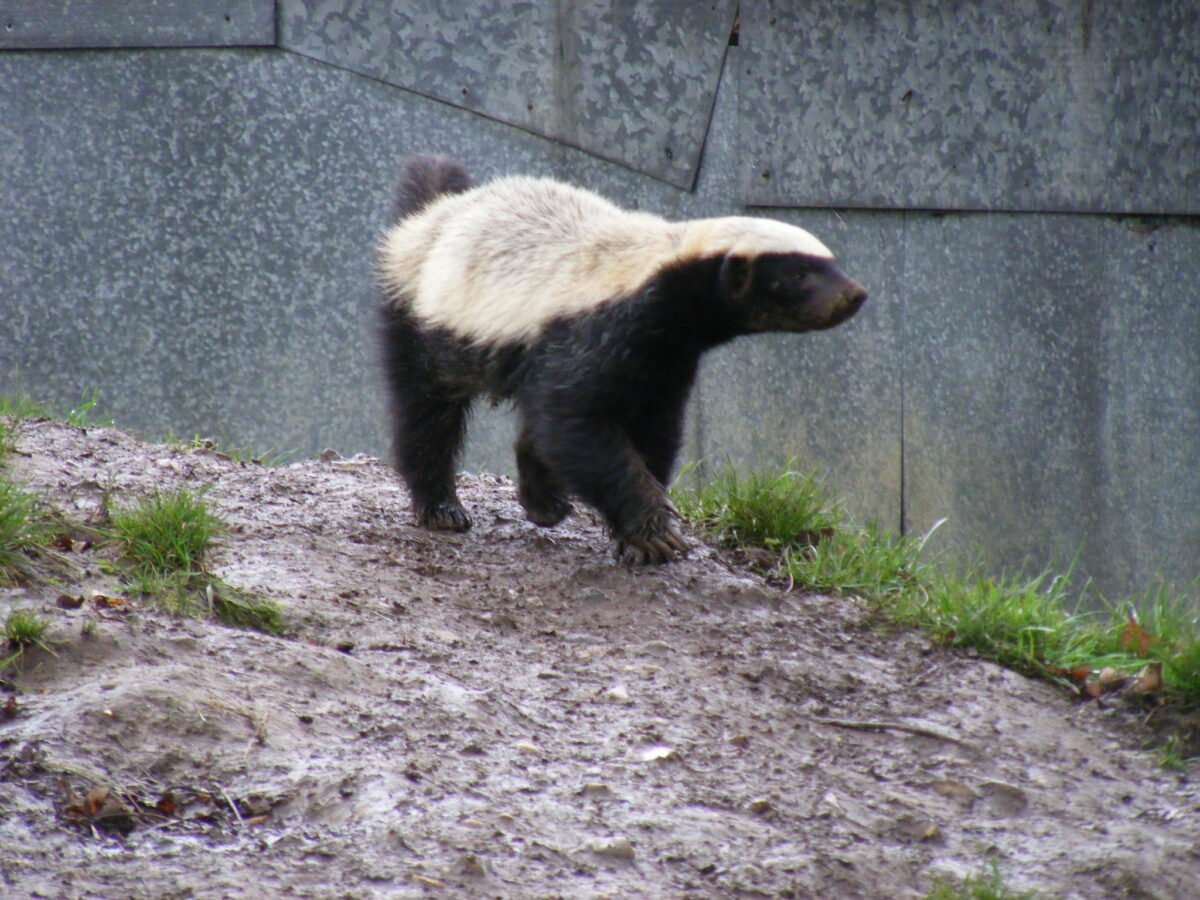
The honey badger weighs around 25 pounds at most. That puts it roughly in the range of a medium-sized house cat.
And yet, honey badgers have been documented attacking lions, chasing off leopards, and raiding beehives with complete indifference to thousands of bee stings. They have loose, thick skin that lets them twist around and bite attackers even while being held, which makes them genuinely dangerous to predators far larger than themselves.
Venom from cobras that would kill most animals just puts a honey badger to sleep for a few hours. They wake up and keep going.
2. Bullet Ant
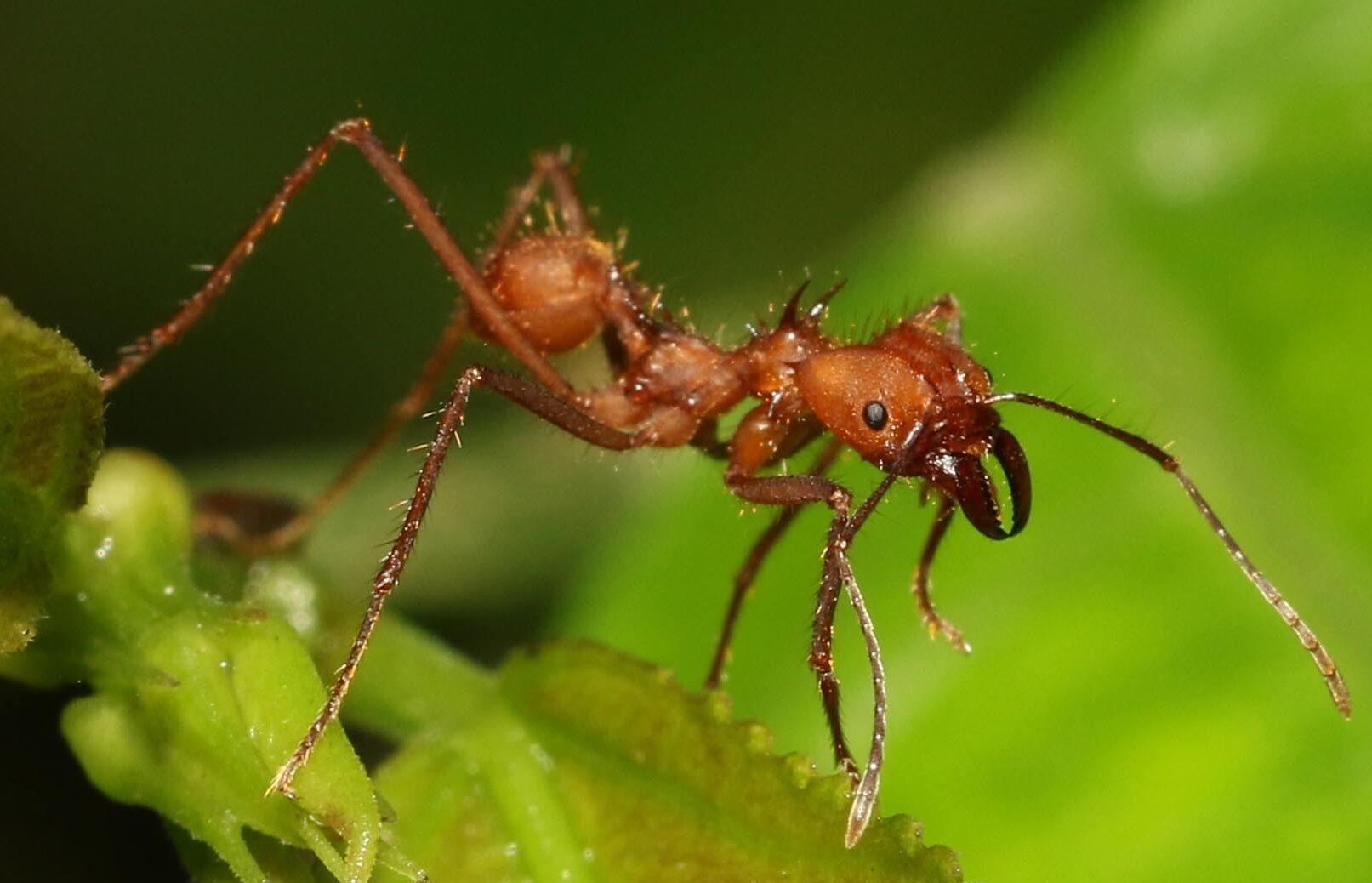
The bullet ant is roughly an inch long — less, usually. But it delivers what’s widely considered the most painful insect sting on Earth.
People who’ve been stung describe the sensation as a throbbing, burning, all-consuming pain that can last 24 hours straight. Some Amazonian communities use bullet ants in coming-of-age rituals, where young men wear gloves woven with hundreds of live ants.
The pain is kind of the point. For something the size of a thumbnail, the bullet ant has earned a reputation that most creatures ten times its size never will.
3. Pygmy Shrew
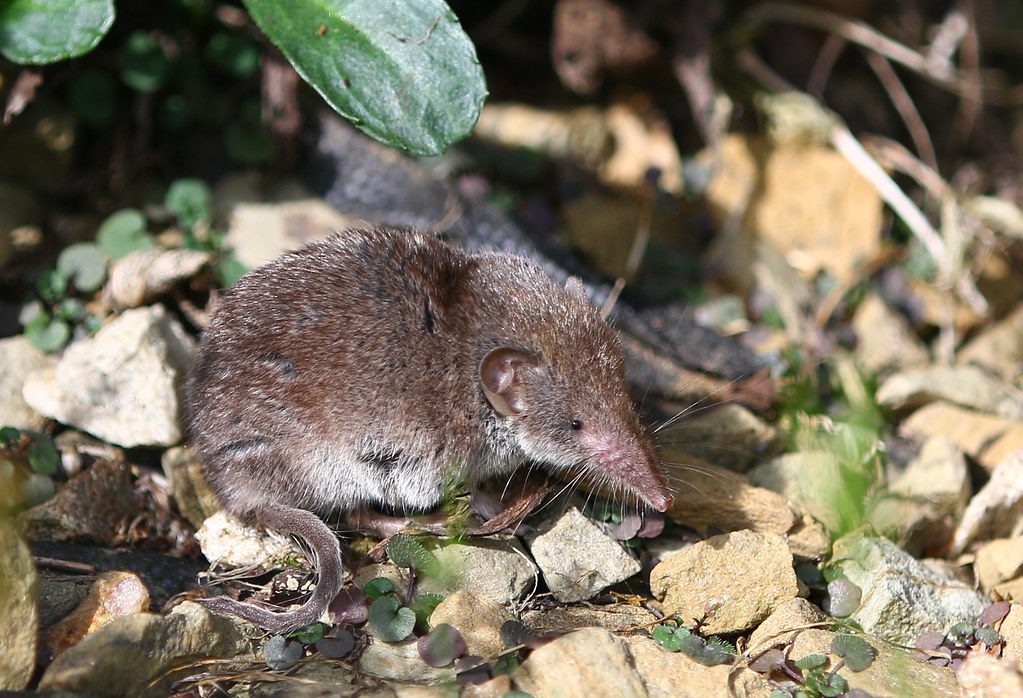
The pygmy shrew is one of the smallest mammals alive, weighing less than a dime. But to sustain that tiny body, it has to eat constantly — consuming nearly its own body weight in insects every single day.
Its heart beats over a thousand times per minute. If it goes more than a few hours without food, it dies.
That level of metabolic intensity is almost hard to picture. The pygmy shrew lives at a pace that makes most animals look like they’re standing still.
4. Irukandji Jellyfish
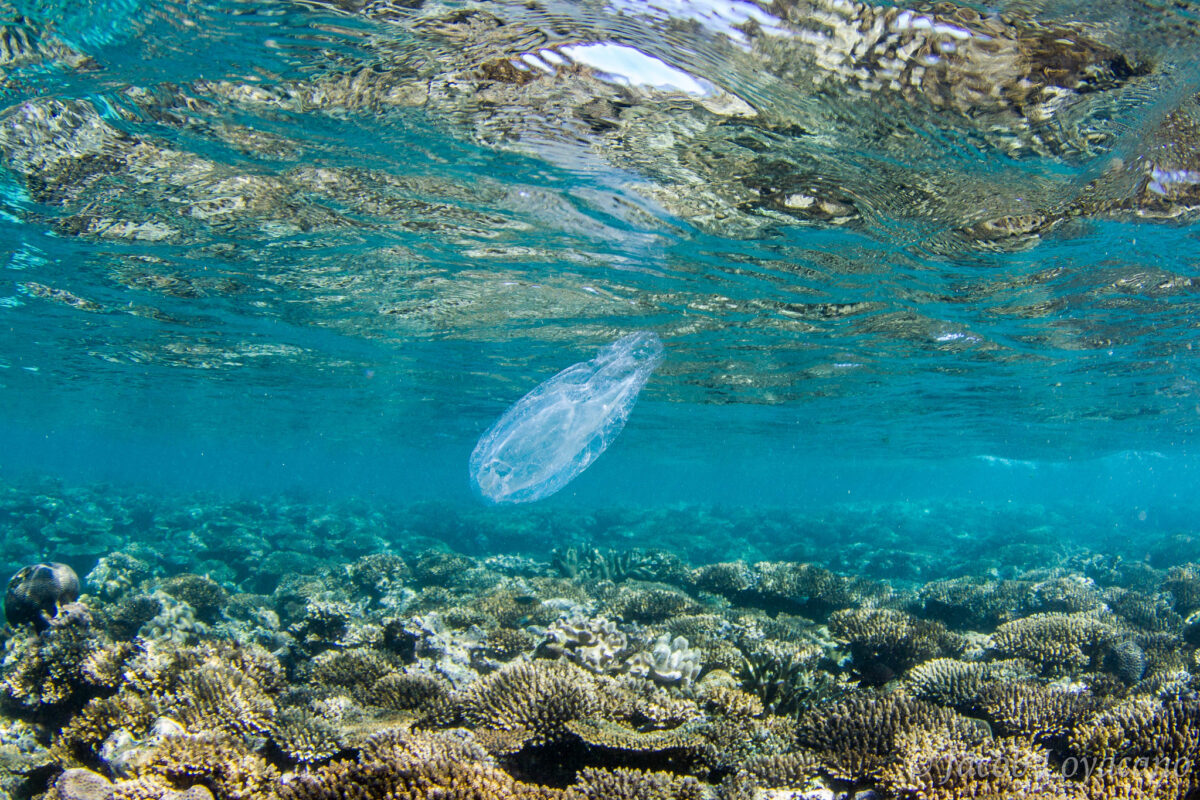
You could fit an Irukandji jellyfish in a shot glass. Its bell is about the size of a fingernail, and its tentacles are nearly invisible in the water.
But the sting from one of these tiny jellyfish triggers what’s been called Irukandji syndrome — a condition that brings on intense pain, vomiting, muscle cramps, and a feeling of impending doom so overwhelming that some patients beg their doctors to let them die. Found off the coast of Australia, the Irukandji has turned parts of the ocean that look completely calm and clear into genuinely dangerous places.
5. Deathstalker Scorpion
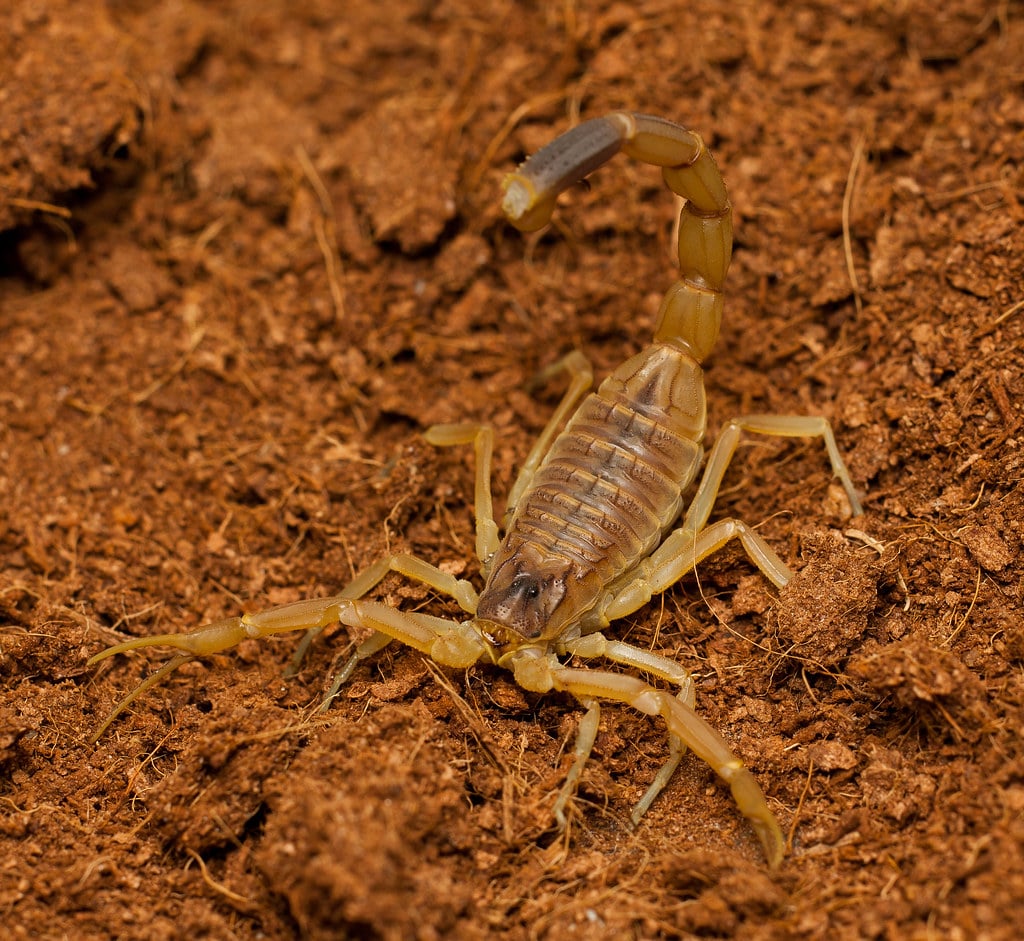
The deathstalker scorpion averages about 3.5 inches long — smaller than most people’s hands. It’s also responsible for the majority of scorpion-related deaths worldwide.
Found across North Africa and the Middle East, it carries a venom cocktail powerful enough to cause heart failure and pulmonary edema in humans.
The name isn’t exaggeration. What makes it especially unnerving is how light-colored and almost delicate it looks — nothing about its appearance signals danger until it’s too late.
6. Tardigrade
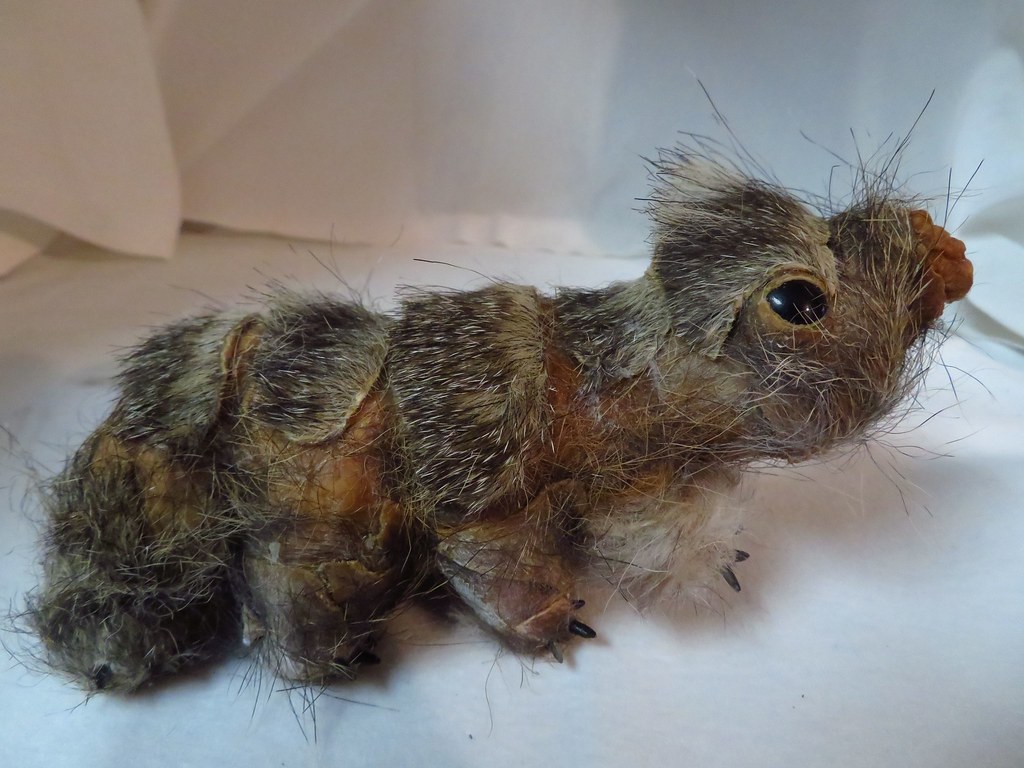
Tardigrades are microscopic. You need a magnifying glass to see one.
But in terms of survival, nothing on Earth comes close to what they can do. Tardigrades have been exposed to the vacuum of outer space and survived.
They handle temperatures close to absolute zero and above 300 degrees Fahrenheit. They withstand radiation levels that would kill a human thousands of times over.
When conditions get bad, they pull in their limbs, expel almost all their water, and enter a suspended state that can last decades. Scientists have revived tardigrades from this state after more than 30 years.
Size, for a tardigrade, means absolutely nothing.
7. Pistol Shrimp
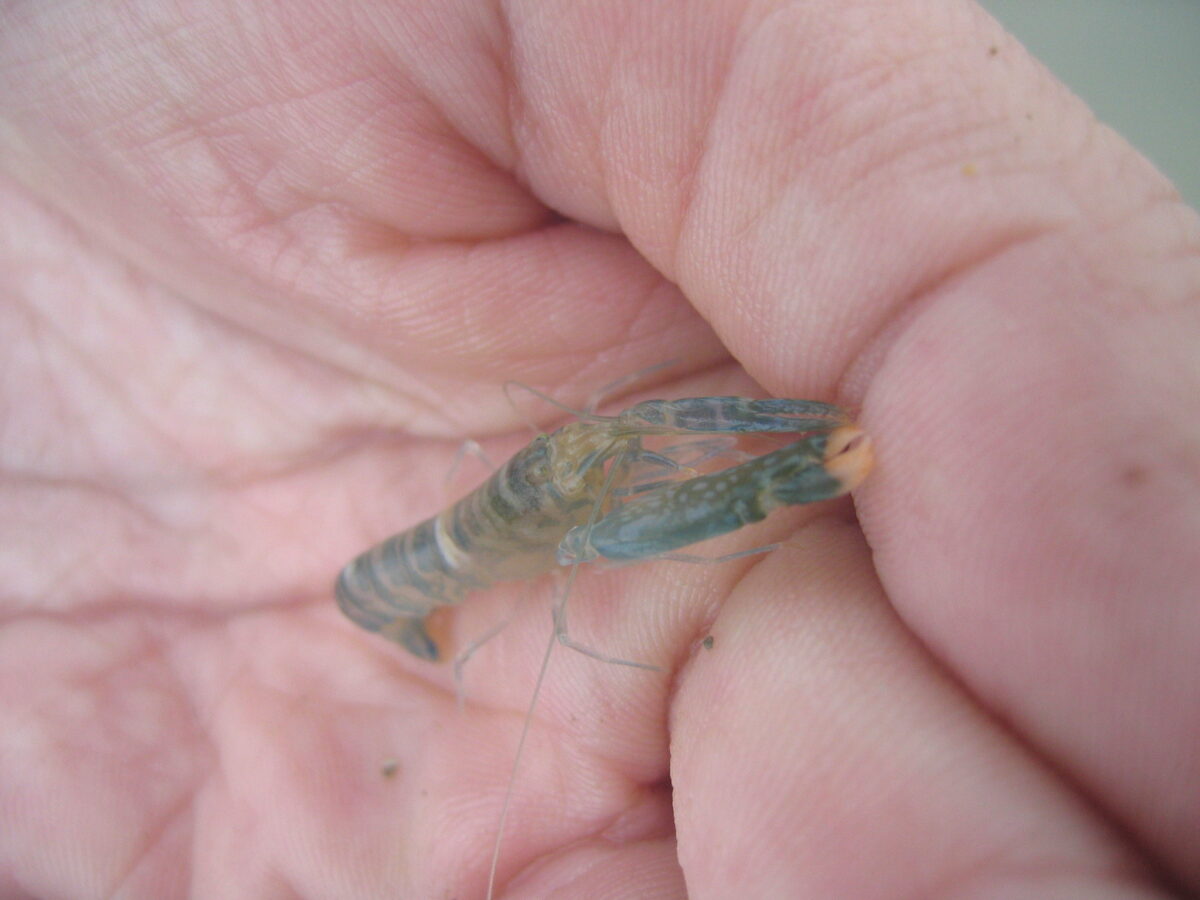
The pistol shrimp is about two inches long and lives in shallow ocean waters. When it snaps its oversized claw shut, it creates a cavitation bubble that travels faster than a bullet and hits prey with a shockwave reaching temperatures close to the surface of the sun — briefly.
The snap is so loud it can disrupt sonar equipment on submarines. For decades, the noise in certain ocean regions confused naval operators who couldn’t figure out the source.
It was a tiny shrimp. Billions of them, snapping.
8. Poison Dart Frog
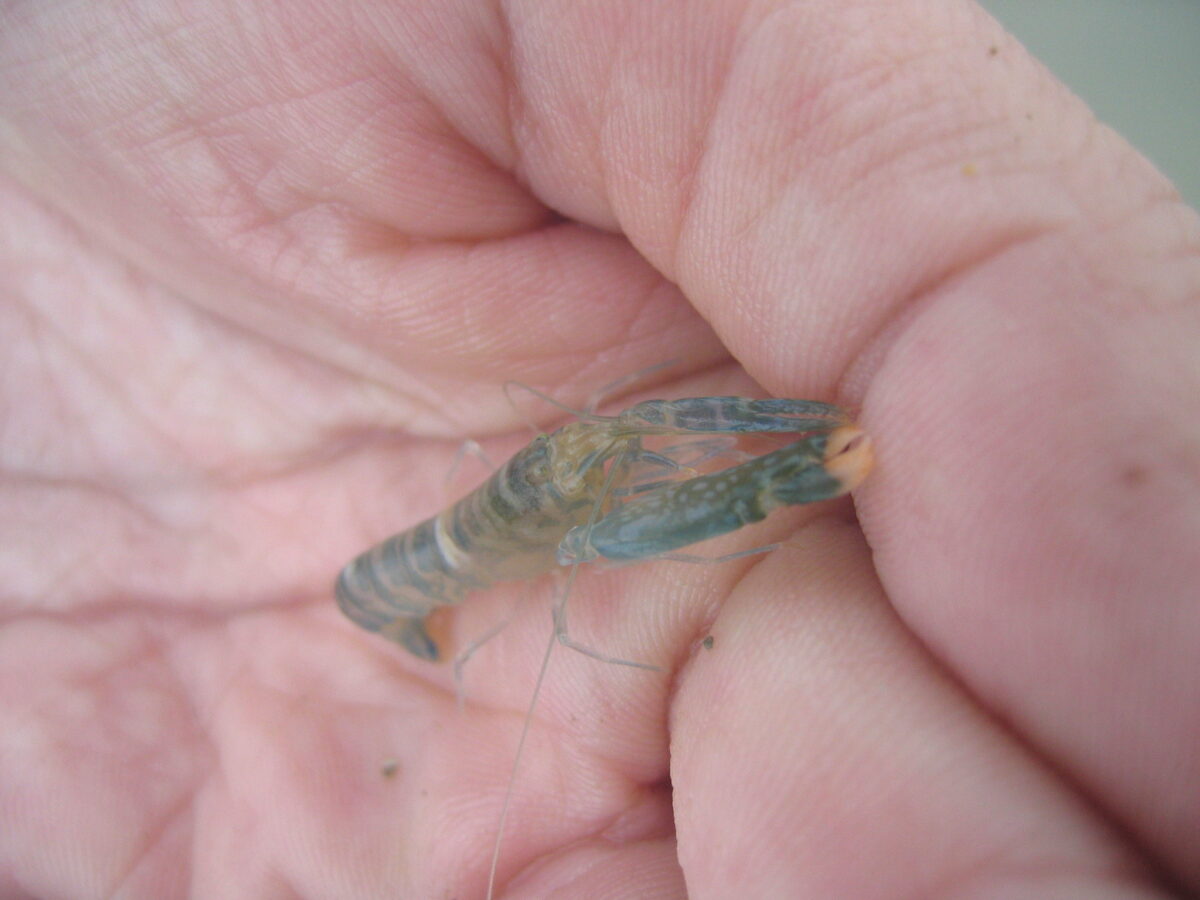
Poison dart frogs are often smaller than a bottle cap. They’re also some of the most brightly colored animals on the planet, which is the point — that color is a warning.
The golden poison dart frog carries enough toxin in its skin to kill ten adult humans. Indigenous hunters in Colombia have historically used this toxin on the tips of blowgun darts, which is where the name comes from.
In captivity, without access to the specific insects that produce the compounds they convert into poison, they become harmless. But in the wild, something the size of a grape is one of the most toxic animals alive.
9. Boomslang
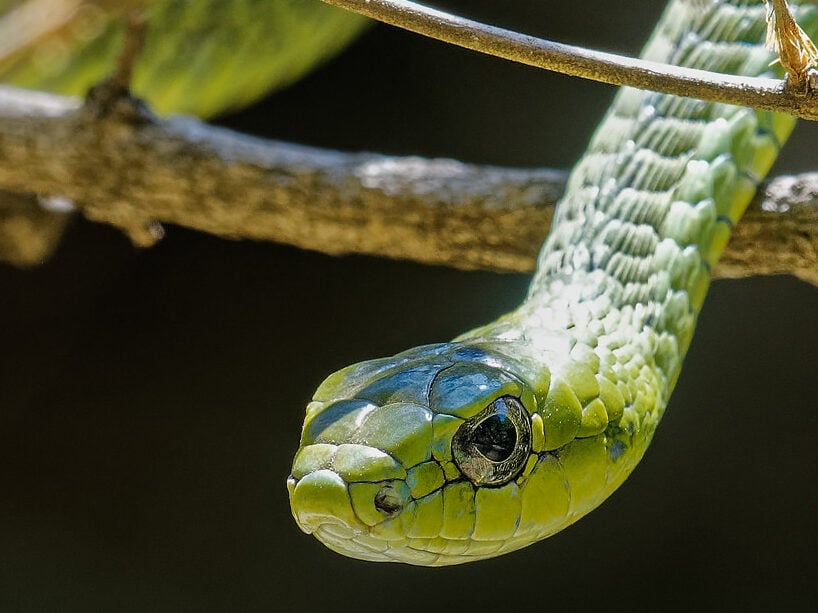
The boomslang is a slim tree snake, rarely more than five feet long and often considerably shorter. For a long time, herpetologists thought it was relatively harmless because it’s rear-fanged — meaning its fangs sit toward the back of its mouth rather than the front.
That assumption proved fatal in 1957, when renowned herpetologist Karl Schmidt was bitten by a juvenile boomslang and, believing the bite posed little risk, didn’t seek treatment. He died the next day.
The boomslang’s hemotoxic venom prevents blood from clotting, causing uncontrolled hemorrhaging internally and externally that, if untreated, kills slowly and painfully. Small snake.
Enormous lesson.
10. Pea Aphid
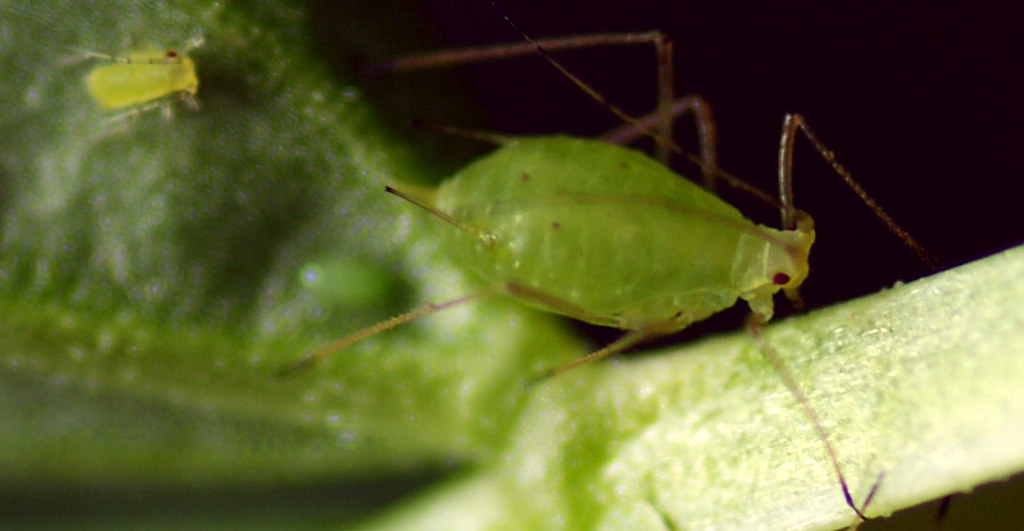
The pea aphid is barely 4mm long. But in terms of agricultural destruction, it punches far above its weight.
A single aphid can reproduce without fertilization, producing dozens of live young per week, which then do the same. A colony can explode into millions within days.
Pea aphids transmit plant viruses as they feed, and entire crops can be devastated before most farmers notice anything is wrong. They’ve driven significant economic losses across farming regions worldwide.
Something you can barely see without squinting has disrupted food supplies at scale.
11. Mosquito
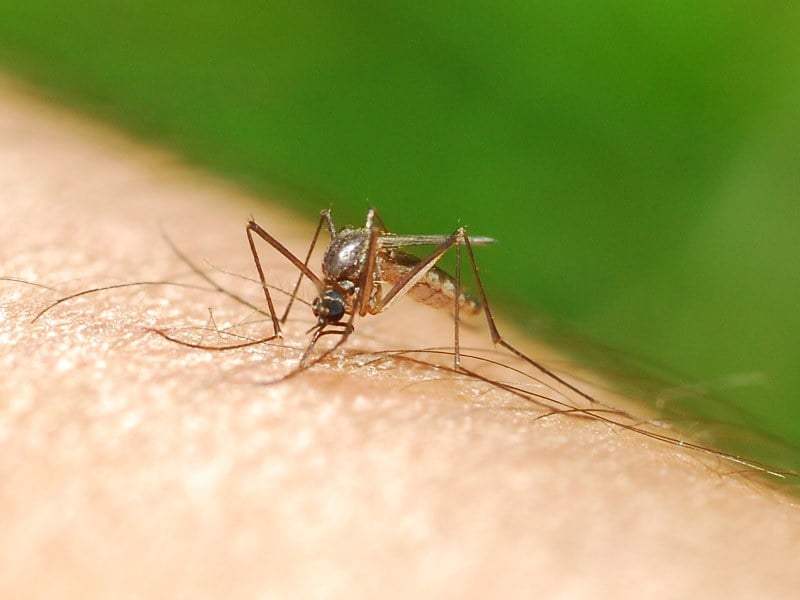
The mosquito gets listed here not because of its venom or strength, but because of the sheer scale of its impact on human history. It’s responsible for more human deaths than any other animal — more than all wars combined, by most estimates.
Malaria alone has killed billions of people over centuries. Yellow fever, dengue, Zika, West Nile — all mosquito-borne.
The mosquito weighs about 2.5 milligrams. It’s killed empires, shaped migration patterns, and altered the outcomes of wars by incapacitating entire armies.
Nothing on this list has changed human civilization more profoundly.
12. Mantis Shrimp
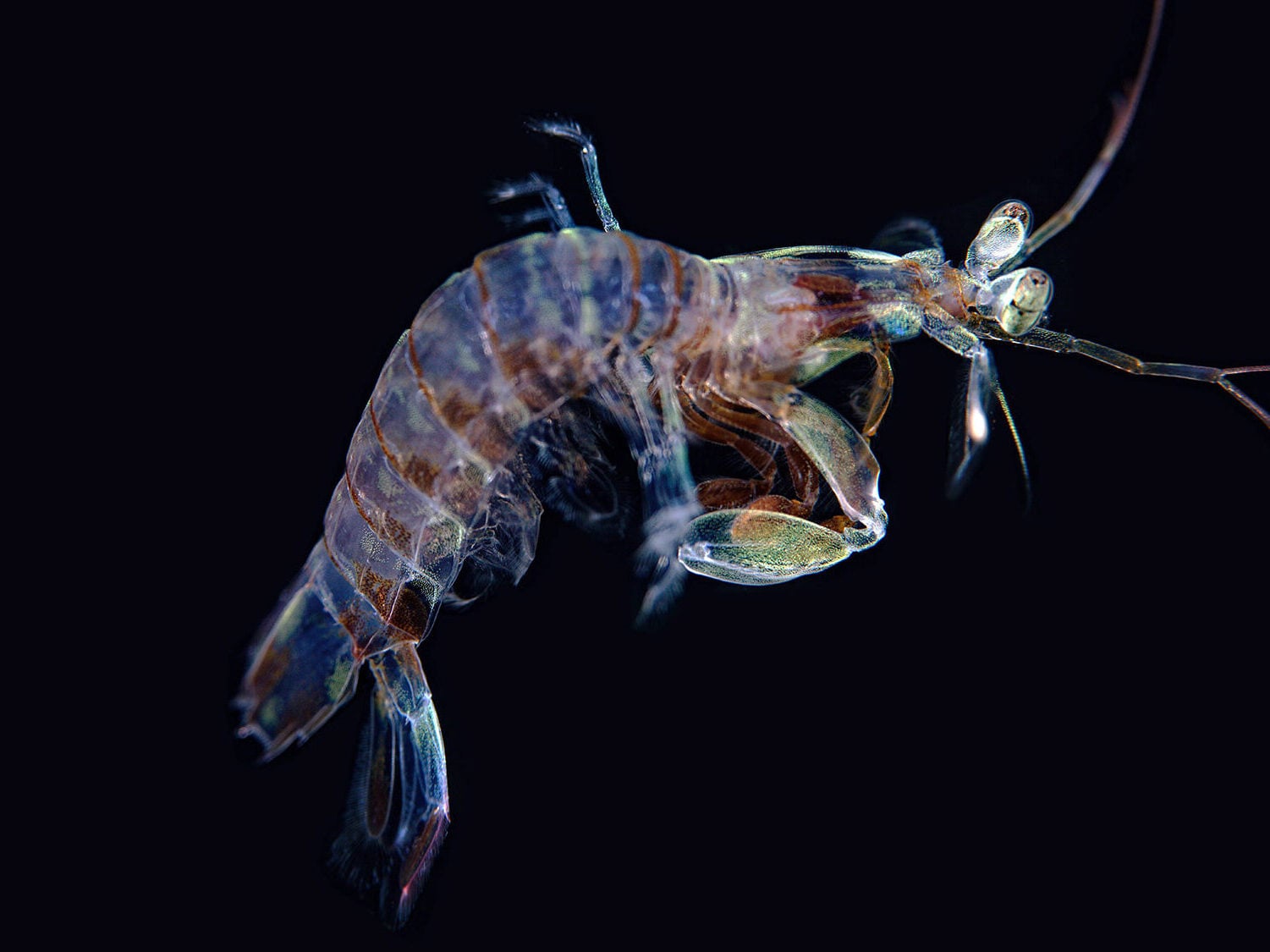
Mantis shrimp are only a few inches long, and they look almost cartoonish — bright orange, purple, and green. But their claws strike with the force of a bullet.
The smashing club of a mantis shrimp accelerates at the speed of a 22-caliber bullet and can break through aquarium glass. They also see in 16 color channels, compared to the three that humans use.
Their vision processes information in a way that scientists still don’t fully understand. For something smaller than your hand, the mantis shrimp is both one of the most physically dangerous and one of the most perceptually complex animals alive.
13. Wandering Spider
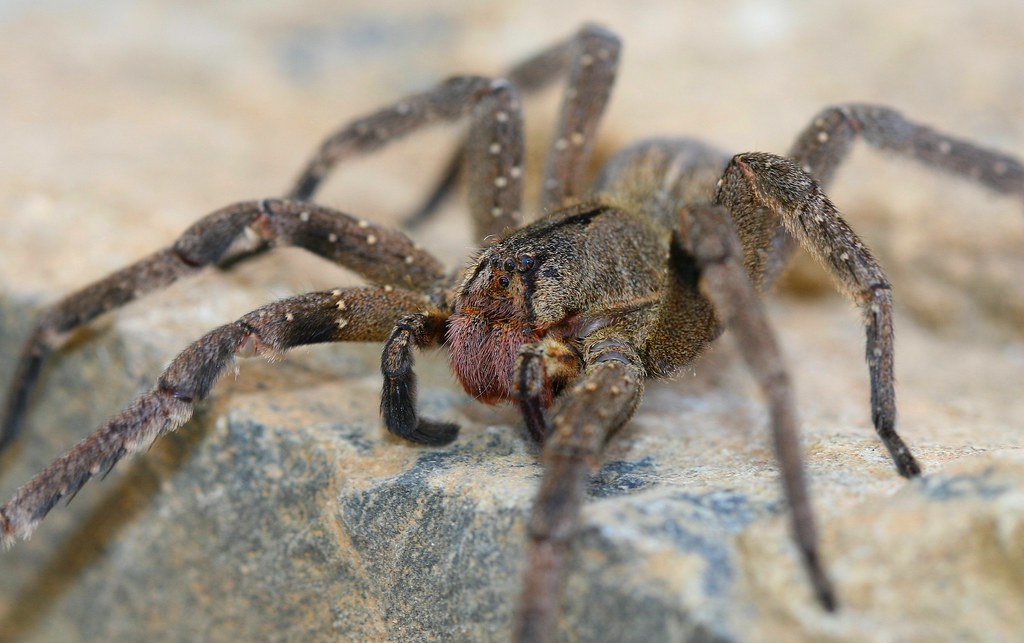
The Brazilian wandering spider, which fits in the palm of your hand, holds a place in the Guinness World Records as the most venomous spider on Earth. It doesn’t build webs and wait — it actively hunts, which is where the name comes from.
It hides in fruit clusters, shoes, and clothing, and bites without much provocation. The venom causes intense pain, inflammation, and in severe cases, priapism and cardiovascular collapse.
The spider’s aggressive posture — rearing up on its back legs — is a serious warning that most people unfortunately encounter too close to ignore.
14. Orca
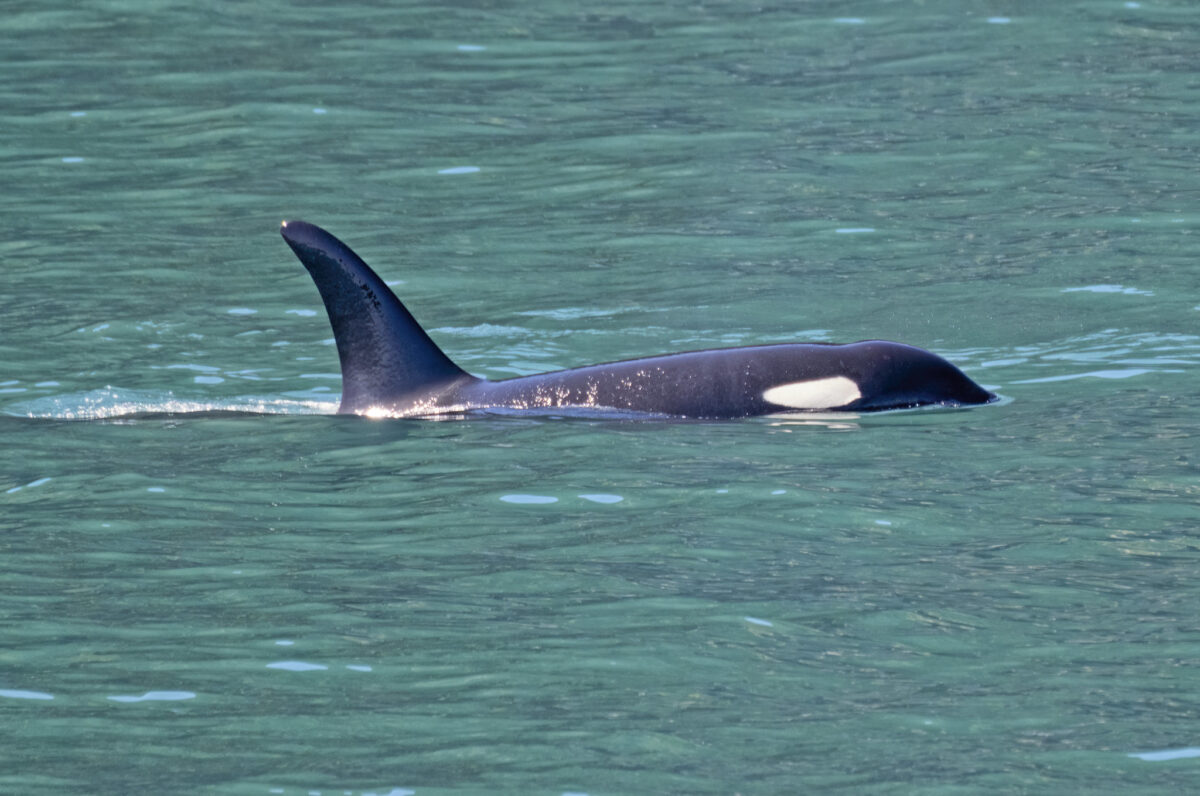
Orca make this list because of the gap between their actual size and how that size gets perceived. An orca is about 20 to 26 feet long, which sounds large until you remember that the ocean also contains blue whales at 100 feet.
Relative to the ecosystem they dominate, orcas are compact predators. And yet they hunt great white sharks, humpback whales, and blue whales.
They coordinate hunts with family pods, teach their young specific techniques, and have dialects that vary between groups. No other predator in the ocean has the same combination of intelligence, coordination, and range.
The nickname “killer whale” undersells it — orca are the apex predator of the sea, full stop.
15. Bald-Faced Hornet
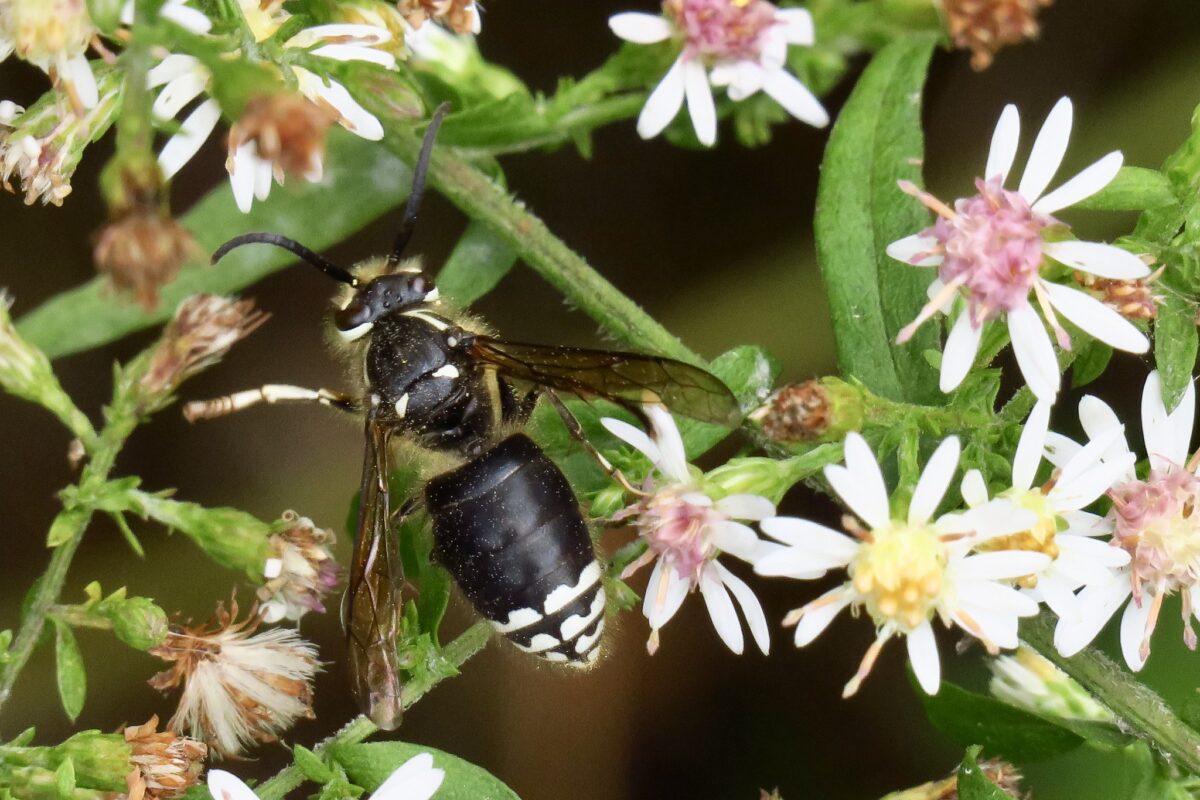
The bald-faced hornet is about three-quarters of an inch long. And it’s one of the animals people most underestimate.
Unlike honeybees, bald-faced hornets can sting multiple times, and they do — aggressively, repeatedly, and in coordinated defense of their nest. They’ve been known to pursue people for hundreds of feet.
The venom causes intense localized pain and swelling, and people with allergies face serious risk from a single encounter. More than that, bald-faced hornets have exceptional vision and can recognize human faces, which scientists discovered when hornets began attacking specific researchers who’d disturbed nests — but not other people nearby.
That’s a level of targeted recognition that feels unsettling coming from an insect.
The Lesson the Small Ones Keep Teaching
The animals on this list aren’t impressive despite their size. They’re impressive because size turned out to be irrelevant.
A few milligrams of toxin. A snap that heats water to plasma.
A microscopic body that survives the void of space. These creatures found other ways to matter — through chemistry, physics, behavior, or sheer biological tenacity.
Next time something small crosses your path, it’s worth pausing before you dismiss it. The animal kingdom’s most compelling stories often come in the smallest packages.
More from Go2Tutors!

- The Romanov Crown Jewels and Their Tragic Fate
- 13 Historical Mysteries That Science Still Can’t Solve
- Famous Hoaxes That Fooled the World for Years
- 15 Child Stars with Tragic Adult Lives
- 16 Famous Jewelry Pieces in History
Like Go2Tutors’s content? Follow us on MSN.