17 Locations Most Prone to Natural Disasters
Mother Nature doesn’t play favorites, but she certainly has her preferred targets. Some places on Earth seem cursed by geography, sitting at the crossroads of tectonic plates, hurricane paths, and volcanic hot spots where disaster strikes with alarming regularity.
Here are 17 locations where natural forces unleash their fury most often, turning paradise into chaos and leaving communities to rebuild time and again.
Japan
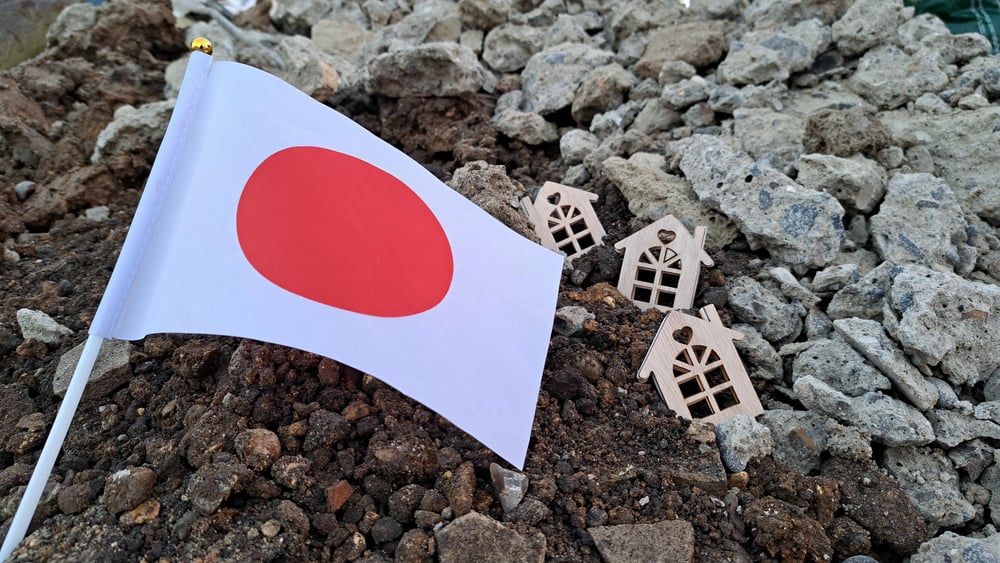
The island nation sits on the Ring of Fire where four major tectonic plates collide. Earthquakes rattle the country daily, though most go unnoticed by residents who’ve grown accustomed to the gentle swaying.
Still, Japan faces more than just ground tremors. The 2011 disaster showed how quickly modern infrastructure can crumble against nature’s power.
Philippines
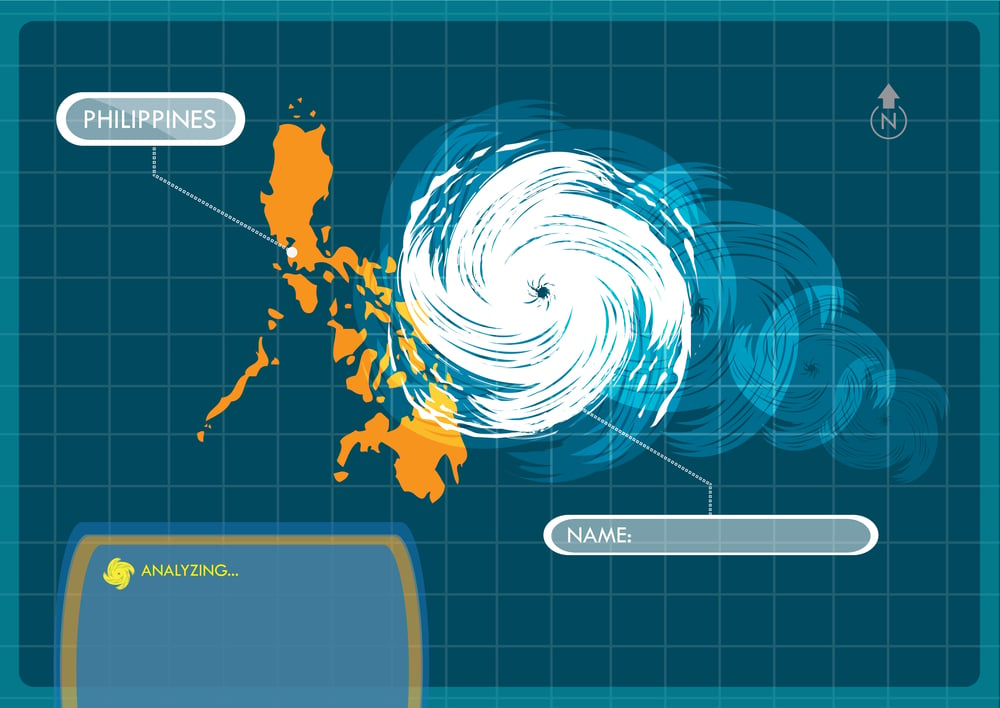
Typhoon season brings monthly terror to this archipelago of over 7,000 islands. The country averages 20 typhoons per year, with some packing winds that can flatten entire cities.
Mount Mayon’s perfect cone shape belies its deadly history of regular eruptions that force mass evacuations.
Indonesia
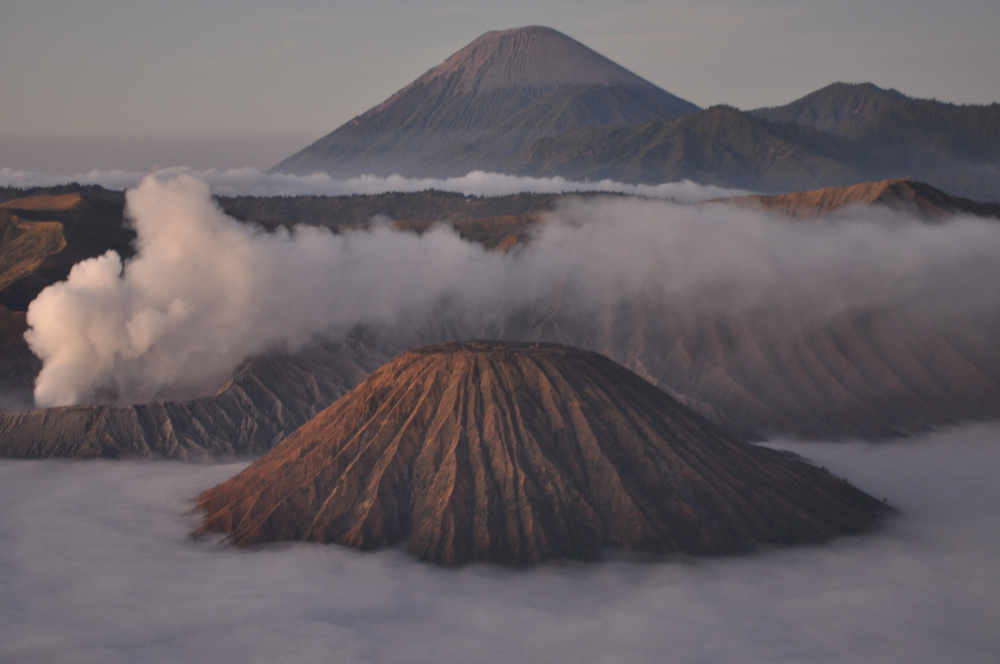
This sprawling nation straddles the most seismically active region on Earth. More than 130 active volcanoes dot the landscape like sleeping giants.
The 2004 Indian Ocean tsunami originated here, killing over 230,000 people across multiple countries. The smell of sulfur hangs in the air near many communities.
Haiti
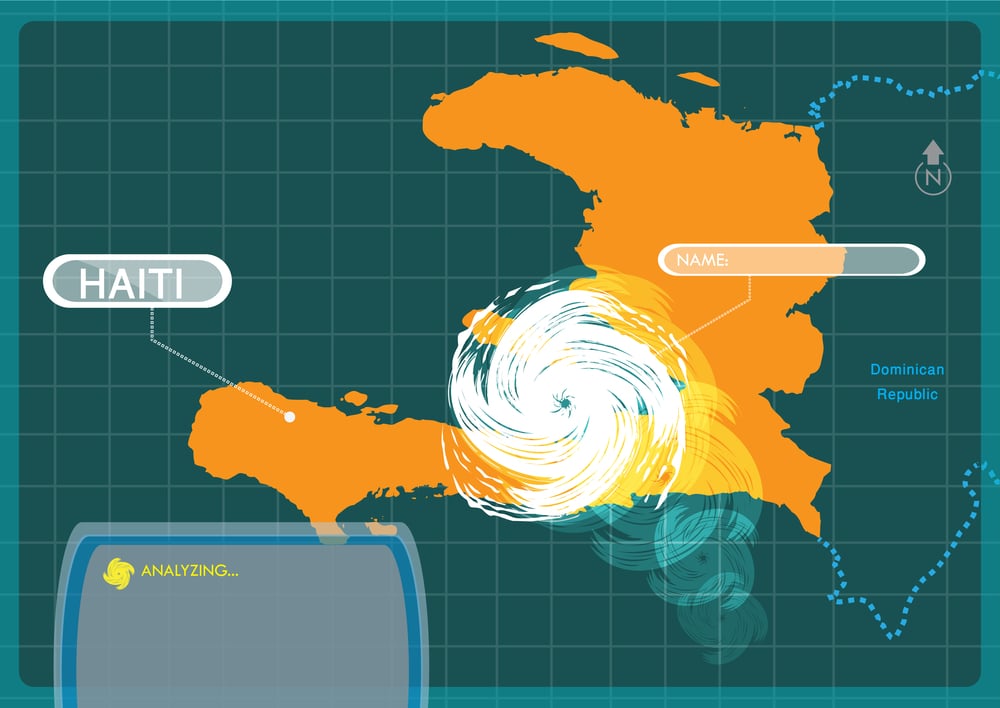
Poverty amplifies every natural disaster that strikes this Caribbean nation. The 2010 earthquake killed over 200,000 people, mostly due to inadequate building standards.
Even tropical storms can prove deadly when infrastructure fails. Devastating combination.
Bangladesh
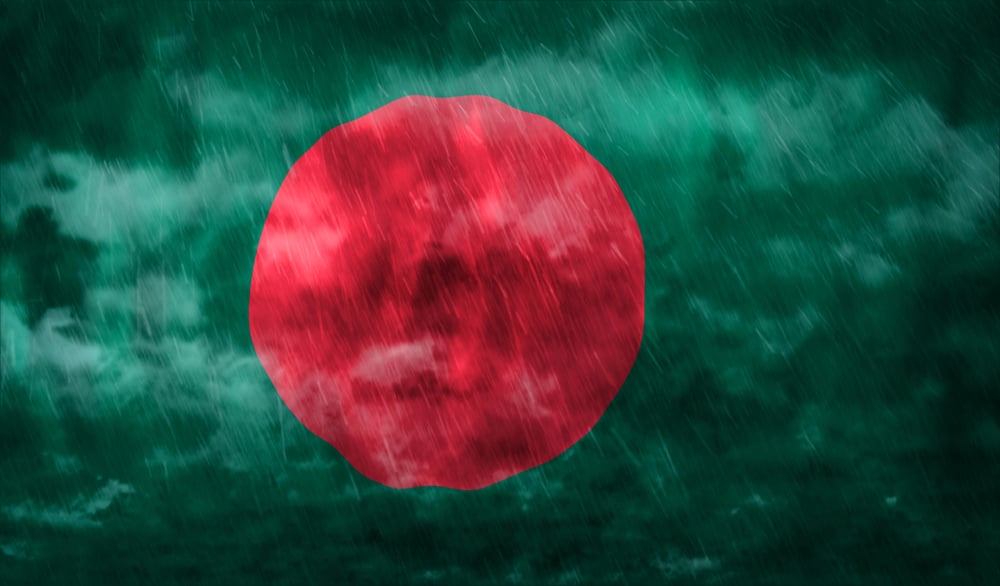
Cyclones from the Bay of Bengal regularly surge across this low-lying delta nation with terrifying predictability. The 1970 Bhola cyclone killed up to 500,000 people.
Monsoon flooding affects millions each year. Climate change threatens to make these floods even worse.
Myanmar
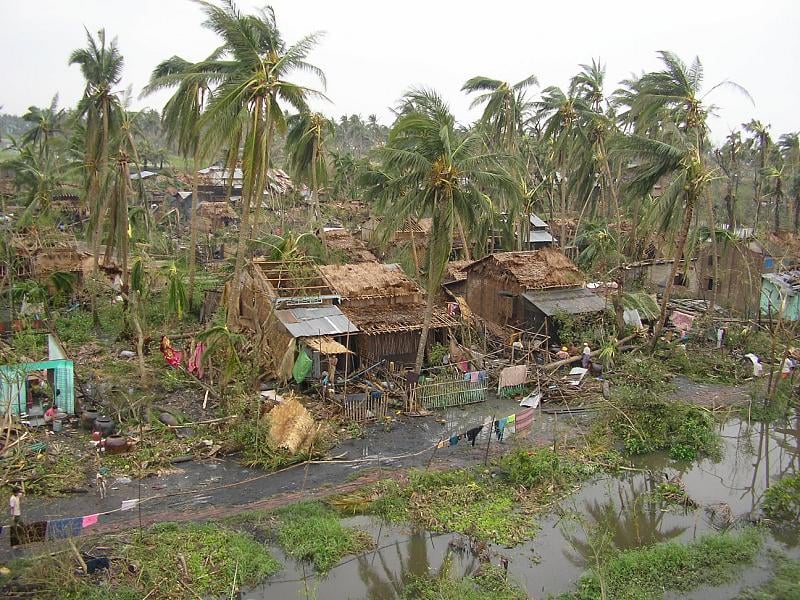
Cyclone Nargis in 2008 killed over 130,000 people, with the military government initially refusing international aid.
Earthquakes also strike regularly along active fault lines. Remote regions often go without help for days after major tremors.
China
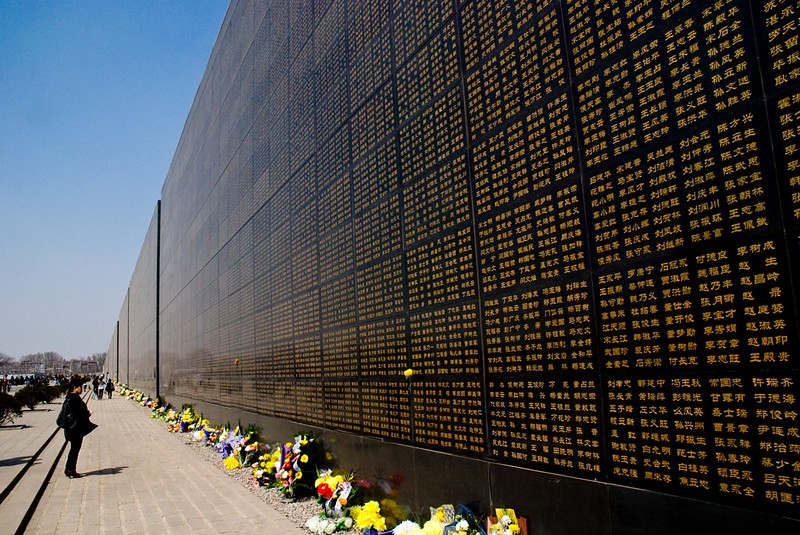
The sheer size of China means natural disasters affect more people here than anywhere else. The 1976 Tangshan earthquake killed between 240,000 and 655,000 people.
Floods, droughts, and earthquakes occur across different regions simultaneously. Numbers that would be catastrophic elsewhere become routine statistics.
Iran
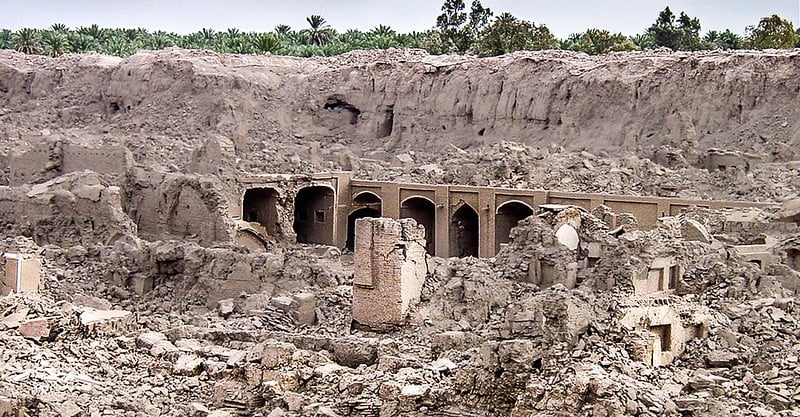
This mountainous nation sits atop numerous active fault lines that generate frequent earthquakes. The 2003 Bam earthquake destroyed the ancient city and killed over 26,000 people.
Building codes exist but enforcement remains inconsistent, especially in rural areas.
Turkey
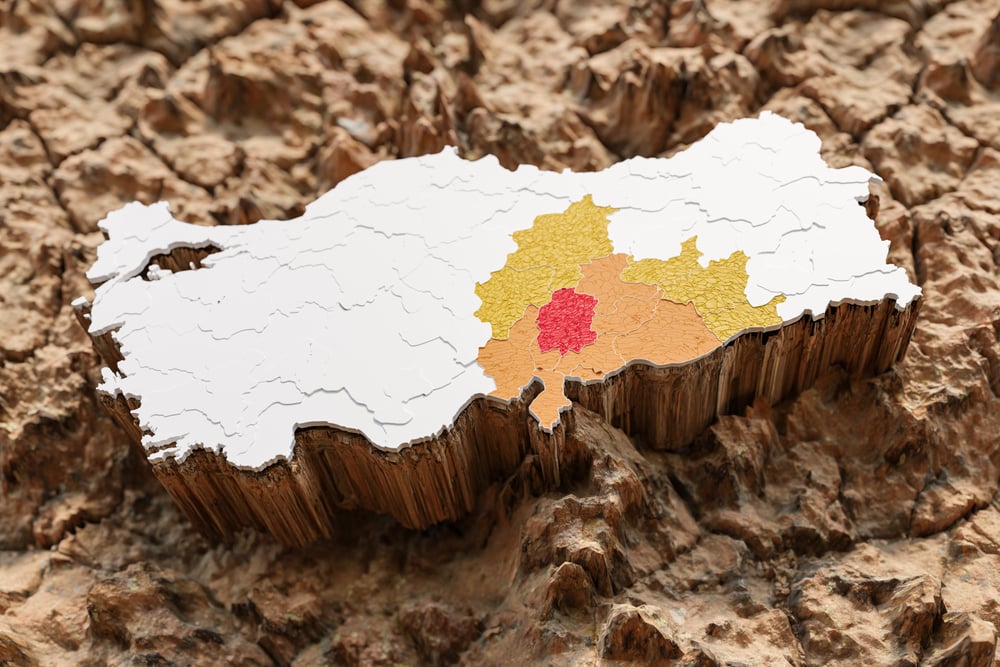
Two major fault systems run through Turkey, making earthquakes a constant threat. Istanbul sits directly on the North Anatolian Fault, which experts say is overdue for a major rupture.
The recent southeastern Turkey earthquakes revealed how deadly construction shortcuts can be. Pancaked apartment buildings became tombs for thousands.
Chile
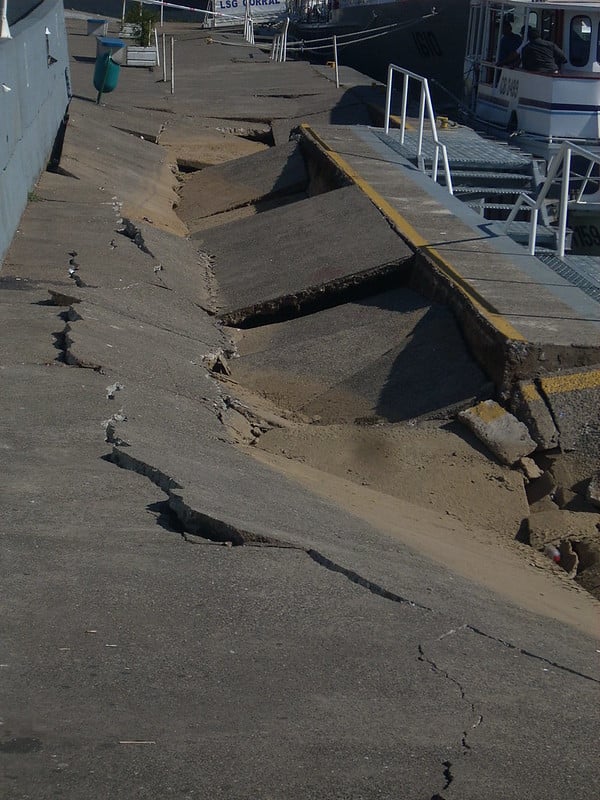
This narrow country stretches along one of the world’s most active seismic zones. The 1960 Valdivia earthquake remains the most powerful ever recorded, measuring 9.5 on the Richter scale.
Even so, Chile has developed some of the world’s best earthquake preparedness systems.
Italy
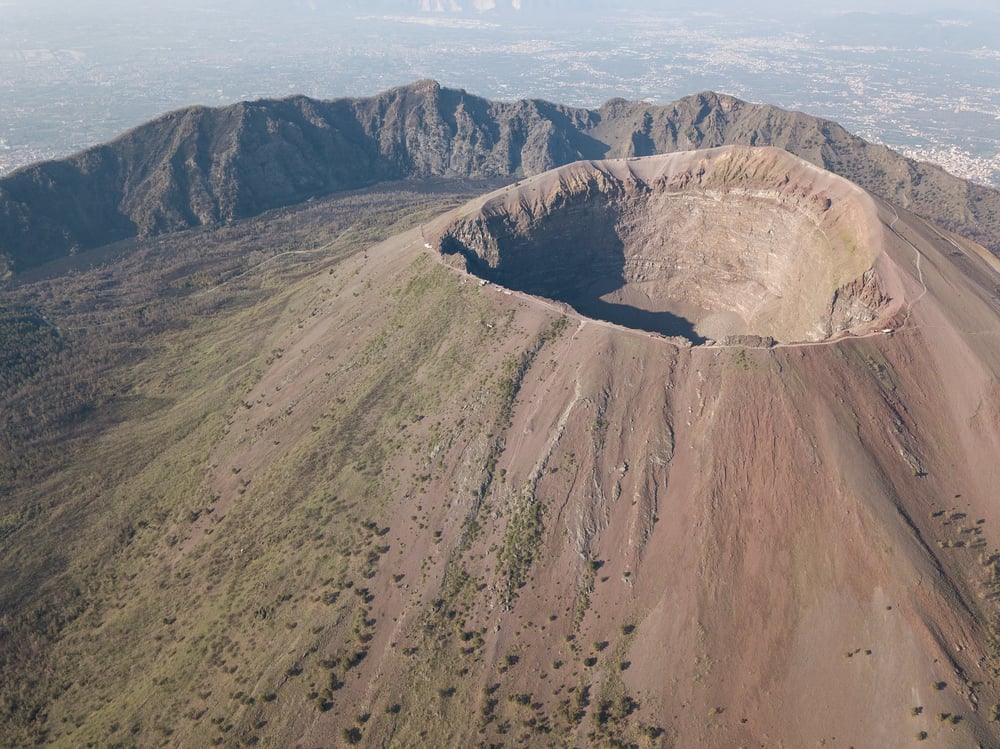
Mount Vesuvius looms over Naples like a sleeping dragon. The volcano destroyed Pompeii nearly 2,000 years ago and could threaten millions again.
Earthquakes regularly shake the Apennine Mountains, often triggering deadly landslides in hillside towns.
Greece
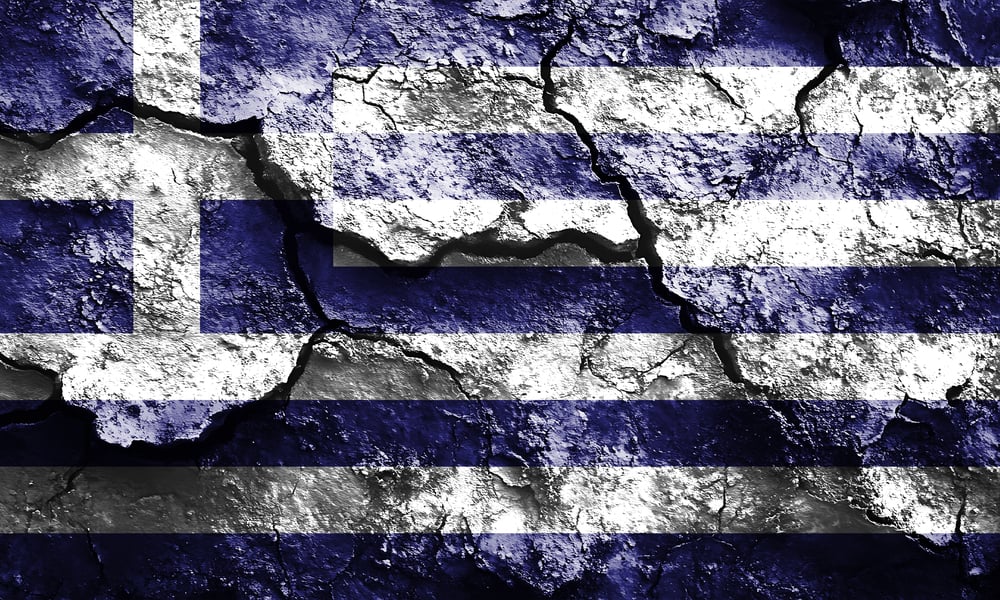
Frequent earthquakes have shaped Greek civilization since ancient times. The country sits at the intersection of the African and Eurasian tectonic plates.
Islands throughout the Aegean Sea face particular vulnerability, as earthquake damage can cut off supply lines for days.
California, United States
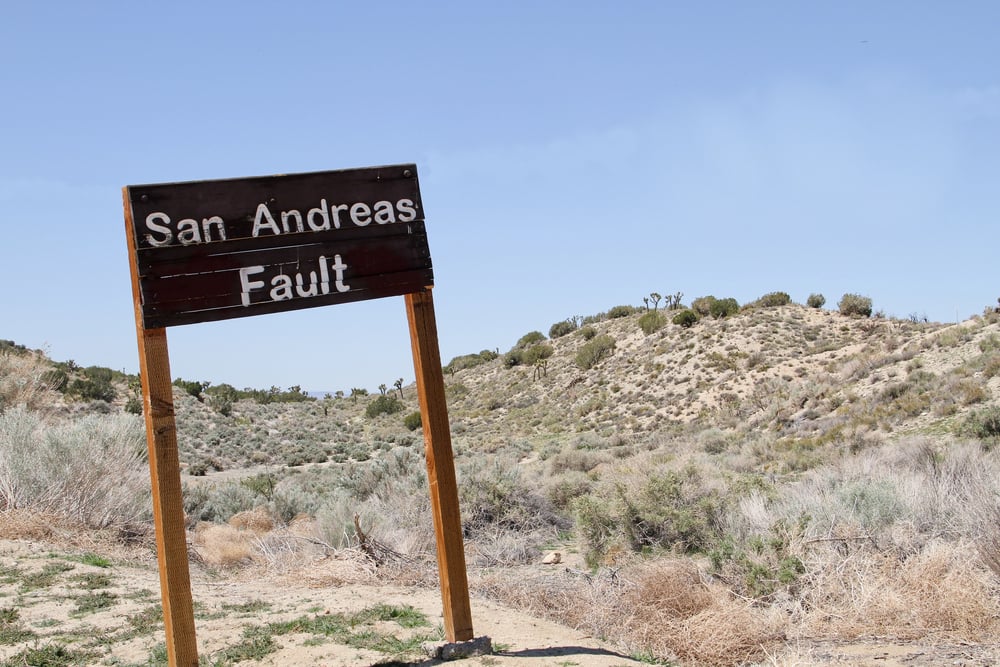
The San Andreas Fault system threatens millions of residents across the Golden State. Scientists warn that “The Big One” could strike at any time.
Wildfires have become nearly year-round threats due to drought conditions. Mudslides often follow fires, as burned hillsides lose their grip on soil.
Not exactly a relaxing place to retire these days.
Nepal
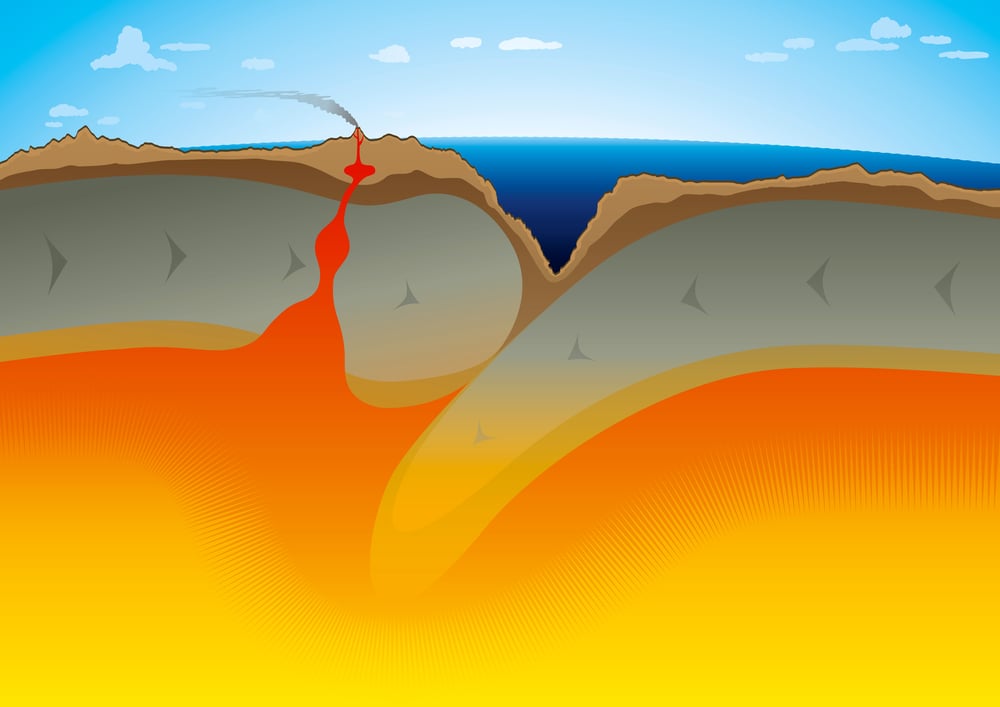
The Himalayas continue growing as tectonic plates collide, making earthquakes inevitable. The 2015 Gorkha earthquake killed nearly 9,000 people and damaged over 600,000 structures.
Remote villages often remain cut off for weeks after major tremors. Landslides triggered by earthquakes can:
- Block roads and rivers
- Create temporary lakes that later burst
- Bury entire communities
Pakistan
Both earthquakes and flooding plague this South Asian nation regularly. The 2005 Kashmir earthquake killed over 70,000 people, mostly in remote mountain areas.
Monsoon rains cause annual flooding that affects millions. The Indus River system can overflow suddenly, washing away crops and homes.
Mexico
Volcanic activity and earthquakes strike Mexico with frightening regularity. The 1985 Mexico City earthquake killed thousands despite occurring hundreds of miles away.
Hurricanes batter both coasts during storm season. And then there’s Popocatépetl, the mountain that overlooks millions in the capital region.
Guatemala
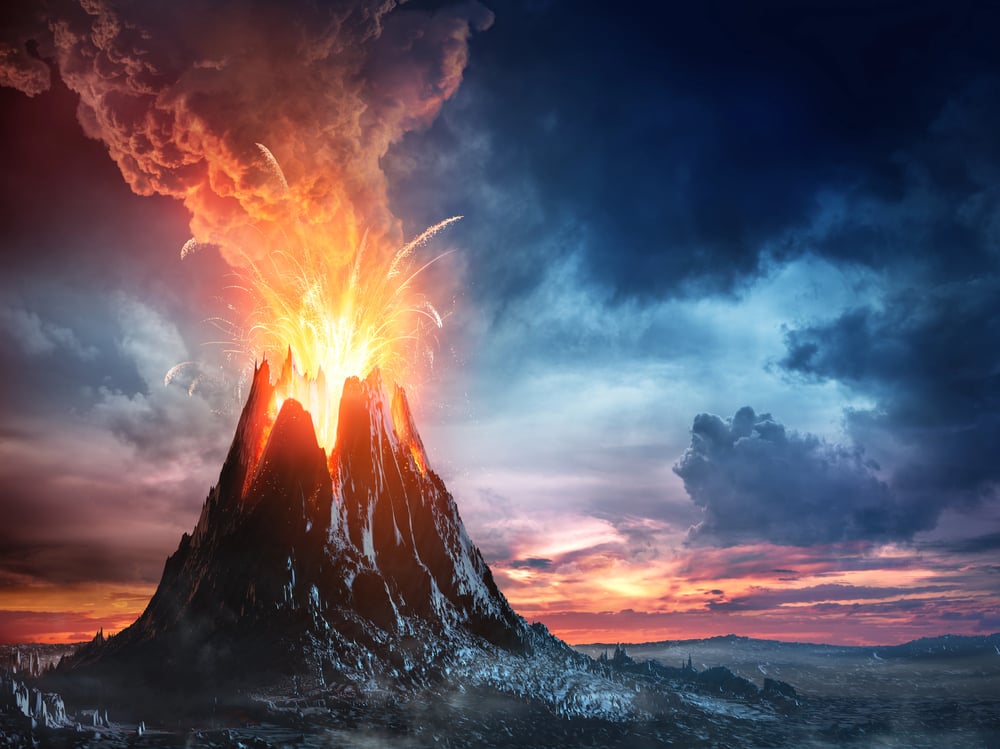
Multiple volcanoes, fault lines, and hurricane paths converge on this Central American nation. The 1976 earthquake killed 23,000 people and left over one million homeless.
The 2018 Fuego volcano eruption buried entire villages under hot ash and debris, demonstrating how quickly these mountains can turn deadly.
When Geography Becomes Destiny
These locations share a common thread: they sit where Earth’s most powerful forces intersect, creating natural disaster hot spots that test human resilience generation after generation. While technology and preparation can reduce casualties, the fundamental geographic risks remain unchanged, making these places perpetual battlegrounds between human ambition and natural power.
More from Go2Tutors!

- The Romanov Crown Jewels and Their Tragic Fate
- 13 Historical Mysteries That Science Still Can’t Solve
- Famous Hoaxes That Fooled the World for Years
- 15 Child Stars with Tragic Adult Lives
- 16 Famous Jewelry Pieces in History
Like Go2Tutors’s content? Follow us on MSN.