Photos Of Forgotten 80s Action Figures You Used to Collect
The 1980s were a golden age for action figures, when toy aisles overflowed with plastic heroes most kids today have never heard of. Sure, everyone remembers G.I. Joe and Transformers, but what about those other lines that captured your imagination for a summer or two before disappearing forever?
These forgotten warriors, space explorers, and monster fighters sat right there next to the big names, complete with their own cartoon shows, comic books, and elaborate backstories that seemed absolutely crucial at the time. Dust off those childhood memories — here are the action figures that time forgot.
Sectaurs
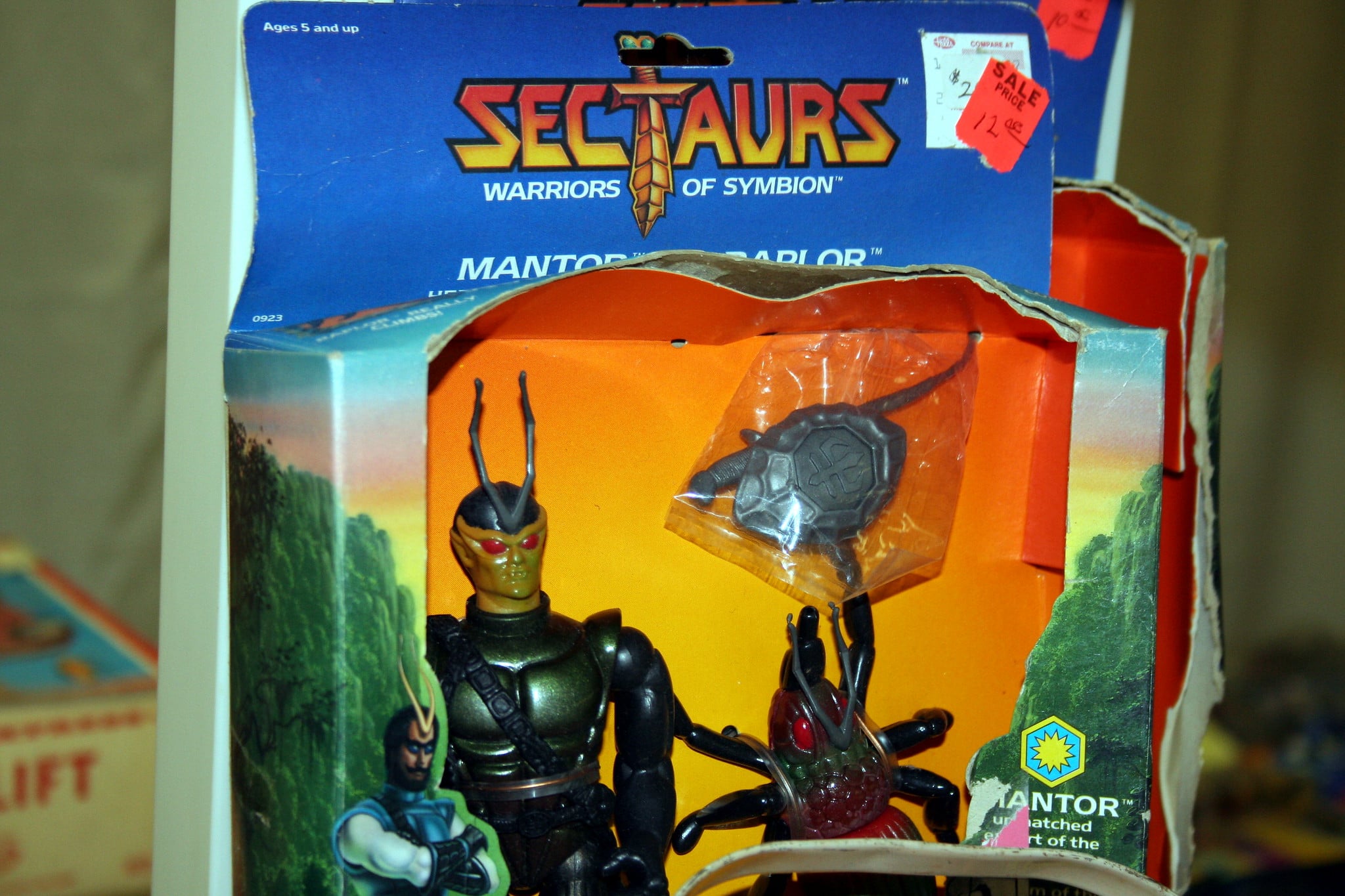
The bug warriors from Symbion had everything going for them. Giant insect mounts, detailed armor, and a puppet-like mechanism that let you control their facial expressions and arm movements.
Half the appeal was the gross-out factor — kids loved the idea of riding around on massive beetles and spiders.
Blackstar
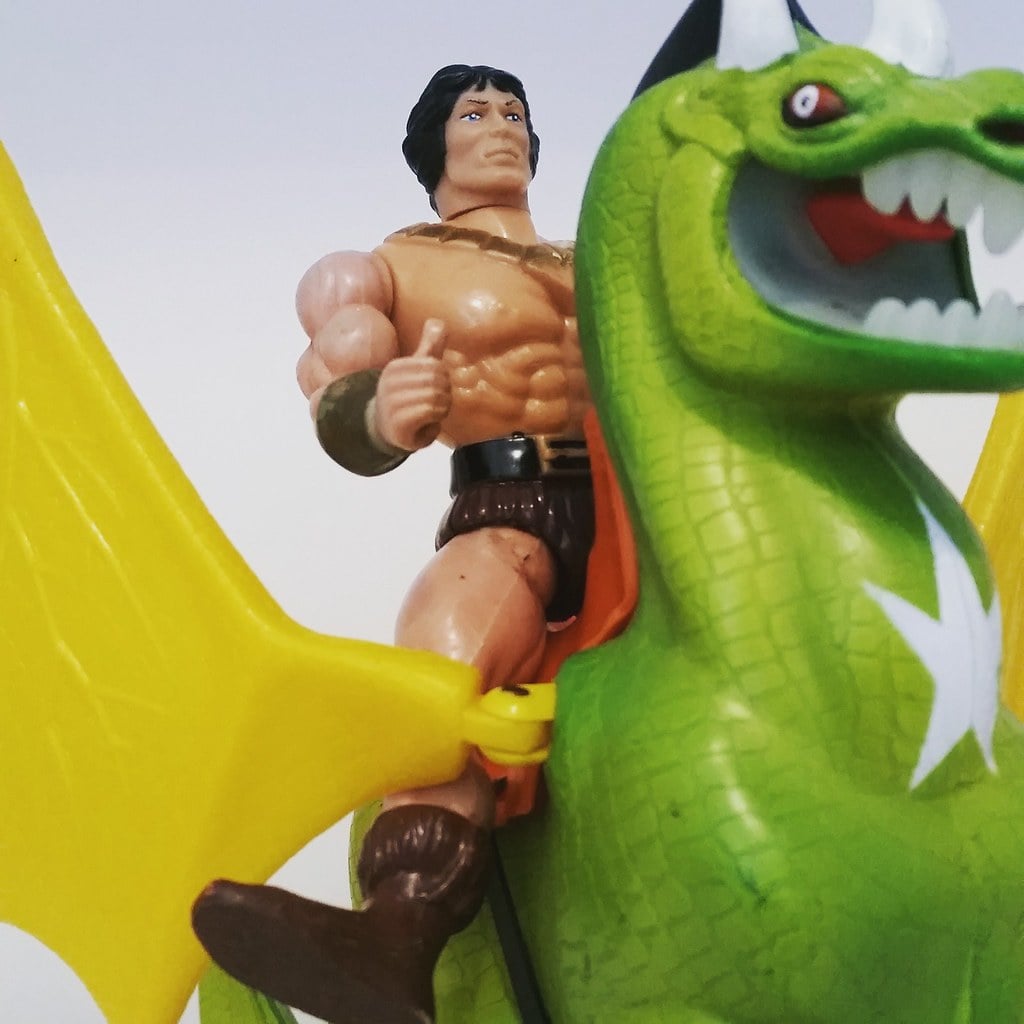
Before He-Man conquered toy shelves, there was Blackstar and his cosmic sword. The figures came with weapons that could combine into larger accessories, and each character had a distinctive fantasy aesthetic that felt more serious than most toy lines.
The villain Overlord remains one of the most intimidating action figures ever produced.
The show aired for exactly one season, and the toy line vanished just as quickly. Finding a complete Blackstar figure today requires serious dedication and deeper pockets than most collectors expect.
Visionaries
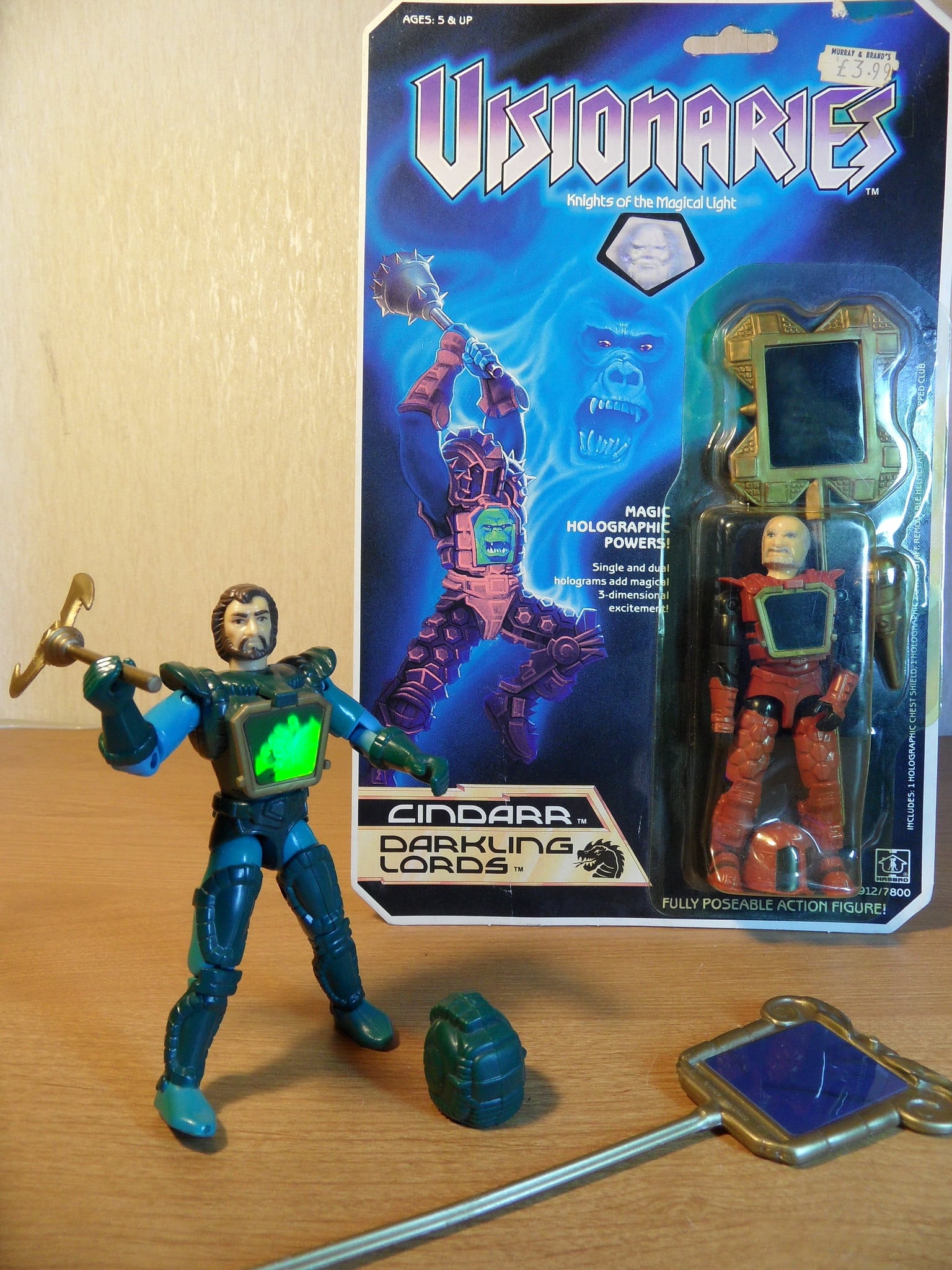
Here’s what happens when toy designers get ambitious (and perhaps a bit ahead of their time): knights in futuristic armor with holographic chest emblems that actually moved when you shifted the angle of light hitting them. The technology was genuinely impressive for 1987, creating tiny animated scenes right there on the figure’s torso — Leoric’s lion would prowl, Cryotek’s bear would rear up on its hind legs, and Arzon’s eagle would spread its wings in perpetual flight.
The concept was brilliant in theory (magical knights in a post-apocalyptic world where technology has failed and sorcery has returned), but the execution ran into problems almost immediately. Those holographic stickers were delicate things, prone to peeling at the edges after a few play sessions.
The show itself never quite found its footing either, caught somewhere between fantasy and science fiction without committing fully to either genre, which left kids unsure whether they wanted laser battles or sword fights. And the price point was steep enough that most parents balked at buying more than one or two figures, making it nearly impossible to build the kind of collection that would sustain long-term interest.
Defenders Of The Earth
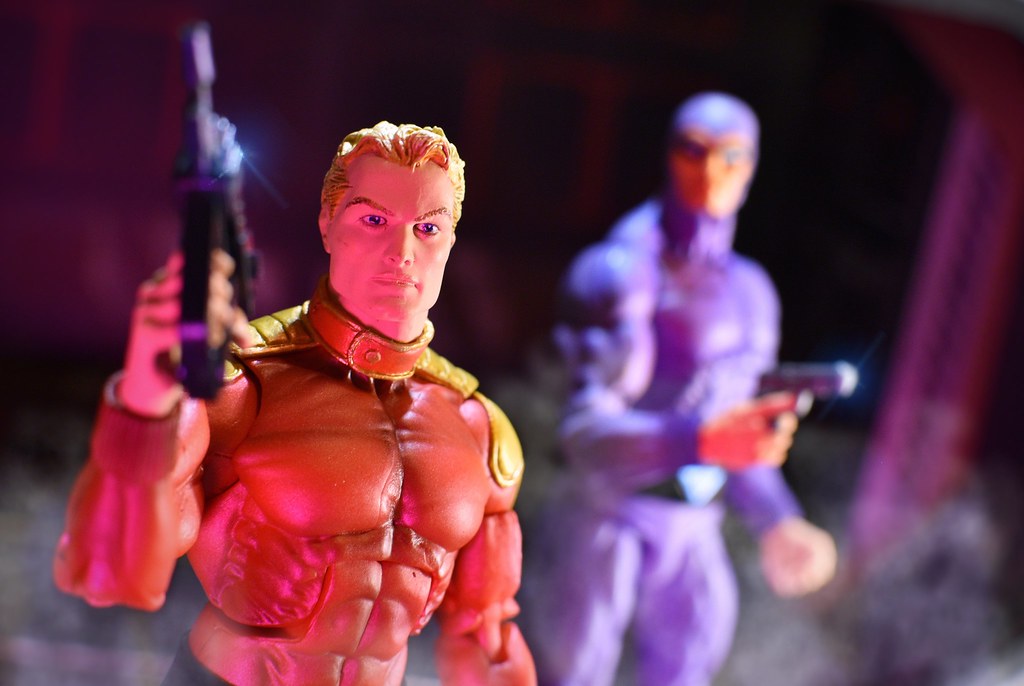
Flash Gordon, The Phantom, Mandrake the Magician, and Lothar teamed up to fight Ming the Merciless. The concept sounds like a marketing committee’s fever dream, but the figures were surprisingly well-crafted.
Each hero came with signature accessories and the articulation was above average for the era. The nostalgia factor was lost on kids who had never heard of these 1930s comic strip characters.
Parents recognized the names, but children just saw generic heroes without the marketing muscle behind G.I. Joe or Transformers.
Inhumanoids
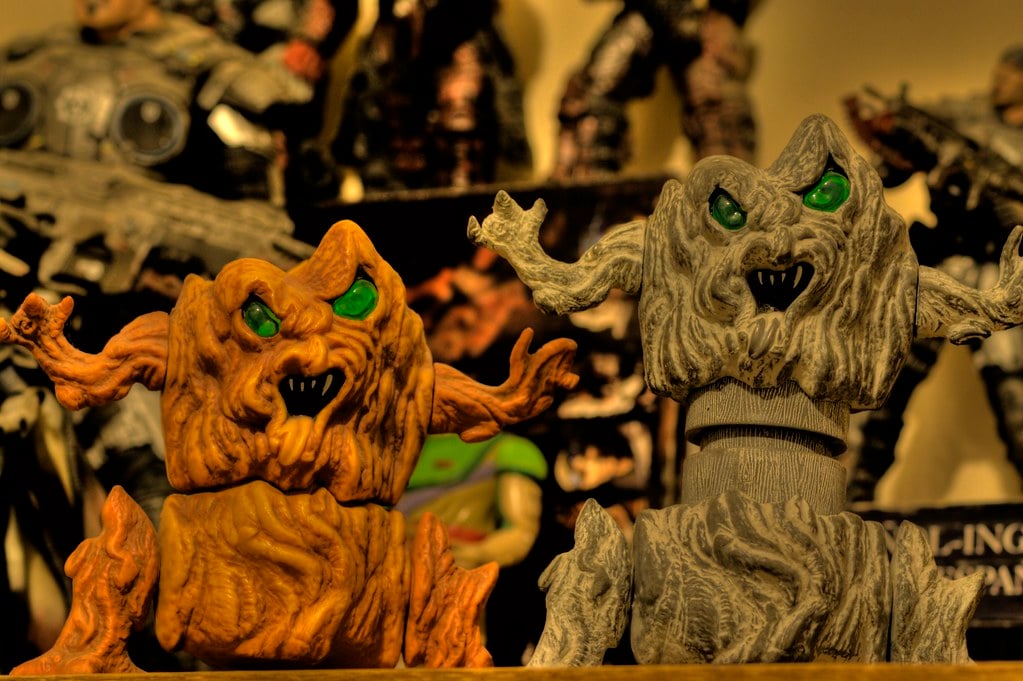
Underground monsters the size of skyscrapers. Body horror that would make David Cronenberg proud.
A cartoon that aired during the after-school hours when parents weren’t around to object to the nightmare fuel. The figures perfectly captured the grotesque appeal of the source material — Tendril’s writhing tentacles, D’Compose’s rotting flesh, and Metlar’s molten rock skin.
Air Raiders
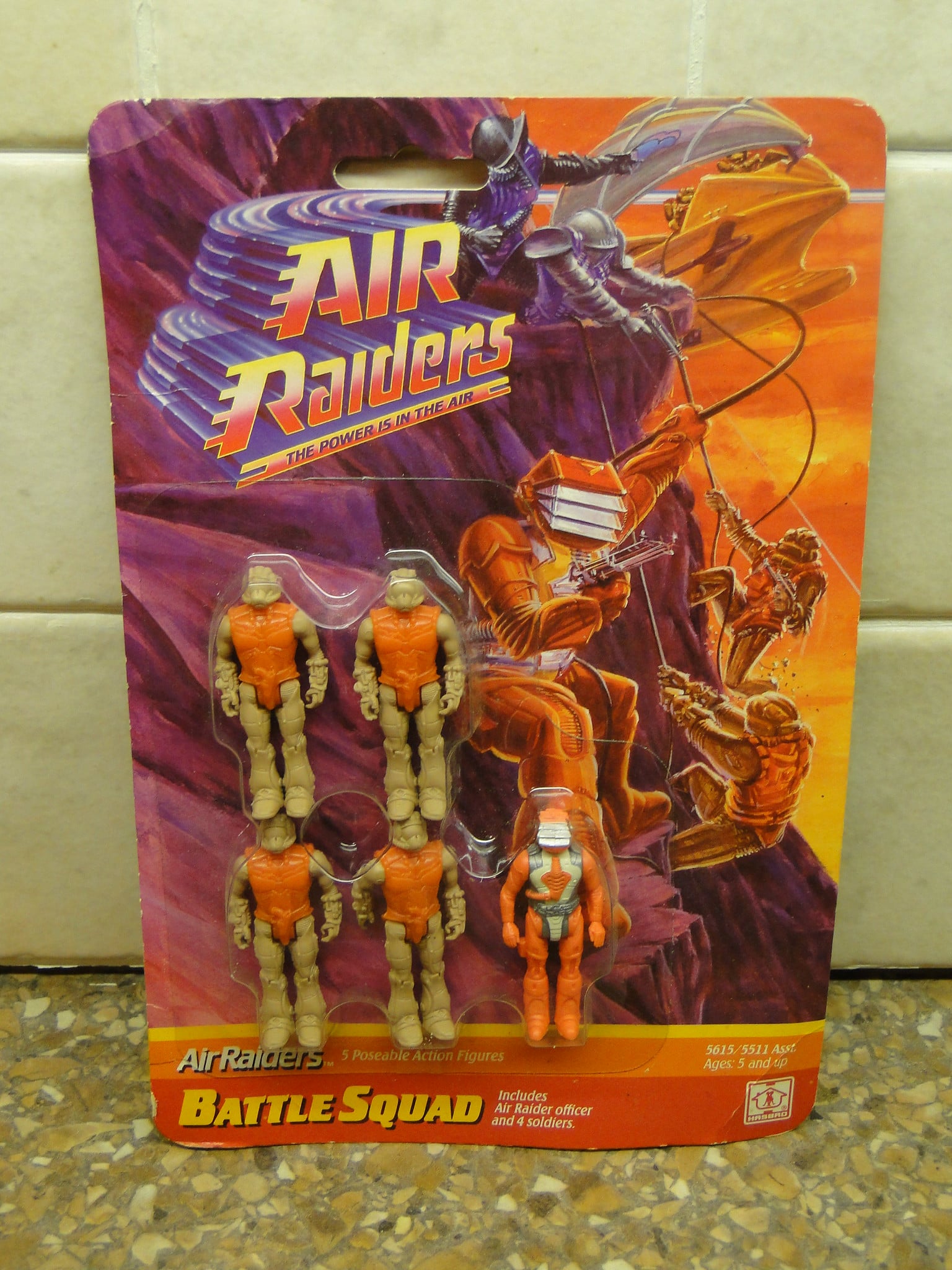
The gimmick here was air power — each vehicle and figure came with pumps, bellows, or pneumatic systems that created actual air pressure effects. Planes would launch projectiles using compressed air, and ground vehicles featured working air brakes and suspension systems that responded to actual air pressure changes.
Some of the larger playsets included elaborate pneumatic networks that could power multiple vehicles simultaneously.
Mantech Robot Warriors
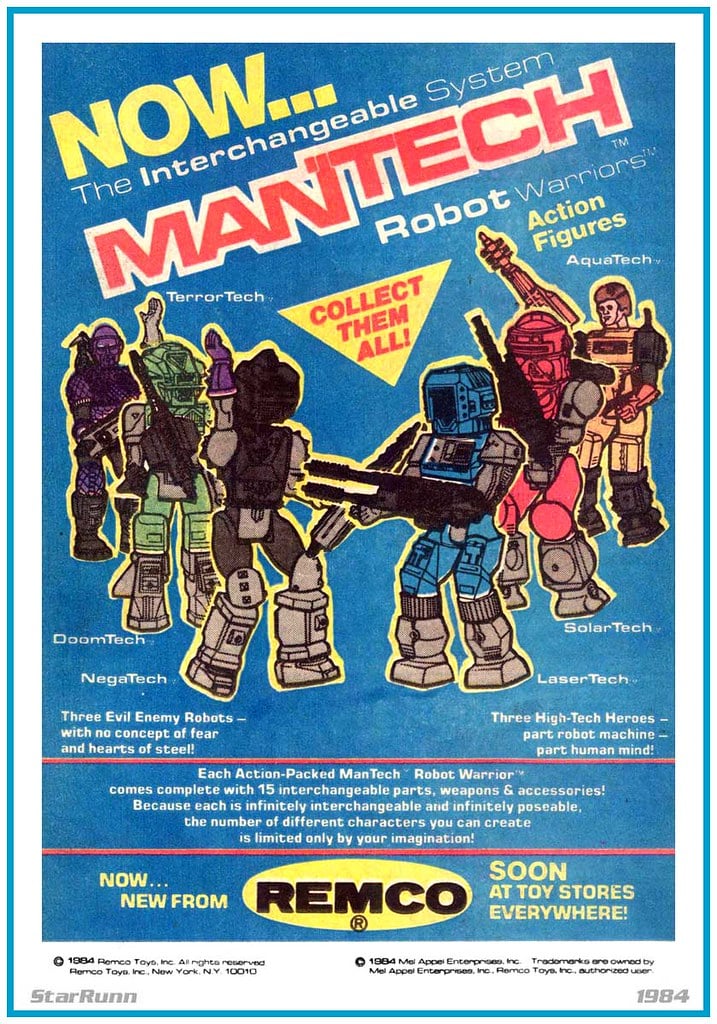
These figures came apart. Not accidentally, but by design — every Mantech warrior could be disassembled into individual body parts and reassembled in different configurations.
The concept was brilliant: create your own custom robot warriors by mixing and matching components from different figures. Arms, legs, torsos, and heads were all interchangeable, held together by a simple magnetic system that was satisfying to connect and disconnect.
Starriors
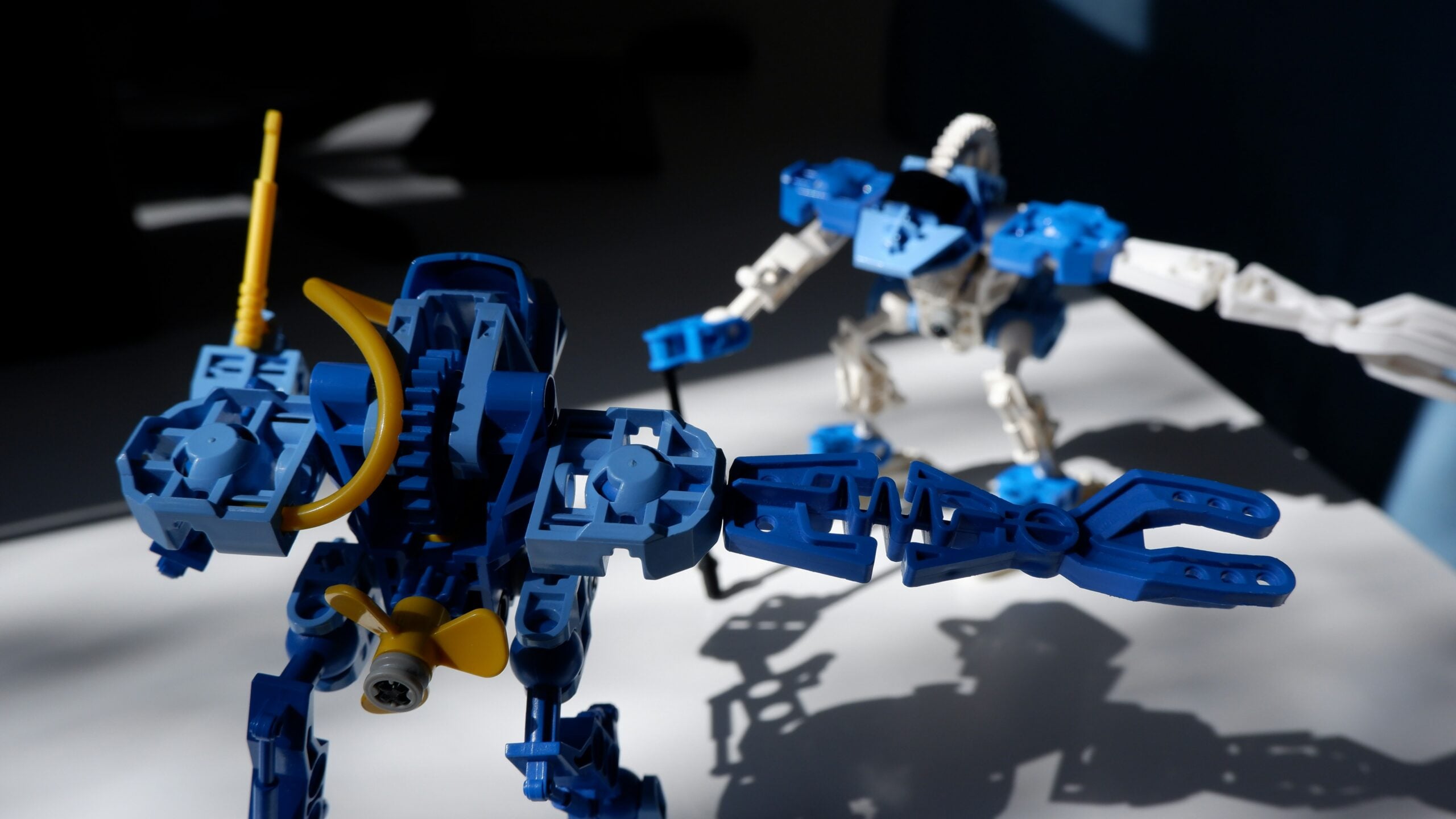
Transforming robots that changed into rocks. The premise was that these were the last survivors of a dying planet, forced to disguise themselves as lifeless stones to avoid detection by their enemies.
When danger passed, they would unfold into their robot forms and continue their eternal mission.
Rocks aren’t particularly exciting to look at, even when they’re secretly robots. The transformation was clever enough, but half the appeal of Transformers was showing off the vehicle mode.
Nobody wants to display a collection of gray rocks on their shelf.
Food Fighters
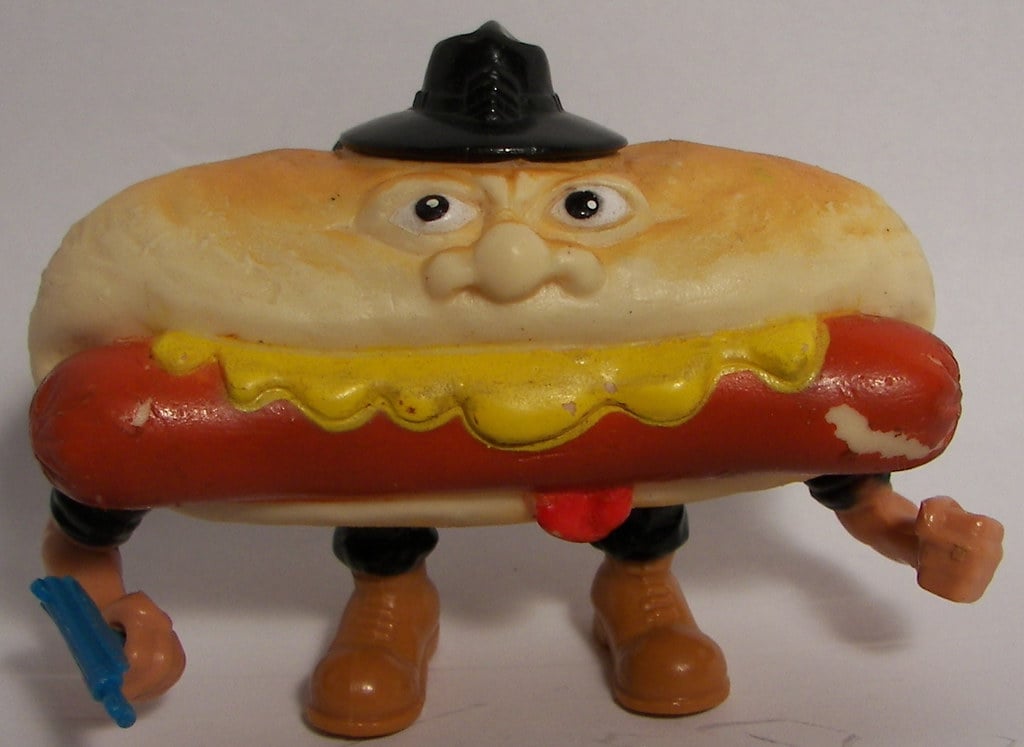
Kitchen utensils and food items that turned into combat gear. The good guys were fresh foods led by Major Munch, while the villains were junk foods commanded by General Tso (yes, really).
A spatula became a shield, a pizza slice turned into a flying disc, and various vegetables transformed into weapons of war. The execution was more sophisticated than the premise deserved — these figures had genuine personality in their sculpted faces and the transformation mechanisms were more complex than they needed to be.
But convincing kids to get excited about anthropomorphic broccoli was always going to be an uphill battle.
Crystar
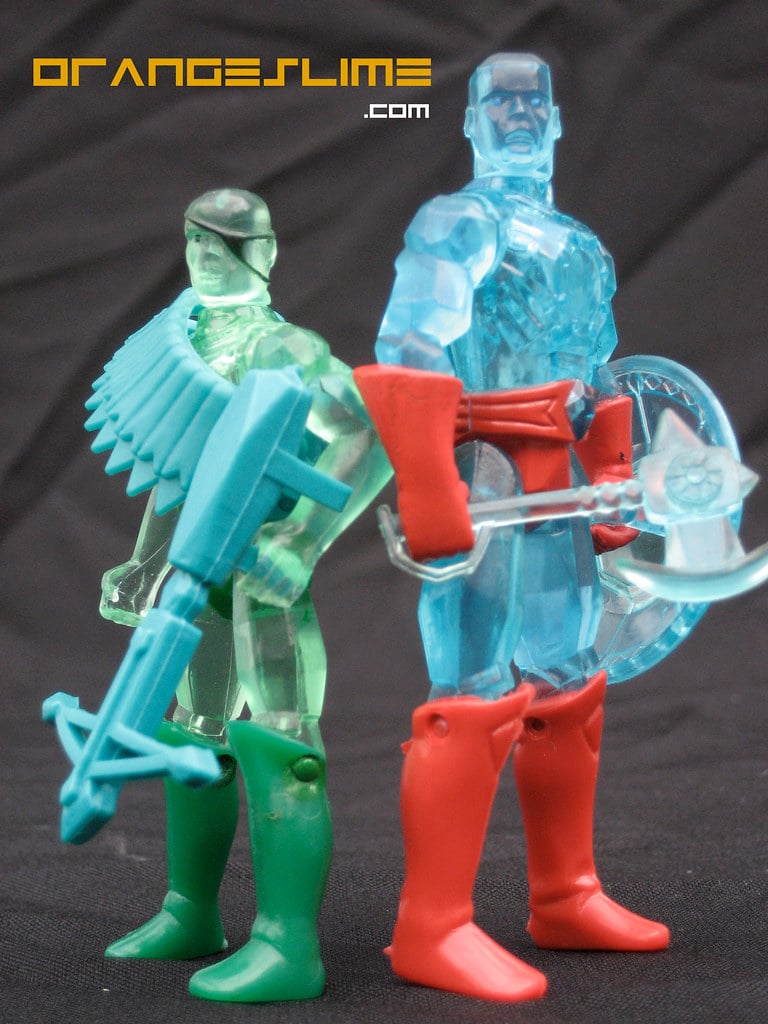
Crystal warriors who fought against the Molten Men in a realm where everything was either transparent or made of lava. The good guys were clear plastic with internal details visible through their crystalline bodies, while the villains were dark, opaque figures with molten highlights.
The contrast was visually striking and the figures had an ethereal quality that set them apart from everything else on toy shelves.
The problem was durability. Clear plastic shows every scratch, chip, and stress mark. Within weeks of normal play, most Crystar figures looked like they’d been through a rock tumbler.
The crystal aesthetic that made them special also made them fragile.
Spiral Zone
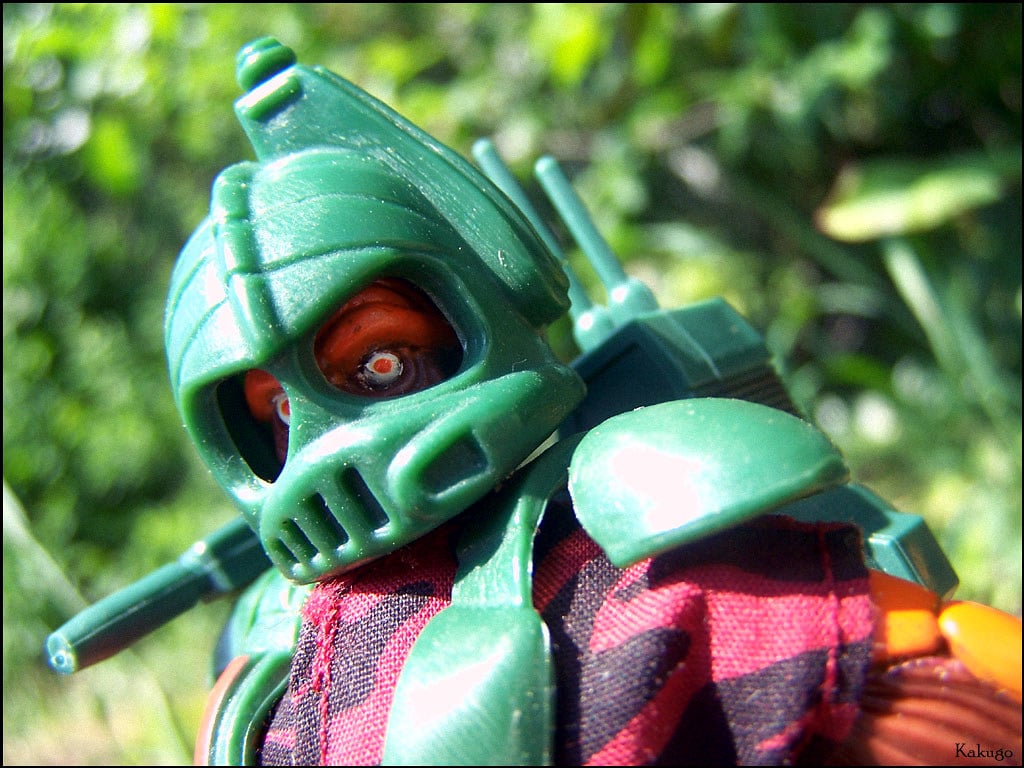
Post-apocalyptic soldiers fighting in a world where most of the population has been turned into mindless drones by toxic zones that spiral across the planet. The good guys wore protective armor and carried gas masks, while the villains had been mutated by the zones themselves.
The backstory was darker than most toy lines dared to go. The figures were well-made and the vehicles were impressive, but the concept was too grim for mainstream success.
Kids could handle monsters and space battles, but a world where most of humanity had been chemically enslaved hit too close to actual fears about environmental destruction and chemical warfare.
Dino-Riders
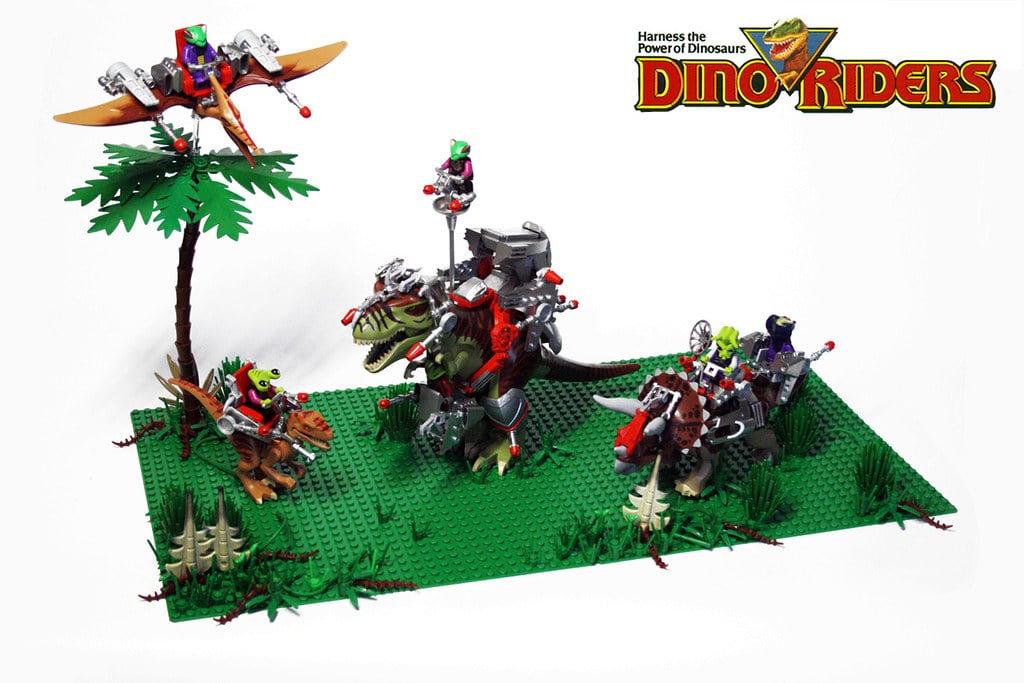
Time-displaced futuristic soldiers riding dinosaurs equipped with high-tech armor and laser cannons. The premise was absurd enough to work — time-displaced humans team up with prehistoric creatures to fight alien invaders.
The dinosaur figures were scientifically accurate (mostly) and the detachable armor and weapons were intricately detailed.
The price point killed the line before it could establish momentum. A fully equipped Tyrannosaurus Rex with rider and weapons cost more than most parents were willing to spend on a single toy, and the smaller dinosaurs didn’t have the same visual impact.
Power Lords
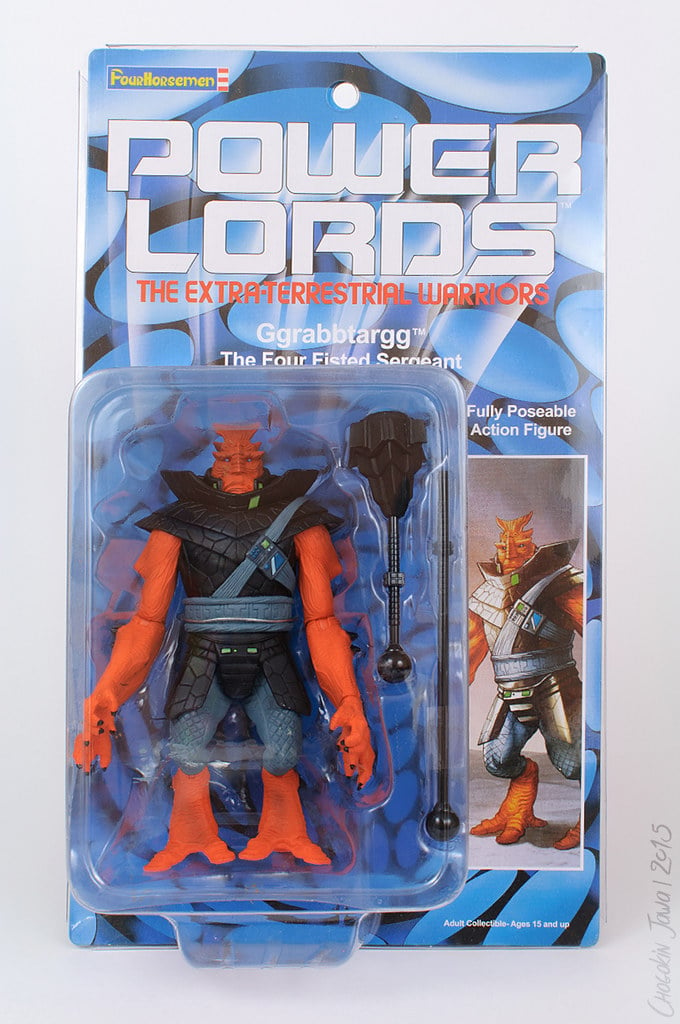
Alien warriors with interchangeable body parts that could be swapped between good and evil configurations. The central character, Adam Power, could transform from a human into various alien forms by switching out his torso, arms, and legs.
Other figures in the line had similar transformation abilities, creating a toy line where the heroes and villains could literally become each other.
The transformation concept was more complex than most kids wanted to deal with. Unlike simple Transformers that had one alternate mode, Power Lords figures had multiple configurations that required removing and reattaching small parts.
Those parts got lost quickly, leaving you with incomplete figures that couldn’t transform properly.
Looking Back At The Plastic Warriors
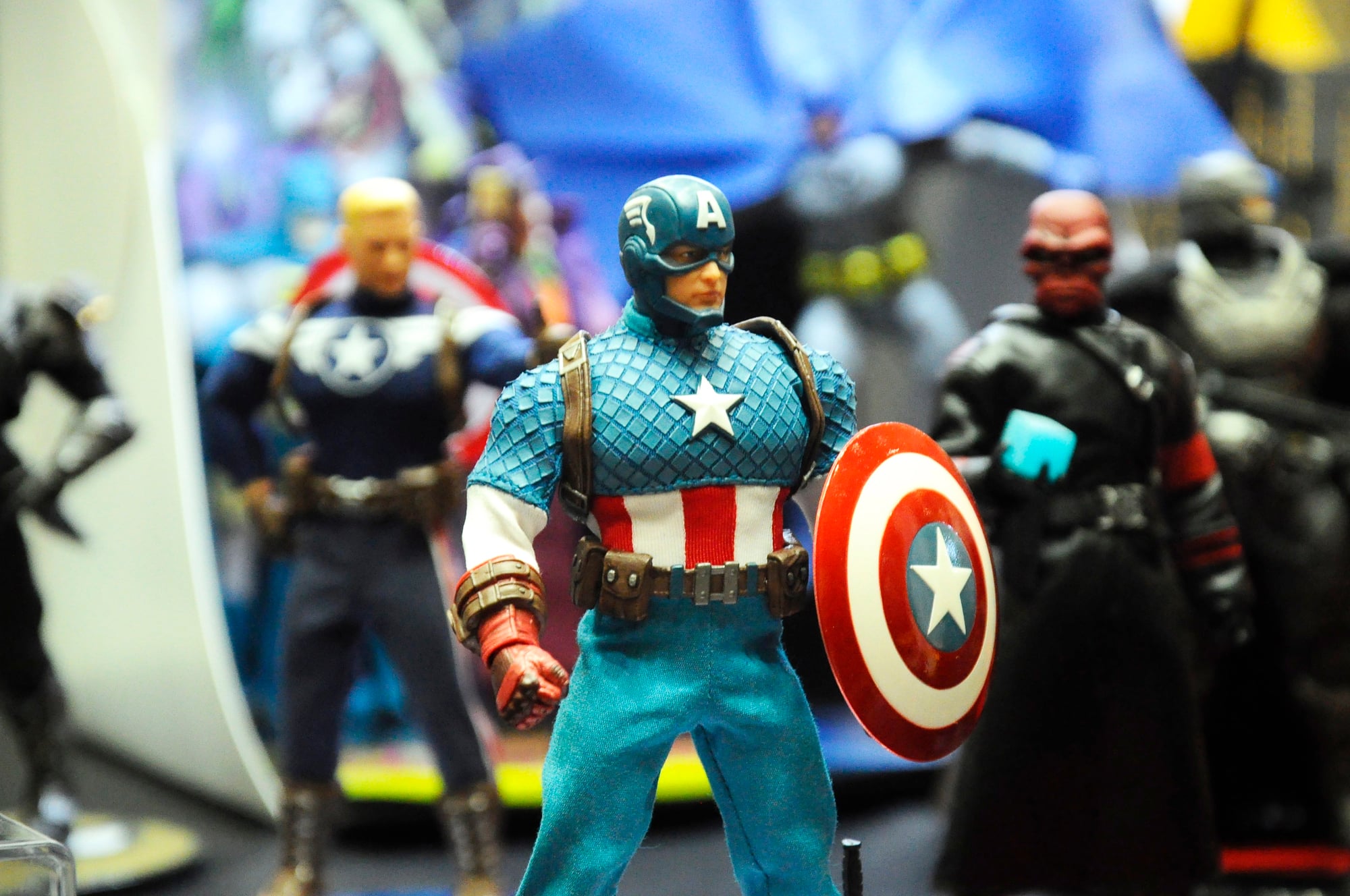
These forgotten figures shared the toy aisles with legends, and for a brief moment, each one seemed like it might be the next big thing. Some failed because they were too complicated, others because they were too expensive, and a few because they were simply ahead of their time.
But they all represent something valuable — a willingness to experiment with new ideas and push beyond the safe formulas that dominated the market. The kids who owned these figures remember them just as fondly as any Transformer or G.I. Joe, which suggests that sometimes being forgotten isn’t the same thing as being unsuccessful.
More from Go2Tutors!

- The Romanov Crown Jewels and Their Tragic Fate
- 13 Historical Mysteries That Science Still Can’t Solve
- Famous Hoaxes That Fooled the World for Years
- 15 Child Stars with Tragic Adult Lives
- 16 Famous Jewelry Pieces in History
Like Go2Tutors’s content? Follow us on MSN.