14 Office Tools That Were Once Revolutionary But Are Now Obsolete
The modern workplace has undergone remarkable transformations over the decades, with technology constantly reshaping how we accomplish our daily tasks. Many tools that once seemed indispensable and cutting-edge have vanished from desks everywhere, relegated to museum displays or nostalgic memories.
Here is a list of 14 office tools that once revolutionized workplace productivity but have now largely disappeared from modern offices.
Rolodex
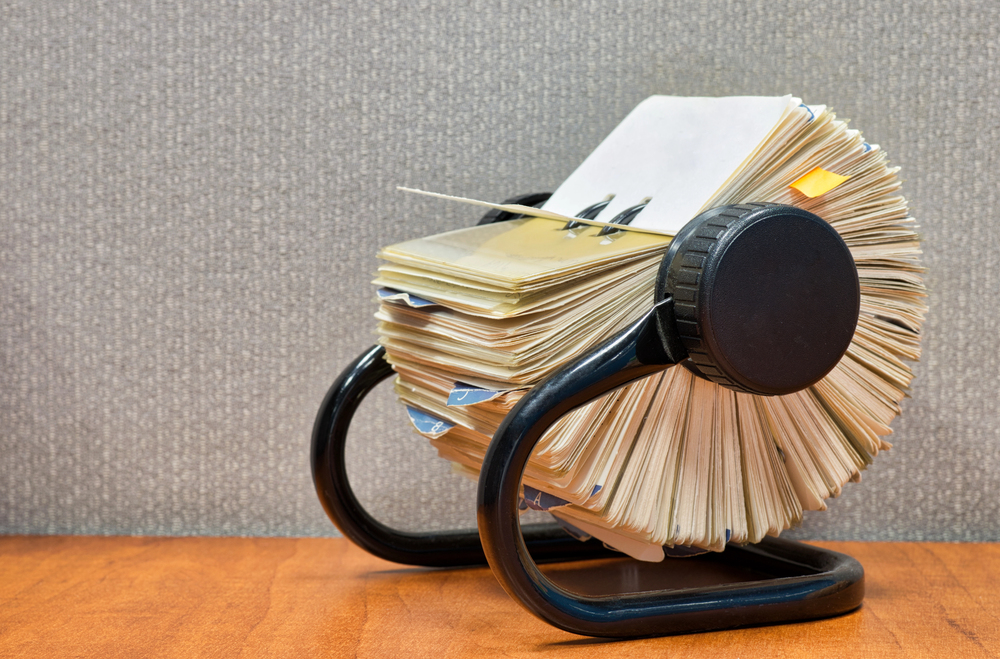
Before digital contact management systems, the Rolodex was the cornerstone of business networking. This rotating card file system allowed professionals to quickly flip through alphabetically arranged contact cards containing names, addresses, and phone numbers.
The distinctive wheel design made accessing information remarkably efficient compared to address books, but smartphone contacts and CRM software have made this once-essential tool virtually extinct.
Fax Machine
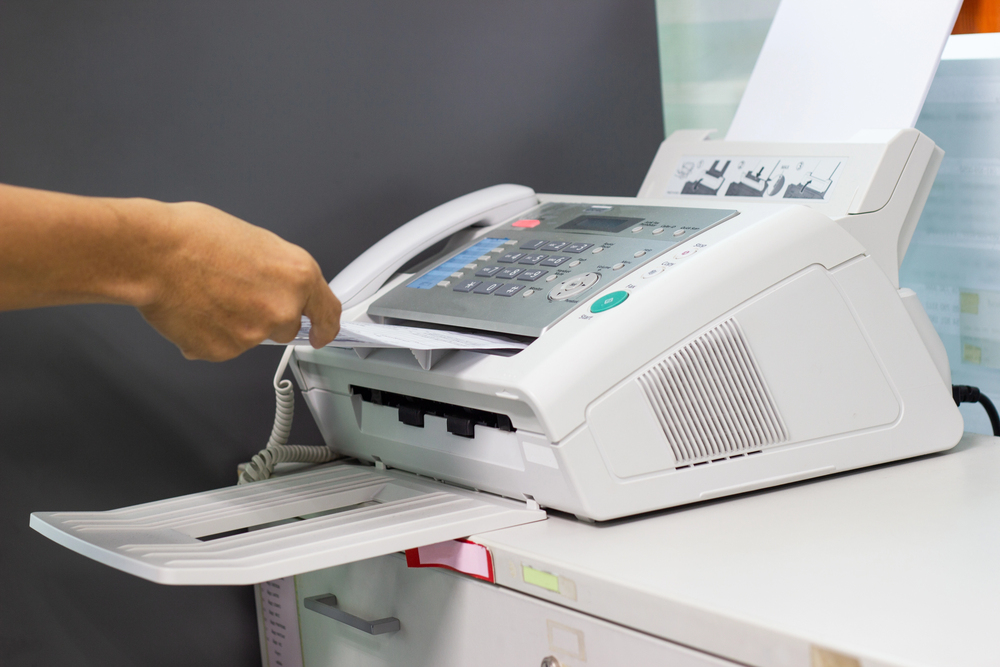
The fax machine transformed document transmission, allowing offices to send papers across the country in minutes rather than days. Its distinctive beeping and whirring sounds were the soundtrack of 1980s and 1990s offices as thermal paper slowly emerged with important messages.
Email attachments, electronic signatures, and document sharing platforms have rendered these bulky machines unnecessary for most businesses today.
Like Go2Tutors’s content? Follow us on MSN.
Typewriter
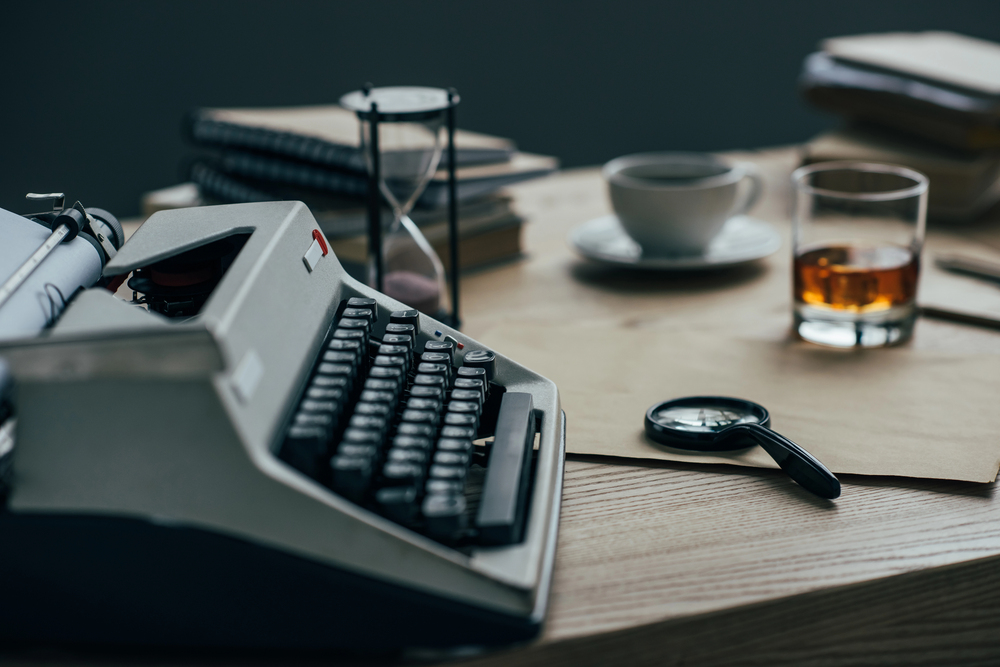
Few office tools were more revolutionary than the typewriter, which standardized business communication for nearly a century. The mechanical marvel with its satisfying clacking keys and bell ding, produced professional documents when handwriting was the only alternative.
Modern word processors offer infinitely more flexibility with editing, formatting, and sharing capabilities that make typewriters charming relics rather than practical tools.
Dictaphone
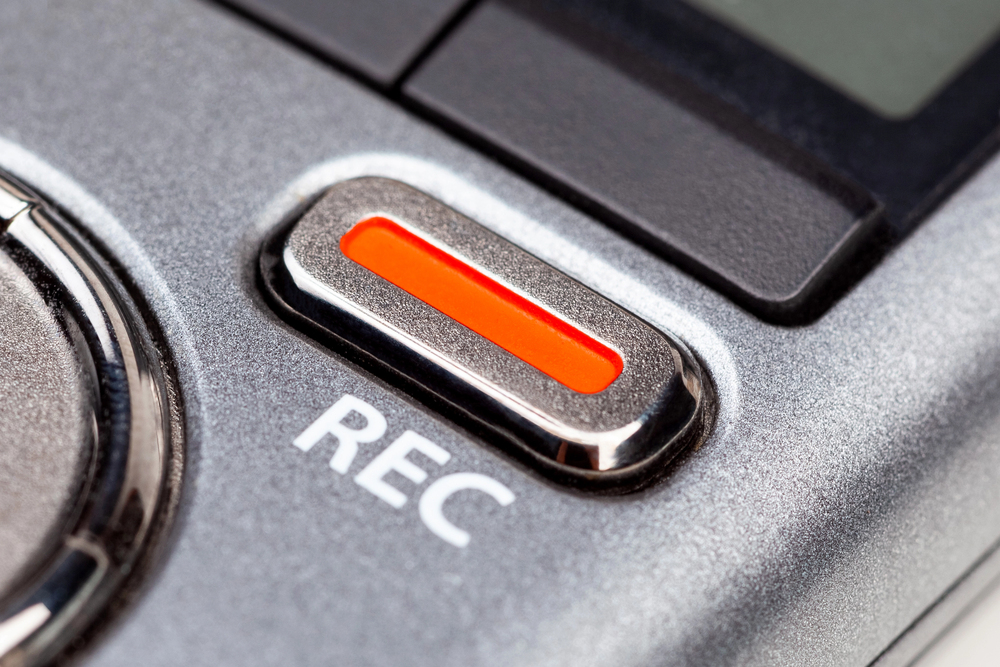
Executive productivity soared with the introduction of dictation machines that allowed managers to record messages for later transcription by secretaries. These specialized recording devices featured foot pedals for playback control and were a status symbol in mid-century offices.
Voice recognition software and digital recording apps have made dedicated dictation equipment obsolete despite the continued practice of dictating notes.
Carbon Paper
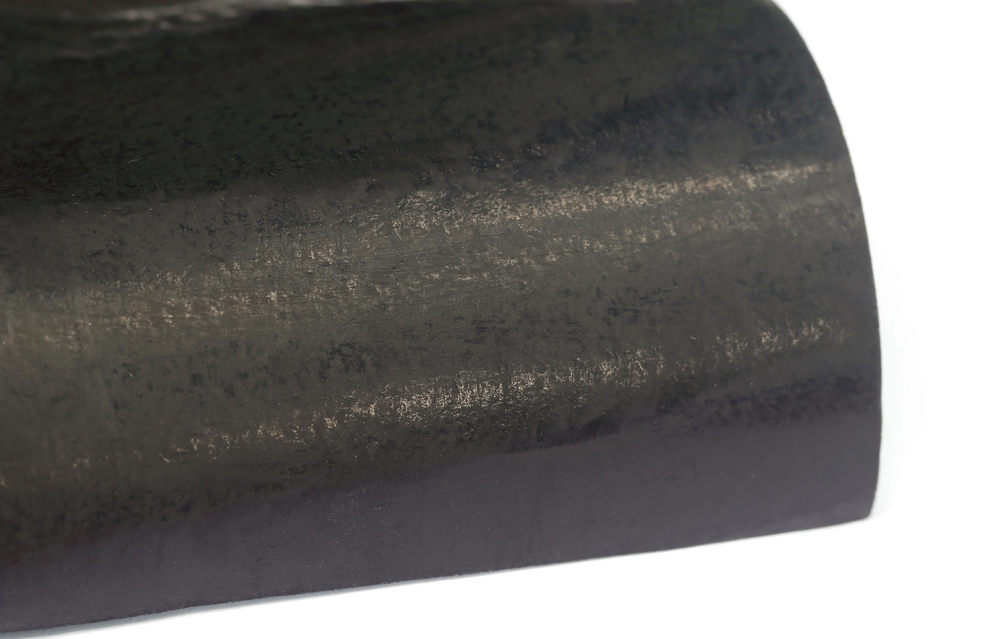
Before photocopiers became commonplace, carbon paper was the primary method for creating document duplicates. This thin sheet coated with carbon-based ink was placed between papers to transfer written or typed impressions to the sheets below.
The technology enabled crucial record-keeping but left users with ink-stained fingers and limited copy quality that digital alternatives have thoroughly surpassed.
Like Go2Tutors’s content? Follow us on MSN.
Overhead Projector
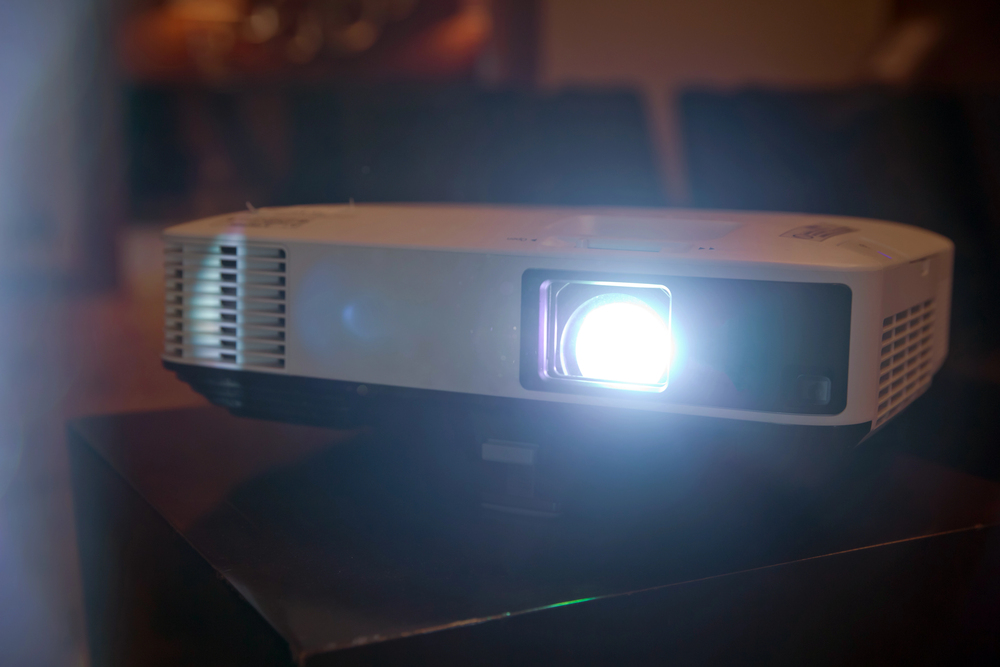
Meetings and presentations underwent a revolution with the introduction of overhead projectors that could display transparent sheets to entire rooms. Professionals would prepare content on clear acetate sheets and place them on the illuminated surface, sometimes even writing additional notes during presentations.
PowerPoint, digital projectors, and collaborative screen-sharing tools have rendered these heavy light boxes completely outdated.
Adding Machine
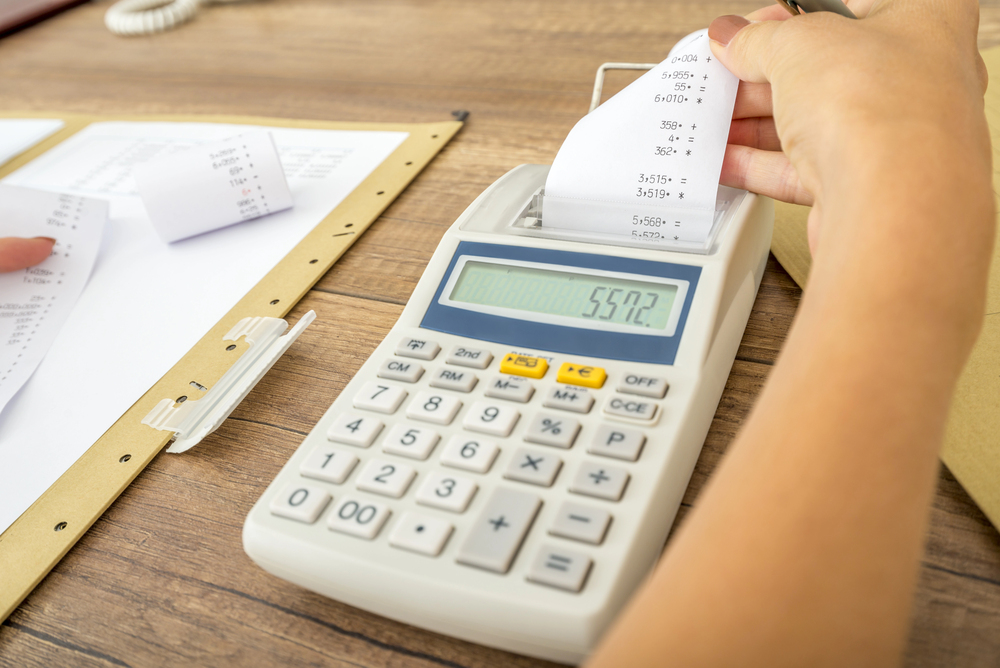
Financial departments once depended on dedicated adding machines with their distinctive paper tape records of calculations. These specialized devices performed mathematical operations faster than mental arithmetic and provided a physical receipt of every step in the calculation process.
Spreadsheet software and calculator apps have absorbed these functions while offering vastly expanded capabilities for data analysis.
Microfiche Reader
Libraries and offices with extensive record-keeping needs relied on microfiche systems to store thousands of document images in minimal physical space. Users would insert film cards into specialized readers to magnify tiny photographic images of archived materials.
Digital databases and document management systems now provide instant access to millions of documents without the eye strain or physical storage requirements.
Like Go2Tutors’s content? Follow us on MSN.
Correction Fluid
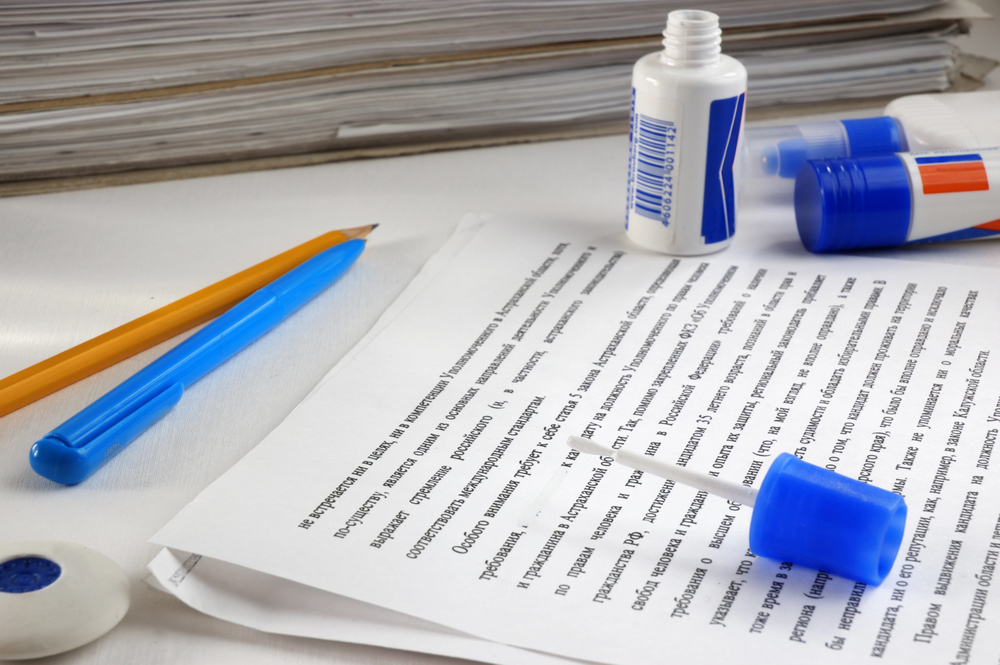
Typing mistakes once required specialized liquid correction products that would dry to create a new surface for typing over errors. Office workers became adept at applying thin layers of white fluid and waiting for it to dry before continuing their work.
Word processing software with backspace and delete functions has eliminated the need for these bottles of pungent white liquid that were once on every desk.
Manual Pencil Sharpener
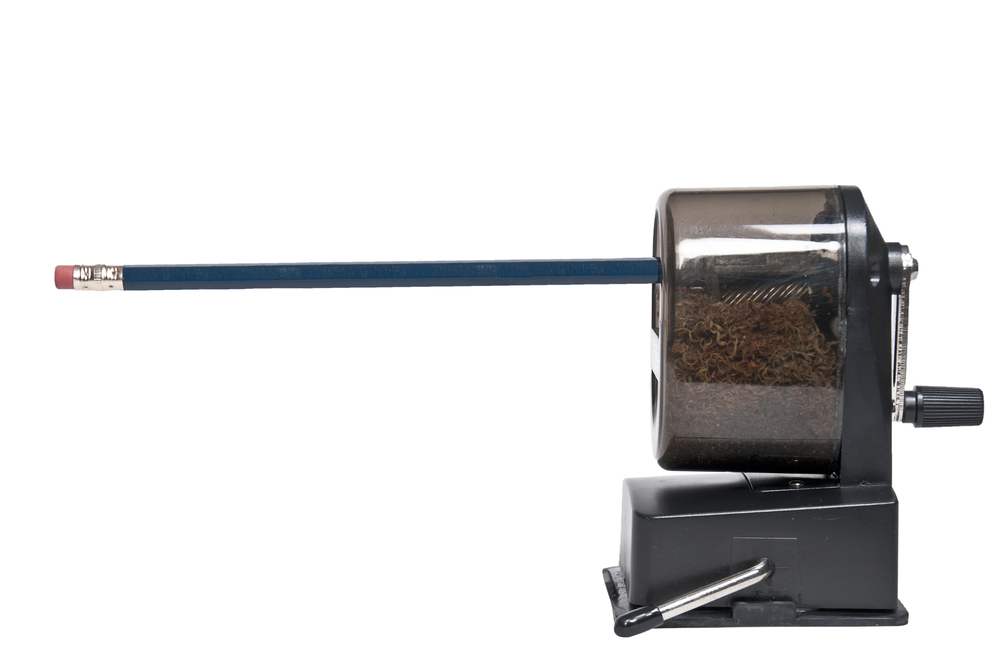
The wall-mounted pencil sharpener with its satisfying hand crank was a gathering spot in offices and classrooms alike. This mechanical device with its distinctive grinding sound transformed dull writing implements into sharp tools ready for precise work.
Mechanical pencils, disposable pens, and digital note-taking have dramatically reduced the need for constantly resharpened wooden pencils.
Pager
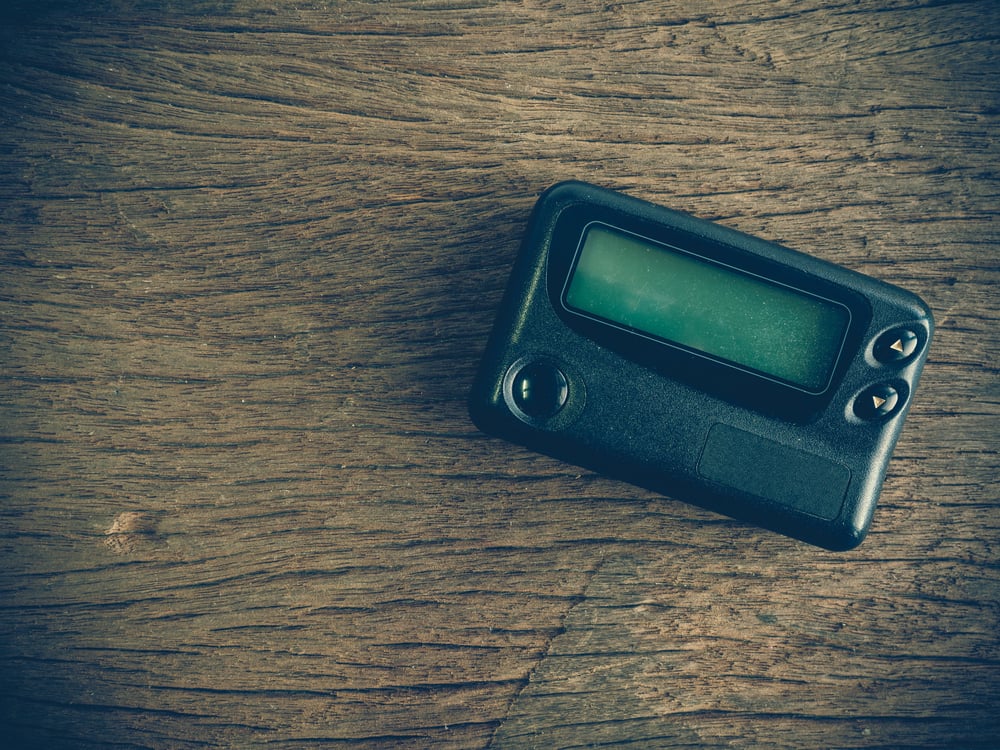
Mobile communication took a significant leap forward when pagers allowed professionals to receive notifications while away from their desks. These small devices would beep or vibrate when someone needed to reach you, displaying basic numeric codes or brief messages.
Smartphones have completely absorbed this functionality while offering vastly expanded communication capabilities that make pagers seem remarkably limited in retrospect.
Like Go2Tutors’s content? Follow us on MSN.
Pneumatic Tube Systems
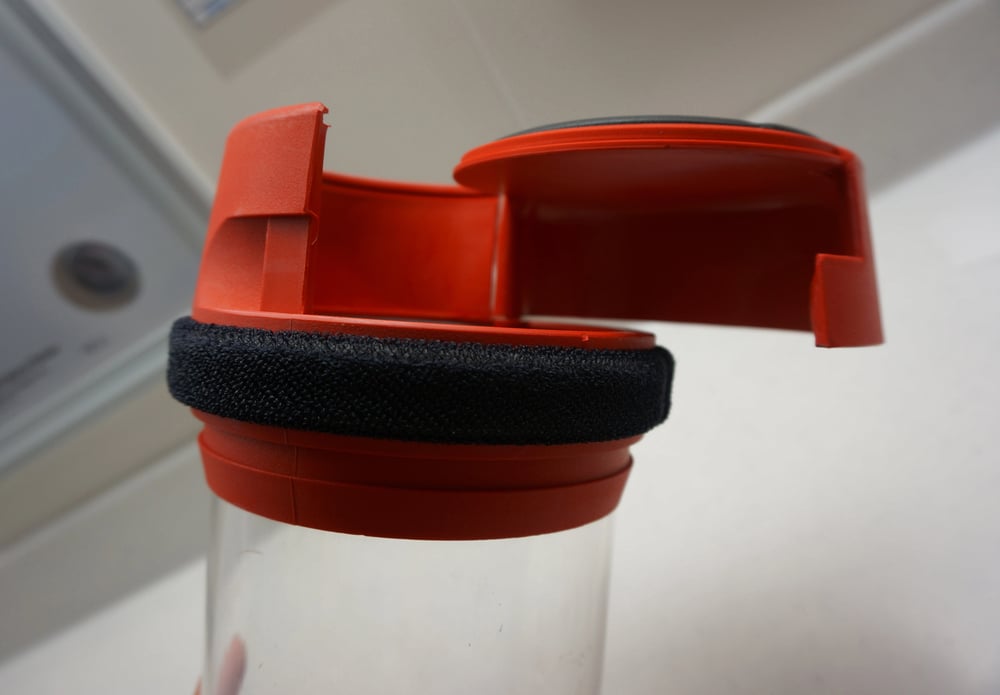
Large offices and department stores once relied on pneumatic tube networks to transport documents between floors or departments. These systems used air pressure to shoot cylindrical containers through building-wide networks of tubes at impressive speeds.
Digital document sharing and email have eliminated the need for physical document transport systems that once seemed magically efficient.
Mechanical Time Clock

Workforce management depended on mechanical time clocks that would stamp employee time cards with precise arrival and departure times. Workers would insert their personal cards into the machine, which would print the current time with satisfying mechanical precision.
Digital time tracking systems, biometric verification, and remote work arrangements have made these industrial-looking machines increasingly rare in modern workplaces.
Telephone Message Pad
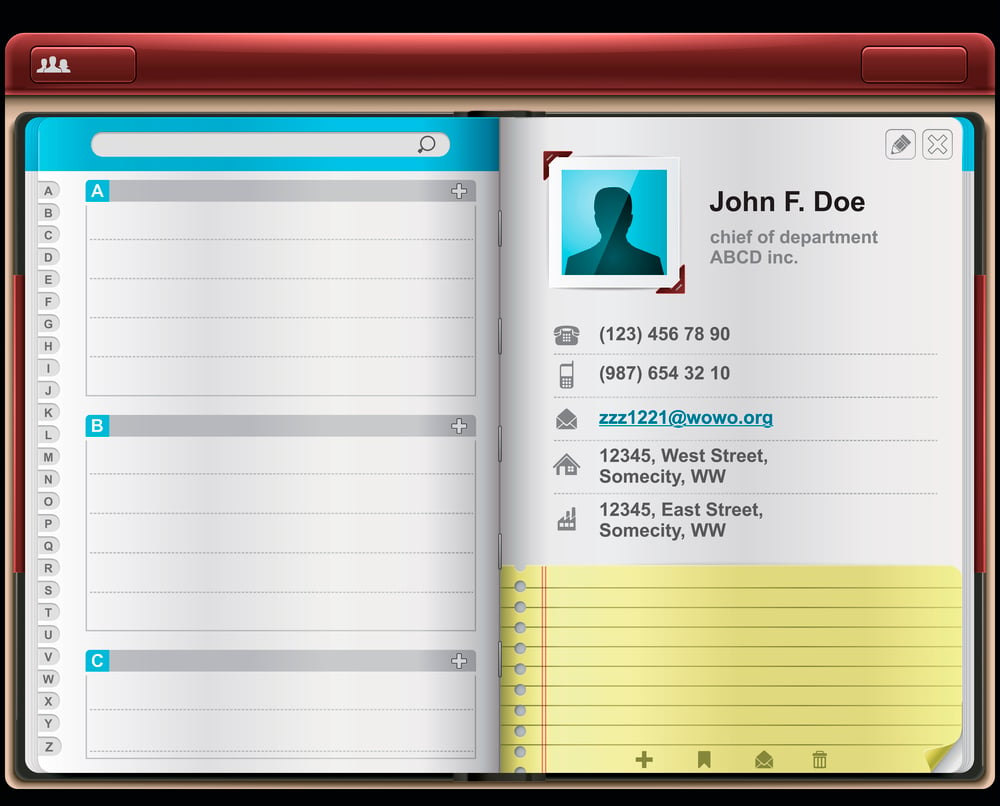
Communication coordination relied heavily on pre-printed message pads where receptionists would carefully record caller information and messages. These forms typically included spaces for the caller’s name, company, time of call, and message content with checkboxes for ‘urgent’ or ‘please call back.’
Voice mail, email, and instant messaging have largely eliminated the need for these handwritten message systems that once served as vital communication links.
Like Go2Tutors’s content? Follow us on MSN.
The Digital Transformation Continues
The obsolescence of these once-revolutionary tools demonstrates how quickly workplace technology evolves to meet changing needs. What’s particularly fascinating is how many functions have been absorbed by multipurpose digital devices rather than replaced by direct equivalents.
Today’s smartphones, computers, and cloud services perform the tasks of dozens of separate tools that once required dedicated office space.
More from Go2Tutors!

- 18 Unexpectedly Valuable Collectibles You Might Have Lying Around
- 20 Little-Known Historical Battles That Had Huge Consequences
- 20 Historical Artifacts That Scientists Can’t Explain
- 15 Inventions That Were Immediately Banned After Being Created
- 20 Actors Who Were Almost Cast in Iconic Roles
Like Go2Tutors’s content? Follow us on MSN.