Legends Behind Popular City Nicknames
Cities carry nicknames that stick around for generations, becoming as recognizable as the places themselves. Some of these names come from proud historical moments, while others emerged from quirky incidents or local habits that outsiders found amusing.
The stories behind these nicknames reveal unexpected truths about how cities developed their identities. Let’s explore the surprising origins of some of the world’s most famous city nicknames.
The Big Apple
New York earned this fruity nickname in the 1920s from horse racing commentary, not from fruit vendors or orchards. Racetrack workers started calling New York tracks ‘the Big Apple’ because winning there meant hitting the jackpot, the biggest prize available.
A sports writer named John Fitz Gerald picked up the phrase and used it in his newspaper column, spreading it beyond the racing world. The name faded after the 1940s but got revived in the 1970s when the city’s tourism board needed a friendly way to rebrand New York during its financial crisis.
The Windy City
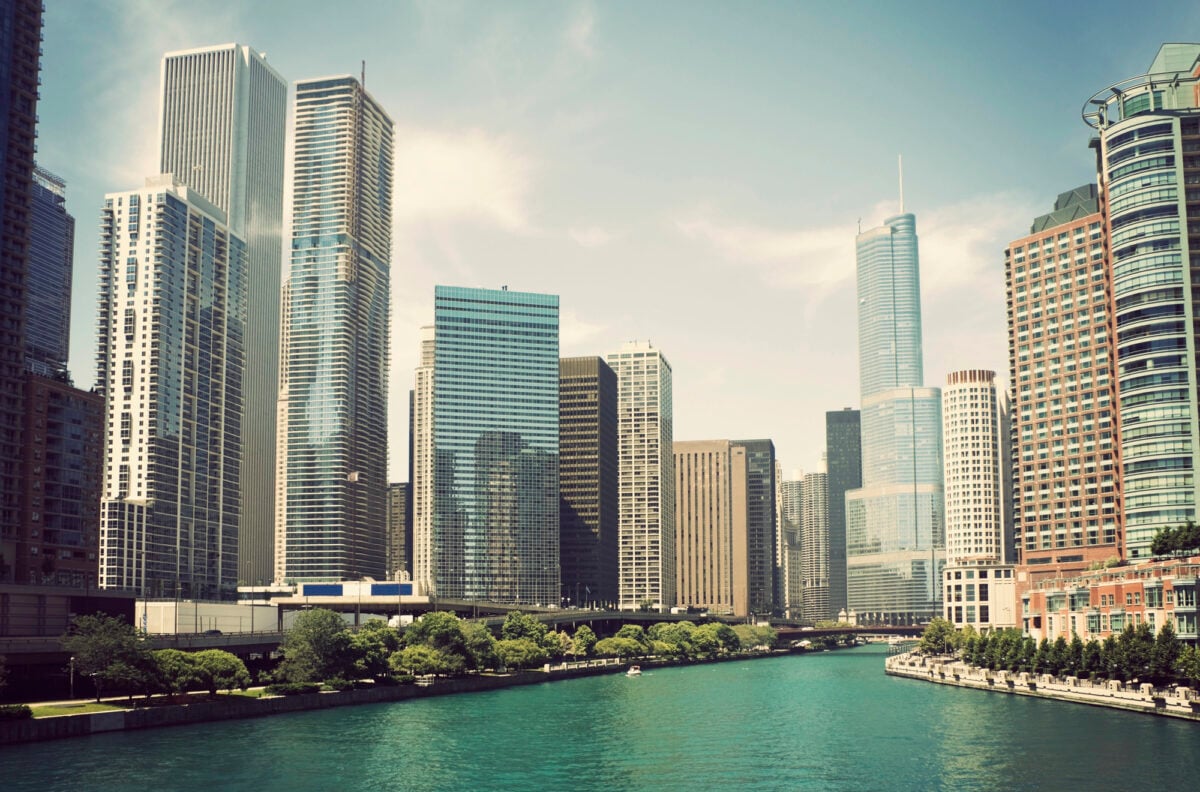
Chicago’s famous nickname has nothing to do with weather patterns or gusts coming off Lake Michigan. The term actually came from 19th-century rivalry between cities competing to host the 1893 World’s Fair.
New York newspaper editors called Chicago politicians ‘windy’ because they wouldn’t stop bragging about their city’s superiority. The insult stuck, but Chicagoans eventually embraced it.
The city does experience plenty of wind, which helped the nickname make sense to people who didn’t know the original political insult.
The City Of Light
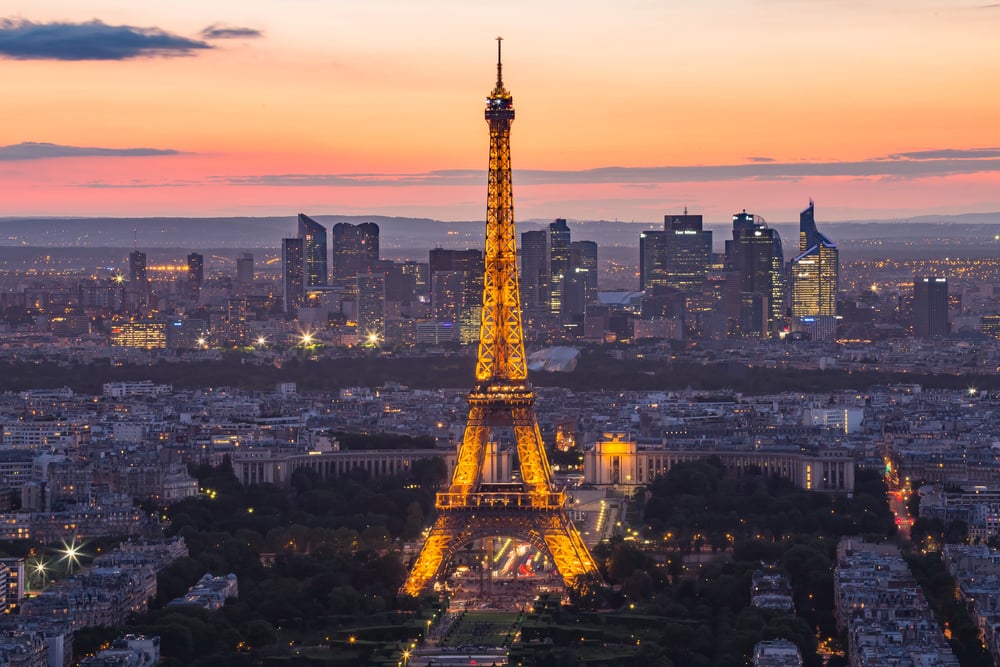
Paris got this glowing nickname because it became one of the first European cities to use gas street lamps extensively in the 1860s. Before electricity became common, Paris installed thousands of gas lamps that made nighttime streets safer and extended the hours people could socialize outdoors.
The nickname also references the city’s role as a center for education and ideas during the Age of Enlightenment. Visitors from darker cities were genuinely amazed at how well-lit Parisian streets were after sunset.
Sin City
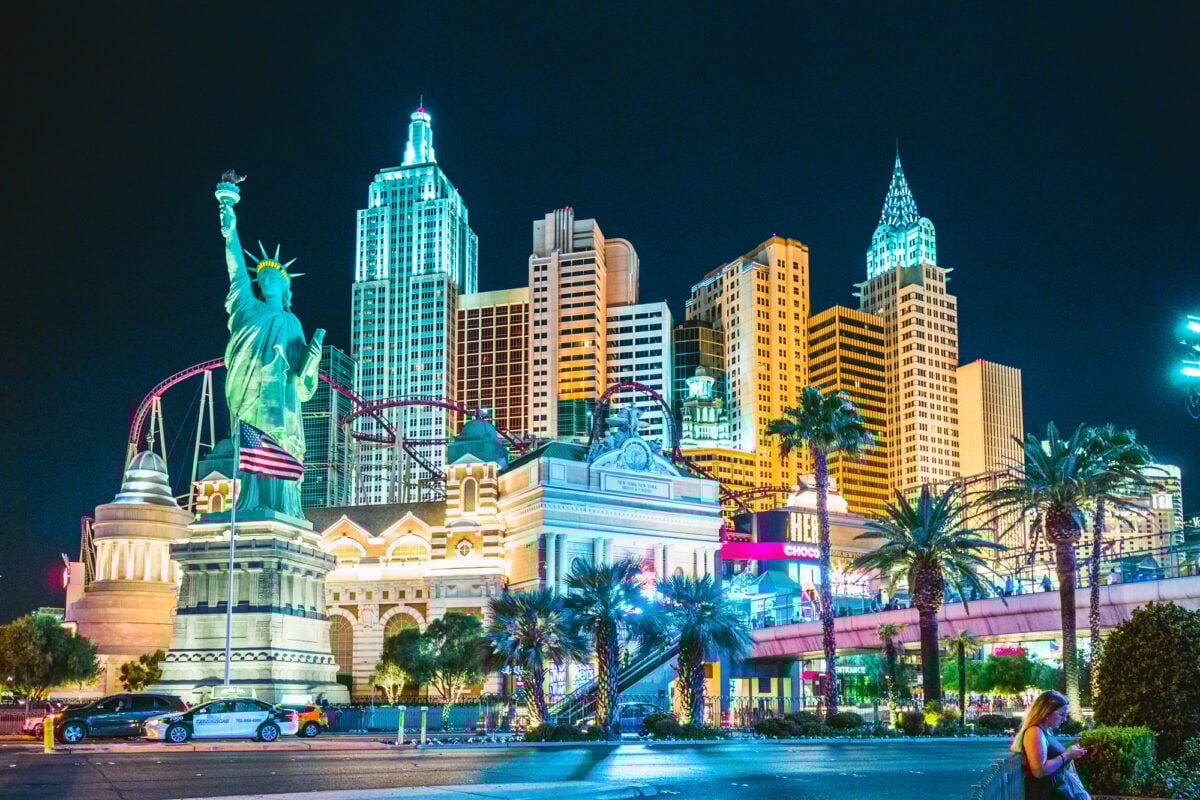
Las Vegas earned its notorious nickname honestly through decades of legalized activities banned elsewhere. When Nevada legalized gambling in 1931 during the Great Depression, the state needed revenue desperately and didn’t care much about moral objections.
The nickname really took off in the 1940s and 1950s when organized crime figures opened lavish casinos and promoted the city as a place where normal rules didn’t apply. Marketing campaigns later embraced ‘Sin City’ because trying to fight the reputation would have been pointless and less profitable.
The Eternal City
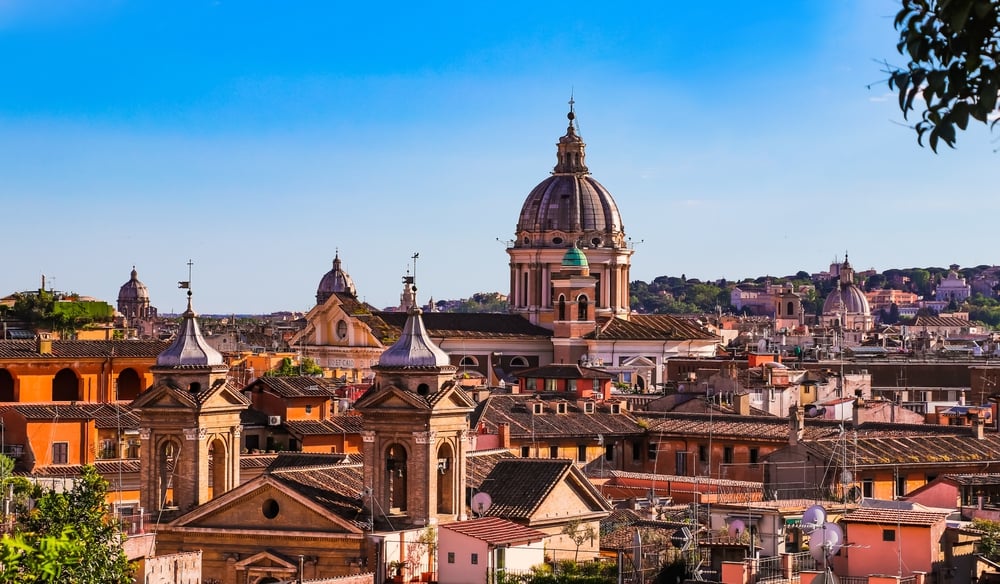
Rome claimed this grand title because ancient Romans genuinely believed their city would last forever. The phrase appeared in Roman poetry and political speeches as early as the 1st century BC, reflecting the empire’s confidence in its permanence.
Tibullus, a Roman poet, used the term in his verses, and it stuck through centuries of actual eternal survival. The nickname proved oddly accurate since Rome has remained continuously inhabited and important for over 2,700 years, outlasting the empire that gave it the name.
Beantown
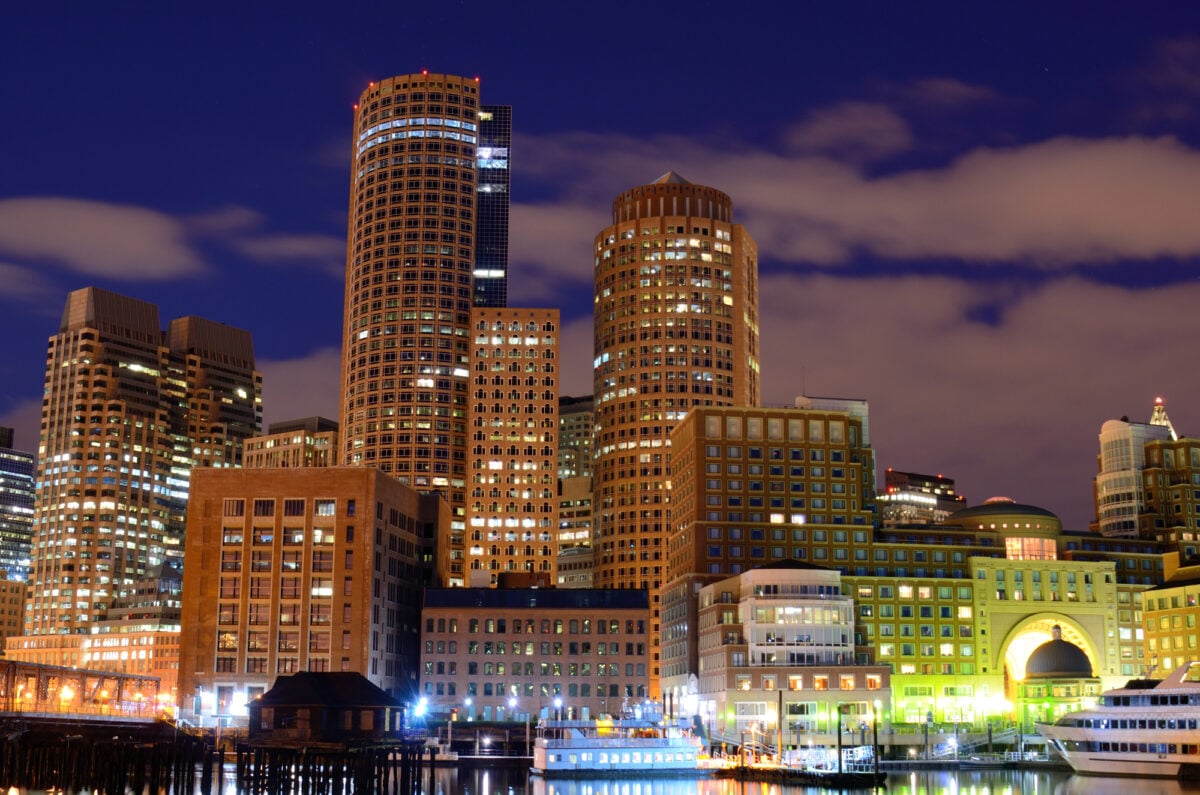
Boston got stuck with this unglamorous nickname because of its colonial obsession with baked beans. Puritan settlers made beans a Saturday staple since they could prepare the dish before the Sabbath and eat it cold on Sunday without violating religious rules against cooking.
Molasses from the Caribbean trade made Boston baked beans distinctively sweet, and the city became famous for this specific recipe. Sailors spread the nickname to other ports, and it persisted even though modern Bostonians don’t eat notably more beans than anyone else.
The Big Easy
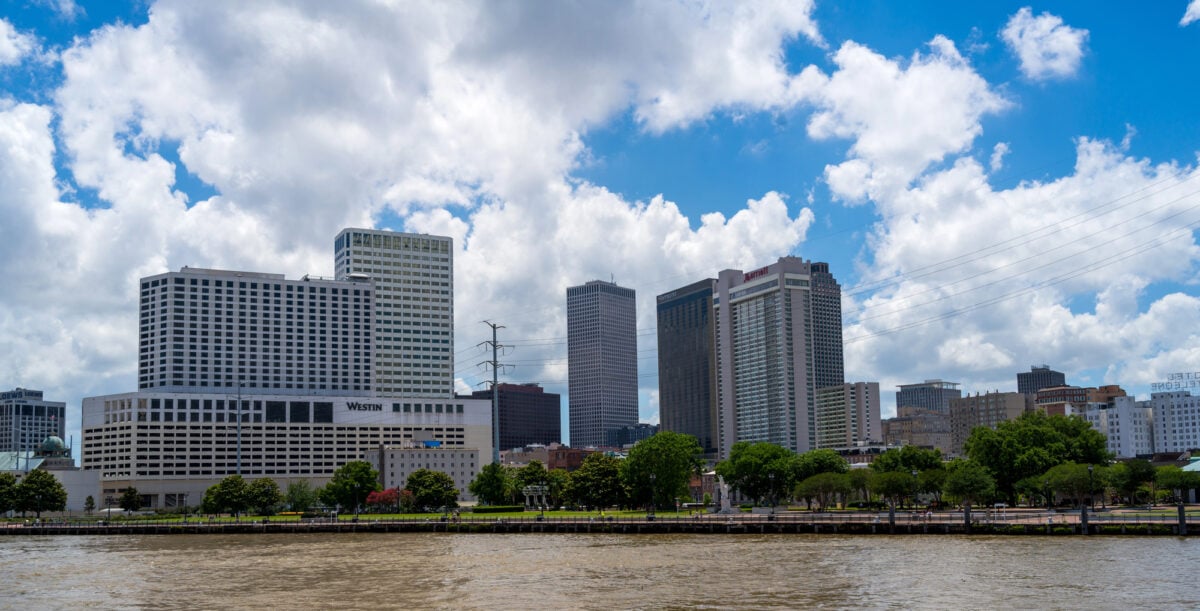
New Orleans earned this relaxed nickname from musicians in the early 20th century who found the city remarkably welcoming compared to northern cities. Jazz players discovered they could find steady work in New Orleans without facing the intense competition or strict regulations common elsewhere.
The phrase referred to how easy it was to make a living playing music, not to the city’s laid-back attitude, though that reputation helped the nickname make sense. A newspaper columnist popularized the term in the 1960s, and tourism boards enthusiastically adopted it.
Motor City
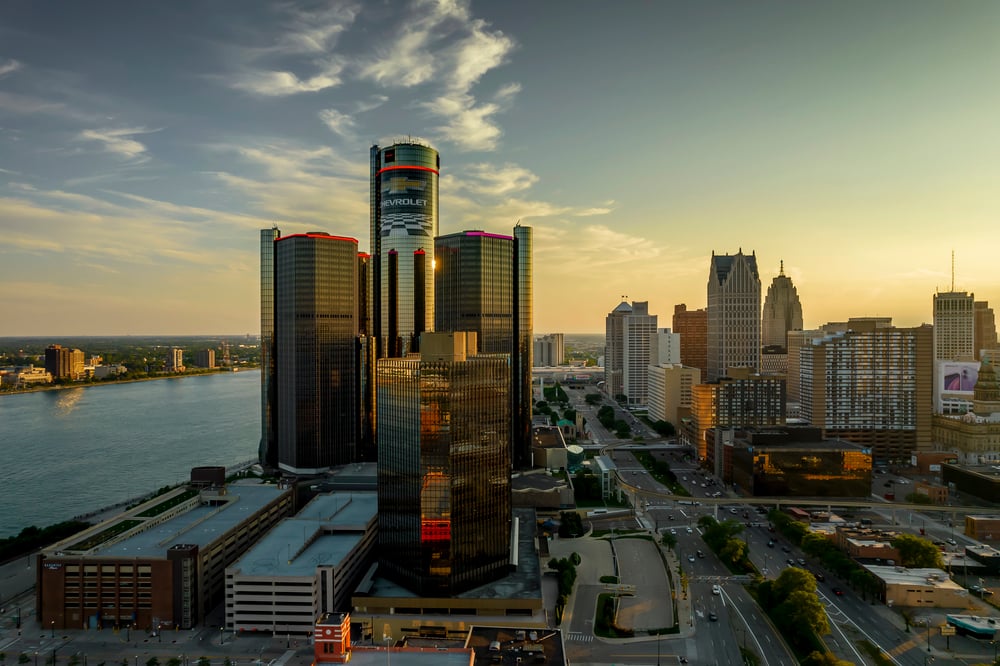
Detroit’s industrial nickname came directly from its dominance in automobile manufacturing during the early 20th century. Henry Ford’s assembly line innovation turned Detroit into the center of car production, attracting hundreds of thousands of workers to factory jobs.
By the 1950s, the nickname was so embedded that locals shortened it to ‘Motown’, which became famous through the record label. The city produced so many vehicles that referring to it any other way seemed strange to Americans who associated Detroit entirely with cars.
The City That Never Sleeps
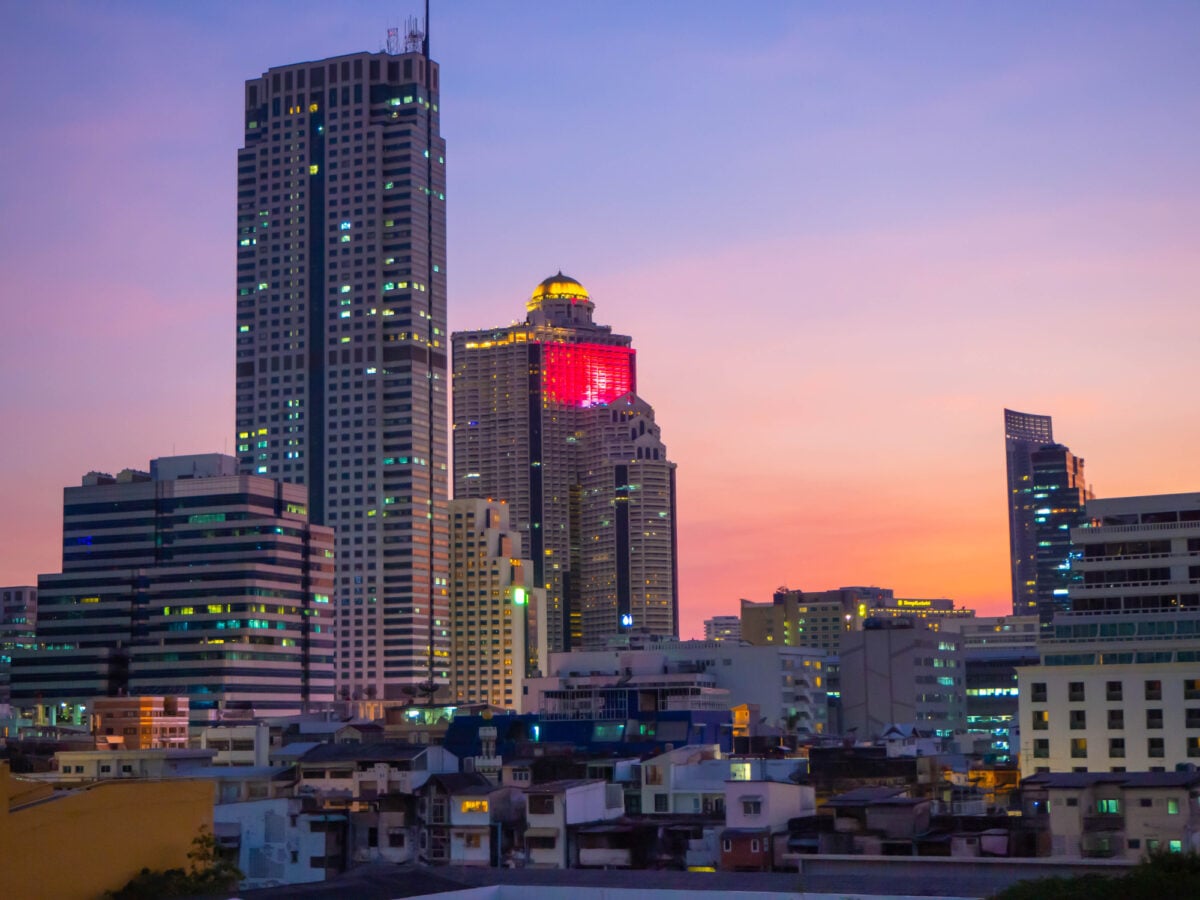
New York earned this tireless reputation from its 24-hour business culture that developed in the late 1800s. Newspapers, theaters, restaurants, and bars stayed open all night to serve workers on different shifts and entertainment seekers.
Frank Sinatra’s song ‘New York, New York’ cemented the phrase in popular culture in 1977, though New Yorkers had been using it informally for decades. The nickname accurately describes how the city maintains constant activity at all hours, unlike most places that quiet down after midnight.
The Gateway To The West
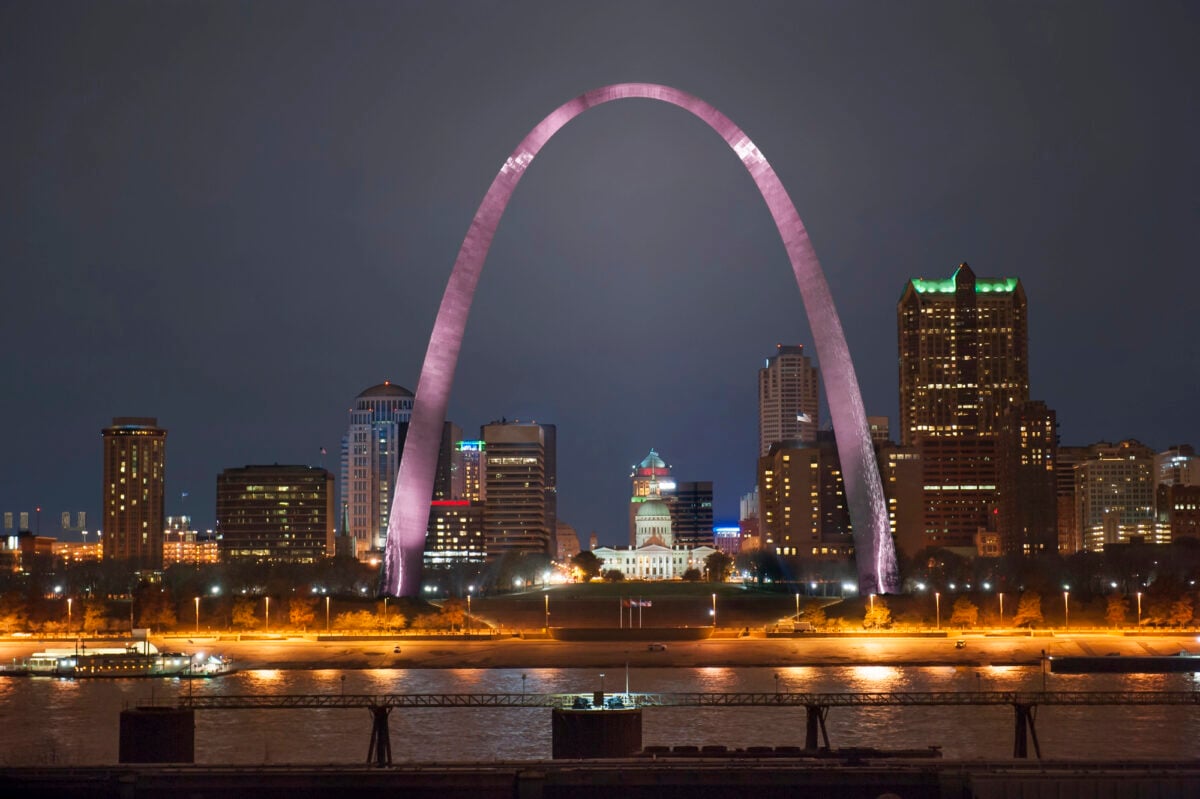
St. Louis claimed this directional nickname because it served as the last major supply point before pioneers headed into unsettled western territories. The city’s location along the Mississippi River made it the natural stopping place for families preparing for wagon journeys in the 1800s.
The Gateway Arch, built in the 1960s, turned the nickname into a physical monument that tourists can actually visit. Before railroads changed everything, St. Louis genuinely was the place where eastern civilization ended and the frontier began.
The Emerald City
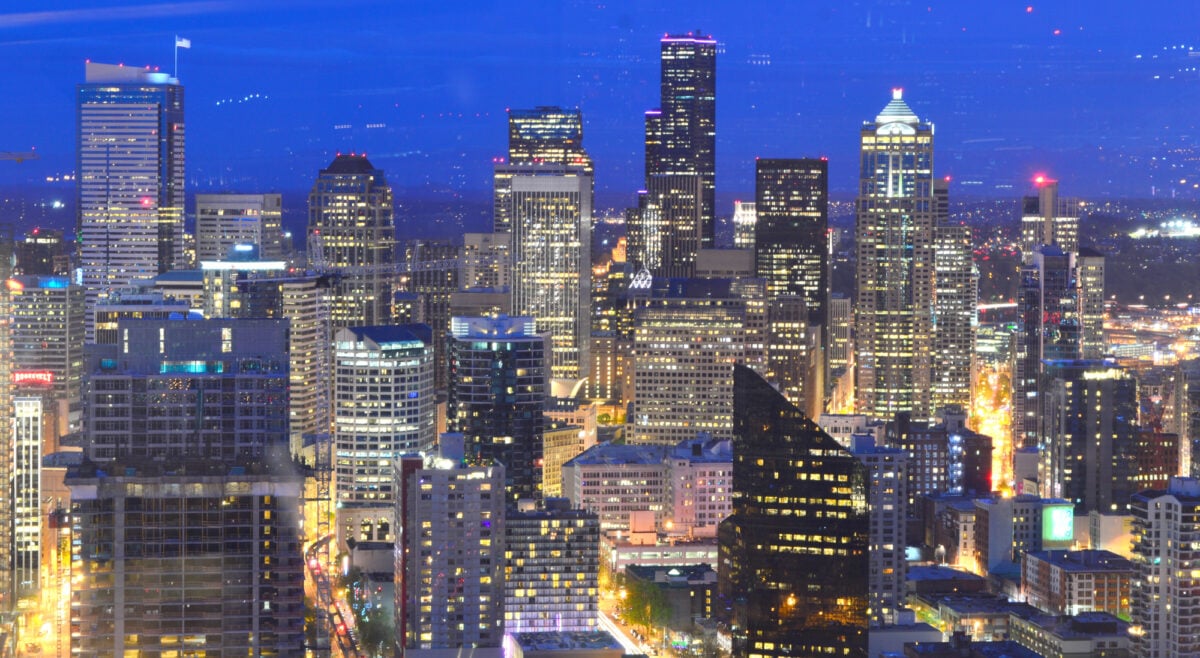
Seattle earned this colorful nickname from a 1980s contest to find a better way to describe the city than ‘rainy.’ The name references the lush greenery that results from all that rain, giving the landscape an emerald appearance most of the year.
A local radio station promoted the winning entry, and city officials embraced it as more positive than constant jokes about umbrellas. The Wizard of Oz connection helped the nickname feel familiar, even though Seattle looks nothing like the fictional Emerald City.
The City Of Angels
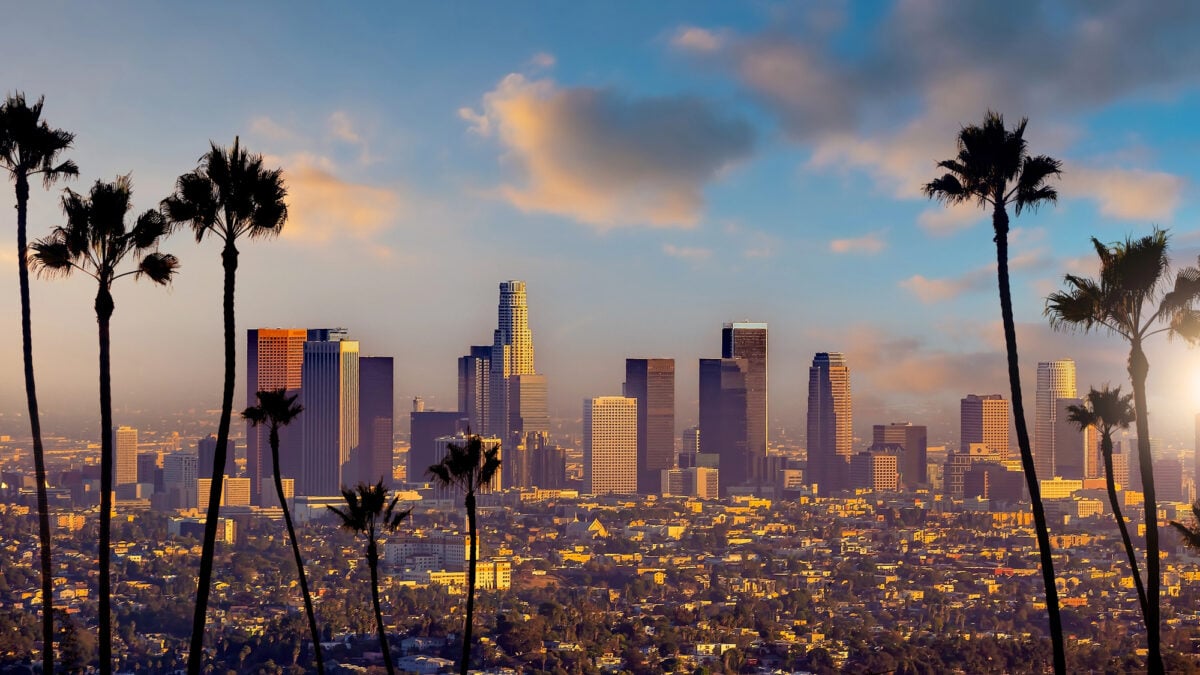
Los Angeles translates literally to ‘The Angels’ from its original Spanish name ‘El Pueblo de Nuestra Señora la Reina de los Ángeles.’ Spanish colonizers founded the settlement in 1781 and gave it an extremely long religious name that locals immediately started shortening.
The nickname survived translation into English because it sounded more poetic than just calling it ‘Los Angeles’ without explanation. Most residents today have no idea the full original name referenced the Queen of the Angels, a title for the Virgin Mary.
Music City
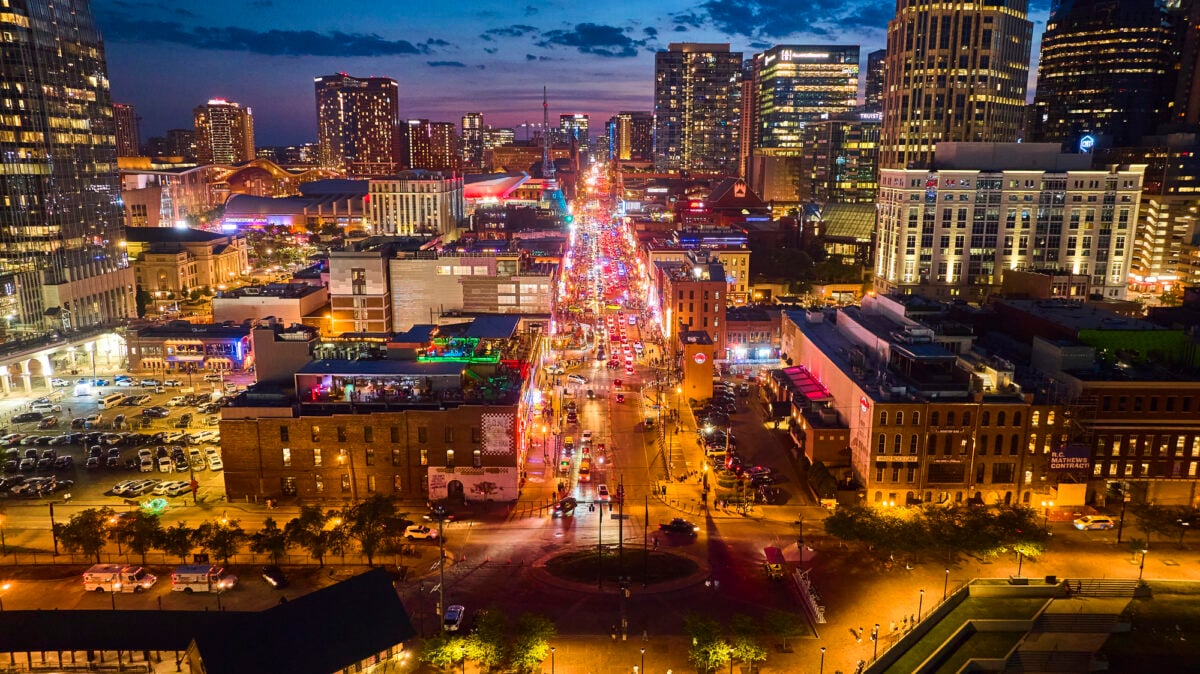
A single concert in 1873 gave Nashville its tune-filled tag, even though other U.S. cities had music fame earlier. Visitors were struck hard when a hometown choir sang at an expo – so moved that one paper dubbed the place ‘Music City.’
Fast forward to 1925: the launch of the Grand Ole Opry on airwaves anchored the label firmly in sound. Radio waves carried country tunes far, pulling artists toward Nashville like moths.
Recording spots popped up, stages lit nightly – proof that words spoken loud enough might just shape truth. Reputation bloomed not because it was promised, but because people played.
The Venice Of The North

Water laps between its islands, that is why Stockholm got called the Venice of the North. Fourteen landmasses linked together by fifty-seven bridges right where a big lake flows into the sea.
Travel boosters in Sweden started using the name back in the 1900s hoping to lure people who dreamed of Italy but stayed home. It sticks fairly close – both places move people by boat, their souls shaped by canals and tides.
Some towns nearby also say they wear the title better, sparking light bickering across borders.
Fog City
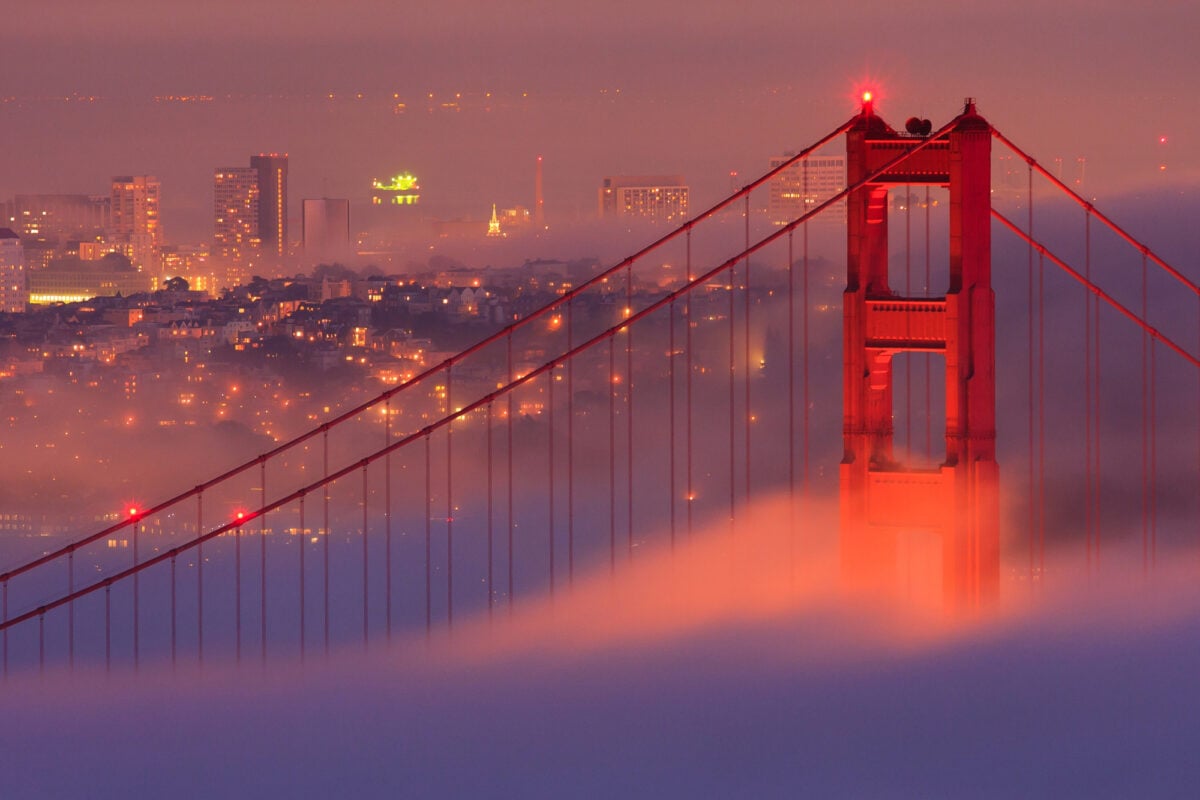
Fog creeping in from the sea gives San Francisco its hazy name each summer. Warm air pushing inland collides with chilly Pacific waters, sparking dense blankets of mist.
Locals joke that Karl has arrived – naming the fog like an unpredictable houseguest who overstays. A claim attributes frosty season remarks to Mark Twain; evidence suggests another mind made them up later.
Travelers learn fast: pack layers regardless of calendar dates because damp clouds may slash warmth without warning.
Where Nicknames Become Identity
What began as offhand labels now shape how cities understand who they are. Not every nickname was meant kindly – some were thrown like stones, later picked up with pride.
Others slipped out of ad offices, catching on far beyond what planners imagined. The ones that last tend to echo something real, regardless of where they first appeared.
Letting go of such names feels wrong, almost like discarding old photographs. Even if the meaning fades, the weight remains.
More from Go2Tutors!

- The Romanov Crown Jewels and Their Tragic Fate
- 13 Historical Mysteries That Science Still Can’t Solve
- Famous Hoaxes That Fooled the World for Years
- 15 Child Stars with Tragic Adult Lives
- 16 Famous Jewelry Pieces in History
Like Go2Tutors’s content? Follow us on MSN.