16 Railway Tragedies That Made History
Railway travel revolutionized the world, connecting distant places and transforming how people lived and worked. But with this incredible innovation came devastating risks that occasionally turned routine journeys into unthinkable disasters.
From bridge collapses to signal failures, from wartime chaos to natural catastrophes, these railway tragedies left permanent marks on history and forever changed how we think about transportation safety.
The stories behind these disasters reveal not just mechanical failures or human errors, but glimpses into different eras of human experience.
Here is a list of 16 railway tragedies that shocked the world and made history.
Queen of the Sea Tsunami Disaster
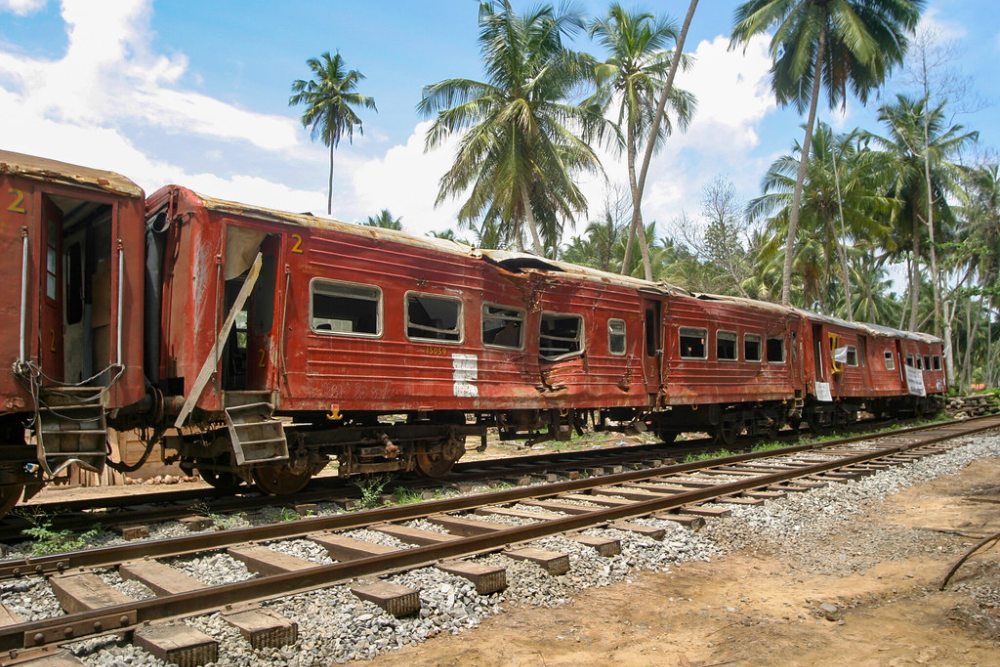
The Queen of The Sea train crash in Sri Lanka, caused by the Indian Ocean Tsunami which struck in December 2004, is regarded as the worst train disaster in railroad history after it caused the death of over 1,700 people. The overloaded passenger train was traveling along Sri Lanka’s southwestern coastal railway when two massive tsunami waves struck near Peraliya.
The train was drowned and destroyed by two waves causing death of passengers who were packed in eight carriages. Many locals had actually climbed aboard the train thinking it would provide safety from the rising waters, making the tragedy even more devastating.
Saint-Michel-de-Maurienne Derailment
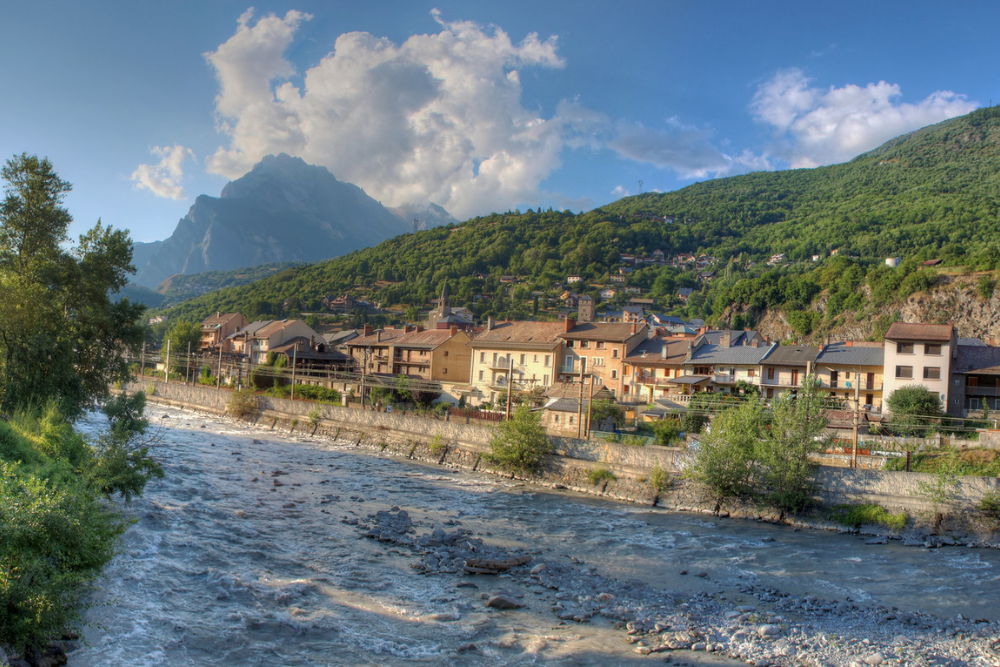
The Saint-Michel-de-Maurienne derailment in France caused the death of more than 700 people and remains the greatest rail disaster in French history. On the night of December 12, 1917, a military train designated M612 was transporting French soldiers home on leave from the Italian front.
The train was severely overcrowded with approximately 1,000 troops despite being authorized to carry only half that number. The accident occurred in December 1917 when a heavily loaded 350m long train derailed after suffering brake failure just before Saint-Michel-de-Maurienne station.
The wooden carriages caught fire, turning what might have been a survivable crash into an inferno.
Like Go2Tutors’s content? Follow us on MSN.
Ciurea Rail Disaster
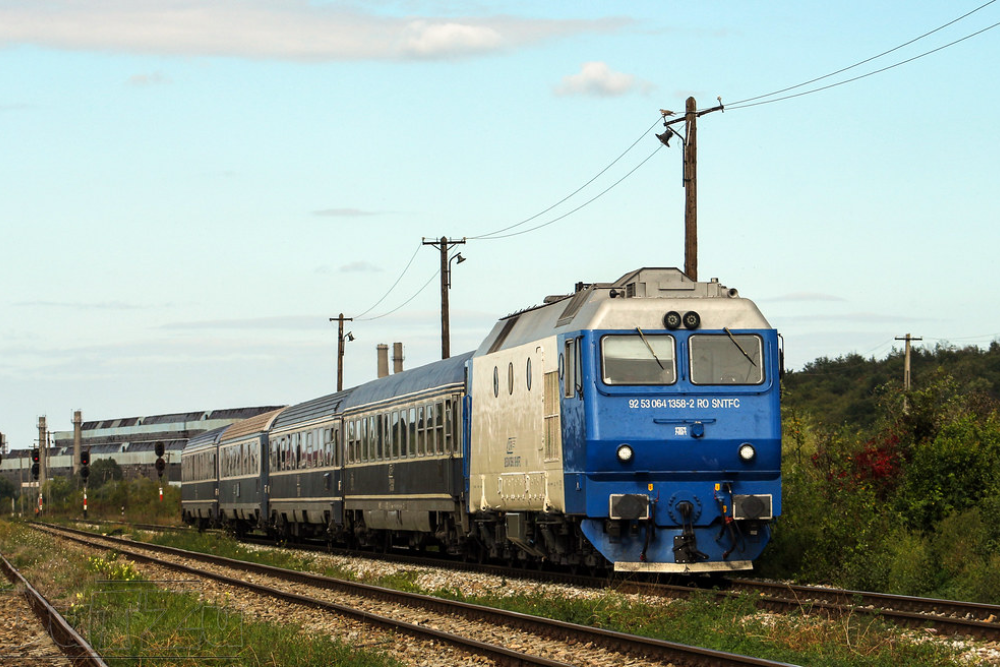
The Ciurea rail disaster, one of the deadliest train accidents in history, occurred on the night of January 13, 1917, near the Ciurea railway station in Iași County, Romania, during the height of World War I. Romania was in chaos as German and Austro-Hungarian forces advanced, forcing thousands of civilians, soldiers, and government officials to flee on overcrowded trains.
The ill-fated train—believed to be a Courier (Mail) Train—was composed of around 26 cars, including passenger coaches and baggage wagons. The cars were grossly overloaded, with estimates placing the number of passengers between 800 and 1,000.
The train derailed and collided with a stationary locomotive, causing fuel tankers to explode in a massive fire.
Bihar Train Disaster
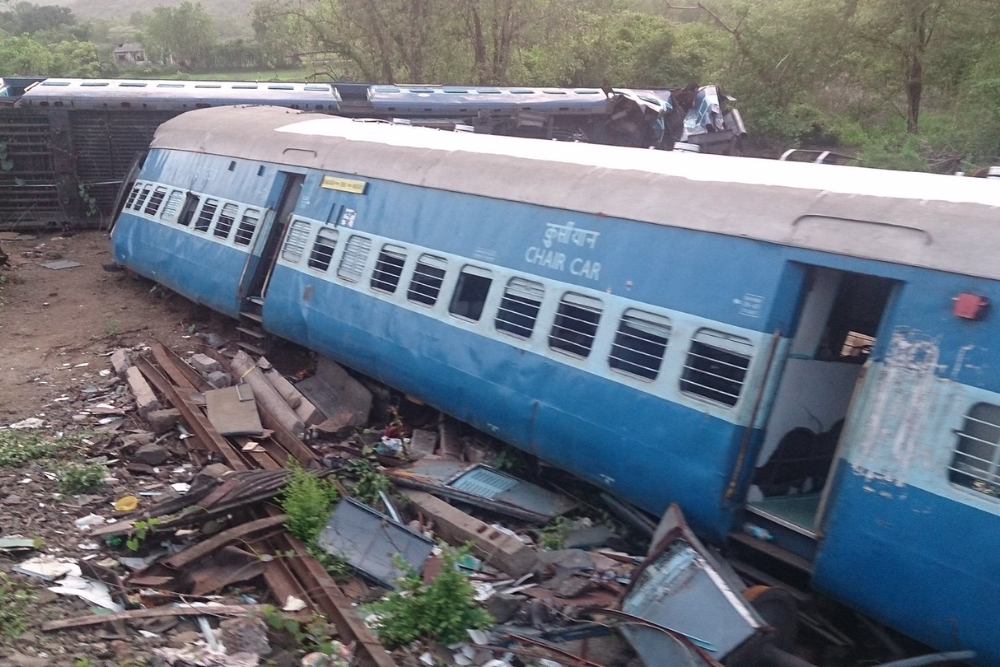
The Bihar train disaster, one of the deadliest rail accidents in India’s history, occurred on June 6, 1981, when a passenger train derailed and plunged into the Bagmati River near Saharsa in the northeastern state of Bihar. The train was carrying approximately 1,000 passengers in nine cars between Mansi and Saharsa at the time of the accident.
One widely cited account suggests that the train’s engineer braked suddenly—possibly after spotting a cow on the tracks—just as the train was approaching the bridge. The sudden braking on wet rails reportedly caused the rear seven coaches to skid off the bridge and plunge into the swollen river below.
Many bodies were swept away by monsoon flooding and never recovered.
Balvano Train Disaster
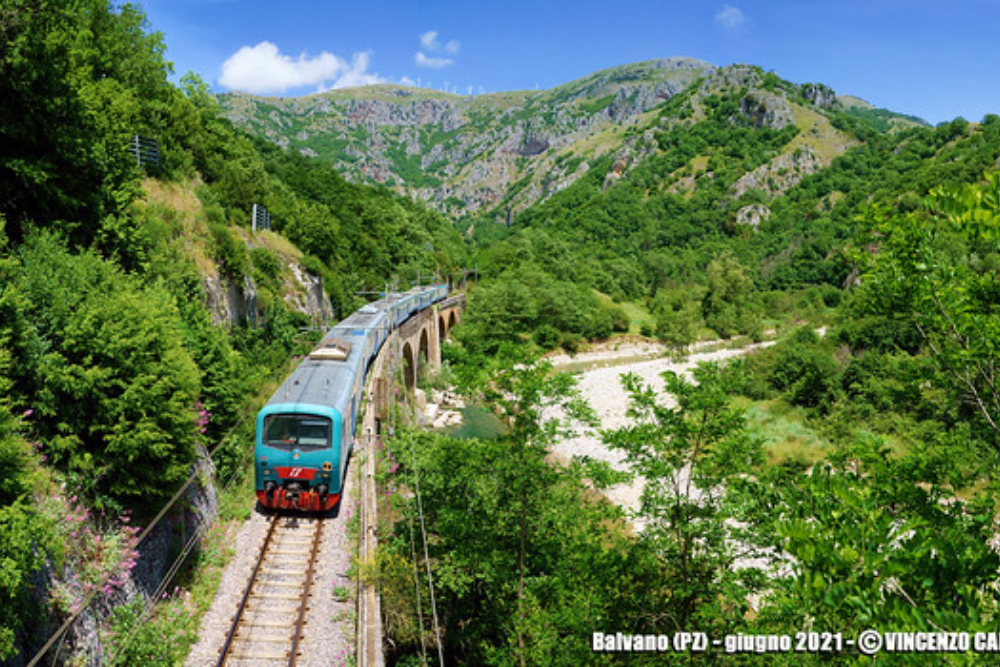
An accident near Balvano in southern Italy in March 1944 caused the death of 520 people making it the worst ever train disaster in the country. The disaster occurred due to carbon monoxide gas from steam engines of the locomotive No 8017 when it stalled with all the cars on a steep gradient inside the Armi tunnel.
The low quality coal created poisonous carbon monoxide which caused the fatalities. The passengers and crew failed to notice the danger as the deadly fumes spread slowly through the carriages.
Some people in the rear cars survived because they escaped before the gas reached them.
Like Go2Tutors’s content? Follow us on MSN.
Quintinshill Rail Disaster
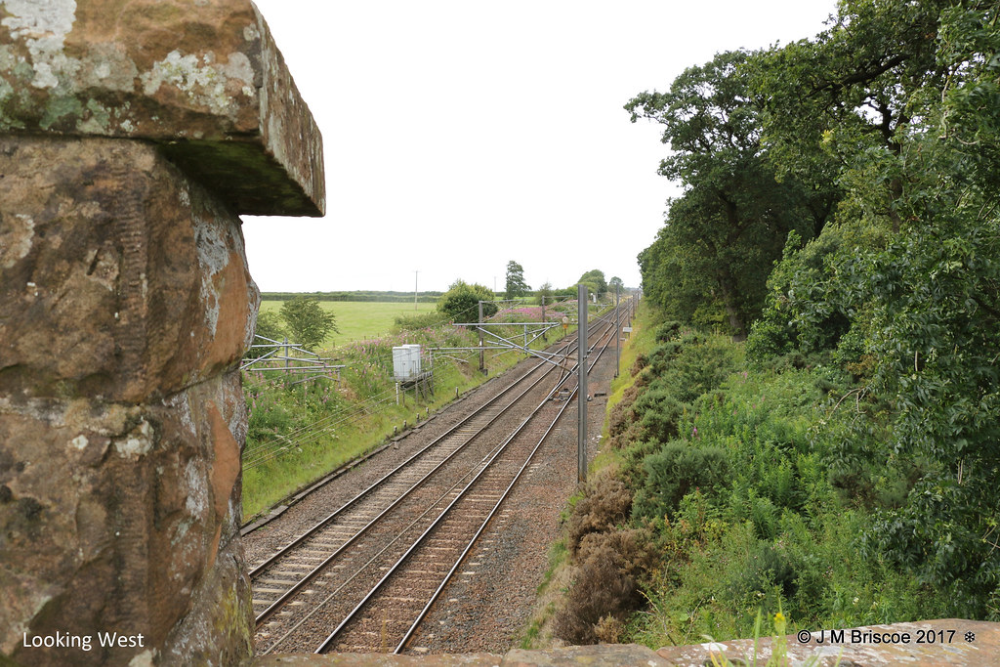
The Quintinshill rail disaster was a multi-train rail crash which occurred on 22 May 1915 outside the Quintinshill signal box near Gretna Green in Dumfriesshire, Scotland. It resulted in the deaths of over 200 people and remains the worst rail disaster in British history.
The main reason for the accident was the failure of Tinsley and Meakin to concentrate on their duties. Tinsley was busy writing up the register to hide his late arrival, and Meakin was distracted by chatting to men who had come into the signal box about the war news.
A troop train carrying soldiers collided head-on with a local passenger train, followed by an express train plowing into the wreckage, creating a massive fire that burned for hours.
Malbone Street Wreck
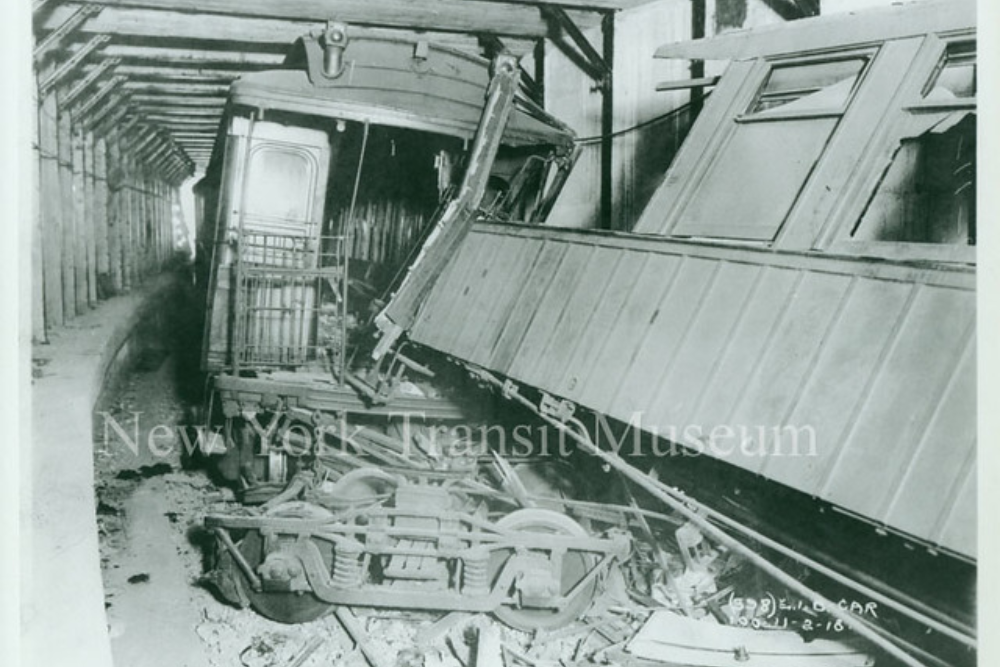
The Malbone Street wreck, also known as the Brighton Beach Line accident, was a rapid transit railroad accident that occurred on November 1, 1918, on the New York City Subway’s BMT Brighton Line in the Flatbush neighborhood of Brooklyn in New York City. At least 93 people died, making it the second-deadliest train crash in American history, as well as the deadliest crash in the history of the New York City Subway.
To prevent disruption in service, the BRT placed inexperienced workers in operating roles, including a young dispatcher named Edward Luciano who was pressed into service as a motorman on a Brighton Beach-bound train, though he had never previously operated a passenger train. The wooden train derailed in a sharp tunnel curve, and the street was later renamed Empire Boulevard to erase the traumatic association.
Ashtabula River Railroad Disaster
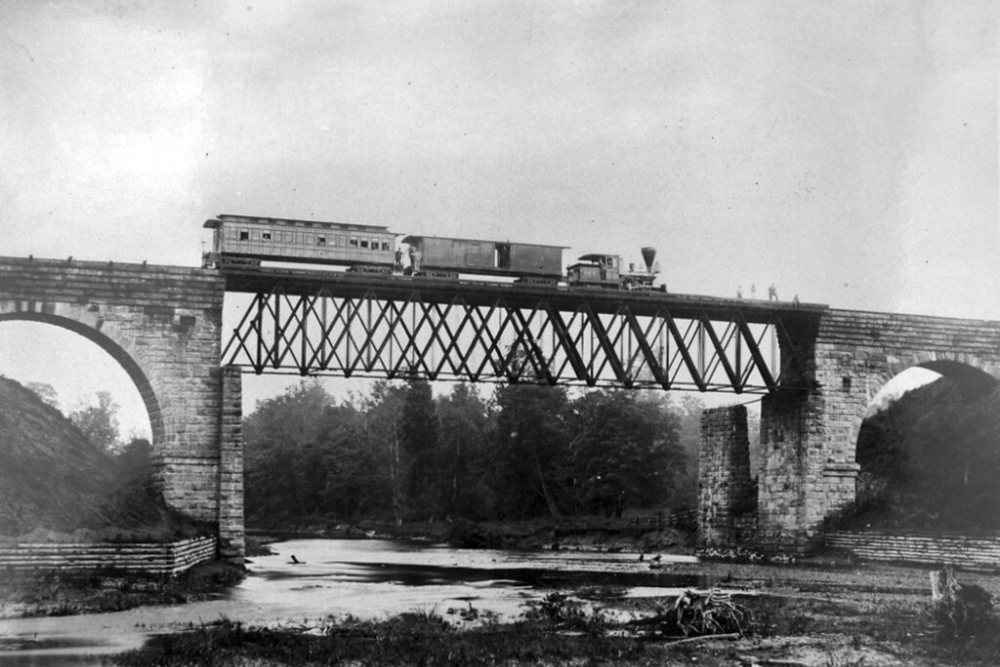
On December 29, 1876, a train carrying about 150-200 people plunged into the Ashtabula River outside Ashtabula, Ohio, when the bridge it was crossing suddenly collapsed. Within minutes, overturned oil lamps and heating stoves inside the train cars had set the wreckage ablaze.
Many who survived the initial crash died due to the fire, smoke inhalation, and drowning. To date, the Ashtabula River railroad disaster remains the deadliest U.S. train accident of the 19th century, and the third-deadliest railroad incident in U.S. history.
The bridge’s experimental design and poor maintenance were blamed for the collapse.
Like Go2Tutors’s content? Follow us on MSN.
Great Train Wreck of 1918
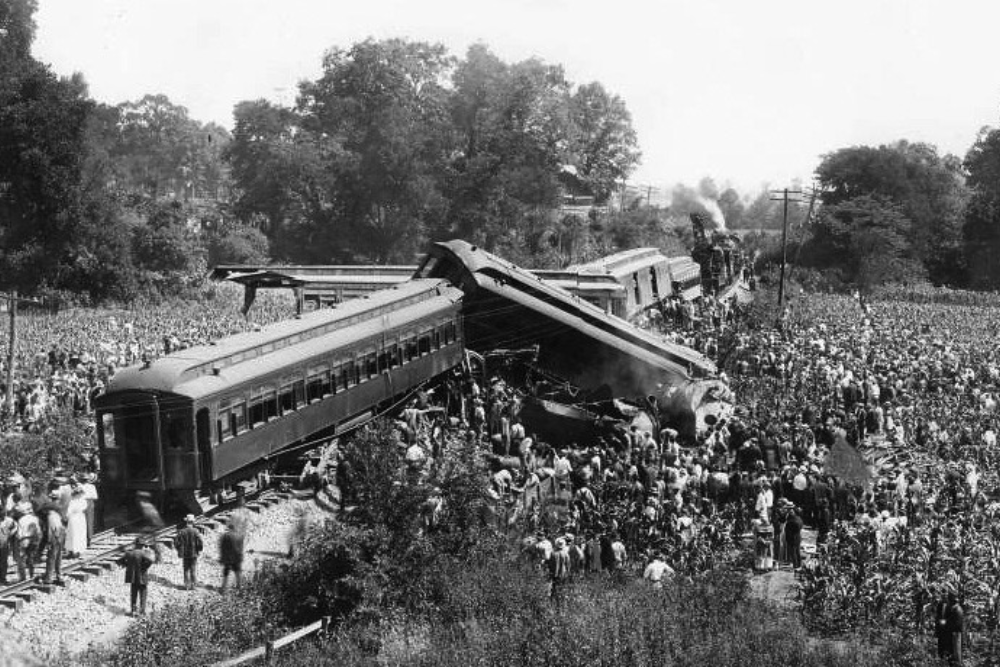
The Dutchman’s Curve Train Wreck, also known as “The Great Train Wreck of 1918”, occurred on July 9, 1918, in Nashville, Tennessee. The accident resulted in over 100 fatalities and more than 170 injured. Due to miscommunication and confusion among the railway employees, the local train was not given clearance to enter the curve, and the express train was not warned of the approaching local train.
As a result, the two trains collided at full speed, causing a devastating crash that tore apart both trains. The disaster highlighted critical communication failures that were common in early railway operations.
Ufa Train Disaster

One late June evening in 1989, two passenger trains were passing each other between the towns of Ufa and Asha in the Ural Mountains. In total, there were over 1,300 passengers riding in nearly 40 cars attached to two train engines.
Hundreds of meters away, a gas pipeline was leaking liquid gas into the gully where the trains were passing each other. The liquid gas formed a dense vapor in the valley, creating a tinderbox that was waiting for ignition.
When the trains passed, sparks ignited the gas cloud, creating a massive explosion and fire that killed hundreds of passengers, many of them children traveling to summer camps.
Torre del Bierzo Rail Accident
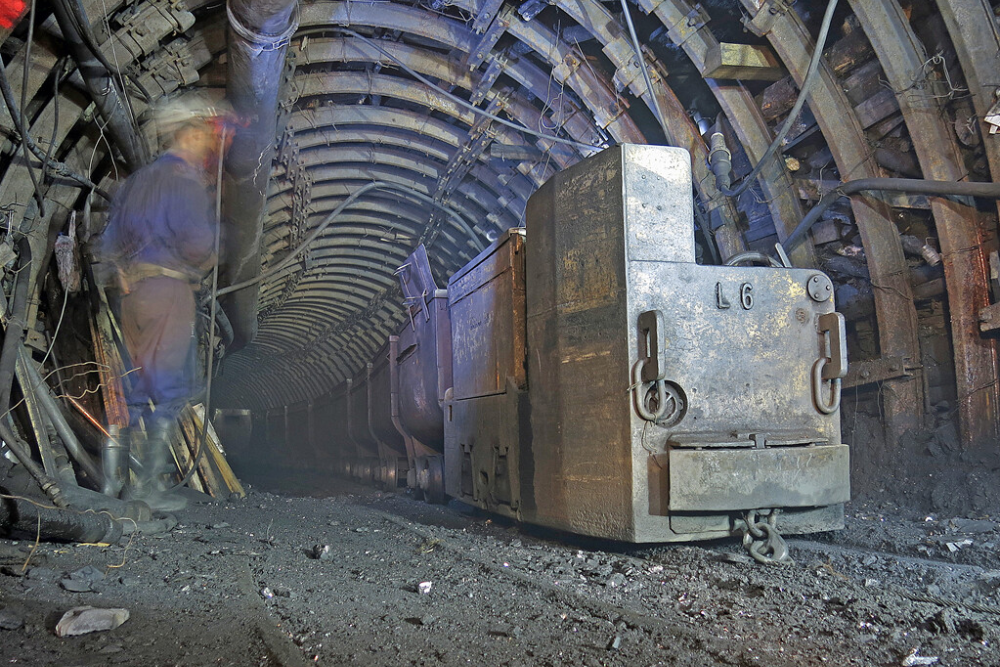
The Torre del Bierzo rail accident in January 1944 near the village of Torre del Bierzo in Spain caused the death of over 500 people. The disaster occurred due to a fire caused by the collision of three trains including Galicia mail express, a shunting engine train with three carriages and a coal train inside a tunnel.
The mail train suffered brake failure and collided with the shunting engine, setting both ablaze and destroying signaling cables. A coal train from the opposite direction then crashed into the burning wreckage, making the disaster even worse.
Like Go2Tutors’s content? Follow us on MSN.
Awash Rail Accident
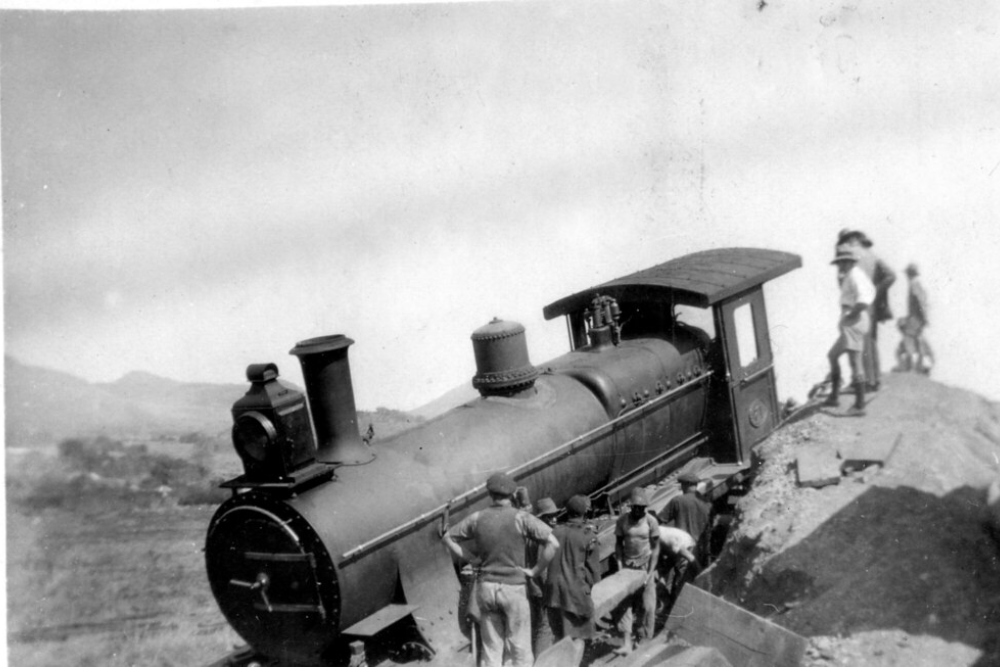
The Awash rail accident caused approximately 400 deaths and remains the worst train disaster ever in Africa. The accident occurred in January 1985 near the town of Awash in Ethiopia due to the derailment of an express train.
The train derailed and crashed on a curve while crossing a bridge between Arba and Awash railway stations on the Addis Ababa-Djibouti Railway line. The four cars of the train plunged into a ravine on the Awash River.
The train was carrying approximately 1,000 people and running at excessive speed when it crashed.
Al Ayyat Train Fire
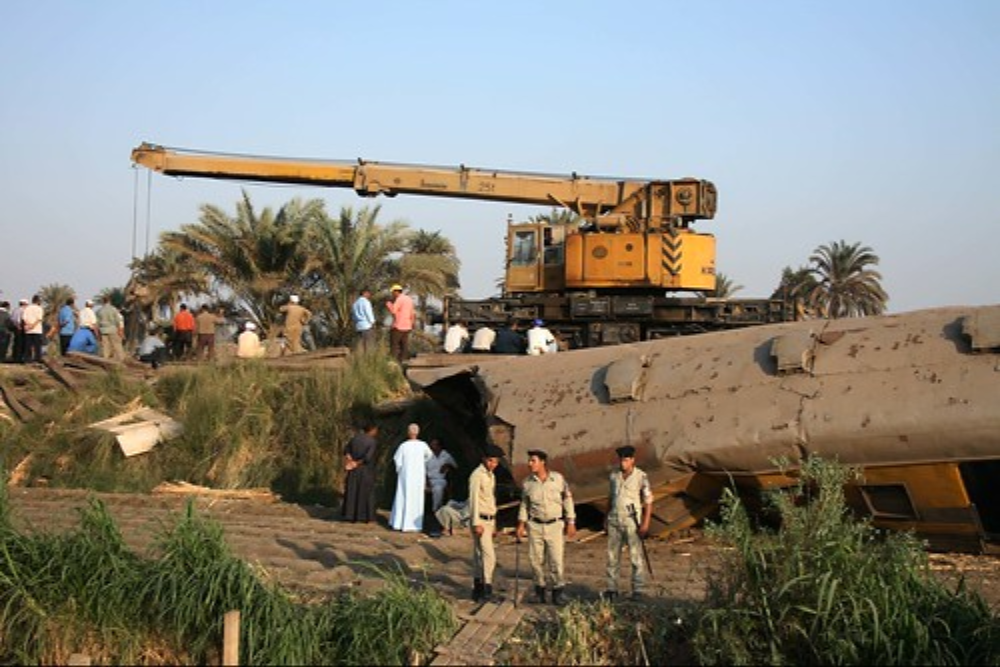
The train disaster occurred near Al Ayyat, 46 miles away from Cairo, Egypt, in February 2002 causing the death of 383 people. A passenger train caught fire while traveling from Cairo to southern Egypt, with flames spreading rapidly through the carriages.
The fire started in the restaurant car and quickly engulfed adjacent passenger cars. Many victims were trapped in the burning carriages, and others died jumping from the moving train trying to escape the flames.
Wellington Avalanche
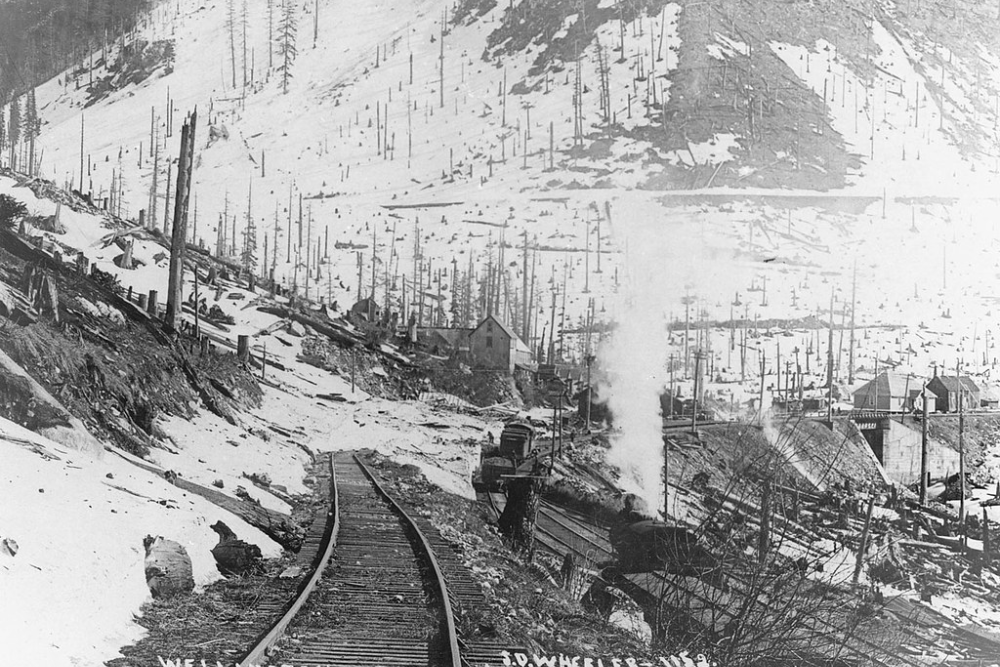
The Wellington Avalanche Train Wreck resulted in one of the deadliest train disasters in United States history, with a total of 96 people killed. The accident occurred when two Great Northern Railway trains, a passenger train, and a mail train, were trapped in a snowstorm in the Cascade Mountains.
The trains were stranded for several days due to heavy snowfall, and on the fourth day, an avalanche swept down the mountain and hit the trains with tremendous force, causing them to derail and sending several of their cars tumbling down the steep embankment. The remote location made rescue efforts nearly impossible.
Like Go2Tutors’s content? Follow us on MSN.
Green Mountain Train Wreck
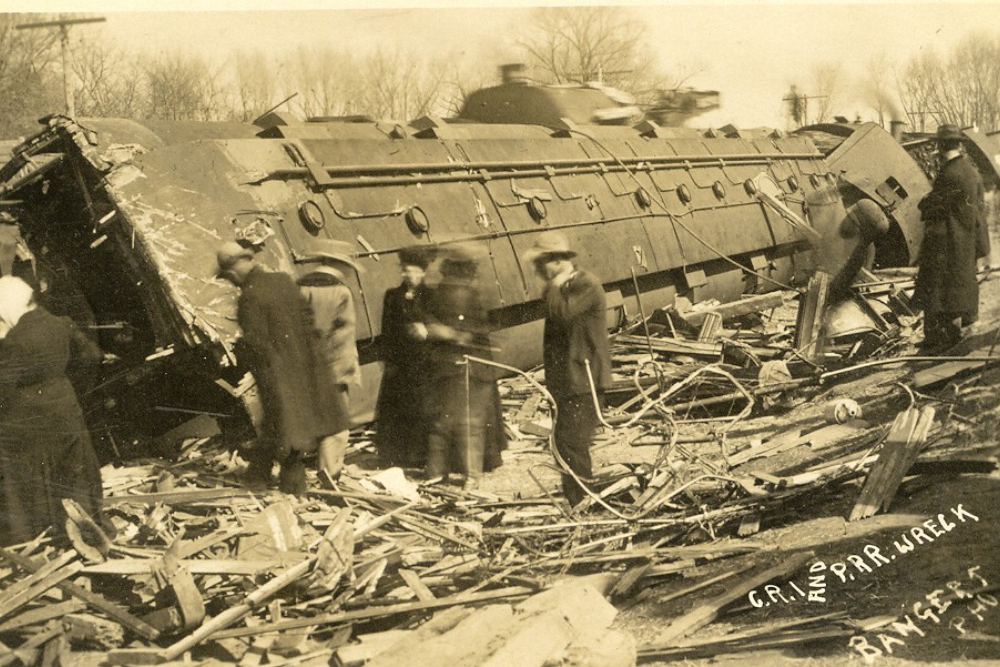
1910 Green Mountain train wreck, Green Mountain, Iowa; 52 killed plus scores injured. This remains as Iowa’s deadliest rail disaster to date The disaster occurred when a westbound passenger train collided head-on with an eastbound freight train near the small town of Green Mountain.
The crash happened during a dense fog that severely limited visibility for both train crews. The wooden passenger cars were completely destroyed in the collision, and the subsequent fire made rescue efforts extremely difficult.
Hammond Circus Train Wreck
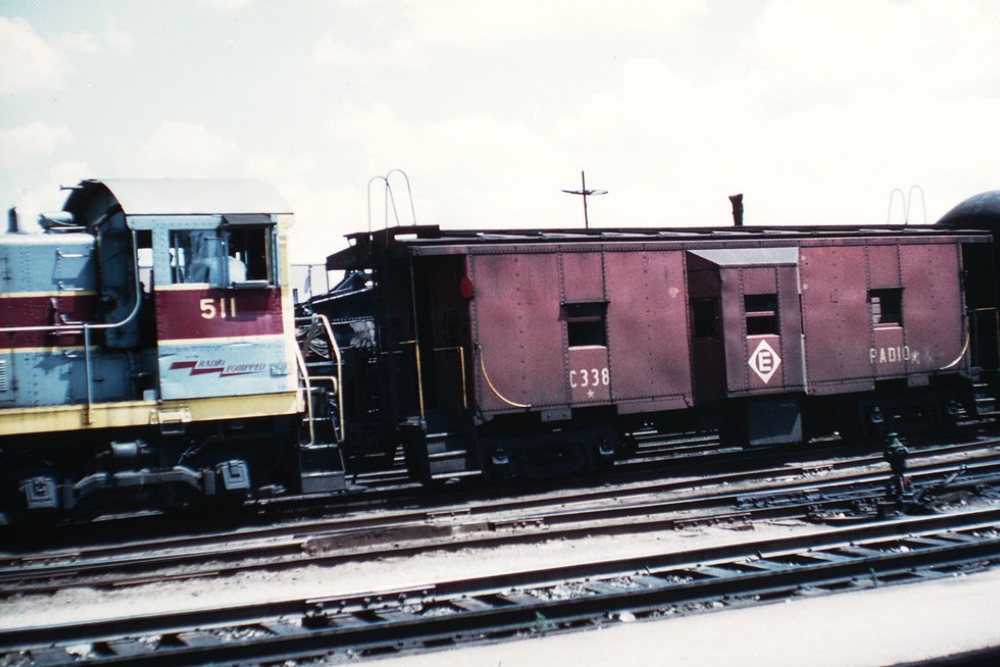
1918 Hammond Circus Train Wreck, Gary/Hammond, Indiana; 86 killed plus 127 injured. It remains as Indiana’s deadliest rail disaster to date. A circus train carrying performers and crew members was struck by an empty passenger train in the early morning hours.
Many of the victims were asleep in their berths when the collision occurred, giving them no chance to escape. The crash highlighted the dangers faced by traveling circuses, whose performers spent months on the road living in converted railroad cars.
When Iron Horses Stumbled Forever
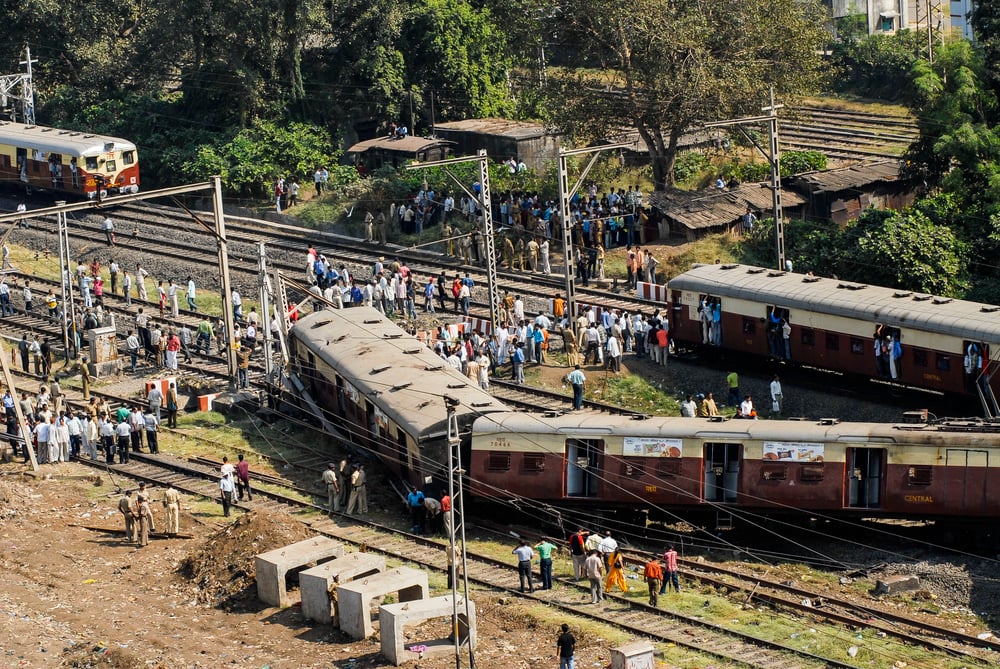
These railway disasters span more than a century and touch every continent, yet they share common threads that connect past to present. Whether caused by human error, mechanical failure, or acts of nature, each tragedy forced society to confront the true cost of progress and led to safer practices that protect millions of travelers today.
The wooden cars that burned so fiercely in early disasters gave way to steel construction, manual signaling systems evolved into automated networks, and training standards became rigorous requirements rather than afterthoughts. While we can never undo the suffering these disasters caused, their legacy lives on in every safety protocol, every backup system, and every life saved by the hard-learned lessons written in history’s most painful chapters.
Like Go2Tutors’s content? Follow us on MSN.
More from Go2Tutors!

- 16 Historical Figures Who Were Nothing Like You Think
- 12 Things Sold in the 80s That Are Now Illegal
- 15 VHS Tapes That Could Be Worth Thousands
- 17 Historical “What Ifs” That Would Have Changed Everything
- 18 TV Shows That Vanished Without a Finale
Like Go2Tutors’s content? Follow us on MSN.