15 Weird But True Stories Behind Unique American Products
Everyone knows America loves its gadgets, snacks, and quirky inventions, but the stories behind some of the country’s most distinctive products read like fiction. From accidental discoveries to desperate solutions born out of sheer necessity, these origin tales reveal a nation built on ingenuity, stubbornness, and the occasional happy accident.
The truth behind these everyday items proves that reality often trumps imagination—and that some of the best ideas come from the most unexpected places.
WD-40
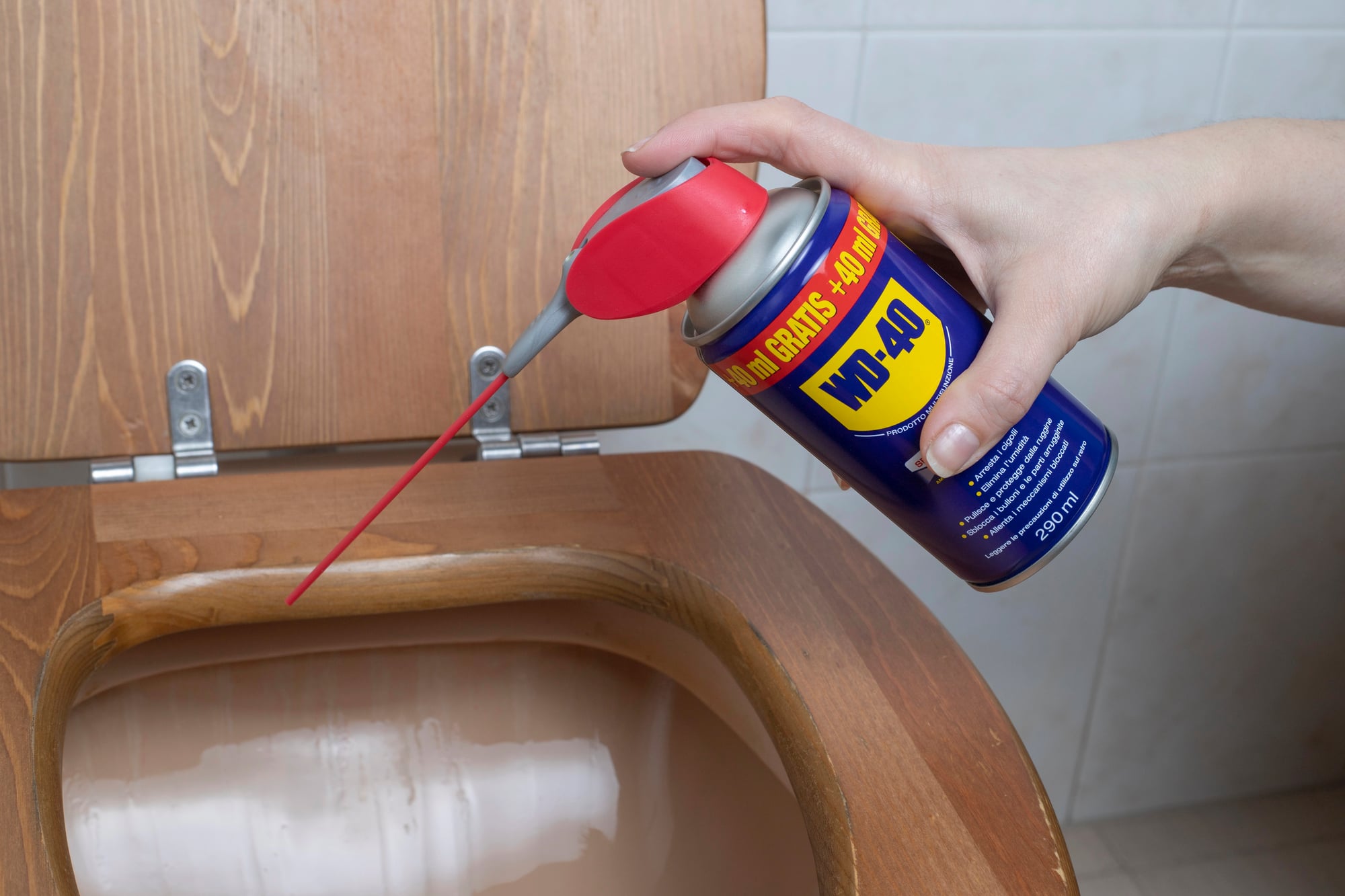
The Rocket Chemical Company never intended to create the world’s most versatile household product. They just wanted to prevent nuclear weapons from rusting.
In 1953, three employees were tasked with developing a formula to prevent corrosion on nuclear atlas rockets. Water Displacement, 40th formula—WD-40—worked perfectly.
The employees started sneaking the stuff home to use on their own projects. Word spread quietly through neighborhoods and workplaces.
Silly Putty
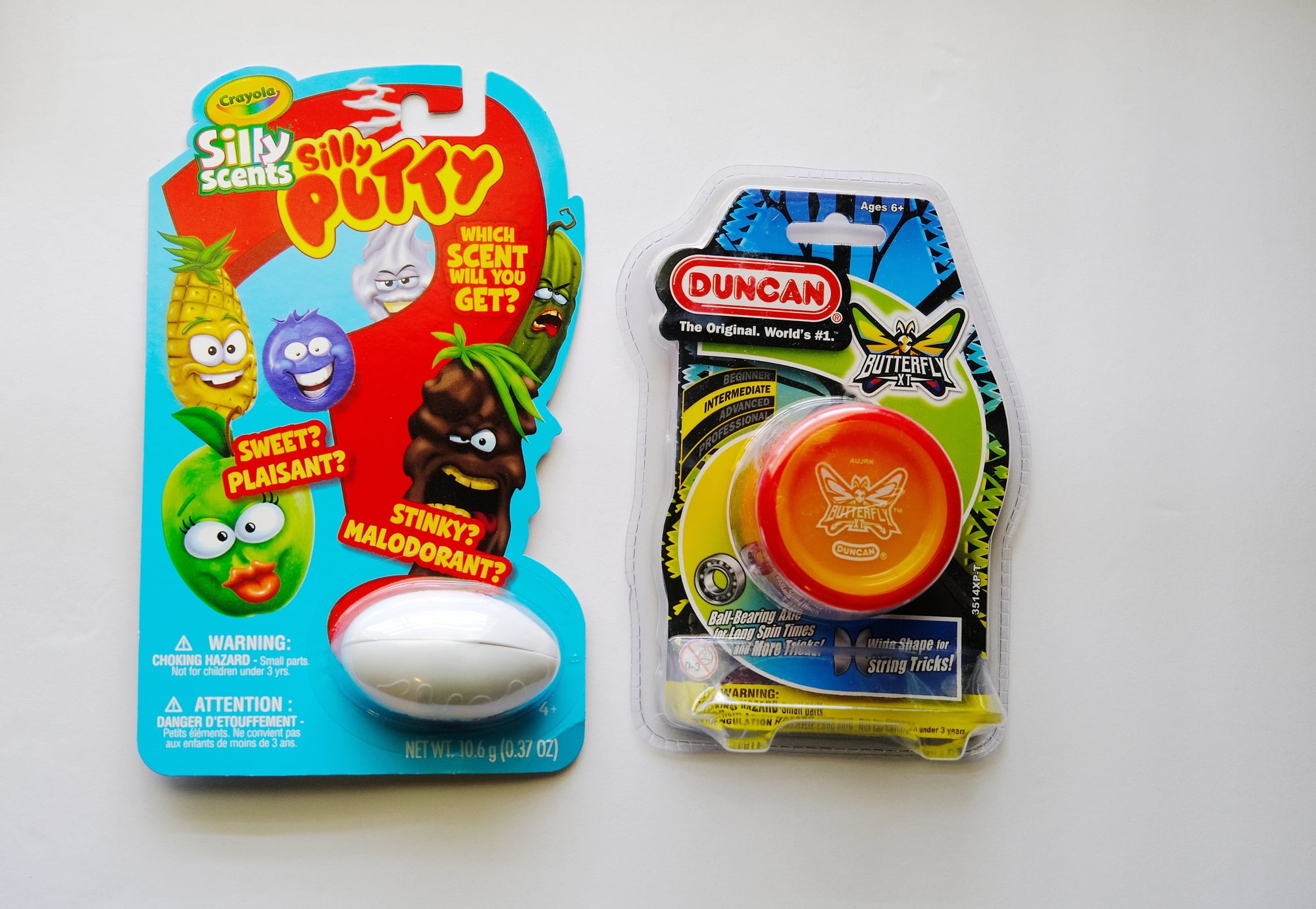
A wartime rubber shortage led to one of childhood’s strangest toys. James Wright was trying to create synthetic rubber for the war effort when he accidentally dropped boric acid into silicone oil.
The result bounced, stretched, and copied newspaper ink—but made terrible tires.
Nobody knew what to do with the stuff until 1949, when toy store owner Ruth Fallgatter saw adults at a party playing with the gooey substance. She ordered 250 one-ounce portions.
They sold out in three days.
Duct Tape
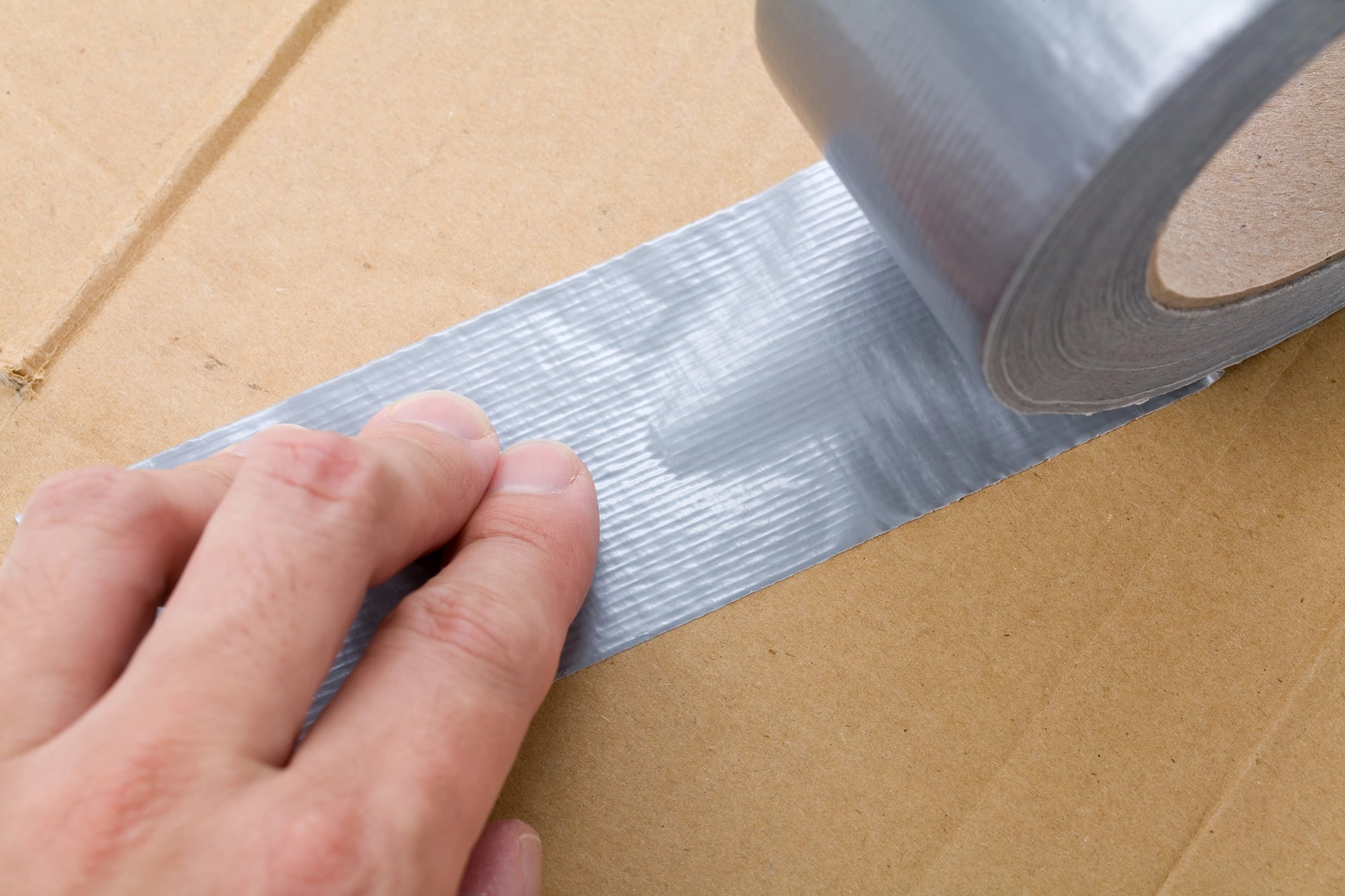
Johnson & Johnson created duct tape during World War II for an ammunition factory worker’s mother (Vesta Stoudt, who had two sons in the Navy and was concerned about ammunition boxes that were hard to open quickly). She wrote to President Roosevelt with the idea, and he passed it along to the War Production Board.
The original color was army green, not silver—and ironically, it was never actually used on ducts until much later, when the HVAC industry discovered it, though it turns out duct tape is terrible for sealing ducts because the adhesive fails in extreme temperatures (which is exactly what ducts experience), but the name stuck anyway, creating one of the great misnomers in American product history.
So the stuff designed for war became the go-to fix for everything from car bumpers to prom dresses. And yet it barely works for its namesake purpose.
Post-it Notes

Post-it Notes exist because Spencer Silver was a terrible chemist—or rather, a chemist who failed in exactly the right way. In 1968, while attempting to create a super-strong adhesive for 3M, he accidentally invented the opposite: a weak, repositionable adhesive that could be removed without leaving residue.
The substance sat unused for years, like a solution waiting for a problem to find it.
Silver’s colleague, Art Fry, sang in his church choir and grew frustrated with bookmarks that kept falling out of his hymnal. The weak adhesive suddenly made perfect sense.
Small yellow squares changed how offices operated, how students studied, how people organized their thoughts. Sometimes the mistakes teach you more than the successes ever could.
Velcro
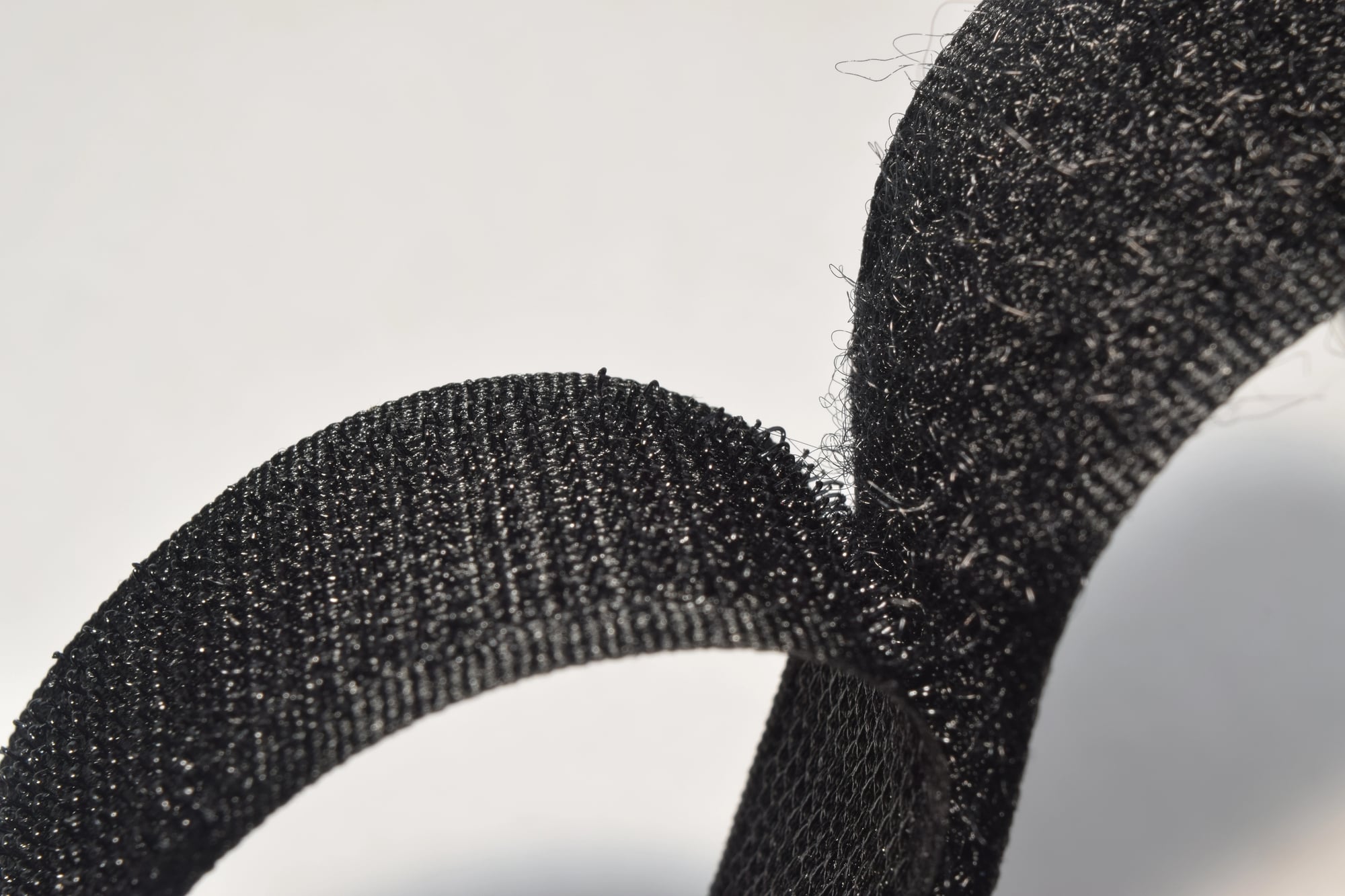
George de Mestral returned from a hunting trip in the Swiss Alps annoyed by the burrs stuck to his dog’s fur and his own wool pants. Most people would have grumbled and picked them off.
De Mestral put them under a microscope.
The burr’s design was elegant: tiny hooks that grabbed onto loops in fabric. Nature had solved a fastening problem millions of years before humans even realized they had one.
De Mestral spent eight years developing a synthetic version. The name “Velcro” combines “velours” (velvet) and “crochet” (hook).
Super Glue
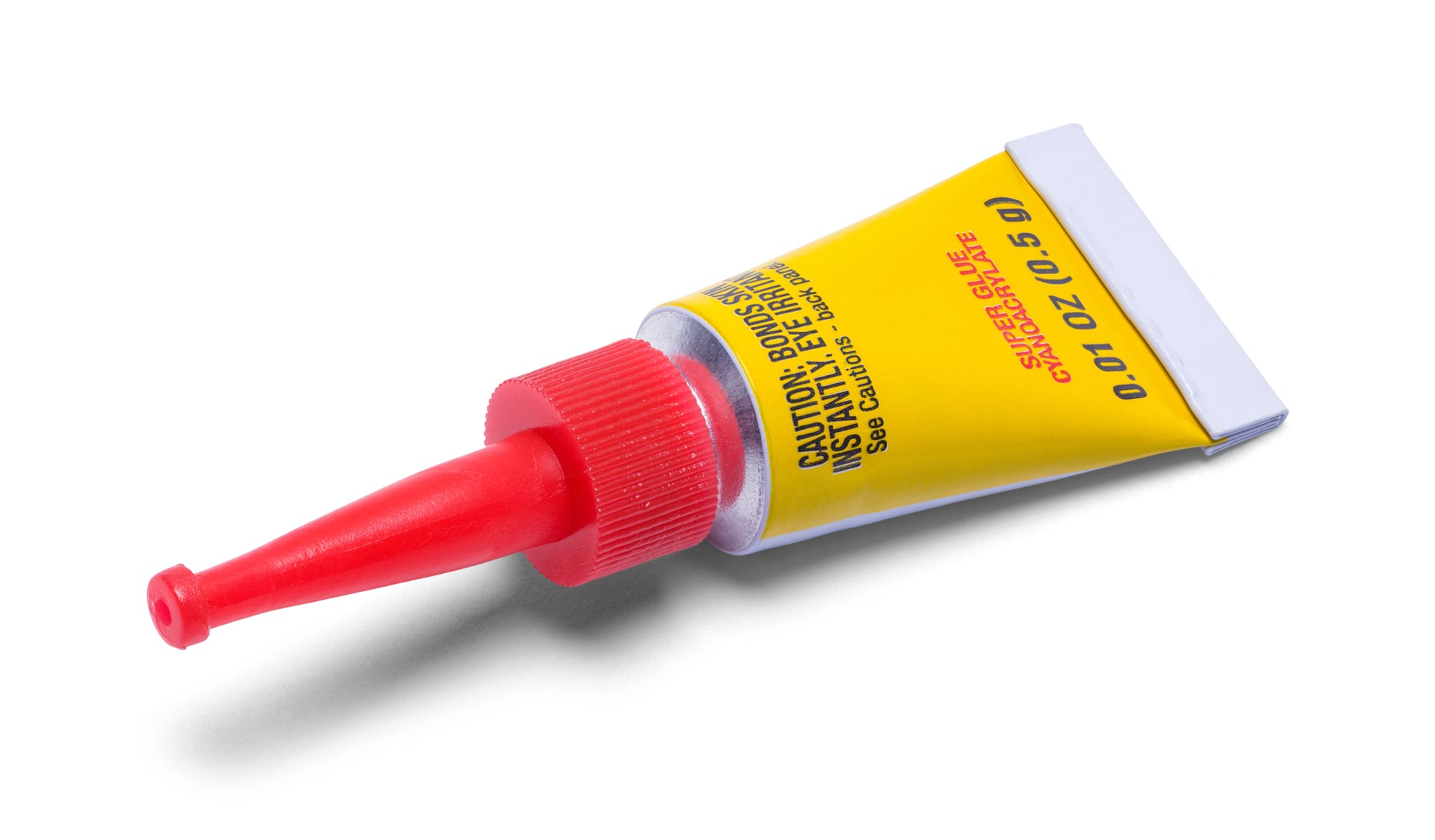
Super Glue was rejected twice before anyone realized what they had. Harry Coover first discovered cyanoacrylates in 1942 while trying to make clear plastic gun sights during World War II.
The substance was impossibly sticky—it glued everything to everything else. Useless for gun sights.
Nine years later, Coover encountered the same compound while developing heat-resistant airplane canopies. This time, he recognized the potential.
The glue that was too aggressive for one purpose was perfect for another.
Slinky
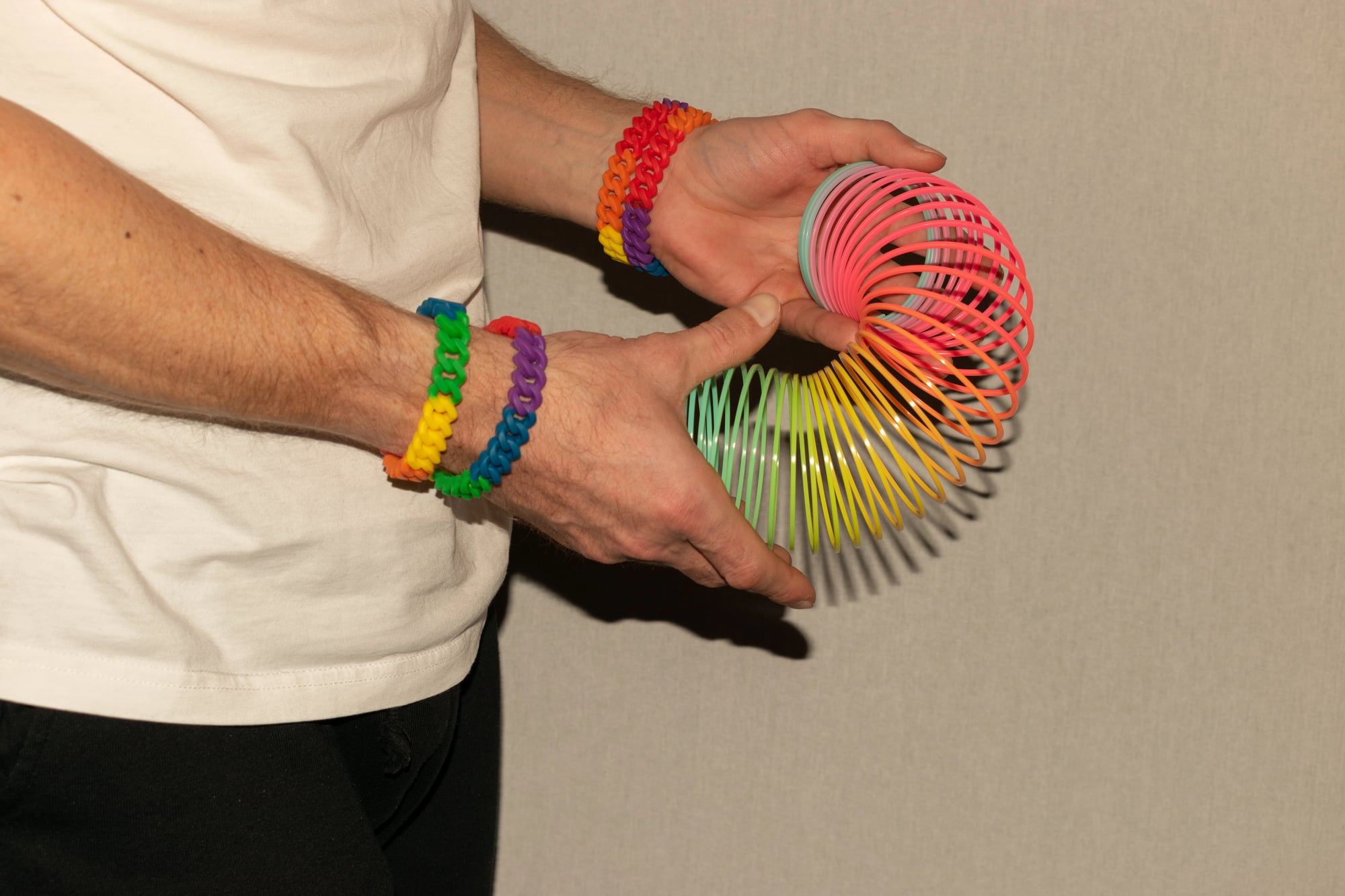
The Slinky proves that procrastination pays off—sometimes. Richard James was an engineer trying to develop springs to stabilize sensitive shipboard equipment during World War II.
In 1943, he knocked over a prototype spring and watched it “walk” down from a shelf to a stack of books, then to a table, and finally to the floor.
James spent the next two years perfecting the toy instead of finishing his original project (which probably explains why ships still rock, but children everywhere have been entertained for decades).
His wife Betty came up with the name after flipping through the dictionary—”slinky” meant sleek and graceful. Fair enough.
The first 400 Slinkys sold out in 90 minutes during the 1945 Christmas season, proving that the best engineering solutions often have nothing to do with the original problem.
Bubble Wrap
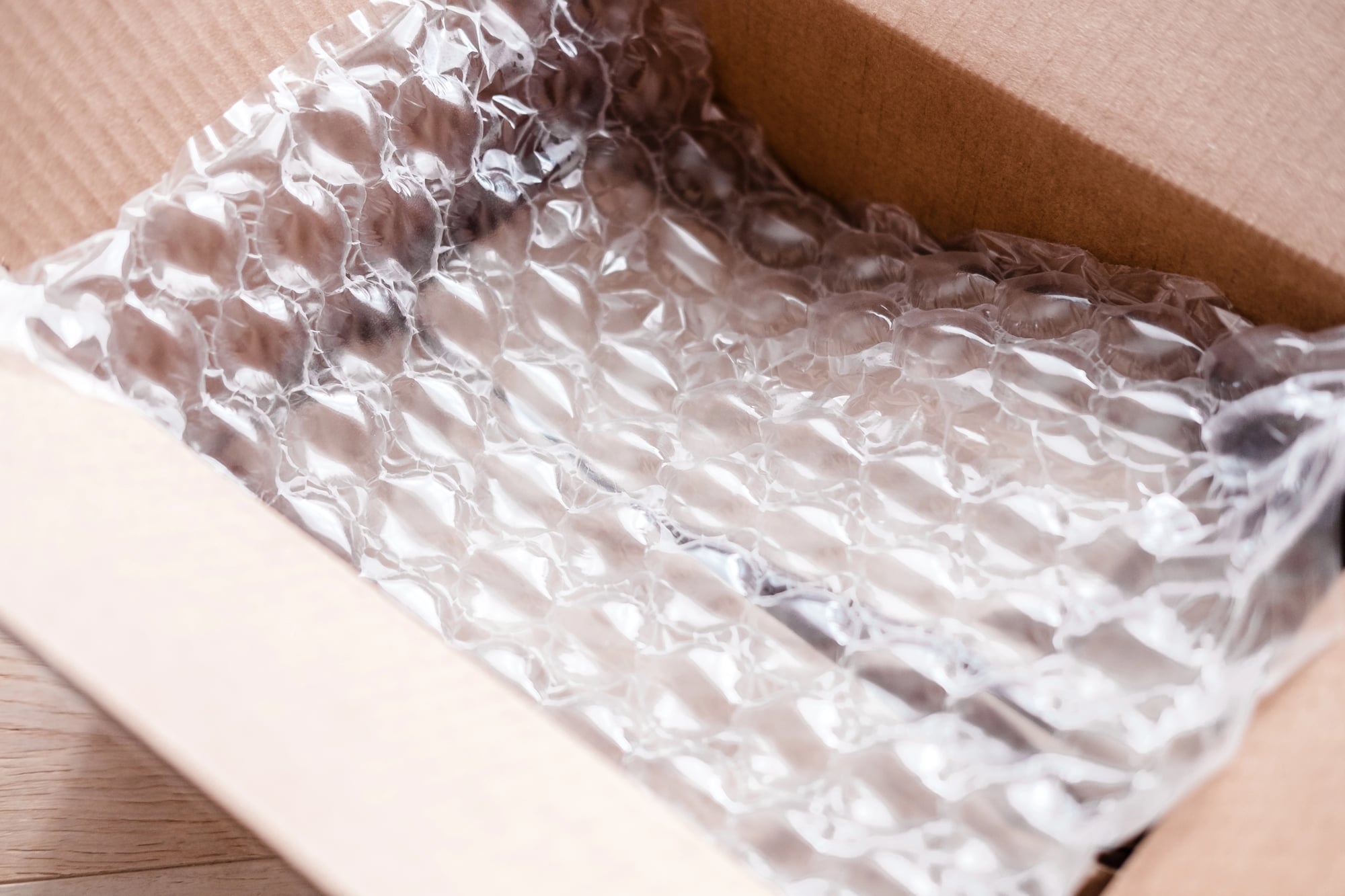
Bubble Wrap began as wallpaper, which explains why it never quite worked as wallpaper. In 1957, engineers Alfred Fielding and Marc Chavannes sealed two shower curtains together, trapping air bubbles between them.
Their plan was to create textured wallpaper for the modern home.
Nobody wanted bubbled walls. They pivoted to greenhouse insulation.
Still no takers. IBM finally found the real purpose: protecting fragile computer equipment during shipping.
The wallpaper that nobody wanted became the packaging material everyone needed.
Frisbee

College students will turn anything into a game, which is how pie tins became America’s favorite flying disc. The Frisbie Pie Company in Bridgeport, Connecticut, had been making pies since 1871.
Students at nearby Yale discovered that empty pie tins flew remarkably well when thrown with the right technique.
The tins were heavy and had sharp edges, so they weren’t exactly safe.
Walter Morrison created a plastic version in 1948, calling it the “Flying Saucer” to capitalize on UFO hysteria.
Wham-O bought the design and renamed it “Frisbee”—a misspelling of the original pie company name that somehow stuck.
ChapStick

ChapStick exists because Dr. Charles Browne Fleet gave up too early. In the 1880s, Fleet invented the first lip balm recipe but couldn’t figure out how to market it profitably.
He sold the entire formula to fellow Lynchburg resident John Morton for five dollars.
Morton’s wife perfected the mixture and created the first commercial ChapStick in their kitchen.
She melted the ingredients together, poured them into brass tubes, and let them cool.
The product that Fleet abandoned for pocket change eventually became a household necessity. Morton probably made more money from those five dollars than Fleet made from years of medical practice.
Band-Aid
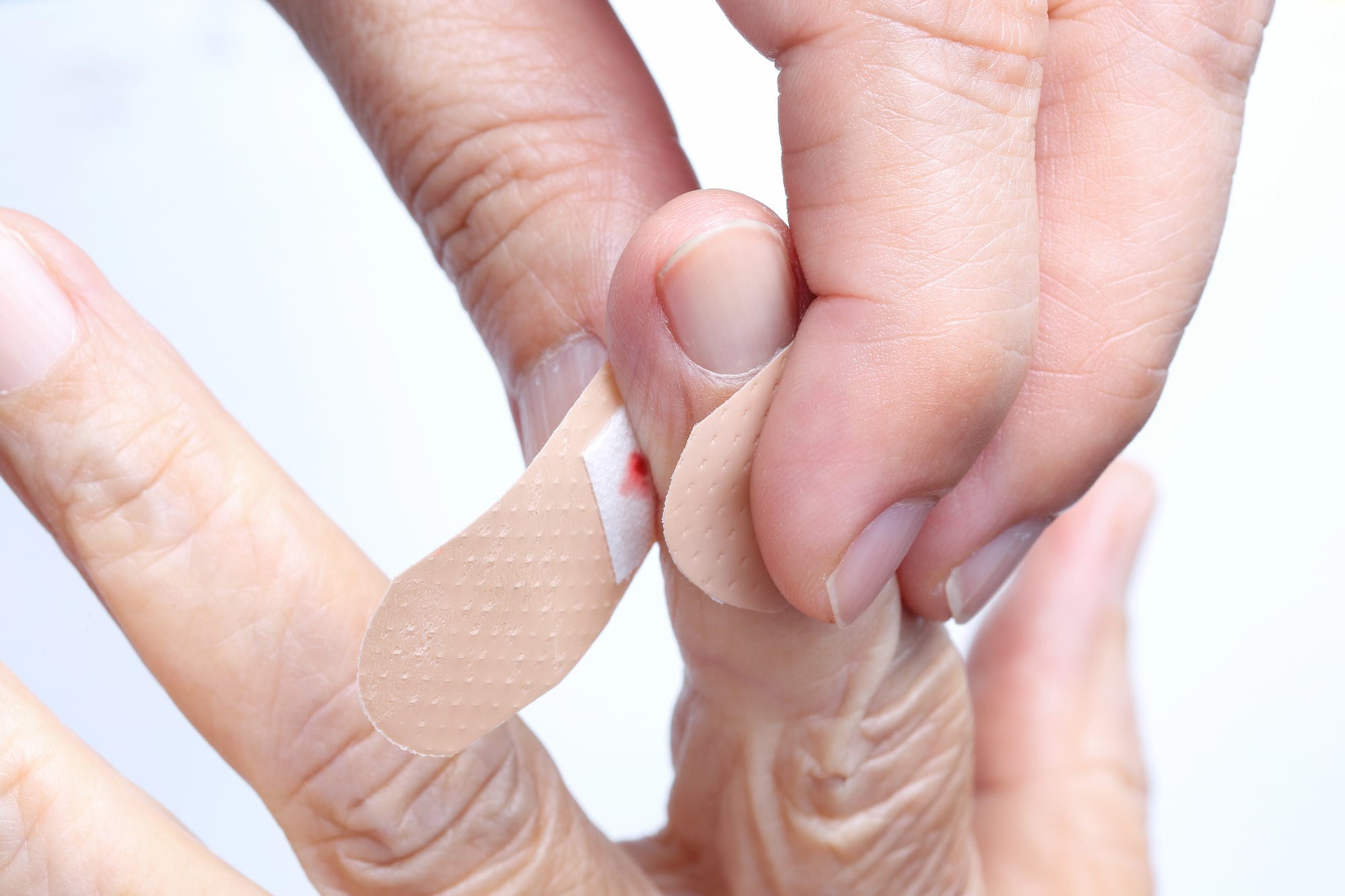
Josephine Dickson was accident-prone, and her husband Earle worked for Johnson & Johnson. This combination led to one of medicine’s most practical innovations.
Josephine frequently cut and burned herself while cooking.
Earle grew tired of fashioning makeshift bandages from gauze and adhesive tape every time she had an accident.
He started preparing strips ahead of time—small pieces of gauze stuck to adhesive tape, covered with fabric to keep them sterile.
His boss at Johnson & Johnson saw the potential immediately. The clumsy cook’s daily mishaps became the inspiration for a product that would eventually sell billions of units worldwide.
Q-tips

Leo Gerstenzang watched his wife attach cotton to toothpicks to clean their baby’s ears and decided there had to be a better way. In 1923, he invented “Baby Gays”—cotton swabs with safety heads that wouldn’t splinter or poke.
The name was later changed to “Q-tips Baby Gays,” then simply “Q-tips” (the Q stood for quality).
Gerstenzang probably never imagined that his infant care product would become primarily known for the one thing doctors specifically warn against: cleaning inside your ears.
Kleenex
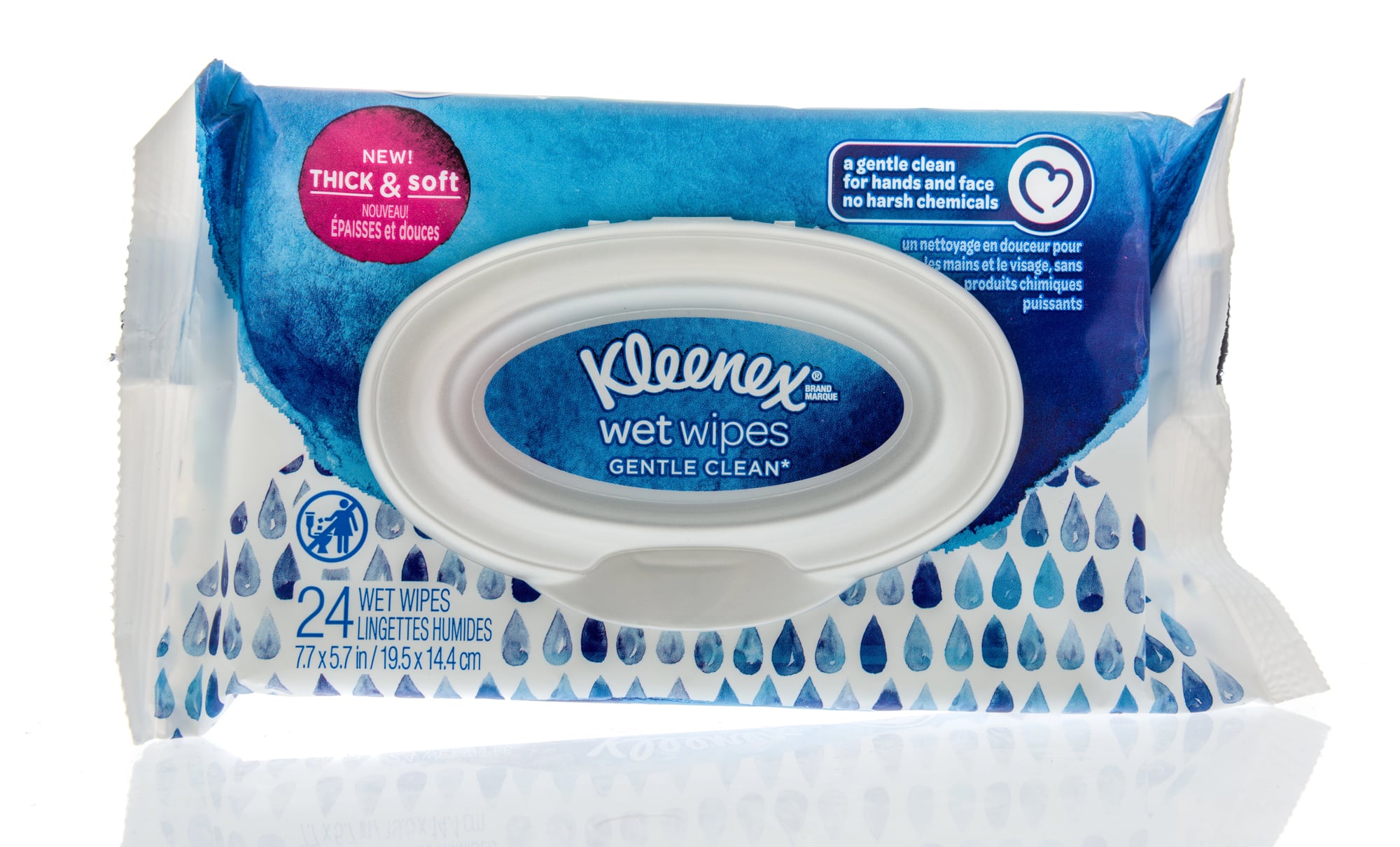
Kleenex started as a World War I gas mask filter and became a makeup remover before anyone thought to blow their nose with it. Kimberly-Clark developed the creped tissue paper as a cotton substitute for medical uses during the war.
After the war, they marketed it to women as a disposable makeup remover—a hygienic alternative to washable face towels.
Customers kept writing to say they were using the tissues for colds instead.
The company conducted a survey and discovered that 60% of buyers used Kleenex primarily for nose-blowing, not makeup removal.
They pivoted their marketing entirely, and the disposable tissue replaced cloth handkerchiefs within a decade.
Popsicle

The Popsicle was invented by an 11-year-old who forgot to come inside. In 1905, Frank Epperson mixed powdered soda with water on his family’s Oakland porch.
He left the mixture outside overnight with a stirring stick still in it.
The temperature dropped below freezing that night—unusual for San Francisco.
Epperson woke up to find his drink frozen solid around the stick.
He called it the “Epsicle,” later changing the name to “Popsicle” when his own children referred to it as “Pop’s sicle.”
Sometimes the best inventions happen when you’re not trying.
Scotch Tape
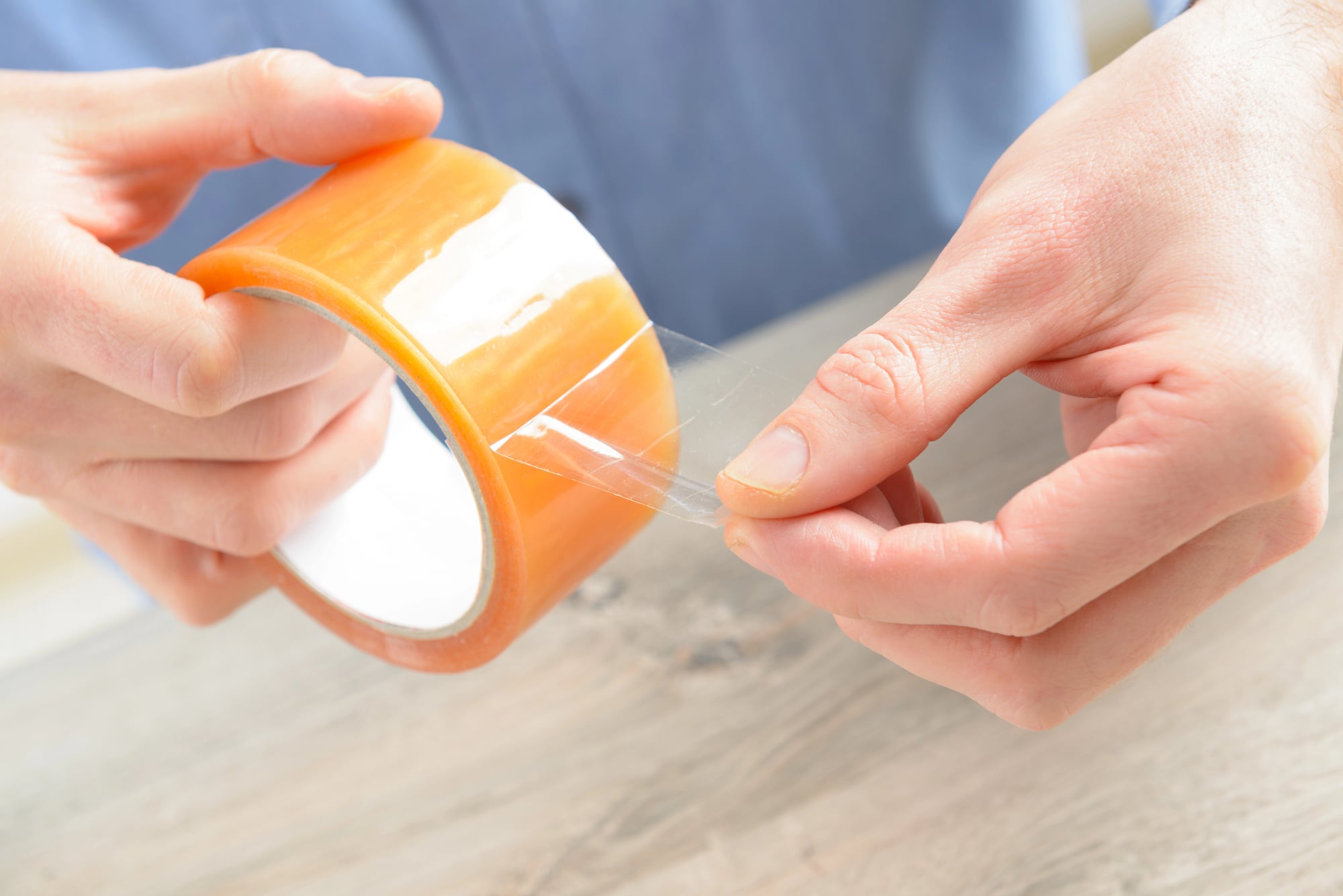
3M created masking tape first, which led directly to a problem that only transparent tape could solve. In the 1920s, auto painters needed a tape that would create clean lines between two-tone paint jobs.
3M’s first attempt used adhesive only on the edges to save money.
The tape failed because the middle didn’t stick.
A frustrated painter told the 3M salesman to “take this tape back to those Scotch bosses of yours and tell them to put more adhesive on it.”
The ethnic slur stuck as the brand name. Richard Drew went back and created a fully adhesive tape, then developed a transparent version for packaging.
The insult became one of America’s most recognizable brand names.
The View From Here

These stories share a common thread that says something essential about American innovation: the best ideas often emerge from failure, accident, or sheer stubbornness in the face of problems that seem too small to matter.
A mother worried about ammunition boxes, a clumsy cook, a forgetful child—their everyday frustrations became solutions that outlasted the original problems by decades.
The products that define American ingenuity weren’t born in boardrooms or focus groups, but in kitchens, garages, and laboratories where someone refused to accept that things had to stay broken.
More from Go2Tutors!

- The Romanov Crown Jewels and Their Tragic Fate
- 13 Historical Mysteries That Science Still Can’t Solve
- Famous Hoaxes That Fooled the World for Years
- 15 Child Stars with Tragic Adult Lives
- 16 Famous Jewelry Pieces in History
Like Go2Tutors’s content? Follow us on MSN.



