16 Forgotten Careers from the 1800s
The 1800s were a time of incredible change, with entire industries rising and falling as technology advanced and society evolved. While we often think about the grand inventions and social movements of the 19th century, we rarely consider the ordinary people who made their living in ways that seem almost impossible to imagine today.
These weren’t just jobs that disappeared—they were entire ways of life that vanished along with the world that created them. Before alarm clocks, electric lights, and modern sanitation, people found creative ways to meet society’s needs.
The result was a fascinating collection of careers that required everything from strong stomachs to nimble fingers, and sometimes a willingness to work in conditions that would horrify modern workers. Here’s a list of 16 forgotten careers that were once common sights on the streets of 19th-century cities and towns.
Knocker-Upper

Long before alarm clocks became affordable household items, people relied on knocker-uppers to wake them for work. These human alarm clocks roamed the streets with tall wands, tapping on windows to rouse workers in the morning.
Some knocker-uppers would shoot peas at windows or use long poles to tap on glass. The job was particularly common in industrial areas where factory workers needed to start their shifts before dawn.
What makes this occupation even more interesting is that knocker-uppers had their own knocker-uppers—creating a chain of wake-up calls that stretched through entire neighborhoods. Talk about job security within job security.
Crossing Sweeper
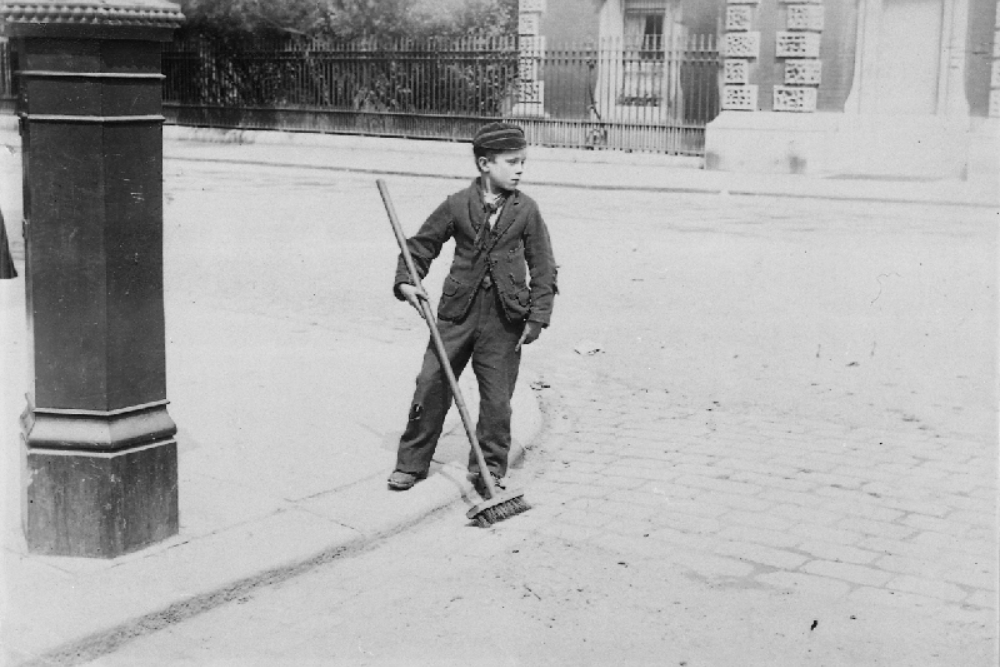
Picture trying to cross a muddy, manure-filled street in your finest clothes. Crossing sweepers were 19th-century maintenance workers who swept dirty streets throughout the day, with wealthy people paying them to clear paths and protect their clothing from waste.
These workers would claim an area of street as their patch, walking before rich patrons to clear detritus from their path while dodging speeding horse-drawn cabs and omnibuses. The job was considered just a step above begging, with sweepers working purely on tips.
They endured harsh weather and dangerous traffic conditions, all while hoping someone would toss them a coin for their services.
Like Go2Tutors’s content? Follow us on MSN.
Mudlark

Mudlarks were usually children who scavenged along the shores of the Thames, collecting anything that could be sold, including rags for making paper, driftwood for firewood, and any coins or treasure that might wash up. These young scavengers made their living from dredging through the river mud looking for items of value, though the job was considered a step down from even the lowly tosher.
The work was incredibly dangerous due to the tidal nature of the Thames—children could easily be washed away or become stuck in soft mud. Still, families desperate for income sent their youngest members to wade through the filthy water in search of anything worth selling.
Resurrectionist

Resurrectionists were employed by anatomists in the 18th and 19th centuries to exhume recently buried bodies for medical research, as only a limited number of cadavers were legally available each year for anatomical study. These body snatchers faced significant risks, including the threat of physical violence if caught in the act.
The demand became so high that wealthy families hired night watchmen to guard graves and used heavy stone slabs or fortified coffins to protect their deceased loved ones. The notorious case of William Burke and William Hare, who murdered at least 16 people between 1827 and 1828 to sell fresh corpses to Edinburgh University medical school, eventually led to the Anatomy Act of 1832 that helped end this grisly trade.
Fresh bodies paid better than old ones, after all.
Like Go2Tutors’s content? Follow us on MSN.
Lamplighter
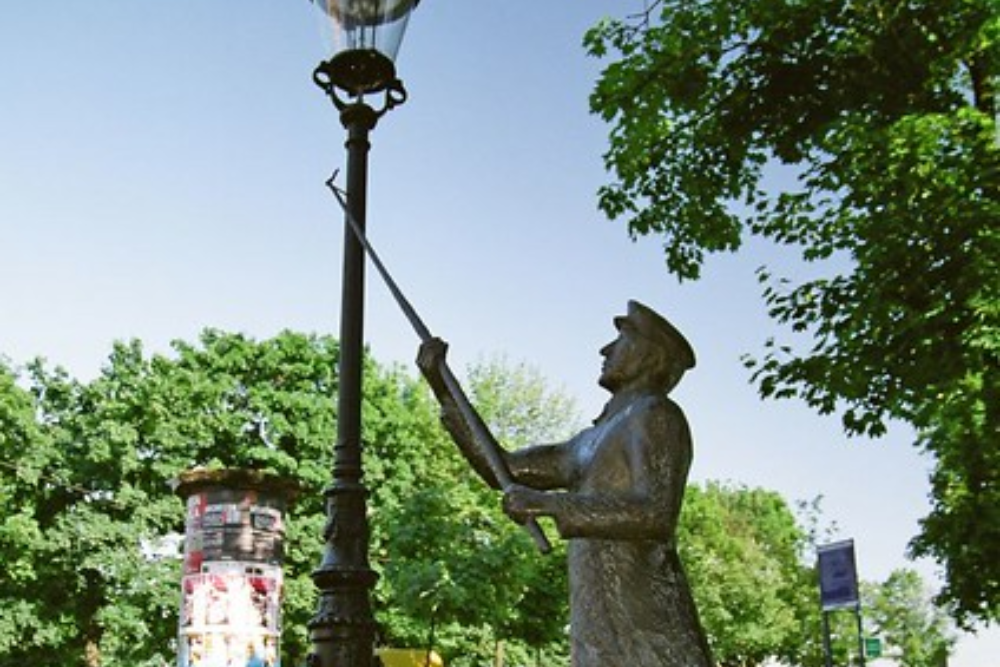
In urban areas during the 19th century, lamplighters would make their rounds at dusk using a long pole with a wick to light street lamps, then return at dawn to extinguish them with a small hook attached to the same pole. Their responsibilities included carrying a ladder to replace candles, replenish oil, or renew gas mantles.
In some communities, lamplighters doubled as town watchmen, providing security along with illumination. The job required physical fitness, reliability, and the ability to work in all weather conditions.
While electric streetlights made the profession obsolete, a few cities still maintain ceremonial lamplighters as tourist attractions.
Ice Cutter

Before refrigeration was invented, ice cutters went to lakes and rivers during winter to cut out blocks of ice using hand saws or horse-drawn devices for use during summer months. The ice cutting industry expanded significantly in the early 19th century, with workers locating areas of thick ice on frozen bodies of water and transporting large blocks to storage facilities for later distribution.
Brutal work. The cold was unforgiving, and one wrong step could send a worker plunging through thin ice.
Teams of men would work together, creating geometric patterns as they sectioned the frozen surface into manageable chunks that could be stored in insulated warehouses.
Night-Soil Man

Before modern sewage systems, night-soil men collected excrement from cesspits and privies, often working under cover of darkness to avoid offending the public. These workers were paid by landlords to remove tenants’ waste from deep, open pits that served entire streets.
The job was essential for public health, though many landlords refused to pay for the service, leading to overflowing cesspits and disease outbreaks like cholera. Night-soil men faced constant exposure to dangerous fumes and disease-causing bacteria, making it one of the most hazardous occupations of the era.
Like Go2Tutors’s content? Follow us on MSN.
Daguerreotypist
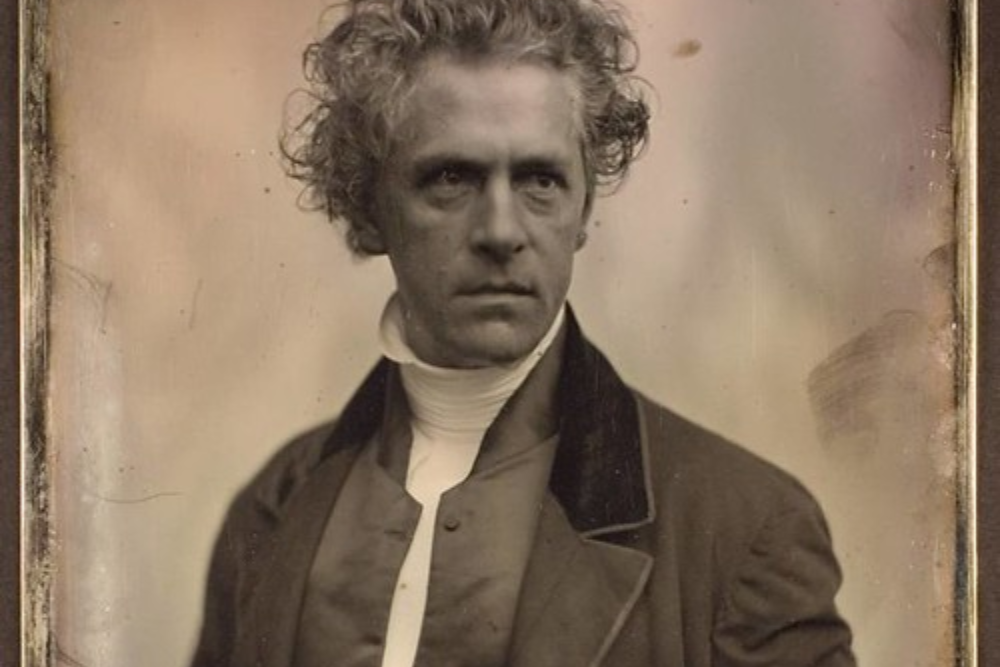
Daguerreotypists captured photos using the daguerreotype, the first form of camera available to the public, which was immensely popular throughout the mid-19th century and captured portraits of celebrities and politicians like Abraham Lincoln, Walt Whitman, and Frederick Douglass. These early photographers used a now-obsolete process to create images on a silvered copper surface.
The process required extensive knowledge of chemistry and precise timing, as exposure times could last several minutes. Eventually, new and cheaper photographic processes were introduced, rendering daguerreotypists obsolete. Photography moved fast, even in the 1800s.
Rat Catcher
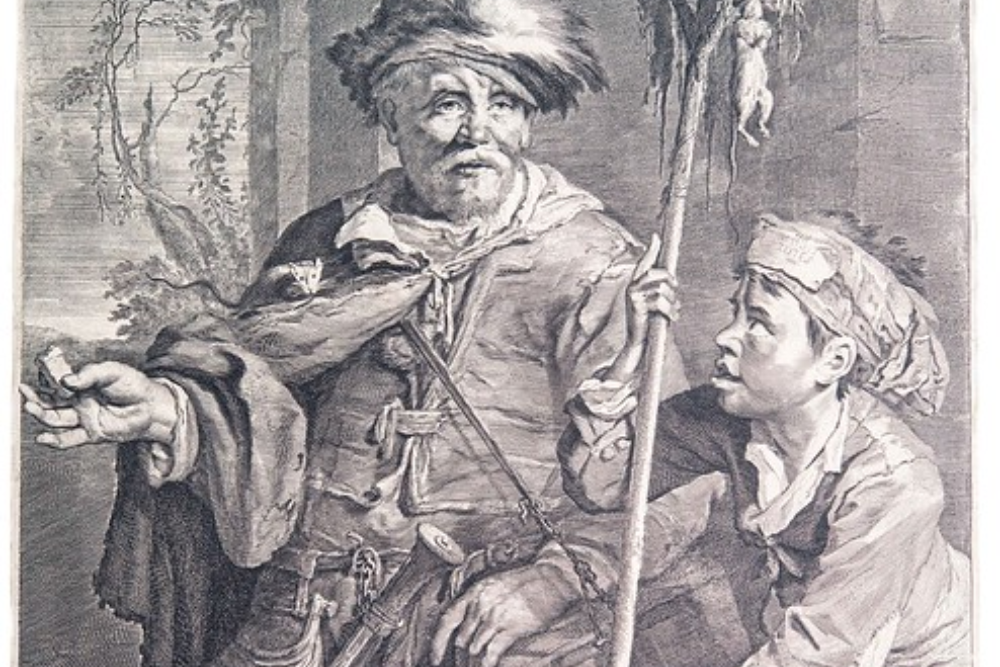
Rat catchers were typically young people who chased and captured rats during the Victorian era, when cities like London were infested with rats commonly known as carriers of various diseases. Traditional rat-catchers often captured rats by hand or employed ‘ratters,’ which are animals trained or naturally adept at hunting rodents.
The job was dangerous and unsanitary, requiring workers to crawl through cellars, sewers, and other rat-infested areas. Some rat catchers became local celebrities for their impressive kill counts, while others trained dogs and ferrets to help them in their work.
Hokey Pokey Man
Hokey pokey men were ice cream vendors who sold their wares from brightly colored carts in parks and on street corners, with the carts generally fitted with decorated painted canvas covers to protect the salesman from sun and rain. These vendors were generally, but not always, of Italian origin and often sold fruit-flavored water-ice rather than traditional ice cream.
The vendors sold cheap, low-quality ice cream and were popular with children in tenement neighborhoods. The name ‘hokey pokey’ likely came from the Italian phrase ‘gelati, ecco un poco’ meaning ‘ice cream, here’s a little.’
Think of them as the great-grandfathers of today’s ice cream trucks, minus the annoying jingles.
Like Go2Tutors’s content? Follow us on MSN.
Leech Collector

Leech collectors, often women, gathered leeches for medicinal use, as doctors believed that bloodletting could cure disease by having leeches suck infected blood out of patients. Collectors would wade into marshes and ponds, using their own legs as bait to attract leeches.
Once the creatures attached themselves, collectors would carefully remove them and store them in jars for sale to doctors and apothecaries. The practice was especially popular in Europe, where medical leeching was considered a standard treatment for everything from headaches to heart problems.
Chimney Sweep
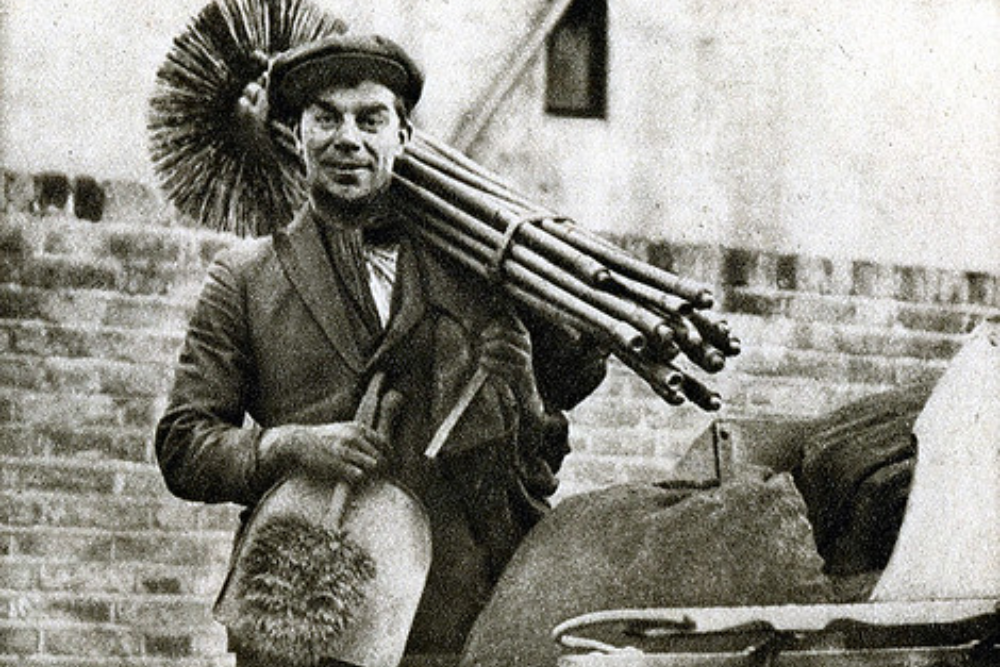
Tiny children as young as four years old were employed as chimney sweeps, their small stature making them the perfect size to scale up brick chimneys. These children faced horrific working conditions, including exposure to soot, burns from still-warm chimneys, and respiratory problems from constant inhalation of ash and debris.
Progressive laws in the United Kingdom, including the Chimney Sweepers Act 1788 and subsequent legislation through 1875, eventually restricted the employment of climbing boys. The work was not only dangerous but often fatal, with children becoming stuck in narrow flues or succumbing to lung diseases.
A grim reminder of how expendable child labor was considered back then.
Gong Farmer

Gong farmers cleaned out castle moats, privies, and cesspits—essentially any place where human waste accumulated. The term ‘gong’ came from the Old English word for latrine, and these workers were crucial for preventing disease in crowded medieval and early modern settlements.
They typically worked at night to avoid public offense and were often well-paid due to the dangerous and unpleasant nature of their work. The job required strong physical constitution and the ability to work in confined, toxic environments where dangerous gases could cause unconsciousness or death.
Like Go2Tutors’s content? Follow us on MSN.
Pinsetters
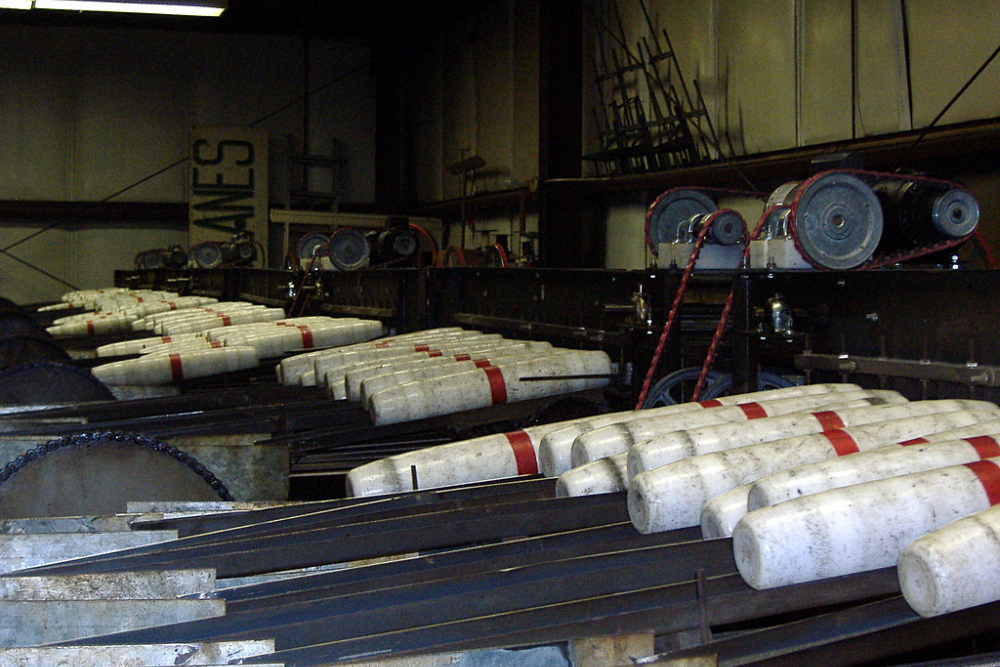
Before automated pin retrieval and setup machines were invented, pinsetters (often called pin boys because of the young boys typically employed) would hang out at the end of bowling lanes and manually reset pins between each turn. According to a 1943 article, a pinsetter might set 132 games a night and be paid 9 cents per game.
The job required quick reflexes to avoid being hit by bowling pins or strikes from the next bowler. Workers had to be agile enough to dodge heavy pins while quickly setting up the next frame, all while working in loud, crowded bowling alleys.
Toad Doctor

Toad doctors practiced folk medicine in 19th-century England, with patients suffering from scrofula supposedly cured by wearing a toad (either living or dead) in a muslin bag around their neck. These practitioners claimed their toads possessed special healing properties and would travel from village to village offering their services.
The treatment was based on the belief that the toad would absorb the patient’s illness through prolonged contact with their skin. While the practice had no medical basis, desperate patients often paid considerable sums for what they believed might be their only hope for a cure.
Strange times called for strange remedies.
Water Carrier

Water carriers literally carried buckets or bags of water from water sources to residents’ homes, providing centuries of job security until indoor plumbing became popular in the West. In 2015, the BBC interviewed a traditional water carrier in India who recalled that even 30 years earlier there were hundreds doing that job, but he was the last one in his area due to the availability of tap water.
These workers built impressive upper body strength from carrying heavy containers all day, often walking several miles between water sources and their customers’ homes. The job required knowledge of clean water sources and the ability to maintain steady footing while carrying heavy loads over uneven terrain.
Like Go2Tutors’s content? Follow us on MSN.
Echoes of a Vanishing World

These forgotten careers reveal how dramatically our world has changed in just over a century. What strikes you most isn’t just that these jobs disappeared, but how completely they vanished from our collective memory.
The knocker-uppers and lamplighters who once shaped the rhythm of daily life have been replaced by technology that does their work instantly and invisibly. Even so, their stories remind us that every era creates its own essential jobs—and that today’s cutting-edge careers might someday seem just as strange and obsolete to future generations.
The next time you flip a light switch or check your phone’s alarm, remember the army of workers who once made such simple actions possible through their daily dedication to tasks we can barely imagine performing ourselves.
More from Go2Tutors!

- 16 Historical Figures Who Were Nothing Like You Think
- 12 Things Sold in the 80s That Are Now Illegal
- 15 VHS Tapes That Could Be Worth Thousands
- 17 Historical “What Ifs” That Would Have Changed Everything
- 18 TV Shows That Vanished Without a Finale
Like Go2Tutors’s content? Follow us on MSN.