Must Know Facts About the Taj Mahal
The Taj Mahal stands as one of the most recognized buildings on Earth, drawing millions of visitors to Agra, India, every year. Most people know it’s beautiful and that it has something to do with love, but the real story behind this white marble wonder goes much deeper than that.
The building holds secrets, surprises, and details that even frequent visitors might miss. Here are some things about the Taj Mahal that might change how you see this famous monument.
It took over 20 years to build
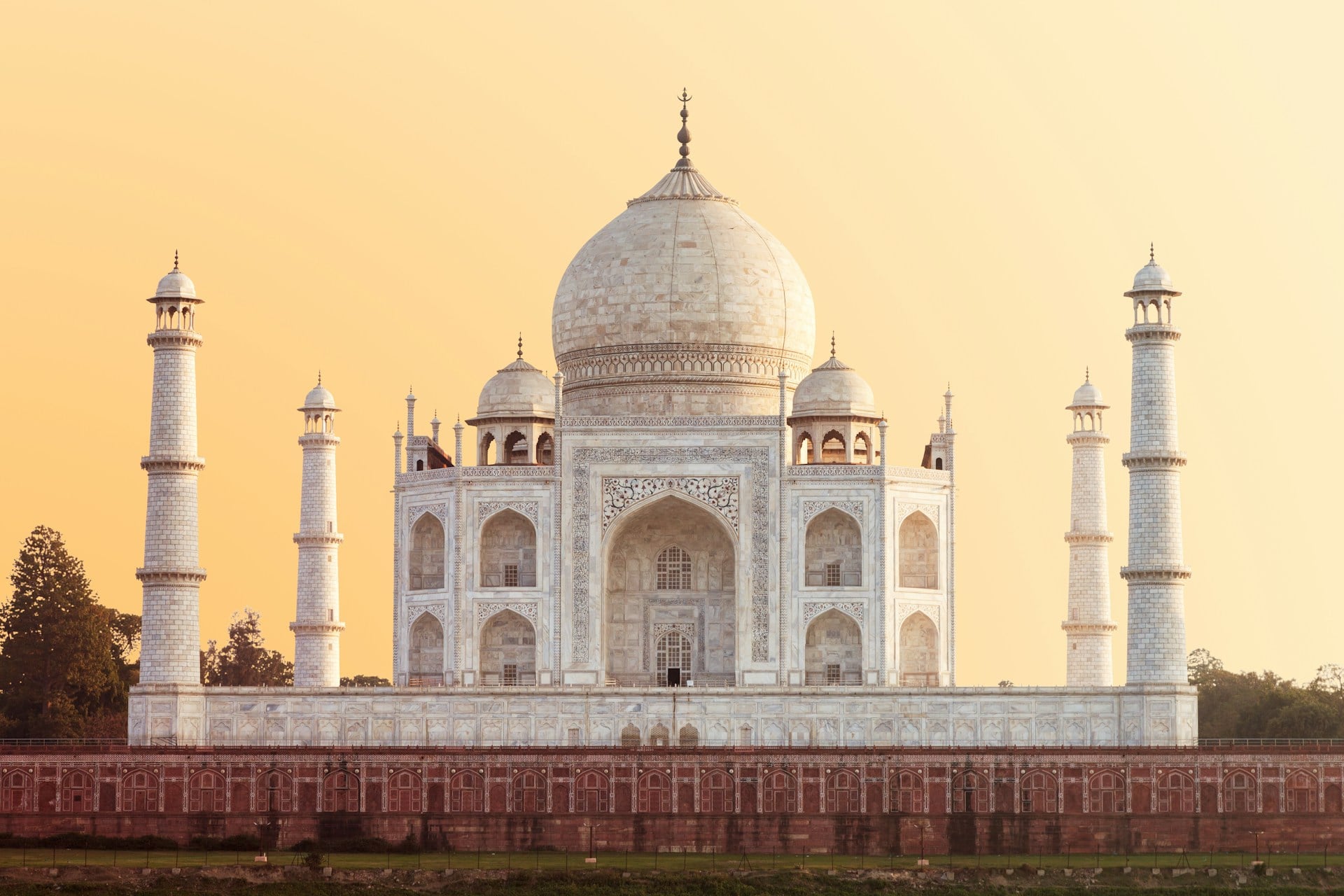
Construction on the Taj Mahal began in 1632 and wasn’t completed until 1653. Emperor Shah Jahan employed roughly 20,000 workers, including stonecutters, painters, embroidery artists, and calligraphers from across Asia and Europe.
The project consumed resources from all corners of the Mughal Empire. Elephants transported materials from distant quarries, and the sheer scale of coordination required was unlike anything attempted before in India.
The white marble changes color throughout the day
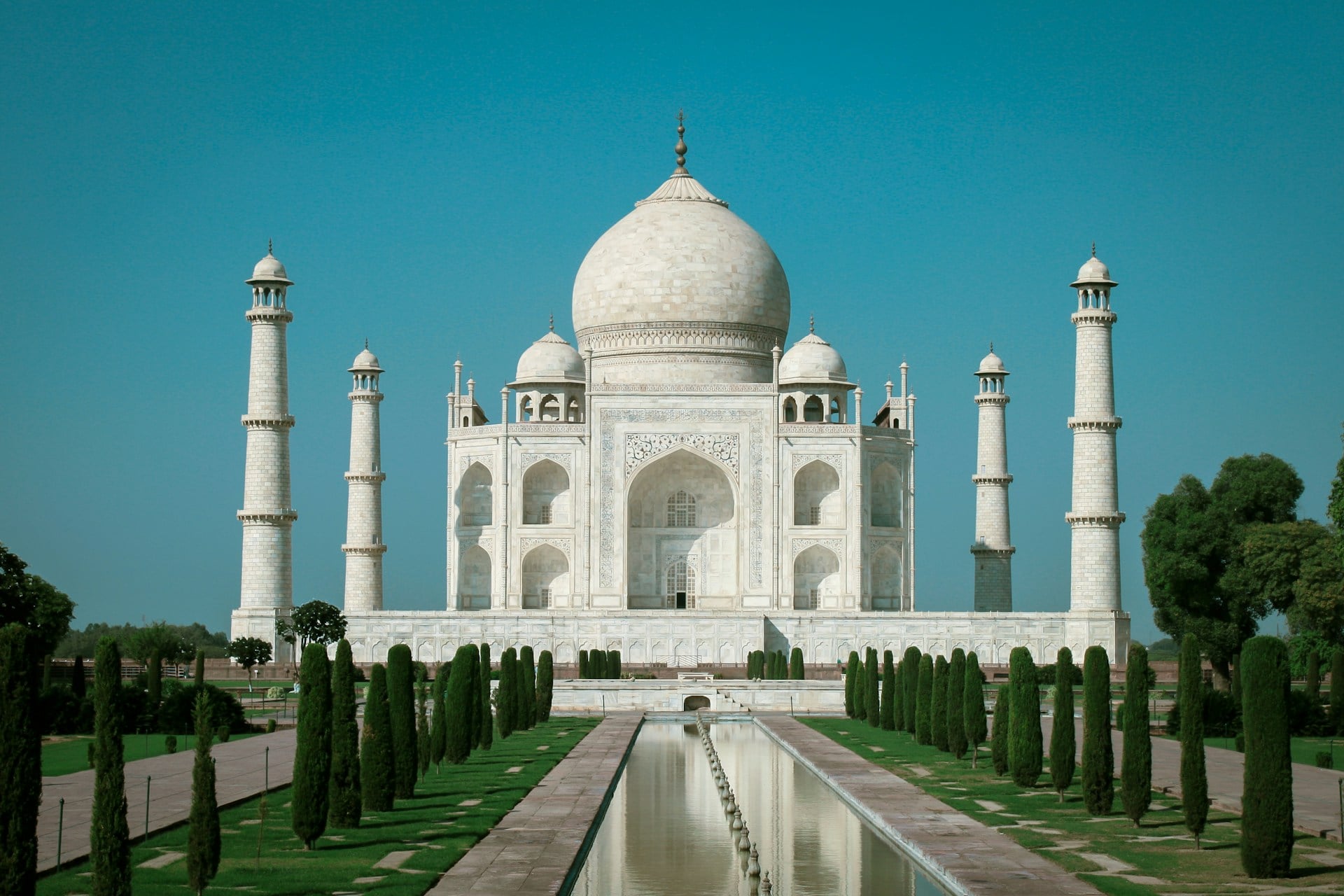
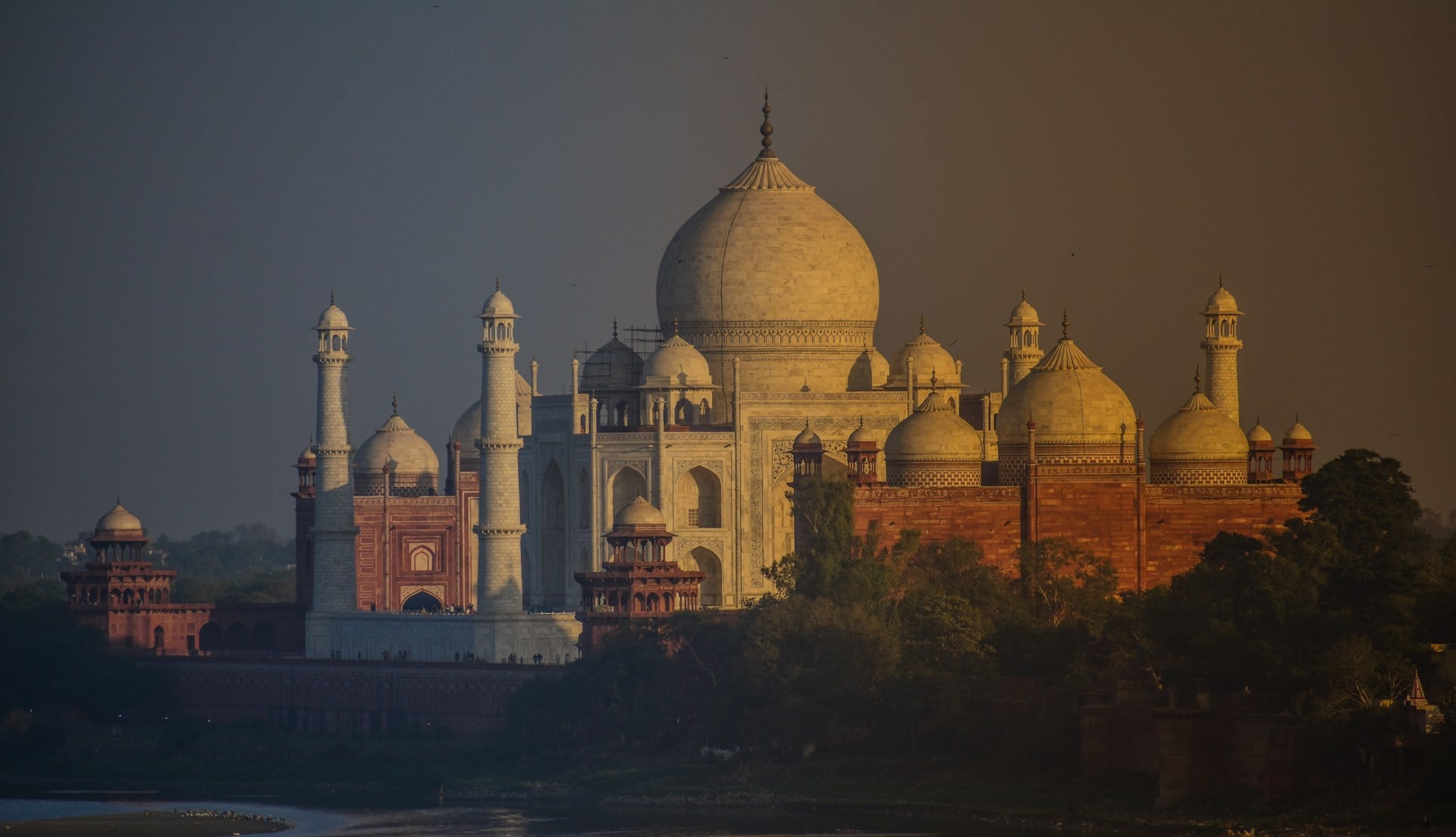
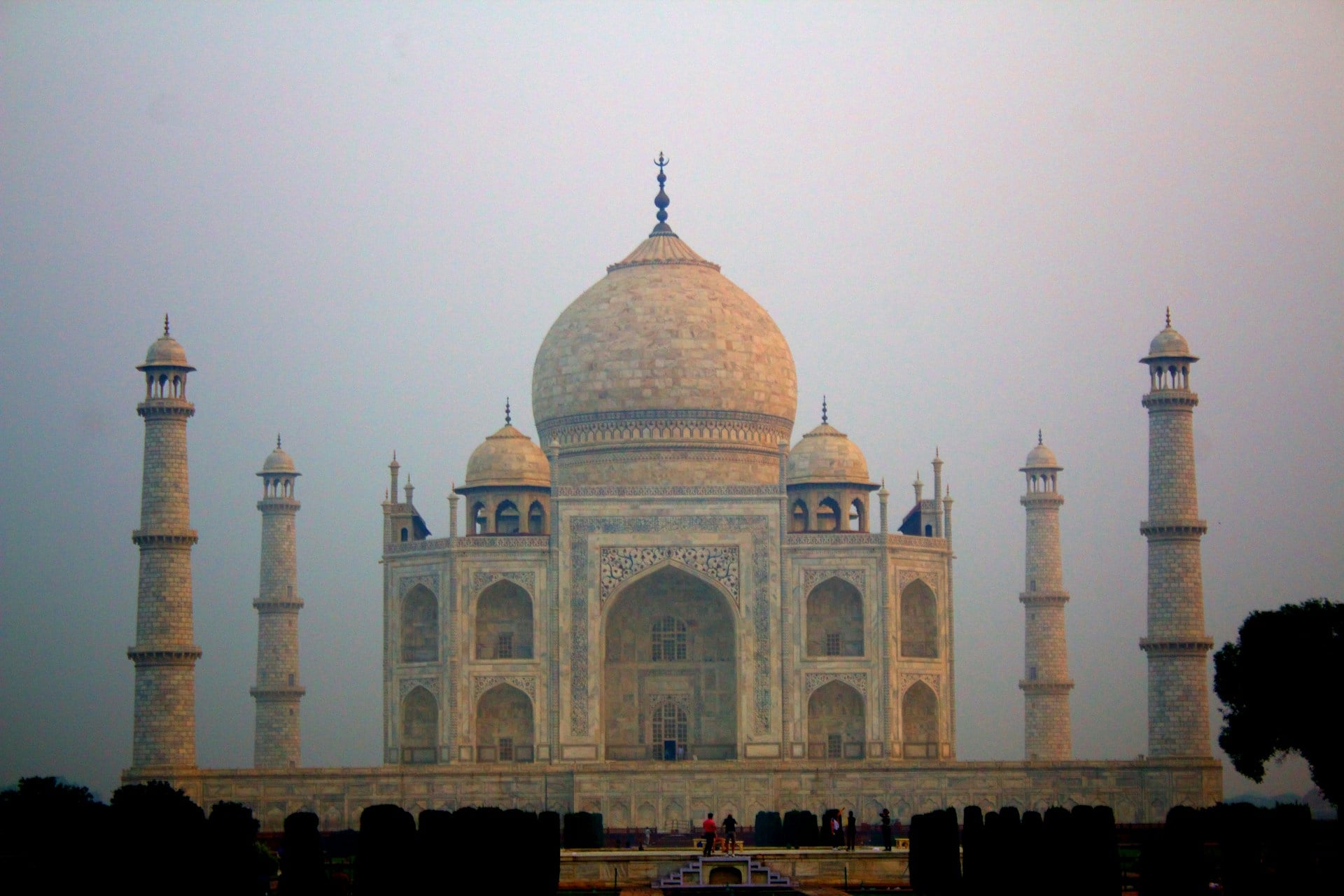
Visitors who come at different times notice the Taj Mahal looks completely different depending on the light. The building appears pinkish in the morning, milky white during midday, and takes on a golden glow at sunset.
At night under a full moon, it can look almost blue. This wasn’t accidental but part of the design, meant to represent the changing moods and phases of life.
It’s actually a tomb, not a palace
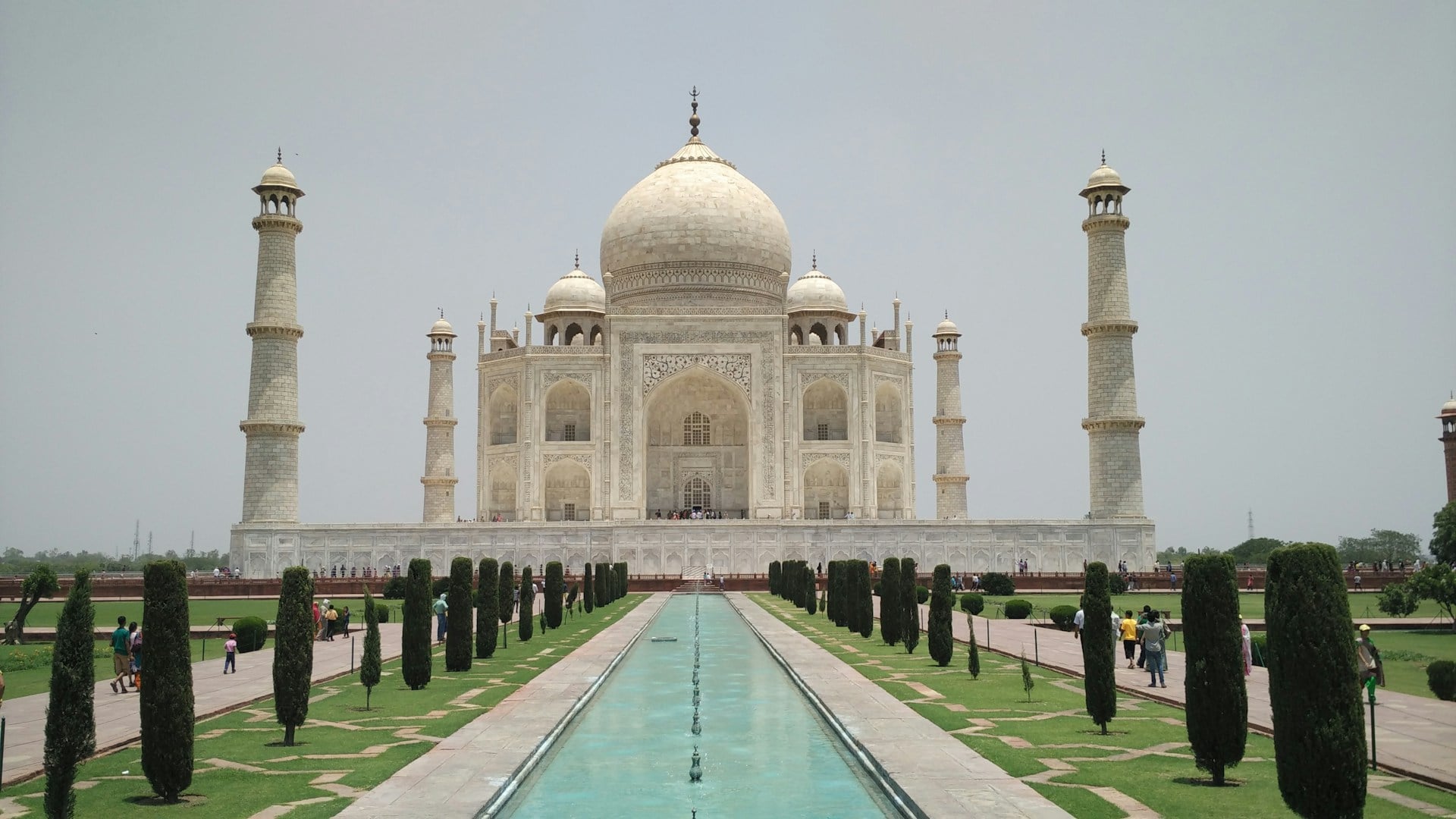
Many people assume the Taj Mahal functioned as a royal residence, but Shah Jahan built it as a final resting place for his wife, Mumtaz Mahal. She died in 1631 while giving birth to their 14th child, and the emperor was devastated.
The entire structure exists as an expression of grief and love. Shah Jahan himself was later buried next to her in the same tomb, though his burial wasn’t part of the original plan.
Over 1,000 elephants hauled the building materials

The white marble came from Makrana in Rajasthan, located about 240 miles from Agra. Workers also brought jasper from Punjab, jade and crystal from China, turquoise from Tibet, and sapphires from Sri Lanka.
Transporting these materials required an enormous fleet of elephants working continuously for years. The logistics alone would challenge modern construction companies, yet Mughal engineers managed it without any motorized equipment.
The four minarets lean slightly outward
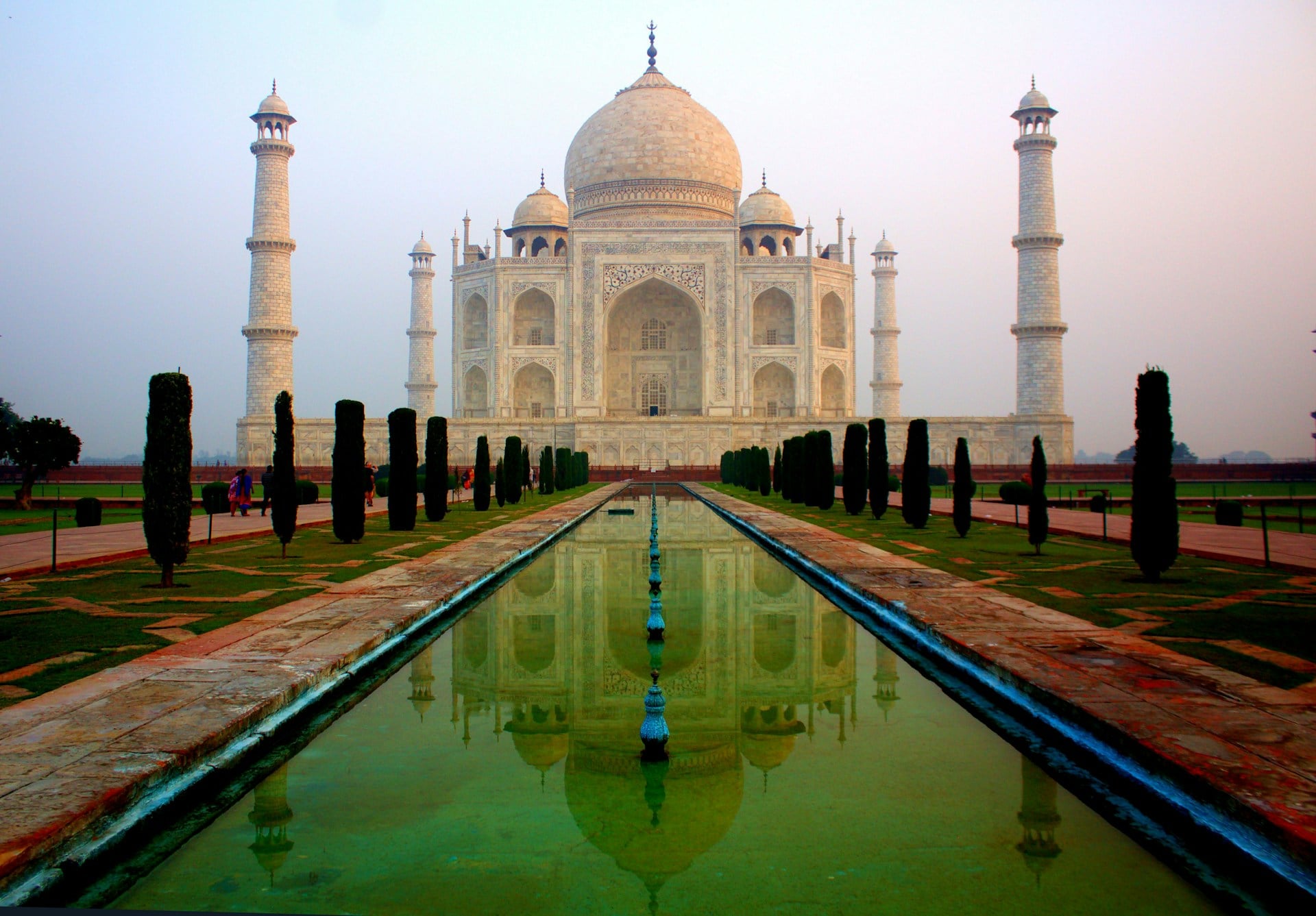
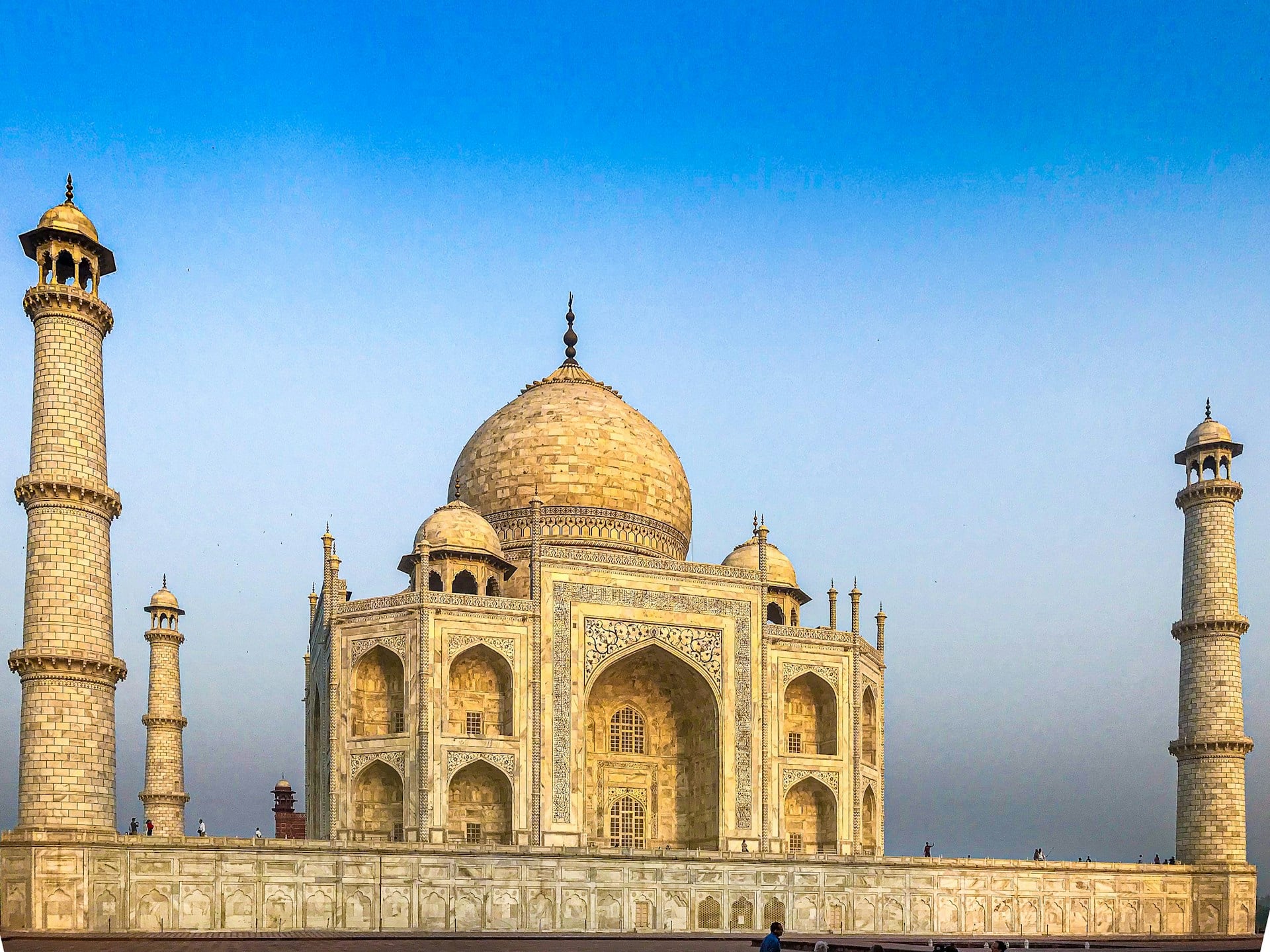
The tall towers at each corner of the platform aren’t perfectly vertical. Engineers designed them to tilt slightly away from the main tomb.
This wasn’t a mistake but a safety feature in case of an earthquake. If the minarets fell, they’d collapse outward instead of crashing into the central structure.
Precious stones were stolen from the walls
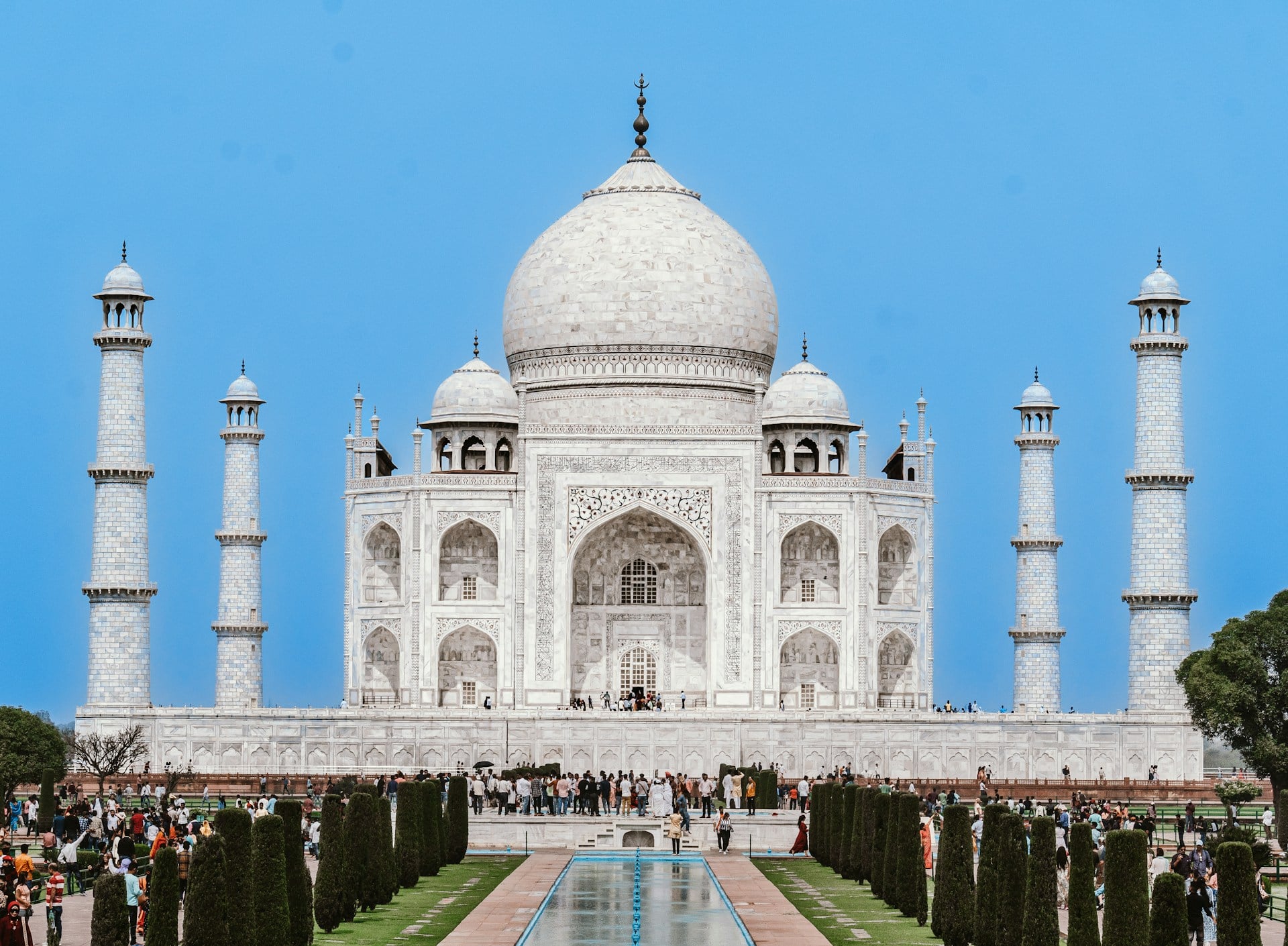
The original Taj Mahal featured far more decoration than what visitors see today. Thieves pried out thousands of precious and semi-precious stones from the marble walls during periods of political instability.
British soldiers and local raiders both took part in the looting over the centuries. Some of the empty settings are still visible if you look closely at the inlay work.
Shah Jahan planned a black Taj Mahal for himself
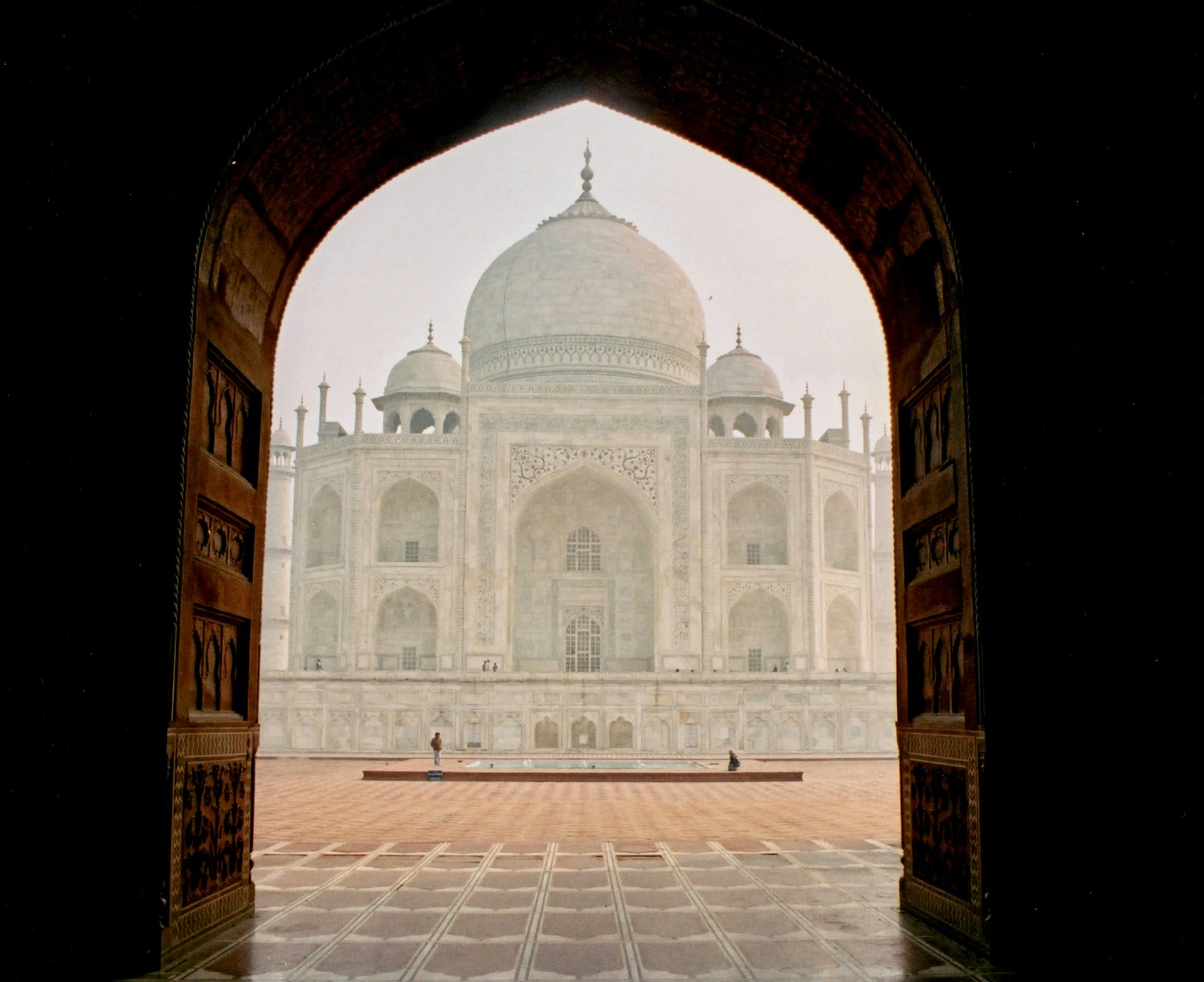
Legend says the emperor wanted to build an identical structure across the river in black marble as his own mausoleum. The two buildings would have been connected by a bridge, creating a stunning contrast.
However, his son Aurangzeb imprisoned him before construction could begin. Historians debate whether this plan was real or just a romantic story, as no definitive architectural plans have survived.
The calligraphy gets bigger as it goes higher
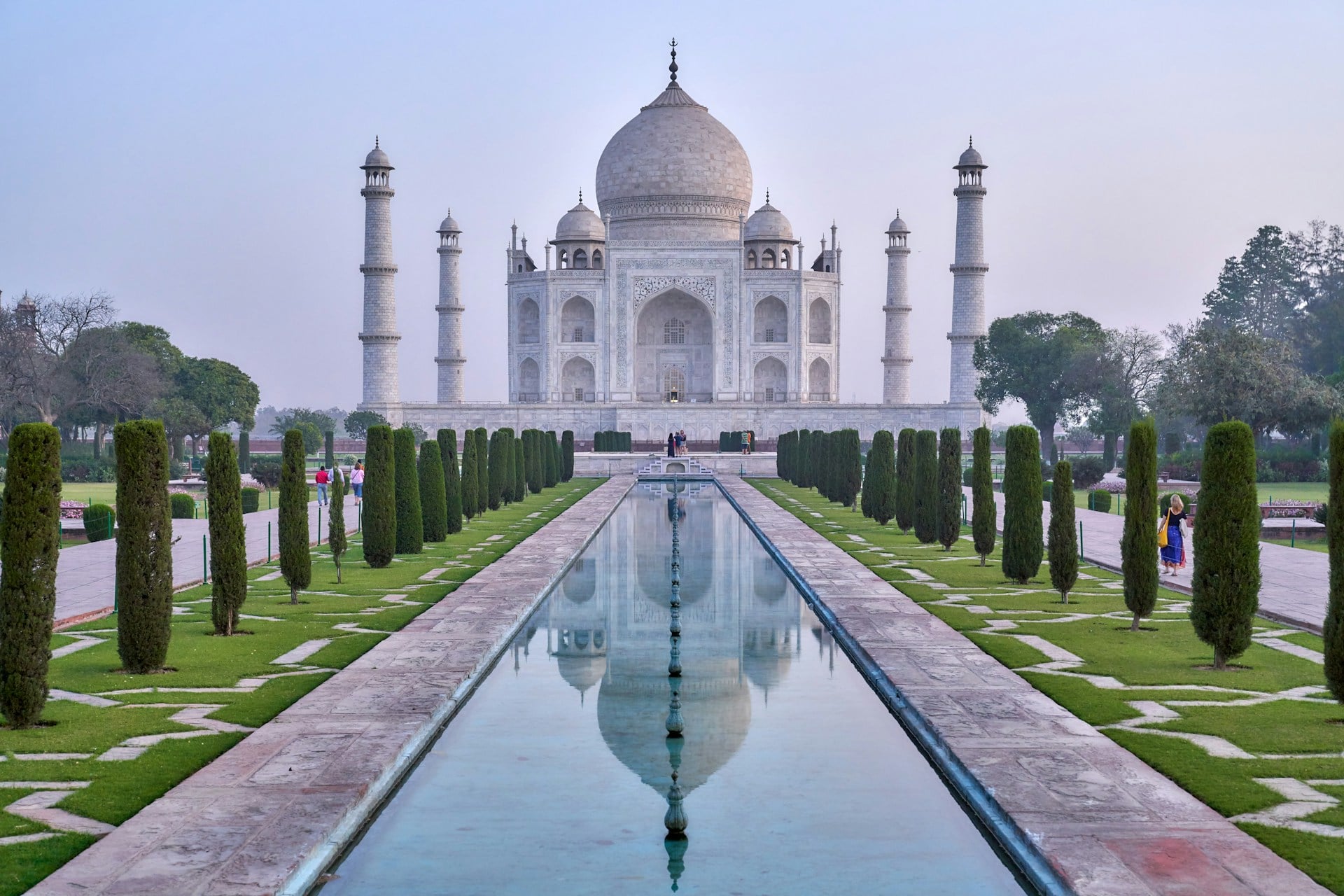
Arabic verses from the Quran decorate the archways and entrances throughout the complex. The calligrapher Amanat Khan designed the letters to appear uniform in size when viewed from ground level.
To achieve this optical illusion, he made the script progressively larger on the higher sections. This attention to visual perception shows a sophisticated understanding of how humans see buildings.
It sits on a timber foundation
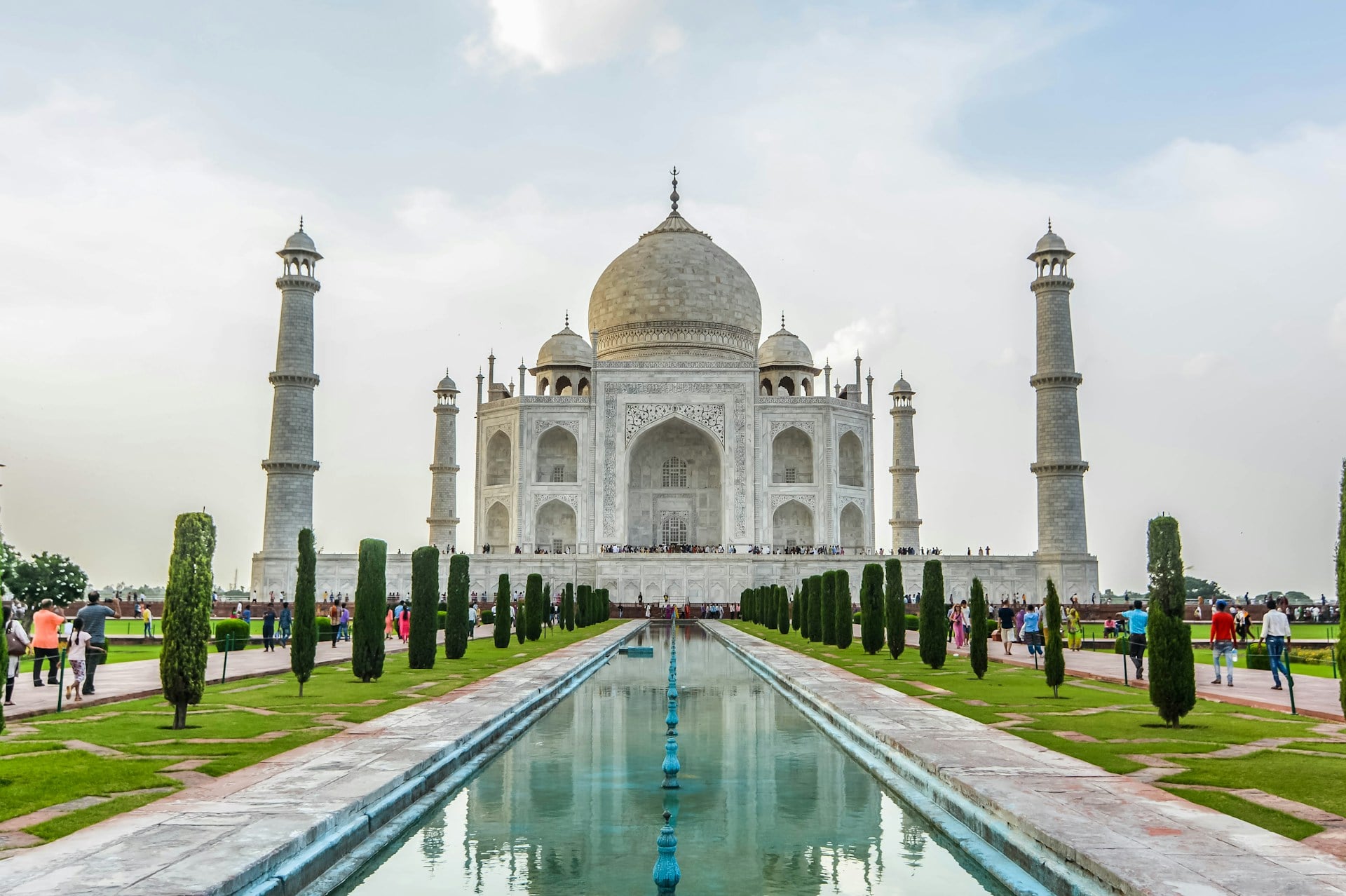
Underneath all that marble lies a foundation made of ebony logs. The wood needs moisture to maintain its strength, which the nearby Yamuna River provides.
If the river ever dried up completely, the foundation could crack and weaken. Environmental concerns about the river’s declining water levels have worried preservationists for decades.
British soldiers used it for parties in the 1800s

During colonial rule, British officers treated the Taj Mahal with shocking disrespect. They held dances in the main chamber and chipped off pieces of the inlay to take home as souvenirs.
The gardens fell into disrepair, and nobody maintained the building properly for years. Lord Curzon, who became Viceroy of India in 1899, finally ordered a major restoration project.
The reflection pool serves multiple purposes
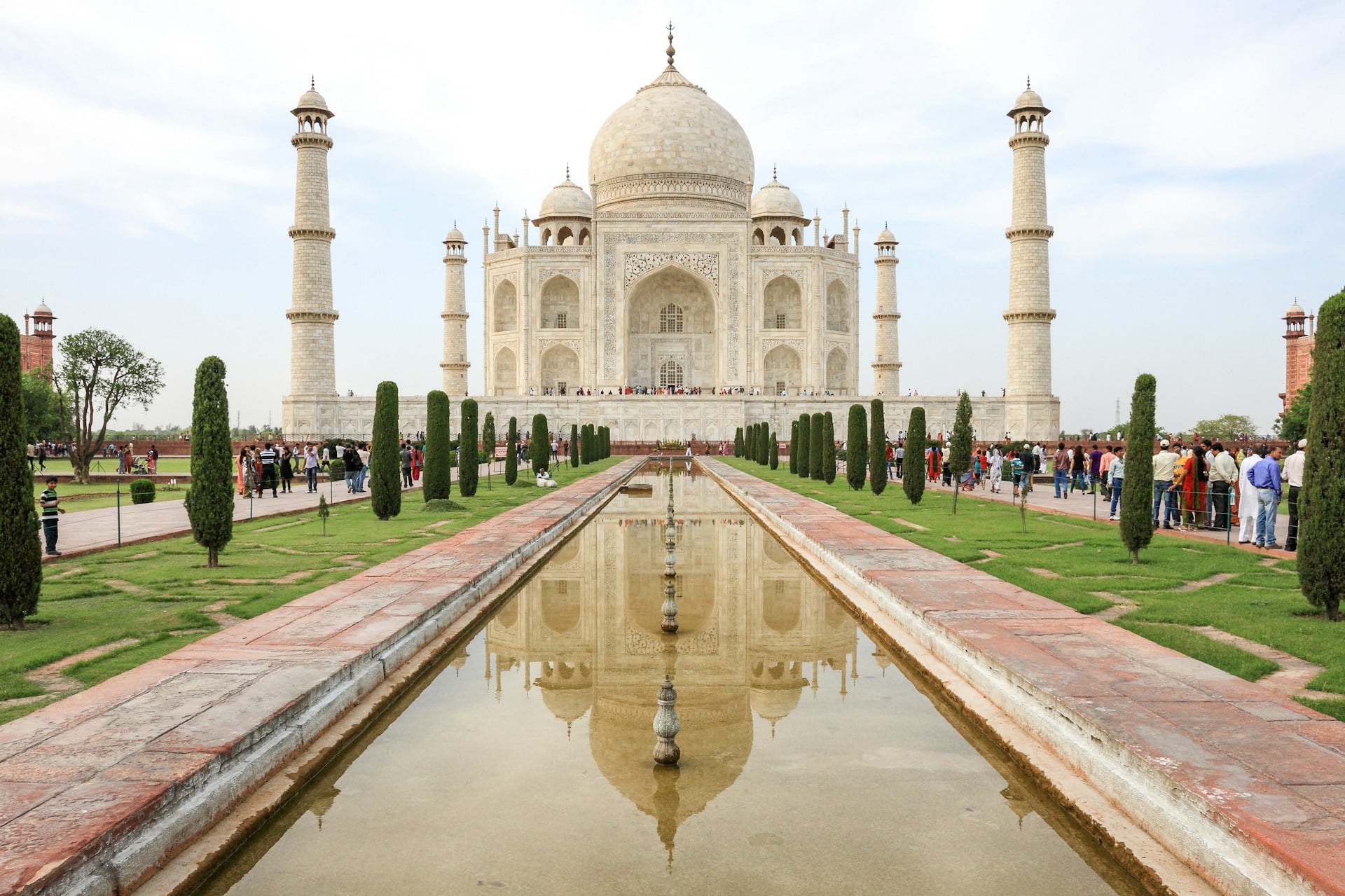
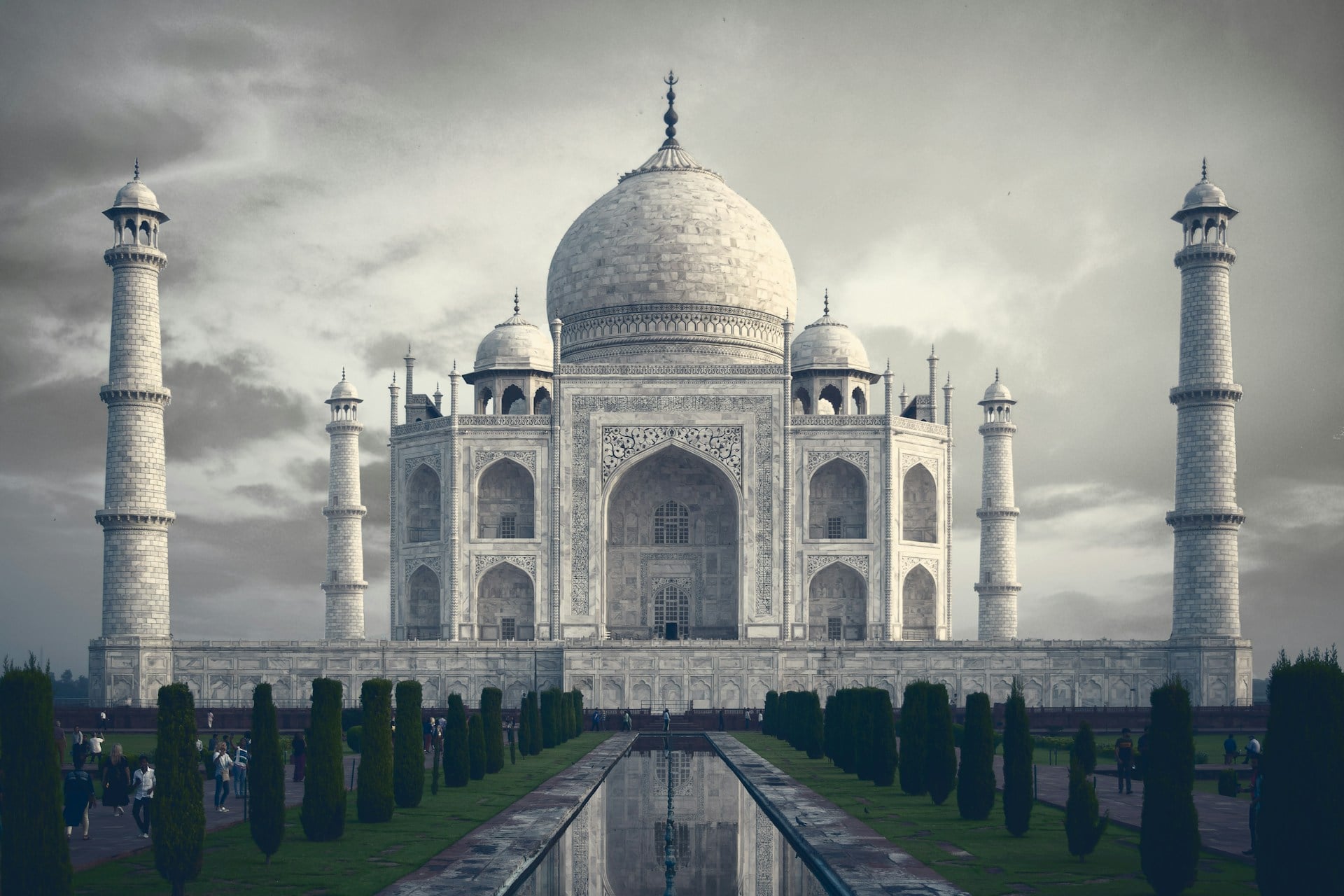
That long rectangular pool in front of the main building does more than look pretty in photographs. It acts as a cooling system for the entire complex, reducing temperatures in the surrounding area.
The reflection also creates a second visual of the Taj Mahal, symbolizing the connection between Earth and heaven. Gardeners maintain the water at specific levels to ensure the reflection appears perfectly centered.
Pollution is slowly turning it yellow

Industrial emissions and vehicle exhaust have caused the white marble to develop a yellowish tint over recent decades. The Indian Supreme Court has implemented strict pollution controls in the surrounding area, including banning certain vehicles and factories.
Workers regularly clean the marble using a special clay paste to remove the discoloration. Scientists continue researching better preservation methods.
The main dome rises 240 feet high
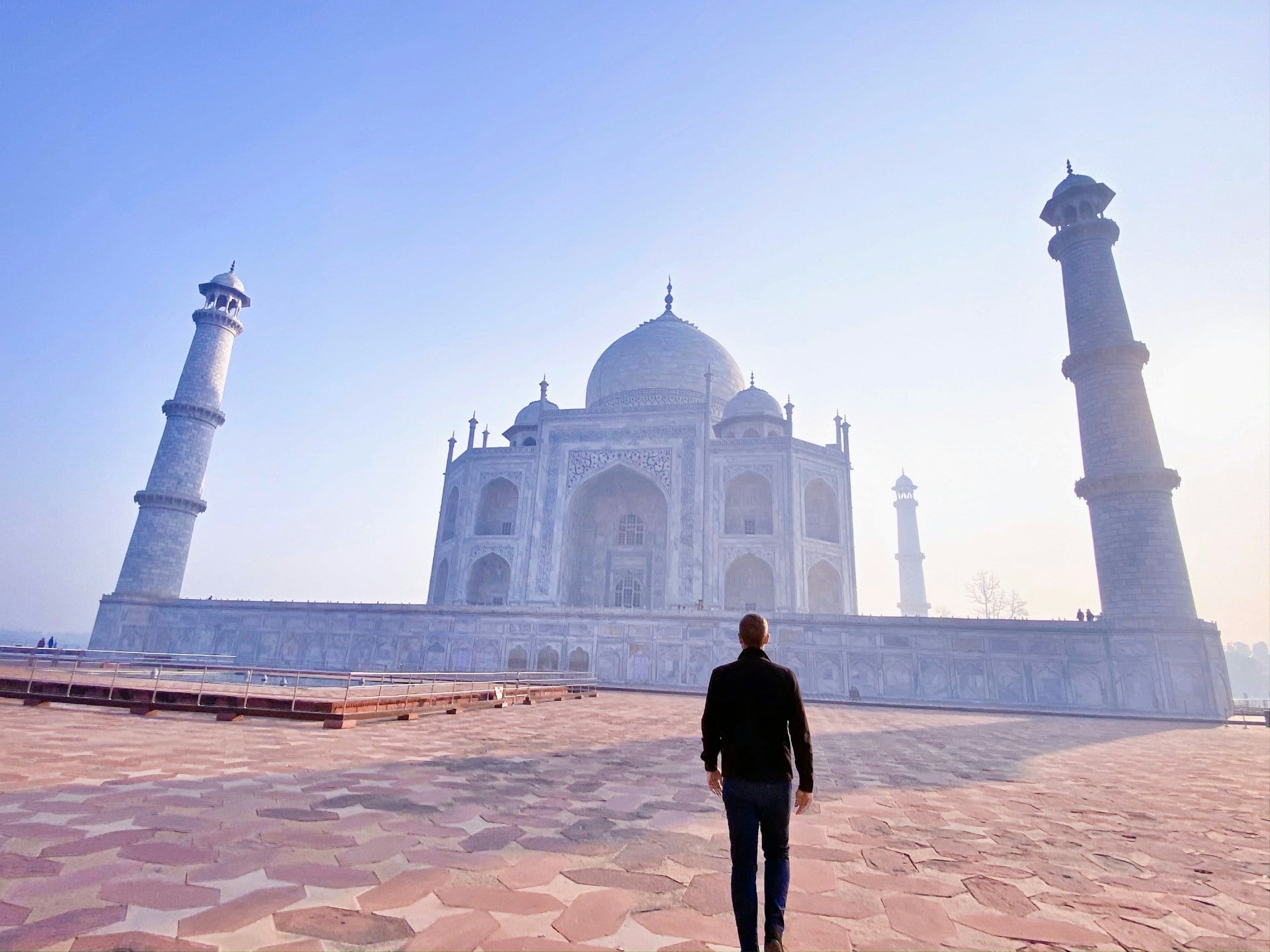
The central dome dominates the skyline and took years to construct using advanced engineering techniques. Inside, the dome creates remarkable acoustic properties where a single whisper can echo throughout the chamber.
The interior height is even more impressive than it appears from outside due to an inner shell that’s separate from the outer dome. This double-shell design was innovative for its time.
Garden design follows ancient Persian traditions
The grounds feature a classic Charbagh layout, dividing the space into four equal sections with water channels. This design represents the four rivers of paradise described in Islamic texts.
Trees, flowers, and pathways create a sense of order and symmetry that mirrors the building itself. The British altered the gardens during colonial times, but restoration efforts have tried to return them to their original design.
Workers used scaffolding made of brick instead of wood
Traditional bamboo scaffolding wasn’t strong enough for a project this large. Builders constructed massive brick platforms and ramps to reach the higher sections of the Taj Mahal.
After completing each section, they dismantled the brick scaffolding and moved it to the next area. This method required more time and resources but provided a stable work platform.
The complex includes a mosque and a guest house
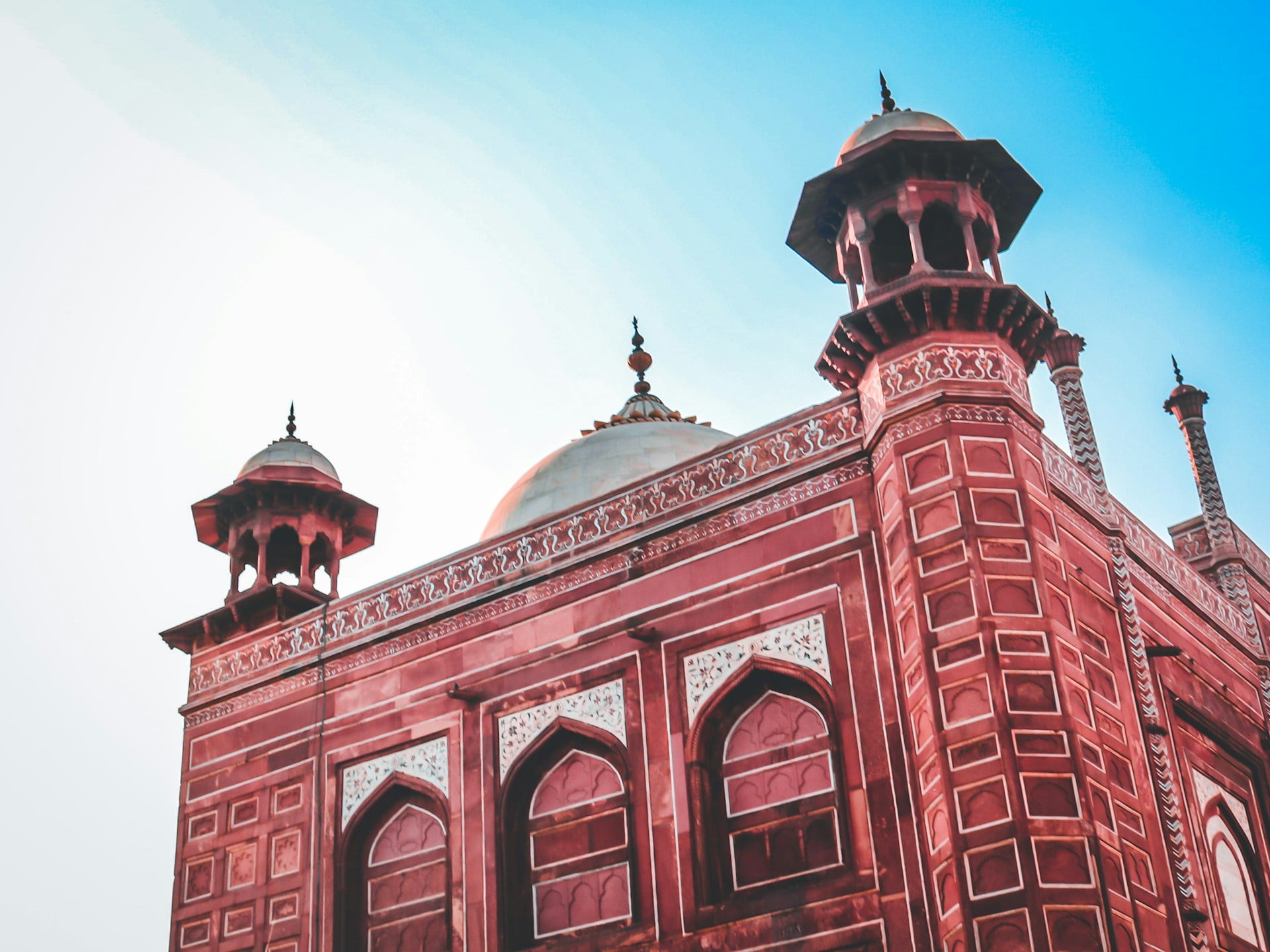
Most visitors focus on the main tomb, but the Taj Mahal complex includes two identical red sandstone buildings flanking it. The western building functions as a mosque, still used for prayer today.
The eastern building served as a guest house, though some historians think it was built purely for symmetry. Both structures help balance the overall design and provide a frame for the white marble tomb.
It costs a fortune to maintain every year
The Archaeological Survey of India spends millions of dollars annually keeping the Taj Mahal in good condition. Maintenance includes cleaning, structural monitoring, pest control, and managing the millions of tourists who visit.
Each visitor pays an entrance fee, but that barely covers basic upkeep costs. The monument requires constant attention because marble is softer than many people realize and environmental damage happens quickly.
A monument built on heartbreak still stands strong
The Taj Mahal remains one of the few buildings that lived up to its creator’s vision despite the personal tragedy that inspired it. Shah Jahan’s grief produced something that outlasted his empire and continues to move people nearly 400 years later.
Modern visitors come for different reasons than the emperor intended, but the building still serves as a reminder of what humans can accomplish when they pour everything into a single project. The Taj Mahal proves that some structures transcend their original purpose and become something larger, speaking to people across cultures and centuries in ways their builders never imagined.
More from Go2Tutors!

- The Romanov Crown Jewels and Their Tragic Fate
- 17 Halloween Costumes Once Considered Taboo
- Famous Hoaxes That Fooled the World for Years
- 15 Child Stars with Tragic Adult Lives
- 16 Famous Jewelry Pieces in History
Like Go2Tutors’s content? Follow us on MSN.