15 Hunting Tactics of Deadliest Predators
Predators have spent millions of years perfecting the art of the hunt. And it’s rarely about pure strength. There’s sneaky maneuvering, incredible teamwork, and a whole lot of waiting around involved. Animals across the globe have developed an amazing variety of tricks that would make any strategist jealous. Whether they’re creeping through tall grass or coordinating pack attacks against much larger prey, hunting isn’t just survival—it’s become a refined skill that reveals how brilliantly life adapts to challenges.
Here’s what I find fascinating: these 15 hunting tactics show just how ingenious and razor-sharp these predators really are.
Stalking and ambushing
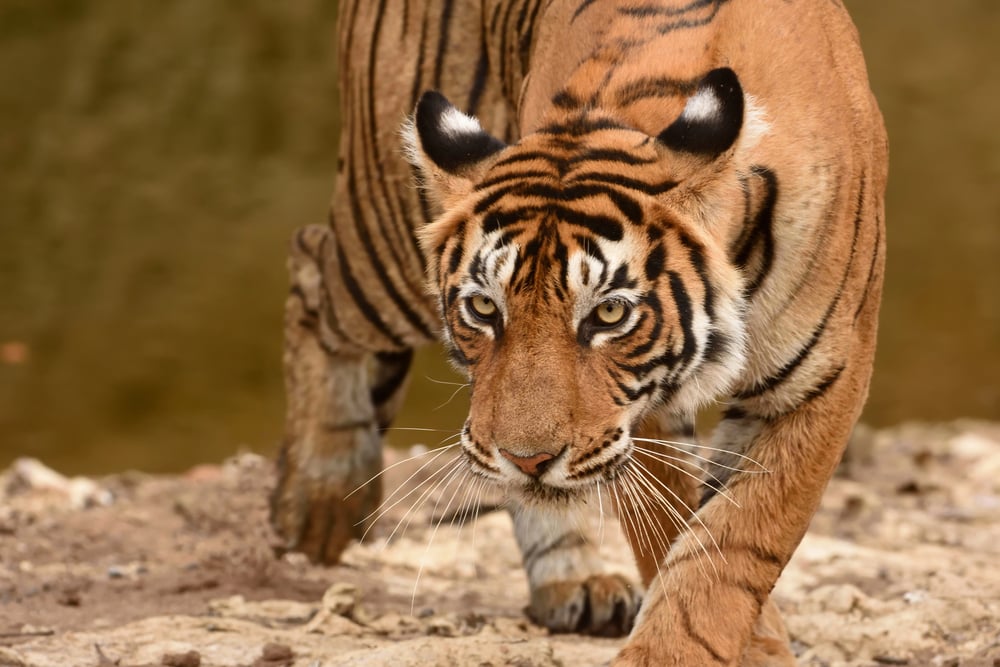
Some predators are all about the slow game. Take leopards—they’re basically living shadows, moving so quietly you’d never know they were there until it’s too late.
No rushing around for these cats. They creep forward inch by painstaking inch, waiting for that perfect moment to explode into action.
The prey barely gets a chance to blink before it’s over. This whole approach hinges on three things: staying silent, having endless patience, and nailing the timing.
It’s perfect for hunters who’d rather use surprise than raw speed. You’ll see this technique everywhere from Asian jungles to African grasslands.
Hell, even your house cat does a mini version when stalking that red laser dot.
Pack hunting
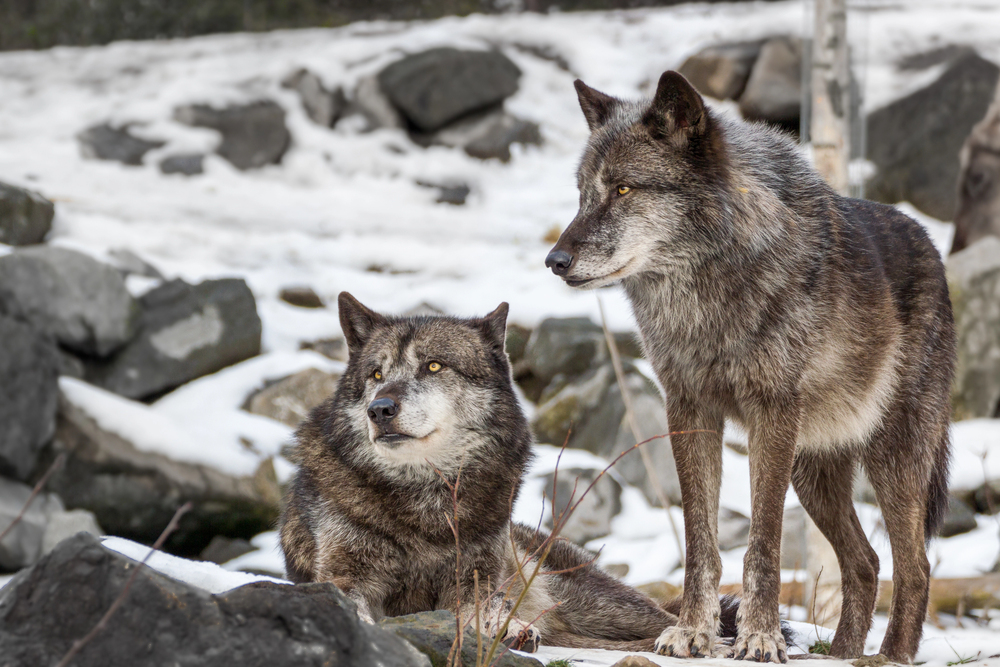
When going solo isn’t cutting it, smart predators call in backup. Wolves across North America and Europe, African wild dogs, even dolphins—they’ve all figured out that teamwork makes the dream work.
But this isn’t some chaotic free-for-all. There’s a genuine strategy happening.
Some pack members become the drivers, pushing prey toward predetermined spots, while others cut off escape routes. It’s like watching a perfectly choreographed performance where everyone knows their part by heart.
This coordination lets them tackle animals way bigger or faster than any individual could handle. Plus, it dramatically boosts success rates in harsh environments.
Young pack hunters learn by jumping right in rather than just watching from the sidelines.
Speed and chase
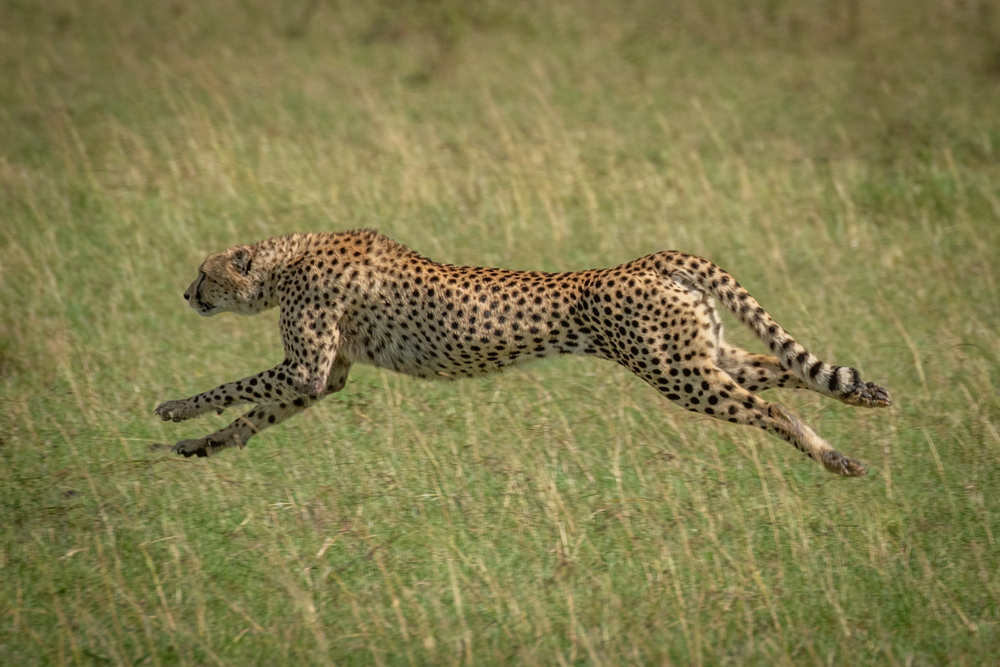
Sometimes the answer is simple: just outrun your dinner. Cheetahs are the poster children for this approach, hitting 60 mph in mere seconds.
Of course, they’re sprinters, not distance runners. Miss your window? Time to call it quits and conserve energy for the next opportunity.
Other speed demons include whatever’s chasing pronghorn antelopes in North America and those incredibly fast African wild dogs. It becomes this intense gamble of velocity, endurance, and perfect timing.
The landscape can make or break the whole chase too.
Camouflage and mimicry
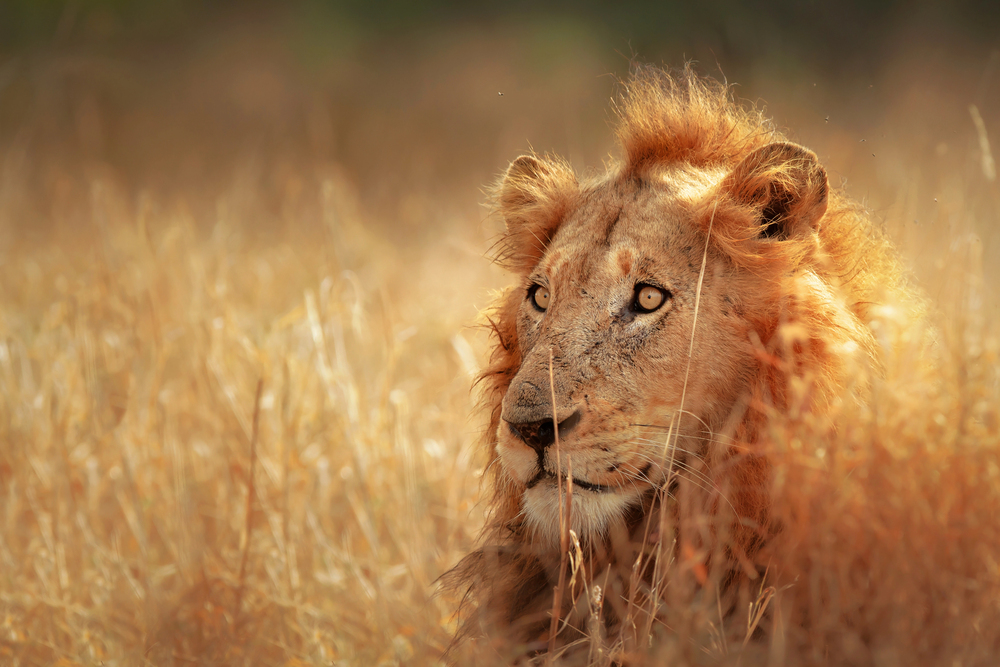
Here’s where things get really clever—some predators don’t just hide, they straight-up lie about what they are. Deep-sea anglerfish dangle these glowing lures that scream “delicious snack” to passing fish.
The curious ones swim right up to investigate and become the meal instead. On land, leaf-tailed geckos disappear so completely into bark and foliage that insects walk right past them.
This kind of deception helps predators stay invisible until they’re close enough to strike. It’s brilliant for situations where hiding in plain sight is the name of the game.
Some can even shift their colors and textures in real-time to match their surroundings better.
Aerial strikes
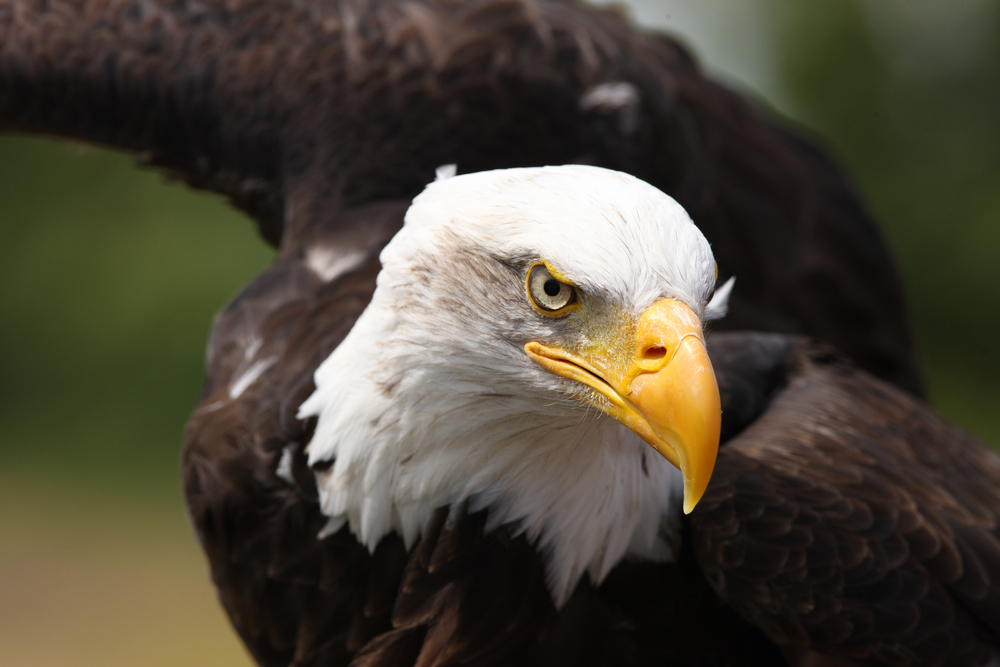
Raptors like eagles, hawks, and falcons have turned altitude into their secret weapon. Their eyesight makes ours look embarrassingly weak—they spot tiny movements from ridiculous heights.
Then comes the dive, a controlled fall at breakneck speeds ending with razor-sharp talons finding their mark. These attacks demand split-second precision and incredible body control.
One shot, that’s it. These birds hunt everything from forest rodents in North America to river fish in South America to snakes across Australia.
Some falcons have been clocked diving at over 200 mph. That’s insane.
Ambush from water
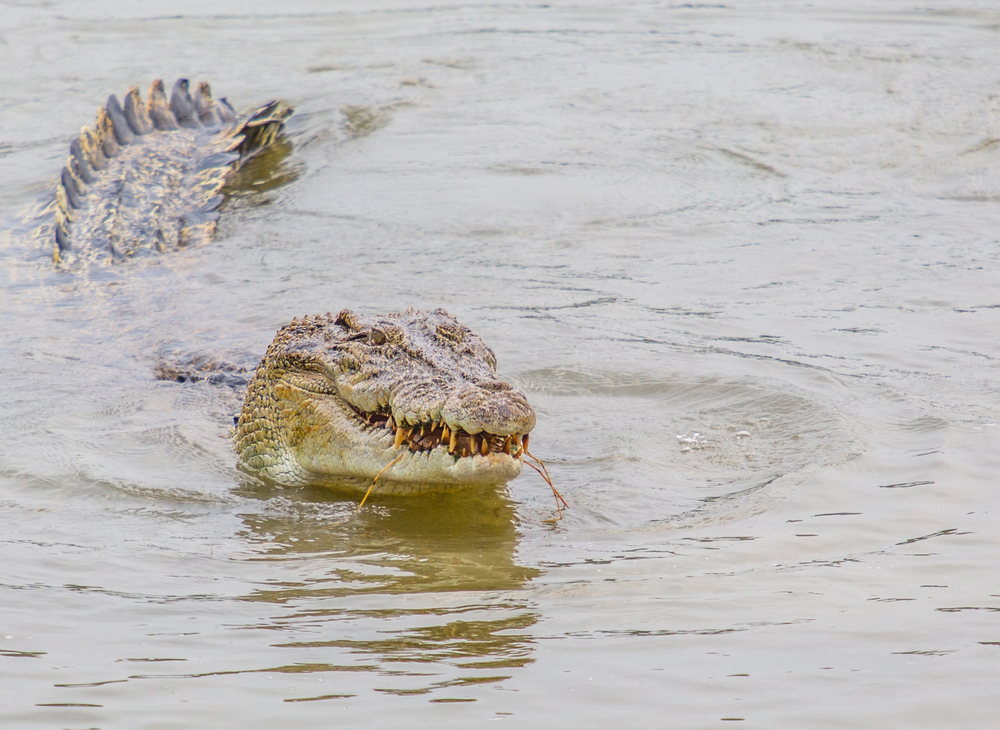
Crocodiles and alligators have perfected the art of aquatic surprise attacks. They float there like logs, barely moving, just eyes and nostrils breaking the surface.
When some unfortunate animal comes down for a drink—WHAM. Explosive power launches them from the water before their target even processes what’s happening.
You’ll find this strategy worldwide, from Nile crocs in Africa to saltwater crocs across Australia and Asia. It’s this perfect combo of endless patience and devastating strength.
Watering pits during dry seasons? That’s where the real action happens.
Digging and burrowing
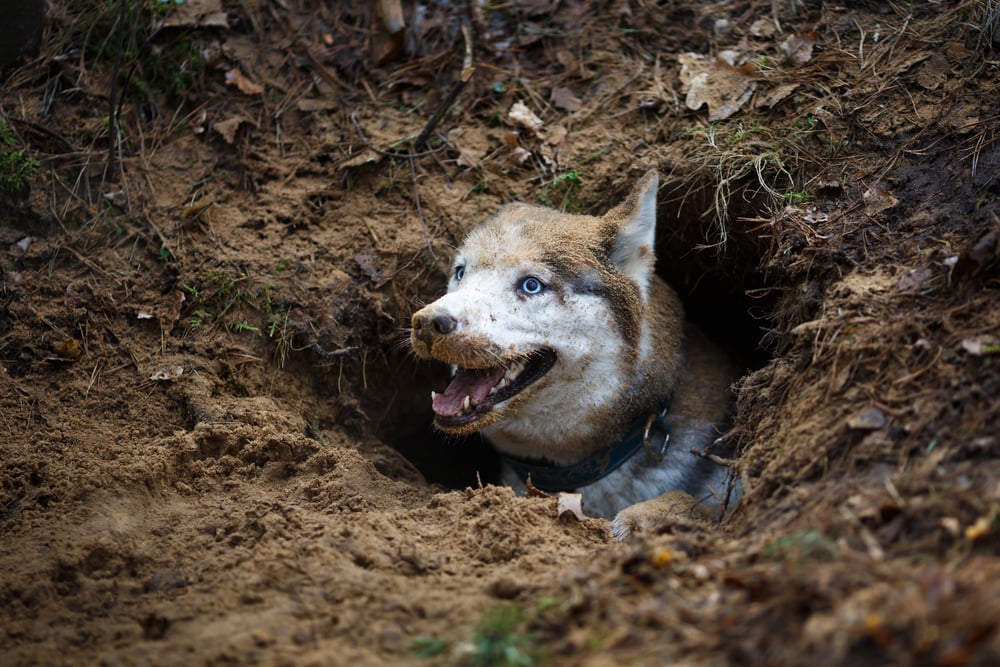
Some hunters take the direct approach and dig their food right out of the ground. African aardwolves tear into termite mounds for their meals, while others excavate rodents and reptiles from underground hideouts.
You need serious claws and solid intel about where prey likes to hang out. It’s slower than chasing or ambushing, sure, but it’s also more reliable.
In deserts and grasslands, digging opens up food sources that other predators can’t access. These underground specialists rely heavily on their noses to locate hidden prey.
Trap setting

Not every hunt involves active pursuit. Some of nature’s smallest predators have turned their environment into a weapon.
Antlion larvae carve these perfect funnel traps in sandy soil—insects stumble in, can’t climb out, and become easy pickings. Spider webs work the same way for flying insects.
This passive approach is incredibly energy-efficient and surprisingly effective. Shows you that even tiny predators can be wickedly clever about securing their next meal.
These techniques get passed down unchanged for generations because, well, they work.
Relentless pursuit
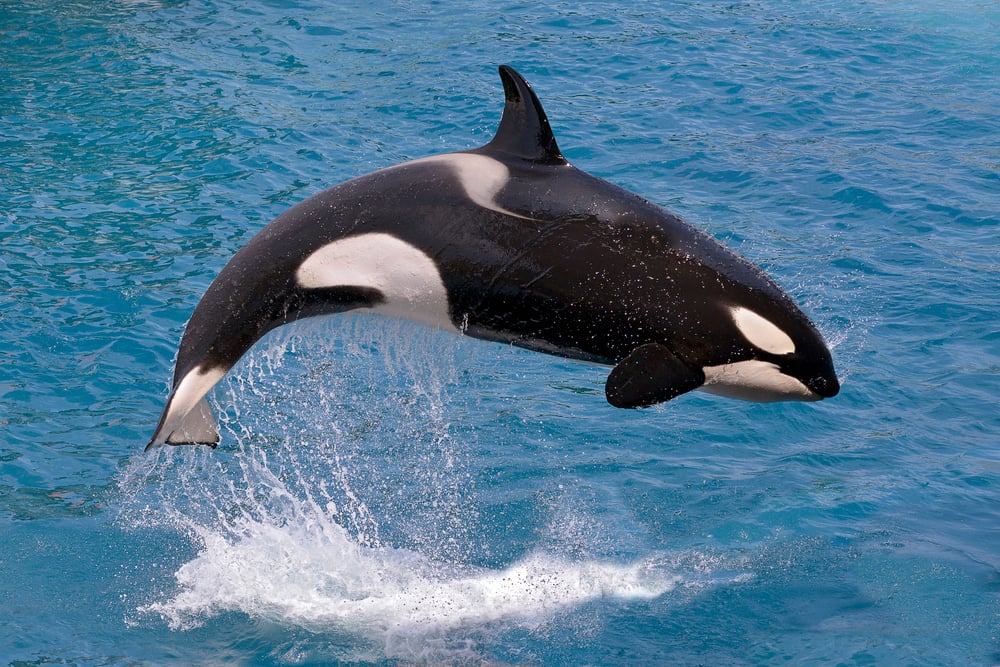
Stamina sometimes trumps speed. Orcas will chase seals, fish, even sharks across vast distances, applying constant pressure until their prey simply can’t continue.
It’s marathon hunting versus sprint hunting. Raw endurance and patience beat quick bursts of speed.
African wild dogs use similar tactics, running prey into exhaustion through sheer persistence. Some packs even tag-team the chase, with fresh members taking over when others get tired.
Smart energy management.
Nocturnal hunting
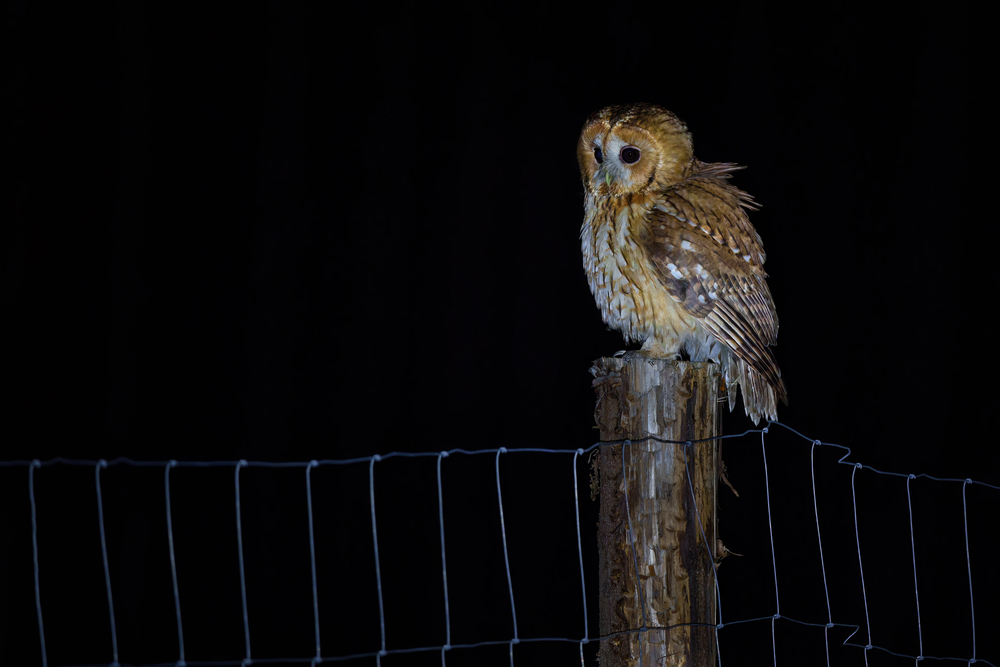
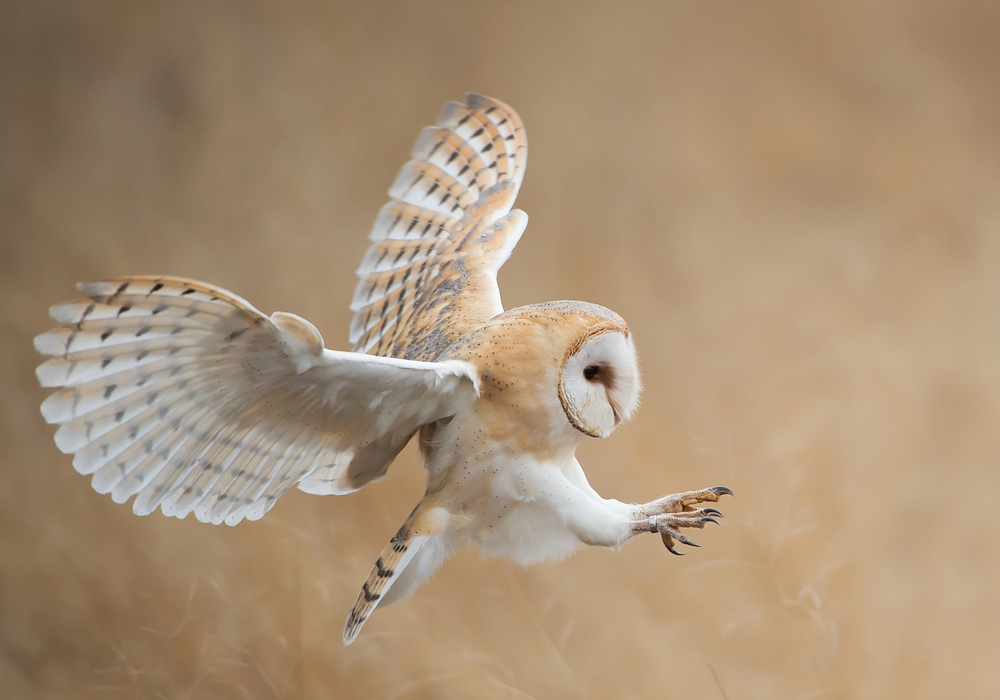
Darkness gives certain predators a massive edge. Owls glide through the night on special silent feathers, their oversized eyes picking out tiny rodents in minimal light.
Night hunting cuts down on competition and reduces the risk of becoming someone else’s meal. From tropical rainforests to temperate woodlands, nocturnal hunters dominate.
Many have enhanced hearing that lets them track prey they can’t even see. It’s like having built-in night vision goggles.
Venom and paralysis
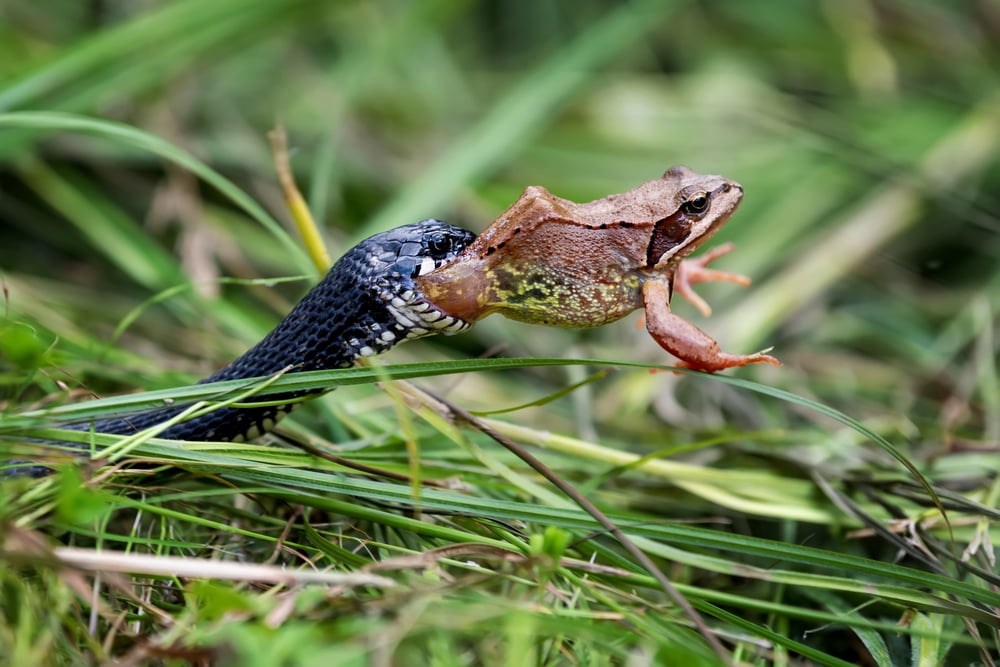
Venom is nature’s fast-acting takedown tool. Black widow spiders inject toxins that paralyze victims almost instantly.
Snakes use venom to immobilize or kill before the whole swallowing process begins. Even some fish and cone snails have gotten in on this action.
Venomous hunting reduces injury risk and can actually start breaking down the meal early. Particularly useful when you’re small but need to handle larger or faster prey.
Ambush and retreat

Hit fast, get out faster. Praying mantises are masters of the lightning strike followed by immediate retreat to avoid any retaliation.
It’s guerrilla warfare in miniature. This hit-and-run style saves energy while keeping the predator out of harm’s way.
You’ll see similar tactics in certain frogs and spiders. It’s all about balancing aggression with smart caution, which keeps you hunting another day.
Timing and reflexes are everything here.
Coordinated distraction
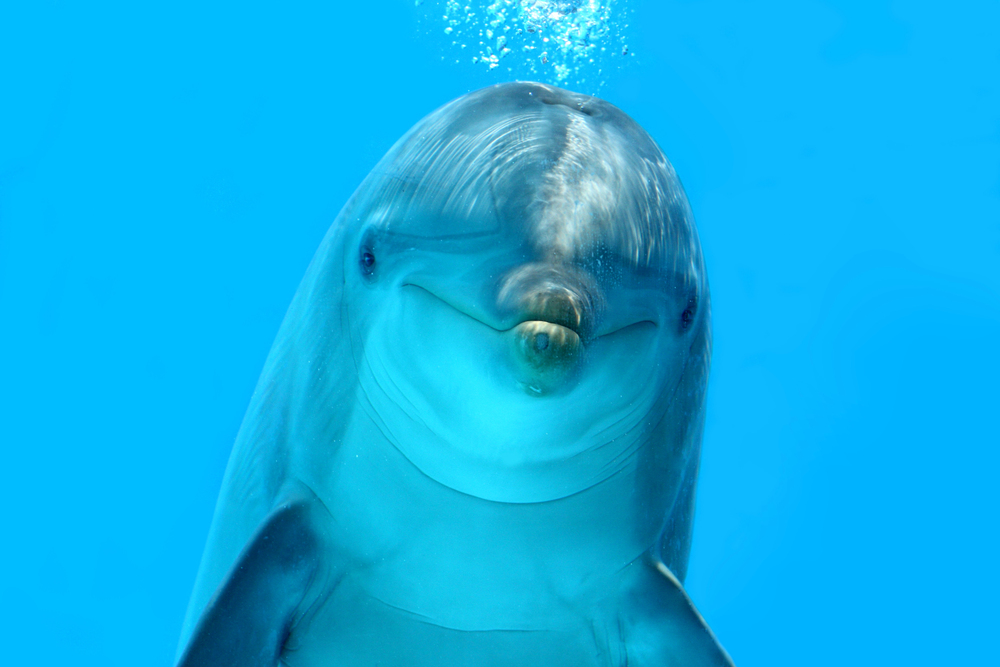
Dolphins showcase some seriously sophisticated teamwork when hunting. They create bubble nets or work together to herd fish schools into tight, confused clusters.
Makes grabbing multiple fish way easier. Communication and coordination are crucial here.
Orcas and some bird species pull similar moves, proving that brains often matter more than brawn. In some areas, these techniques get passed down culturally through generations.
Tool use
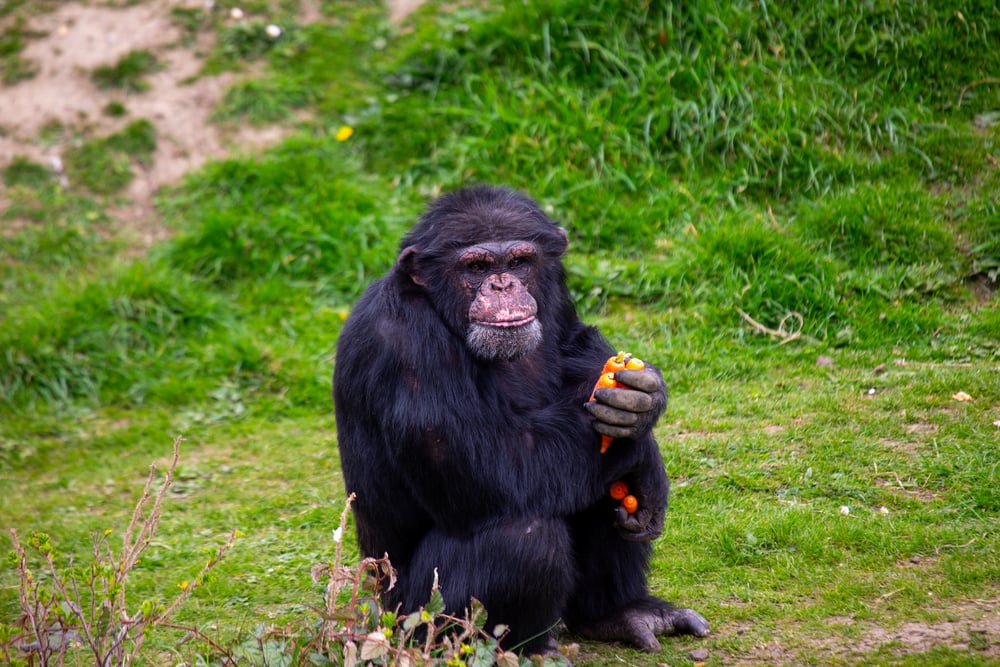
A select few predators have figured out how to use their environment as equipment. Sea otters grab rocks to smash open shellfish.
Some birds fashion sticks into insect-extraction tools for getting into tree bark or termite mounds. This behavior demonstrates problem-solving abilities that are pretty rare in the wild.
Tools give these predators advantages their competitors lack, showing how intelligence can revolutionize hunting success. It also hints at a level of forward planning that most animals never develop.
Scavenging and opportunism
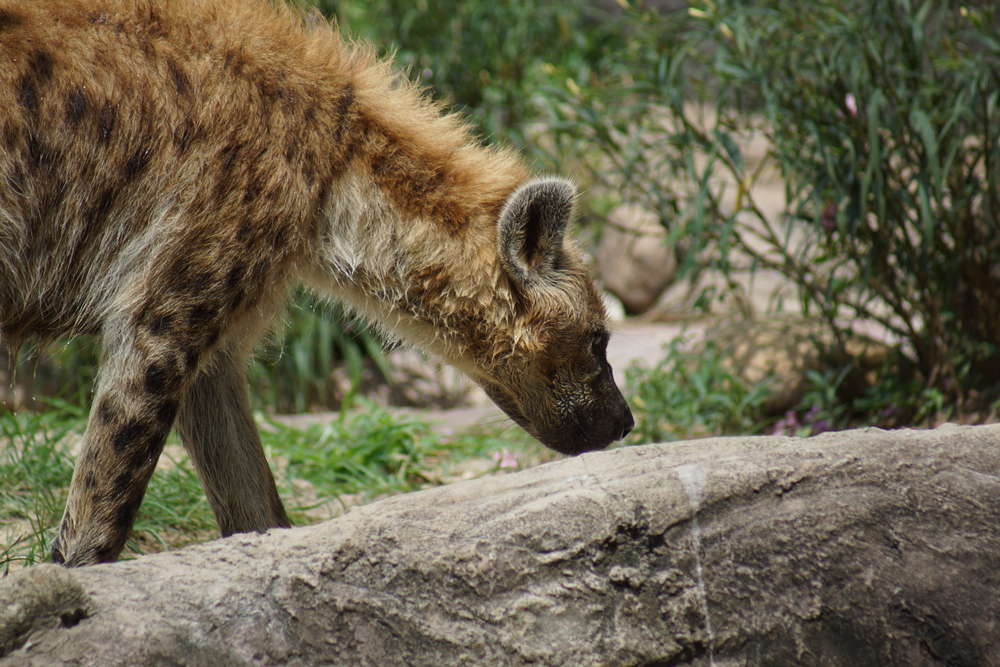
Why work harder when you can work smarter? Hyenas have perfected the art of letting others do the heavy lifting before swooping in for leftovers or straight-up theft.
Meanwhile, vultures have turned carcass cleanup into their entire business model, preventing disease outbreaks in the process. This opportunistic lifestyle cuts out all the energy expenditure of active hunting.
Scavengers fill crucial ecological niches and squeeze value from every available resource. Even the kings of the food chain get in on this action—lions regularly scavenge when fresh kills present themselves.
The bigger picture
Nature has basically created its own specialized workforce. Each predator type has carved out their particular expertise and refined it to near-perfection.
Patient stalkers operate differently from speed specialists, who work nothing like coordinated pack hunters or innovative tool users.
More from Go2Tutors!

- The Romanov Crown Jewels and Their Tragic Fate
- 13 Historical Mysteries That Science Still Can’t Solve
- Famous Hoaxes That Fooled the World for Years
- 15 Child Stars with Tragic Adult Lives
- 16 Famous Jewelry Pieces in History
Like Go2Tutors’s content? Follow us on MSN.



