Understanding How Coffee is Made: Bean to Cup
That morning cup of coffee didn’t just magically appear in your kitchen. Behind every sip lies an intricate journey that spans continents, involves countless hands, and transforms a simple cherry-like fruit into the aromatic brew that kickstarts your day. From tropical mountainsides to your favorite mug, coffee undergoes one of the most fascinating transformations in the food world.
The path from coffee plant to your cup involves more steps than most people realize, each one crucial to developing the flavors and aromas we love. Here’s a detailed look at the stages that bring coffee from bean to cup.
Growing Coffee Plants
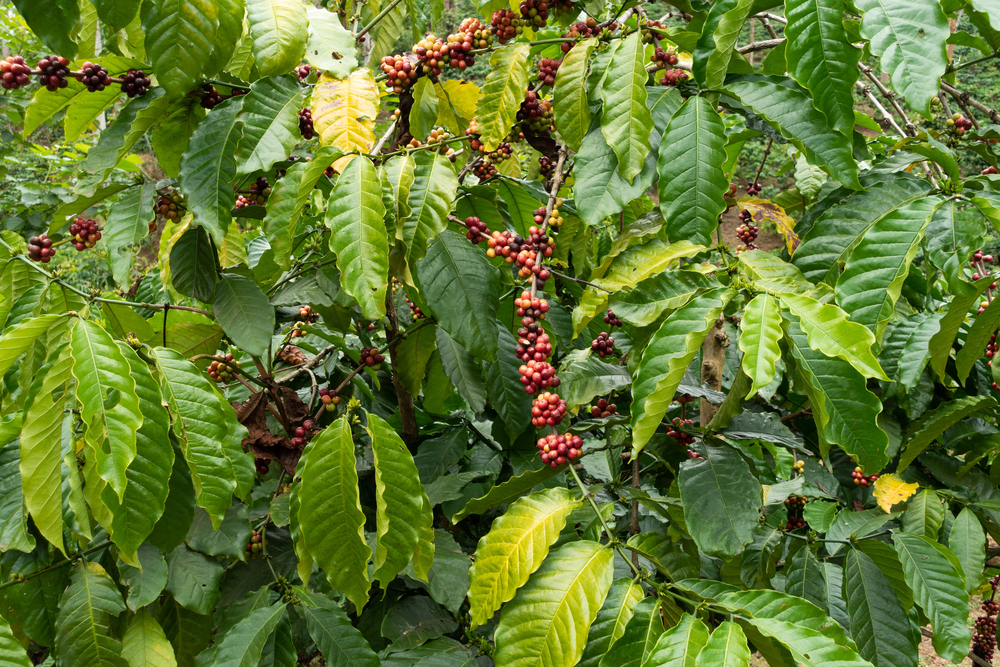
Coffee starts its life as a seed planted in rich soil at high altitudes. These plants thrive in what’s called the ‘coffee belt’ – a band around the equator where temperatures stay between 60-70°F year-round. Coffee trees are surprisingly delicate, requiring just the right balance of sunshine, rainfall, and shade to produce quality cherries.
Harvesting the Coffee Cherries
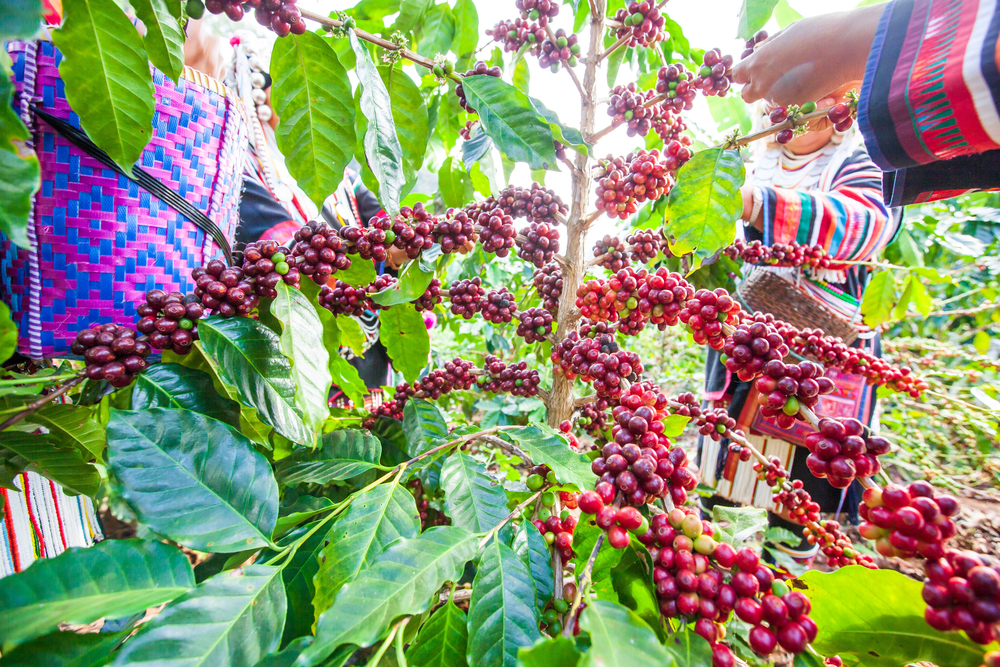
After three to five years of growth, coffee plants begin producing small, red cherries that contain the precious beans inside. Workers hand-pick these cherries during harvest season, selecting only the ripest ones – a process that’s like choosing the perfect strawberry from a patch. This selective picking ensures only the best cherries make it to the next stage.
Removing the Outer Cherry Flesh
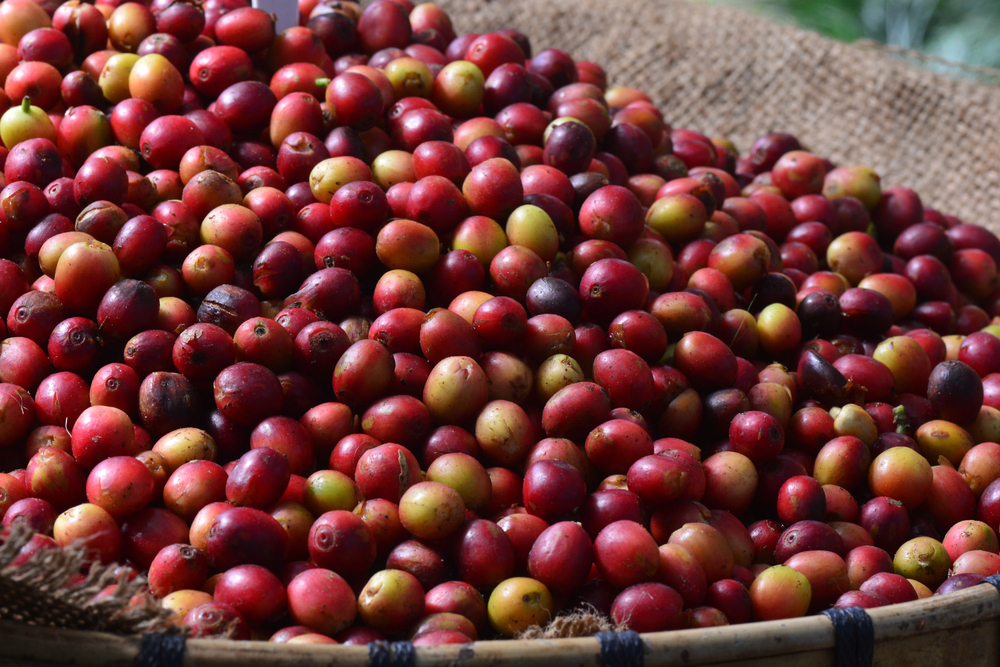
Once harvested, the cherry’s outer flesh needs to come off to reveal the green coffee beans inside. There are two main methods here: the wet process, where cherries get pulped immediately and fermented in water, and the dry process, where entire cherries dry in the sun like raisins. Each method creates distinctly different flavor profiles in the final cup.
Fermentation and Washing
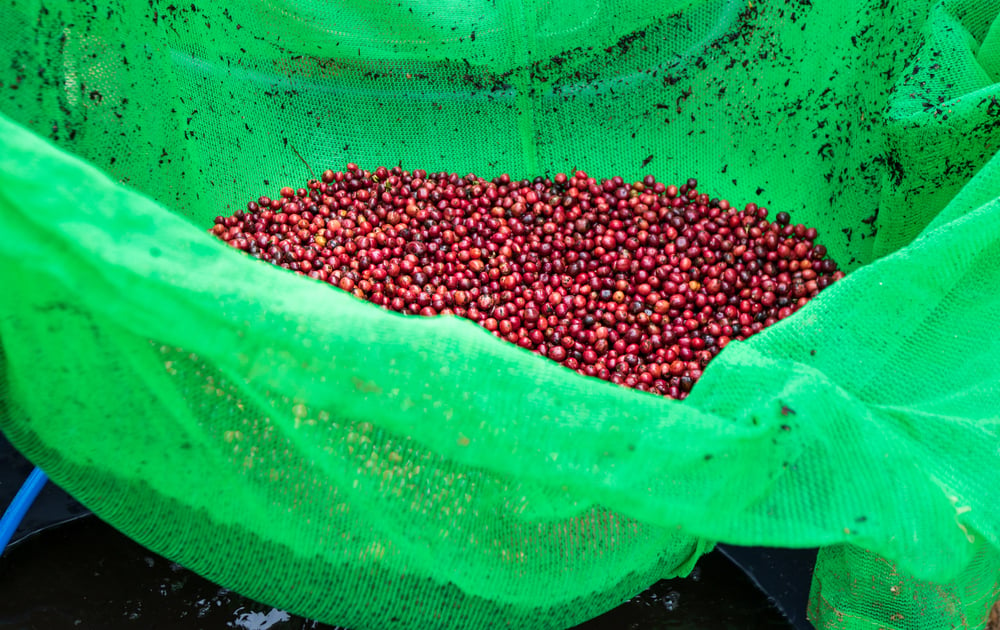
For wet-processed coffees, the beans spend 12-48 hours fermenting in large tanks filled with water. This fermentation breaks down the sticky mucilage that clings to the beans, much like how wine grapes ferment to develop complex flavors. After fermentation, workers wash the beans multiple times to remove any remaining fruit residue.
Drying the Coffee Beans
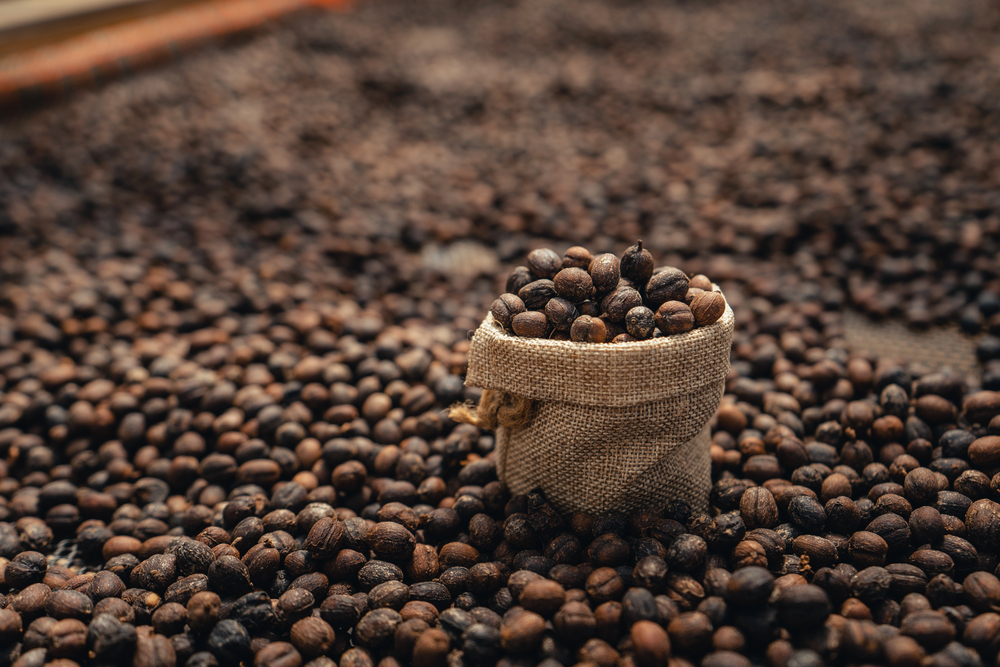
Whether wet or dry processed, all coffee beans need to reach the perfect moisture content of around 11-12%. Farmers spread the beans on large patios or raised beds, turning them regularly like someone tending a garden. This drying process can take anywhere from a few days to several weeks, depending on weather conditions and processing method.
Milling and Hulling
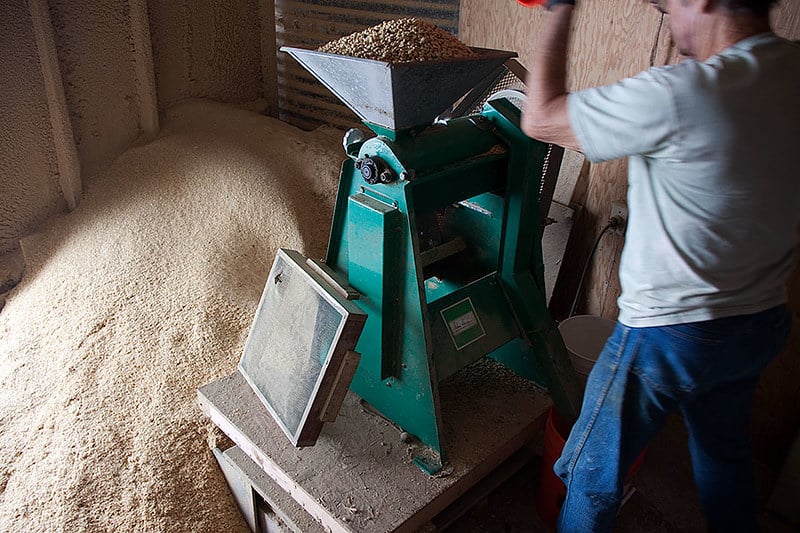
Dried coffee beans still wear a protective parchment layer that needs removal before export. Hulling machines strip away this papery covering, revealing the familiar green coffee beans underneath. It’s similar to shelling peanuts, but requires precision to avoid damaging the delicate beans inside.
Sorting and Grading
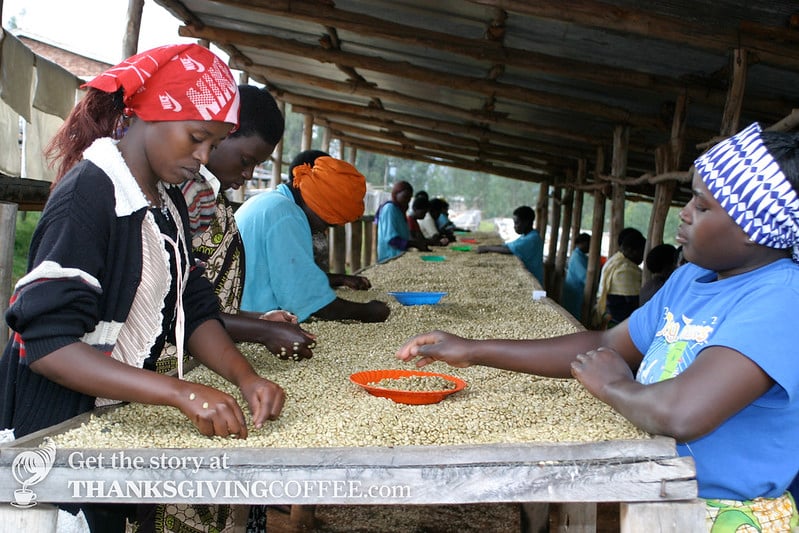
Quality control becomes paramount at this stage, as workers sort beans by size, weight, and color. They remove defective beans, foreign objects, and anything that doesn’t meet strict quality standards. This sorting often happens both by machine and by hand, ensuring only premium beans continue the journey.
Storing and Shipping
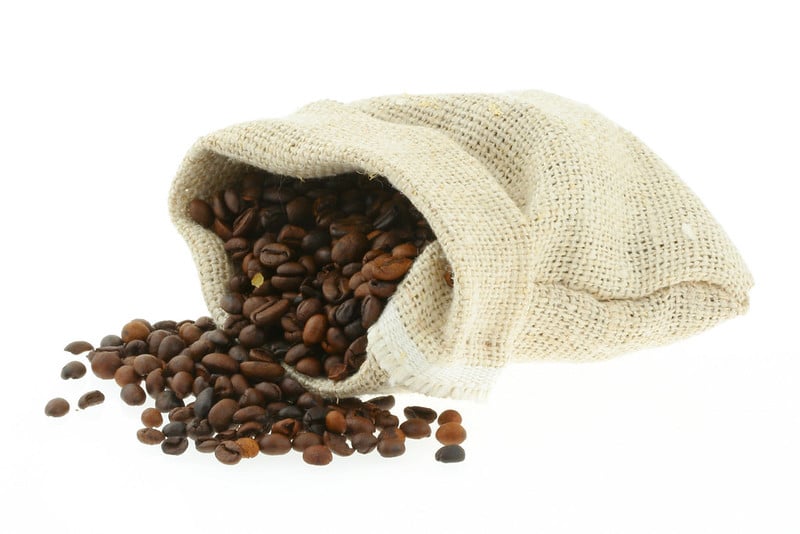
Green coffee beans get packed into burlap sacks and stored in climate-controlled warehouses before their ocean voyage. These beans can maintain their quality for months when stored properly, traveling thousands of miles from origin countries to roasting facilities worldwide. The beans remain surprisingly stable during this journey, like seeds waiting for the right moment to transform.
Roasting the Green Beans
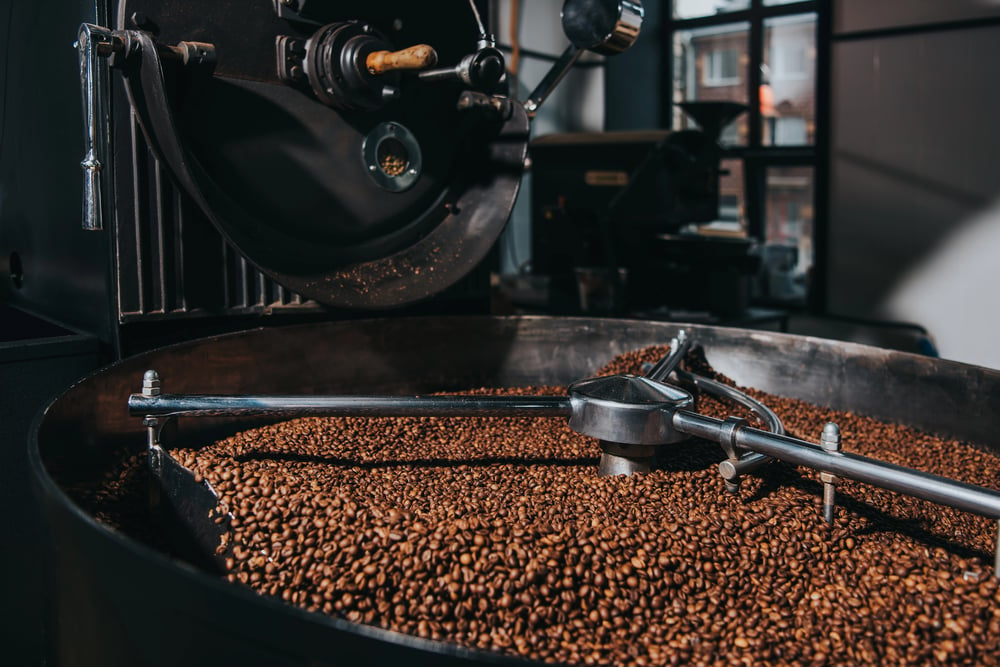
This is where the real magic happens – roasting transforms bland, grassy green beans into aromatic brown coffee beans. Roasters carefully control temperature and time, typically roasting between 350-500°F for 8-15 minutes. The beans undergo dramatic chemical changes, developing hundreds of flavor compounds and releasing that distinctive coffee aroma we all recognize.
Cooling and Degassing
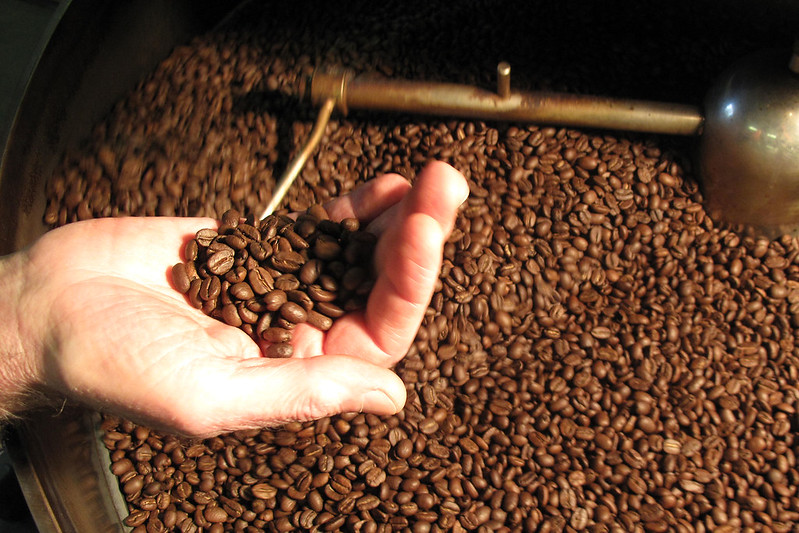
Fresh-roasted beans need immediate cooling to stop the roasting process and prevent over-development. They’re quickly cooled using air circulation, then stored for 12-24 hours to allow carbon dioxide to escape. This degassing period is crucial – brewing coffee too soon after roasting can result in uneven extraction and off-flavors.
Grinding the Roasted Beans
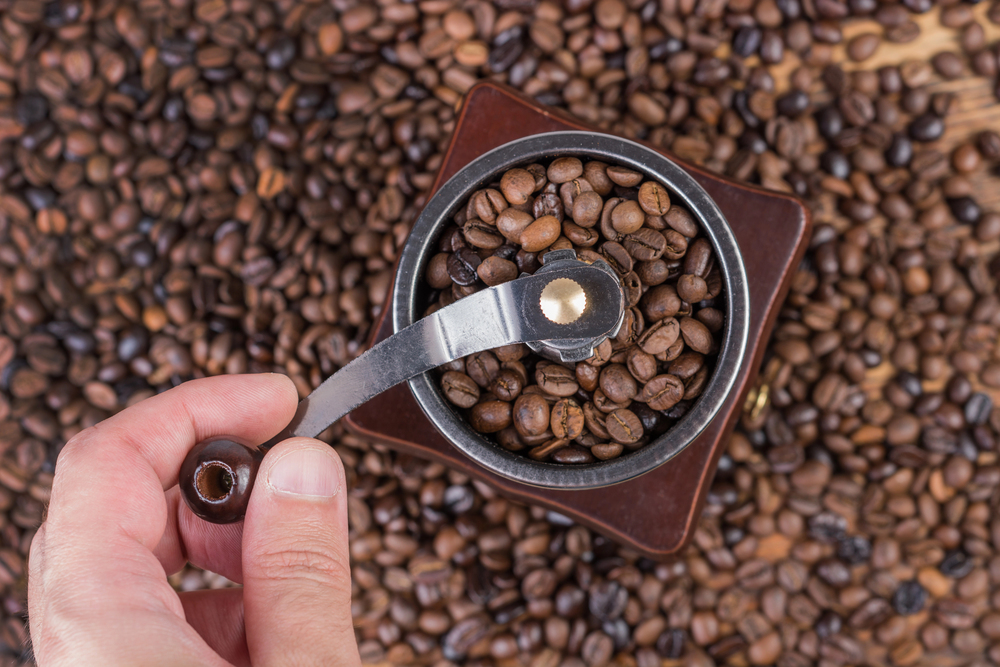
The grind size dramatically affects how water extracts flavors from coffee beans. Coarse grinds work best for methods like French press, while fine grinds suit espresso machines. Think of it like cooking pasta – the size determines how quickly water penetrates and extracts the good stuff inside.
Preparing the Water
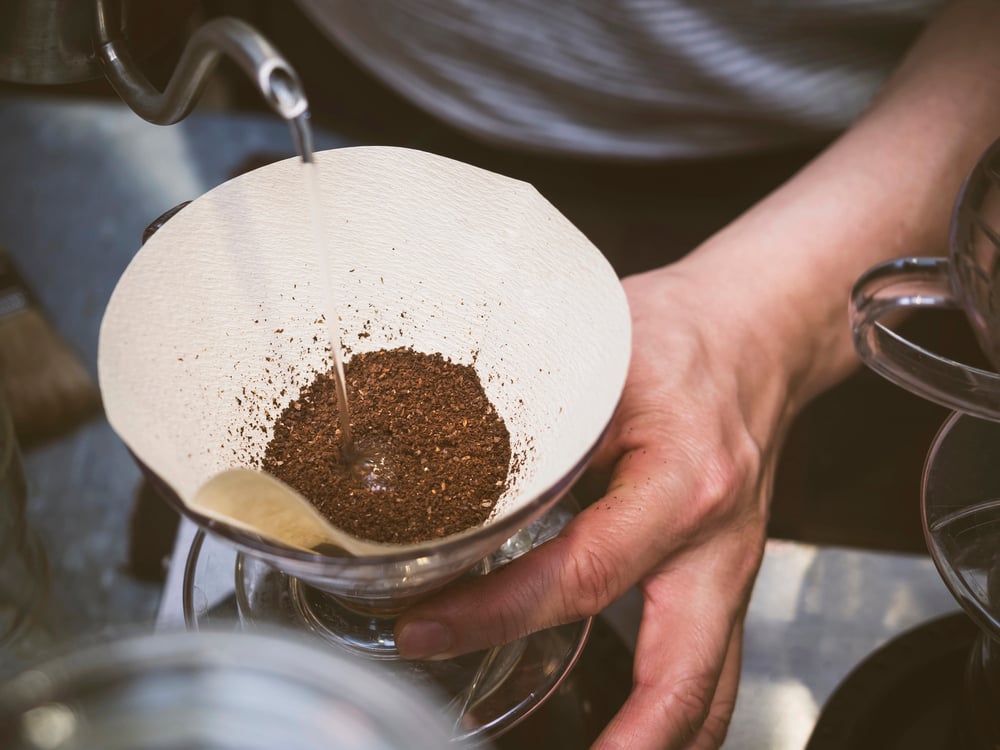
Water quality makes or breaks a good cup of coffee, comprising about 98% of your final brew. The ideal water temperature sits between 195-205°F – hot enough to extract flavors but not so hot it burns the coffee. Water that’s too soft or too hard can throw off the entire extraction process.
Brewing and Extraction

The final transformation happens when hot water meets ground coffee, extracting oils, acids, and aromatic compounds that create coffee’s complex flavor profile. Whether through drip brewing, espresso extraction, or immersion methods like French press, this step determines whether you get a balanced cup or something that tastes like dishwater. Timing and ratios are everything here – too fast and you get sour coffee, too slow and bitterness takes over.
From Ancient Ritual to Modern Necessity

Today, coffee is a massive global industry worth hundreds of billions. But for all the people who enjoy their morning cup of Joe, there is little appreciation for what it took to get that cuppa into their hands. Every cup represents months of careful cultivation, processing, and preparation – a reminder that even the most ordinary morning ritual has extraordinary origins.
More from Go2Tutors!

- The Romanov Crown Jewels and Their Tragic Fate
- 13 Historical Mysteries That Science Still Can’t Solve
- Famous Hoaxes That Fooled the World for Years
- 15 Child Stars with Tragic Adult Lives
- 16 Famous Jewelry Pieces in History
Like Go2Tutors’s content? Follow us on MSN.