Actors Digitally Added to Movies After Death
In the past, an actor’s career ended when they passed away. A film in production would require script revisions, stand-in reshoots, or sometimes total abandonment.
However, everything was altered by digital technology. Actors can now be brought back by filmmakers to complete scenes they never shot, appear in sequels they never agreed to, or even star in completely different projects years after their passing.
This practice is situated at an odd nexus of business, ethics, technology, and art. For some, it’s a lovely homage.
For others, it is extremely disturbing. In any case, it is occurring more frequently, and technology continues to advance.
Brandon Lee in The Crow
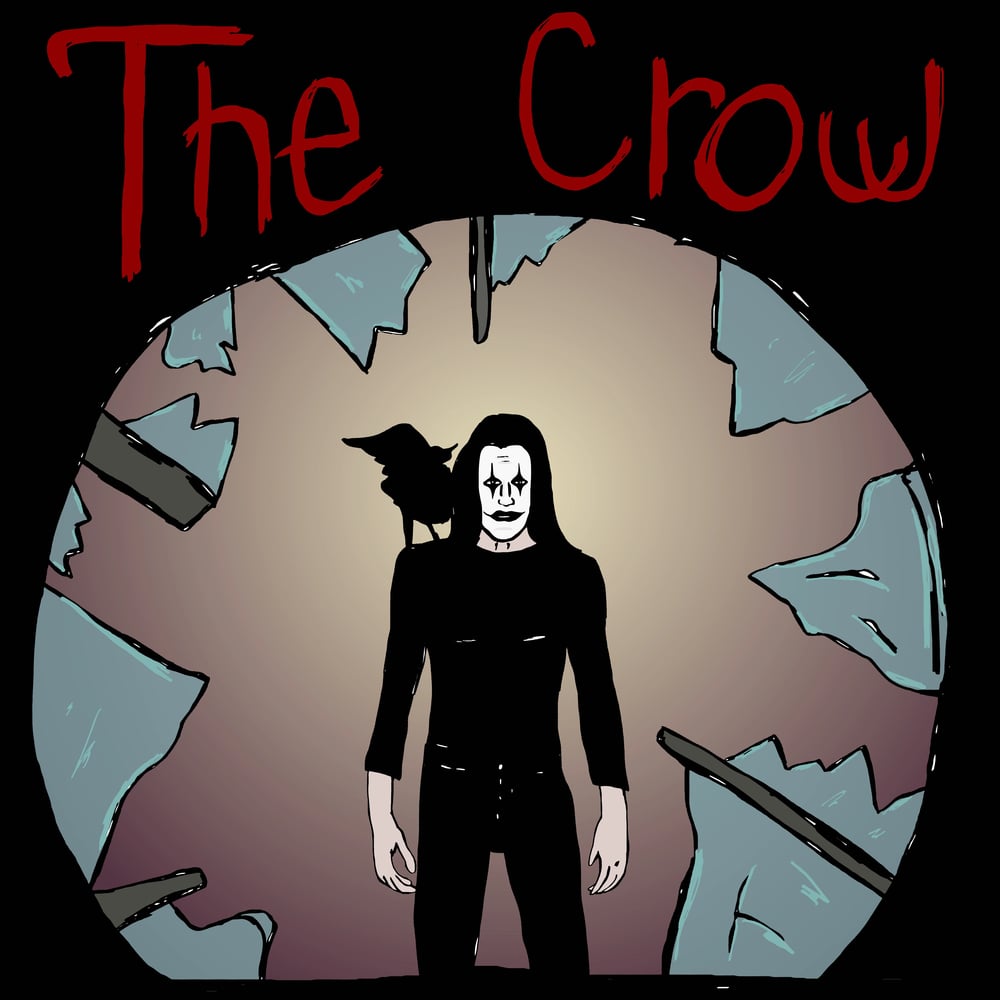
Brandon Lee died during production of The Crow in 1993, shot by a prop gun that wasn’t properly checked. The film was nearly complete, but several scenes still needed to be finished.
Rather than scrap the project entirely, the filmmakers used early digital effects combined with a body double to complete his remaining scenes. The technology was primitive by today’s standards.
They used face replacement techniques that involved mapping Lee’s face onto the double’s body, along with clever editing and existing footage. For 1994, this was groundbreaking work.
The film became both a cult classic and a memorial to Lee, who never got to see the final product. The decision to finish the film was controversial even then.
Lee’s family supported it, viewing completion as honoring his work. But it opened a door that would swing much wider in the decades to come.
Oliver Reed in Gladiator

Oliver Reed died during production of Gladiator in 1999, suffering a heart attack in Malta with several weeks of shooting left. Ridley Scott faced a problem: how do you finish an epic film when one of your main characters is gone?
The production used a body double for wide shots and digitally added Reed’s face for closer scenes. They also reworked the script to minimize his remaining screen time while still giving his character, Proximo, a proper send-off.
The techniques were more advanced than what The Crow had available, but still noticeable if you knew where to look. Reed’s scenes came together through a combination of CGI, careful lighting, and strategic camera angles.
The technology worked well enough that most viewers didn’t realize anything was different. The film went on to win Best Picture, and Reed’s performance remained powerful despite the circumstances of its completion.
Paul Walker in Furious 7
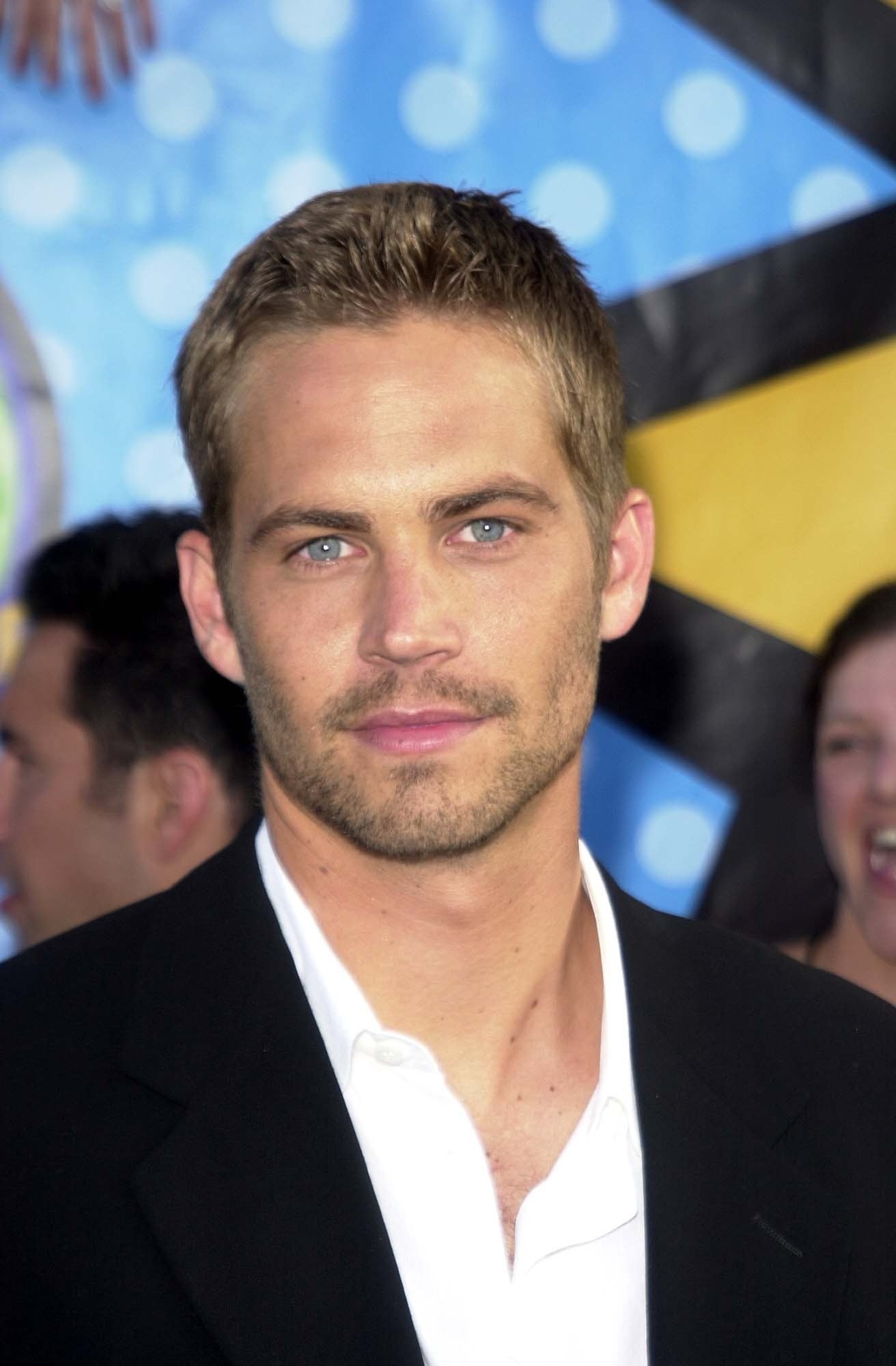
Paul Walker’s death in 2013 hit the Fast and Furious franchise hard. He was in the middle of filming Furious 7, and his character Brian O’Conner was central to the story.
The production shut down for months while everyone grieved and figured out what to do next. The solution involved Walker’s brothers, Caleb and Cody, serving as body doubles.
Digital artists then replaced their faces with Paul’s using performance capture technology that had advanced significantly since Gladiator. The process was expensive, time-consuming, and emotionally difficult for everyone involved.
The film’s ending was rewritten to give Brian a graceful exit from the series. That final scene, where Dom watches Brian drive off with his family, became one of the franchise’s most emotional moments.
The song “See You Again” played over it, and audiences knew they were watching something that transcended the usual action movie farewell. What made this different from earlier examples was the scale.
Walker appeared in substantial portions of the film, not just a few finishing scenes. The technology had reached a point where a deceased actor could carry significant screen time without the seams showing too badly.
Peter Cushing in Rogue One
Peter Cushing died in 1994. In 2016, he appeared in Rogue One: A Star Wars Story as Grand Moff Tarkin.
This wasn’t finishing incomplete work—this was resurrecting an actor for a completely new performance, decades after his death. The process involved another actor, Guy Henry, performing the role on set.
Then digital artists replaced Henry’s face with a computer-generated version of Cushing’s younger face, based on footage from the original Star Wars films. The result was technically impressive but fell into the uncanny valley for many viewers.
Something about it felt slightly off, even if you couldn’t quite put your finger on what. This crossed a new line.
One thing to finish an actor’s final film. Another thing entirely to hire them posthumously for a new project.
Cushing’s estate gave permission, which made it legal and ensured his family was involved in the decision. But it raised questions that go beyond legal rights.
Should we? Just because the technology exists doesn’t mean we have to use it. The backlash was real.
Many critics and viewers found it disrespectful, even creepy. Others appreciated seeing a beloved character portrayed by his original actor.
The debate continues.
Carrie Fisher in The Rise of Skywalker
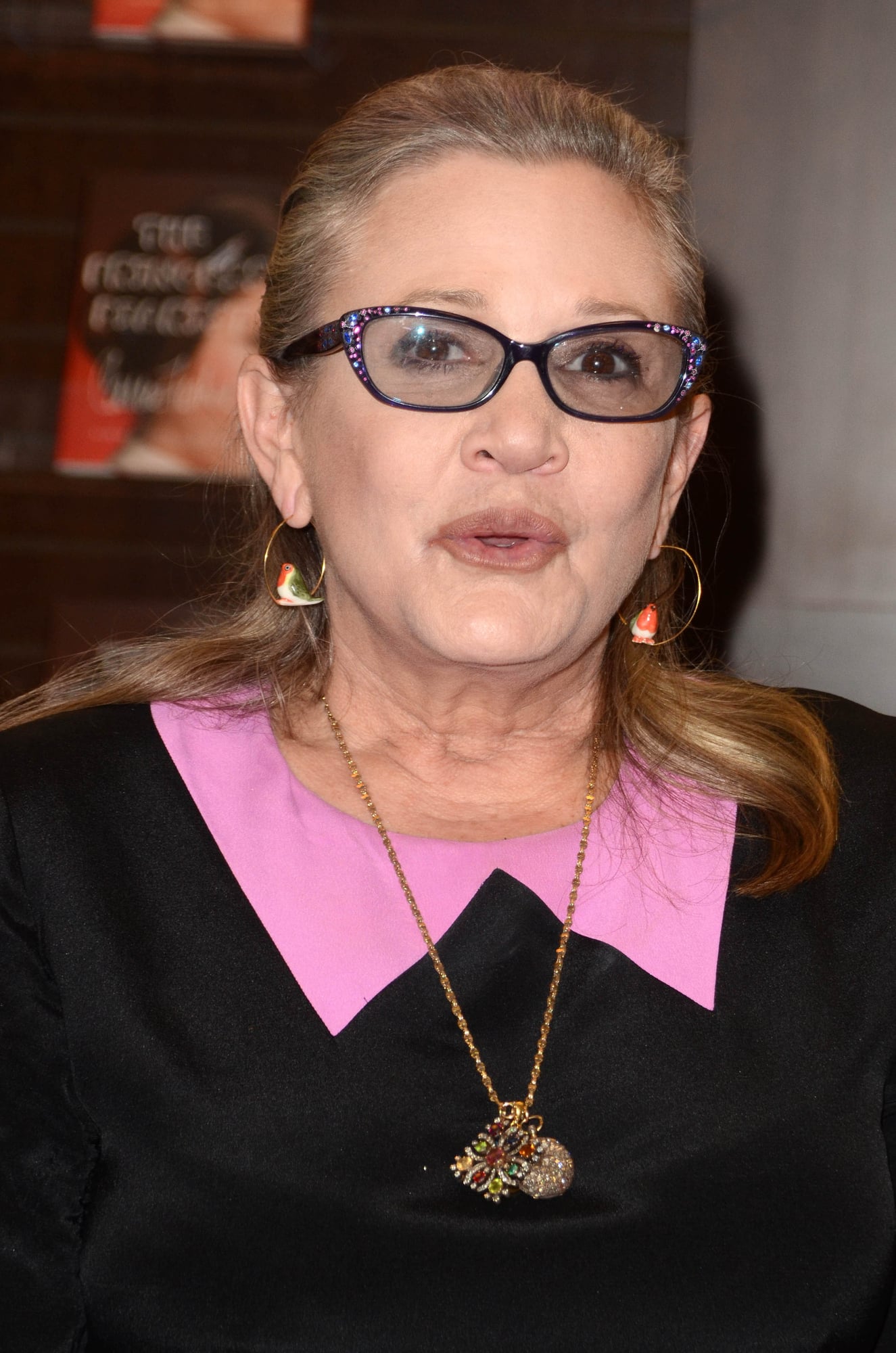
Carrie Fisher died in December 2016, shortly after finishing work on The Last Jedi but before filming The Rise of Skywalker. J.J. Abrams decided to include Leia in the final film rather than write her out or recast the role.
The approach was different from Cushing’s digital recreation. Abrams had roughly eight minutes of usable unused footage from The Force Awakens, repurposing scenes that had been cut or never used.
He then built new scenes around this existing footage, with other actors performing their parts to match what Fisher had already done years earlier. The film also included a brief Jedi-training flashback showing a younger Leia using a digital recreation and body double, similar to the technique used for Cushing.
But the bulk of her presence came from that limited pool of actual Fisher footage. This felt less invasive to many people.
Fisher had actually filmed most of this material, even if it was for a different purpose. The production was working primarily with her actual performance rather than generating a synthetic one.
Still, the limitations showed. Leia’s scenes in The Rise of Skywalker feel constrained, built around what footage was available rather than what the story ideally needed.
Harold Ramis in Ghostbusters: Afterlife
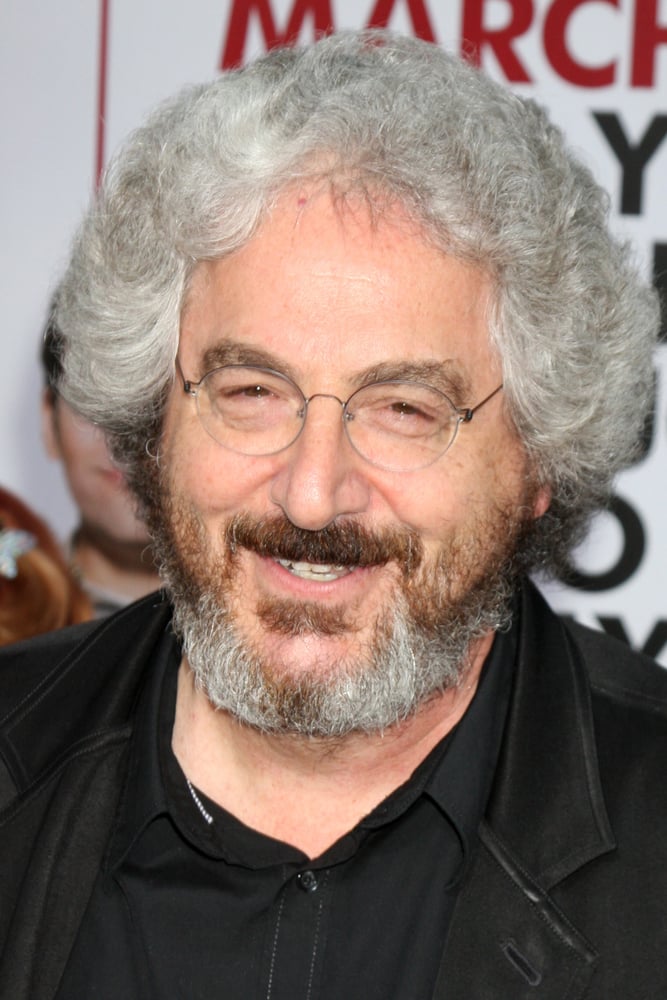
Harold Ramis appears briefly in Ghostbusters: Afterlife, released in 2021, seven years after his death. His character Egon Spengler shows up as a ghost in the film’s climax, helping the new generation of Ghostbusters save the day.
The scene lasts a few minutes. A digital recreation of Ramis appears alongside the original cast members, all of them older now.
The sequence is longer than a quick cameo but still brief enough to avoid extended scrutiny. It reads as a tribute more than a performance.
This represents yet another approach: the cameo resurrection. Not asking a dead actor to carry scenes, but bringing them back for a moment that serves the story and honors their legacy.
Whether this feels more or less respectful is subjective. Some appreciated the gesture.
Others wished the character had been left alone.
James Dean’s Upcoming Role
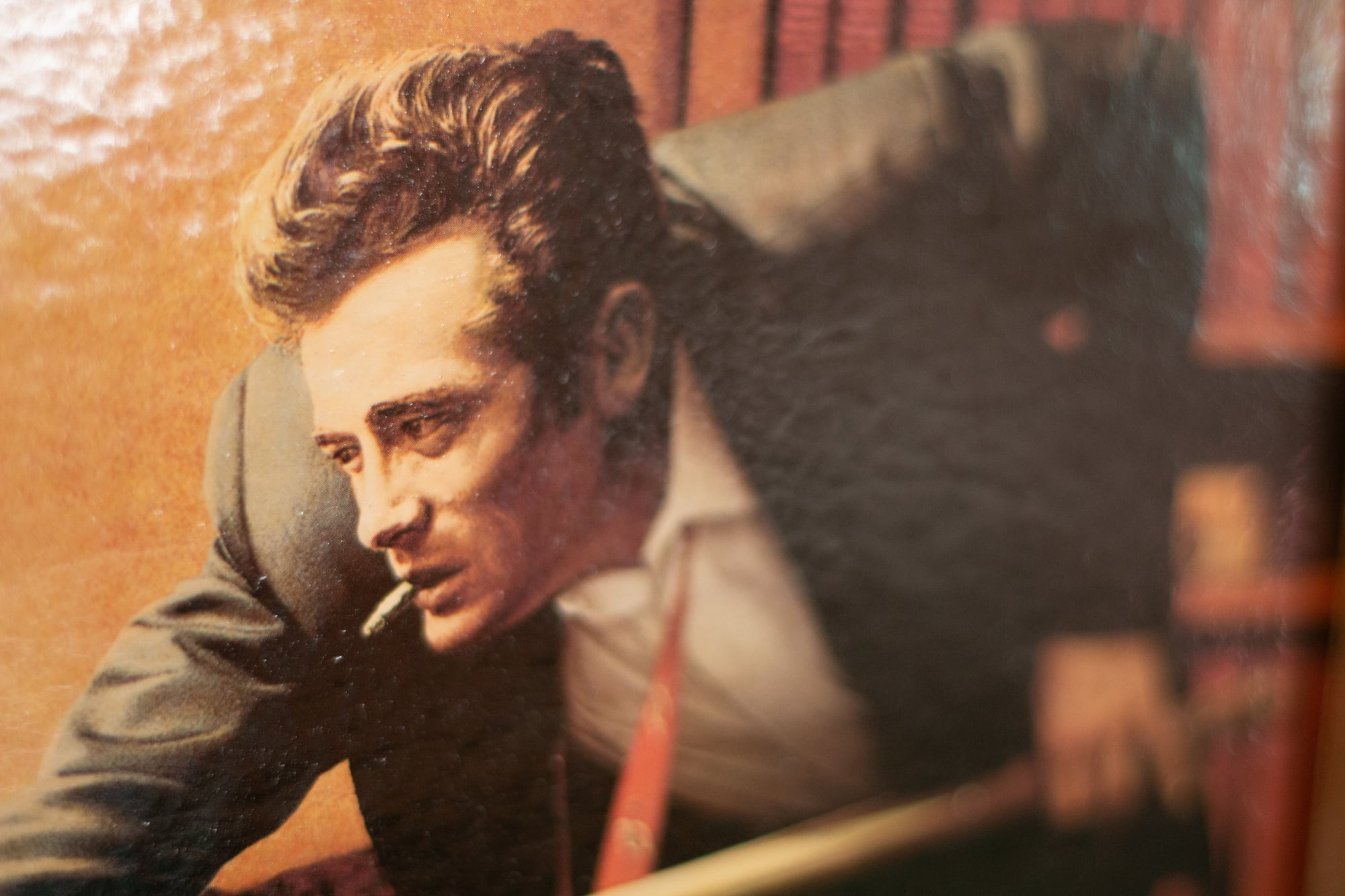
In 2019, a production company announced plans to cast James Dean in Finding Jack, a Vietnam War film. Dean died in 1955.
The plan was to digitally recreate him using existing photos and footage, then have another actor provide the voice and motion-capture performance. The announcement sparked immediate controversy.
Chris Evans called it “awful.” Elijah Wood tweeted “NOPE.”
The idea of casting a dead actor who couldn’t consent, for a role completely unrelated to anything he did while alive, struck many as a step too far. The project was eventually cancelled following the backlash.
But the fact that someone announced it shows where the technology and industry thinking have gone. We’ve moved from “Can we finish this actor’s final film?” to “Can we cast whoever we want, dead or alive?”
The ethical questions become stark when you’re not even pretending to honor someone’s legacy. You’re just using their likeness as intellectual property.
The Technology Behind Digital Resurrection

The techniques have evolved dramatically. Early efforts relied on creative editing, body doubles, and basic digital compositing.
Modern approaches use machine learning, facial capture databases, and sophisticated rendering that can create photorealistic faces that move and emote naturally. Creating a convincing digital actor requires massive amounts of source material.
The more footage available of the original actor, the better the result. This is why recreating Peter Cushing or Carrie Fisher works better than attempting someone with limited film history.
The algorithms need data to learn from. Performance capture provides the foundation.
A living actor performs the scenes, providing the movement, timing, and emotional baseline. Then artists digitally replace their face with the deceased actor’s likeness.
Voice presents its own challenge, often requiring sound-alikes or audio manipulation of existing recordings. The technology will keep improving.
Soon the uncanny valley will close completely. We’ll reach a point where digitally resurrected actors are indistinguishable from the real thing.
That doesn’t solve the ethical problems. It makes them more urgent.
The Legal Landscape

Rights to an actor’s likeness don’t automatically continue after death in all places. Post-mortem likeness rights vary significantly by jurisdiction.
Some states and countries provide strong protections that pass to estates, while others offer limited or no protection once someone dies. In the United States, California has particularly robust laws requiring clear consent from the estate for any commercial use of a deceased person’s likeness.
New York and several other states have similar statutes. But not all jurisdictions recognize these rights, creating a complex patchwork that entertainment lawyers must navigate.
Contracts are changing. Modern acting contracts increasingly include clauses about digital use, both during life and after death.
Some actors specifically prohibit posthumous digital resurrection. Others leave the decision to their estates.
A few have granted blanket permission. But law lags behind technology.
The legal framework was designed for a world where the dead stayed dead on screen. Courts are still figuring out how to handle cases where an actor’s entire performance is generated artificially.
Is that really “their” performance? Do they deserve credit as the actor, or should the credit go to whoever performed the motion capture?
These questions don’t have clear answers yet. They will need to be resolved as the practice becomes more common.
The Ethics of Consent
The core ethical issue is consent. An actor can’t consent to something after they’re dead.
Even with estate approval, we don’t know what the actor themselves would have wanted. Maybe their estate needs money and approves uses the actor would have hated.
Maybe the estate refuses permission for projects the actor would have loved. Some argue that any posthumous use is inherently wrong because true consent is impossible.
Others say estate permission is sufficient—after all, estates control many aspects of a person’s legacy, from book publications to music releases. Why should film appearances be different?
The context matters. Finishing a film the actor was working on feels different from casting them in something entirely new.
A brief tribute cameo feels different from a starring role. Using actual footage they filmed feels different from generating a synthetic performance.
But where exactly do you draw the line? And who gets to draw it?
The Audience Perspective

Viewers remain split. Some find any digital resurrection disrespectful and creepy, a violation of death’s natural boundary.
Others appreciate seeing beloved actors one more time, especially when done tastefully as a tribute. Younger audiences who grew up with advanced CGI tend to be more accepting.
Older viewers often find it more unsettling. But even within age groups, opinions vary widely.
Personal feelings about death, art, technology, and specific actors all influence how people react. The uncanny valley effect still limits acceptance.
When a digital recreation looks almost but not quite right, it bothers people more than something that’s obviously fake. As the technology improves and crosses that valley completely, audience comfort may increase.
Or the perfection itself might become unsettling in a different way. Box office results suggest most viewers are willing to accept the practice when done for major franchises they care about.
Rogue One and The Rise of Skywalker both performed well financially despite the controversy. Whether this represents genuine acceptance or just fans’ willingness to overlook concerns for beloved properties is debatable.
What Actors Think

Living actors have expressed concerns about setting precedents for their own eventual deaths. If posthumous resurrection becomes standard, what’s to stop studios from using it indefinitely?
An actor could theoretically keep “working” forever, with their estate collecting residuals while technology does the actual performing. Some see this as potentially undermining the value of living actors.
Why pay top rates for current stars when you can use deceased legends for less money? Though so far, the technology is expensive enough that this hasn’t become a serious problem.
Digital resurrection still costs more than just hiring someone alive. Others worry about their legacy.
Actors put thought into the roles they choose and the image they project. Posthumous casting removes their control over that carefully cultivated career arc.
They might end up in films they would have rejected, saying lines they would never have agreed to, representing values they opposed. SAG-AFTRA has negotiated specific protections in recent agreements.
Current contracts now include explicit rules requiring informed consent and fair compensation for the creation and use of digital replicas, both during an actor’s lifetime and after death. These provisions address concerns about AI-generated performances and ensure actors retain control over their digital likenesses.
The Director’s Dilemma
Directors face difficult choices when a key actor dies during production. Do you shut down the film entirely, losing millions and putting hundreds of people out of work?
Do you recast the role, which may anger fans and feel disrespectful? Do you rewrite the script, which might damage the story?
Or do you use digital recreation? Each approach has worked in different circumstances.
But digital resurrection often feels like the path of least resistance, especially for big-budget productions that can afford the technology. This creates pressure for other directors to follow suit, establishing it as the industry standard.
Some directors refuse to use digital actors on principle. Christopher Nolan has spoken against the practice.
Others, like Peter Jackson, have embraced digital characters for years, though usually creating fictional beings rather than real people. The technology also offers creative possibilities beyond just replacing deceased actors.
Directors can de-age actors, create younger versions for flashbacks, or combine performances from different takes in ways previously impossible. These uses, while different from posthumous resurrection, rely on the same underlying technology and normalize its presence in filmmaking.
When Technology Meets Memory

There’s something profound about watching someone who’s gone. Films have always offered a kind of immortality—you can watch Humphrey Bogart or Marilyn Monroe decades after their deaths, preserved exactly as they were.
Digital resurrection extends this but also transforms it. Traditional film preservation captures actual moments.
The actor was really there, really performed those lines, really created that art. Digital resurrection creates something new that never actually happened.
It’s not a memory anymore. It’s fabrication, even when done with respect and care.
This distinction matters to how we relate to the past. There’s value in acknowledging that some things are finished, that certain performances were someone’s final work.
Endlessly extending an actor’s career through digital means risks losing that sense of finality, of a life and career that was complete in itself. At the same time, storytelling has always involved artifice.
We accept that movies aren’t real, that they’re constructed illusions designed to move us. Maybe digital actors are just the next step in that long tradition of creating compelling illusions.
The Slippery Slope
We’ve gone from finishing incomplete films to casting the dead in entirely new projects. What’s next?
Fully digital actors who never existed at all? Studios own the rights to their digital likenesses and can deploy them indefinitely without the complications of dealing with actual human beings?
Some of this is already happening. Digital characters like Gollum or Thanos are essentially digital actors, even if they’re playing non-human roles.
Completely synthetic human characters have appeared in commercials and small film roles. The technology to create a convincing entirely digital human actor, with no living person as a basis, is approaching viability.
Once that technology arrives, the questions become even stranger. If you can create a completely convincing digital actor from scratch, why base them on a dead person at all?
Just make up someone new. Unless, of course, you want the marketing value and audience recognition that comes with famous names and faces.
The entertainment industry has always found ways to monetize whatever technology allows. Digital resurrection is no exception.
The question is whether we as a society accept this, regulate it, or reject it entirely.
Where the Line Might Be

Perhaps the answer isn’t a blanket yes or no but rather clear boundaries. Finishing an actor’s final film seems most defensible—honoring their work and allowing their final project to see completion.
Using existing footage for a related project, as with Carrie Fisher, feels like a middle ground. But casting dead actors in new, unrelated projects crosses into territory that feels more exploitative.
Using their likeness without their knowledge or input, potentially putting words in their mouth they never said and wouldn’t have agreed to, treats them as mere intellectual property rather than artists who had agency over their careers. Maybe the line is consent.
If an actor specifically approves posthumous use while alive, that changes things. Some celebrities have already started doing this, writing provisions into their wills about how their likeness can be used.
That at least provides some agency, even if exercised in advance. Or maybe the line is time.
A film the actor was actively working on feels different from one thirty years later. Their collaborators knew them, understood their craft, and could make informed choices about representing their work.
Decades later, everyone who knew them is also gone, and decisions are made by people with no personal connection.
Living Forever on Screen

This ultimately comes down to how we deal with death in a time when technology can make it seem as though people never truly pass away. We are able to maintain their presence on screen, their voices speaking, and their images moving.
However, we are unable to keep them alive. As technology advances, that distinction may disappear.
The uneasiness experienced by older viewers may not be felt by younger generations who have grown up with convincing digital actors. It’s possible that the practice will become so commonplace that questioning it will seem archaic.
Or perhaps the reverse occurs. Perhaps as technology advances, ethical issues become more apparent and difficult to overlook.
Perhaps we come to the conclusion that some boundaries should be maintained, that death has significance, and that attempting to avoid it digitally causes more issues than it resolves. In any case, movies never end.
Every actor who has ever appeared on screen has attained a certain level of immortality. We are still able to witness their live performances and the actual works of art they produced.
Maybe that’s sufficient. Maybe we don’t have to keep making new versions, putting words in their mouths, and acting as though they’re still here when they’re not.
There is technology. The legal system is evolving.
There is a genuine market demand. However, none of that clarifies whether we should continue in this manner or whether it is preferable to keep some doors closed.
More from Go2Tutors!

- The Romanov Crown Jewels and Their Tragic Fate
- 13 Historical Mysteries That Science Still Can’t Solve
- Famous Hoaxes That Fooled the World for Years
- 15 Child Stars with Tragic Adult Lives
- 16 Famous Jewelry Pieces in History
Like Go2Tutors’s content? Follow us on MSN.