Old Hollywood Icons with Hidden Pasts
The golden age of Hollywood sparkled with glamour, but behind those perfect smiles and polished images lay stories that would have shocked audiences of the time. Studios worked overtime to create fairy tale personas for their biggest stars, carefully hiding anything that might tarnish their carefully crafted reputations.
These larger-than-life figures seemed to live in a world of endless parties and romance, but many had traveled much more complicated paths to reach stardom. Let’s pull back the curtain and discover the fascinating stories that Hollywood’s publicity machine worked so hard to keep secret.
Lucille B. worked as a fashion model and chorus girl
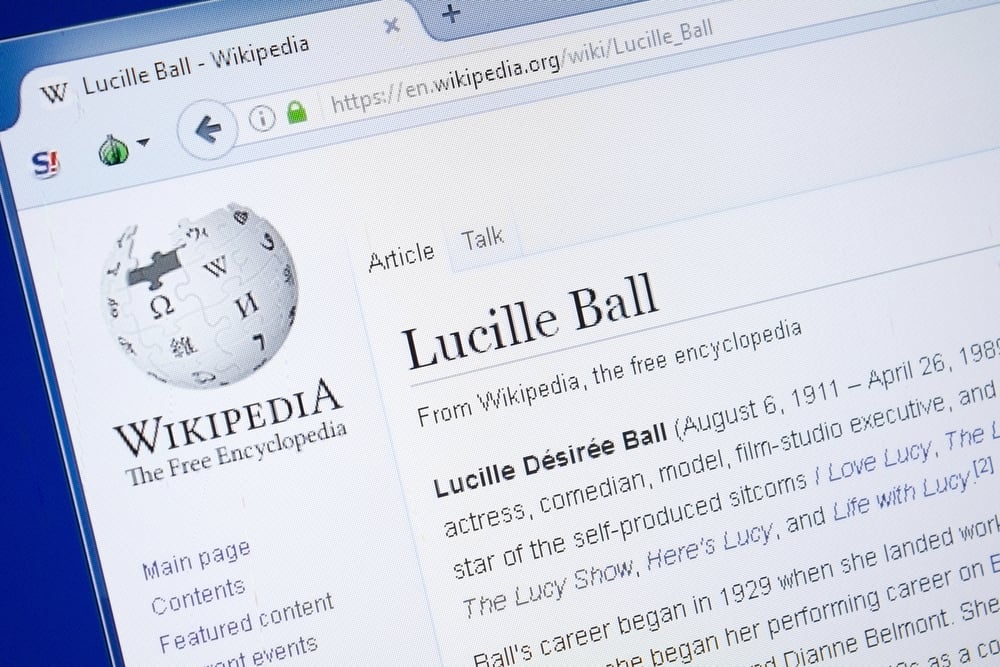
Before becoming America’s beloved Lucy, Lucille B. struggled through years of rejection and odd jobs in New York City. She worked as a fashion model for designer Hattie Carnegie, posed for advertisements, and danced as a chorus girl in various Broadway shows.
Lucille also worked as a soda jerk and even tried selling cosmetics door-to-door to make ends meet. Her early career was far from glamorous, filled with casting rejections and financial struggles that would have crushed many aspiring actors.
These humble beginnings taught her the work ethic and determination that would later make her one of television’s biggest stars and most successful producers.
Clark Gable had a secret daughter he never publicly acknowledged

Hollywood’s “King” had one of the industry’s best-kept secrets: a daughter named Judy Lewis, born from his affair with actress Loretta Young. Their relationship began on the set of “Call of the Wild” in 1935, and when Young became pregnant, she disappeared from Hollywood for several months.
Young claimed she had adopted the child, and Gable never publicly acknowledged his paternity. The truth only came out decades later when Judy Lewis wrote a book about her life.
This scandal would have destroyed both careers in an era when moral clauses in contracts gave studios complete control over their stars’ public images.
Like Go2Tutors’s content? Follow us on MSN.
Rita Hayworth was born Margarita Carmen Cansino and underwent a complete transformation
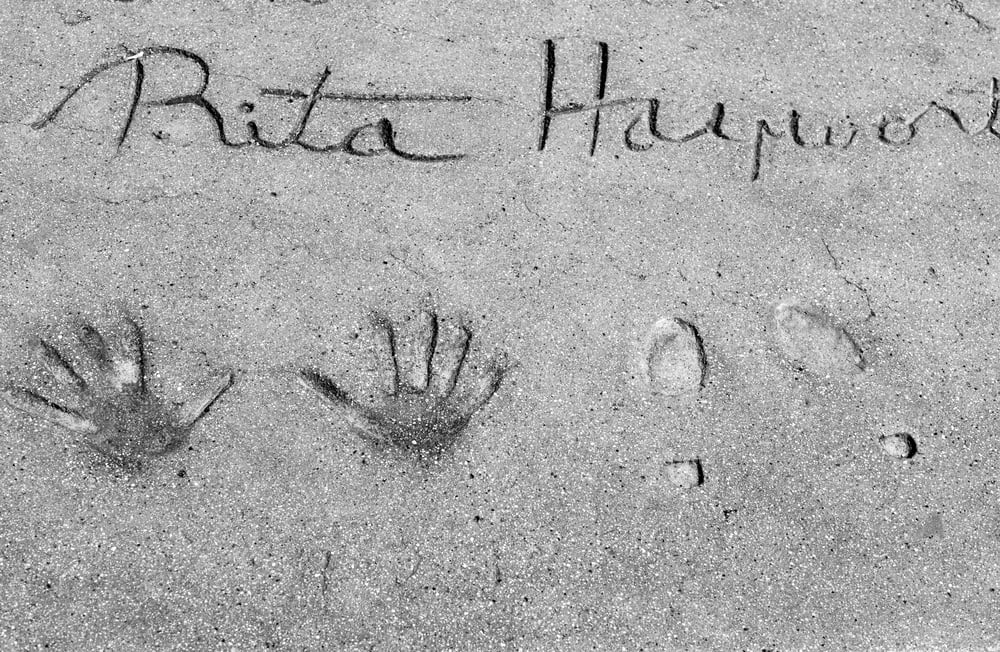
The glamorous redhead known as Rita Hayworth started life as a dark-haired Spanish-American dancer performing with her father in dingy nightclubs. Columbia Pictures completely remade her image, lightening her hair, changing her name, and using painful electrolysis to raise her hairline and reshape her face.
Rita Hayworth wasn’t the only one who went through such a drastic makeover, as Marilyn Monroe was known to go through the same electrolysis procedure. Hayworth’s transformation erased her ethnic identity to make her more appealing to mainstream white audiences.
She later said that men went to bed with Gilda, her famous movie character, but woke up with her, suggesting the psychological toll of living behind a manufactured persona.
Marilyn Monroe spent her childhood in foster homes and orphanages
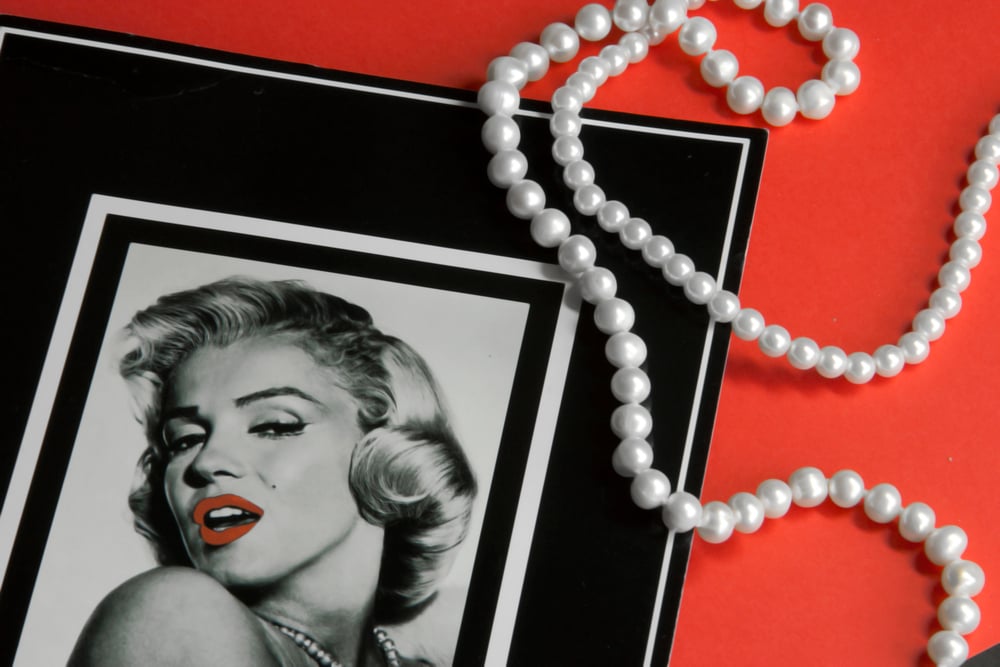
The world’s most famous blonde bombshell had one of Hollywood’s most troubled childhoods, bouncing between foster homes and orphanages throughout her youth. Her mother was institutionalized for mental illness, and Monroe never knew her father’s identity.
She married at 16 partly to escape the foster care system and worked in a munitions factory during World War II. These early experiences of abandonment and instability would haunt her throughout her career, contributing to her well-documented struggles with mental health.
The studios successfully sold her as a carefree party girl, but those who knew her described someone desperately searching for the love and security she’d never had as a child.
Rock Hudson lived a secret life that contradicted his heartthrob image

Hollywood’s ultimate masculine leading man was gay at a time when such revelations would have ended his career instantly. Hudson entered into a arranged marriage with his agent’s secretary to provide cover for his true relationships.
He lived in constant fear of exposure, carefully managing every public appearance to maintain his image as a romantic leading man. The studio system protected him by creating elaborate cover stories and ensuring his private life remained hidden from gossip columnists.
Hudson’s secret only became public knowledge when he announced his AIDS diagnosis in 1985, making him one of the first major celebrities to go public with the disease.
Like Go2Tutors’s content? Follow us on MSN.
Grace Kelly came from a working-class family, not royalty

Before becoming Princess Grace of Monaco, Grace Kelly grew up in a middle-class Philadelphia family where her father was a successful businessman who had worked his way up from humble beginnings. The studios promoted her as having aristocratic breeding, but her family had actually earned their wealth through hard work and business success rather than inheritance.
Kelly worked as a fashion model and struggled actress before landing her breakthrough film roles. Her path to actual royalty began in Hollywood, not in some European palace as publicity materials suggested.
The transformation from Philadelphia girl to Hollywood star to real princess became one of the most successful reinventions in entertainment history.
Judy Garland was given pills by studio executives from age 10
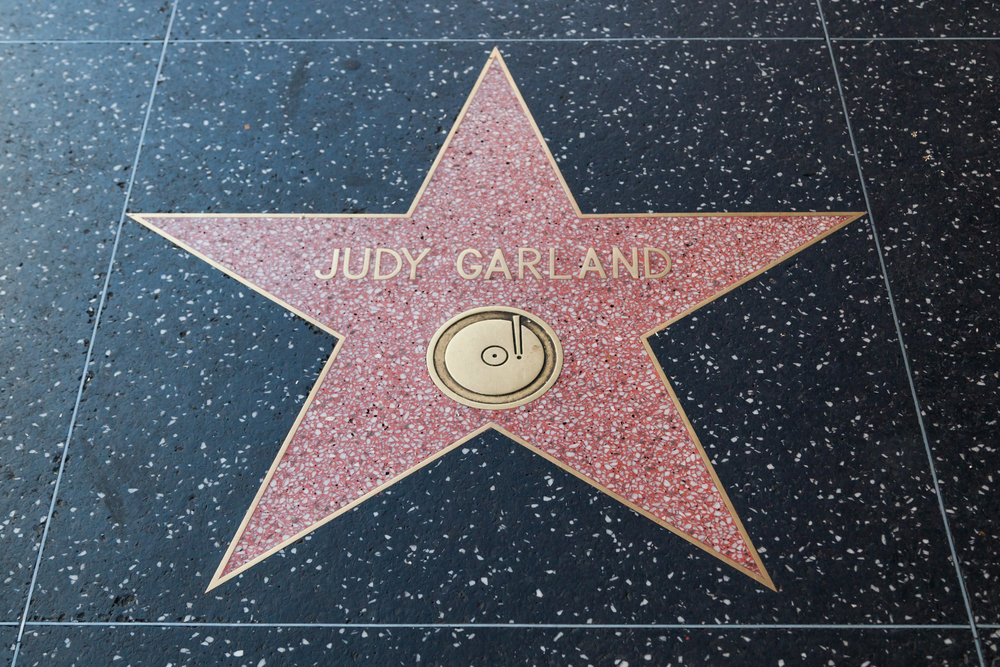
The girl who sang “Over the Rainbow” lived in a pharmaceutical nightmare created by MGM Studios, which gave her amphetamines to keep her thin and energetic, then barbiturates to help her sleep. Empty pill bottles were found in Marilyn Monroe’s bedroom after she was found dead in 1962, showing this was a widespread problem in old Hollywood.
Garland’s drug dependency began when she was a child performer, and the studio system treated her like property rather than a human being. Her struggles with addiction and mental health were carefully hidden from the public, who only saw the talented performer singing and dancing on screen.
The studio’s treatment of Garland represents one of the darkest chapters in Hollywood’s exploitation of young performers.
Cary Grant was born Archibald Leach in a Bristol slum

Hollywood’s most sophisticated leading man started life as a poor boy from England whose father told him his mother had died, when she had actually been committed to a mental institution. Grant ran away at age 13 and joined a traveling acrobatic troupe, learning the physical skills that would later serve him in action and comedy films.
He worked as a stilt-walker, juggler, and mime before making his way to America where he reinvented himself completely. Grant spent decades perfecting his refined accent and sophisticated mannerisms, creating one of cinema’s most successful transformations from working-class origins to aristocratic leading man.
His real background was so well-hidden that most fans never suspected their favorite suave actor had grown up in poverty.
Like Go2Tutors’s content? Follow us on MSN.
Elizabeth Taylor was married eight times to seven different men
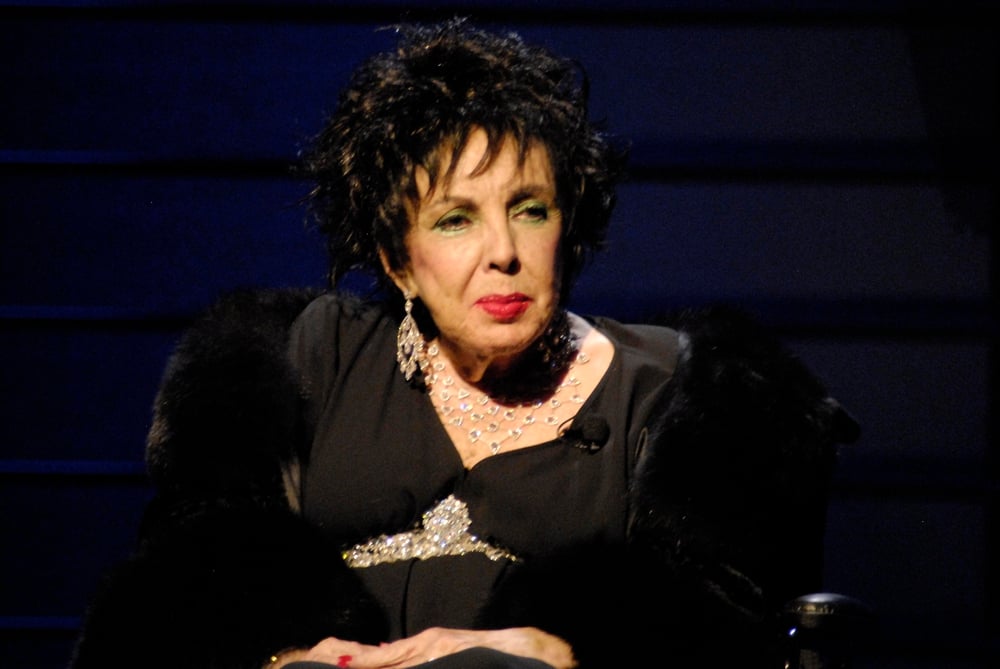
While the studios promoted her as the perfect romantic leading lady, Elizabeth Taylor’s personal life was a series of scandals that kept Hollywood publicity departments working overtime. She began her first marriage at age 18 and would go on to marry seven different men, including Richard Burton twice.
Many of her relationships began as affairs while she was still married to someone else, creating constant gossip column fodder.
James Dean struggled with his identity in an era of rigid social expectations

The rebel icon who defined teenage angst in the 1950s was wrestling with questions about his identity that went far beyond typical adolescent confusion. Dean had relationships with both men and women at a time when such behavior could destroy careers and reputations instantly.
He lived in constant tension between his authentic self and the image Hollywood wanted to project. Dean’s tragic death in a car accident at age 24 froze him forever as a young rebel, but those who knew him described someone searching for acceptance and struggling with the pressures of fame.
His brief career and mysterious personal life have made him one of Hollywood’s most enduring and enigmatic figures.
Joan Crawford worked in a laundry and waited tables before stardom
Before becoming one of Hollywood’s most powerful leading ladies, Joan Crawford worked grueling jobs to survive, including washing clothes in a commercial laundry and waiting tables in cheap restaurants. She entered dance contests to win prize money and worked as a shop girl in department stores.
Crawford’s rise from poverty to power was built on fierce determination and willingness to reinvent herself multiple times throughout her career. She changed her name, her speaking voice, and even her face through plastic surgery to stay relevant as Hollywood evolved.
Crawford’s transformation from working-class girl to movie star to business executive represents one of the entertainment industry’s most dramatic success stories.
Like Go2Tutors’s content? Follow us on MSN.
Gary Cooper was addicted to morphine for years

Hollywood’s strong, silent hero battled a secret addiction to morphine that began when he was prescribed the drug for various injuries sustained during his career. Cooper’s addiction was carefully managed by studio doctors who provided him with controlled doses while ensuring his public image remained untarnished.
He underwent several attempts at rehabilitation, but his dependency continued for years while he maintained his career as one of Hollywood’s most reliable leading men.
Lana Turner was discovered at a soda fountain, but not the way the story claimed

The famous story about Lana Turner being discovered while sipping a soda at Schwab’s Pharmacy was pure Hollywood marketing fiction designed to promote the idea that anyone could be discovered and become a star. In reality, Turner was skipping school and drinking a Coke at a different drugstore when she was spotted by a reporter who helped her get an introduction to a talent agent.
The real story was much less romantic than the studio version, but it still represented the kind of lucky break that thousands of young people moved to Hollywood hoping to experience. Turner’s fabricated discovery story became so famous that it inspired countless hopefuls to hang around soda fountains hoping to be spotted by talent scouts.
Humphrey Bogart was expelled from prep school for poor grades and bad behavior
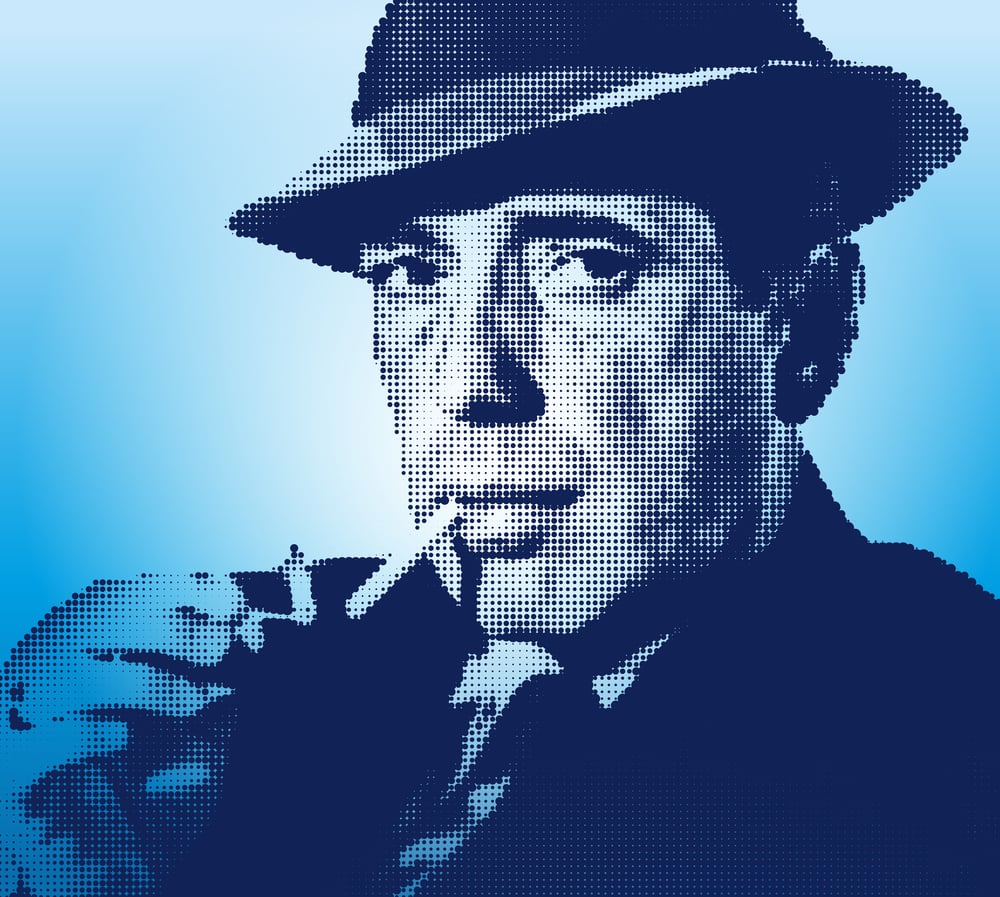
Before becoming the tough guy of film noir, Humphrey Bogart was a privileged prep school student whose family expected him to attend Yale University and join high society. Instead, he was expelled from Phillips Academy for poor academic performance and rebellious behavior that frustrated his teachers and parents.
Bogart enlisted in the Navy after his expulsion, where he received the scar on his lip that would become part of his distinctive appearance. His upper-class background was completely at odds with the working-class tough guy characters that made him famous.
The studios downplayed his privileged origins to make him seem more authentic in his gangster and detective roles.
Like Go2Tutors’s content? Follow us on MSN.
Veronica Lake’s peek-a-boo hairstyle was created to hide her crossed eye

The sultry actress famous for her blonde hair falling seductively over one eye was actually using her signature hairstyle to conceal a medical condition. Lake had been born with a crossed eye that was corrected through surgery, but she remained self-conscious about her appearance.
Her peek-a-boo style became so popular that women across America copied it, not knowing it had originated as a way to hide an imperfection. During World War II, the government actually asked Lake to change her hairstyle because women working in factories were copying it and getting their hair caught in machinery.
Her willingness to alter her famous look for the war effort showed a patriotic side that the studios used to enhance her public image.
Dorothy Dandridge broke color barriers but paid a devastating personal price

As one of the first Black actresses to be nominated for a Best Actress Oscar, Dorothy Dandridge faced racism that limited her career opportunities and personal choices in ways that would be unthinkable today. She was often forced to stay in segregated hotels and couldn’t even swim in the pools at venues where she performed.
Dandridge struggled with financial problems throughout her career because the film industry offered her so few opportunities compared to white actresses with similar talent. Her personal life was marked by troubled relationships and the challenge of raising a daughter with severe developmental disabilities.
Dandridge’s groundbreaking career came at enormous personal cost, and she died broke and alone at age 42, having paved the way for future generations of Black performers.
From hidden truths to lasting legends

These stories reveal how dramatically Hollywood has changed from an era when studios controlled every aspect of their stars’ public images to today’s celebrity culture where personal scandals often enhance rather than destroy careers. Studios worked tirelessly to protect their stars’ reputations, crafting perfect images while hiding secrets that could have destroyed careers overnight.
The golden age stars who seem so polished and perfect in old movies were often fighting battles that would be considered routine challenges for today’s celebrities.
More from Go2Tutors!

- 16 Historical Figures Who Were Nothing Like You Think
- 12 Things Sold in the 80s That Are Now Illegal
- 15 VHS Tapes That Could Be Worth Thousands
- 17 Historical “What Ifs” That Would Have Changed Everything
- 18 TV Shows That Vanished Without a Finale
Like Go2Tutors’s content? Follow us on MSN.