15 One-Hit Wonders That Defined a Decade
Music history is littered with artists who captured lightning in a bottle once and never quite found it again. These songs didn’t just climb the charts — they became the soundtrack to entire eras, defining moments in time with such precision that hearing them decades later can transport you instantly back to where you were when they first played on the radio.
Some artists spent years chasing that same magic, while others simply vanished into the footnotes of pop culture history, leaving behind only that one perfect moment when everything aligned. The beauty of a true one-hit wonder isn’t just in its fleeting success, but in how it manages to encapsulate the spirit of its time so completely that it becomes inseparable from the decade itself.
These are the songs that didn’t just reflect their era — they helped create it.
Come On Eileen
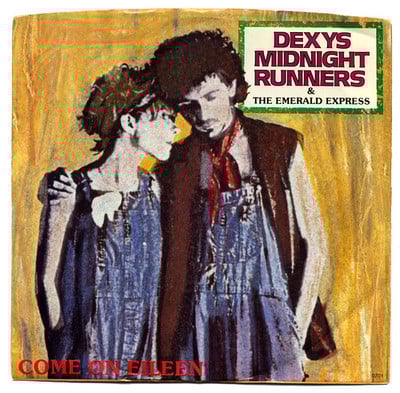
Dexys Midnight Runners delivered the ultimate Celtic-punk anthem in 1982. Fiddles, overalls, and Kevin Rowland’s passionate vocals created something entirely unique.
The song spent four weeks at number one and became synonymous with early ’80s British optimism.
Mickey
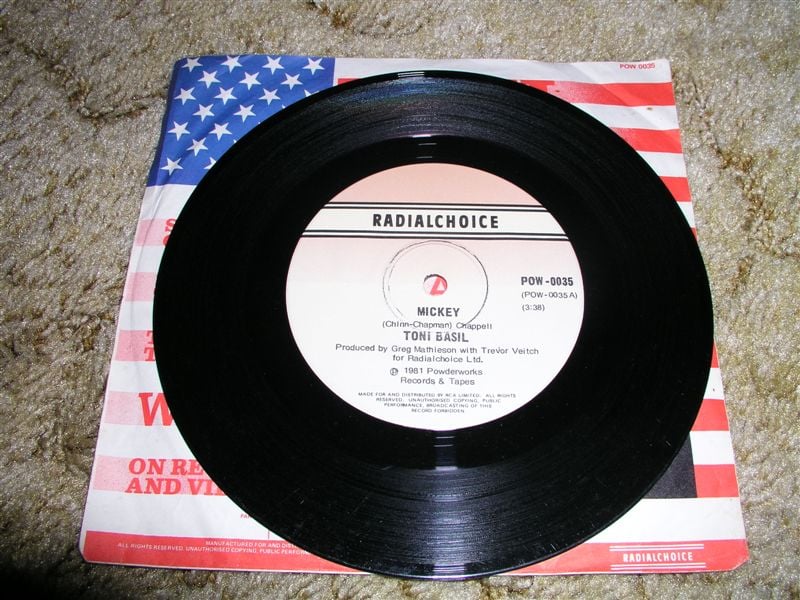
Toni Basil’s cheerleader anthem was impossible to escape in 1982. The music video, with its iconic choreography and Basil’s pom-poms, became an MTV staple.
At 26, Basil was playing a teenager — and somehow made it work perfectly.
Mambo No. 5
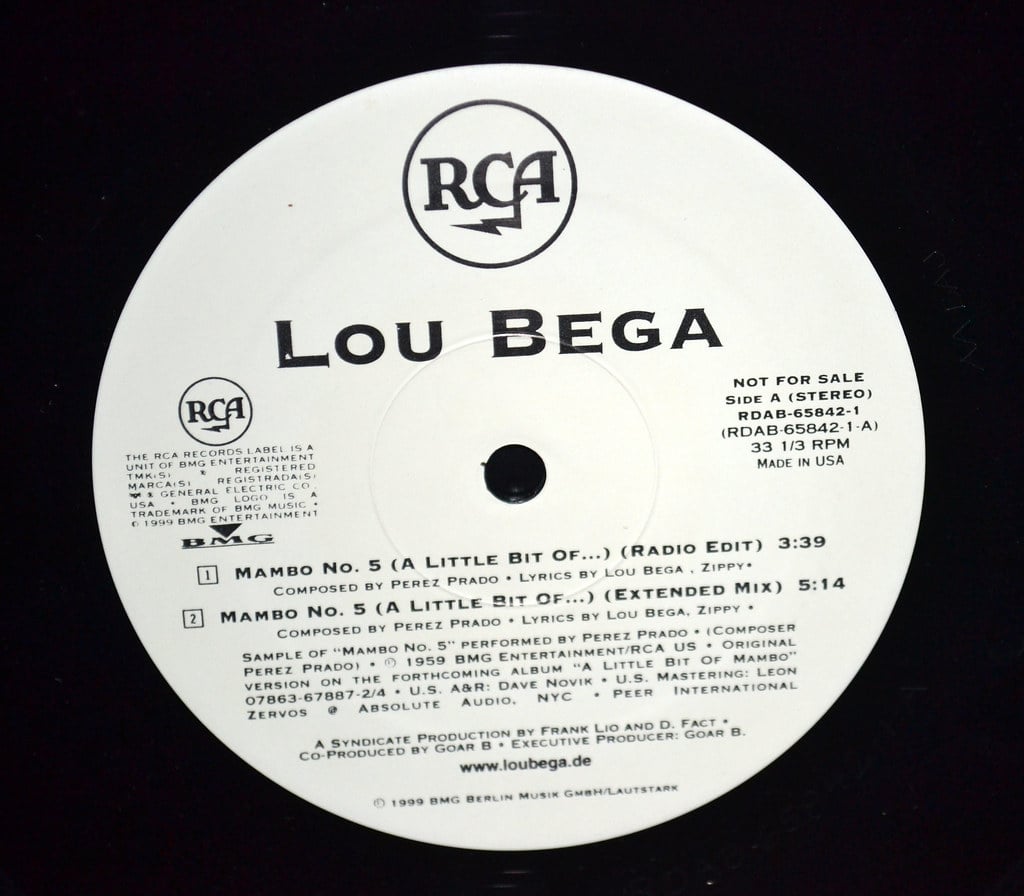
Lou Bega’s 1999 throwback hit arrived at the perfect moment (when the world was nostalgic for everything retro, when swing dancing was making an unlikely comeback in nightclubs across America, and when pop music was desperate for something that felt both familiar and fresh). The song sampled Pérez Prado’s 1949 mambo classic — but Bega’s version, with its roster of women’s names and that infectious trumpet line, became the soundtrack to summer 1999.
And yet it was so perfectly tied to that specific moment in time that it couldn’t possibly have lasted beyond it. The Y2K panic was looming, boy bands ruled the charts: here was something delightfully carefree.
So it dominated radio for months, then vanished as quickly as it appeared. Bega tried to recapture the magic with “Mambo No. 6” and other releases, but lightning doesn’t strike twice in the same tropical storm.
Ice Ice Baby
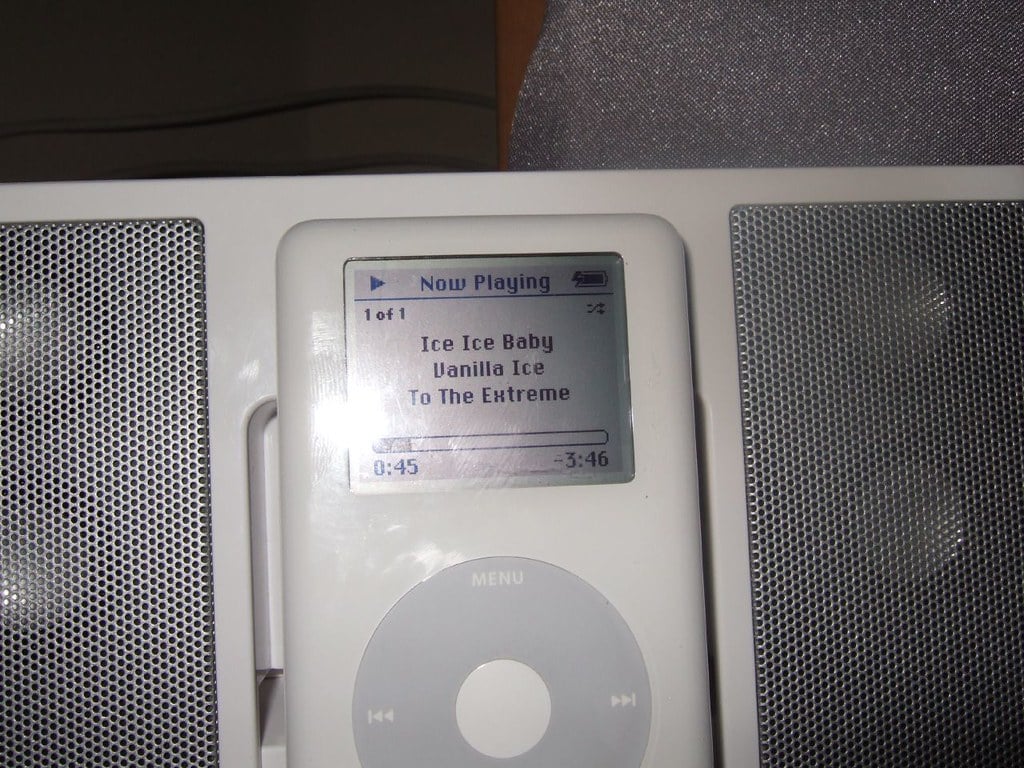
Vanilla Ice gets dismissed too easily. Sure, the guy was a white rapper from Texas with questionable street credibility, but “Ice Ice Baby” was the first hip-hop single to top the Billboard Hot 100. The Queen and David Bowie sample was genius, even if it led to legal troubles later.
The song perfectly captured 1990’s cultural confusion — hip-hop was going mainstream, but radio wasn’t quite ready for the real thing. Vanilla Ice provided a sanitized version that soccer moms could tolerate.
Not authentic, but undeniably effective.
Tubthumping
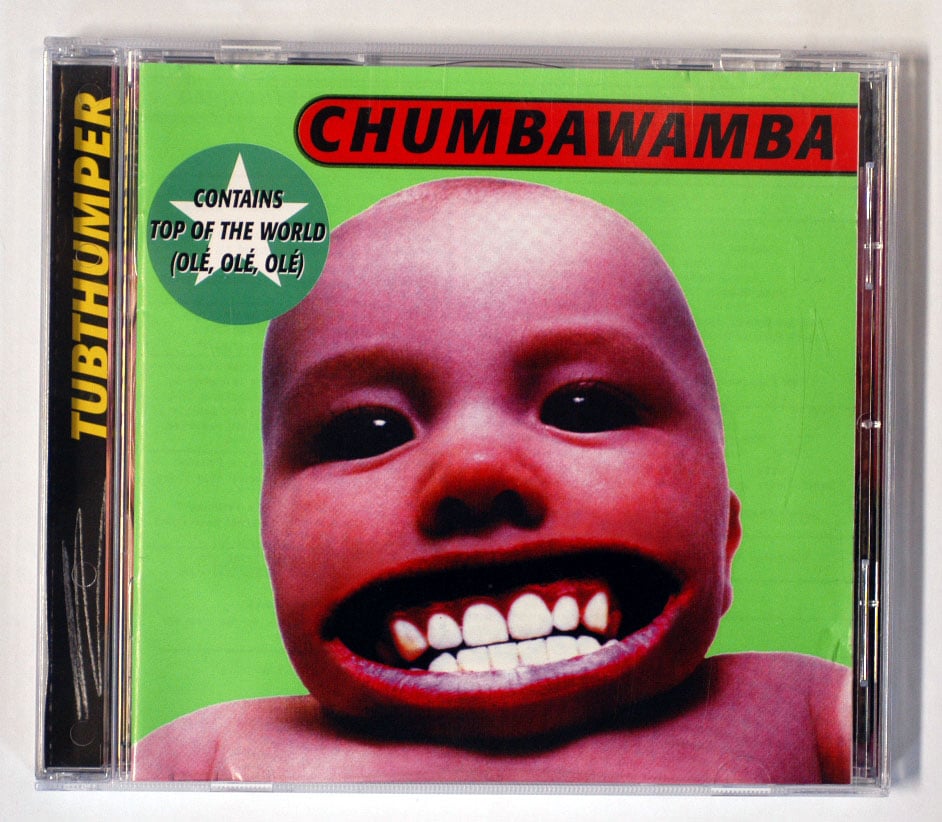
There’s something almost mystical about how Chumbawamba managed to distill the entire philosophy of resilience into three and a half minutes of organized chaos. Here was an anarcho-punk collective from Leeds, active for over fifteen years in complete obscurity, suddenly finding themselves with a global anthem about getting knocked down and getting up again.
The song doesn’t just describe the experience of perseverance — it embodies it, with its shambling, drunken energy and defiant chorus that sounds like it’s being shouted from the last bar before closing time. “Tubthumping” became the unofficial soundtrack to 1997 not because it was particularly sophisticated or groundbreaking, but because it captured something universal about the human condition with the subtlety of a sledgehammer and the precision of a master craftsman.
The band never came close to matching its success, but they didn’t really need to. Some statements are complete in themselves.
Macarena
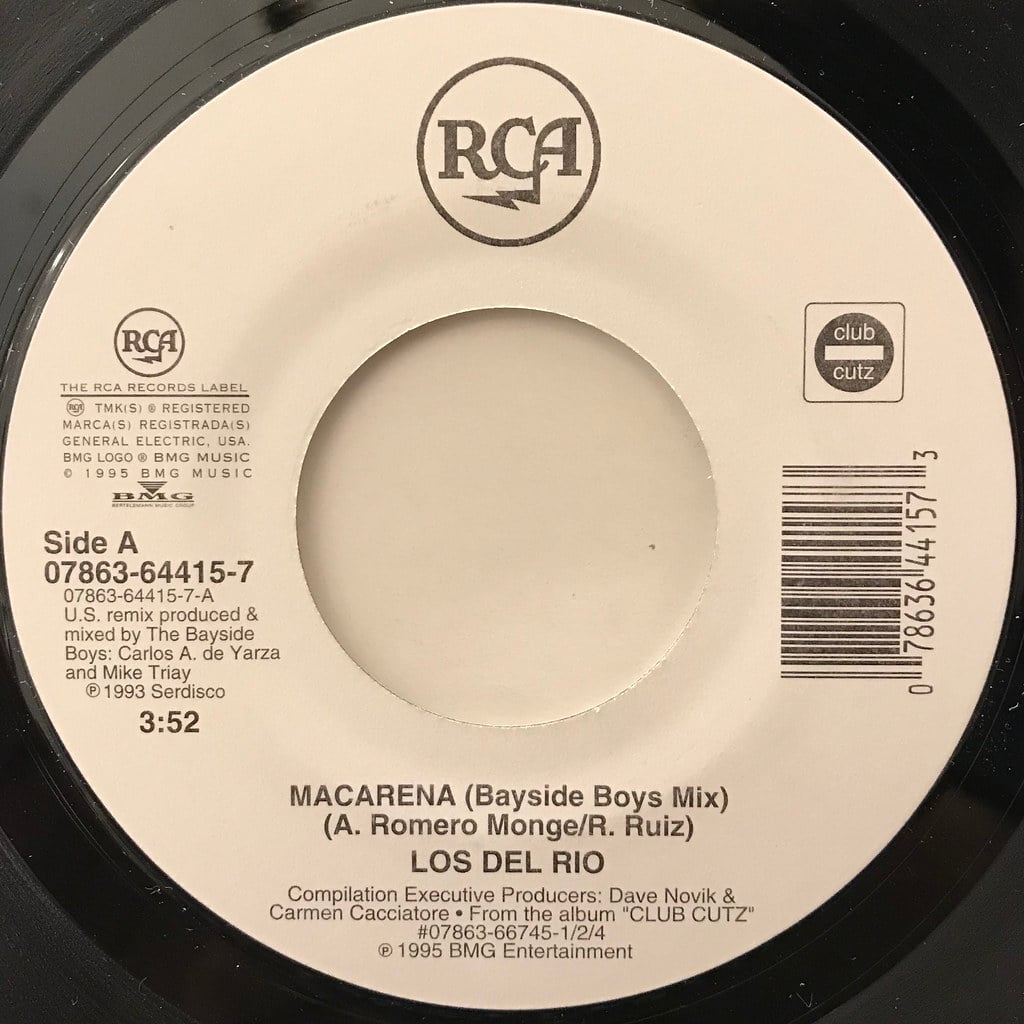
Los Del Rio turned a simple wedding song into a global phenomenon that conquered 1996. The dance craze transcended language barriers — everyone from elementary school kids to wedding guests knew the moves.
The song spent 14 weeks at number one, becoming one of the most successful singles ever. The Macarena wasn’t just a song; it was a shared cultural experience.
You either participated or watched from the sidelines, but you couldn’t ignore it.
Who Let the Dogs Out
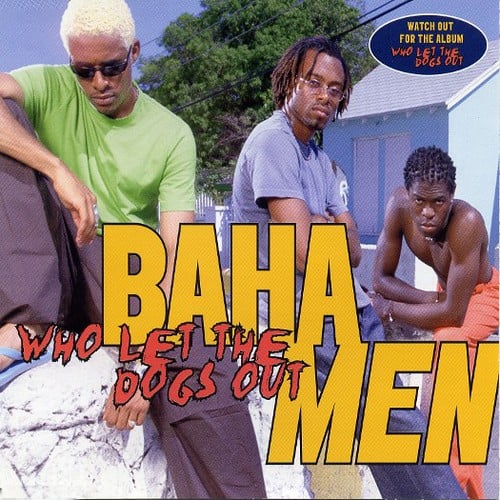
The Baha Men transformed a simple question into the most recognizable sports anthem of the new millennium (though the song’s origins trace back through multiple artists and versions, creating a genealogy so complex it required actual legal proceedings to sort out the credits). What started as a Caribbean carnival chant became the go-to soundtrack for every sporting event, political rally, and frat party between 2000 and 2002. But here’s what made it strange: nobody really knew what it meant, and nobody particularly cared.
The song succeeded precisely because it resisted interpretation. It was pure energy without message, celebration without cause — which made it perfect for the early 2000s, when irony was currency and sincerity felt dangerous.
The Baha Men tried to follow up with similar party anthems, but you can’t manufacture that kind of cultural lightning twice. Sometimes a moment chooses its song, not the other way around.
Torn
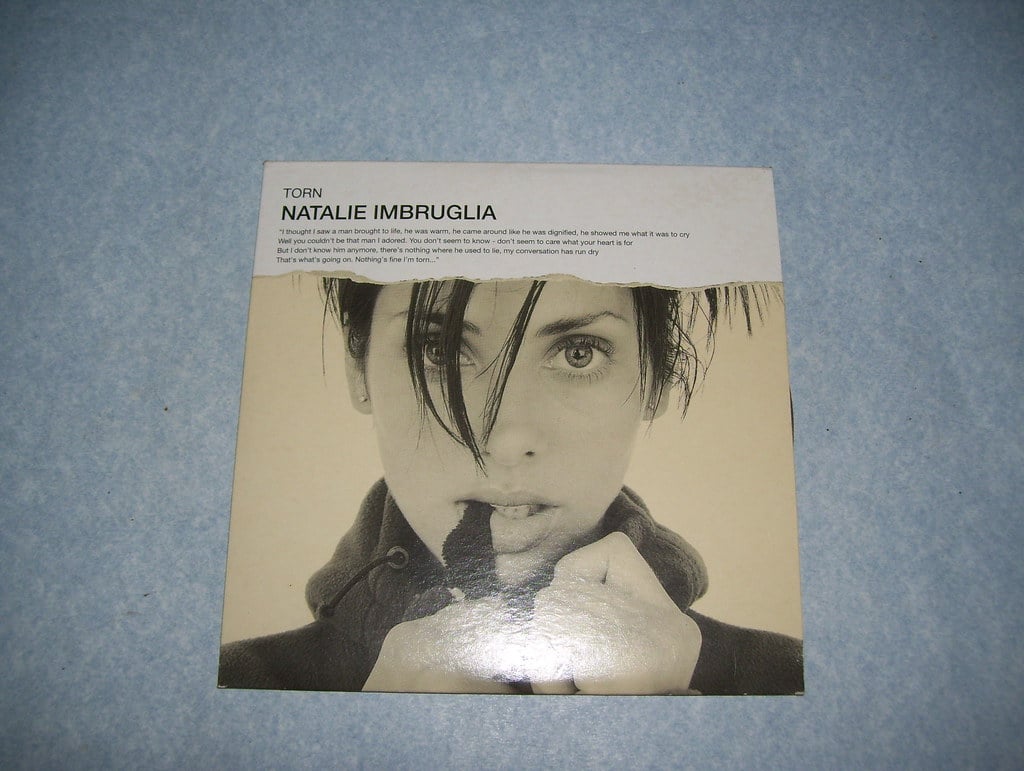
Natalie Imbruglia’s debut single was actually a cover — the song had been recorded by Ednaswap, then Anne Preven, before Imbruglia made it her own in 1997. Her version became a massive hit, showcasing her distinctive voice and establishing her as a serious artist beyond her soap opera origins on “Neighbours.”
The song’s vulnerability and raw emotion resonated with audiences worldwide. Imbruglia never quite matched its commercial success, but “Torn” remains a perfect snapshot of late ’90s alternative pop.
Mambo No. 5 (Correction: This should be “Steal My Sunshine”)
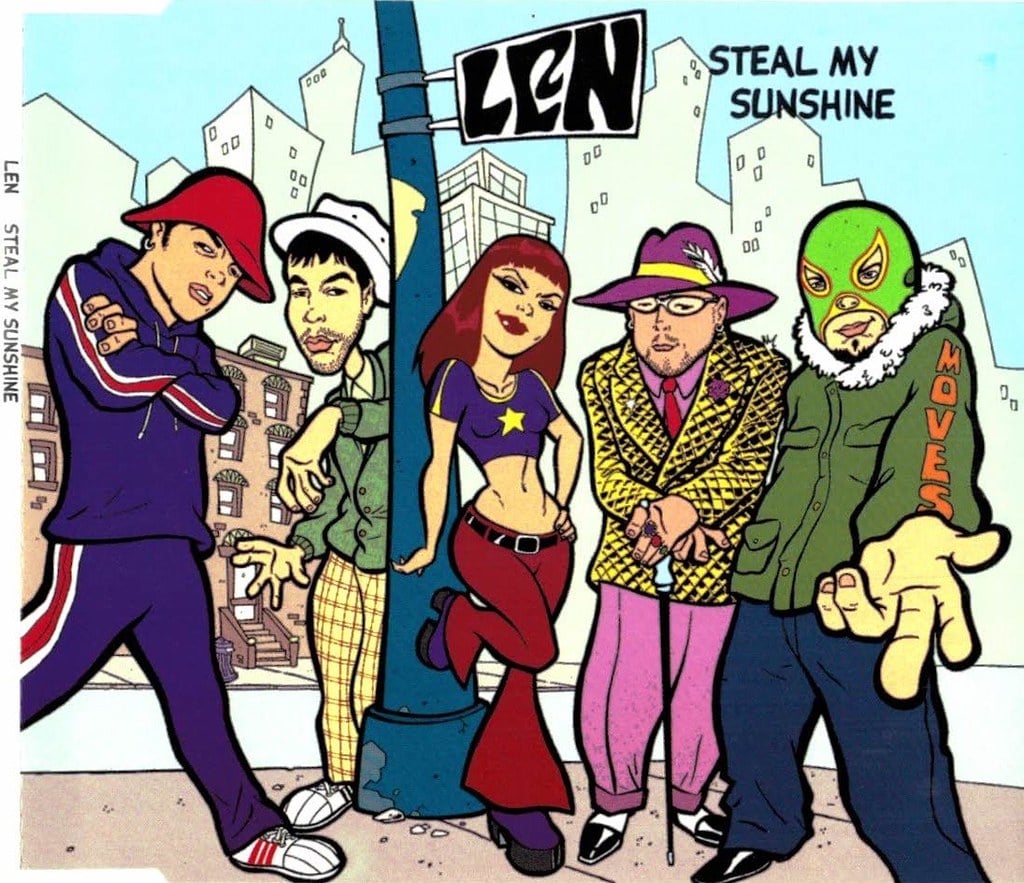
Len’s “Steal My Sunshine” was the sound of summer 1999 — lazy, hazy, and impossibly catchy. The Canadian sibling duo created something that felt both retro and futuristic, sampling Andrea True Connection’s “More, More, More” into a dreamy hip-hop confection.
The song captured the pre-millennium mood perfectly: optimistic but slightly disconnected, nostalgic for a past that never quite existed.
Rhythm Is a Dancer
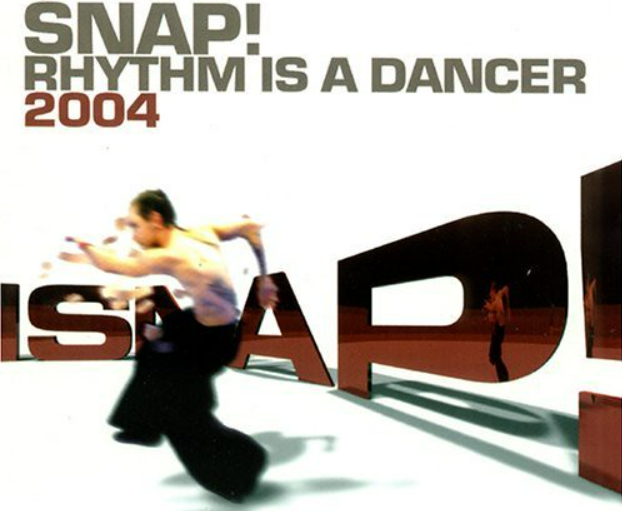
Snap!’s 1992 hit exemplified the early ’90s Eurodance explosion. The song’s hypnotic beat and Thea Austin’s powerful vocals created an irresistible dance floor anthem that dominated clubs across Europe and America.
It perfectly captured the era’s fascination with electronic music and rave culture.
Right Here, Right Now
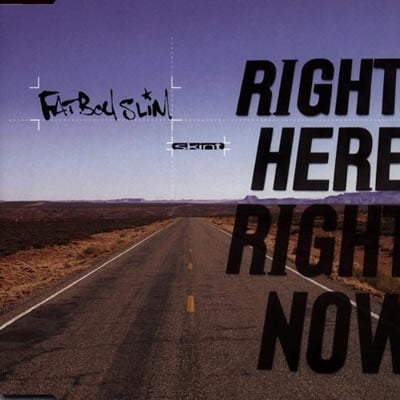
Fatboy Slim’s 1999 masterpiece wasn’t just a song — it was a statement of purpose for the entire electronica movement. Norman Cook had been making music for years under various aliases, but this track, with its distinctive guitar sample and pounding beats, became the sound of millennium fever.
The song perfectly embodied the late ’90s optimism and technological euphoria. It was the future, arriving right on schedule.
Informer
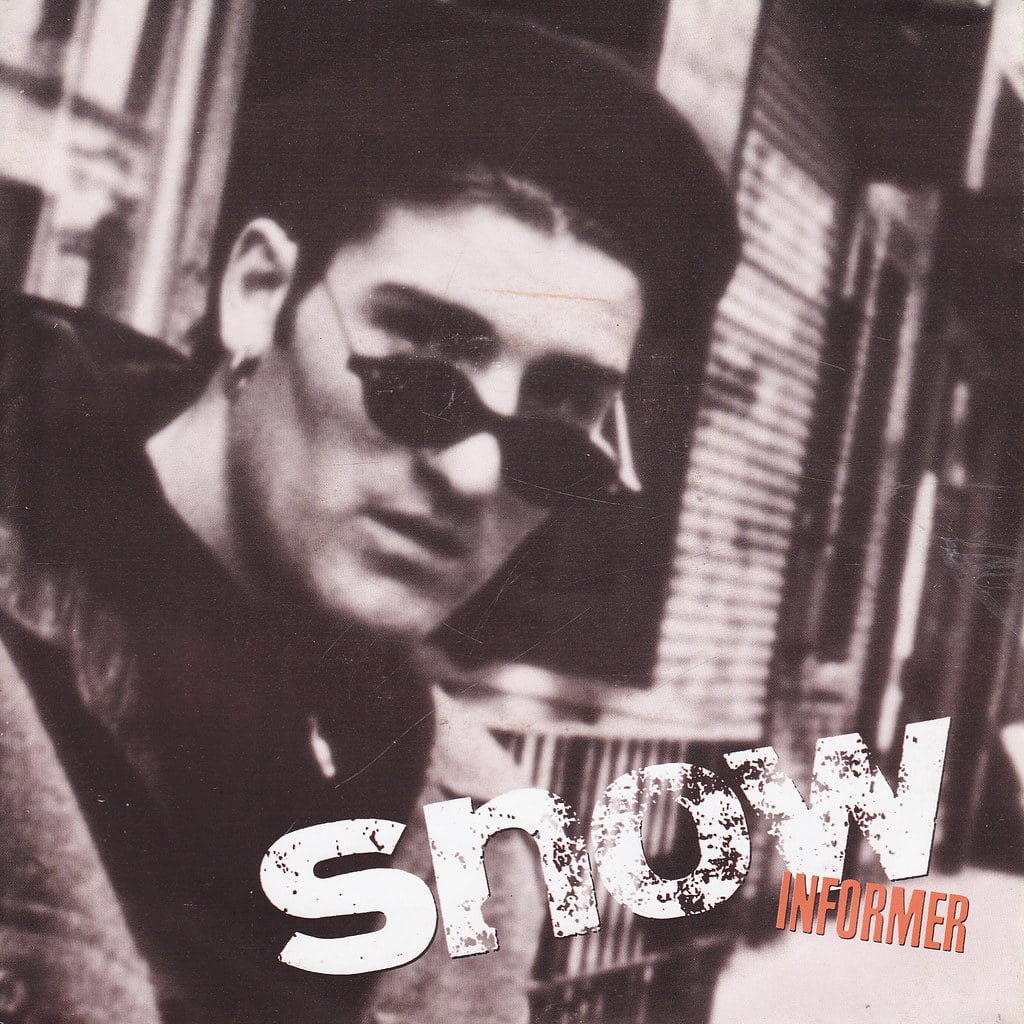
Snow’s 1992 hit was one of the strangest success stories of the decade. A white Canadian reggae artist singing in rapid-fire patois about police informants shouldn’t have worked, but somehow it did.
The song topped charts worldwide, despite many listeners having no idea what Snow was actually saying. The track’s success proved that sometimes authenticity matters less than pure infectious energy.
Blue (Da Ba Dee)
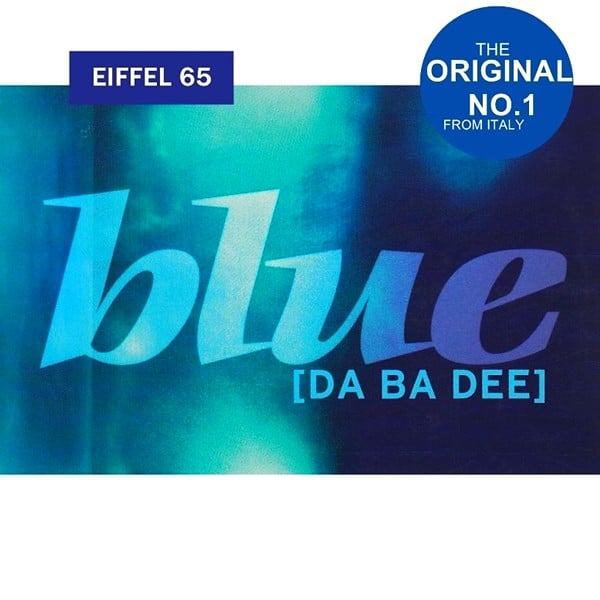
Eiffel 65’s 1999 hit was the sound of the future as imagined by the late ’90s — all Auto-Tune and primary colors and digital optimism. The Italian trio created something that sounded like it came from inside a computer, which was exactly what audiences wanted as the new millennium approached.
The song’s nonsensical lyrics and robotic delivery made it feel alien yet familiar. It was dance music for the dial-up internet age.
U Can’t Touch This
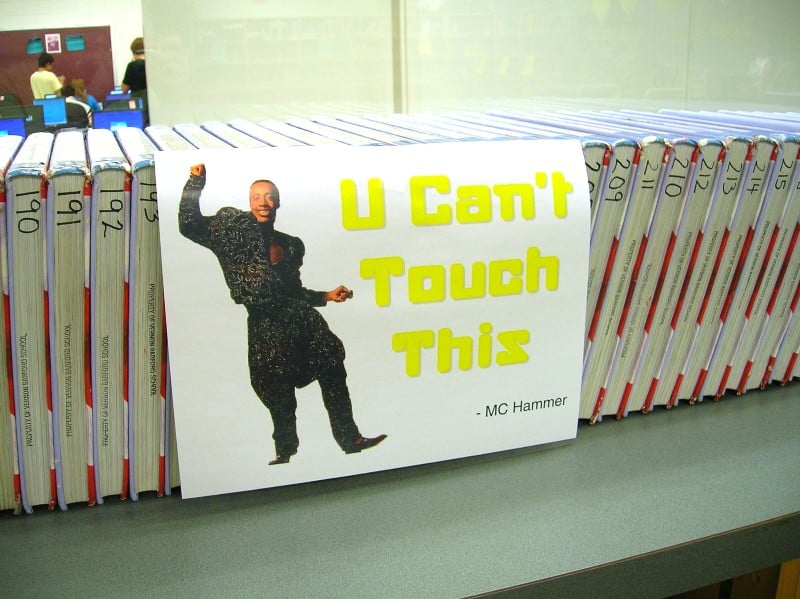
MC Hammer transformed Rick James’s “Super Freak” into 1990’s biggest hip-hop anthem. The song showcased Hammer’s distinctive dance moves and flashy style, helping to bring rap music to mainstream America in a way that felt safe for pop radio.
Hammer’s parachute pants and elaborate choreography became cultural touchstones. The song proved that hip-hop could be family-friendly without losing its energy.
What Is Love
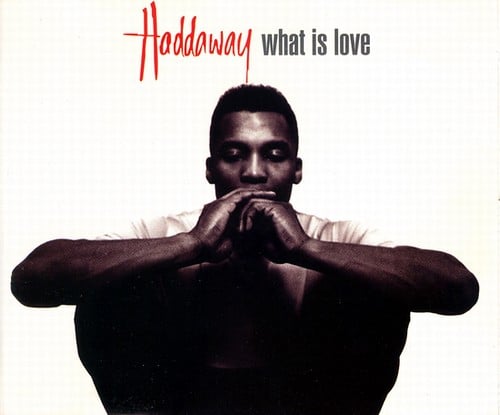
Haddaway’s 1993 Eurodance anthem became synonymous with the early ’90s club scene and later gained renewed fame through its use in “Saturday Night Live” and “A Night at the Roxbury.” The song’s philosophical question, delivered over pounding dance beats, captured the era’s blend of hedonism and existential searching.
The track exemplified the European dance music invasion of American radio, proving that sometimes the biggest questions deserve the biggest beats.
When Lightning Strikes Just Once

These songs didn’t just happen to become hits — they became time capsules, preserving the exact flavor of their respective moments with startling clarity. Each one represents a perfect collision of artist, audience, and cultural moment that couldn’t be replicated or manufactured.
The artists may have spent years trying to recapture that magic, but the real achievement was catching it in the first place. In an industry built on sustained success, there’s something almost noble about burning bright just once, then fading into legend.
More from Go2Tutors!

- The Romanov Crown Jewels and Their Tragic Fate
- 13 Historical Mysteries That Science Still Can’t Solve
- Famous Hoaxes That Fooled the World for Years
- 15 Child Stars with Tragic Adult Lives
- 16 Famous Jewelry Pieces in History
Like Go2Tutors’s content? Follow us on MSN.



