15 Truly Odd Geographical Facts
The world doesn’t follow our expectations. Just when you think you understand how geography works, you discover a city that exists in two countries at once, or a desert that’s technically underwater, or a border that moves every few months because nobody can keep a river in one place.
These aren’t the majestic landmarks or famous natural wonders that end up on postcards — they’re the geographical quirks that make cartographers lose sleep and remind us that Earth has a sense of humor.
The Sahara Desert Gets Snow
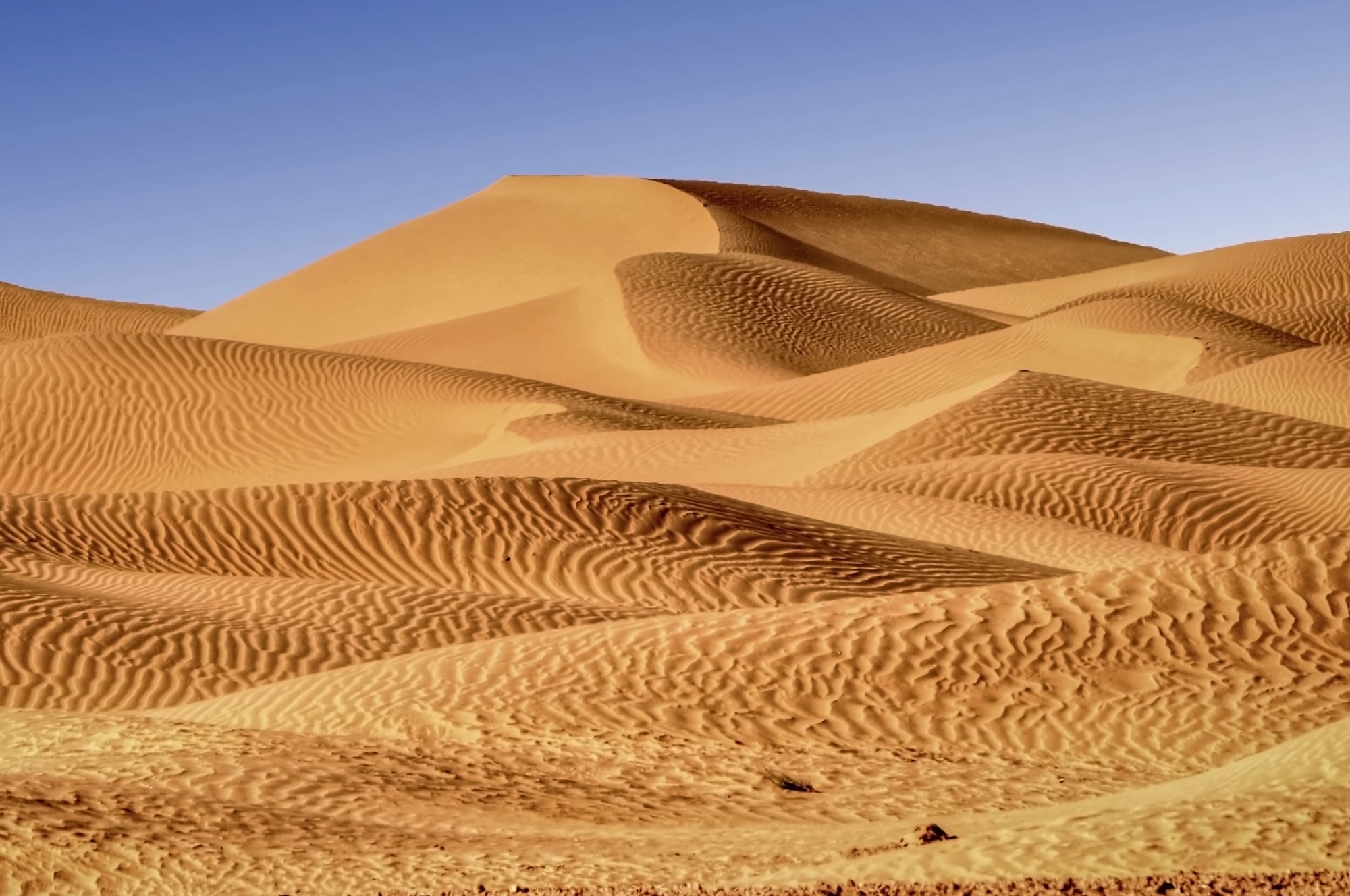
The Sahara gets snow. Not much, not often, but it happens.
In 2021, parts of Algeria woke up to sand dunes dusted white. The locals took photos because nobody would believe them otherwise.
The snow melted by noon, but for a few hours, the world’s largest hot desert looked like a confused winter wonderland.
Antarctica Has A Waterfall That Sheds

There’s a place in Antarctica where the ice appears to shed, and the explanation somehow makes it more unsettling than if it were actually supernatural. Blood Falls (yes, that’s the real name) pours red water from Taylor Glacier, and scientists have determined that the crimson color comes from iron-rich brine that’s been trapped beneath the ice for millions of years — a buried ocean that never sees sunlight, where microorganisms have been living in what amounts to geological solitary confinement, and when this ancient, oxygen-free water finally breaks through the glacier (which happens irregularly, because glaciers don’t follow schedules), it hits the air and rusts instantly, turning the waterfall into something that looks like the Earth opened a vein.
But here’s what gets you: that water has been down there since before humans existed. Longer than that, even.
And the microbes living in it have been cut off from the surface world for so long that they’ve had to figure out how to survive without sunlight, without oxygen, in water saltier than the ocean — basically, they’ve been running their own separate experiment in evolution while the rest of life moved on above them.
Point Roberts Exists Only Because Of Stubbornness

Point Roberts, Washington, sits like a geographical afterthought — a small American peninsula that dangles below the 49th parallel, completely cut off from the rest of the United States.
To reach it by land, you have to drive through Canada, which means crossing two international borders just to get groceries in your own country. The residents live in a kind of bureaucratic purgatory, where buying milk requires a passport.
This happened because 19th-century diplomats drew a straight line on a map without bothering to look at the actual coastline first. When they realized their mistake, neither country wanted to give up the land.
So Point Roberts remains, stubborn and stranded, a monument to the fact that sometimes the most absurd solution is the one that sticks.
The Smallest Country Can Fit Inside Central Park
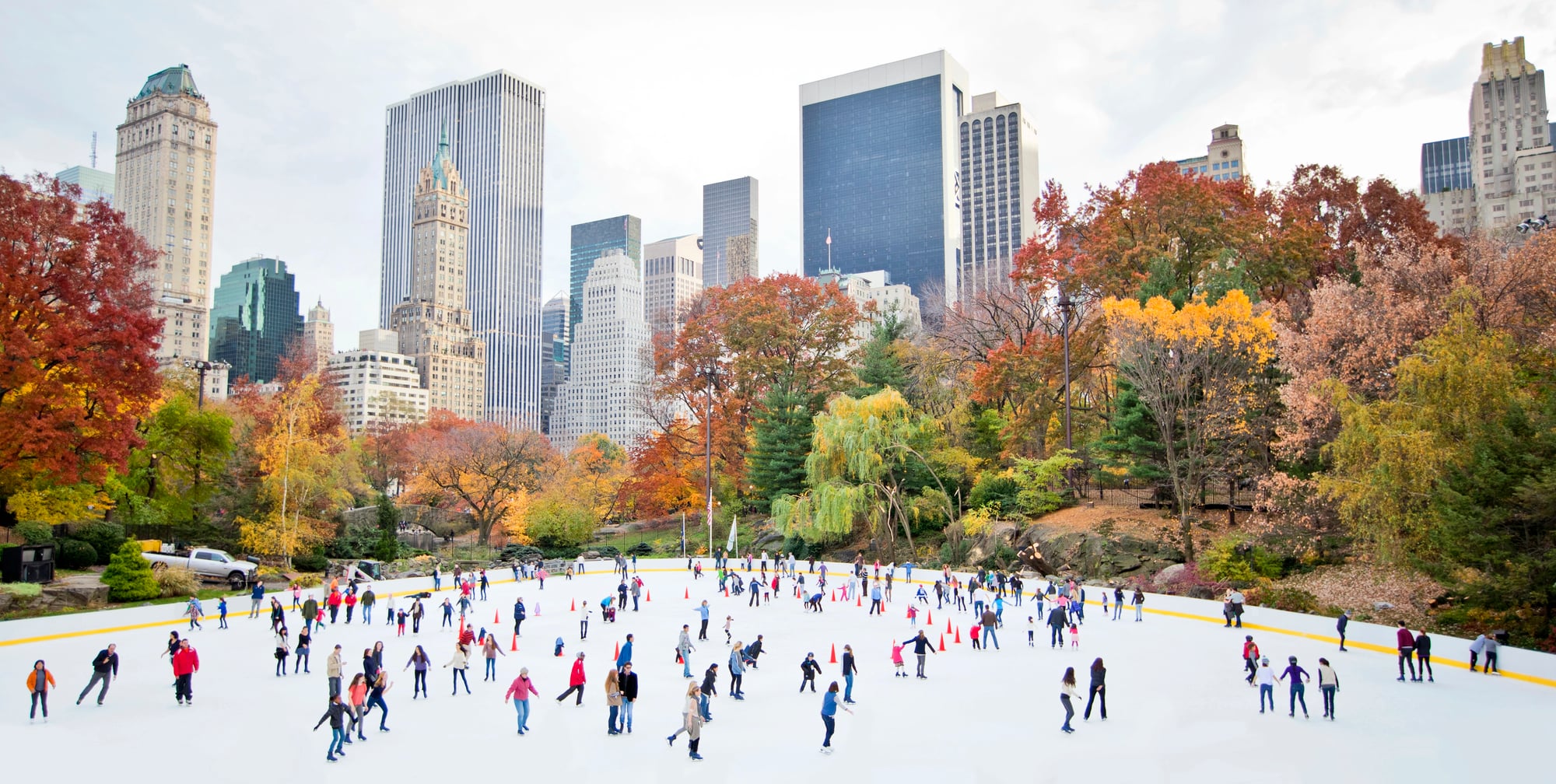
Vatican City measures 0.17 square miles. Central Park measures 1.3 square miles.
Do the math and the absurdity becomes clear — you could fit the entire sovereign nation of Vatican City inside Central Park seven times over, with room left for a decent-sized lake.
This means that on any given day, more people are probably jogging through Central Park than live in an entire country. The Pope’s morning walk covers roughly the same distance as a New Yorker walking two city blocks.
Geography doesn’t always respect the importance we assign to places.
Two Countries Share The World’s Longest Undefended Border
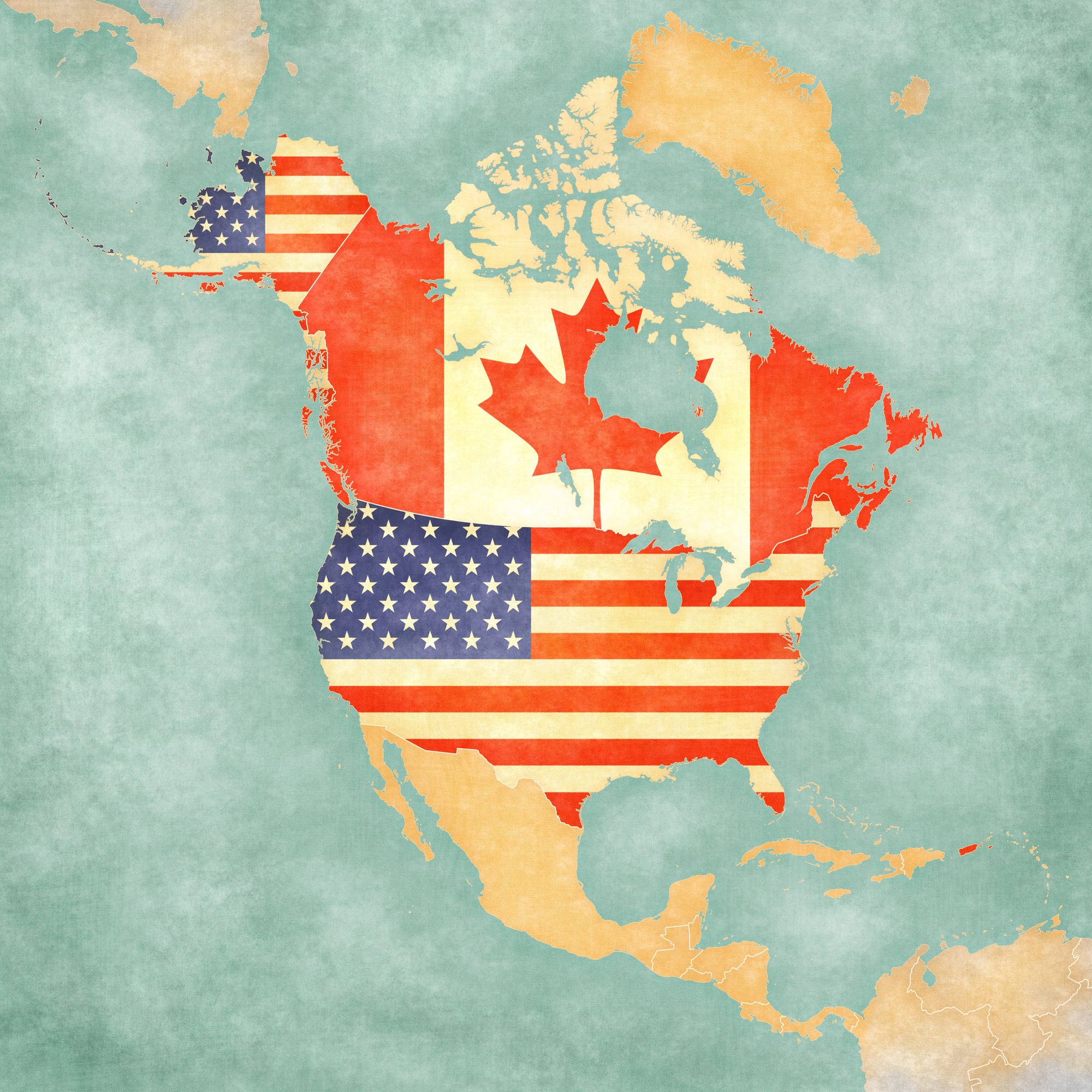
Canada and the United States share 5,525 miles of border, and most of it exists as nothing more than an idea.
No walls, no guards, no razor wire — just an imaginary line that runs through forests, across lakes, and over mountains, marked occasionally by small monuments that look like oversized survey stakes.
In some places, the border cuts through towns, libraries, even individual buildings, creating situations where you can eat breakfast in one country and lunch in another without ever getting up from the same restaurant table.
This arrangement works because both countries decided, sometime around 1817, that they’d rather spend their money on other things than building a continental-scale fence.
Which sounds obvious until you remember that this is the longest international border in the world, and it’s essentially maintained on the honor system. Geography becomes a lot more flexible when neighbors actually get along.
Mount Everest Grows Every Year
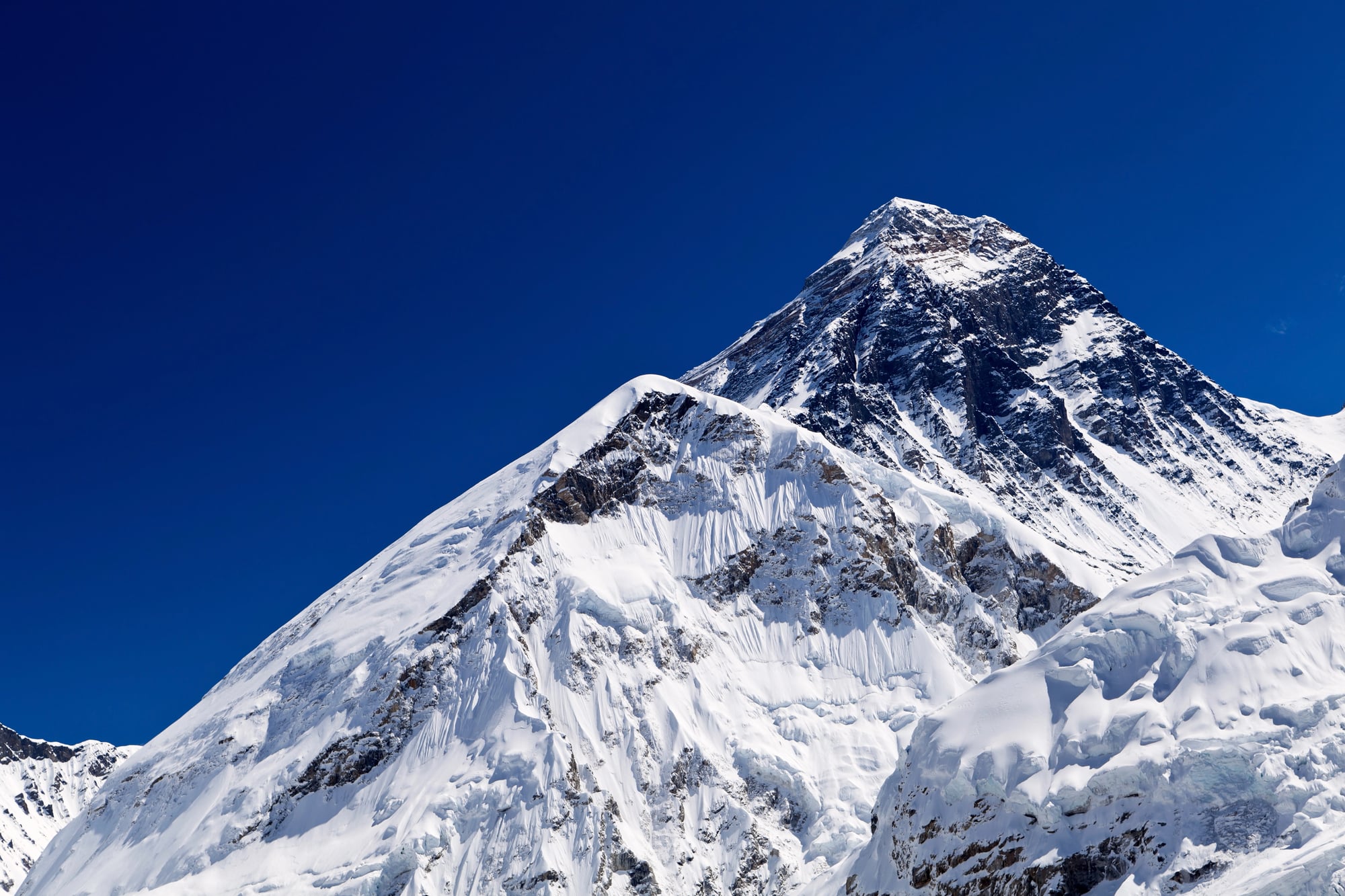
Everest keeps getting taller. Not dramatically — maybe an inch every few years — but enough that mountaineers are technically climbing a slightly different mountain than the ones who came before them.
This happens because India crashes into Asia at roughly the same speed that fingernails grow, which sounds gentle until you remember that continents don’t compromise.
The collision pushes the Himalayas upward, grain by grain, making Everest less a fixed landmark than a very slow construction project.
The Netherlands Has Land That’s Still Being Born
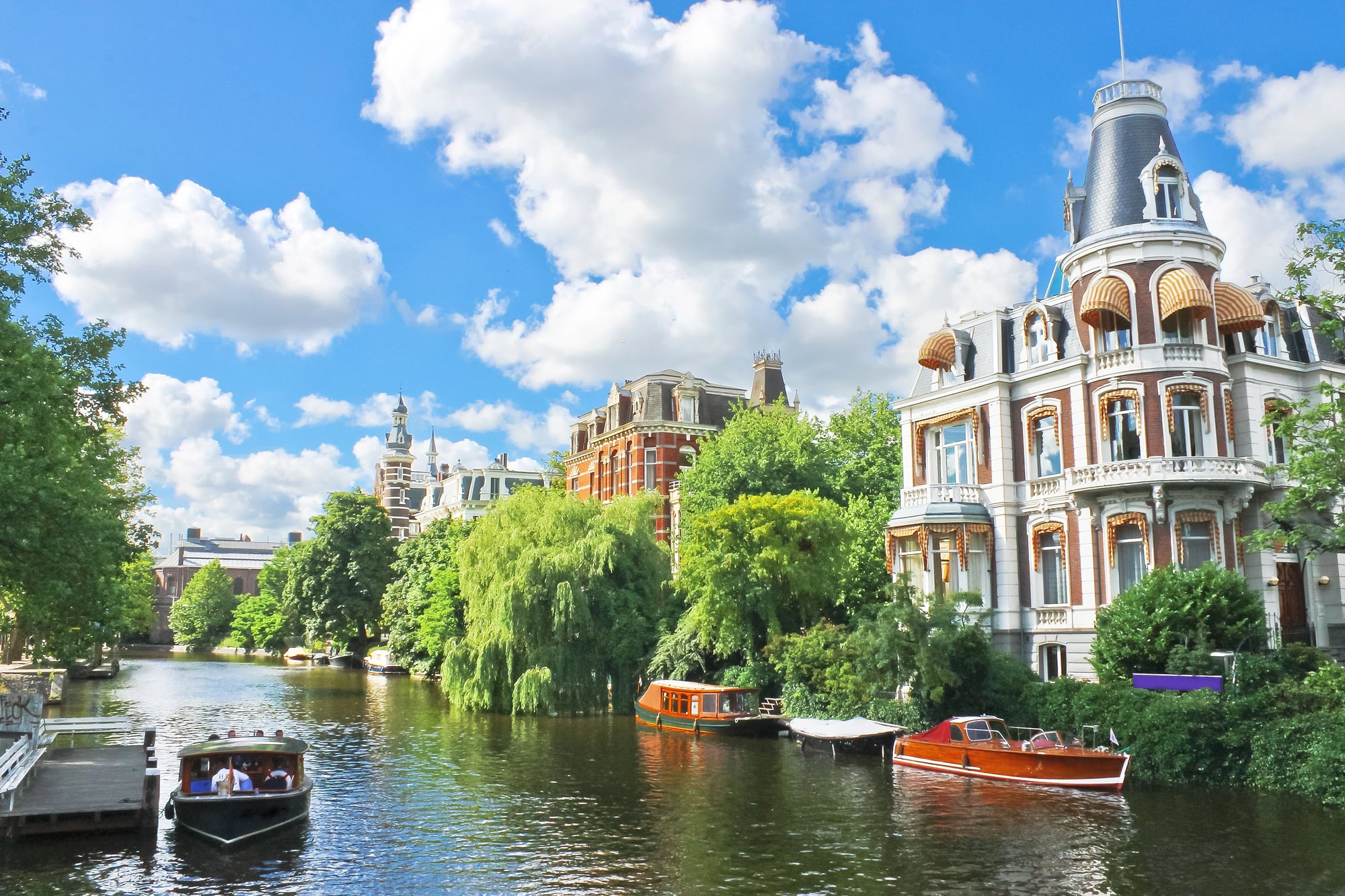
The Netherlands doesn’t just fight the sea — it steals from it, acre by acre, in what amounts to the world’s most patient form of piracy.
The Dutch have been creating new land for centuries, turning seafloor into farmland through an elaborate system of dikes, pumps, and sheer determination that borders on the supernatural. Flevoland, an entire province that didn’t exist before 1968, sits where the Zuiderzee used to be, and driving through it feels like traveling through a landscape that hasn’t quite decided what it wants to be yet — too neat to be natural, too vast to feel artificial.
And the strangest part isn’t the engineering (though building a province from scratch does require a certain audacity) — it’s that this reclaimed land sits below sea level, which means the Netherlands has neighborhoods where you can look up at ships passing overhead, their hulls visible through the levees.
The Dutch have essentially built portions of their country in what amounts to a managed fishbowl, and they act like this is perfectly normal.
So when climate change threatens to raise sea levels, the Netherlands doesn’t panic — they start planning new projects.
Africa Is Splitting Apart
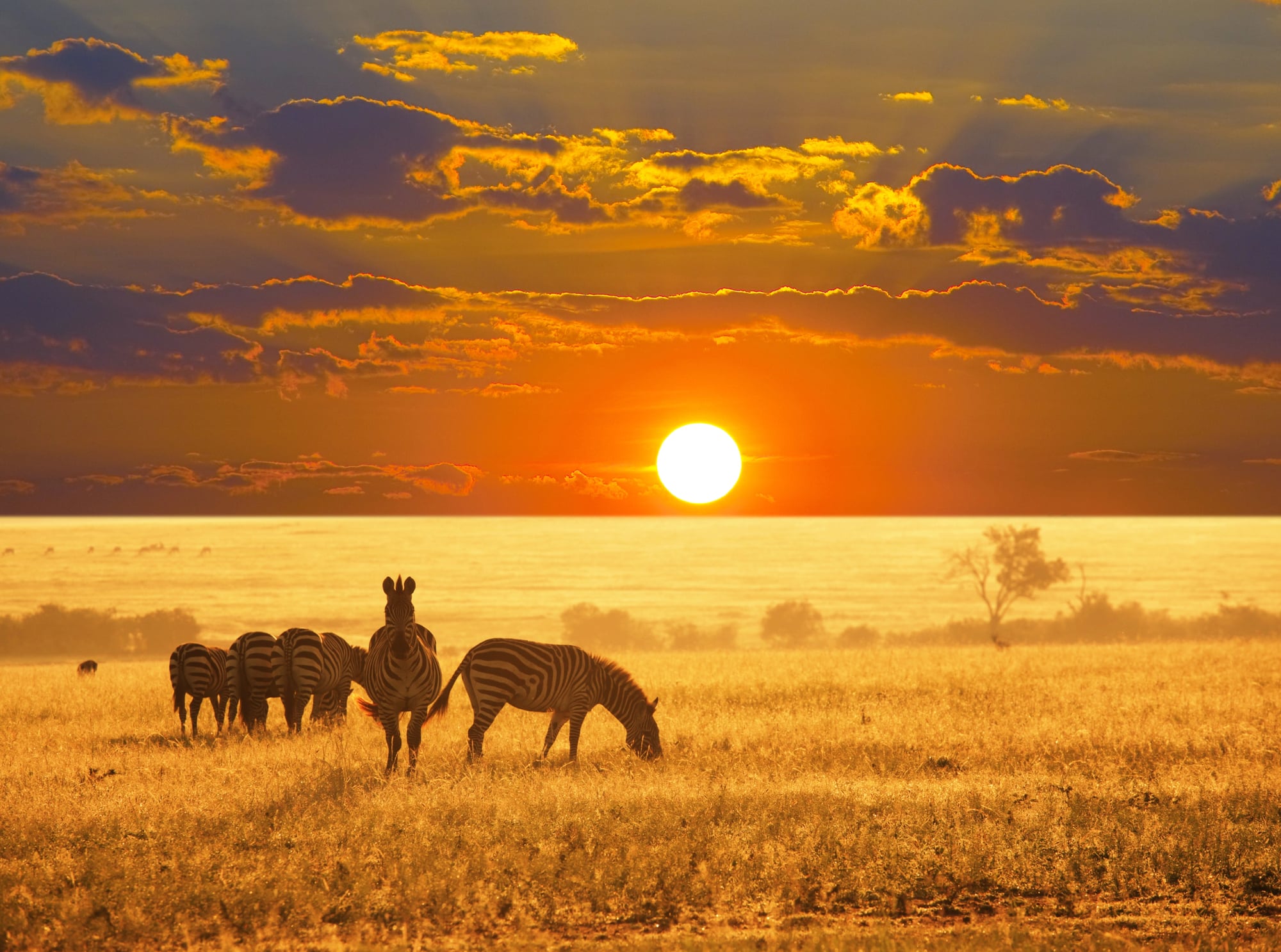
Africa is breaking up. The Great Rift Valley runs like a crack through the continent, and it’s getting wider every year.
Eventually — and by eventually, geologists mean in about 50 million years — East Africa will split off and drift away like a continental breakup nobody saw coming. The Red Sea is what this looks like in progress.
Someday, there might be an ocean where Kenya used to be. The earth doesn’t ask permission before rearranging itself.
Chile Is Longer Than The Distance From New York To London

Chile stretches 2,647 miles from north to south — longer than the distance from New York to Los Angeles (~2,450 miles), though shorter than the transatlantic distance to London.
The country’s extreme length means a single nation spans from the driest desert on Earth to glaciers approaching Antarctica. This means you could theoretically fly across the Atlantic faster than you could drive the length of a single South American country — assuming Chilean roads cooperated, which they don’t always do, especially when you’re trying to navigate mountains that seem designed to make highway engineers quit their jobs.
The country averages only 112 miles wide, creating a nation that looks like someone stretched a normal-sized country through a candy machine and forgot to stop.
Chileans in the north live closer to the equator than Chileans in the south live to the South Pole, which means a single country experiences everything from desert to glacier, often simultaneously.
Russia Has Eleven Time Zones
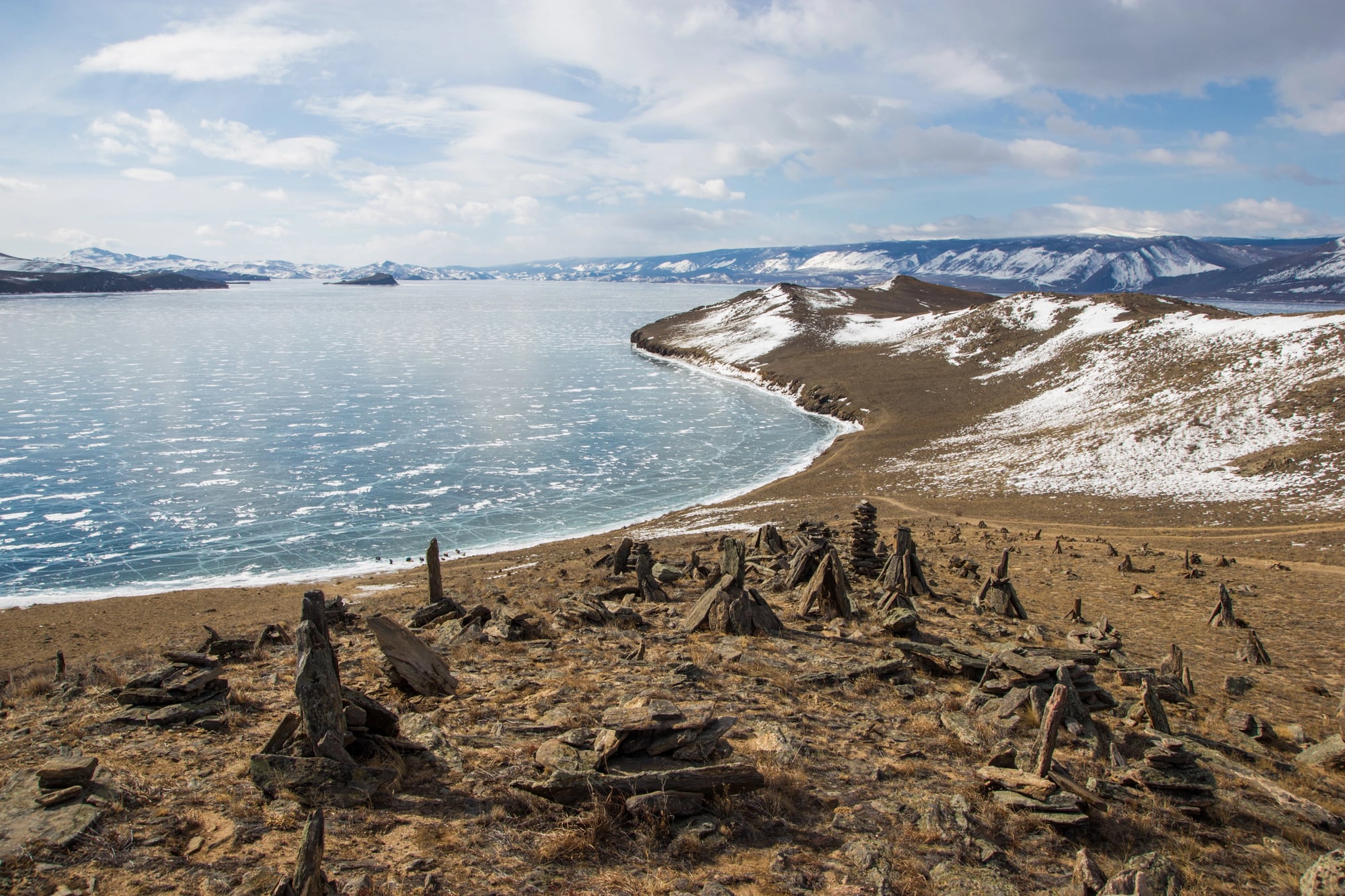
Russia spans eleven time zones, which creates the kind of scheduling nightmares that make conference calls an exercise in mathematics.
When it’s noon in Moscow, it’s 10 PM in Vladivostok — the same country, the same day, but separated by nearly a full rotation of the earth.
This means Russian television networks have to decide whether to air shows live everywhere (creating a patchwork of viewing times that makes no sense) or tape everything (defeating the point of live television).
Business meetings require careful coordination to avoid calling someone at 3 AM. The Trans-Siberian Railway doesn’t just cross distance — it travels through time.
Antarctica Is Both The Driest And Wettest Continent

Antarctica holds 70% of the world’s fresh water, yet parts of it qualify as desert — not the sandy kind, but the technical kind, where precipitation barely exists and the air sucks moisture from everything it touches.
The Dry Valleys of Antarctica receive less rainfall than the Sahara, creating a landscape so barren that NASA uses it to test Mars rovers, because it’s the closest thing to an alien planet that Earth offers.
But all that water is locked in ice, some of it frozen for millions of years, creating a continent that’s simultaneously the world’s largest reservoir and one of its most water-starved places.
It’s like being surrounded by food you can’t eat, except with water you can’t drink, stretched across an entire continent that wants to kill you.
The Dead Sea Is Getting Deader
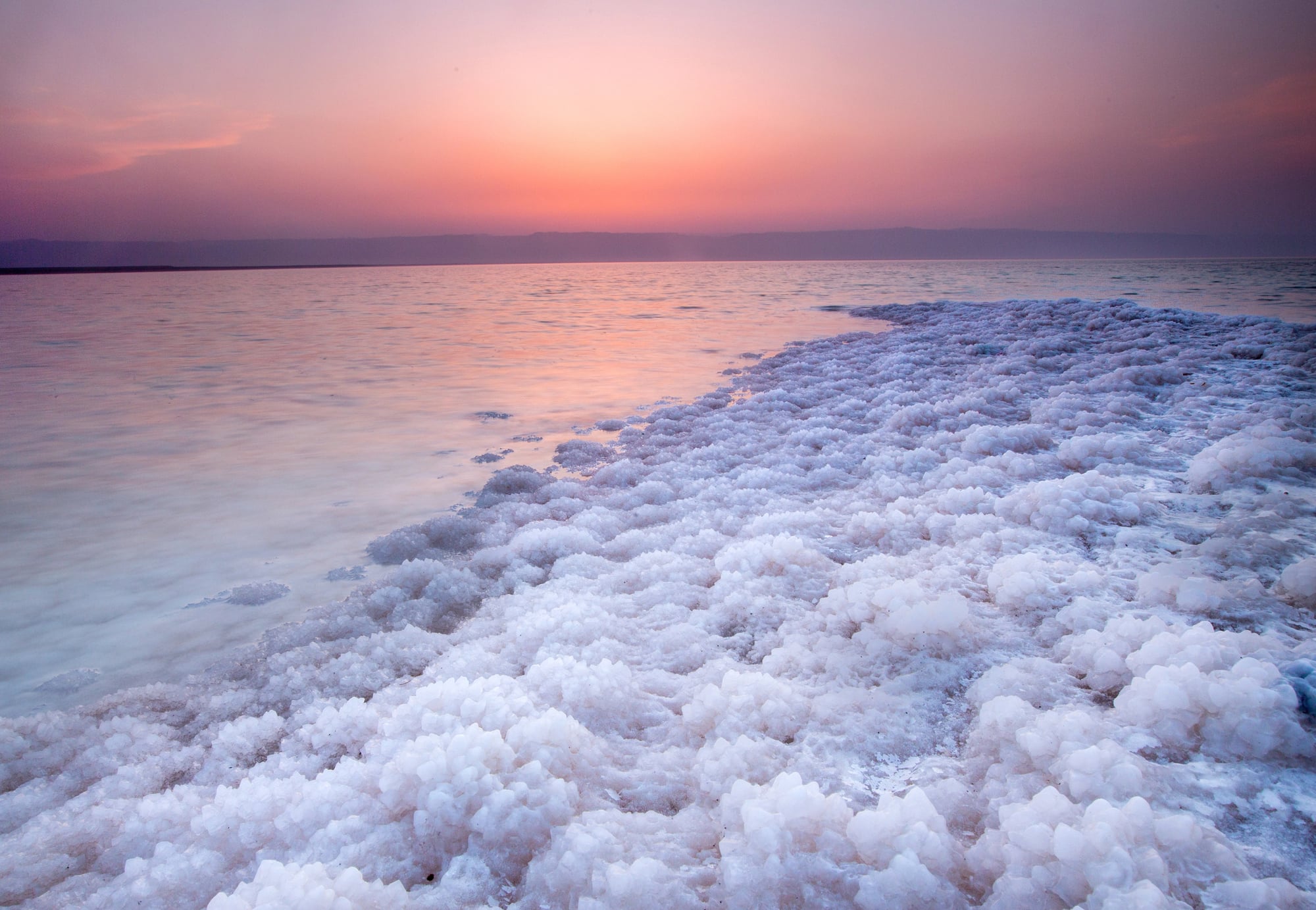
The Dead Sea drops about three feet every year. Not because of climate change or natural cycles, but because the Jordan River — its main water source — gets diverted upstream for irrigation and drinking water.
What remains becomes saltier and saltier, a hyper-concentrated brine that makes floating effortless and swimming impossible.
Eventually, there might be nothing left but a salt flat where tourists used to bob around reading newspapers. The Dead Sea is dying, which seems unnecessarily dramatic even for a body of water named after death.
France’s Longest Border Is With Brazil
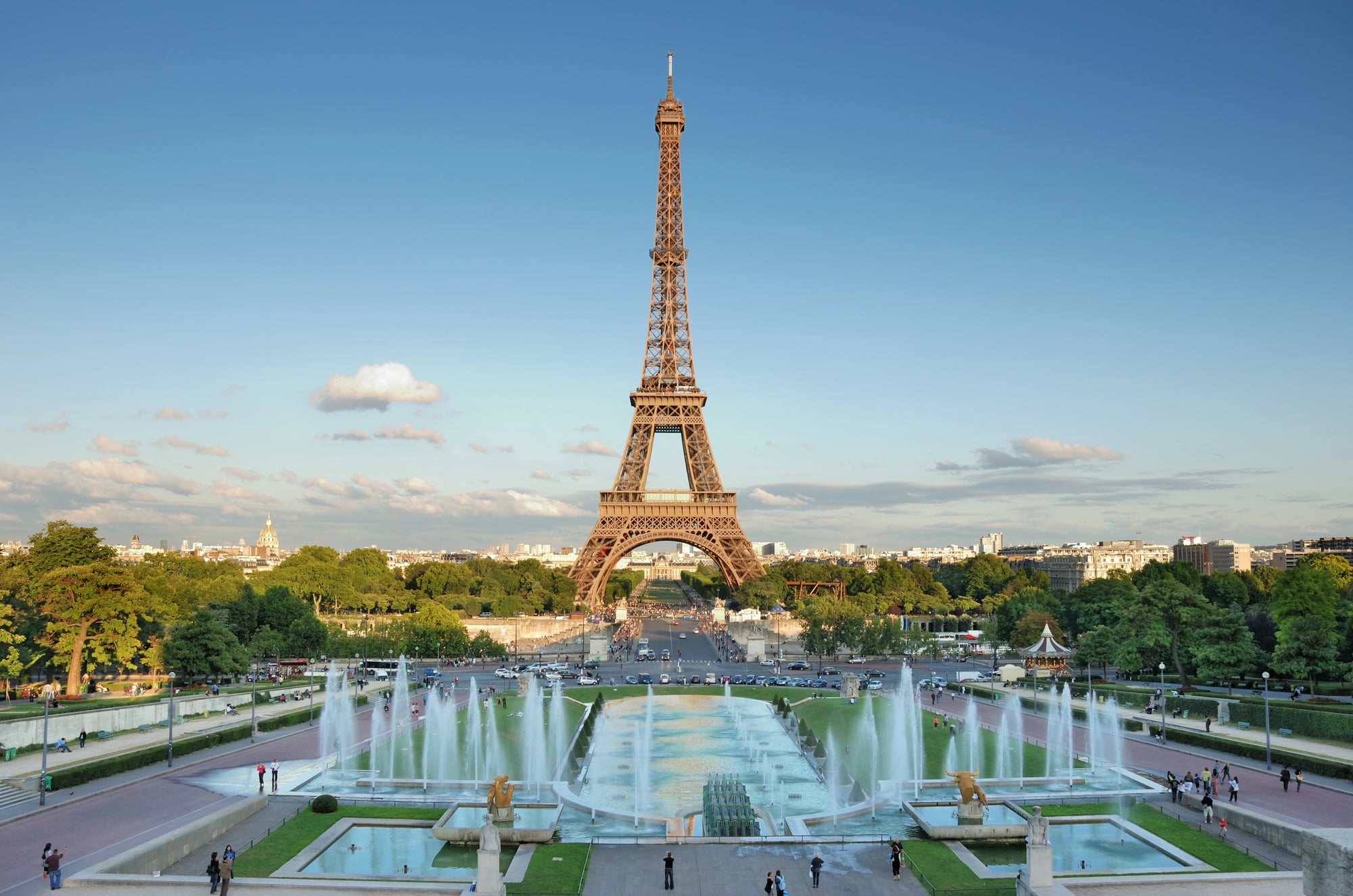
France shares its longest border with Brazil. Not Spain, not Germany, not any European country — Brazil, in South America, thanks to French Guiana.
This means French citizens can take a domestic flight to a place where jaguars roam through rainforests and the nearest baguette costs three times what it should.
The European Union technically extends into the Amazon, creating bureaucratic situations that nobody planned for and customs forms that require specialized training to understand.
Australia Has More Camels Than Any Arab Country
Australia has the world’s largest population of wild camels — somewhere around 300,000 of them roaming the Outback, descendants of animals imported in the 1840s to help with transportation and construction projects that have long since been completed.
When trucks and trains made camels obsolete, the animals were released into the wild, where they thrived in a landscape that reminded them of home.
Now they’re considered pests, despite being better adapted to the Australian desert than many native species. The Middle East imports camels from Australia, which completes a circle of geographical irony that nobody intended.
Bir Tawil Belongs To No One

There’s a piece of land that no country wants. Bir Tawil sits between Egypt and Sudan, unclaimed by either nation due to a border dispute that’s somehow more complicated than just splitting it down the middle.
Both countries prefer to claim the much larger Halaib Triangle instead, leaving Bir Tawil as one of the last pieces of truly unclaimed land on Earth.
It’s not habitable, not valuable, not strategically important — just a patch of desert that exists in bureaucratic limbo because two governments can’t agree on a map.
Where Oddity Becomes Geography

These aren’t accidents or mistakes — they’re reminders that the world operates according to its own logic, indifferent to human convenience or expectation. Geography doesn’t care about borders, schedules, or common sense.
It just keeps doing what it’s always done: moving, changing, creating situations that make mapmakers reach for coffee and diplomats reach for aspirin. The oddest thing about these geographical facts isn’t that they exist, but that we’re surprised by them at all.
More from Go2Tutors!

- The Romanov Crown Jewels and Their Tragic Fate
- 13 Historical Mysteries That Science Still Can’t Solve
- Famous Hoaxes That Fooled the World for Years
- 15 Child Stars with Tragic Adult Lives
- 16 Famous Jewelry Pieces in History
Like Go2Tutors’s content? Follow us on MSN.