Complex Ecosystem of a Single Drop of Water
It looks simple enough — just a glint on a leaf or a bead trembling on your fingertip.
Yet inside that droplet, there’s more life than you’d ever guess.
Whole food chains rise and collapse in seconds, unseen by the unaided eye.
Here’s a list of the tiny creatures and invisible forces that keep this minuscule world alive and astonishingly complex.
Bacteria
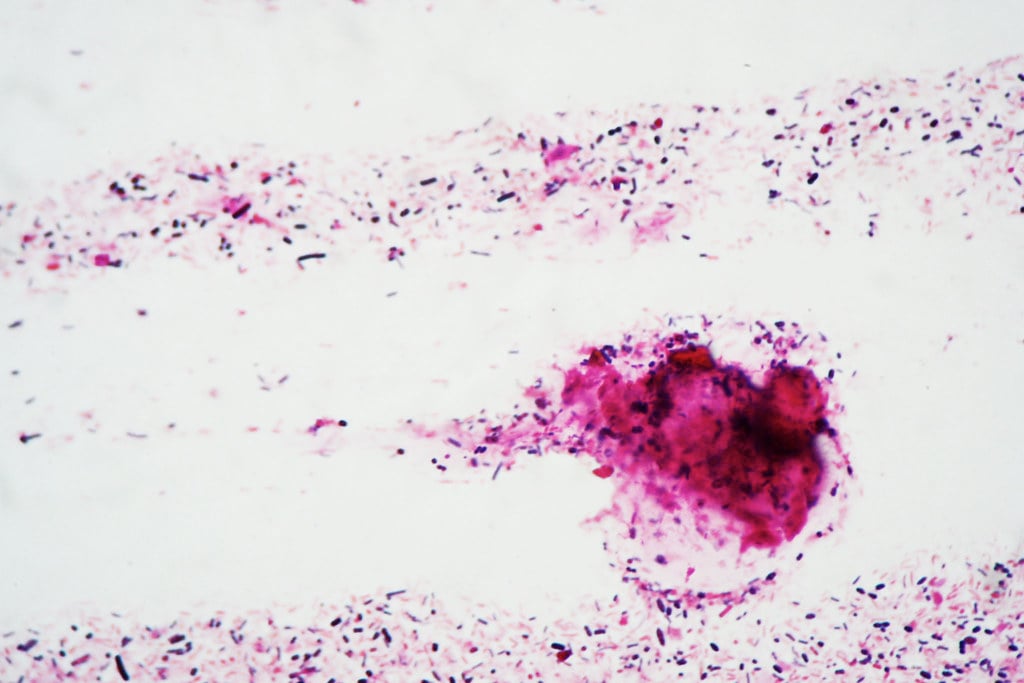
They’re the smallest, yet somehow the busiest.
Constantly multiplying, they recycle waste and turn decaying matter into nutrients others depend on.
Some even glow faintly in the dark; others release microscopic bubbles as they breathe.
Blink, and their population has already shifted.
That’s how fast this world changes.
Protozoa
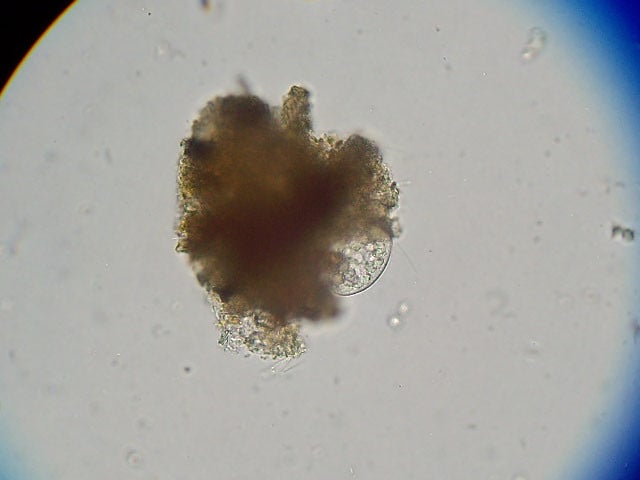
Larger, livelier, and far more theatrical.
These single-celled hunters glide through their watery realm, feeding on bacteria and smaller lifeforms.
Some use hair-like cilia that beat like tiny oars — a graceful kind of chaos.
Still, even these predators can fall to something smaller.
The hierarchy never ends.
Algae

Green, simple, vital.
They’re the quiet power plants of the droplet, turning sunlight into food and oxygen for everyone else.
One cell can divide dozens of times in a day, painting the water a faint emerald hue.
And they just… keep going.
No nerves, no rush, just purpose.
Rotifers
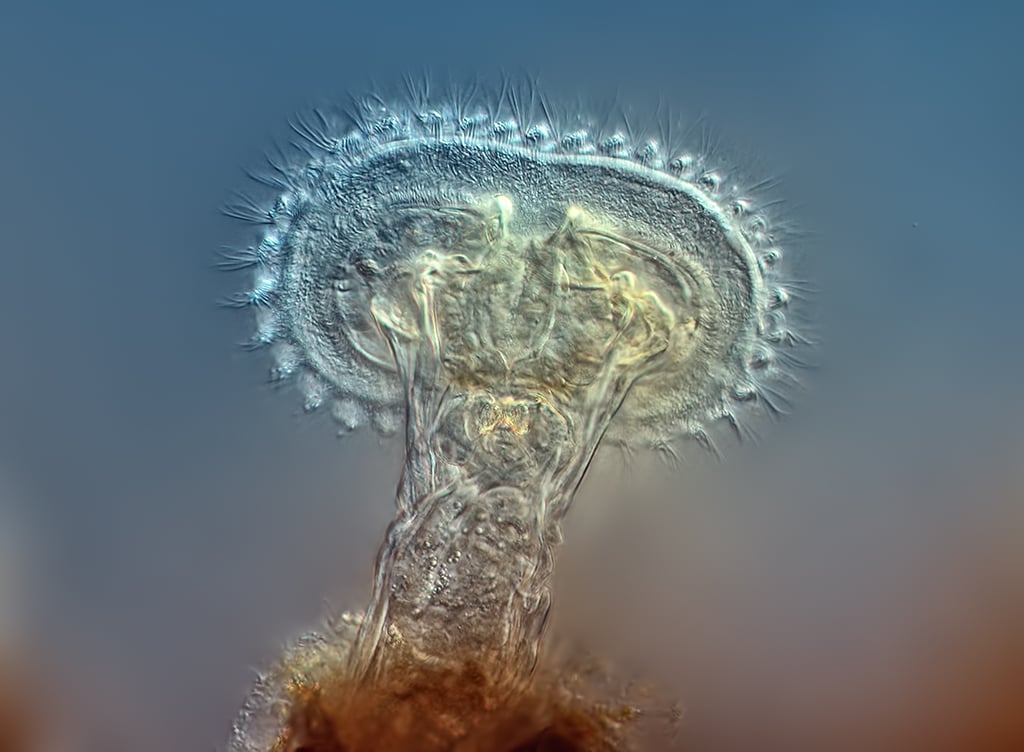
Whirling crowns of cilia circle their heads — hypnotic to watch under a microscope.
They feed like tiny machines, methodical and precise.
And when the droplet dries up, they don’t die.
They simply stop, wait, and return to life the moment moisture appears again.
Strange resilience, that.
Diatoms

The artists of the micro-world.
Each one builds a glassy shell of silica, patterned with perfect geometry.
Under magnification, they look like stained-glass windows — breathtaking in detail.
They drift, cling, photosynthesise, and occasionally shatter, scattering glints of light through their watery home.
Viruses
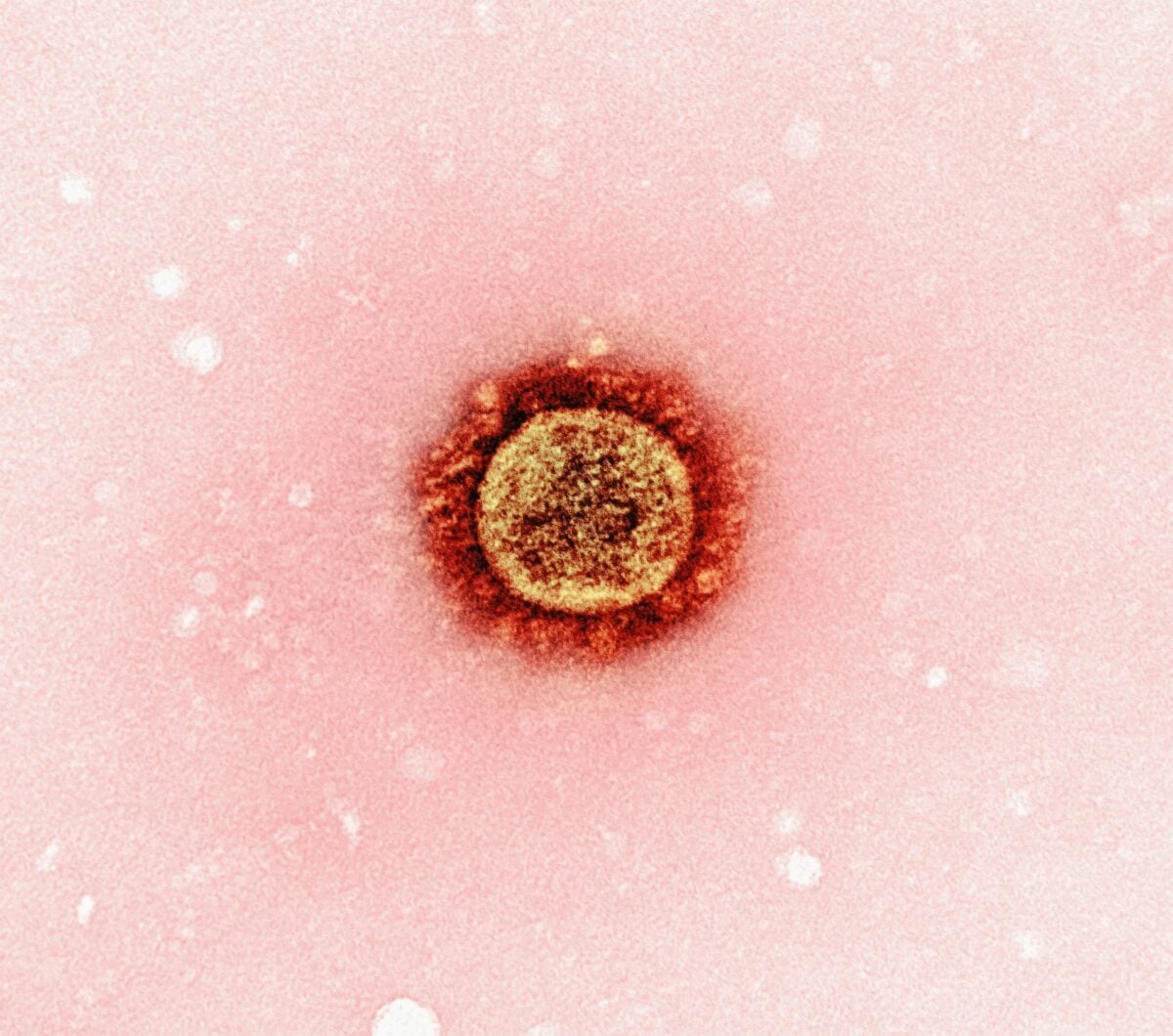
Invisible but always at work.
They slip into bacterial cells and hijack them, turning them into virus factories.
Ruthless, sure — yet they keep bacterial populations in check, balancing the droplet’s fragile ecosystem.
Even so, there’s a kind of beauty in their efficiency.
Tiny Crustaceans

Every so often, a visitor arrives — a copepod or water flea.
To them, this droplet is an ocean.
One flick of a limb can send waves across the entire micro-world.
They paddle rhythmically, stirring life around them in slow motion.
A giant among ghosts.
Fungal Spores

They float in from the air, waiting.
If the droplet lingers long enough, they awaken — sending fine filaments creeping along its edge.
Colonisation begins quietly, almost politely.
But once it starts, there’s no stopping it.
Fungi are patient like that.
Organic Debris
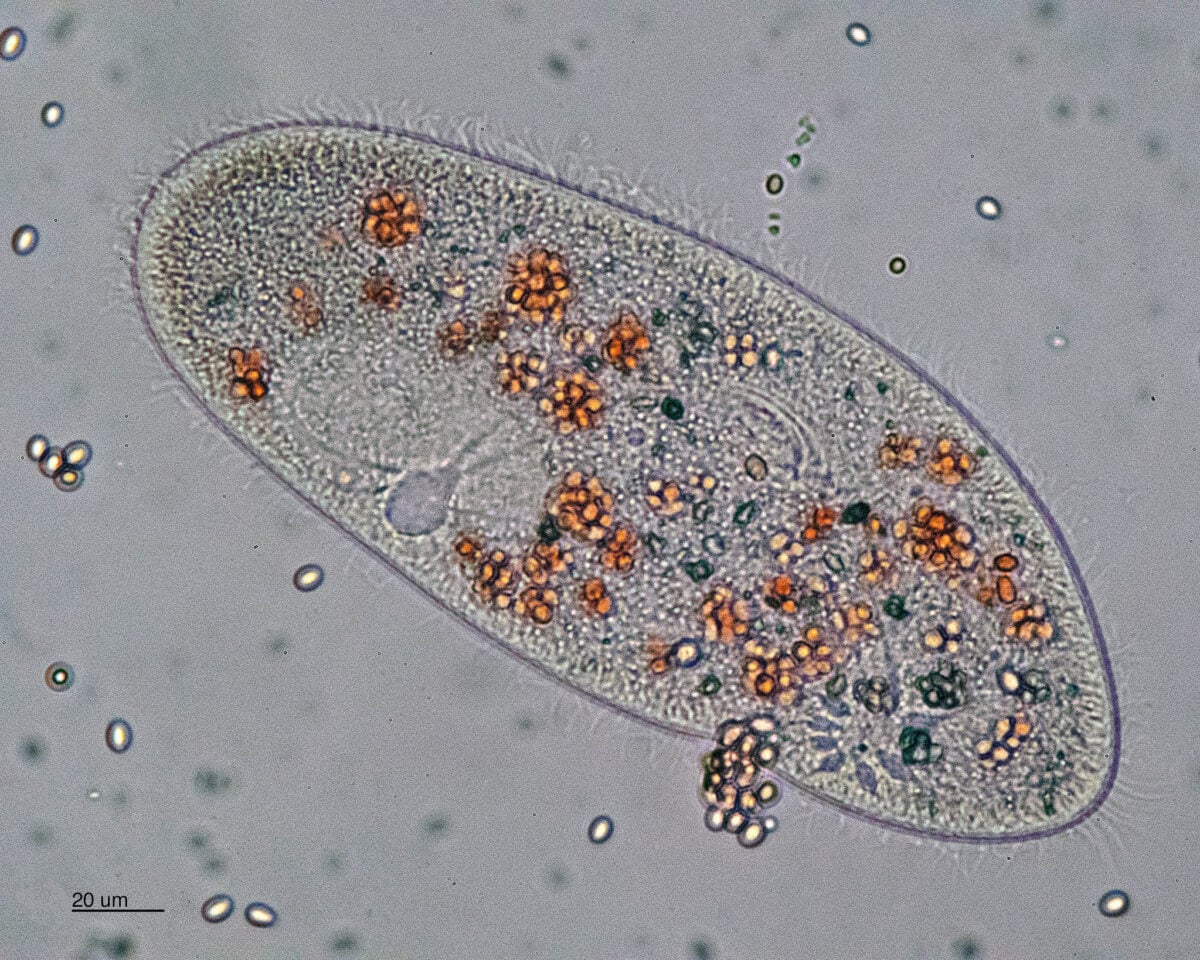
Pollen grains, dead cells, fragments of leaves — all the clutter that keeps life turning.
It feeds bacteria, shelters protozoa, and gives other organisms something to cling to.
Think of it as organised chaos, the compost heap of the microscopic world.
Chemical Balance

Even chemistry feels alive here.
Acidity rises, oxygen drops, and carbon compounds shift as things live and die.
Sometimes the balance breaks, and the whole system collapses — only to rebuild itself within hours.
The rhythm never really stops.
Micro Currents
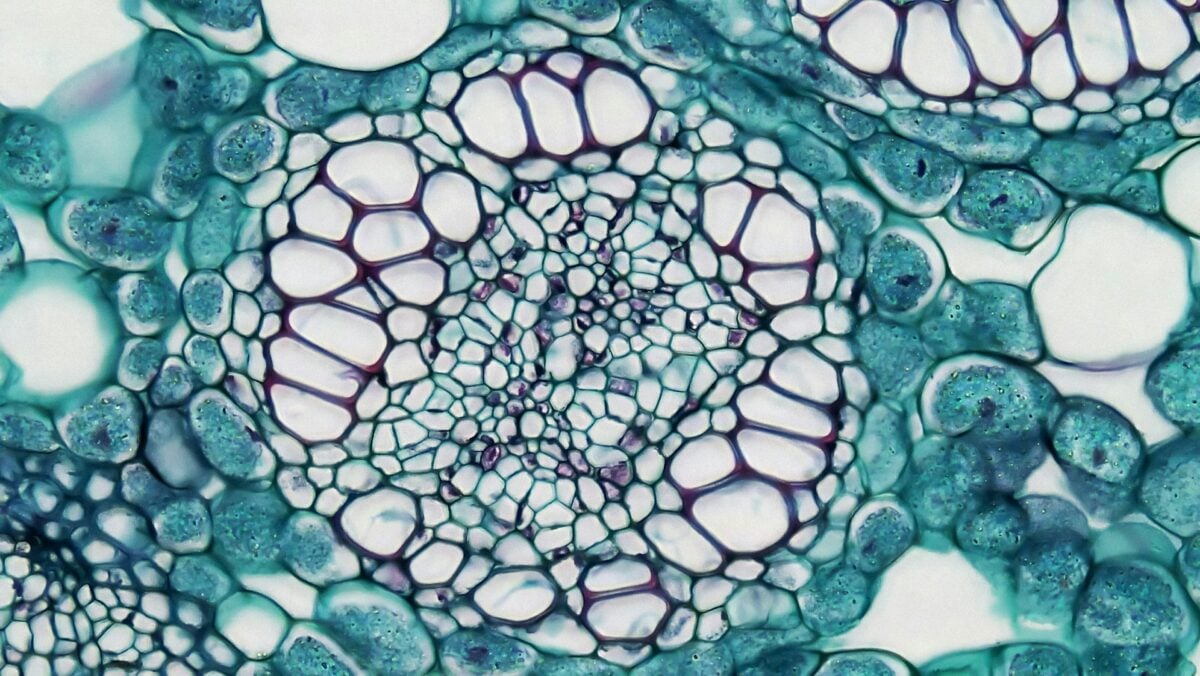
Tiny temperature changes create invisible swirls.
Dust motes fall in lazy spirals, carrying life from one corner to another.
You’d never notice from above, but inside, it’s constant motion.
Stillness, it turns out, is an illusion.
Predators in Miniature

They may be only fractions of a millimetre long, but they’re deadly enough here.
Some pierce, others swallow, and a few dissolve their prey entirely.
The hunt is relentless.
Even so, it’s the same story told everywhere — eat, survive, repeat.
Ephemeral Existence
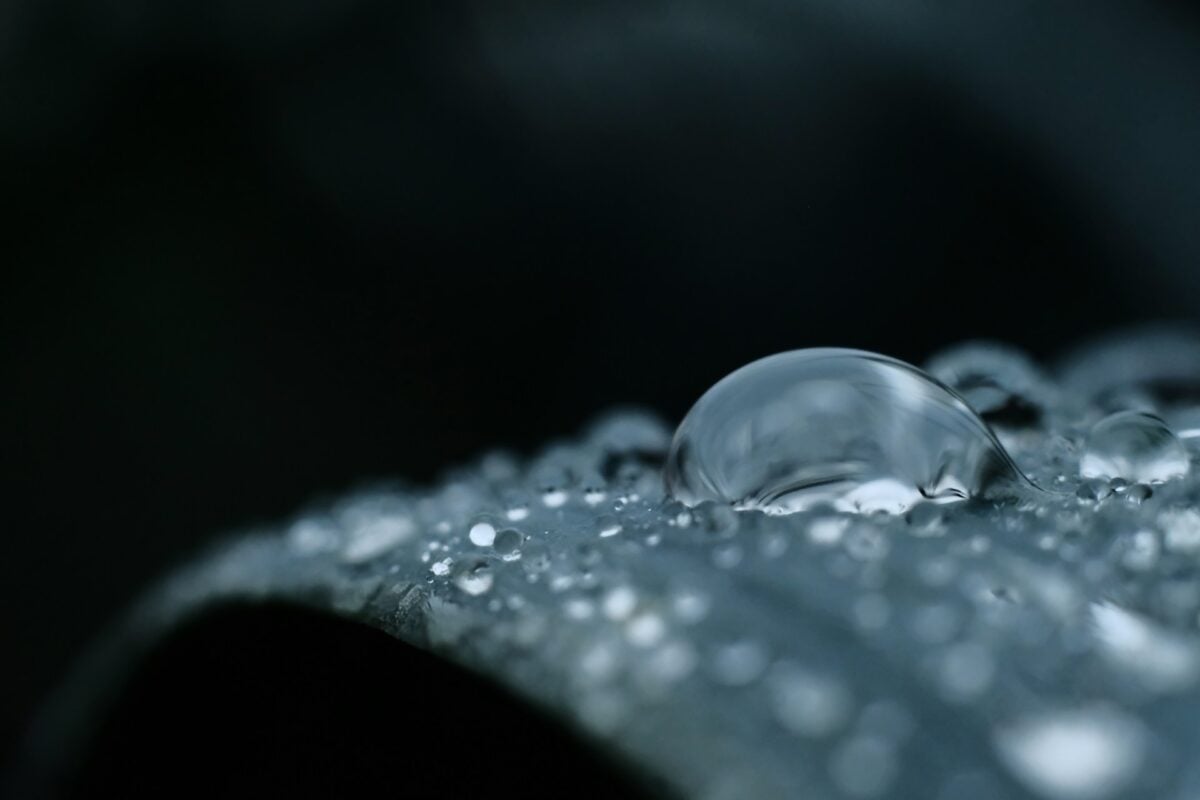
The droplet’s life is short.
One sunbeam, one breeze, and it’s gone — vaporised, its worlds erased.
Still, not everything ends.
Spores and cysts linger, waiting for the next drop of rain.
Life pauses, but it never truly leaves.
A World Within Worlds
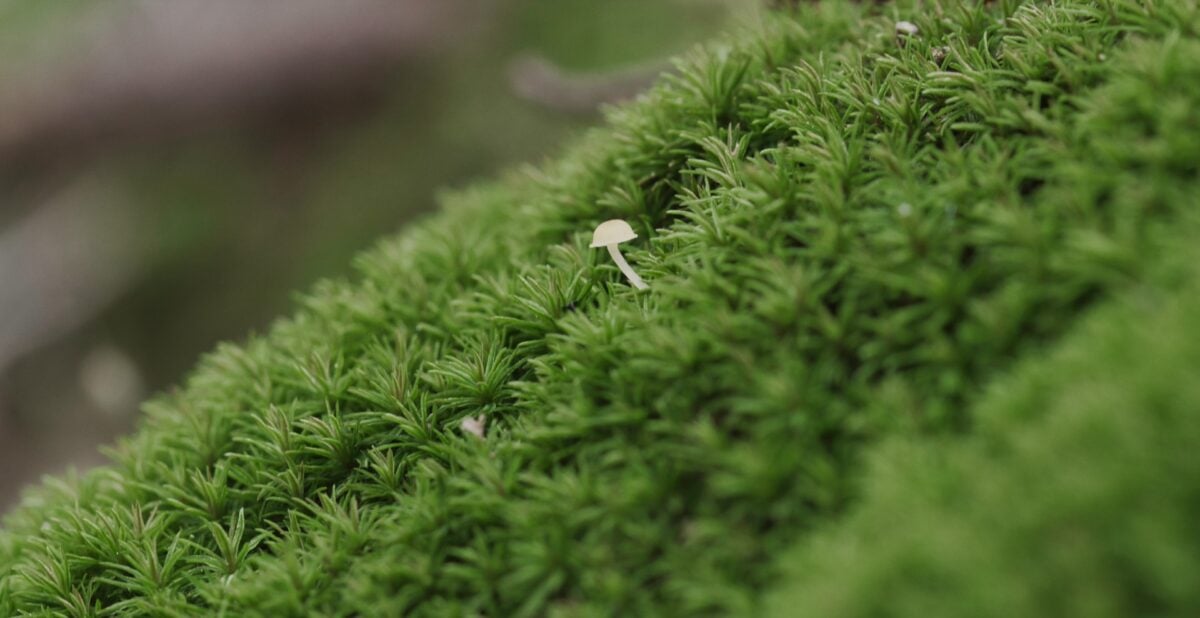
Each droplet mirrors something larger — oceans, lakes, clouds — all wrapped in one shimmering sphere.
Proof that life doesn’t just exist in space; it creates it, filling even the smallest corner with movement, purpose, and wonder.
More from Go2Tutors!

- The Romanov Crown Jewels and Their Tragic Fate
- 17 Halloween Costumes Once Considered Taboo
- Famous Hoaxes That Fooled the World for Years
- 15 Child Stars with Tragic Adult Lives
- 16 Famous Jewelry Pieces in History
Like Go2Tutors’s content? Follow us on MSN.