16 Facts About Queen Ranavalona’s Reign
Queen Ranavalona I ruled Madagascar for 33 years, from 1828 to 1861, during one of the most turbulent periods in the island nation’s history. Her reign was characterized by her effort to strengthen the domestic authority of the Kingdom of Imerina over subjugated provinces and preserve the political and cultural sovereignty of Madagascar, yet she is noted as one of the few African leaders who succeeded in keeping foreign powers at bay during a period when colonial expansion put much of Africa under European rule. While many European accounts painted her as a tyrant, modern historians recognize her as a complex figure who fought fiercely to maintain Madagascar’s independence.
Understanding Ranavalona’s reign requires looking beyond the sensationalized stories often told by her enemies. Here is a list of 16 fascinating facts about this controversial queen’s time in power.
She Seized Power Through Military Allies
— Photo by pgkirich
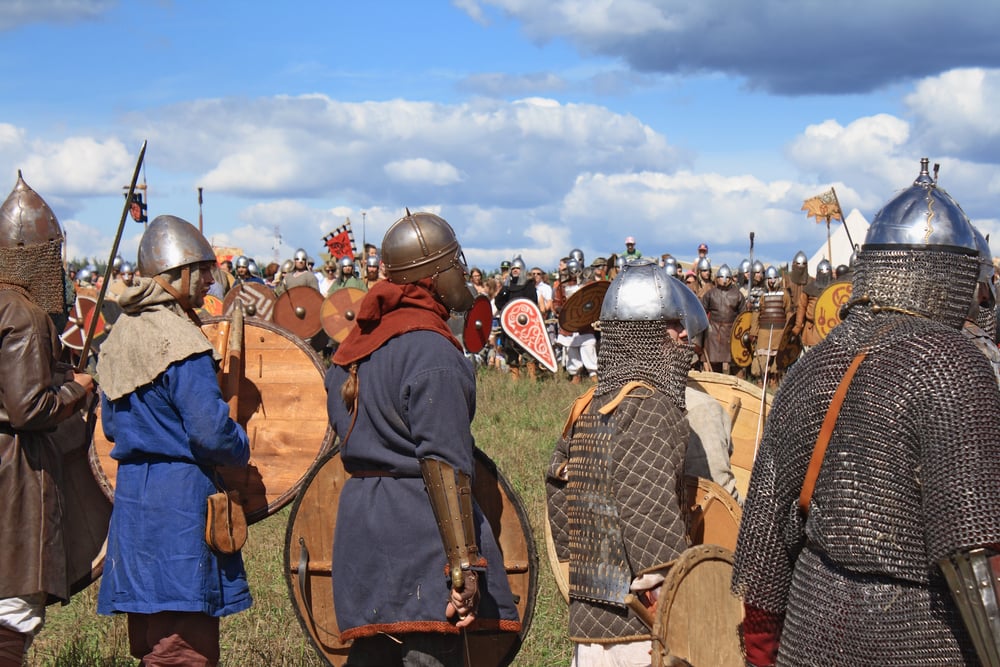
Ranavalona had military friends from her home village, including two colonels of the army who swore oath to her in secret and persuaded the chief priests and judges to join them. When King Radama I died in 1828, his nephew Rakotobe was the rightful heir, but Ranavalona acted quickly. The next day after securing support, the general of the army was summoned to the palace and asked politely for his oath on pain of death. Her coup was swift and decisive, costing only four deaths from officers who refused to see reason.
Her Reign Lasted an Impressive 33 Years
Ranavalona’s 33-year reign was characterized by her effort to strengthen the domestic authority of the Kingdom of Imerina over subjugated provinces and preserve the political and cultural sovereignty of Madagascar. This extraordinarily long period in power allowed her to implement sweeping changes across the island. Her reign spanned from 1828 until her death in 1861, making her one of Madagascar’s longest-ruling monarchs and giving her time to reshape the kingdom according to her vision of independence and traditional values.
She Eliminated All Political Rivals Ruthlessly
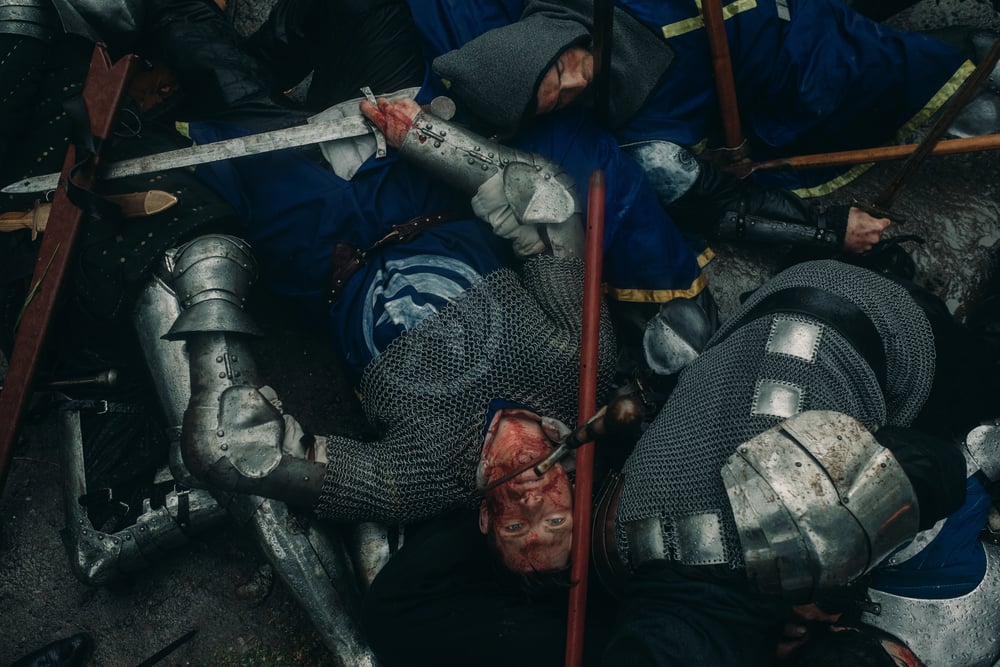
One of the queen’s earliest actions was to put to death Rakotobe and his mother as well as all political rivals she considered as a threat to her reign and the stability of the kingdom. Rakotobe had to go, obviously, and his father and his mother – actually, very few members of the royal family escaped. This systematic elimination of potential challengers was brutal but effective in securing her position. According to some accounts, thousands of suspected opposers met similar fates in a calculated show of force designed to consolidate her ultimate authority.
She Banned Christianity Entirely from Madagascar

In 1835 she forbade the practice of Christianity among the Malagasy population, and within a year nearly all foreigners had left her territory. By early 1835, Christianity had been entirely banned in Madagascar – foreigners were allowed to practice their own faith but they could not teach her people. This wasn’t just a religious policy but a political one, as she viewed Christian missionaries as agents of European influence. The ban was enforced with extreme measures, including public executions of those who refused to renounce their faith.
The Tangena Ordeal Killed Thousands Annually
Residents of Madagascar could accuse one another of various crimes, including theft, Christianity and especially witchcraft, for which the ordeal of tangena was routinely obligatory. Between 1828 and 1861, the tangena ordeal caused about 3,000 deaths annually, with an estimated 20 to 50 percent of those who underwent the ordeal dying. The tangena was a poisonous nut that caused violent sickness, and suspects had to eat three pieces of chicken skin then vomit them all back up to prove their innocence. This traditional test of loyalty became one of the most feared aspects of her rule.
She Built a Massive Army Through Forced Labor
— Photo by bykofoto
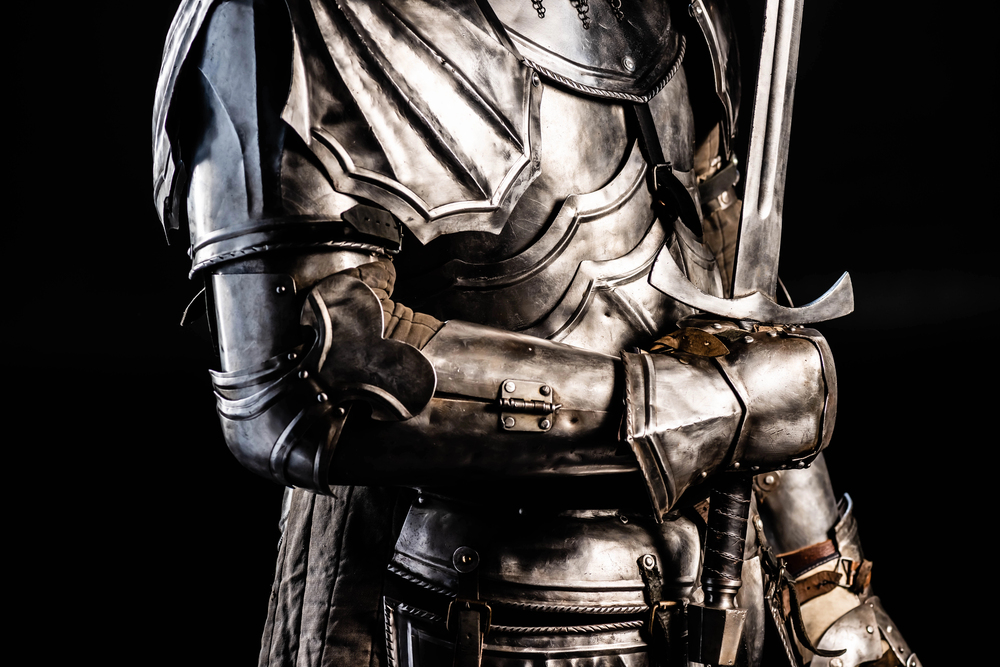
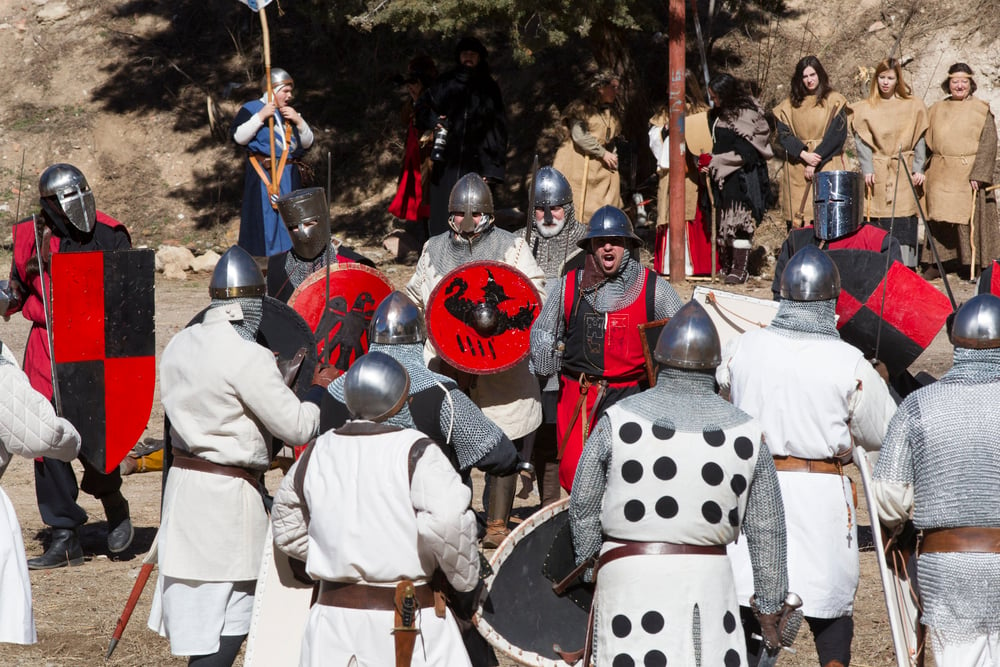
The fanompoana system allowed the queen to have a large army of 20,000 to 30,000 soldiers, made possible through frequent use of the long-standing tradition of fanompoana—forced labor in lieu of tax payments in money or goods. These de facto slaves were used to build houses, carry nobles and royal dependents in litters, as soldiers or to serve any other purpose the Queen needed workers for. The fanompoana system essentially turned the entire population into unpaid laborers who could be conscripted for military service or public works projects at the queen’s discretion.
Madagascar’s Population Dropped Dramatically

The combination of regular warfare, slavery, disease, difficult forced labor and the practice of tangena resulted in a high mortality rate among both soldiers and civilians during her 33-year reign, reducing Madagascar’s population from 5 million in 1833 to 2.5 million in 1839. This catastrophic population decline of nearly 50% in just six years illustrates the devastating human cost of her policies. The death toll was staggering even for that era, making her reign one of the most deadly periods in Madagascar’s history.
She Successfully Repelled French Military Attacks
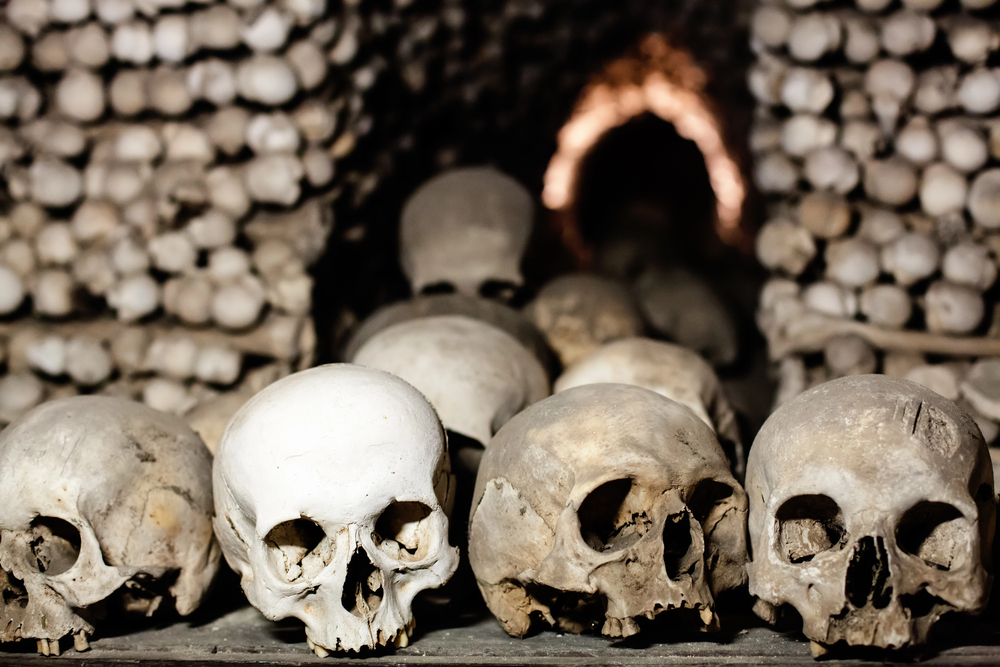
A combined French and English attack on Madagascar in 1849 failed miserably as European sailors were surprised by a false-fronted native fort that concealed a much more substantial structure. A set of 21 European skulls was mounted on poles and placed along the shoreline to discourage future invasions. Her military success against European powers was remarkable for the time, demonstrating that her army, despite being largely composed of conscripted labor, could effectively defend the island against technologically superior forces.
She Pursued Complete Economic Isolation
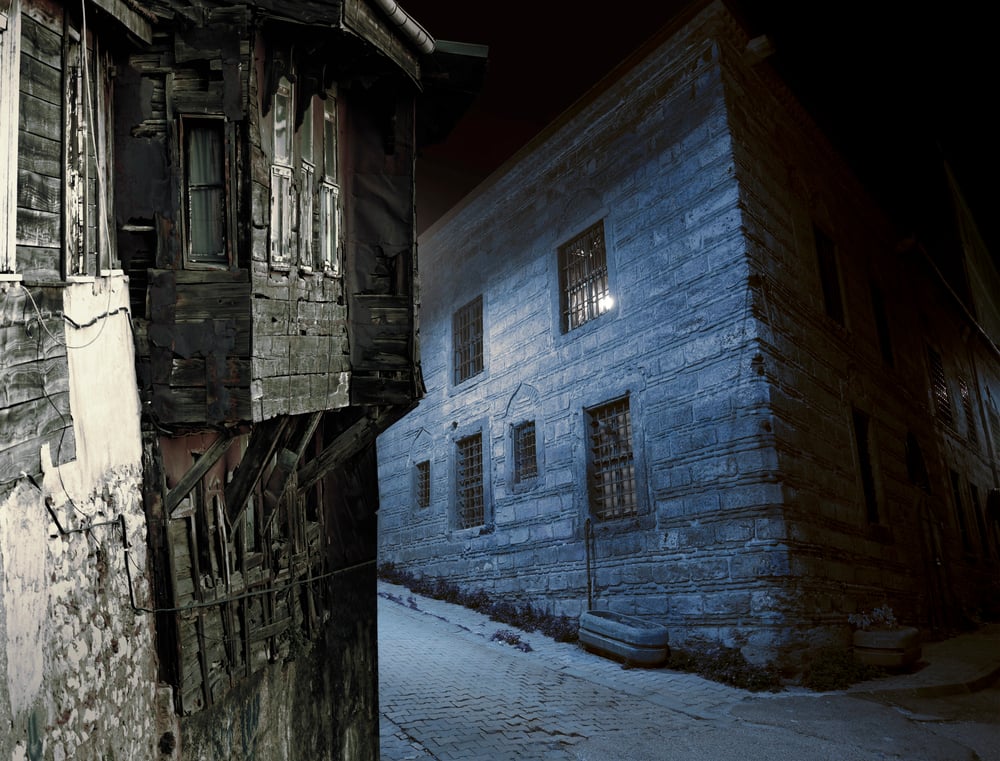
Putting an end to most foreign trade relationships, the queen pursued a policy of self-reliance. Soon, the trade with other countries grinded to a halt, and Madagascar became an economically isolated island again. This autarky was intentional and strategic, designed to reduce dependency on European powers. While it protected Madagascar’s sovereignty, it also limited economic growth and technological advancement, making the kingdom increasingly isolated from global developments.
Her Lover Was Executed for Alleged Infidelity
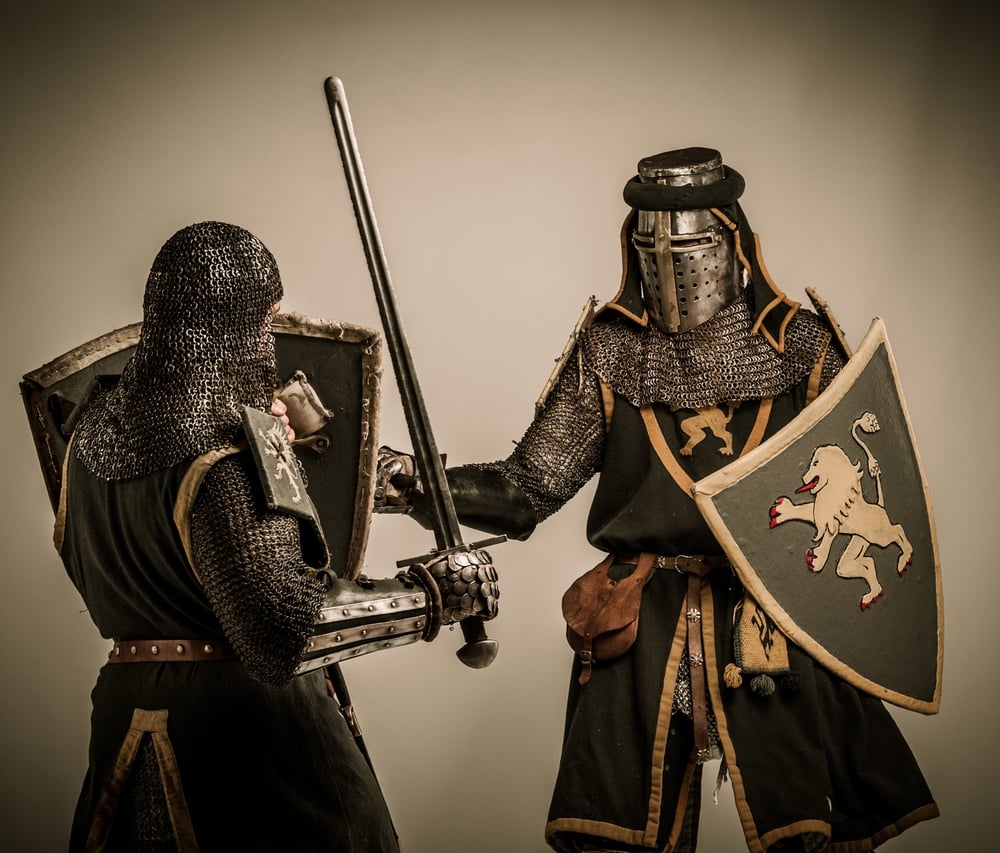
One unfortunate person mandated to undergo the tangena was a high-ranking military official and former lover of Ranavalona named Andrianamihaja, who may have been the father of a son born to Ranavalona in the early years of her reign but she turned against him after he was linked romantically with another woman. Andrianamihaja refused the test, and was speared in the throat as he coolly directed his executioner as to where the spear should enter his body. This execution demonstrated that no one, regardless of their relationship to the queen, was safe from her paranoia and ruthlessness.
She Had a Complicated Relationship with European Culture
— Photo by Nedomacki
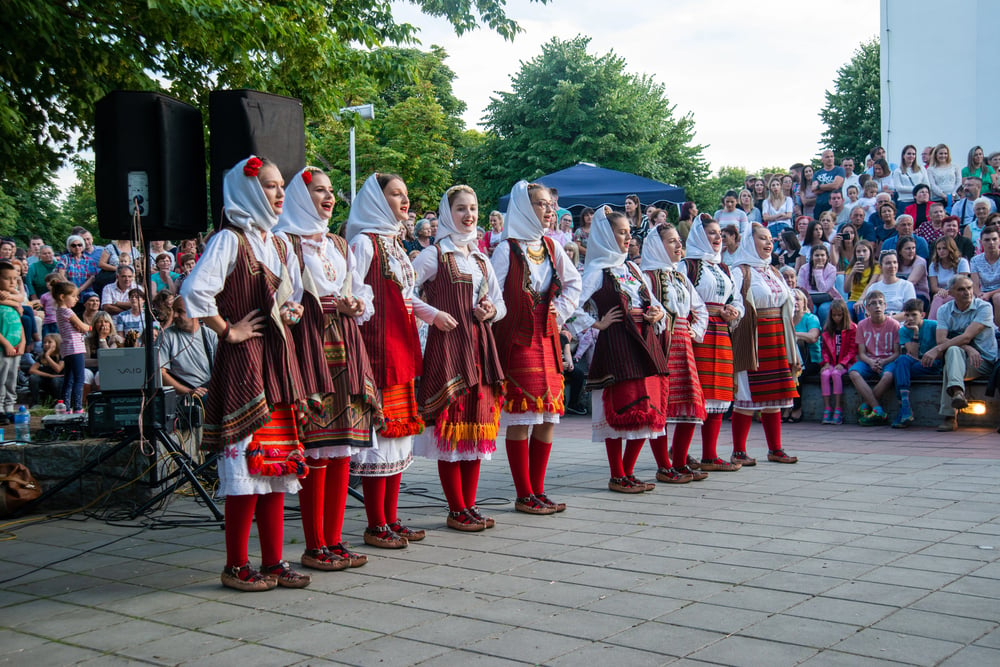
It was French life that fascinated her; she had courtiers dressed in French clothing, often mixing the styles of a variety of eras, and she kept a battered piano on hand, sometimes inviting visitors to play it. Despite her fierce opposition to European political influence, she appreciated certain aspects of European culture and fashion. This contradiction reveals the complexity of her character – she could admire French aesthetics while simultaneously working to eliminate French political presence from her kingdom.
Christians Were Executed in Horrific Public Displays
Lurid accounts reported the public execution of 15 Christian leaders near the Queen’s palace who were dangled on ropes 150 feet above a rock-filled ravine before the ropes were cut upon their refusal to renounce Christianity. These brutal public executions were designed to send a clear message about the consequences of defying her religious policies. The Andohalo cathedral was later constructed on this outcropping to commemorate these Christian martyrs. The executions became legendary for their cruelty and helped cement her reputation as a ruthless ruler.
She Enslaved Conquered Populations Systematically
Mass executions were common, and those who were spared were commonly brought back to Imerina as slaves (andevo), and their valuables seized as booty to increase the wealth of the Crown. Approximately one million slaves entered Imerina from coastal areas between 1820 and 1853, constituting one-third of the total population in the central highlands and two-thirds of all residents in Antananarivo. This massive slave trade was both an economic strategy and a method of control, dramatically altering Madagascar’s demographic composition.
Her Son Plotted Against Her with the French
Crown prince Radama II was very skeptical towards his mother’s atrocities and quite popular among his people, because he released innocently condemned citizens or saved them from tangena, and supplied simple soldiers with food. In 1854, he wrote a letter to Napoléon III and asked for the invasion of Madagascar by France, and on 28th June 1855, Radama II signed the so-called Lambert charter. The fact that her own son conspired with foreign powers against her demonstrates how isolated and paranoid her rule had become, even within her own family.
Her Palace Became the Largest Building in the Royal Complex
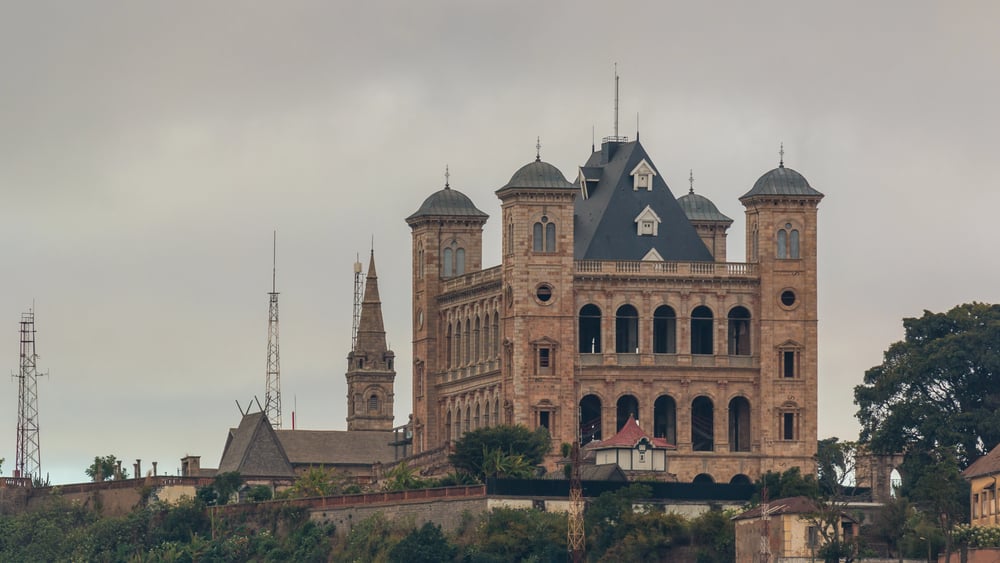
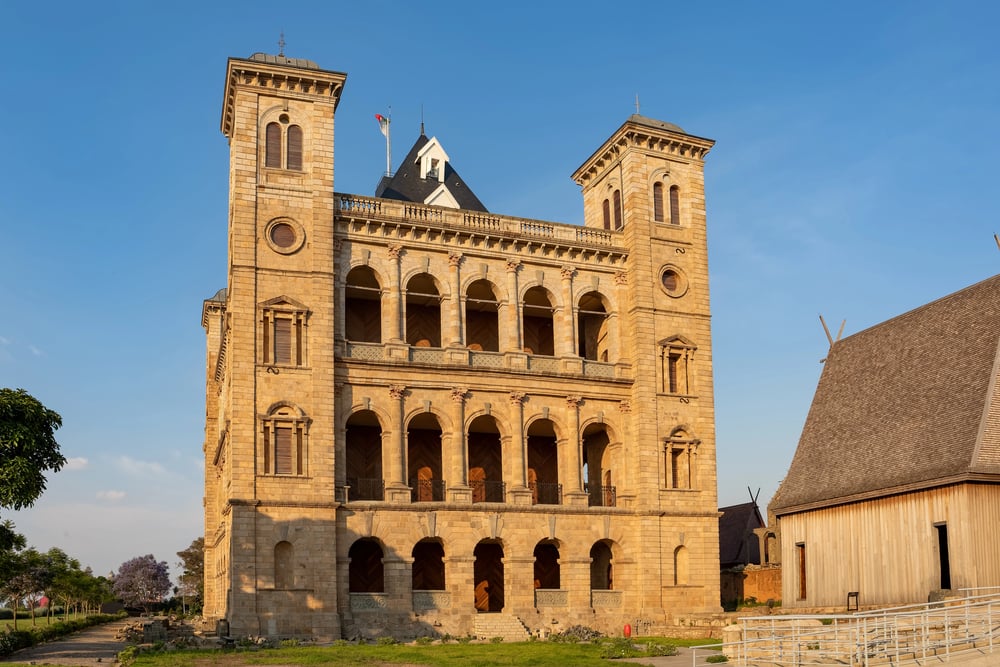
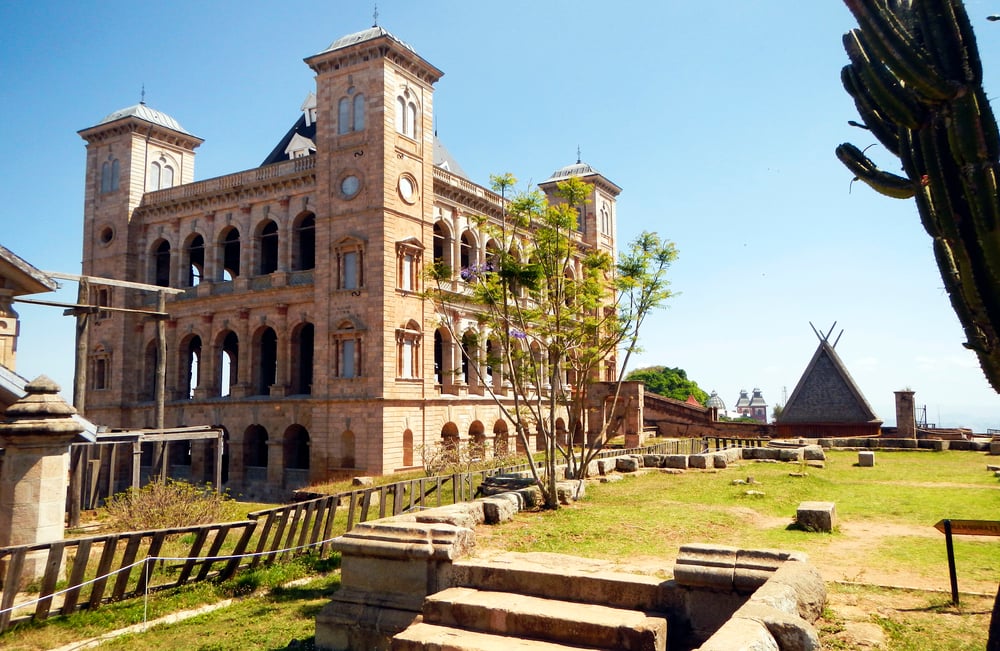
Between 1839 and 1842, Jean Laborde built the queen a new residence called Manjakamiadana, which became the largest structure on the Rova grounds. This massive palace symbolized her power and ambition, towering over all other buildings in the royal compound. Ranavalona built the largest structure in the Rova compound of Antananarivo, a wooden palace called Manjakamiadana, which was later encased in stone under Ranavalona II. The palace served as both her residence and the seat of her absolute power over the kingdom.
Her Death Ended an Era of Expansion and Isolation
— Photo by michaklootwijk
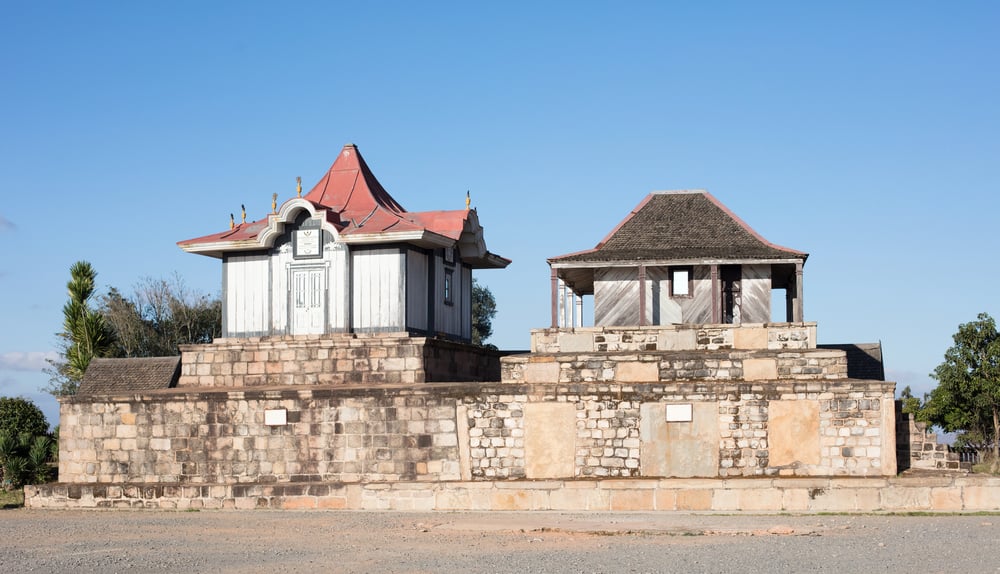
In August 1861, the queen died in her sleep in the Manjakamiadana Palace, and following her death, the age of extensive conquests was brought to an end and no Malagasy monarch was able to attain the level of military conquest that was chalked up by Ranavalona. Even her funeral was marked by violence, as a barrel of gunpowder went off accidentally, killing several mourners – a fitting violent end to a violent reign. Her death marked the beginning of Madagascar’s gradual decline and eventual colonization by France in 1896, proving that her fierce resistance had been the main barrier to European domination.
The Complex Legacy of Madagascar’s Iron Queen
Ranavalona I remains one of history’s most polarizing rulers, simultaneously condemned as a tyrant and praised as a defender of sovereignty. Her 33-year reign demonstrated that African leaders could successfully resist European colonization, even at an enormous human cost. While her methods were undeniably brutal, her success in maintaining Madagascar’s independence for over three decades stands as a unique achievement during the age of European expansion. The queen who was called ‘the cruel’ by her own people ultimately preserved their freedom longer than almost any other African nation of her era.
More from Go2Tutors!

- 16 Historical Figures Who Were Nothing Like You Think
- 12 Things Sold in the 80s That Are Now Illegal
- 15 VHS Tapes That Could Be Worth Thousands
- 17 Historical “What Ifs” That Would Have Changed Everything
- 18 TV Shows That Vanished Without a Finale
Like Go2Tutors’s content? Follow us on MSN.