15 Historical Figures Who Predicted Their Own Death
There’s something unsettling about knowing when your time is up. Most people spend their lives avoiding thoughts of mortality, yet throughout history, certain individuals seemed to possess an eerie awareness of their approaching end.
Some received warnings through dreams or visions. Others calculated their demise through careful observation of patterns or threats.
A few simply felt it in their bones — that inexplicable certainty that their story was reaching its final chapter. These predictions weren’t always supernatural or mystical.
Sometimes they emerged from a deep understanding of dangerous circumstances, political enemies, or failing health. Other times, they appeared to come from nowhere at all, catching even close friends and family off guard with their accuracy.
What unites these historical figures isn’t just their ability to foresee their deaths, but their varied responses to that knowledge — some faced it with resignation, others with defiance, and a few with an almost casual acceptance that borders on the surreal.
Abraham Lincoln

Lincoln carried the weight of his own mortality like a stone in his pocket during his final months. The dreams started early in 1865 — vivid, recurring visions that left him shaken and contemplative (his wife Mary would later describe finding him staring out windows for hours after these episodes).
But it was the dream he shared with his bodyguard, Ward Hill Lamon, just days before his assassination that proved most chilling: Lincoln described walking through the White House and hearing sobbing, eventually finding his own corpse lying in state in the East Room.
The President’s premonitions weren’t limited to sleep. And yet he continued his public appearances, even as threats poured into the White House daily — which is saying something about either his courage or his fatalism.
So when John Wilkes Booth fired that single shot at Ford’s Theatre on April 14, 1865, Lincoln had been expecting death’s arrival for months.
Julius Caesar
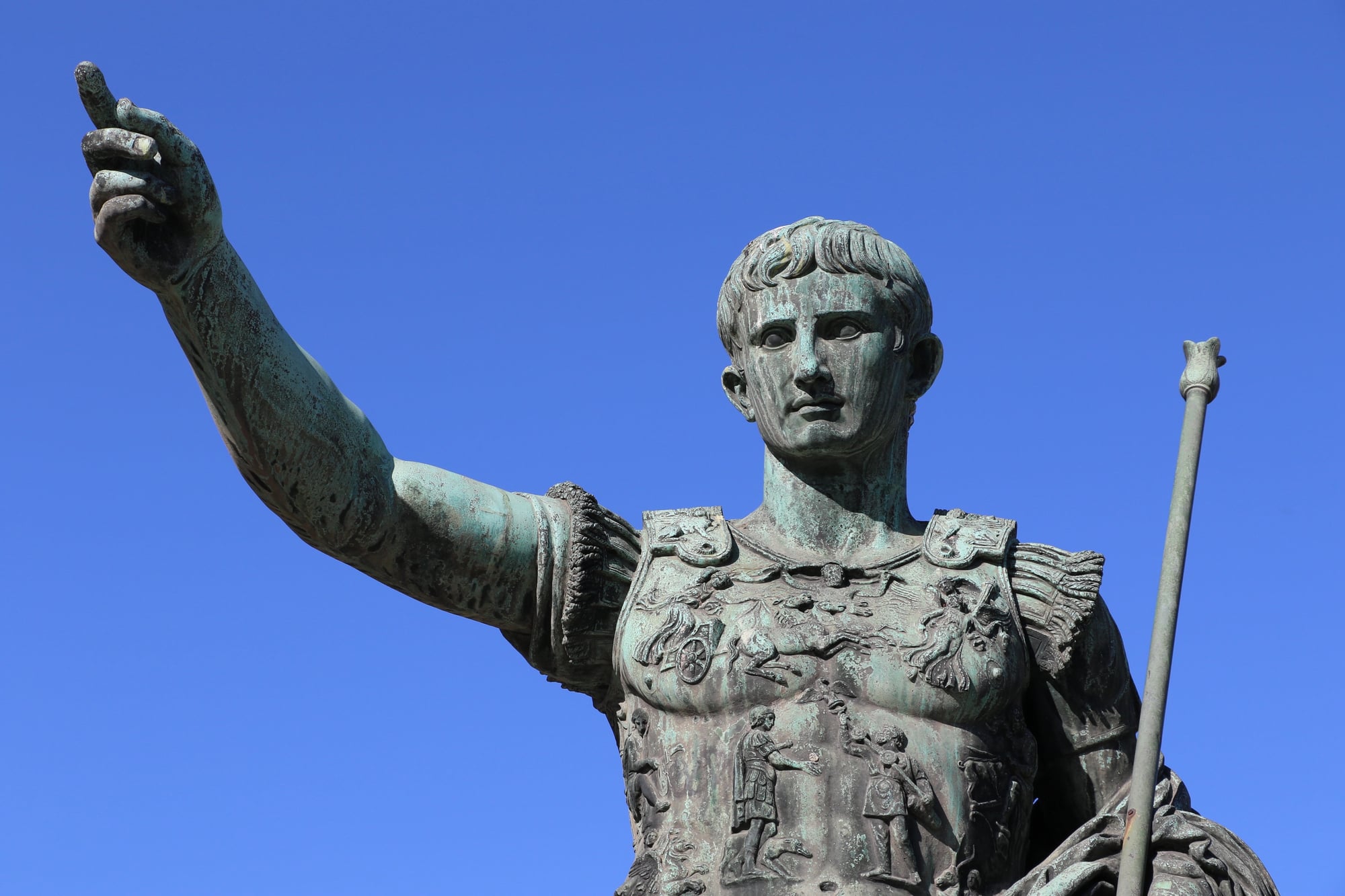
The Ides of March weren’t just a date on Caesar’s calendar. Multiple warnings reached him in the days leading up to his assassination — soothsayers, his wife Calpurnia’s nightmares, even a written note pressed into his hand on the very day of his death.
Caesar acknowledged these omens but dismissed them publicly, though privately he seemed to understand their significance. His final morning brought particularly ominous signs.
Calpurnia begged him not to leave the house, describing dreams of his statue covered in blood and Romans bathing their hands in his blood. Caesar initially agreed to stay home, sending Mark Antony to dismiss the Senate.
But Brutus and the other conspirators convinced him to come anyway, playing on his sense of duty and pride. Walking to the Senate, Caesar encountered the soothsayer who had warned him earlier and remarked, “The Ides of March are come.”
The soothsayer’s reply: “Aye, Caesar, but not gone.”
Mark Twain
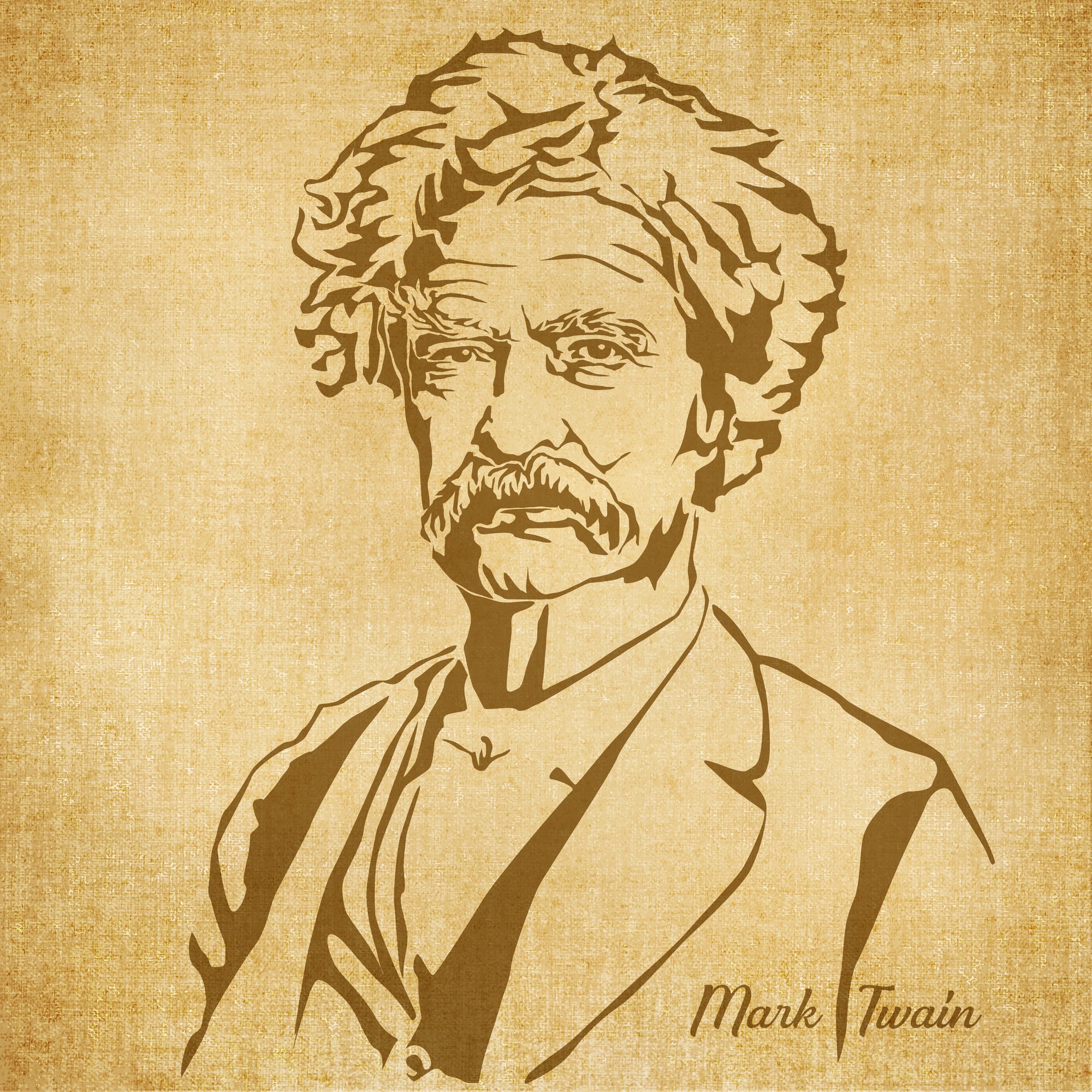
Twain understood the cosmic poetry of his own existence better than most people understand their grocery lists. Born in 1835 during the appearance of Halley’s Comet, he predicted — correctly — that he would die during its next visit to Earth’s vicinity, which came every 76 years (this wasn’t just whimsy; he spoke about it with genuine conviction to friends and family throughout his later years).
The connection felt inevitable to him, as if the universe had bound his life to this celestial schedule from the very beginning. So when 1910 arrived and Halley’s Comet blazed across the sky again, Twain was ready.
He died on April 21, 1910, just one day after the comet reached its closest approach to the sun. His prediction had been decades in the making, and he seemed almost pleased by the symmetry of it all — coming in with the comet, going out with the comet, exactly as he’d foretold.
Napoleon Bonaparte
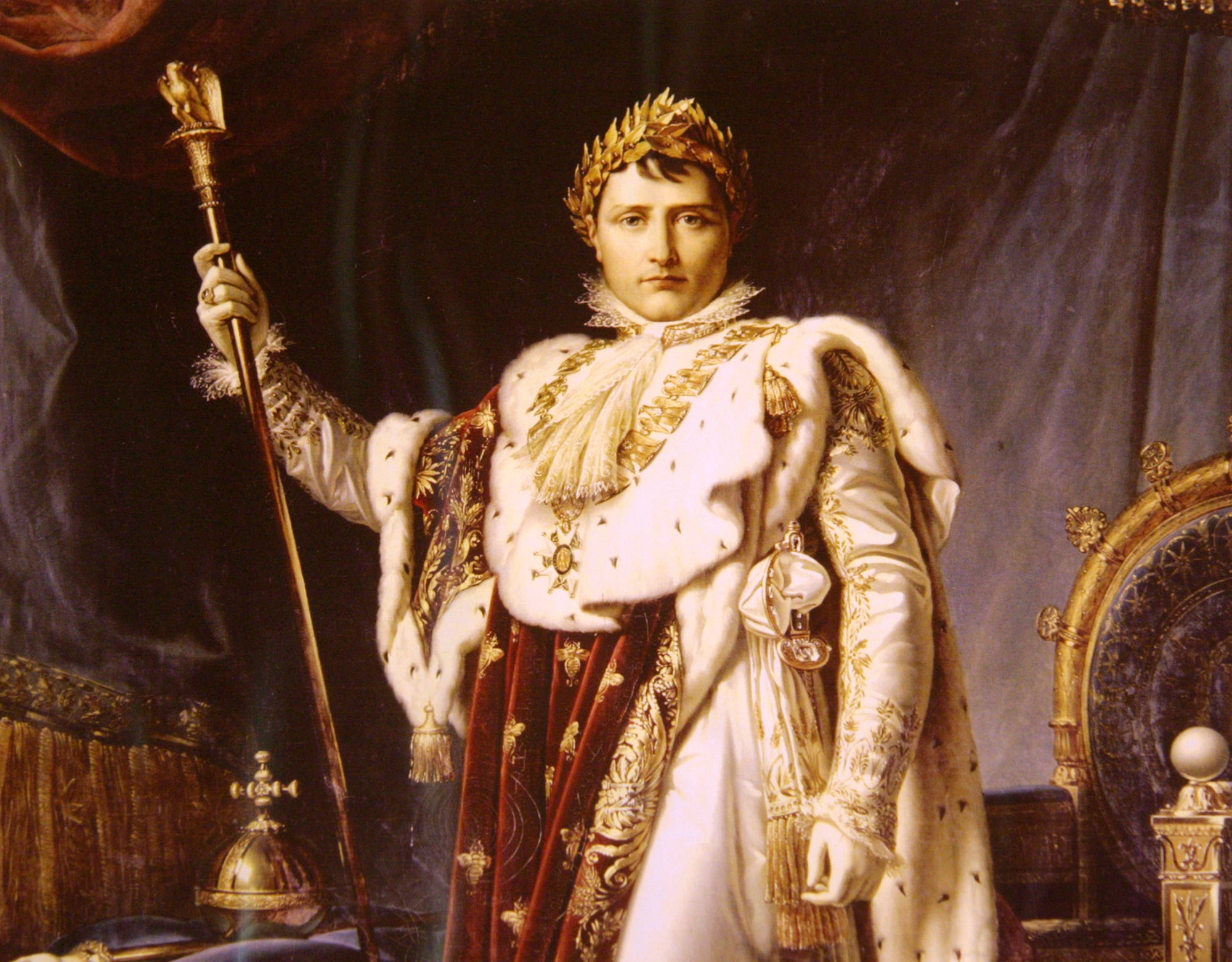
Napoleon’s final exile to St. Helena carried the scent of finality, and he knew it from the moment he set foot on that remote island. The conditions were harsh, the climate disagreeable, and his health began deteriorating almost immediately — but what struck those around him was his calm acceptance of what lay ahead (his physician noted that Napoleon spoke of death not with fear but with a kind of professional curiosity, as if analyzing a military campaign).
The Emperor who had conquered most of Europe seemed oddly at peace with his diminished circumstances. His predictions became more specific as 1821 progressed.
Napoleon told his companions that he wouldn’t survive the year, attributing his certainty to dreams and physical sensations he couldn’t quite describe. He spent his final months organizing his memoirs and settling affairs with the methodical precision of someone working against a known deadline.
When he died on May 5, 1821, those closest to him weren’t surprised — they’d been watching him prepare for departure for months.
Edgar Allan Poe
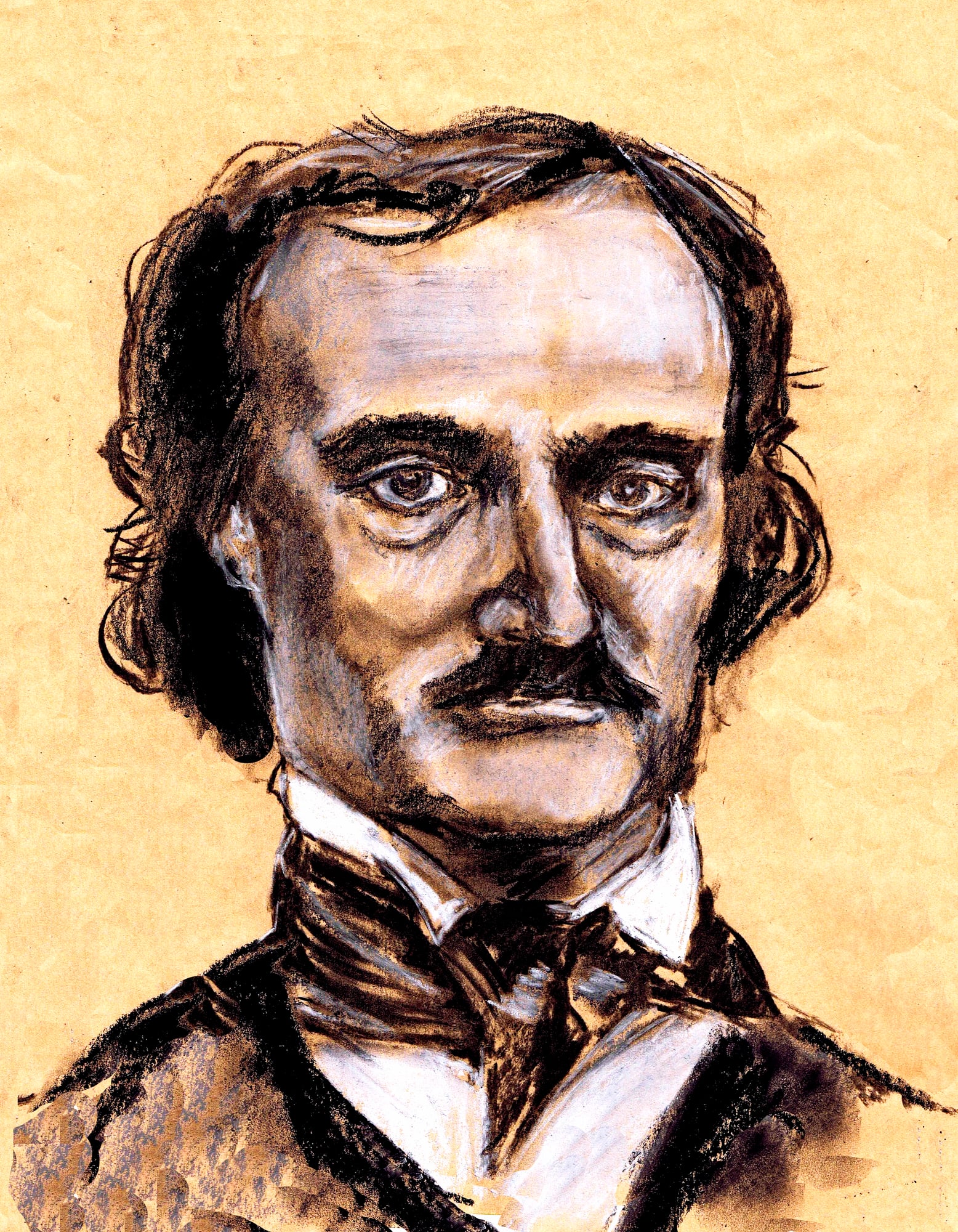
Poe lived his entire adult life in the shadow of death, so perhaps it’s fitting that he sensed its final approach with such clarity. His prediction came during his last coherent conversation, just days before his mysterious death in Baltimore in 1849.
Poe told his aunt and mother-in-law, Maria Clemm, that he felt death approaching and that he wouldn’t live to see another year. Given his history of dramatic pronouncements, she didn’t take it seriously.
But Poe’s certainty was different this time. He spoke of it calmly, without his usual theatrical flair.
The circumstances of his actual death remain one of American literature’s great mysteries — found delirious on a Baltimore street, wearing clothes that weren’t his, repeating the name “Reynolds” over and over until he died four days later.
Whether his premonition came from supernatural insight or simply an awareness of his own self-destructive trajectory, he’d called it accurately.
John F. Kennedy
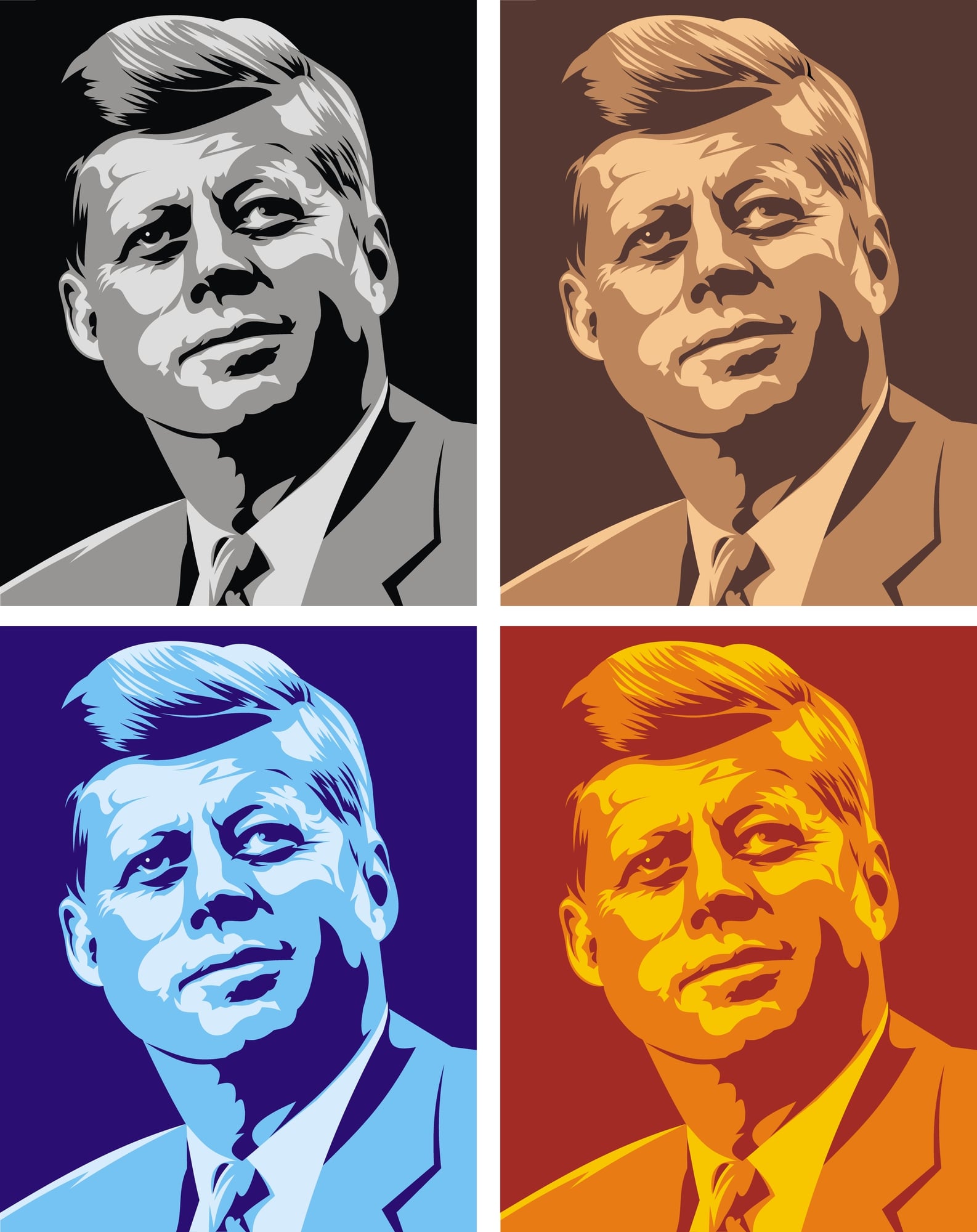
Kennedy’s awareness of his vulnerability wasn’t mystical — it was mathematical (the death threats, the political tensions, the obvious security challenges of presidential motorcades through hostile territories all pointed in one direction). But what distinguished his final months wasn’t fear; it was a kind of resigned determination to keep doing the job despite knowing the risks.
Jackie Kennedy later recalled her husband’s frequent conversations about assassination, not as abstract possibilities but as probable outcomes he’d accepted. The morning of November 22, 1963, brought particularly ominous weather to Dallas, and Kennedy commented to Jackie that they were “heading into nut country.”
And yet he insisted the bubble top be removed from the presidential limousine, wanting to maintain connection with the crowds despite Secret Service objections. His final words, captured on audio just moments before the shots rang out, were oddly prescient: “You certainly can’t say the people of Dallas haven’t given you a nice welcome.”
So they had — right up until they hadn’t.
Nostradamus
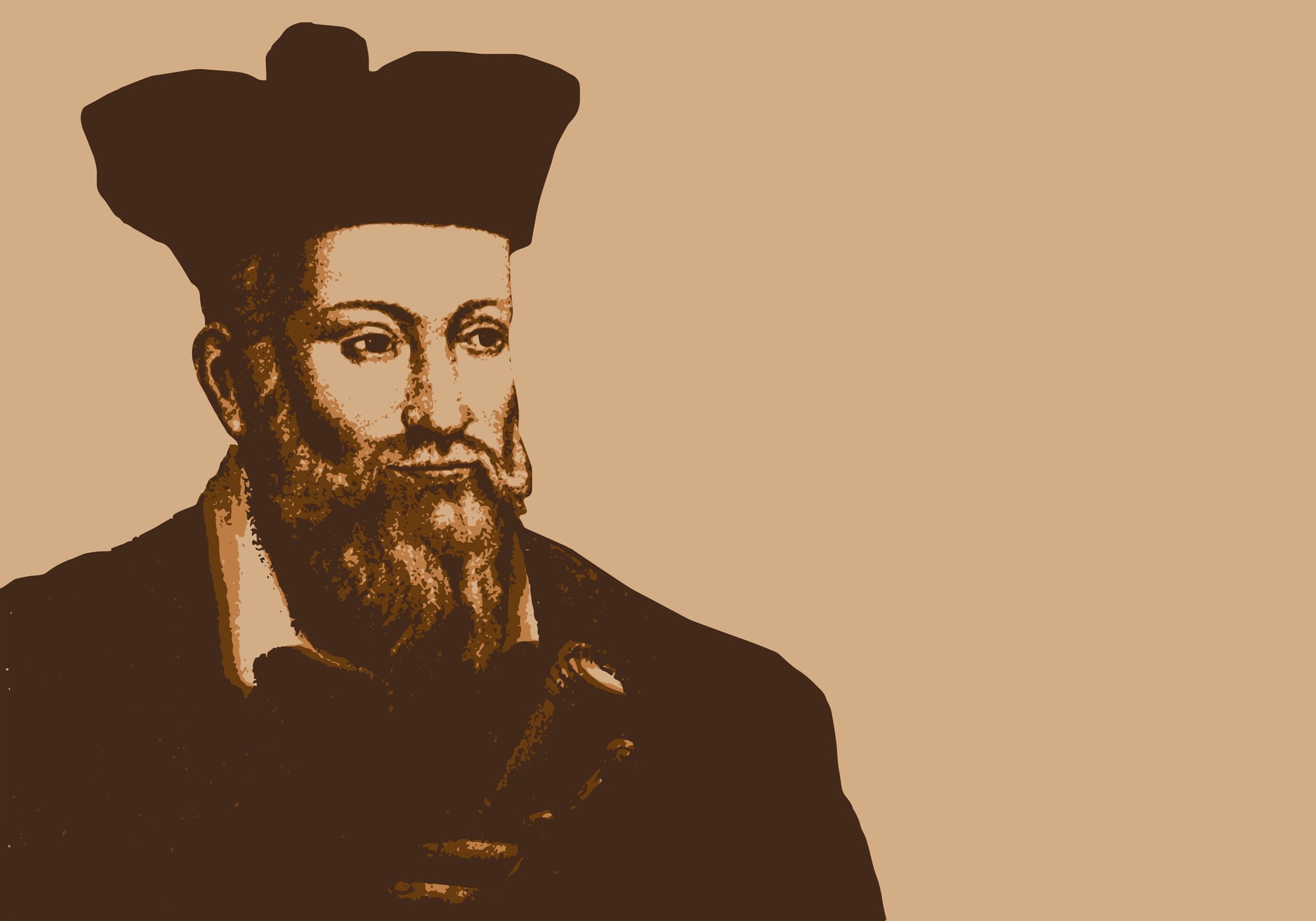
Predicting your own death when you’ve made a career of predicting everything else carries a certain professional obligation. Nostradamus fulfilled it with characteristic precision, telling his secretary on July 1, 1566, “You will not find me alive at sunrise.”
This wasn’t one of his famously cryptic quatrains requiring centuries of interpretation — it was a straightforward prediction delivered with calm certainty. Nostradamus spent that final evening organizing his affairs and saying goodbye to his household.
When his secretary checked on him the next morning, the great prophet was found dead in his study, exactly as he’d foretold. For someone whose other predictions continue generating debate and analysis four centuries later, his final prophecy was refreshingly unambiguous.
Wolfgang Amadeus Mozart
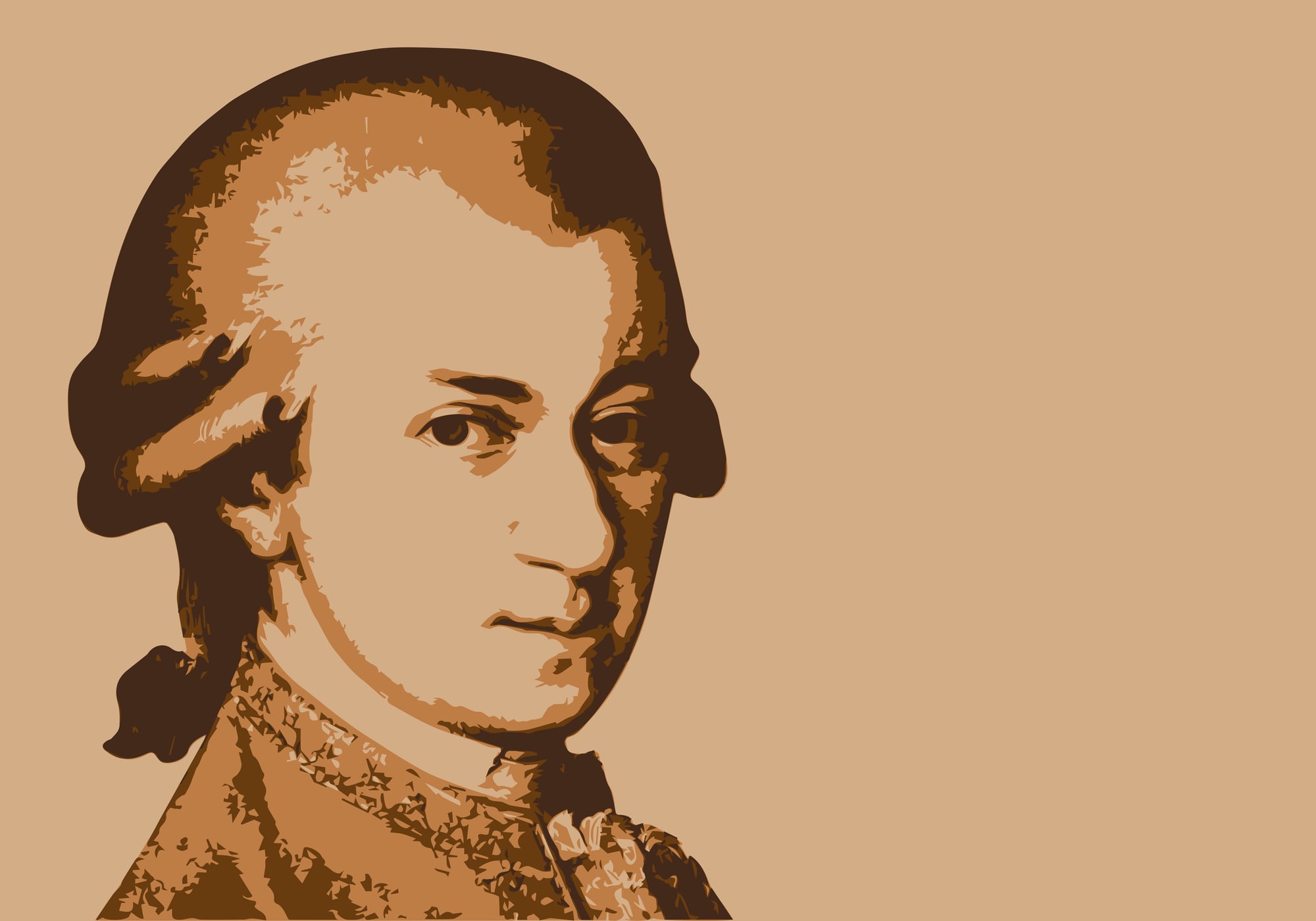
The circumstances surrounding Mozart’s final composition — his Requiem — read like something from one of his operas, complete with mysterious strangers and supernatural overtones (the anonymous commission came from Count Franz von Walsegg, who wanted to pass the work off as his own memorial to his deceased wife, though Mozart never learned the commissioner’s true identity). What he knew was that a man dressed in gray had appeared at his door requesting a funeral mass, and Mozart became convinced he was composing his own requiem.
His health deteriorated rapidly during the autumn of 1791, but Mozart’s certainty about his approaching death seemed to go beyond physical symptoms. But the Requiem consumed him anyway, and he worked on it feverishly even as his strength failed.
Mozart died on December 5, 1791, leaving the work unfinished — though he’d completed enough to ensure his prediction proved accurate. The mysterious commission had indeed become his own funeral music.
Socrates
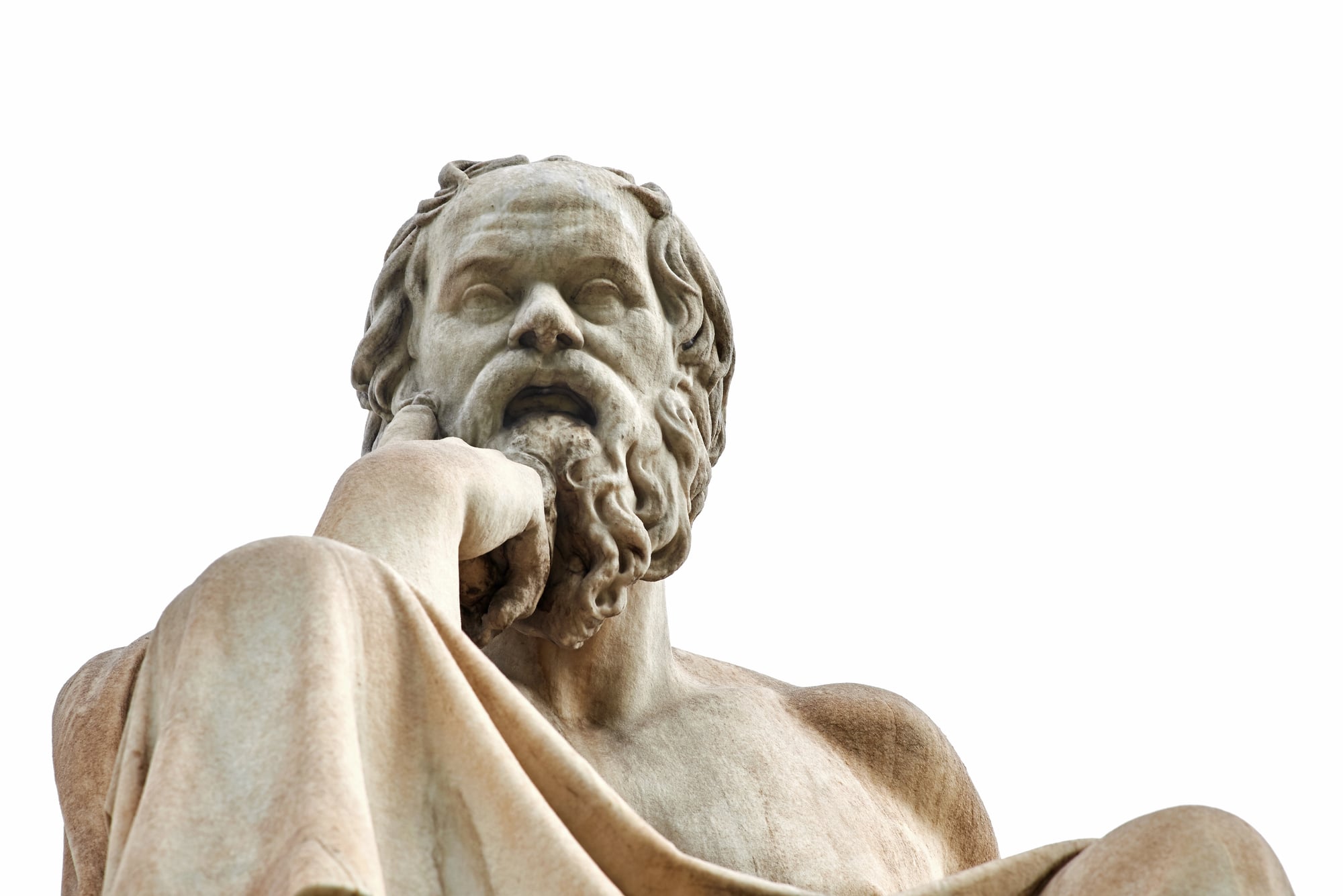
Socrates approached his execution with the same methodical curiosity he’d applied to philosophical questions throughout his life. After being sentenced to death by poison for corrupting Athenian youth and impiety, he had thirty days to contemplate his fate — and he used that time not to plan an escape (though his friends offered to arrange one) but to prepare himself and those around him for what he saw as a natural transition.
His final day, as recorded by Plato in the Phaedo, shows a man completely at peace with his predicted death. Socrates spent his last hours discussing the immortality of the soul with his disciples, treating his approaching death as the ultimate philosophical experiment.
When the time came to drink the hemlock, he did so calmly, even offering practical advice to the executioner about the poison’s effects. His prediction wasn’t supernatural — it was simply an acceptance of logical consequences.
Marie Antoinette
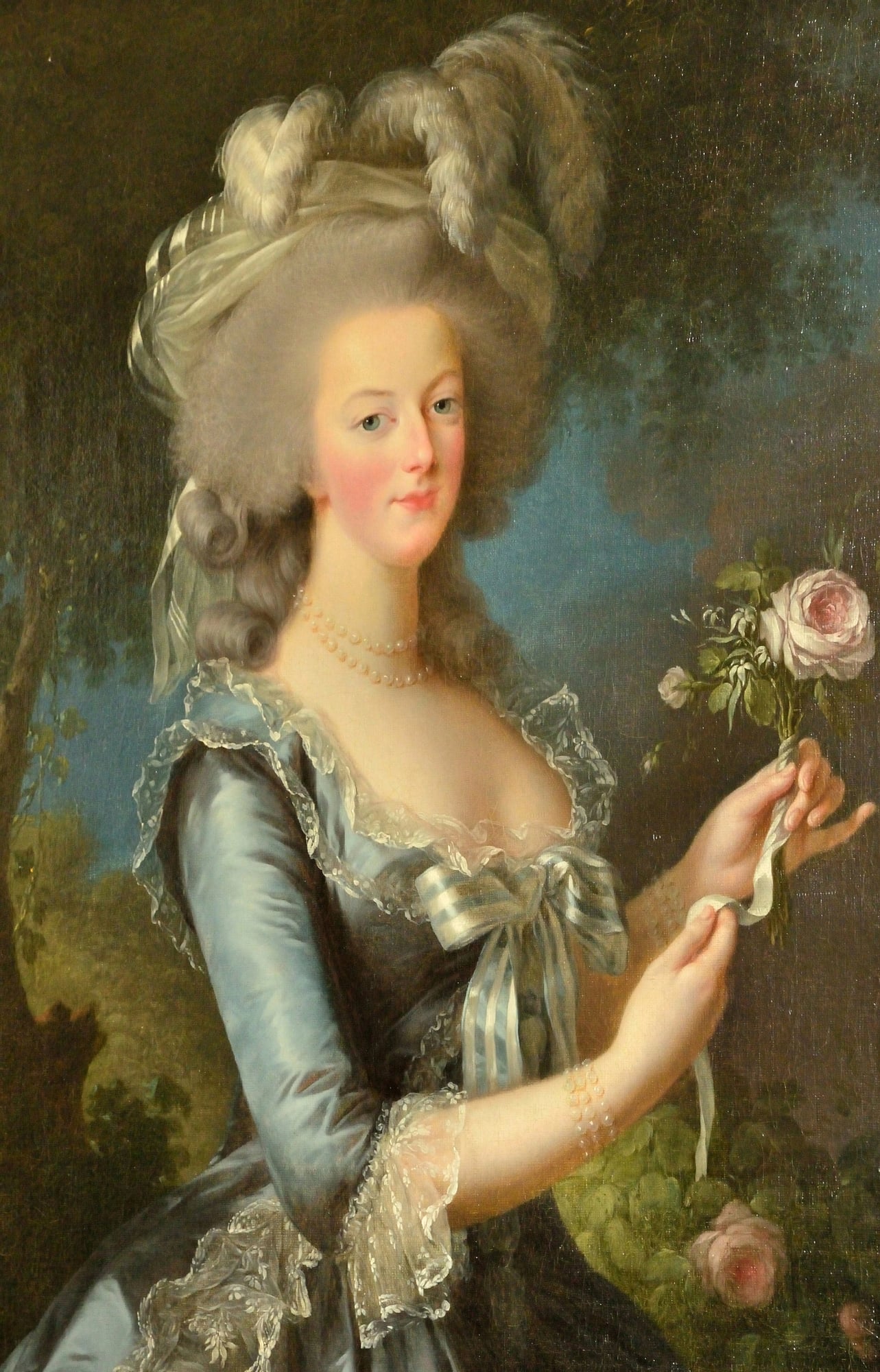
The French Revolution stripped away any illusions Marie Antoinette might have had about her survival chances. Imprisoned, widowed, and watching former friends lose their heads to the guillotine daily, she understood her fate with grim clarity.
Her prediction came in letters smuggled from her prison cell, where she wrote to friends about her certainty that she wouldn’t live to see another Christmas. What’s remarkable about her final months isn’t the prediction itself — anyone could see where the revolutionary fervor was heading — but her transformation from frivolous queen to dignified prisoner facing death.
Marie Antoinette spent her last weeks writing letters of forgiveness to those who condemned her and preparing herself spiritually for execution. When she mounted the scaffold on October 16, 1793, she’d been expecting that moment for months.
Franklin D. Roosevelt
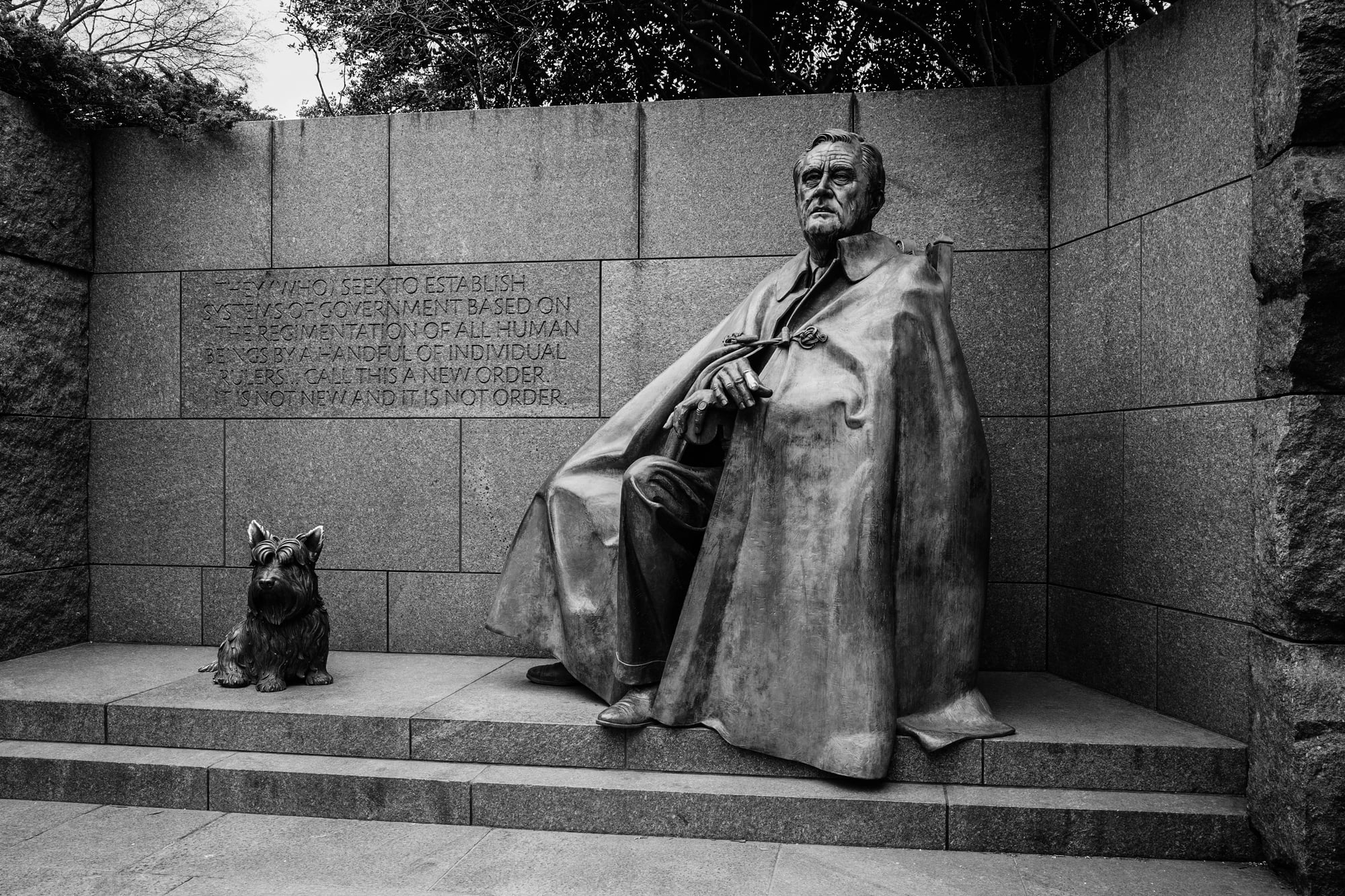
Roosevelt’s fourth inaugural address in January 1945 carried an undertone of finality that caught the attention of those who knew him well (his physical appearance had deteriorated dramatically, and close advisors noticed his increasing fatigue and difficulty concentrating during meetings). But it was his behavior in the weeks leading up to his death that suggested he understood his time was running out — settling personal affairs, spending unusual amounts of time in reflection, and making comments about not being around to see the post-war world.
His final day at Warm Springs, Georgia, began with Roosevelt complaining of a severe headache while posing for a portrait. And yet what struck those present was his lack of surprise when the pain intensified — as if he’d been expecting this particular crisis.
So when the massive cerebral hemorrhage struck that afternoon, Roosevelt faced it with the same calm determination he’d shown throughout the war years. His prediction hadn’t been explicit, but his preparation had been thorough.
Oscar Wilde
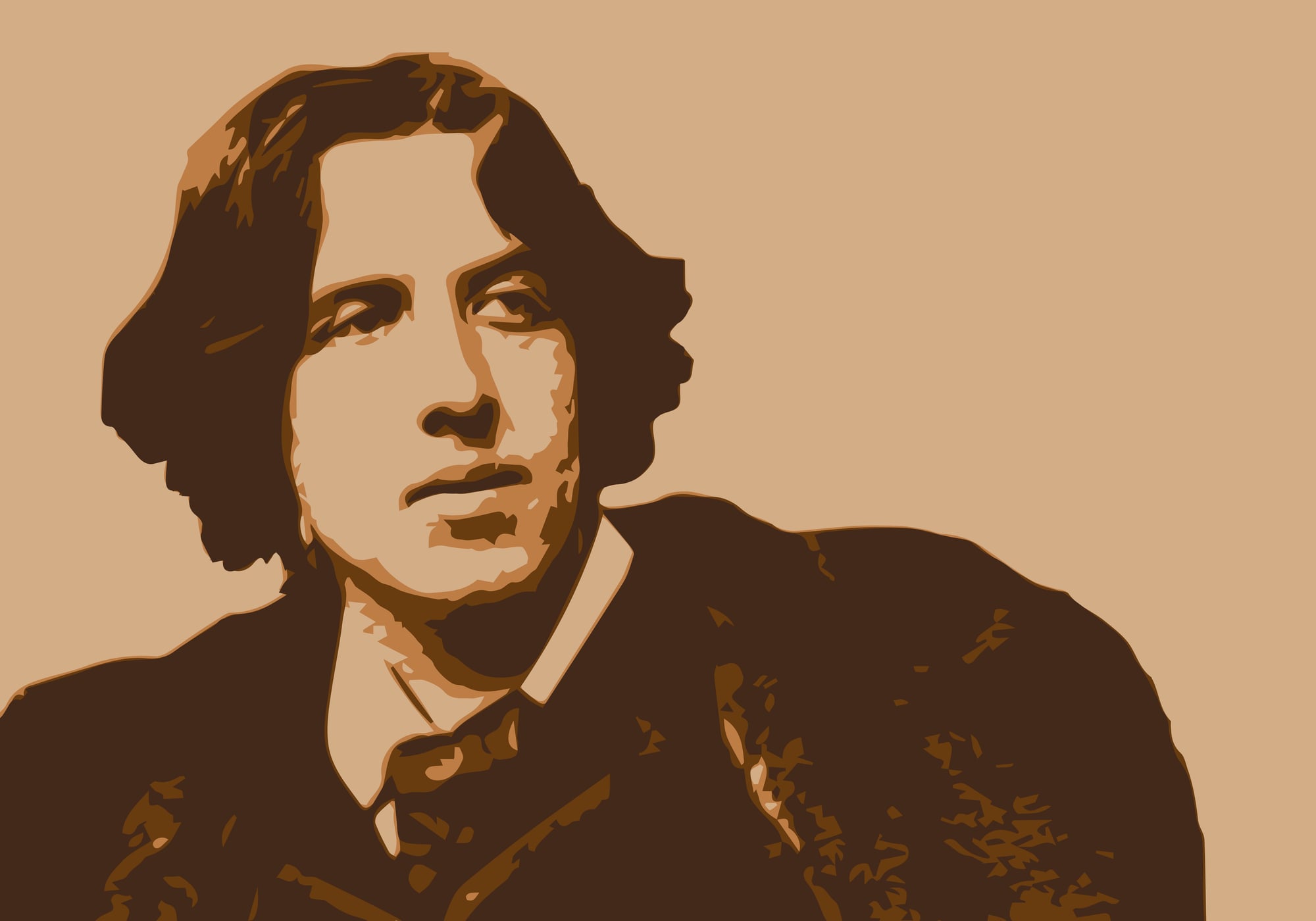
Prison changed Wilde in ways that went beyond the obvious physical deterioration. Released from Reading Gaol in 1897, he seemed to carry a knowledge of his own limited time like a weight he couldn’t set down.
His prediction came during his final exile in Paris, where he told friends repeatedly that he wouldn’t live to see the new century — this wasn’t melodrama from the master of wit, but quiet certainty delivered without his usual theatrical flourishes.
Wilde’s final months were spent in poverty and declining health, but those who visited him noticed something beyond physical illness: a kind of spiritual exhaustion that suggested he’d simply had enough.
When he contracted the ear infection that would kill him in November 1900, Wilde seemed almost relieved that his prediction was coming true. His famous last words — “Either this wallpaper goes, or I do” — captured his ability to find humor even in his accurately predicted demise.
Alexander The Great
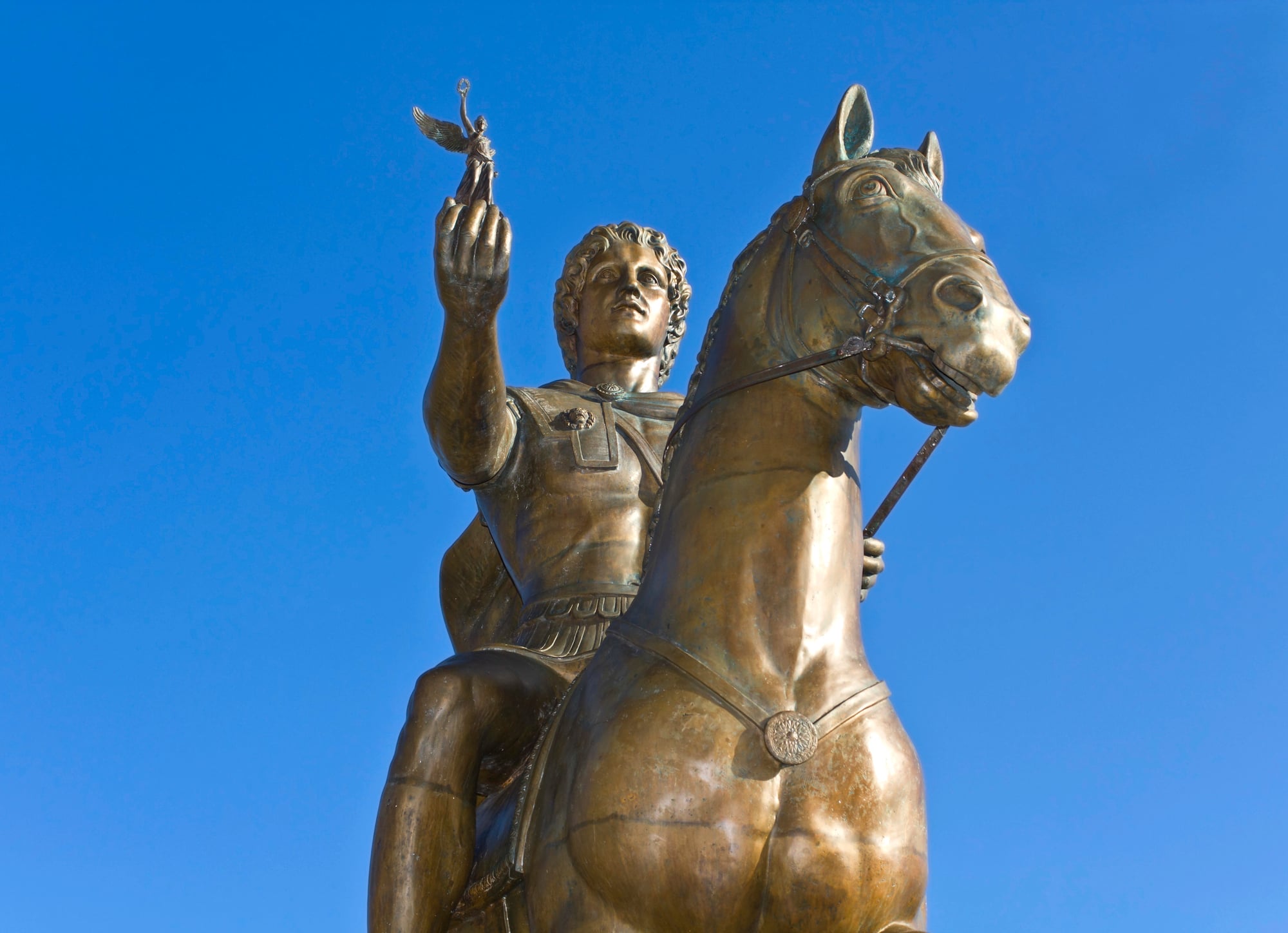
Alexander’s prediction came during his final campaign, when he began telling his generals that he wouldn’t live to see his fortieth birthday. This wasn’t the superstition of a nervous leader — Alexander had faced death countless times in battle without flinching — but rather a certainty that seemed to emerge from dreams and omens he couldn’t ignore.
His companions later recalled that he spoke of death with unusual frequency during his final months. The prediction proved accurate with eerie precision.
Alexander died in Babylon in 323 BCE, just weeks before his thirty-third birthday, after a brief illness that baffled his physicians. Whether his foresight came from supernatural insight or simply an awareness of the physical toll taken by years of constant warfare and heavy drinking, he’d called his own end with remarkable accuracy.
Caligula
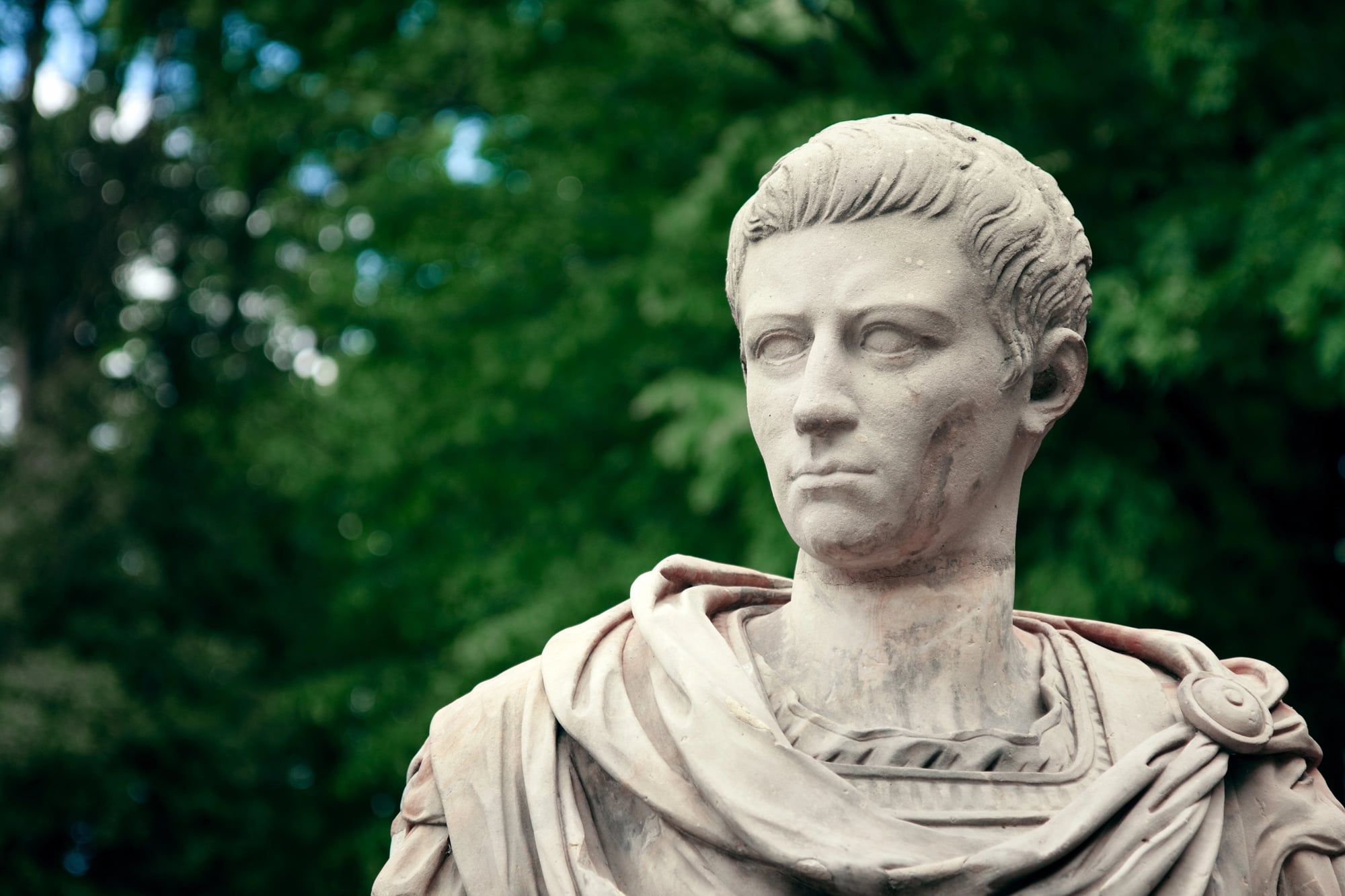
Caligula’s final weeks were filled with omens and warnings that would have unnerved a less arrogant ruler. The prediction came from multiple sources — soothsayers, dreams, even graffiti appearing around Rome — all pointing to his death during the Palatine Games in January 41 CE.
Rather than cancel the events or increase his security, Caligula seemed almost curious to see if the predictions would prove accurate. His behavior during those final days suggested someone testing fate rather than fearing it.
Caligula made jokes about the prophecies while simultaneously taking some precautions, as if he couldn’t decide whether to believe them or not. When Cassius Chaerea and the other conspirators struck on January 24, 41 CE, they fulfilled predictions that had been circulating for weeks — predictions that Caligula himself had acknowledged and, in his twisted way, almost welcomed.
Virginia Woolf
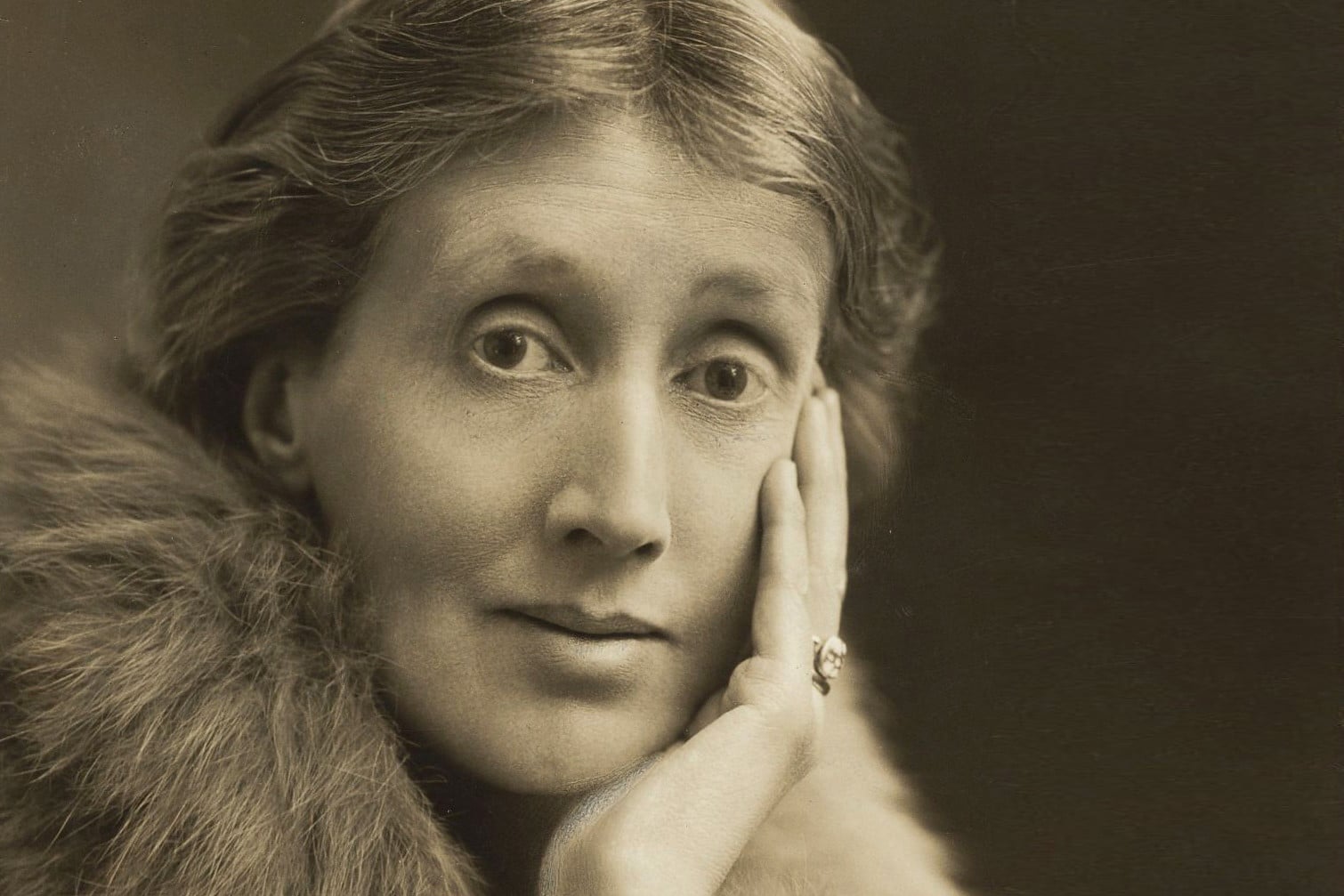
Woolf’s final prediction came in the form of letters — carefully written notes left for her husband Leonard and her sister Vanessa, explaining her certainty that she wouldn’t recover from the depression that had plagued her throughout her life.
These weren’t impulsive messages but thoughtful communications from someone who understood her own psychological patterns better than any doctor of her era. Her final morning, March 28, 1941, began with Woolf putting her affairs in order and writing those farewell letters with methodical precision.
She filled her coat pockets with stones and walked to the River Ouse, fulfilling the prediction she’d made in her own words just hours earlier. What distinguished her foresight wasn’t supernatural insight but rather a deep self-knowledge that allowed her to recognize when her internal battles had reached their conclusion.
The Echo Of Certainty

These predictions remind you that knowledge and acceptance aren’t the same thing. Some of these figures fought against their foreseen fate, others embraced it, and a few seemed almost curious to discover whether their intuition would prove correct.
What they shared wasn’t a death wish but rather an unusual clarity about their own mortality — a clarity that most people spend their entire lives avoiding. Their stories suggest that perhaps the boundary between intuition and inevitability isn’t as clear as we’d like to believe.
Whether their predictions emerged from careful observation, supernatural insight, or simply an acute awareness of dangerous circumstances, they all possessed something most of us lack: the courage to look directly at their own ending and acknowledge what they saw there.
More from Go2Tutors!

- The Romanov Crown Jewels and Their Tragic Fate
- 13 Historical Mysteries That Science Still Can’t Solve
- Famous Hoaxes That Fooled the World for Years
- 15 Child Stars with Tragic Adult Lives
- 16 Famous Jewelry Pieces in History
Like Go2Tutors’s content? Follow us on MSN.



