15 Unusual Facts About Panda Bears
Pandas are some of the most loved animals in the world, with their black and white fur and clumsy, playful behavior. Most people think they know everything about these cute bears, but pandas have many surprising secrets that might shock you. From their unusual eating habits to their strange body features, these amazing creatures are full of surprises. Scientists continue to discover new and interesting things about pandas that make them even more special than we already thought.
Get ready to learn some truly amazing things about pandas that will change how you see these beloved bears.
Baby pandas are incredibly tiny when born
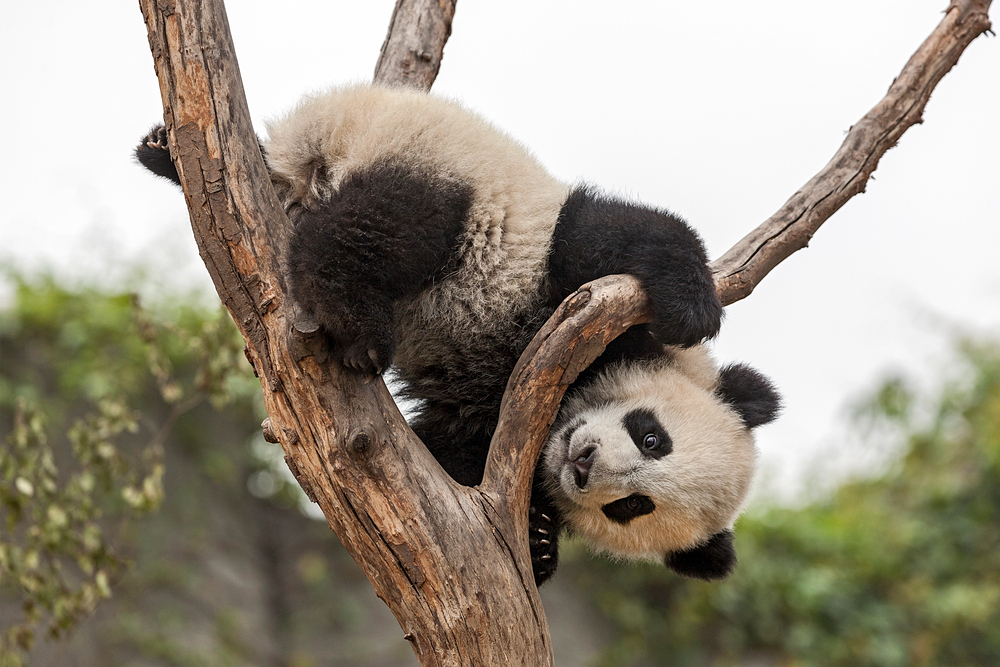
Newborn pandas are about the size of a stick of butter and weigh less than 100 grams, making them one of the smallest mammal babies compared to their mother’s size. A mother panda is about 900 times heavier than her tiny newborn, which is like a human mother giving birth to a baby the size of a grape.
Pandas have a fake thumb
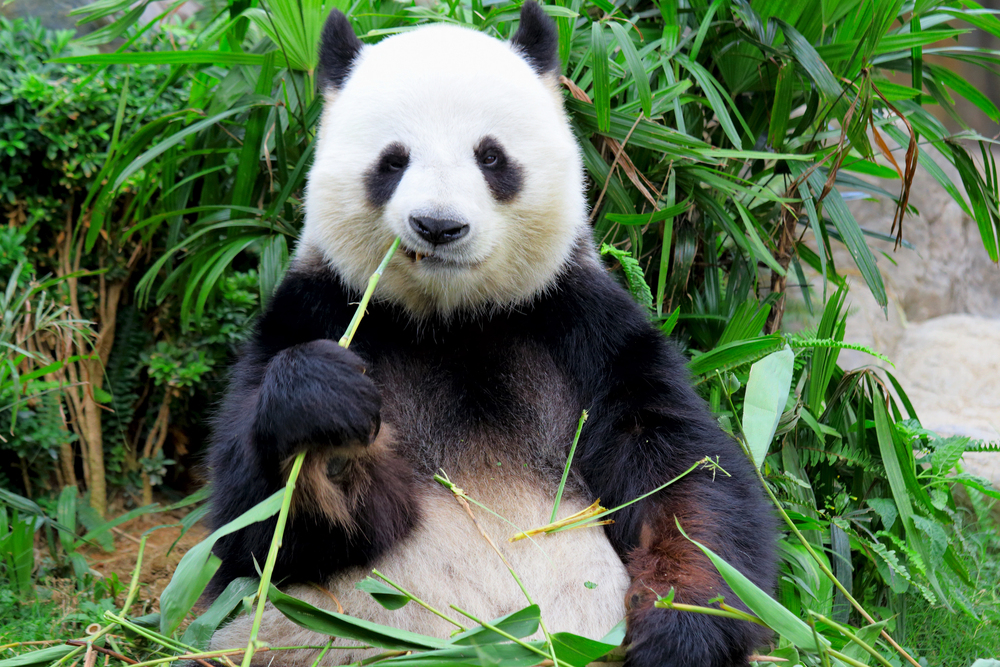
Giant pandas have a special wrist bone that works like a thumb, even though it’s not actually a real thumb. This “pseudo-thumb” helps them grab bamboo stalks and hold them steady while they eat.
The fake thumb has strong muscles but no movable joints, making it more like a hook than a human thumb. Without this extra digit, pandas would struggle to hold onto the slippery bamboo they need to survive.
Like Go2Tutors’s content? Follow us on MSN.
They can only digest 17% of the bamboo they eat

Even though pandas eat bamboo all day long, their stomachs can only process a tiny fraction of what they consume. Their digestive system is still designed like a meat-eater’s, not a plant-eater’s, which means most of the bamboo passes right through them.
Pandas have to eat for 12 to 16 hours every day just to get enough nutrition to survive.
Red pandas came first and gave giant pandas their name
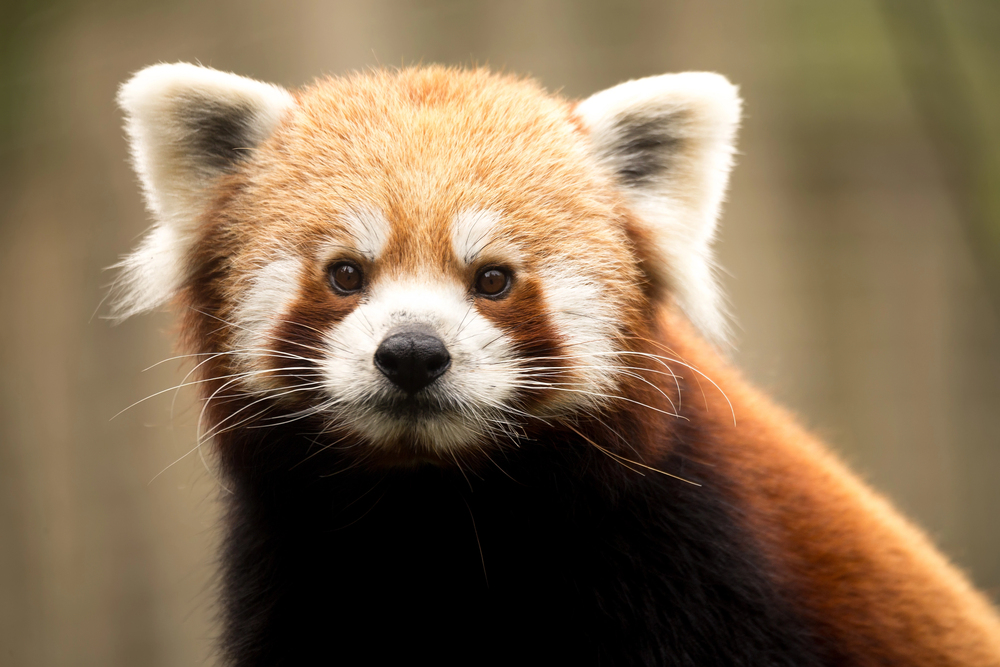
The adorable red panda was discovered and named 50 years before scientists found giant pandas. When explorers later discovered the larger black and white bears, they noticed both animals ate bamboo and lived in similar areas.
Scientists decided to call the bigger animals “giant pandas” because they seemed related to the smaller red ones. Funny enough, red pandas are actually more closely related to raccoons than to giant pandas.
Giant pandas can live to be 38 years old
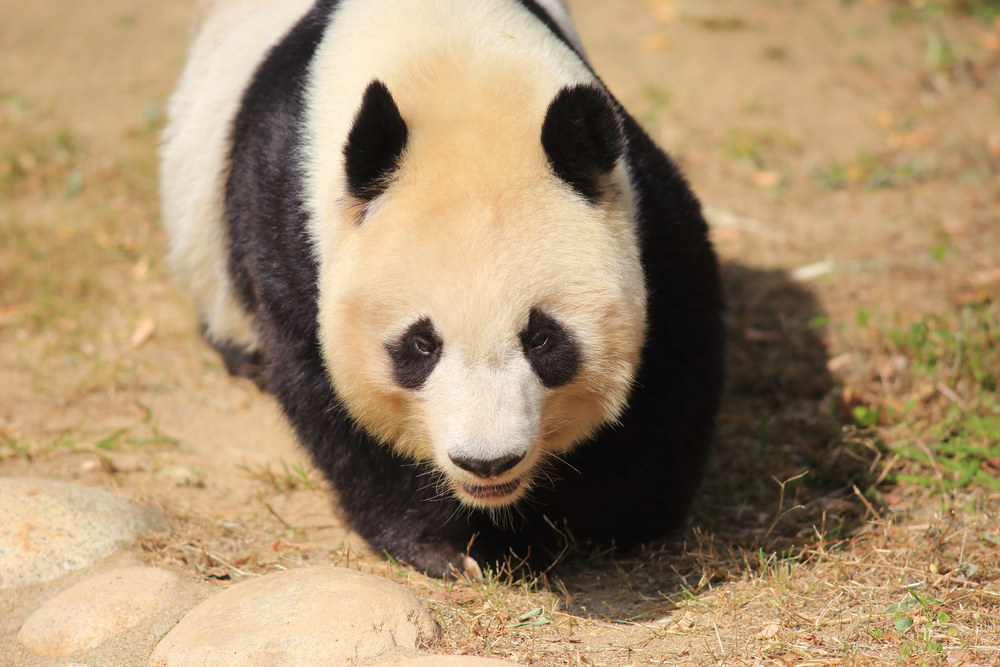
The oldest recorded giant panda lived to be 38 years old, which equals about 115 human years. Most pandas in the wild live to be around 15 to 20 years old, but pandas in zoos often live longer because they get medical care and regular meals.
Female pandas can still have babies when they’re in their early twenties, making them some of the oldest mothers in the animal kingdom. The oldest panda mom on record was 22 when she had her last baby.
Like Go2Tutors’s content? Follow us on MSN.
They’re only fertile for 2-3 days per year
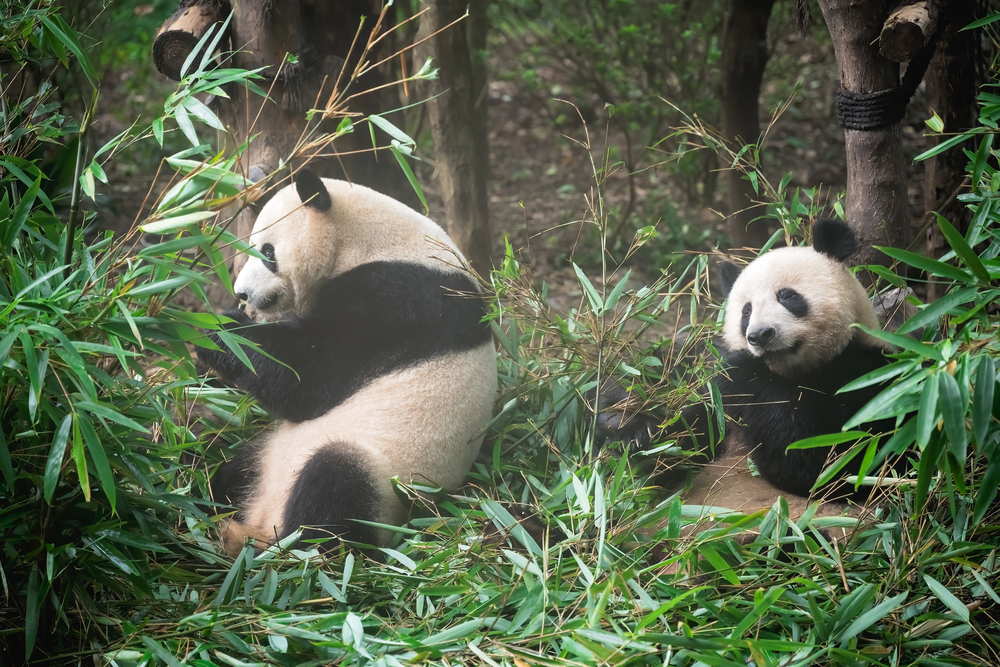
Female pandas have one of the shortest fertile periods of any mammal, lasting just 24 to 72 hours once a year. This tiny window makes it extremely difficult for pandas to reproduce in the wild, contributing to their endangered status.
Male pandas have to detect exactly when females are ready through scent marks and vocal calls. If they miss this brief opportunity, they have to wait an entire year for another chance.
Pandas communicate through scent marking and vocalizations
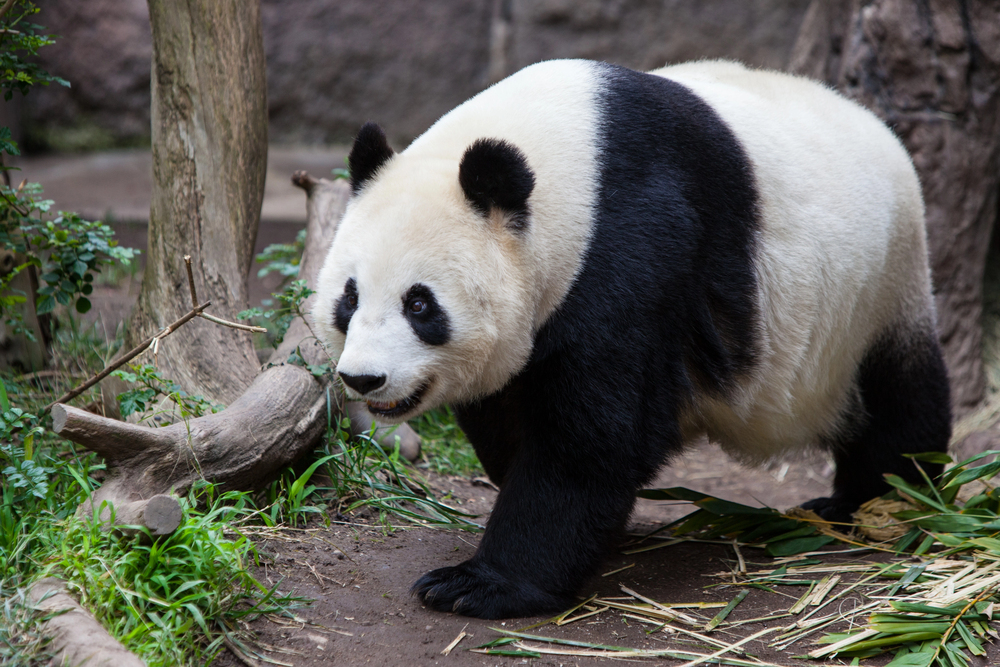
Giant pandas make a variety of sounds including bleating, roaring, huffing, barking, and even a sound that resembles a dog’s bark. They use scent marking to leave messages for other pandas by rubbing their bottom on trees and rocks.
Each panda has a unique scent signature that tells other pandas their identity, age, and reproductive status. Baby pandas make different noises than adults, including squeaking sounds when they want their mother’s attention.
Their black and white coloring serves multiple purposes
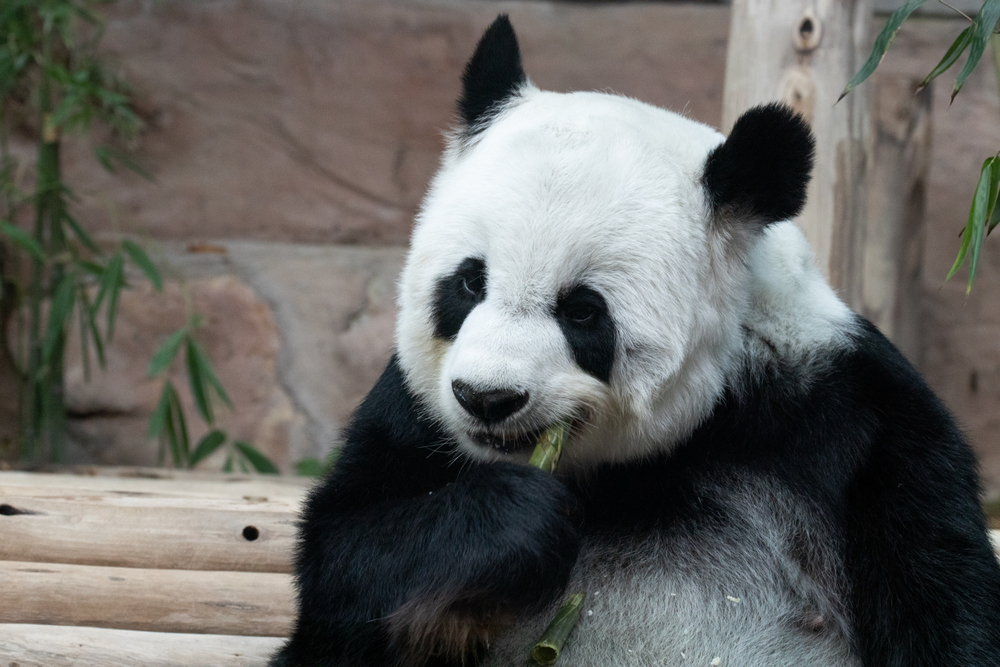
The giant panda’s distinctive black and white pattern helps them blend into their shadowy forest environment better than you might expect. Their dark ears and eye patches may help them recognize each other, while their white body helps them hide against snowy backgrounds.
Some scientists think the black limbs help pandas absorb heat from the sun while the white body reflects heat to keep them cool. The contrasting colors might also serve as a warning to predators or competitors.
Like Go2Tutors’s content? Follow us on MSN.
They have excellent night vision

Pandas have vertical pupils like cats, which helps them see clearly in dim forest light and during nighttime hours. Their eyes have a special reflective layer that makes them glow in the dark, similar to many nocturnal animals.
This night vision ability helps them navigate through dense bamboo forests when searching for the best plants to eat. Wild pandas are often more active during dawn and dusk when the lighting is poor.
Pandas can swim and are surprisingly good climbers
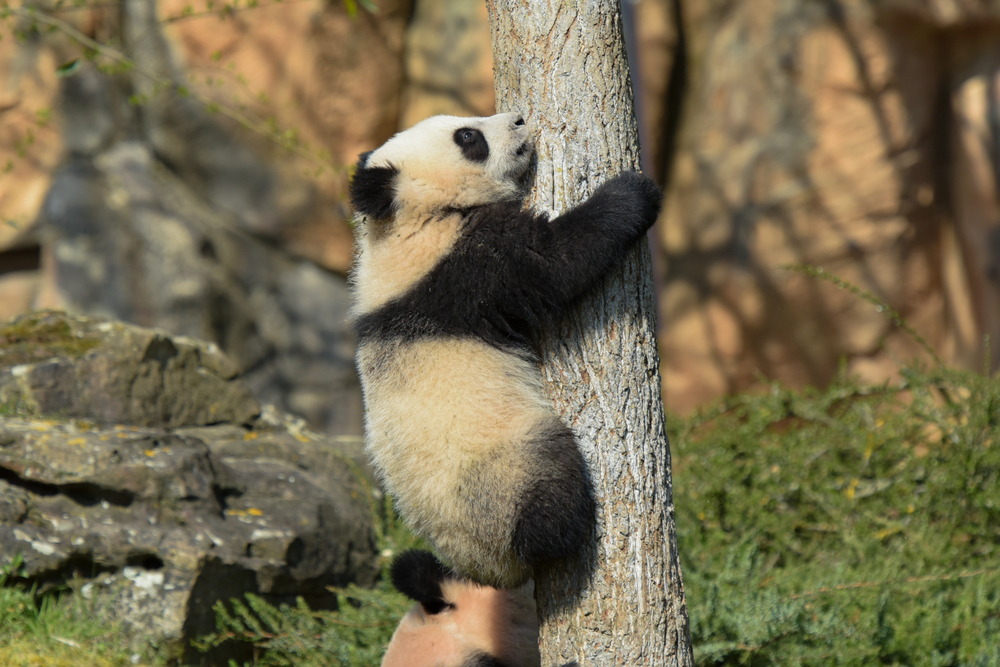
Despite their bulky appearance and clumsy walking style, pandas are excellent swimmers and agile tree climbers. Young pandas especially love climbing trees and often sleep in the branches for safety and comfort.
Their strong claws and flexible joints help them grip tree bark and bamboo stalks effectively. Mother pandas teach their cubs how to swim in shallow streams and rivers.
They do handstands to mark territory
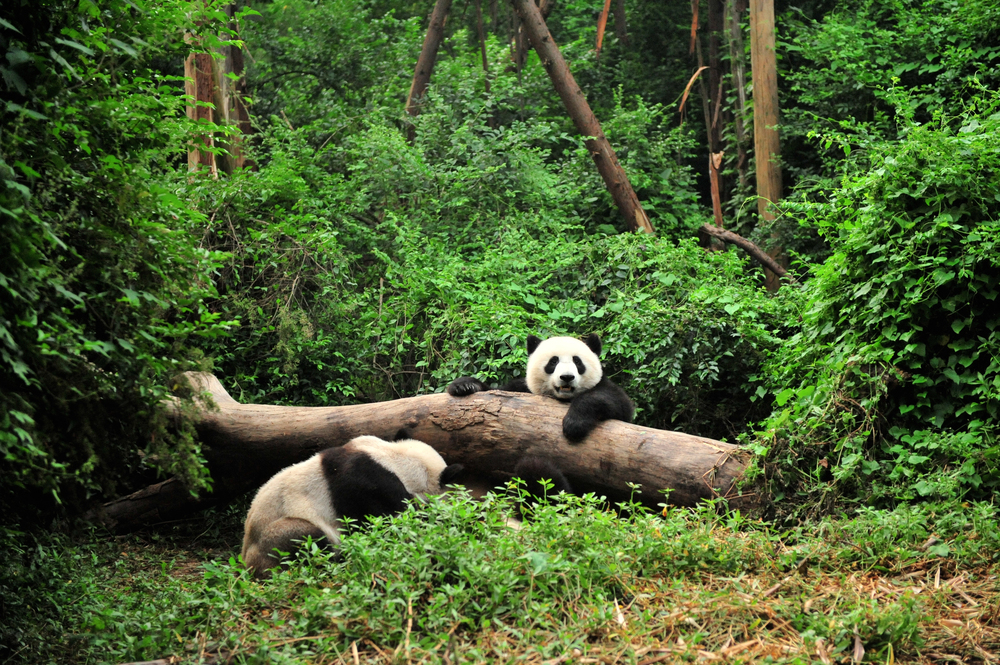
Male pandas perform handstands against trees to leave their scent marks as high as possible, showing other pandas how big and strong they are. The higher a panda can place its scent mark, the more impressive it appears to potential mates and rivals.
This unusual behavior requires significant strength and balance, especially for such heavy animals. Pandas also back up to trees and rub their rear ends on the bark to leave scent messages.
Like Go2Tutors’s content? Follow us on MSN.
Their teeth are incredibly strong
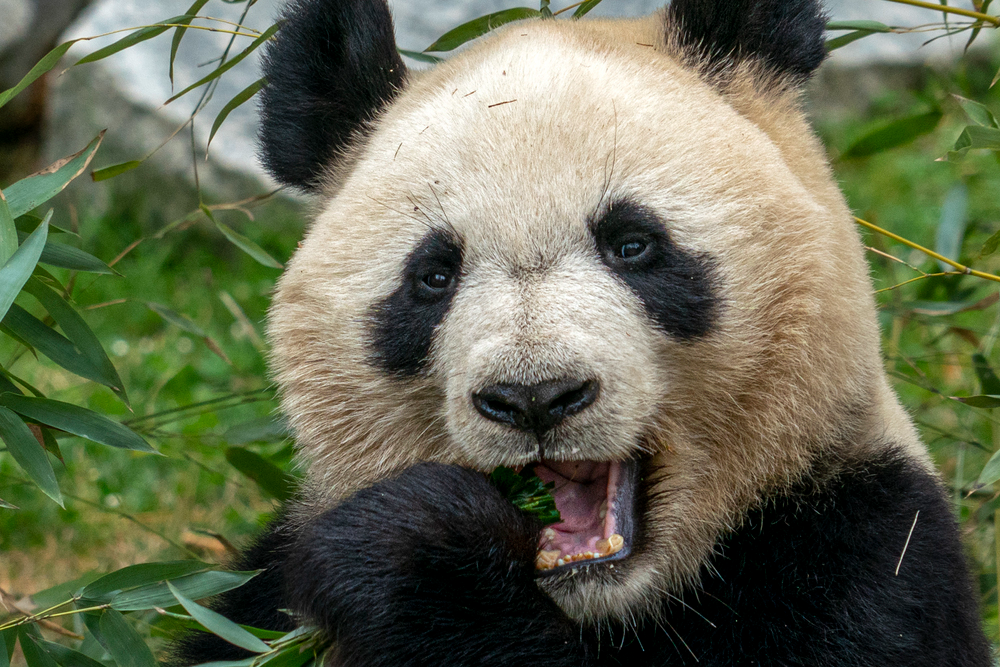
Giant pandas have massive molars and powerful jaw muscles that can crush thick bamboo stalks like twigs. Their bite force is comparable to that of other large carnivorous mammals, even though they only eat plants.
Panda teeth continue growing throughout their lives to replace the surfaces worn down by constant bamboo chewing. They have 40 teeth in total, including large grinding molars in the back of their mouths.
Cubs stay with mom for up to three years
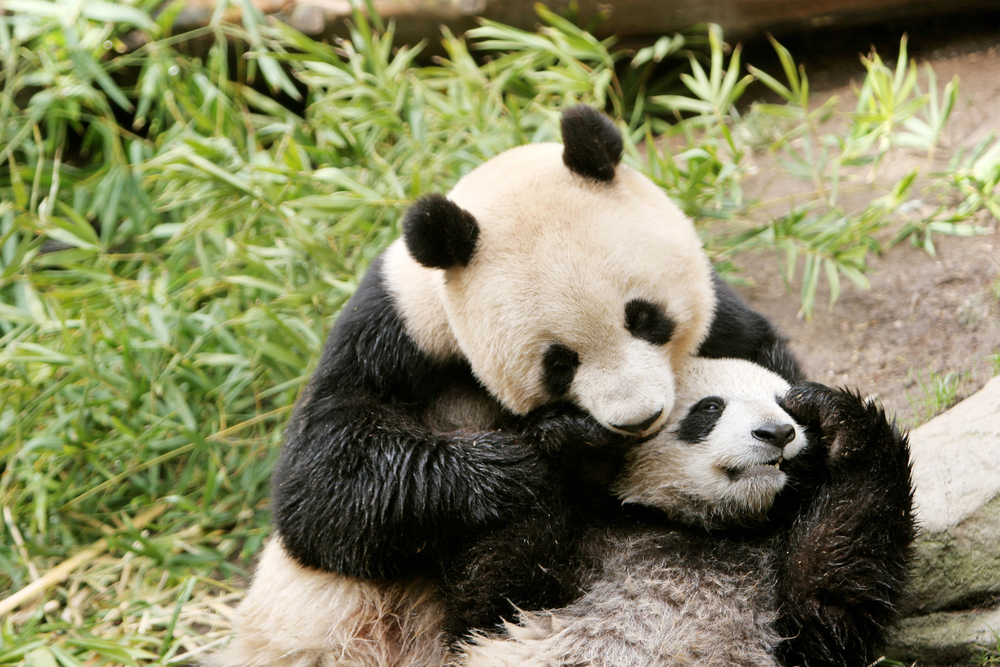
Baby pandas have one of the longest childhood periods of any bear species, often staying with their mothers until they’re nearly full grown. During this extended time, mother pandas teach their cubs how to choose the best bamboo, climb trees, and avoid dangers.
The long childhood means female pandas can only have a baby every two to three years at most. This slow reproduction rate makes it difficult for panda populations to recover quickly from declines.
They prefer different types of bamboo for different seasons
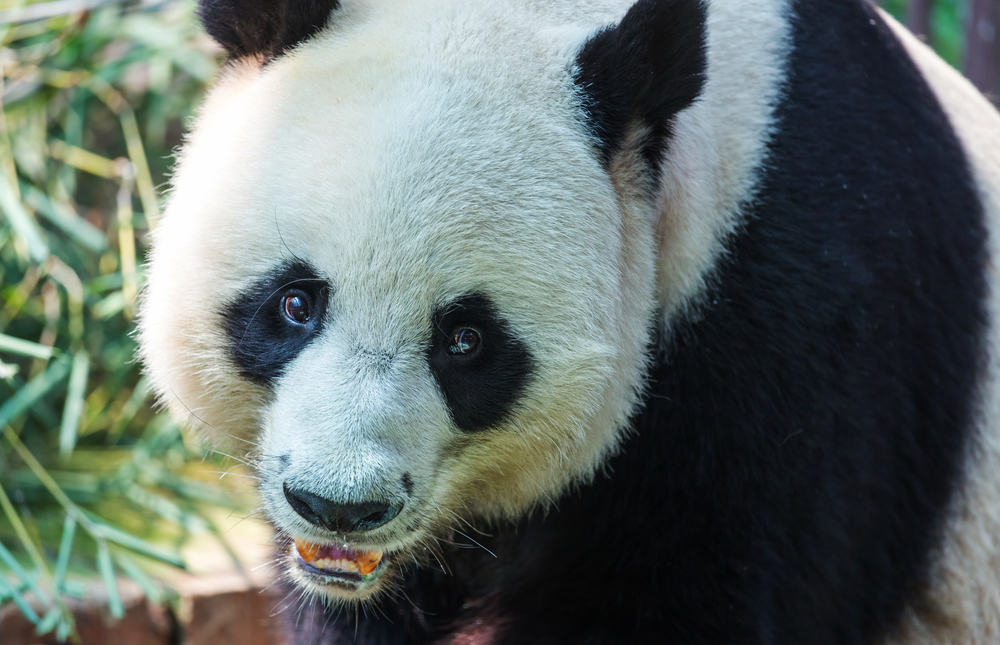
Giant pandas are surprisingly picky eaters who choose from over 40 different bamboo species depending on what’s available and what tastes best during each season. In spring, they prefer young bamboo shoots that are tender and nutritious, while in other seasons they eat older bamboo leaves and stems.
Pandas can tell which bamboo plants are freshest and most nutritious just by smelling them. They’ll often reject perfectly good bamboo if they find something more appealing nearby.
Like Go2Tutors’s content? Follow us on MSN.
Their fur is waterproof and incredibly thick
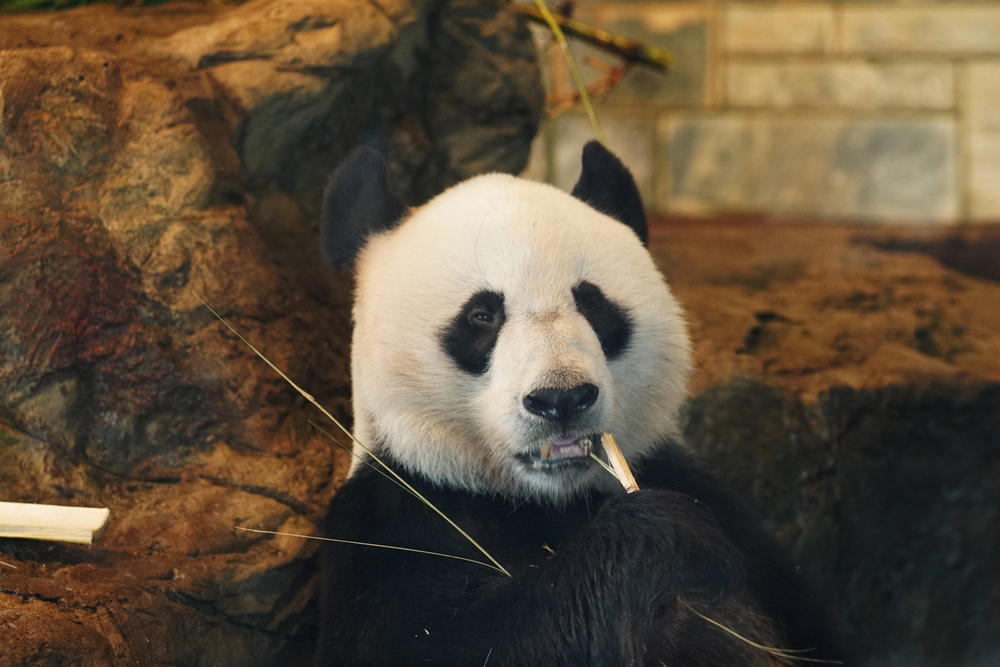
Panda fur consists of two layers: a soft undercoat for warmth and longer guard hairs that repel water and snow. Each hair follicle actually contains multiple hairs, making their coat extremely dense and warm.
The waterproof outer layer helps pandas stay comfortable in the wet, misty mountains where they live. Their fur is so thick that parasites like fleas have trouble reaching their skin.
They can eat bamboo that’s poisonous to other animals

Some bamboo species contain natural toxins that make them dangerous for most animals to eat, but pandas have special gut bacteria that helps them process these harmful compounds. Their unique digestive system neutralizes many plant toxins that would make other animals sick or even kill them.
This ability gives pandas access to bamboo varieties that have less competition from other plant-eating animals. The special bacteria in their stomachs work like a natural detox system.
Wild pandas are incredibly shy and solitary
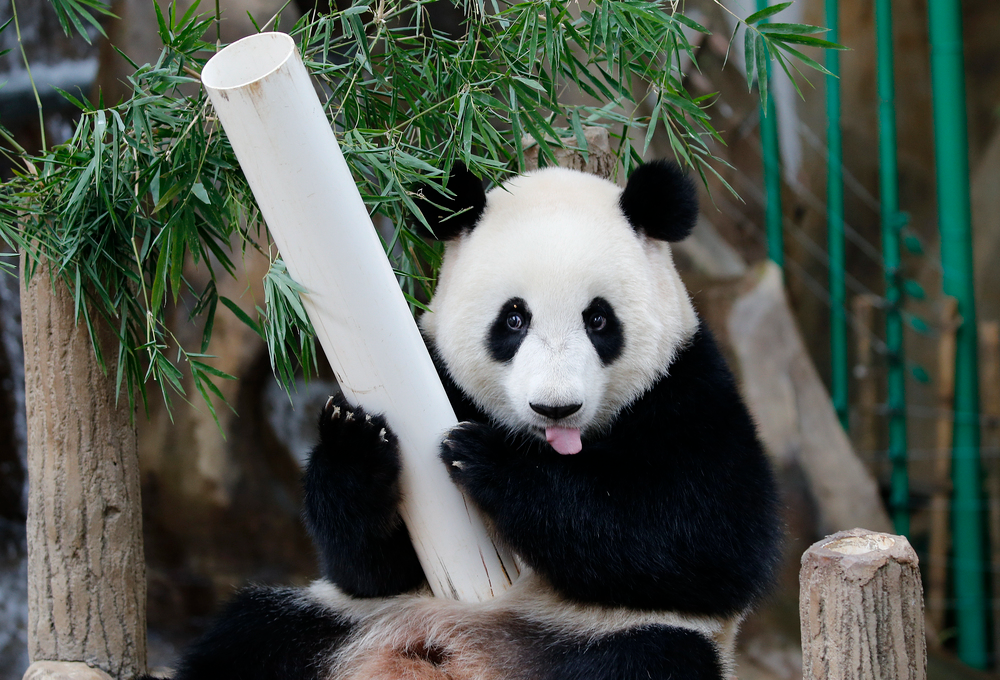
Unlike their playful zoo counterparts, wild pandas are extremely secretive animals that avoid contact with humans and even other pandas most of the time. They live alone except during the brief mating season and when mothers are raising cubs.
Wild pandas can detect human presence from quite far away and will usually hide or leave the area before people spot them. Each panda has its own territory that it marks and defends from other pandas.
Like Go2Tutors’s content? Follow us on MSN.
From ancient forests to modern conservation

These remarkable facts show just how unique and specialized pandas have become over millions of years of evolution in China’s mountain forests. Today’s conservation efforts use knowledge about panda behavior, diet, and reproduction to help protect both wild populations and breeding programs in zoos around the world.
Scientists continue discovering new things about pandas that help improve their care and increase their chances of survival in the wild. The more we learn about these unusual bears, the better we can protect them for future generations to enjoy and study.
More from Go2Tutors!

- 16 Historical Figures Who Were Nothing Like You Think
- 12 Things Sold in the 80s That Are Now Illegal
- 15 VHS Tapes That Could Be Worth Thousands
- 17 Historical “What Ifs” That Would Have Changed Everything
- 18 TV Shows That Vanished Without a Finale
Like Go2Tutors’s content? Follow us on MSN.