Words That Have No Direct Translation
Every language captures unique pieces of human experience that other languages somehow missed. These untranslatable words exist because cultures notice and name feelings, situations, or concepts that matter deeply to them but might seem odd or overly specific to outsiders.
English speakers borrow many of these words because they fill gaps in expression that English simply can’t cover with existing vocabulary. Here are some of the most interesting words from around the world that refuse to translate neatly into English.
Hygge from Denmark

This Danish concept describes the cozy, warm feeling of contentment that comes from simple pleasures and togetherness. Hygge encompasses everything from candlelit dinners with friends to reading under a blanket during a rainstorm.
The word captures an entire philosophy about finding happiness in everyday comfort rather than chasing excitement. Denmark consistently ranks among the world’s happiest countries, and many credit hygge as part of the reason.
English speakers have adopted the word wholesale because no single English term conveys the same depth of comfortable contentment.
Saudade from Portugal

Portuguese speakers use saudade to express a deep, melancholic longing for something or someone absent. The feeling combines nostalgia, love, and sadness all at once.
Someone might feel saudade for a childhood home, a lost relationship, or even a future they’ll never have. The emotion runs so deep in Portuguese culture that it appears constantly in their music, poetry, and daily conversations.
Trying to translate it as simply ‘missing’ something completely fails to capture the bittersweet intensity the word carries.
Schadenfreude from Germany

Germans created a word for the guilty pleasure of feeling happy about someone else’s misfortune. Schadenfreude describes the satisfaction people feel when a rival fails or someone annoying gets their comeuppance.
Everyone experiences this emotion but most languages force speakers to describe it with multiple words. The German language simply combined ‘harm’ and ‘joy’ to name this very human but not particularly noble feeling.
English speakers borrowed the word directly because it names something everyone recognizes but nobody has properly labeled.
Mamihlapinatapai from Yaghan

This word from the Yaghan language of Tierra del Fuego holds the Guinness World Record as the most succinct word. It describes the wordless, meaningful look between two people who both want something but neither wants to initiate.
Picture two people who want to kiss but both wait for the other to make the first move. The Yaghan people created one word for this entire complicated situation.
The language itself nearly went extinct, making this word’s survival even more remarkable.
Tsundoku from Japan

Japanese culture named the specific habit of buying books and letting them pile up unread. Tsundoku doesn’t just mean having unread books but refers to the continuous acquisition of reading material that gets added to the pile.
Book lovers worldwide recognized themselves immediately when this word went viral online. The term carries no real judgment, just acknowledgment of a common bibliophile tendency.
English speakers desperately needed this word because many can point to their own tsundoku stacks gathering dust.
Sobremesa from Spanish

Spanish speakers use sobremesa for the relaxed time spent lingering at the table after a meal, just talking and enjoying company. This isn’t just staying at a table but represents a cultural value of prioritizing conversation and connection over rushing to the next activity.
The concept runs deep in Spanish and Latin American cultures where meals serve as social anchors. Americans typically don’t have a specific word for this because the culture often emphasizes efficiency over leisurely dining.
The absence of an English equivalent reveals different cultural attitudes toward time and socializing.
Waldeinsamkeit from German

This German word captures the feeling of solitude and contemplation one experiences alone in the woods. Waldeinsamkeit combines ‘forest’ and ‘loneliness’ but the loneliness it describes is peaceful rather than sad.
The word acknowledges that being alone in nature creates a specific, almost spiritual sensation. German romanticism celebrated this connection between forests and inner reflection.
English speakers can say ‘being alone in the woods’ but that phrase lacks the emotional resonance the German word carries.
Jayus from Indonesian

Indonesian created a word for jokes so poorly told and unfunny that people can’t help but laugh anyway. Jayus doesn’t describe a good joke that lands well but specifically covers those moments when the awkwardness itself becomes funny.
Everyone knows someone whose terrible jokes somehow still entertain through sheer incompetence. The word celebrates the social bonding that happens when groups share laughter at failed humor attempts.
English forces speakers to explain this entire concept because no single word exists for it.
Komorebi from Japanese

Japanese named the sunlight that filters through tree leaves, creating dappled patterns of light and shadow. Komorebi describes a specific visual phenomenon that people notice constantly but most languages never bothered to name.
The word reflects Japanese culture’s attention to natural details and seasonal changes. Photographers and nature lovers from other cultures envied this word once they learned about it.
English speakers must resort to describing the effect with multiple words while Japanese simply say komorebi.
Goya from Urdu

This Urdu word describes the suspension of disbelief that occurs when listening to a good story. Goya captures that moment when someone becomes so absorbed in a narrative that they temporarily forget it’s fiction.
The word acknowledges storytelling’s power to transport listeners into different realities. Urdu speakers can say someone experienced goya rather than explaining the entire concept.
English discussions of narrative immersion require far more words to convey what goya captures instantly.
Gigil from Tagalog

Filipino speakers use gigil for the overwhelming urge to squeeze or pinch something because it’s unbearably cute. The feeling combines aggression and affection in a way that seems contradictory but everyone recognizes.
People experience gigil when seeing adorable babies, puppies, or even romantic partners. Scientists have studied this phenomenon and confirmed it’s a real emotional response, but English never named it.
Tagalog speakers simply say gigil and everyone understands the entire complex feeling immediately.
Fernweh from German
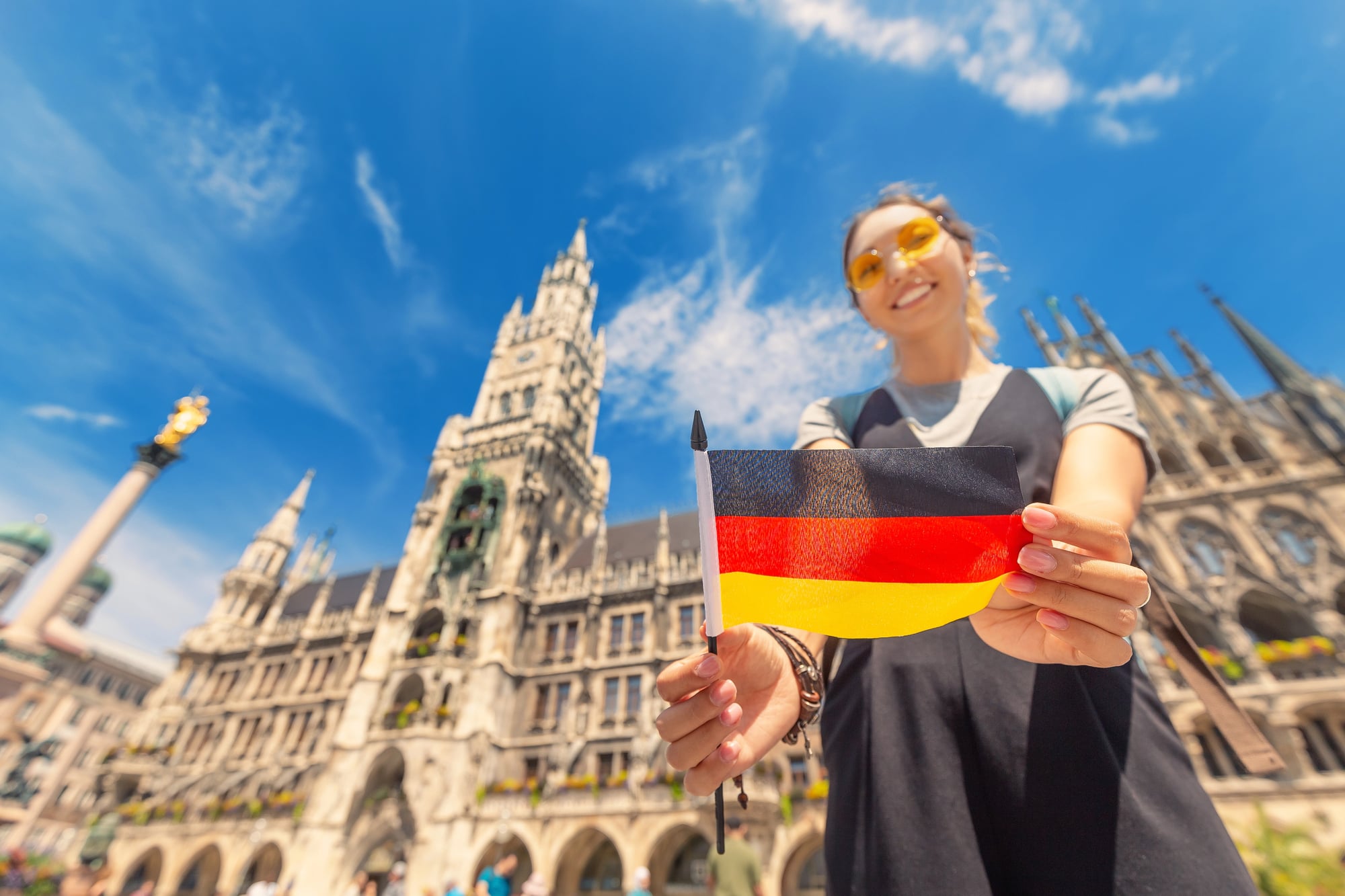
German distinguishes between homesickness and this opposite feeling of longing to travel to distant places. Fernweh literally means ‘distance pain’ and describes the pain of exploring unfamiliar locations.
People experience fernweh when they feel stuck in routine and crave adventure somewhere far away. The word recognizes wanderlust as a form of emotional need rather than just casual interest.
English borrowed ‘wanderlust’ from German too, but fernweh captures a more intense, almost painful yearning.
##Aware from Japanese

This Japanese aesthetic concept describes the bittersweet appreciation of life’s transient beauty. Aware recognizes that things become more precious because they don’t last forever.
Cherry blossoms embody awareness perfectly since their brief blooming makes them more meaningful. The concept appears throughout Japanese art, literature, and philosophy as a way of understanding existence.
English speakers must use multiple sentences to explain what Japanese culture expresses with this single word.
Dépaysement from French

French created a word for the disorientation felt when traveling to unfamiliar places and the excitement that comes with that confusion. Dépaysement combines feelings of being out of place with the thrill of new experiences.
The word acknowledges that being somewhere foreign produces both unease and exhilaration simultaneously. Travelers often seek dépaysement deliberately as a way to grow and gain perspective.
English speakers must describe this complex emotional state with phrases when French simply says dépaysement.
Pochemuchka from Russian

Russians named the person, usually a child, who asks too many questions about everything. Pochemuchka derives from the Russian word for ‘why’ and describes someone whose curiosity never stops.
The word carries mild exasperation but also affection for the persistent questioner. Parents worldwide recognize this type of child but most languages force them to describe the behavior rather than name the person.
Russian speakers simply call someone a pochemuchka and everyone knows exactly what that means.
Toska from Russian

A word like toska – Vladimir Nabokov once said it resists translation – carries weight beyond ordinary sorrow. This ache, unnamed by many languages, stirs inside without reason.
It mixes longing with quiet despair, something heavier than mere gloom. Think of it as depth without direction, emotion rooted in nothing.
Across Russian novels, characters wear this mood like an old coat. Not quite grief, not fatigue – it lingers differently.
To explain it in English takes sentences where Russian needs just one. The gap shows how some feelings live best within a single syllable.
Still, few outside that tongue feel its full pull.
Language shapes what we notice

What grabs one culture might slip past another, simply because no word holds it up for inspection. Feelings exist whether named or not – yet naming changes how we meet them.
Suddenly seen, moments once blurred now stand clear. A single term can carry generations of quiet notice.
People reach for borrowed terms not out of loss but longing – to say what silence shaped too well.
More from Go2Tutors!

- The Romanov Crown Jewels and Their Tragic Fate
- 13 Historical Mysteries That Science Still Can’t Solve
- Famous Hoaxes That Fooled the World for Years
- 15 Child Stars with Tragic Adult Lives
- 16 Famous Jewelry Pieces in History
Like Go2Tutors’s content? Follow us on MSN.