Ways Y2K panic shaped the 90s
In the late 1990s, people everywhere were talking about one thing—Y2K. Short for “Year 2000,” this computer bug had folks fearing that everything digital would crash when the clock struck midnight on New Year’s Eve. From businesses to homes, schools to airports, the panic wasn’t just about technology. It touched daily life, reshaped decisions, and left a clear stamp on the final years of the 20th century.
It’s surprising how much this one concern changed the world around it. Let’s take a look at how the fear of Y2K quietly shaped the 90s in all kinds of ways.
Tech upgrades went into overdrive
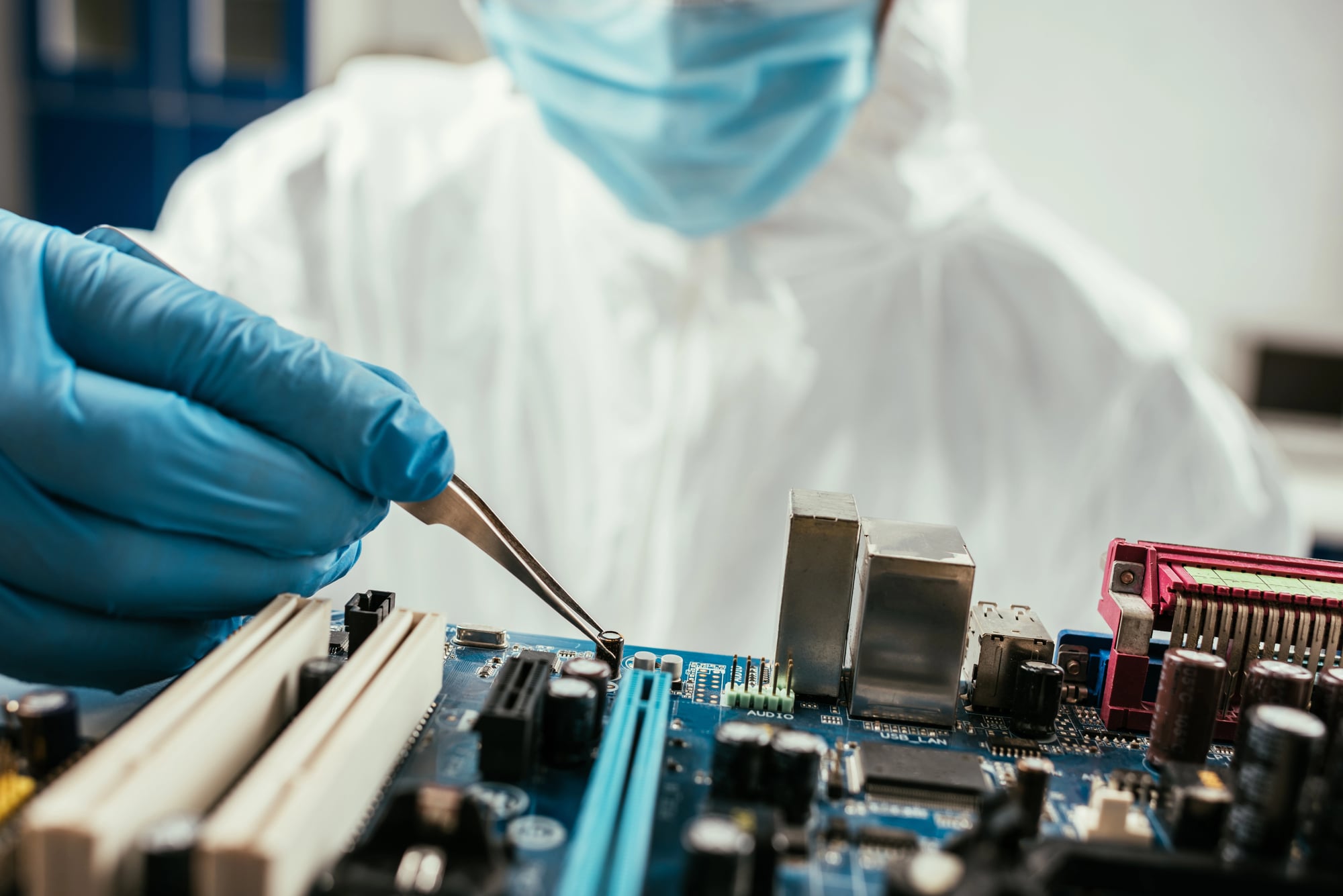
The Y2K problem forced companies to replace outdated computers and software years ahead of schedule. Even small businesses scrambled to update their systems.
IT departments worked overtime checking code line by line. This rush brought a major boost to the tech industry and opened the door for modern systems.
It also pushed computer literacy to new levels, even in places where tech had been slow to catch on.
Government spending hit new highs
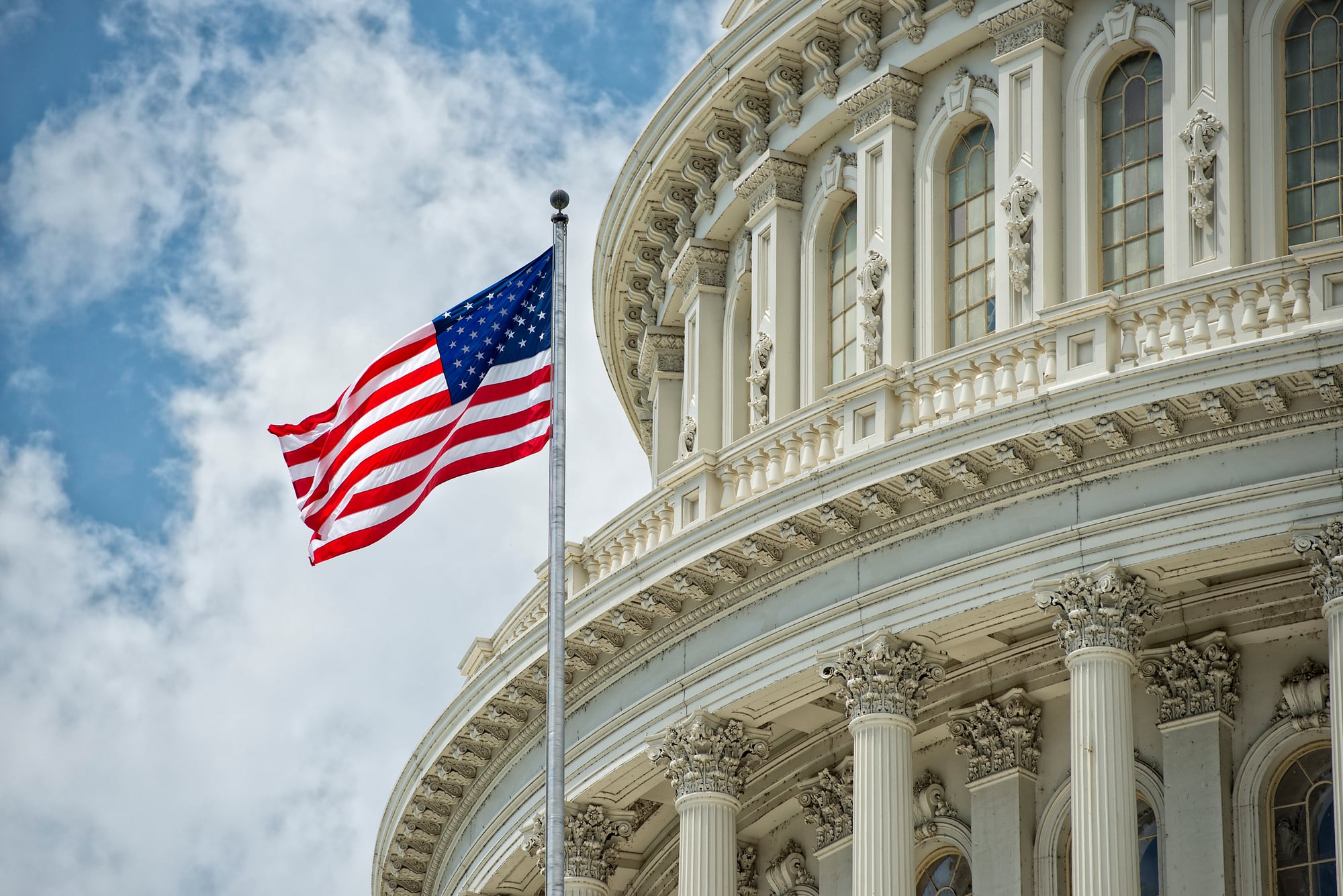
Governments around the world poured billions into fixing the Y2K issue. They funded research, hired tech experts, and ran endless system checks.
In the U.S. alone, the cost ran into the tens of billions. This wasn’t just about money—it was about trust.
Citizens needed to feel confident that planes wouldn’t fall, banks wouldn’t lose savings, and power wouldn’t go out.
Like Go2Tutors’s content? Follow us on MSN.
Job openings boomed in IT
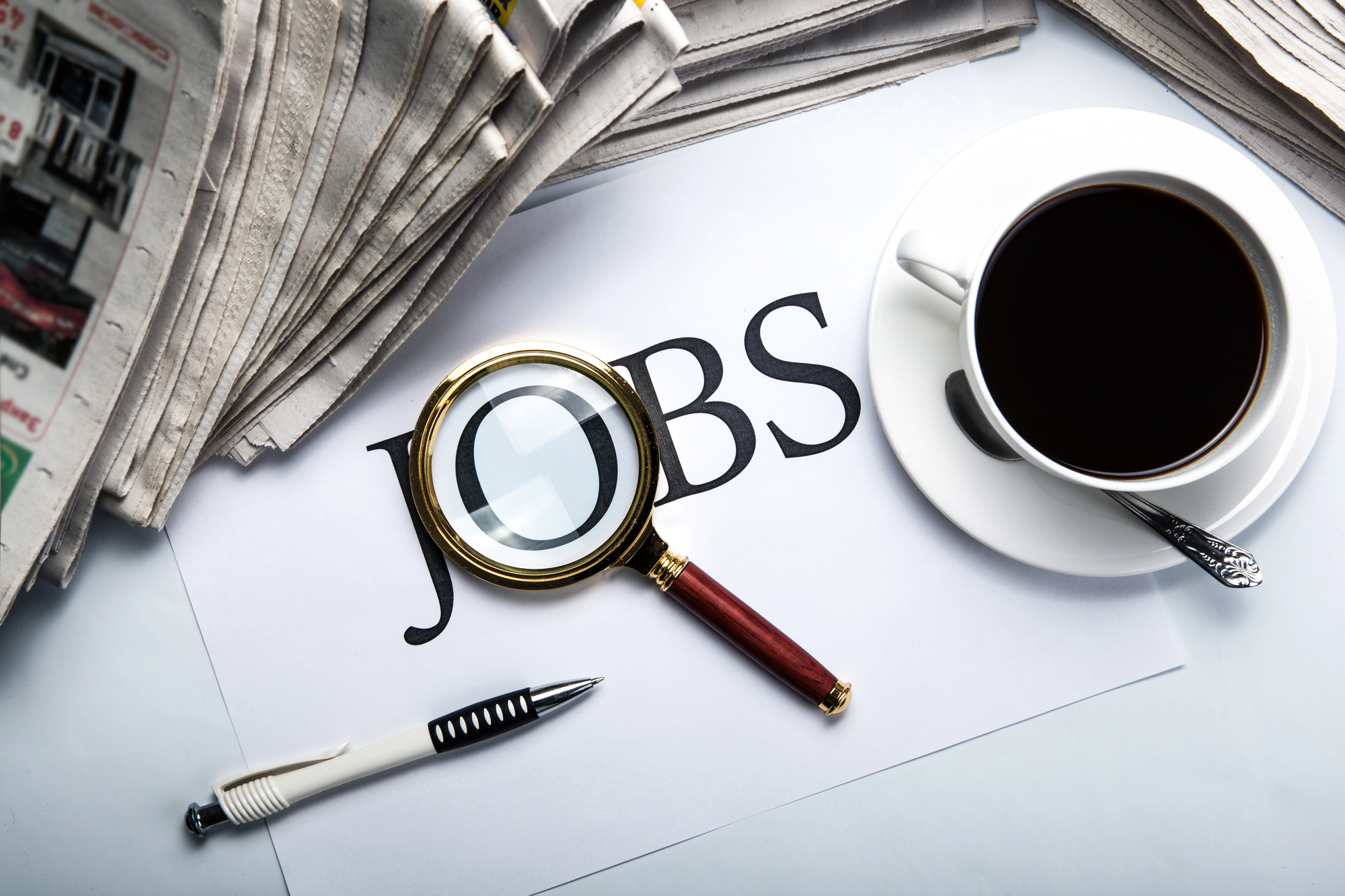
As the Y2K panic grew, so did the need for people who could fix it. Programmers, coders, and system analysts found themselves in high demand.
Many folks even switched careers to join the IT field during this rush. Some took short courses just to get in on the action.
The tech job boom of the late 90s wasn’t just about growth—it was about urgent need.
News media kept the fear alive
News outlets covered Y2K like it was the end of the world. Headlines screamed about planes falling from the sky or hospital machines shutting down.
Special segments explained the problem again and again. The constant coverage fed the panic and kept people on edge.
It was hard to ignore when it was on every screen and in every paper.
Survival kits and bunkers came back in style

Some folks weren’t taking any chances. They stocked up on canned food, bottled water, flashlights, and even gas-powered generators.
Others took it further by building or buying bunkers. Stores sold out of emergency supplies in some areas.
For a while, it looked more like a storm was coming than a calendar change.
Like Go2Tutors’s content? Follow us on MSN.
Banks faced waves of early withdrawals
Worried that ATMs would stop working or records would vanish, people rushed to pull cash before the year ended. Some banks saw lines out the door in late December 1999.
This led to real concerns about running out of money on hand. Financial institutions had to plan ahead just to keep up with the sudden demand.
It was a panic, but a quiet one.
Tech training centers exploded

With so many jobs popping up, people turned to quick training schools to get certified fast. Weekend classes and night courses filled up.
Some centers ran ads promising jobs once students completed short programs. It was a race to become “Y2K ready.”
Even people with little tech experience gave it a shot.
Office buildings prepped like it was a storm

Companies didn’t just update software—they made real-world plans too. Some businesses told workers to stay home on New Year’s Eve.
Others brought in staff just in case something failed. Backup generators were tested.
Extra security was placed on call. It felt like planning for a power outage that might never come.
Like Go2Tutors’s content? Follow us on MSN.
Late-night parties got weird

New Year’s Eve 1999 was different. Sure, people celebrated—but many did it with one eye on the lights, waiting to see if the power would cut out at midnight.
Some folks even stood outside watching the sky, just in case. That mix of fear and fun made it a night no one forgot.
It was the most watched New Year’s countdown in years.
Software companies made serious money
Selling “Y2K compliant” software became big business. Some firms built entire marketing campaigns around being ready for the date change.
Labels and stickers were slapped onto boxes like warning signs. Buyers didn’t want the best product—they wanted the safest one.
Fear turned into sales.
The bug became part of pop culture
TV shows, movies, and late-night hosts all jumped on the Y2K train. Jokes flew, storylines popped up, and everyone seemed to have a take.
It became normal to hear “Y2K” even in music lyrics and ads. The bug wasn’t just tech news—it became a talking point for everyone.
Like Go2Tutors’s content? Follow us on MSN.
Schools added it to lesson plans

Some teachers used the Y2K topic to explain how computers work. Others used it to teach planning and problem-solving.
It became a real-life example of what can go wrong when systems aren’t built to last. Kids were learning about coding issues before many adults even knew how to use email.
It gave technology a bigger role in the classroom.
People bought their first home computers

Many households saw Y2K as a reason to finally go digital. Ads promised “2000-ready” computers, and families didn’t want to be left behind.
Some bought machines just to check their bank accounts or print emergency lists. It marked a shift from computers being optional to becoming a basic tool.
The home computer boom got a big push from one small bug.
Tech fear made people question progress
Y2K reminded everyone that even smart machines can fail. For a while, there was real doubt about how much to trust technology.
People who had once been excited about the digital future started to ask more questions. It was a wake-up call.
Progress didn’t mean perfect.
Like Go2Tutors’s content? Follow us on MSN.
The panic helped avoid the real problem

Ironically, the fear did more good than harm. Because people worried so much, they fixed the issue before it could cause damage.
When midnight came and nothing broke, some thought the panic had been overblown. But behind the scenes, thousands of fixes had worked.
The world kept turning because people took it seriously.
The Y2K scare wasn’t just about fixing one problem. It changed how people thought about risk.
From government planning to home checklists, being ready became a habit. That mindset carried into the 2000s and beyond.
It started with a bug, but it led to better thinking.
How fear shaped the future we live in now
Looking back, Y2K didn’t end the world. But the fear around it left a lasting mark.
It taught people to ask questions, prepare better, and never take technology for granted. It also showed how a small issue can unite the globe in one shared worry.
Today, systems are stronger and smarter because of what happened in the 90s—and that’s a lesson worth remembering.
More from Go2Tutors!

- 16 Historical Figures Who Were Nothing Like You Think
- 12 Things Sold in the 80s That Are Now Illegal
- 15 VHS Tapes That Could Be Worth Thousands
- 17 Historical “What Ifs” That Would Have Changed Everything
- 18 TV Shows That Vanished Without a Finale
Like Go2Tutors’s content? Follow us on MSN.