Ancient Puzzles Still Unsolved
History leaves behind more questions than answers. You walk through museums, read textbooks, and watch documentaries, but certain mysteries from our past refuse to give up their secrets.
Scientists, archaeologists, and linguists have spent careers trying to crack codes, decipher symbols, and understand structures that defy modern explanation. These aren’t myths or legends—they’re real objects, real writings, and real places that exist today, yet their true meaning stays locked away.
The Voynich Manuscript
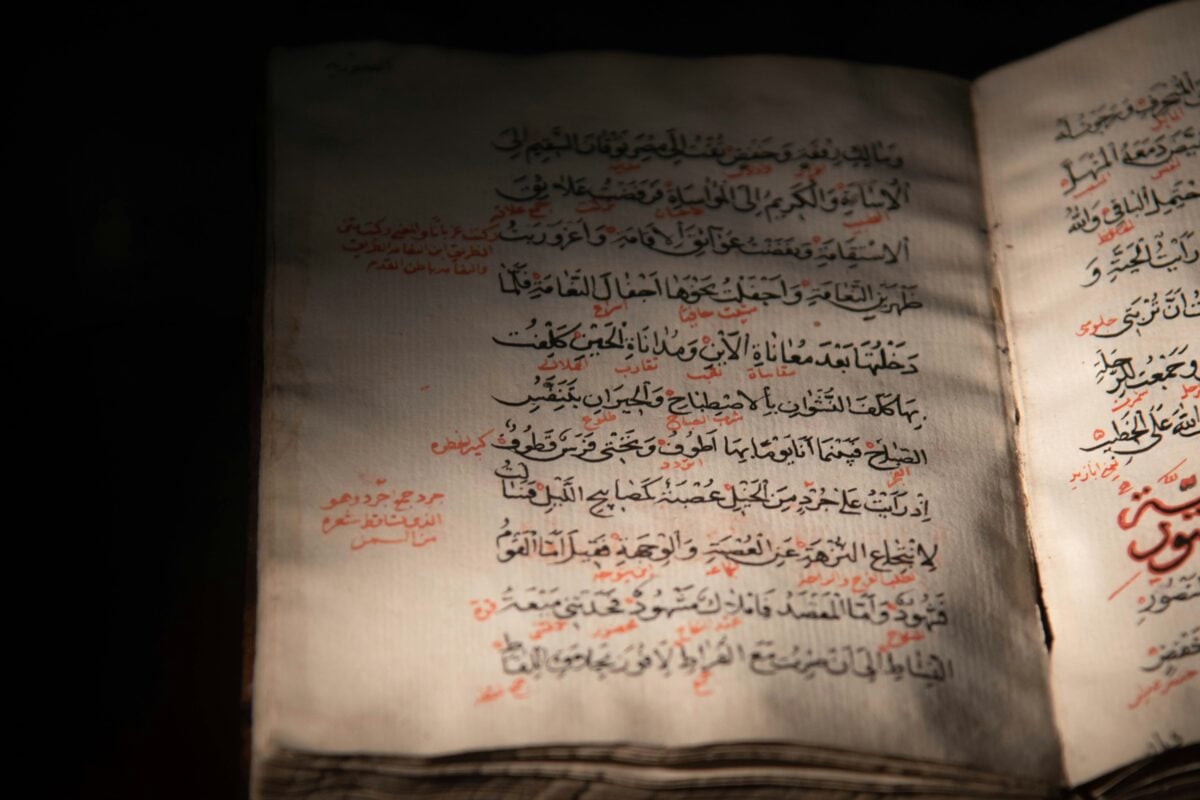
A book written in the 15th century sits in Yale’s Beinecke Library, filled with drawings of plants that don’t exist and text that nobody can read. The Voynich Manuscript contains roughly 240 pages of vellum, covered in an unknown writing system.
The illustrations show botanical drawings, astronomical diagrams, and figures in strange plumbing systems. Cryptographers, including those who cracked wartime codes, have tried to decode it.
Some believe it’s an elaborate hoax, others think it’s written in a lost language, and a few argue it’s a cipher waiting for the right key. The manuscript has survived for centuries, passing through the hands of emperors and scholars, yet its message remains silent.
Carbon dating confirms its age, and statistical analysis shows patterns consistent with natural language, but the actual content stays hidden.
The Phaistos Disc

In 1908, archaeologists digging in Crete found a clay disc covered in stamped symbols arranged in a spiral. The Phaistos Disc dates to around 1700 BCE and contains 241 symbols representing 45 different signs.
Each symbol was pressed into the wet clay using individual stamps, making it possibly the world’s first example of movable type printing. Nobody knows what language it represents or what it says.
The symbols include human heads, animals, plants, and tools. Since only one disc exists, linguists lack comparison texts to crack the code.
Some researchers think it’s a prayer, others believe it’s a game board, and a few argue it’s a forgery. The disc sits in the Heraklion Archaeological Museum, its message as mysterious as the day it was discovered.
The Antikythera Mechanism’s Full Purpose

Divers found fragments of an ancient device in a Roman shipwreck off the Greek island of Antikythera in 1901. When researchers pieced together the corroded bronze gears, they realized they were looking at something that shouldn’t exist—a sophisticated astronomical computer built around 100 BCE.
The mechanism predicted solar eclipses, tracked the Olympic Games cycle, and modeled the irregular orbit of the Moon using a complex gear train. Modern X-ray imaging and 3D scanning have revealed how many parts worked, but significant portions remain missing.
Scientists still debate its full capabilities and why such advanced technology disappeared from history for over a thousand years. The Greeks had the knowledge to build mechanical computers, yet this technology seemingly vanished without leaving descendants in the historical record.
Linear A Script
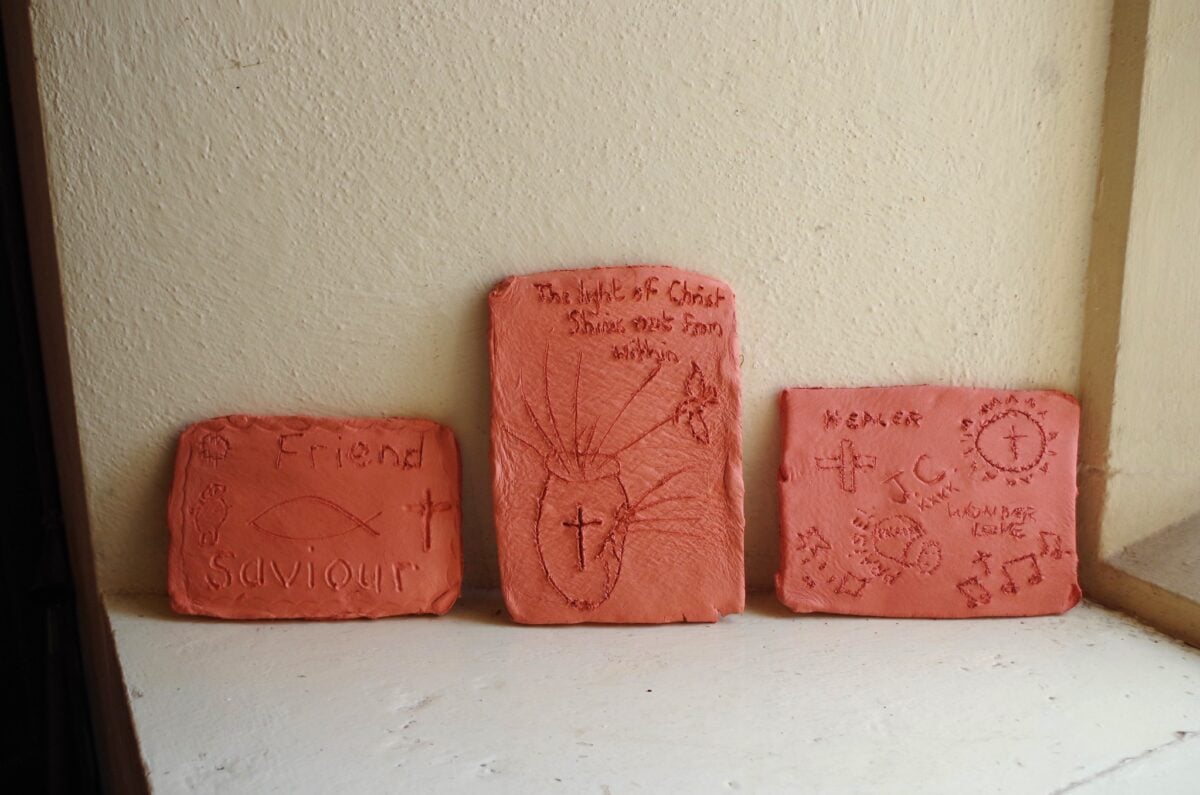
The Minoan civilization on Crete used a writing system called Linear A from roughly 1800 to 1450 BCE. Archaeologists have found thousands of clay tablets and other inscriptions in this script, yet nobody can read them.
Linear A predated Linear B, which scholars successfully deciphered in the 1950s as an early form of Greek. But Linear A represents a different, unknown language.
You can count the symbols and see the structure, but the underlying language remains a mystery. The script appears on religious offerings, administrative documents, and various objects across Crete and nearby islands.
Some signs resemble Linear B characters, but trying to read Linear A using Greek produces nonsense. Without a bilingual text or a living descendant language, the Minoans’ actual words stay trapped in clay.
The Pyramids’ Construction Methods

Everyone knows the Egyptian pyramids exist. The Great Pyramid of Giza contains roughly 2.3 million limestone blocks, each weighing between 2.5 and 15 tons, stacked to reach 481 feet.
But how workers actually built them remains hotly debated. Theories range from straight ramps to spiral ramps to internal ramps.
Some researchers propose using water to level the base and float stones. Others suggest wooden sleds and lubrication.
Recent discoveries of workers’ camps and tools have answered some questions about who built the pyramids—paid laborers, not slaves—but the exact construction method stays uncertain. The precision of the alignments and the engineering required to move such massive stones without modern machinery continues to puzzle engineers and archaeologists.
The Nazca Lines’ True Purpose

In the Peruvian desert, massive geoglyphs stretch across 200 square miles. The Nazca Lines include geometric shapes, spirals, and figures of animals—a spider, a monkey, a hummingbird—some measuring over 1,000 feet across.
The Nazca people created them between 500 BCE and 500 CE by removing the reddish pebbles to expose the lighter ground beneath. The lines are so large you can only appreciate their full form from the air, which raises obvious questions.
Theories include astronomical calendars, ritual walking paths, water location markers, and offerings to sky gods. Recent studies suggest some lines point toward water sources in this extremely arid region.
But the full purpose, especially for the animal figures, remains unclear. The Nazca people left no written records explaining why they spent generations creating artwork that couldn’t be fully seen from ground level.
The Olmec Stone Heads

Seventeen colossal stone heads dot the Mexican landscape, remnants of the Olmec civilization that thrived from roughly 1400 to 400 BCE. Each head stands up to 11 feet tall and weighs up to 50 tons.
They’re carved from single basalt boulders, and each face is distinct, suggesting they represent specific individuals. The mystery isn’t just who they depict, but how the Olmec moved these massive sculptures.
The nearest basalt source sits about 50 miles from where several heads were found. The Olmec lacked wheels and large animals for transport.
Some researchers propose river transport using rafts, but moving 50-ton stones without modern equipment through difficult terrain presents enormous logistical challenges. The heads likely represent rulers or important figures, but their exact purpose and the identity of the people they portray remain unknown.
Göbekli Tepe’s Function

In southeastern Turkey stands what might be the world’s oldest temple complex. Göbekli Tepe dates to around 9600 BCE, built by hunter-gatherers before the invention of agriculture, pottery, or writing.
The site contains massive T-shaped pillars arranged in circles, some weighing up to 16 tons and standing 16 feet tall. The pillars are carved with detailed reliefs of animals—lions, foxes, scorpions, snakes, and birds.
Why pre-agricultural people built such a complex structure puzzles archaeologists. The effort required to quarry, transport, and erect these pillars suggests sophisticated organization and possibly religious motivation.
But the site contains no evidence of permanent habitation. It wasn’t a village or fortress.
Some researchers think it was a ceremonial center that drew people from wide areas. Others propose it played a role in the transition to agriculture.
Then, around 8000 BCE, the builders deliberately buried the entire complex, for reasons nobody understands.
The Rongorongo Script

Easter Island’s famous stone heads aren’t its only mystery. The island’s inhabitants developed a writing system called Rongorongo, found on wooden tablets and other objects.
Only about two dozen texts survive, containing rows of glyphs that alternate direction—one line reading left to right, the next right to left. When Europeans arrived in the 18th century, the islanders could no longer read their own script.
Disease, slave raids, and cultural disruption had eliminated everyone who understood it. The glyphs include human figures, animals, geometric shapes, and hybrid creatures.
Without native speakers or bilingual texts, attempts at decipherment have produced nothing definitive. You can catalog the symbols and count their frequency, but what they actually say remains locked away.
The Baghdad Battery

In 1936, archaeologists working near Baghdad found several clay jars dating to around 200 BCE. Each jar contained a copper cylinder with an iron rod suspended inside—a design that, when filled with an acidic solution, could theoretically generate an electric current.
Nobody knows if ancient Mesopotamians actually used these objects as batteries. If they did, what power did they have?
Some researchers suggest they were used for electroplating gold onto silver objects. Others think they held sacred scrolls or served as storage vessels with no electrical purpose.
Modern replicas can produce small amounts of electricity, but no ancient wires, filaments, or plated objects have been found that clearly connect to these devices. The jars might represent ancient understanding of electrochemistry, or they might just be storage containers that happen to resemble batteries.
The Piri Reis Map
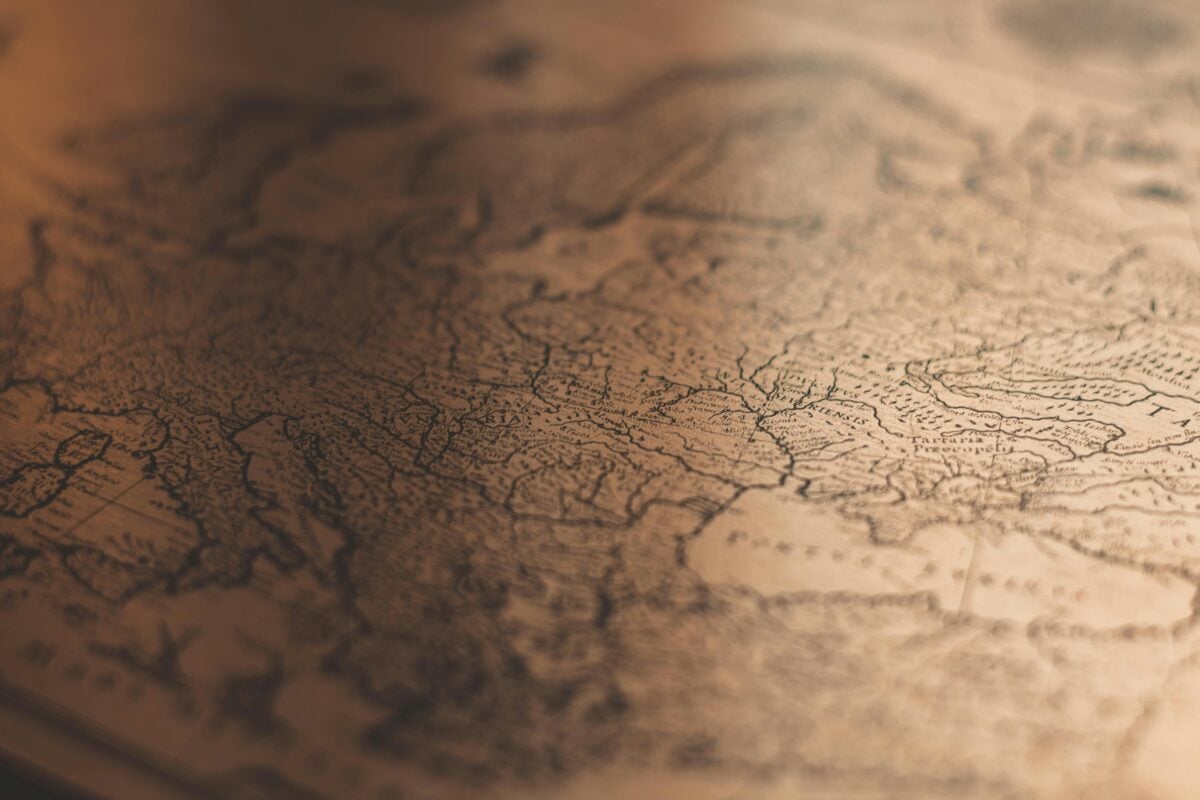
In 1513, Ottoman admiral and cartographer Piri Reis created a world map that includes accurate depictions of coastlines, including parts of South America and Antarctica. The map draws on earlier sources, some now lost, and contains details that have sparked debate for centuries.
The controversial part involves the southern section, which some researchers claim shows the coast of Antarctica before it was covered in ice. Mainstream scholars dispute this interpretation, suggesting the map shows South America’s coast or represents cartographic errors.
But certain features remain difficult to explain using known 16th-century mapping techniques and geographical knowledge. The map’s source materials came from various traditions, including maps Piri Reis claimed came from the time of Alexander the Great, but these earlier maps no longer exist for verification.
Stonehenge’s Complete Purpose

Stone circles pop up across Britain and parts of Europe, yet Stonehenge stands out as the best known – and weirdest. It went up in phases between around 3000 and 1500 BCE, made of huge sarsen rocks along with lighter bluestones set in careful layouts.
Those bluestones traveled from Wales – some 150 miles distant. Experts agree Stonehenge lines up with sun and moon patterns.
New finds suggest big groups met there – maybe for meals or rituals. Burnt bones point to graves for high-status folks.
Still, we’re missing key pieces. You can list features and track celestial links, yet grasping why ancient builders spent centuries shaping this place demands clues beyond today’s evidence.
When Silence Speaks Louder
The puzzles from way back do a strange thing – they show you brainpower was around long before your time; every now and then, it made stuff we still can’t quite figure out today. Not because science or digging up old sites is broken.
Nope – these finds just prove folks way back then saw the world another way, shared ideas unlike ours, lived by rules and skills that don’t line up clean with how we see things now.
Some puzzles get clearer when tech improves while fresh finds pop up now and then.
A few could remain puzzling no matter what, especially if they depend on ancient tongues or ways of life wiped out by ages gone by. These places and things are still here, tangible and silent, just needing the correct hint or a forgotten clue to speak.
For now, they act like markers showing both our imagination and how much history we can’t reach – signs that old times hold onto hidden stories worth chasing.
More from Go2Tutors!

- The Romanov Crown Jewels and Their Tragic Fate
- 13 Historical Mysteries That Science Still Can’t Solve
- Famous Hoaxes That Fooled the World for Years
- 15 Child Stars with Tragic Adult Lives
- 16 Famous Jewelry Pieces in History
Like Go2Tutors’s content? Follow us on MSN.



