Idaho Facts That Go Way Beyond Potatoes
Idaho gets stuck with the potato label everywhere it goes. Sure, the state grows amazing spuds and deserves credit for that. But there’s so much more to this place that most people never hear about.
Get ready to discover the Idaho that locals know and love – the one that has nothing to do with french fries.
The name Idaho was completely made up
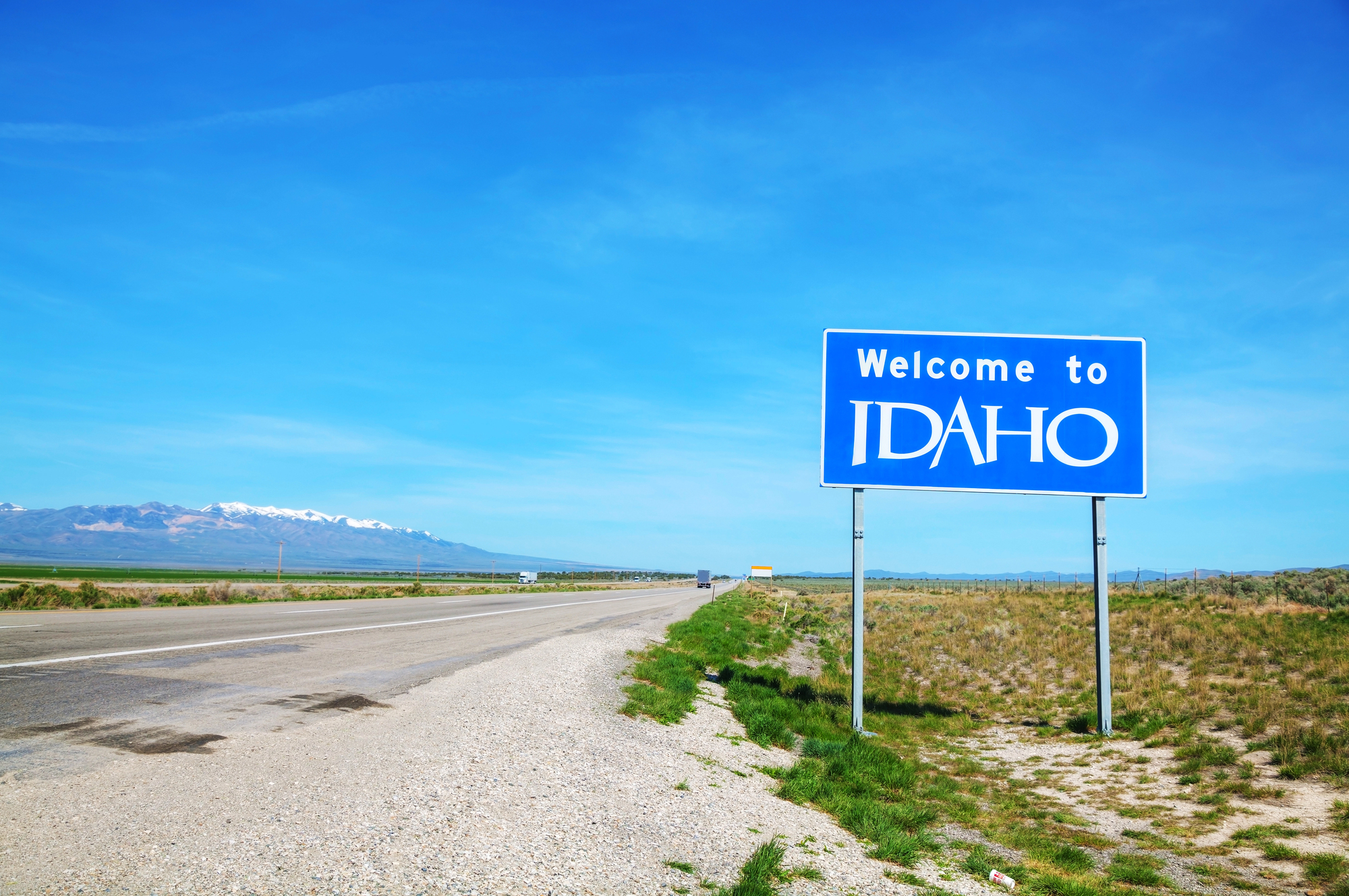
George Willing created the word “Idaho” in the 1860s and claimed it was a Native American term meaning “gem of the mountains.” The truth came out later – he totally invented it.
The name, Idaho, was created by George Willing in the 1800s, who claimed the word was a Native American Shoshone term for “gem of the mountains.” Congress almost didn’t make Idaho a territory because they discovered the name was fake.
Willing’s made-up word stuck anyway, and now everyone just accepts it like it’s always been real.
Star garnets only come from two places on Earth
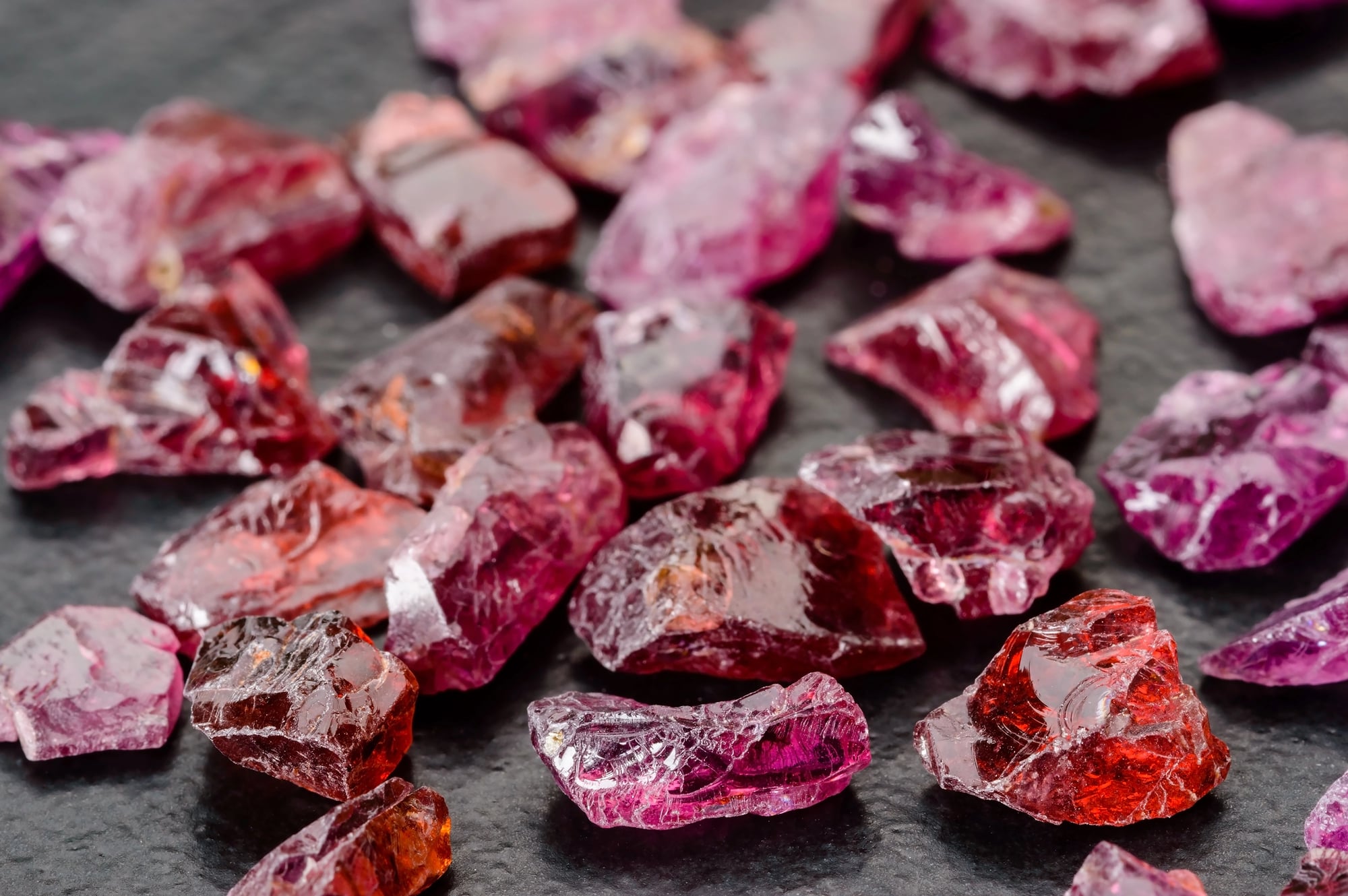
Idaho produces one of the rarest gems in the world. Although the garnet itself is rare, Idaho is one of only two places where you can find star garnets naturally.
The other location is India, but Idaho’s are considered much better quality. These gems show a perfect four-pointed or six-pointed star when light hits them just right.
People can actually dig for their own star garnets at special sites around the state.
Like Go2Tutors’s content? Follow us on MSN.
The deepest river gorge in America cuts through Idaho
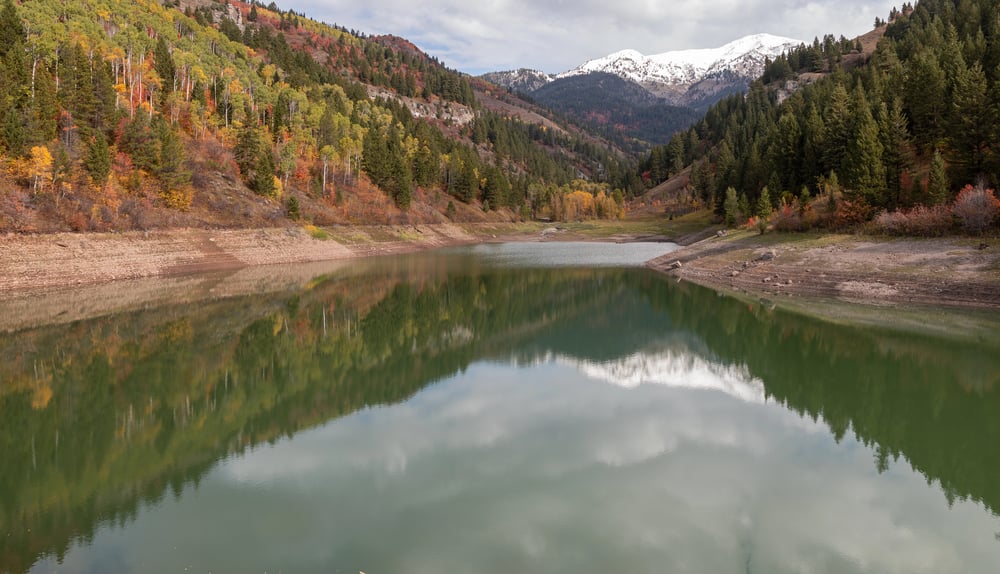
Hells Canyon along the Snake River goes down 7,993 feet at its deepest point. That makes it deeper than the Grand Canyon, though not as wide.
Most people have never even heard of Hells Canyon, which drives Idaho residents crazy. The canyon forms the border between Idaho and Oregon for 40 miles.
Jet boats and rafters love this wild stretch of water that most tourists completely miss.
Boise sits on the world’s largest geothermal heating system
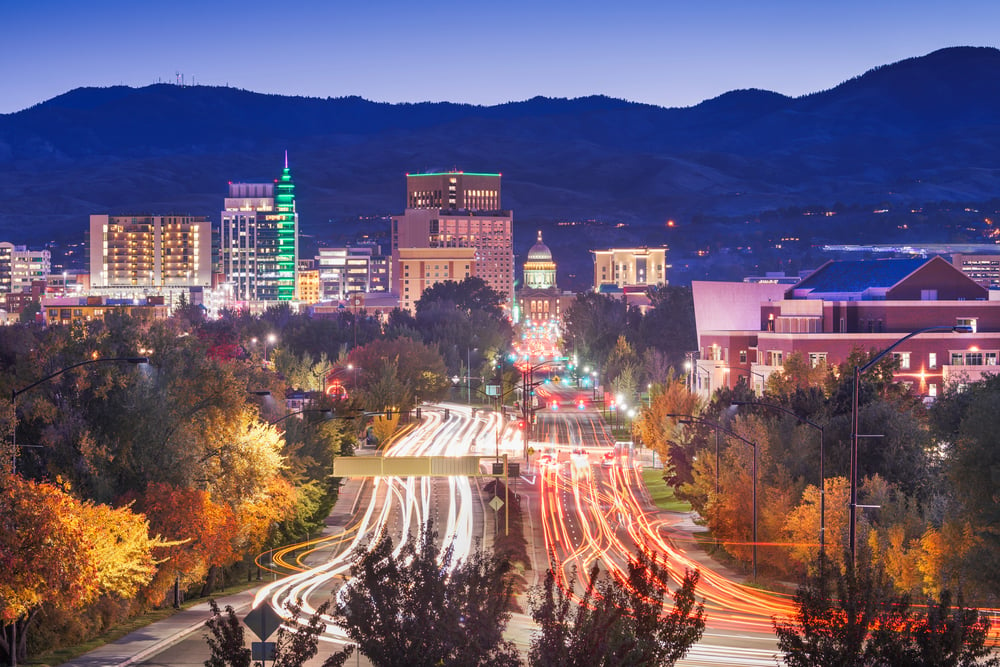
The capital city has been using underground hot water to heat buildings since the 1890s. Boise’s geothermal district heating system serves over 90 buildings downtown, including the state capitol.
The system pumps 170-degree water from underground wells through pipes to heat entire city blocks. It’s one of the oldest and largest geothermal heating networks in the United States, but visitors usually have no idea it exists.
Idaho produces 72 different types of gemstones
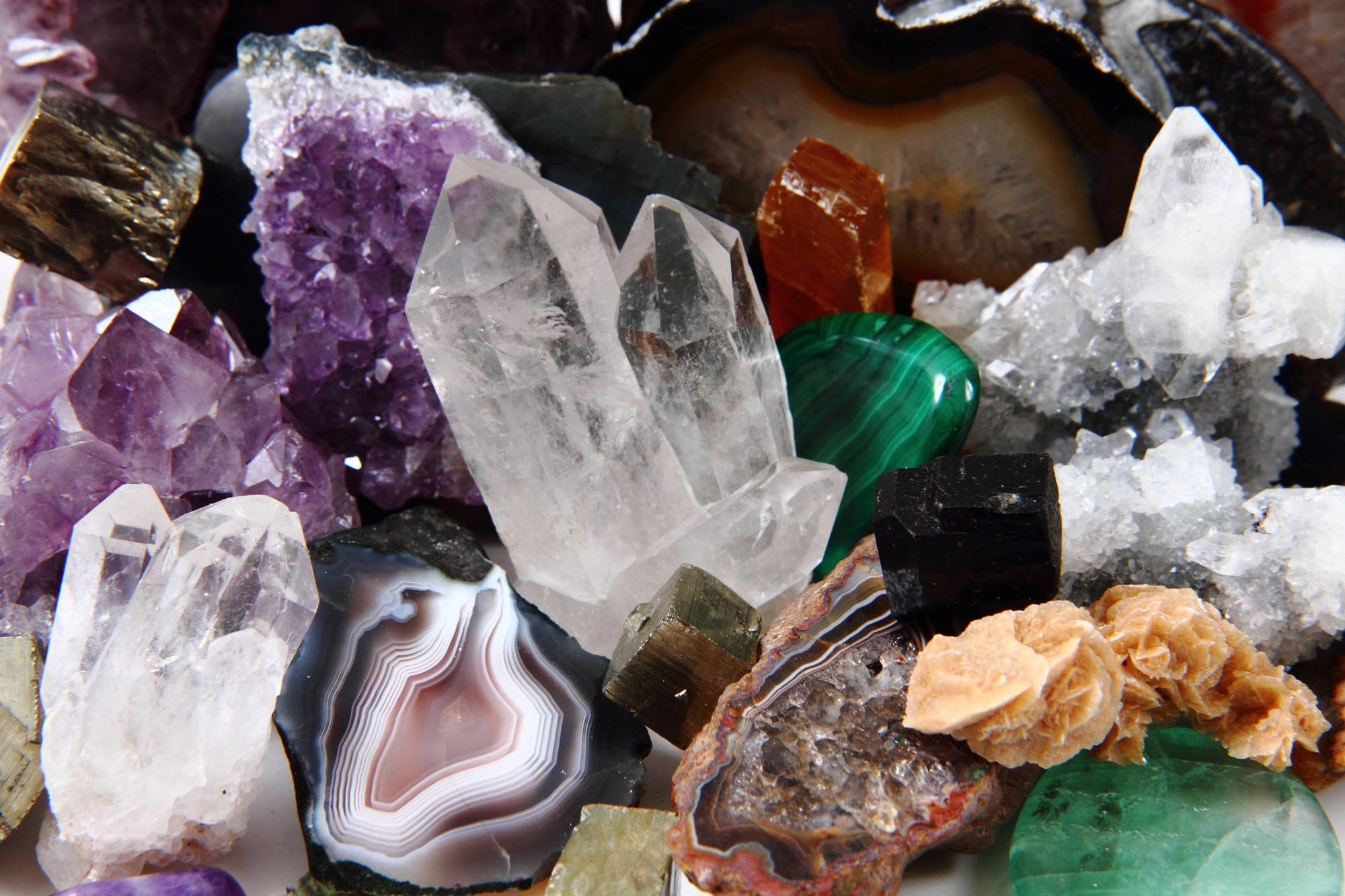
Idaho produces 72 types of gemstones, including rare star garnets, amethysts, rubies, and diamonds. Some of these gems can’t be found anywhere else on Earth.
The state earned its “Gem State” nickname for good reason – rocks here contain incredible treasures. Amateur rockhounds can search for opals, jaspers, garnets, and even diamonds in certain areas.
Professional gem hunters have made careers out of Idaho’s mineral wealth.
Like Go2Tutors’s content? Follow us on MSN.
Sun Valley created the world’s first chairlift
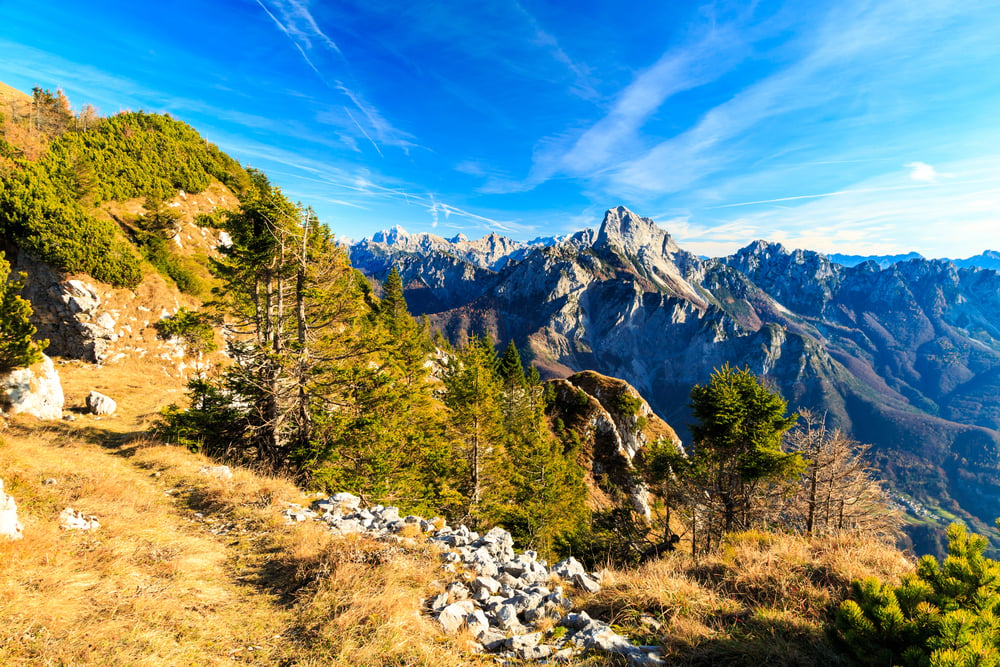
The famous ski resort installed the first chairlift ever built in 1936. An engineer named James Curran designed it based on banana-loading equipment he’d seen in Central America.
Before chairlifts, skiers had to hike uphill or use rope tows that were dangerous and slow. Sun Valley’s innovation changed skiing forever and spread to mountains worldwide.
The original chairlift is gone now, but the resort still brags about this world-changing invention.
Shoshone Falls drops higher than Niagara Falls
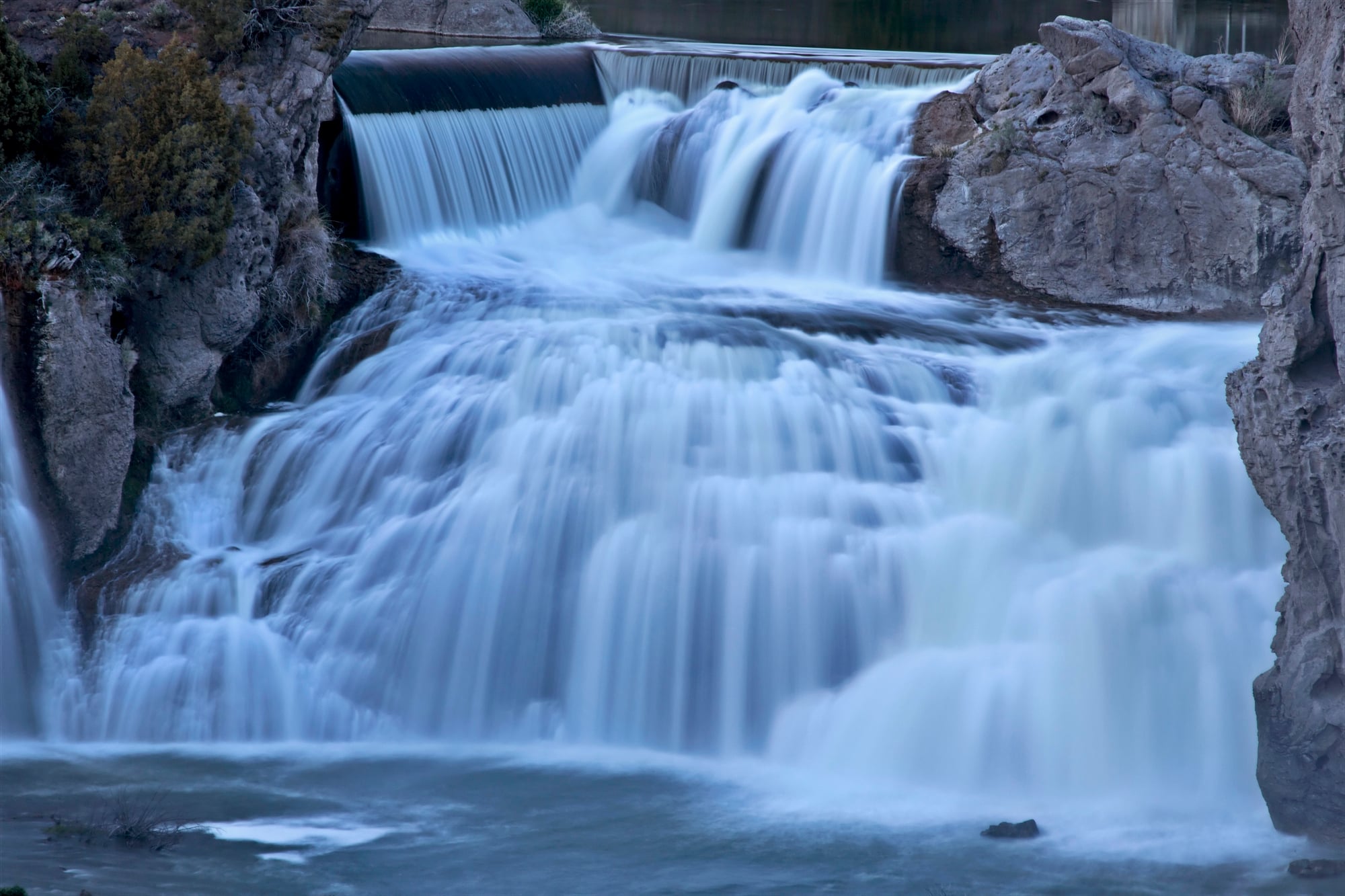
The Snake River plunges 212 feet at Shoshone Falls, making it 45 feet taller than Niagara. Native Americans called it “the roar that can be heard for miles” long before white settlers arrived.
Spring runoff creates the most dramatic flow, but the falls stay impressive year-round. Tour buses don’t make regular stops here like they do at Niagara, so it remains one of America’s best-kept natural secrets.
Craters of the Moon looks like actual outer space
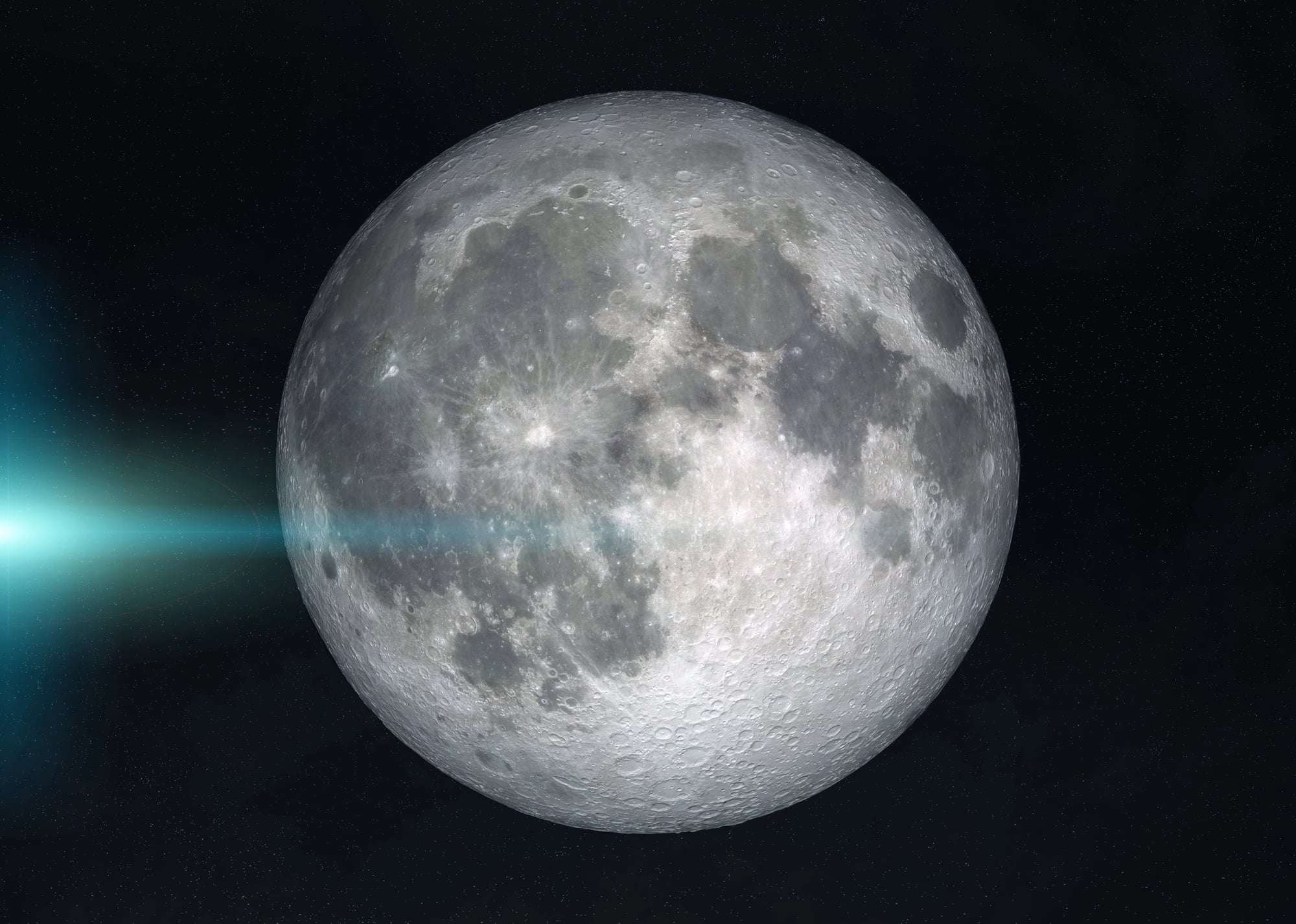
This national monument covers 750,000 acres of ancient lava flows that look completely alien. NASA actually sent astronauts here in the 1960s to train for moon missions because the landscape matched lunar surface photos.
The black lava rock creates caves, cones, and formations that seem impossible. Visitors often feel like they’ve landed on another planet when they explore these volcanic leftovers from 15,000 years ago.
Like Go2Tutors’s content? Follow us on MSN.
The St. Joe River is the world’s highest navigable river
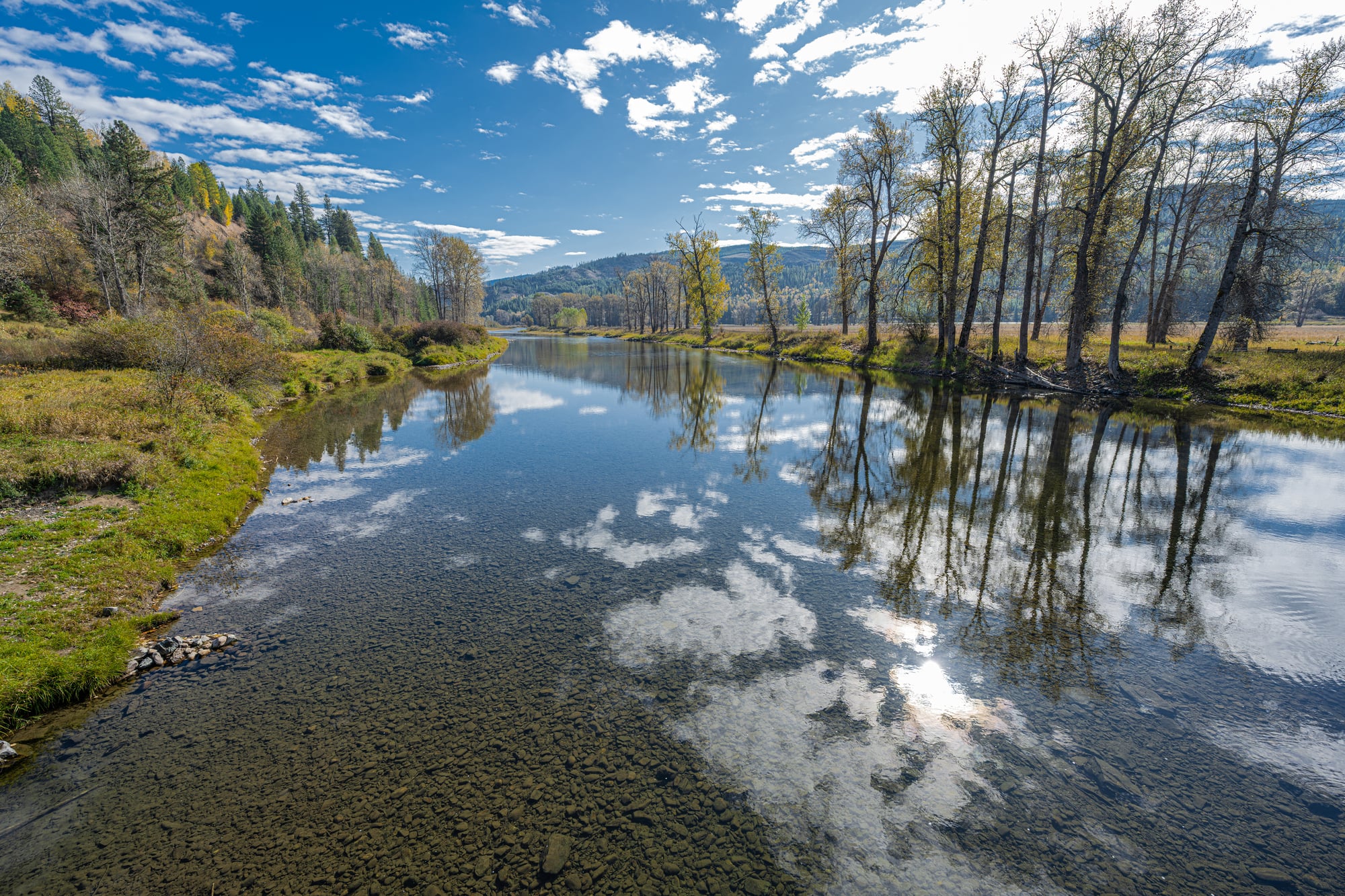
Idaho is home to the highest navigable river in the world, St Joe River. It flows from an elevation of nearly 7,000 feet.
Boats can actually travel on this mountain river that starts almost 7,000 feet above sea level. The river flows through pristine wilderness areas where wildlife outnumbers people by huge margins.
Paddlers and boaters consider it one of the most beautiful waterways in America, but it never makes national travel magazines.
Pocatello once made smiling legally required
In Pocatello, Idaho, it is illegal not to smile in public in this little region of the state. This weird law appeared on the books decades ago during tough economic times.
City leaders thought mandatory happiness might boost morale and attract visitors. The law is still technically there, though police don’t actually arrest people for frowning.
Pocatello residents love telling tourists about their official smile requirement.
Idaho National Laboratory pioneered nuclear power
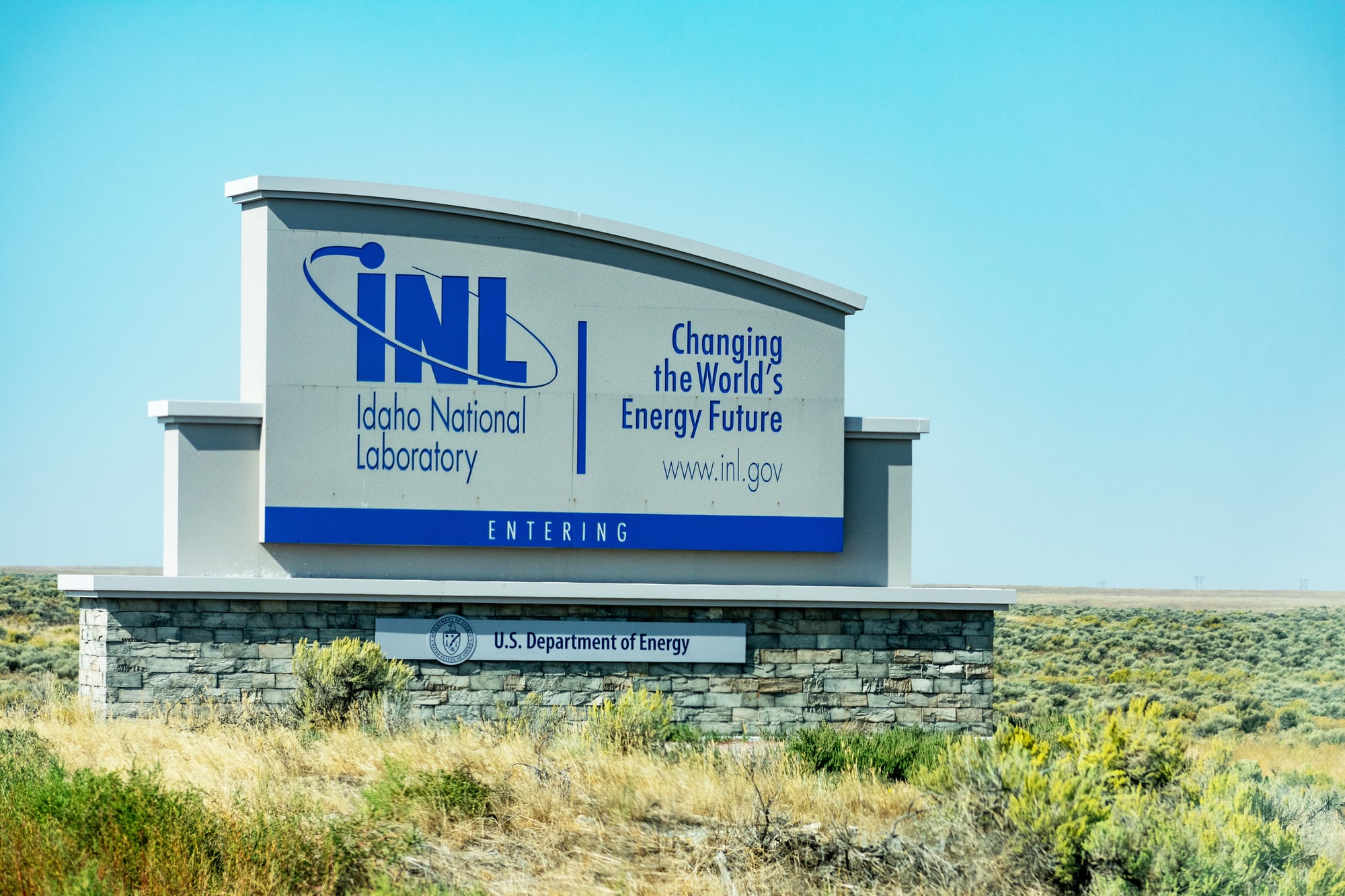
The world’s first nuclear-powered electricity came from an experimental reactor in Idaho in 1951. This facility in the desert has been testing nuclear technology for over 70 years.
The state is also home to the Idaho National Laboratory. This is a large Department of Energy facility. Scientists here work on advanced reactor designs and nuclear safety research.
Most Americans have no idea that Idaho has been a nuclear technology leader since the dawn of the atomic age.
Like Go2Tutors’s content? Follow us on MSN.
The state shape looks exactly like a boot
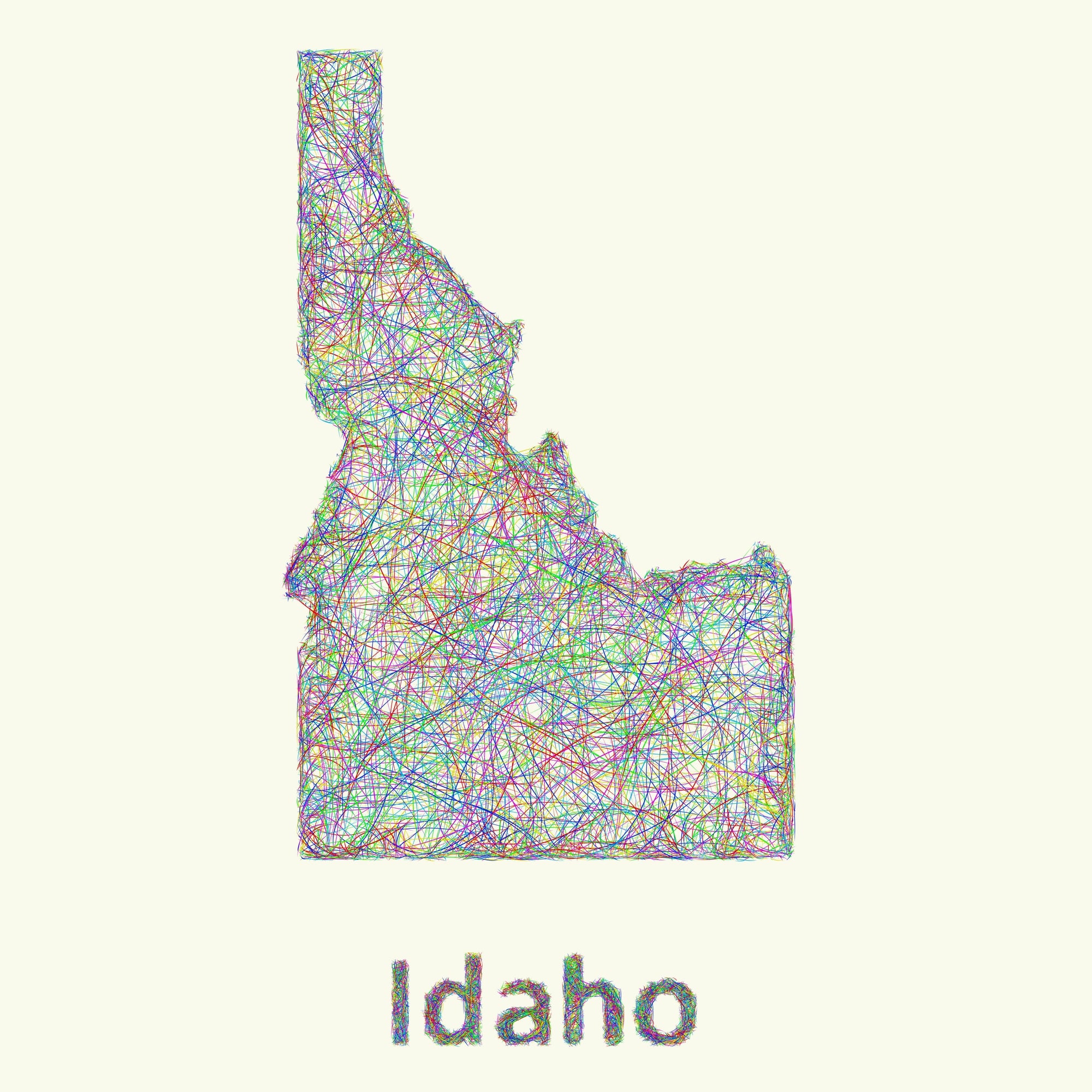
Idaho is shaped much like a logger’s boot, thereby accidentally reflecting the state’s rugged forested and mountainous terrain in which logging and mining play major roles. The northern panhandle forms the boot shaft, while southern Idaho makes the foot portion.
This boot shape happened completely by accident when surveyors drew the state boundaries. Geography teachers use Idaho as their favorite example when explaining how state borders don’t always follow natural features.
Ernest Hemingway spent his final years in Ketchum

The famous writer moved to this small Idaho mountain town in 1959 and lived there until his death in 1961. Hemingway loved the hunting, fishing, and quiet lifestyle that Ketchum offered.
He wrote parts of several books while living in Idaho, including “A Moveable Feast.” His grave in the Ketchum Cemetery has become a pilgrimage site for literature fans.
The town celebrates its Hemingway connection but tries to balance tourism with respect for his memory.
Bruneau Dunes create a desert in the mountains
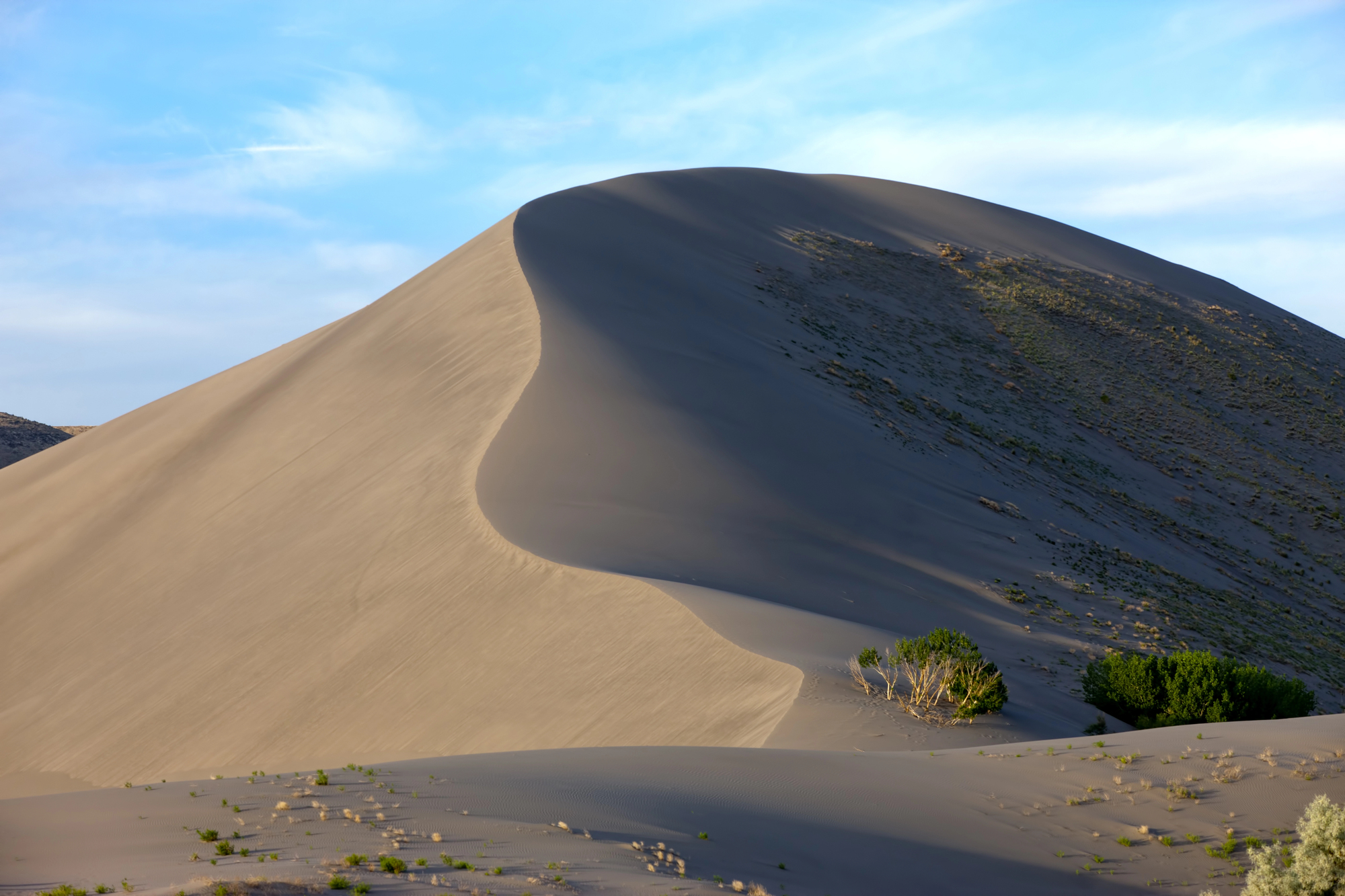
These massive sand dunes rise up to 470 feet high in southern Idaho’s high desert country. Wind patterns have been building these dunes for over 10,000 years in a natural basin.
The dunes shift and change constantly, creating perfect conditions for sandboarding and dune buggy riding. An observatory at the park offers some of the clearest night sky viewing in the western United States.
Most people driving through Idaho never realize they’re missing this desert wonderland.
Like Go2Tutors’s content? Follow us on MSN.
Idaho grows more trout than any other state
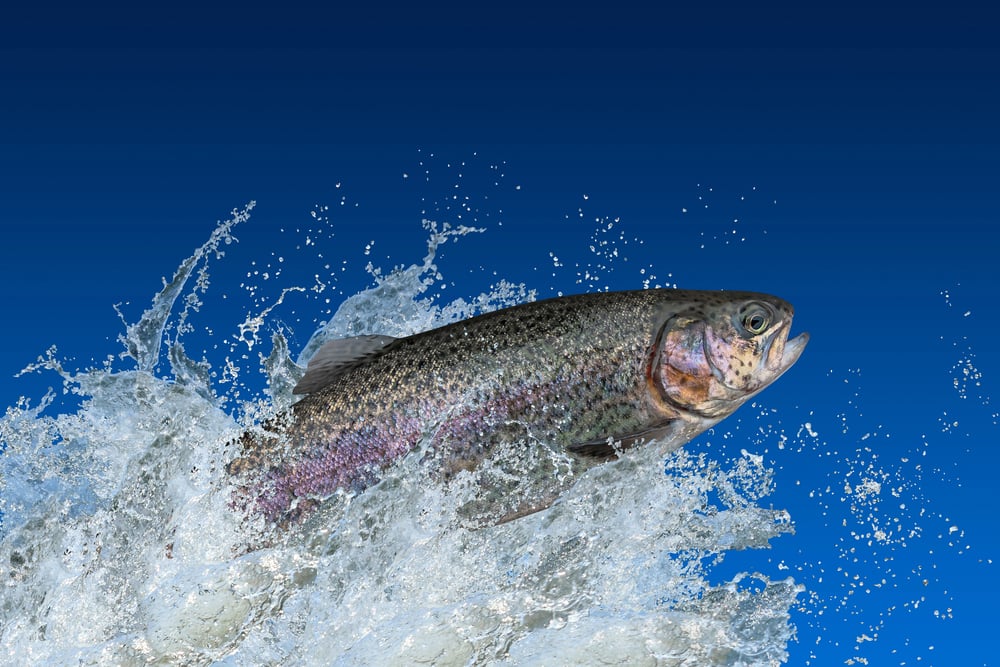
Commercial fish farms throughout Idaho raise millions of rainbow trout every year. Idaho is a leading national producer of potatoes, trout, Austrian winter peas, and lentils.
The state’s cold, clean water provides perfect conditions for raising healthy fish. These Idaho trout end up in restaurants and grocery stores across America.
Fish farming has become a major industry that employs thousands of people, but everyone still thinks Idaho only does potatoes.
The world’s largest beagle lives in Cottonwood

A 30-foot-tall wooden beagle named Sweet Willy stands alongside Highway 95 in this tiny town. Local residents built this giant dog as a roadside attraction in the 1980s.
Travelers stop for photos with Sweet Willy, making it one of Idaho’s most photographed landmarks. The beagle has survived decades of weather and even lightning strikes.
Small towns across Idaho have similar quirky attractions that give the state character beyond its serious agriculture reputation.
Ancient tools prove people lived here 16,000 years ago

Archaeologists recently made a huge discovery in Idaho: a blade-like tool made of rock. What’s the big deal? It turns out the blade is more than 13,500 years old, proving that people have lived in the area at least a few thousand years longer than previously thought.
These discoveries at Cooper’s Ferry show that humans reached North America much earlier than scientists believed. The tools found in Idaho are helping rewrite the story of human migration to the Americas.
This archaeological evidence makes Idaho ground zero for understanding early American history.
Like Go2Tutors’s content? Follow us on MSN.
Why Idaho’s hidden stories still matter today
These facts show how Idaho has quietly influenced American history, technology, and culture for generations. While other states grab headlines, Idaho has been innovating in nuclear energy, growing the nation’s food, and preserving natural wonders that most people never see.
The state’s residents know they live somewhere special, even if the rest of the country only thinks about potatoes. Today’s Idaho continues this tradition of doing important work without seeking credit, from feeding America to advancing clean energy research.
Every hidden story reveals a state that’s always been more complex, more innovative, and more essential than its humble reputation suggests.
More from Go2Tutors!

- 16 Historical Figures Who Were Nothing Like You Think
- 12 Things Sold in the 80s That Are Now Illegal
- 15 VHS Tapes That Could Be Worth Thousands
- 17 Historical “What Ifs” That Would Have Changed Everything
- 18 TV Shows That Vanished Without a Finale
Like Go2Tutors’s content? Follow us on MSN.