16 Photos Of NYC in the Roaring 20s
Back then, New York wasn’t like any place else. While rooftops climbed skyward, sidewalks never quieted – alive every hour.
Music poured from windows, mostly jazz, while cranes dotted the horizon with fresh steel frames. Folks arrived from everywhere, one wave after another, fitting lives into crowded blocks.
By the time the twenties ended, the city already wore its future like a second skin. Midway through great shifts, these images show a city reshaping itself.
What sticks out about New York during the 1920s isn’t just growth – it’s how fast everything moved.
Times Square Lights Up

Back then, Times Square hummed with energy, its flashy neon displays still new but already bold. Billboards pushed theater acts alongside shiny goods everyone suddenly needed.
When darkness fell, illumination transformed the streets – suddenly feeling ahead of its years. Crowds paused, necks tilted skyward, caught in the glow of so much light packed into one spot.
Amazement hung thick, watching a single block pulse like a machine made of brightness.
The Woolworth Building Rises Above All

High above the streets, the Woolworth Building wore the crown of tallest in the world for years, stretching 792 feet into the sky. Its face of glazed clay shimmered unlike the dull gray masonry nearby.
Visitors tilted their heads back just to catch a glimpse of its peak, while locals carried quiet satisfaction – theirs was the highest thing on the planet. With pointed arches and stony lacework, it rose like a church built for business instead of prayer.
Fifth Avenue Filled With Shoppers

Through the 1920s, Fifth Avenue turned into a hub for shoppers, filled with big stores trying to beat one another. Crowds packed the pavement – women wearing tight hats, men in crisp outfits – staring at windows full of fresh styles.
Just being there felt refined; folks dressed nicely even if they were only passing through. Traffic mixed autos, trolleys, sometimes an old wagon, all sharing the road without falling apart.
Somehow, the mess stayed orderly.
Construction Workers Building The Future

Pictures of builders perched far above sidewalks reveal their boldness without saying a word. Sitting on narrow metal girders, legs dangling over empty space, they chewed sandwiches as if grounded in grass under trees.
Not even straps across their bodies, nor ropes beneath – balance and grit held them steady. Each bolt hammered shaped what we now see downtown, layer by layer.
Even today, those old images tighten throats when looked at closely.
The Subway System Expanding Underground
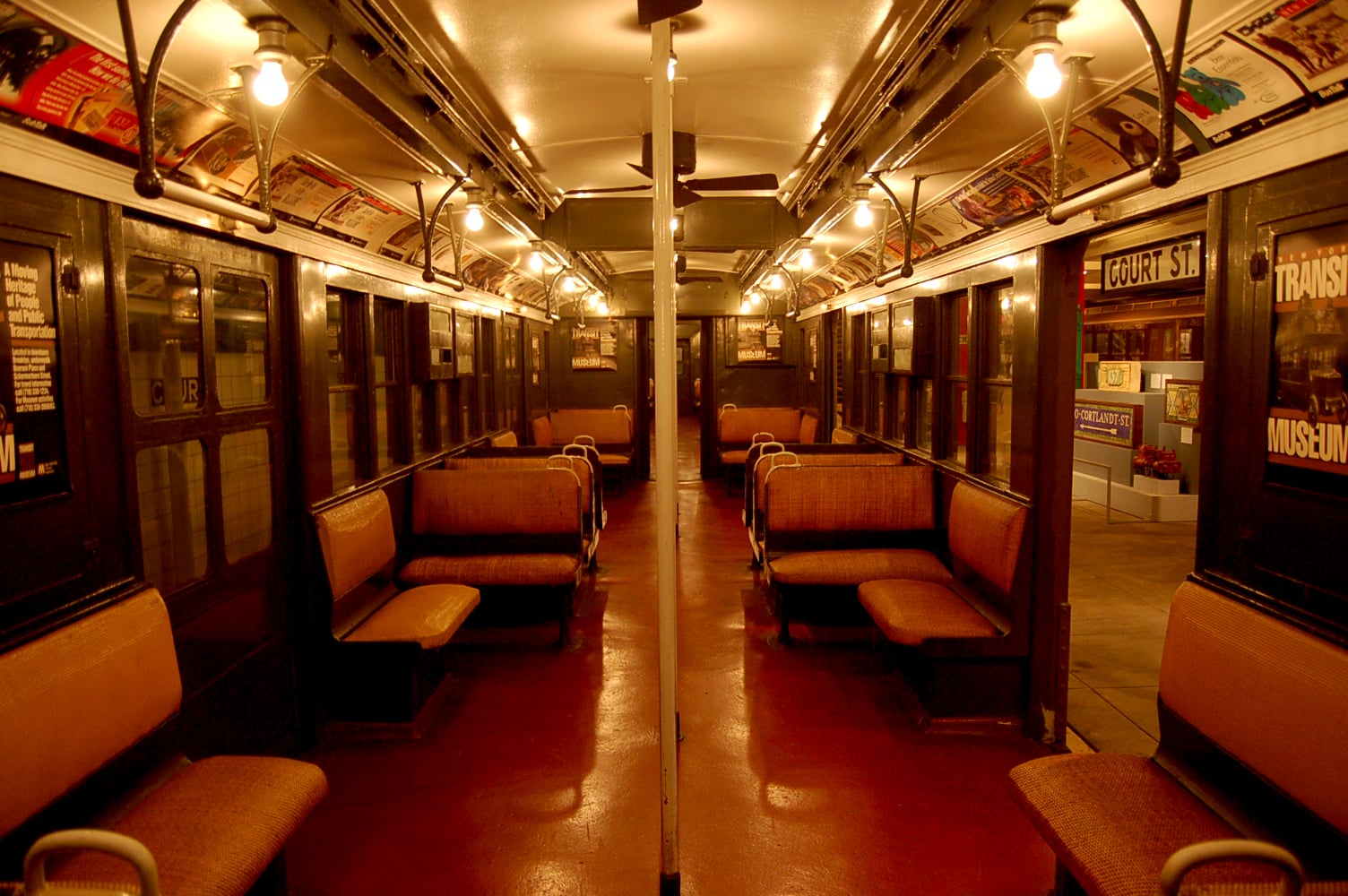
Back in the 1920s, New York’s subway moved countless people each day, yet expansion didn’t slow down one bit. You can see it in old images – platforms packed tight, bankers beside laborers, all dressed up or ready for long hours on the line.
Rolling along those tracks were basic train cars, nothing fancy, sporting hard bench seating made of wood, built with little thought for protection. While loud and always full, that underground network offered most folks a chance to go anywhere across town at the cost of five cents.
Broadway Theaters Lighting Up The Night

Outside the glow of a dozen marquees, folks crowded sidewalks in polished shoes and long coats. Bright signs cracked through the night, spelling out names of plays loud enough to see three streets over.
Dressed sharp, they came not just for songs or acting but for the hum of something alive in the air. Each photo holds stills of faces tilted up, waiting – caught between streetlight and doorway, ready to step inside.
Ellis Island Greets Arriving Immigrants
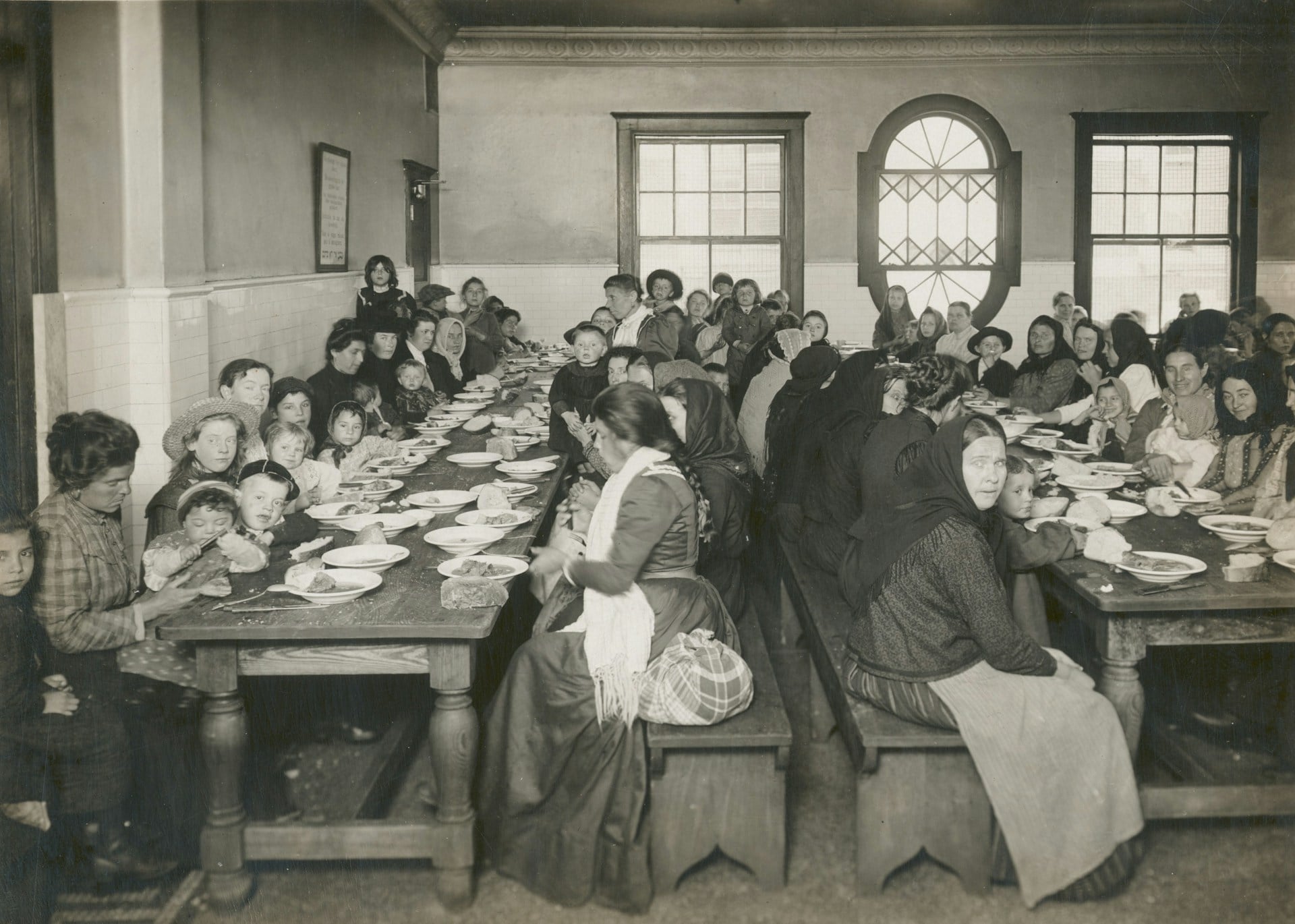
Though numbers dropped somewhat in the 1920s, Ellis Island kept moving waves of new arrivals through its halls. Pictures taken back then capture groups clutching sacks full of clothes and tools, standing in line under watchful eyes.
That structure looms large on the water, yet it carried light for those crossing seas toward something different. From that shore many stepped outward to raise streets, homes, bridges – shaping what stood before them when boats first touched dock.
Central Park Provides Open Green Areas

Out in the middle of all that bustle, Central Park offered a quiet escape when the twenties roared loudest. Snapshots from back then catch folks gliding across the water in rowboats, pairs wandering beneath leafy arches, youngsters tumbling through meadows.
Neat flowerbeds lined the walkways, lawns clipped short like carpets – tidier than now. Come Saturday or Sunday, waves of city folk poured into its pathways, trading pavement and sirens for soil and shade.
The Brooklyn Bridge Standing Strong

By the 1920s, the Brooklyn Bridge had been around for almost 50 years, but it still impressed everyone who saw it. Photos capture people walking across the wooden planks of the pedestrian path, with the East River flowing far below.
The bridge’s Gothic towers and steel cables created dramatic silhouettes against the sky. It connected two boroughs and two very different ways of life, making it more than just a way to cross water.
Harlem Renaissance In Full Swing

Harlem during the twenties became the cultural heart of Black America, and photos from the era show the neighborhood’s energy. The streets were filled with well-dressed residents heading to clubs, theaters, and literary gatherings.
Buildings that housed famous venues like the Cotton Club appeared in snapshots that captured the neighborhood’s sophistication. This was where jazz evolved, where writers created groundbreaking work, and where a whole community thrived despite the challenges they faced.
Grand Central Terminal Bustling With Travelers

Grand Central had just been rebuilt in 1913, so during the twenties it still felt relatively new and impressive. The main concourse with its constellation ceiling appeared in countless photos as travelers rushed to catch trains.
The terminal handled hundreds of thousands of people daily, all moving through that grand space with its marble floors and massive windows. It served as both a practical hub and a statement about the city’s importance.
Lower Manhattan’s Financial District Growing

Wall Street and the surrounding area represented the money center of America during the twenties. Photos show narrow streets lined with tall buildings that blocked out most of the sunlight.
Men in suits hurried between buildings, conducting the business that made fortunes and broke them just as quickly. The area had a serious, intense feel that matched its role in the nation’s economy.
Immigrant Neighborhoods Preserving Culture
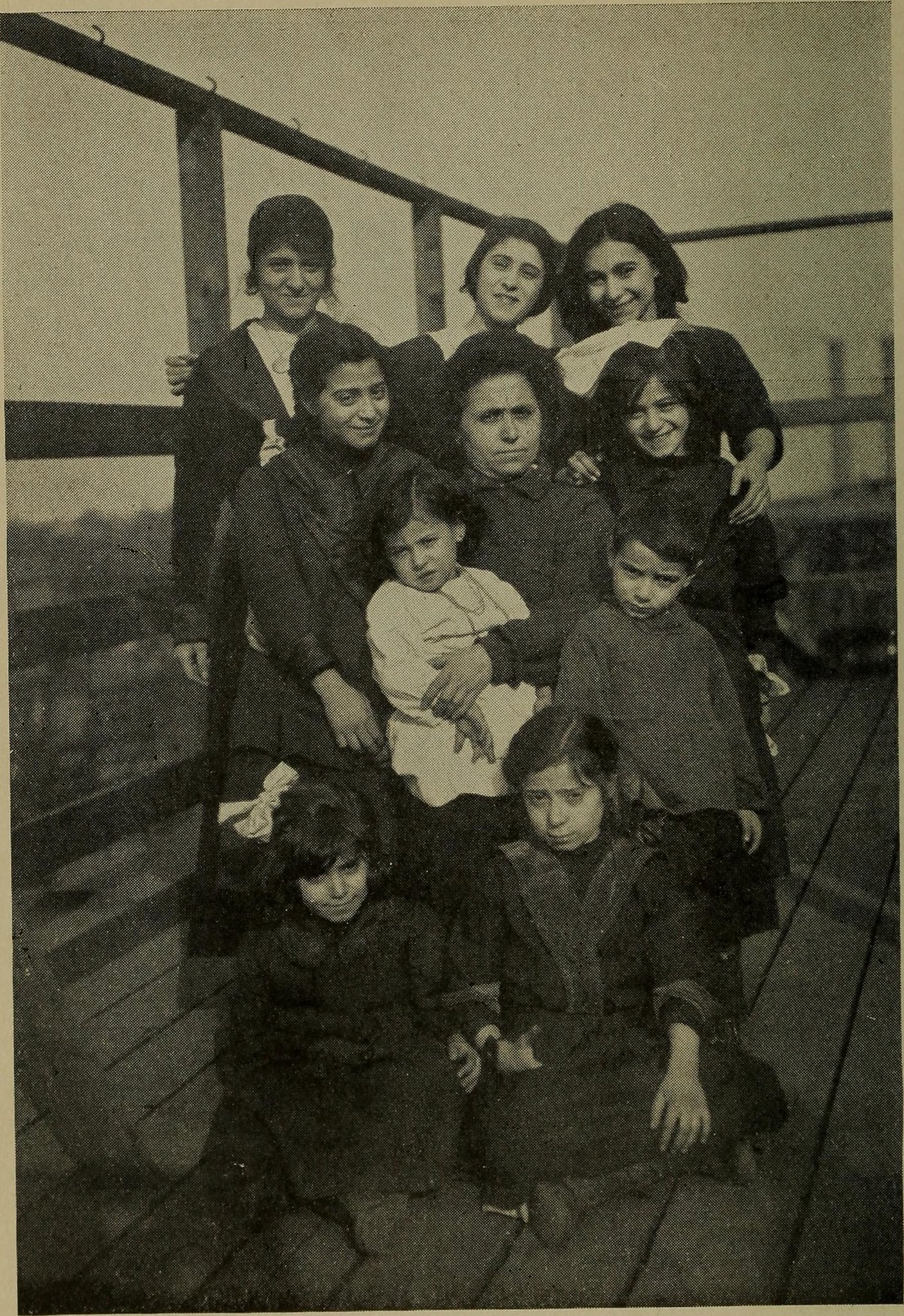
Photos from Little Italy, Chinatown, and the Lower East Side show how different communities maintained their traditions while adapting to American life. Street vendors sold goods from pushcarts, laundry hung between tenement buildings, and kids played in crowded streets.
These neighborhoods were loud, cramped, and full of life. The images capture both the hardship and the strong sense of community that helped families survive.
Coney Island Drawing Summer Crowds
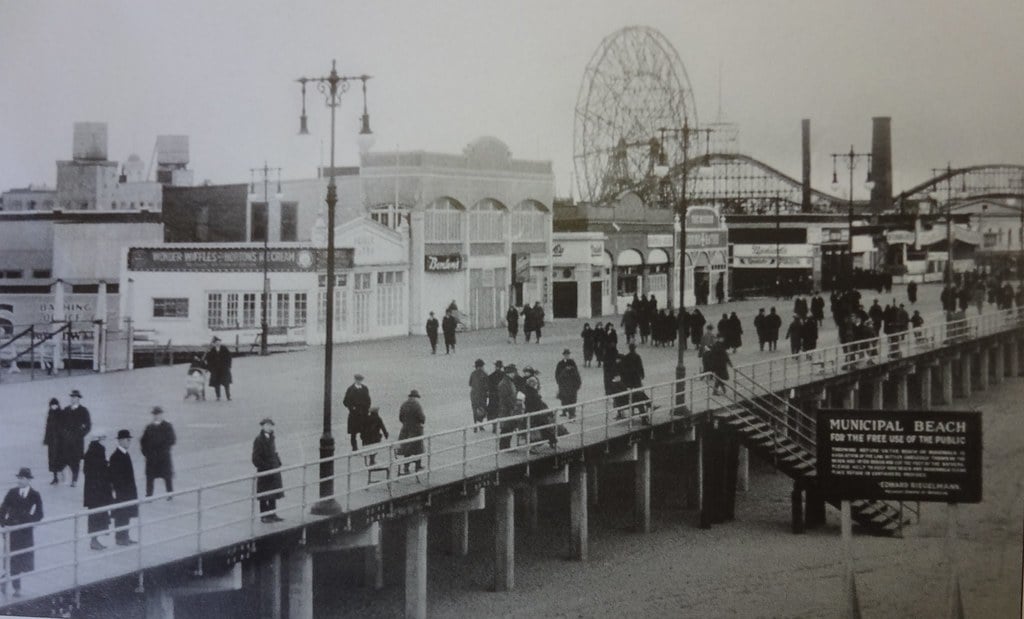
On hot summer days, Coney Island’s beaches would be so packed with people that the sand practically disappeared. Photos from the twenties show thousands of New Yorkers seeking relief from the city’s heat.
The boardwalk featured amusement rides, food stands, and entertainment that ranged from innocent to slightly risqué. Luna Park and Dreamland offered rides and attractions that seemed futuristic at the time, giving working-class families an affordable escape.
The Elevated Trains Cutting Through Neighborhoods
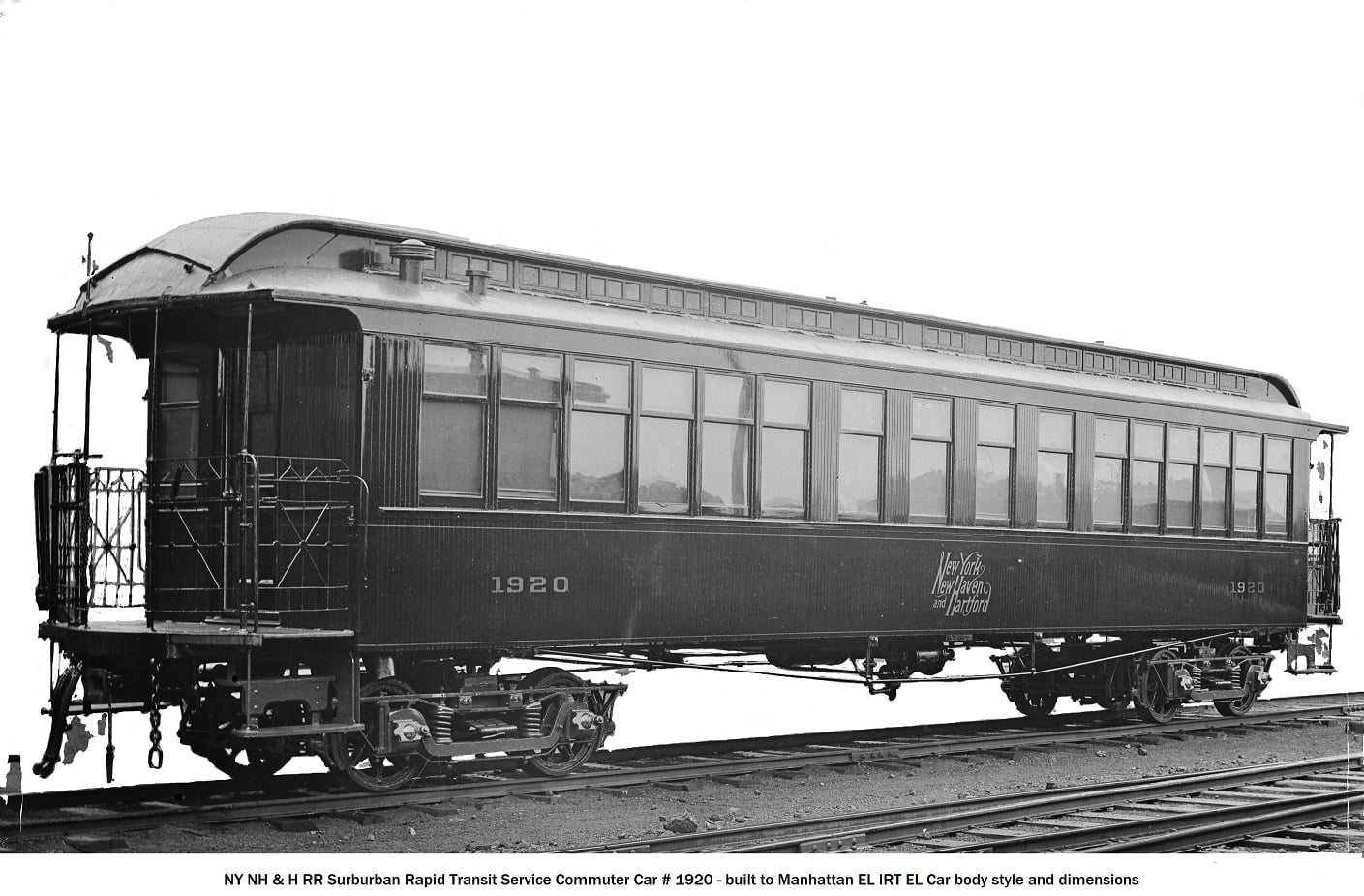
Before many subway lines went underground, elevated trains ran on tracks above the streets. Photos show these trains passing right by second-story windows, so close residents could probably hear conversations from the cars.
The structures cast shadows on the streets below and created a constant rumble that became part of the neighborhood soundtrack. Despite the noise and the darkness they created, the elevated lines connected distant parts of the city efficiently.
Street Vendors And Pushcart Markets
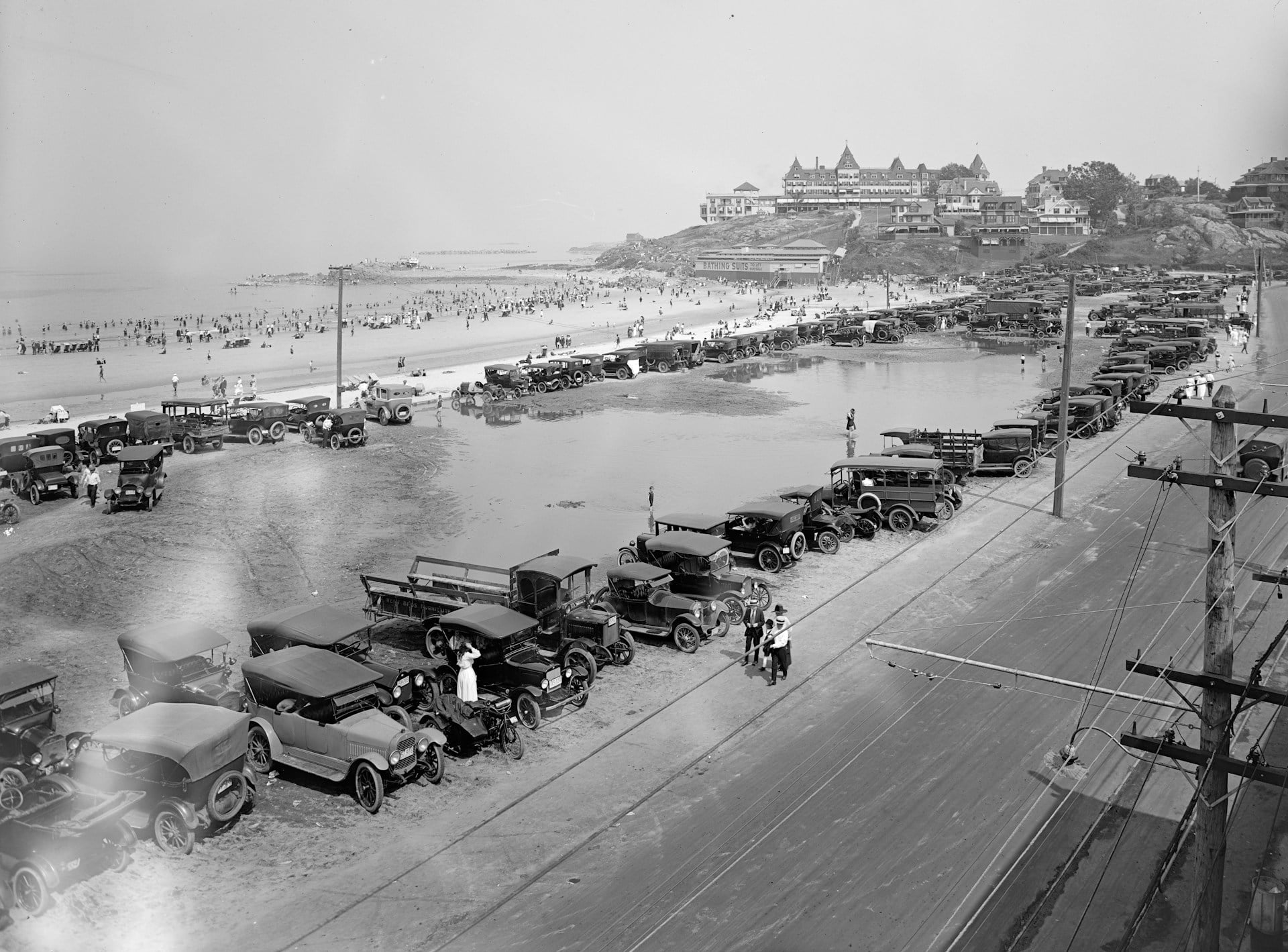
Before supermarkets took over, much of New York’s food came from street vendors with pushcarts. Photos capture crowded market streets where vendors sold fresh produce, fish, bread, and just about anything else people needed.
Customers would haggle over prices, vendors would shout to attract attention, and the whole scene created a lively marketplace atmosphere. These markets served as social hubs where neighbors caught up on gossip while shopping for dinner.
The Skyline Beginning To Take Shape

Photos of the Manhattan skyline from the 1920s show a city that was still defining itself architecturally. The tallest buildings were concentrated in certain areas, while other parts of the island remained relatively low.
You can see the mix of old and new, with church steeples competing for attention against steel-framed skyscrapers. The skyline photos from this decade document the moment when New York started becoming the vertical city everyone knows today, though it still had a long way to go.
When Old Met New
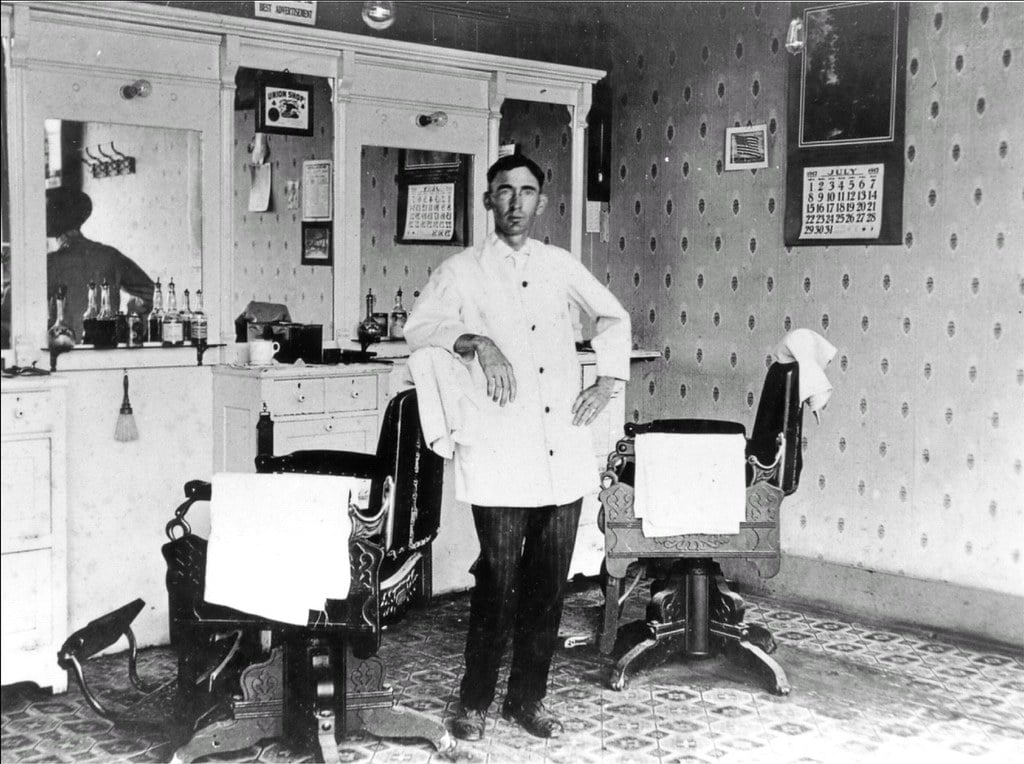
Looking back at these photos now, it’s clear the 1920s set the stage for modern New York. The buildings from that era still stand, the neighborhoods still exist (though they’ve changed), and the energy captured in those old images hasn’t really gone anywhere.
New York in the twenties was building the foundation for everything that came after, one street, one building, one subway line at a time. The city that thought it was modern then would probably be amazed at what it became, but the drive to keep growing and changing remains exactly the same.
More from Go2Tutors!

- The Romanov Crown Jewels and Their Tragic Fate
- 13 Historical Mysteries That Science Still Can’t Solve
- Famous Hoaxes That Fooled the World for Years
- 15 Child Stars with Tragic Adult Lives
- 16 Famous Jewelry Pieces in History
Like Go2Tutors’s content? Follow us on MSN.