Mountains So Deadly Even Experts Avoid Them
Some mountains are so dangerous that they earn respect through fear rather than fame. These towering giants claim lives with ruthless efficiency, turning even the most experienced climbers into cautionary tales. While Mount Everest gets all the attention, the world’s deadliest peaks lurk in remote corners where storms rage without warning and avalanches strike without mercy.
Let’s explore the mountains that make seasoned mountaineers think twice before packing their gear.
Annapurna I holds the crown of death
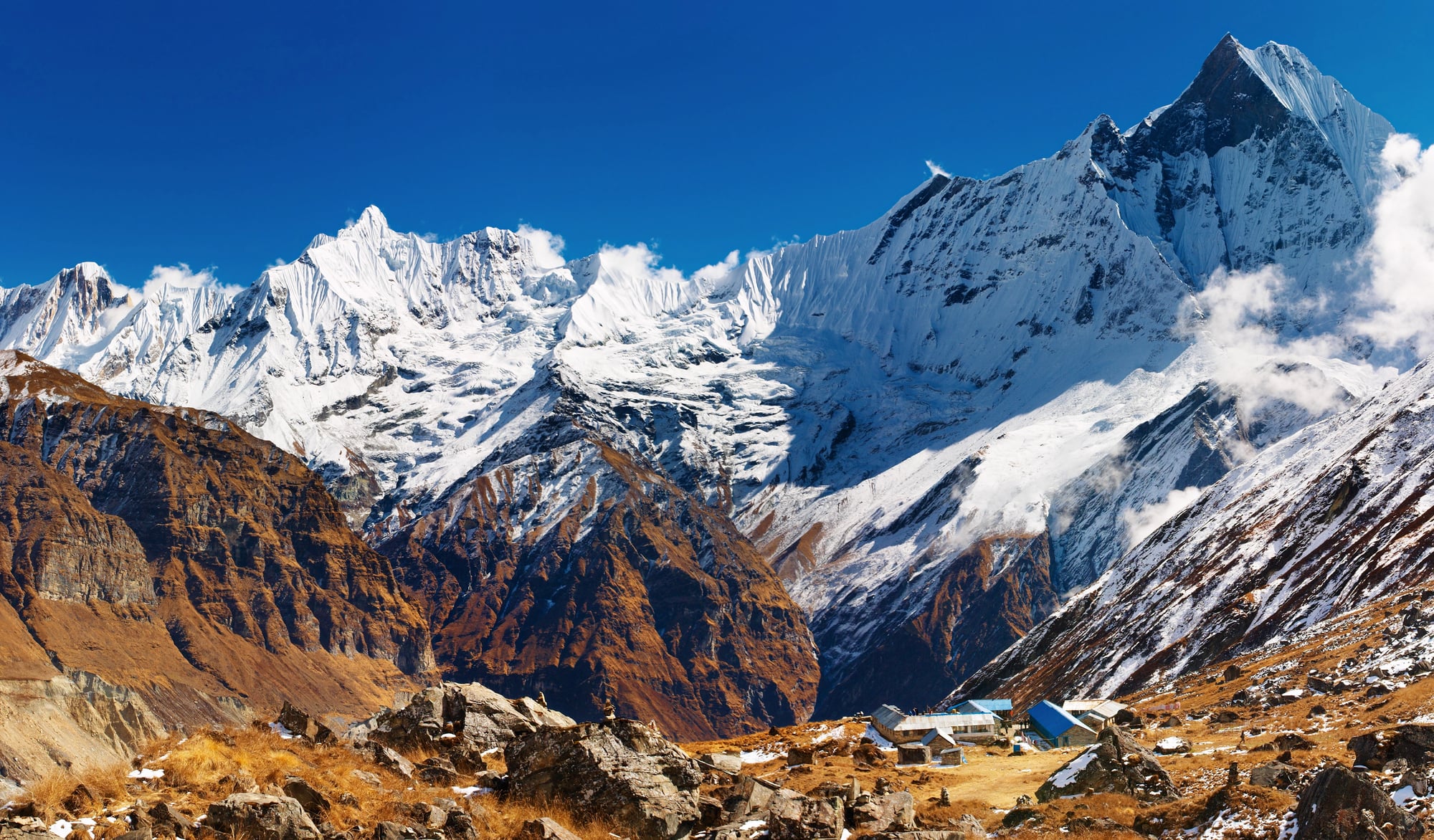
As of 2022, 365 people had reached the summit of Annapurna I in Nepal, while 72 had died climbing, making it statistically the world’s most lethal mountain.
Since 1900, an estimated 244 expeditions have resulted in 72 deaths – that is, in nearly one in three ascents, one participant did not return. The mountain sits at 8,091 meters and combines every possible danger into one terrifying package.
Weather changes happen faster than climbers can react, and the route offers very few safe spots to wait out storms.
K2 earns its nickname the savage mountain
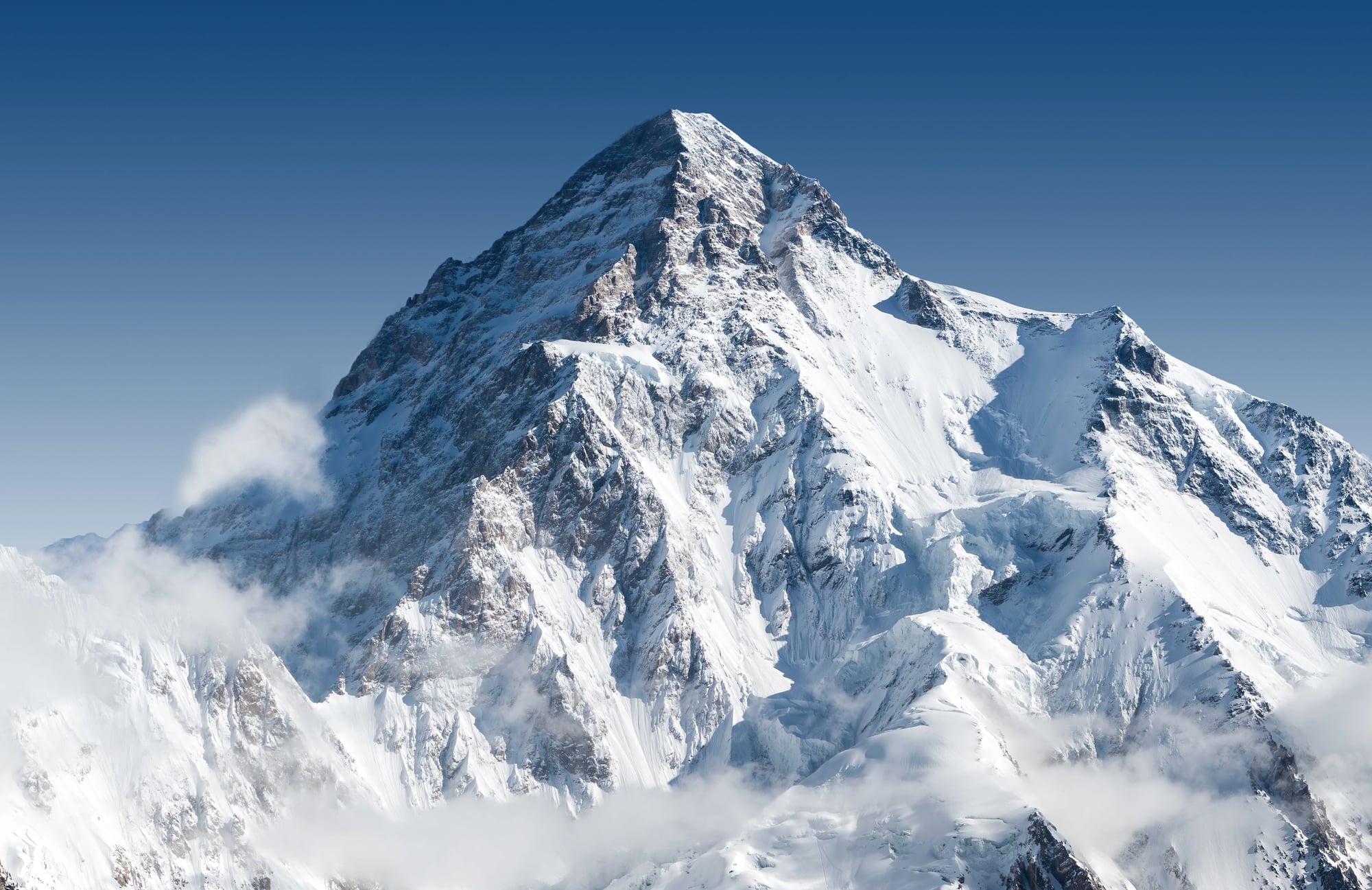
More people have been to space than to the summit of K2; For every four people who reached the summit and survived, one died.
This Pakistani giant at 8,611 meters has no easy route to its summit, unlike Everest which offers relatively gentle slopes on the south side. The mountain combines technical rock climbing with deadly weather patterns that can trap climbers for weeks.
The darkest spot in the mountain’s history was August 2008. Eleven climbers from several groups died on the slope, and three others were injured.
Like Go2Tutors’s content? Follow us on MSN.
Nanga Parbat shows no mercy to visitors
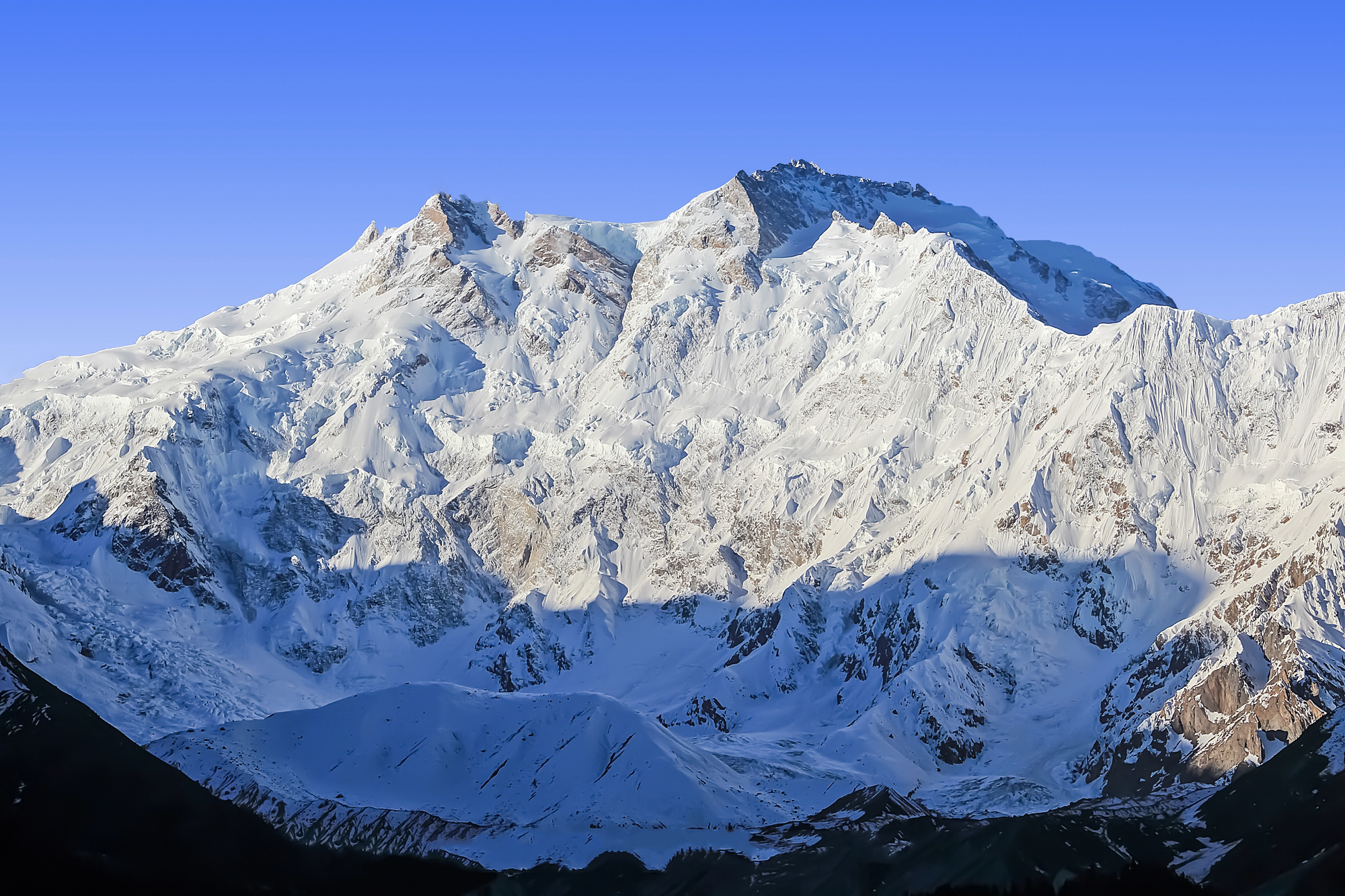
The ninth-highest mountain in the world has earned its reputation through sheer brutality rather than technical difficulty.
Though it is only the ninth largest mountain, Nanga Parbat has a mountain face of 15,000 feet, the highest in the world. Since its first ascent in 1953, 62 people have died trying to reach the summit, though in recent years, the death rate has improved to 5.5 percent.
The massive face creates its own weather systems that can bury climbers under tons of snow in minutes.
Dhaulagiri hides danger behind beauty
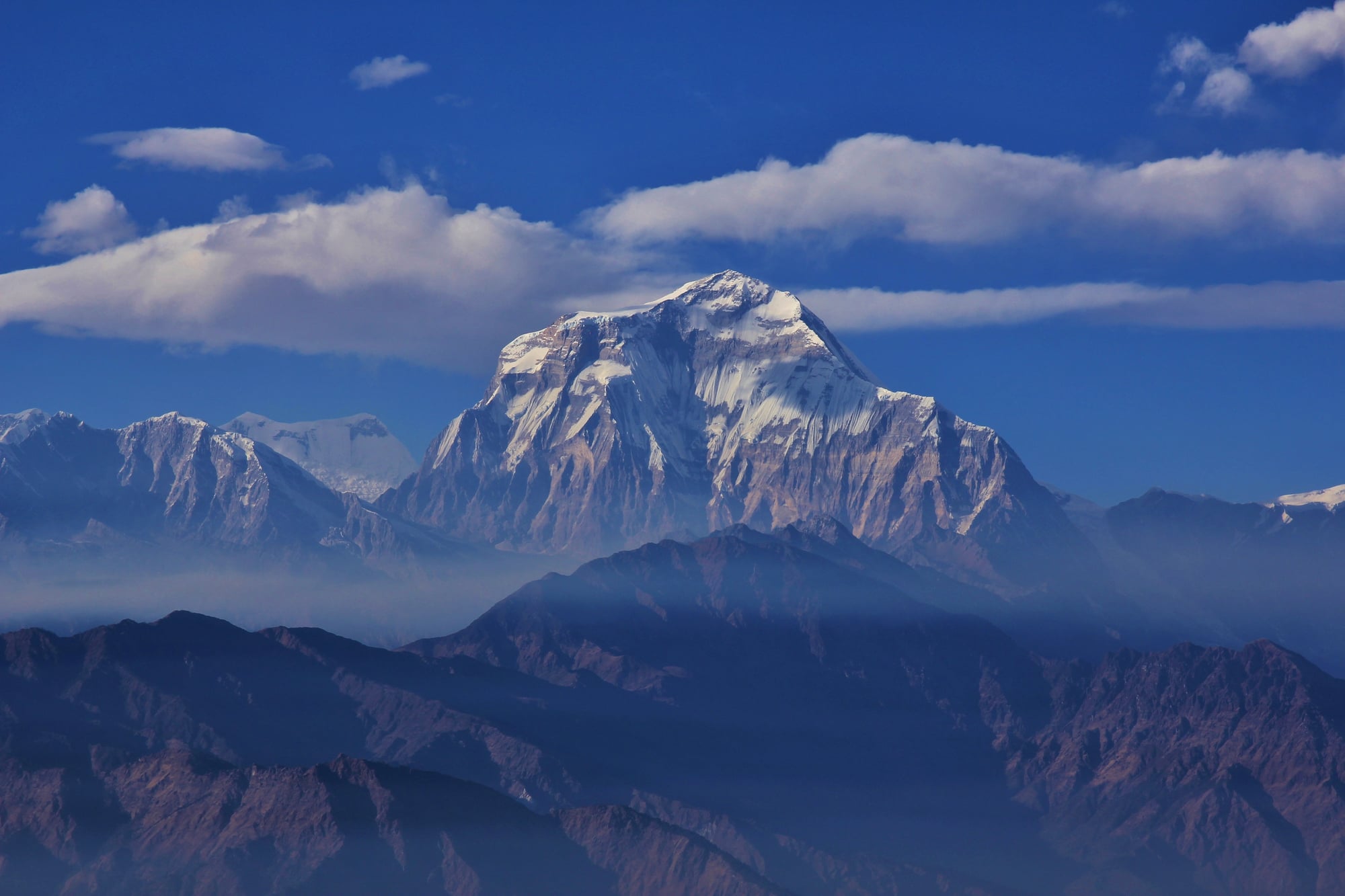
This stunning peak in Nepal might look less threatening than its neighbors, but appearances deceive climbers every year.
There had been 691 successful ascents since the first one, by a team led by Kurt Diemberger in 1960. 87 people are known to have lost their lives on the slopes of Dhaulagiri I.
The mountain sits at 8,167 meters and creates unique challenges with its position between two major weather systems. Storms can develop incredibly fast, turning clear skies into whiteout conditions that disorient even experienced climbers.
Kanchenjunga demands ultimate respect
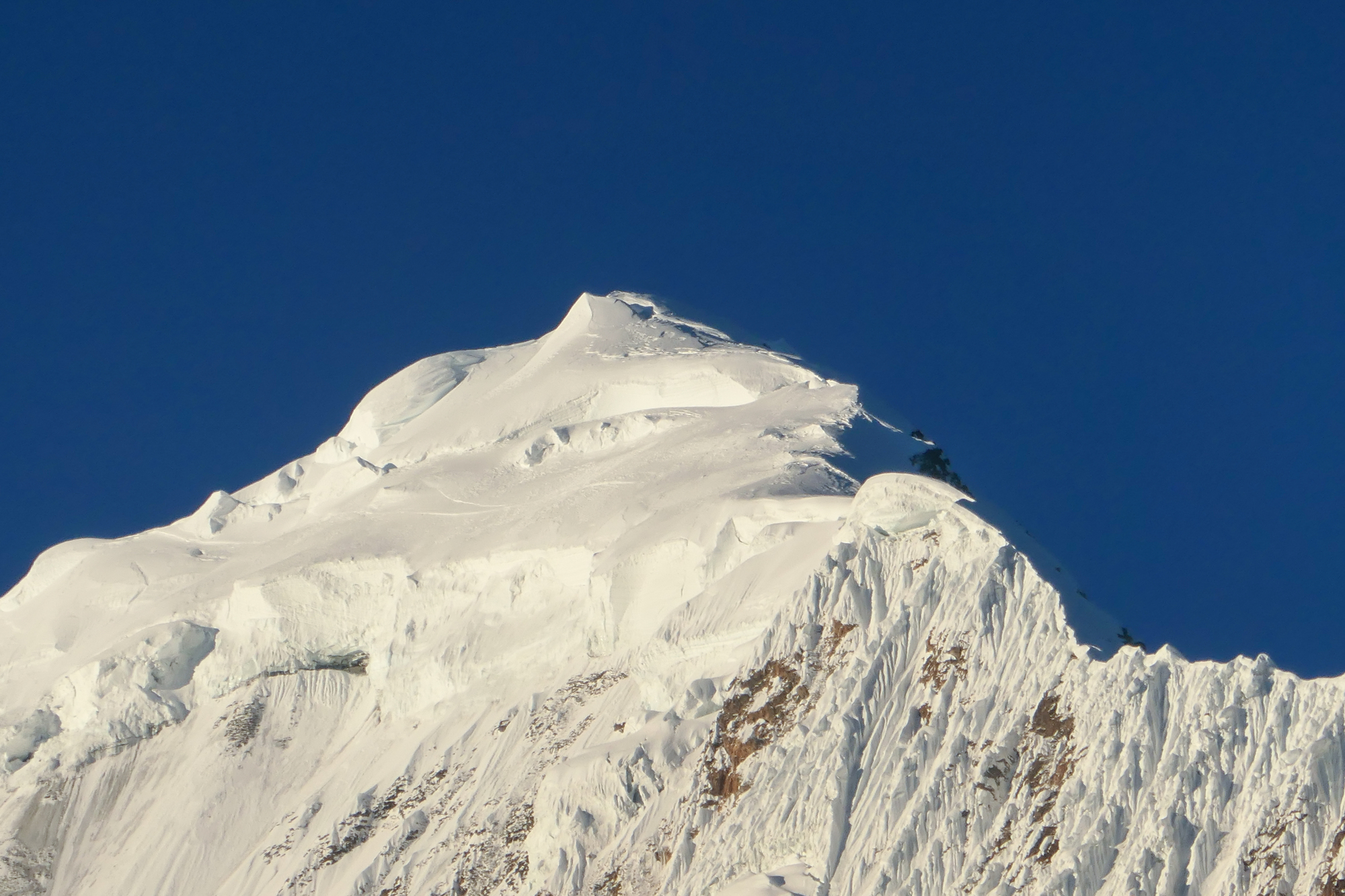
Standing at 8,586 meters on the border between Nepal and India, this mountain combines deadly avalanches with cultural sensitivity.
Kanchenjunga is an avalanche-prone zone, with a death rate of around 22%. The mountain is notoriously famous for taking the lives of climbers due to hypoxia (low oxygen level), exposure, falling rocks, and avalanches.
Local communities consider the peak sacred, so climbers stop just short of the true summit out of respect. This tradition actually saves lives since the final few meters present the most dangerous climbing conditions.
Like Go2Tutors’s content? Follow us on MSN.
Broad Peak lives up to its deadly reputation
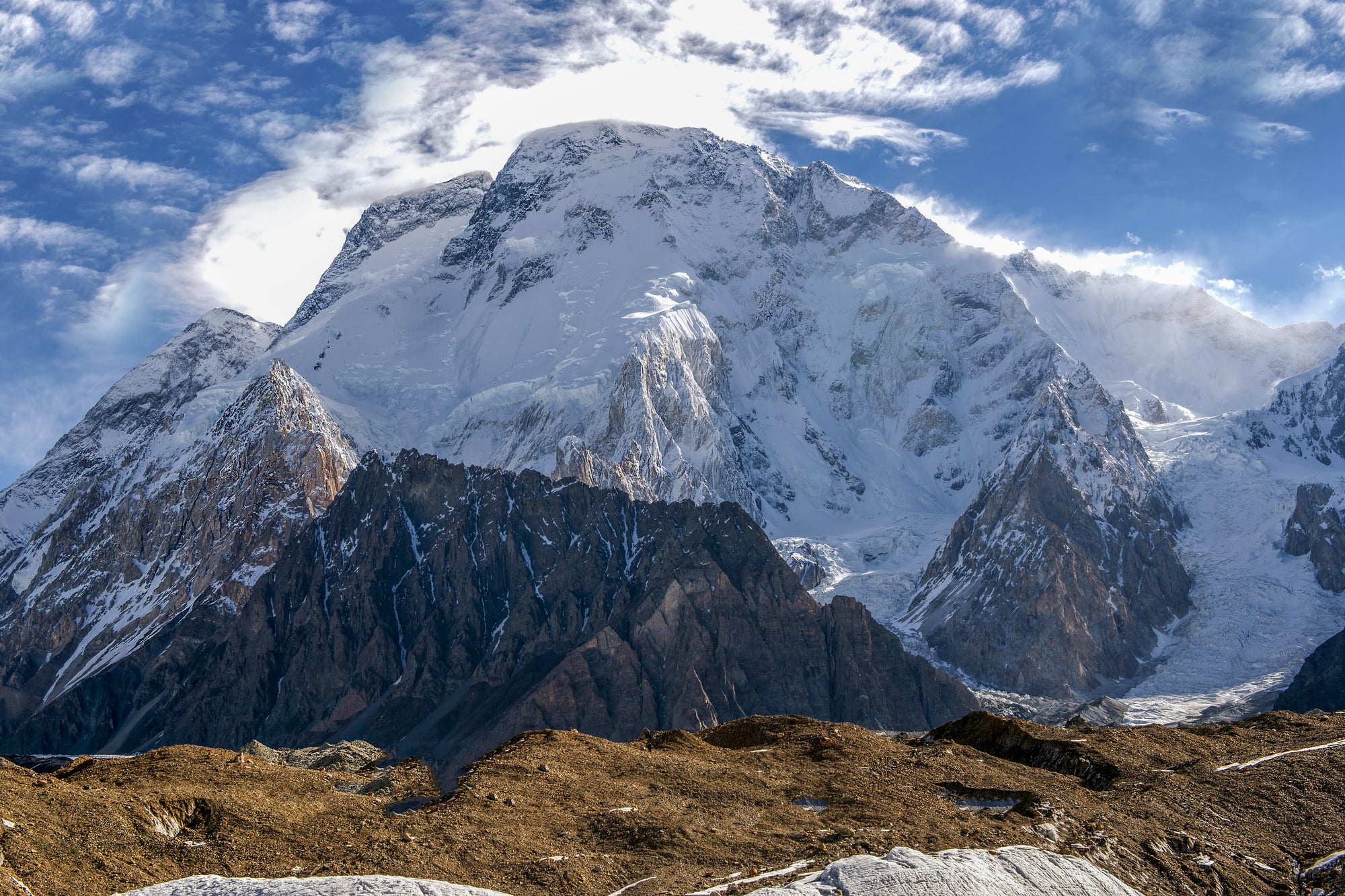
Also known as K3, this Pakistani mountain might seem less intimidating than its famous neighbor K2, but the statistics tell a different story.
The mountain has a fatality rate of almost 9 deaths per 100 successful summits. At 8,051 meters, Broad Peak creates its own microclimate that can shift from calm to catastrophic in minutes.
The wide summit plateau that gives the mountain its name becomes a death trap when storms hit, offering no shelter for hundreds of meters.
Manaslu claims lives through unexpected dangers
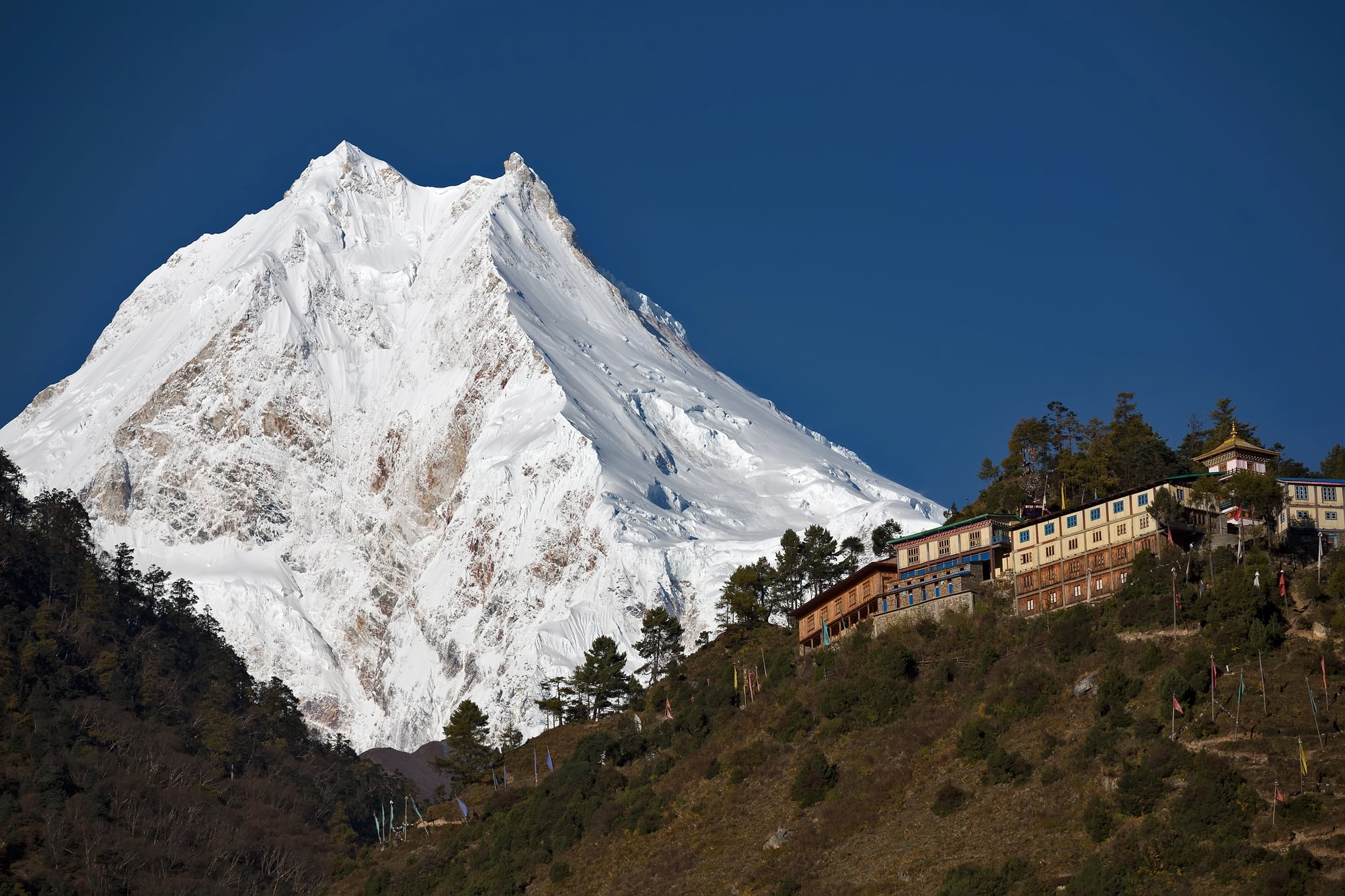
This Nepalese giant at 8,163 meters kills climbers through a combination of altitude sickness, avalanches, and simple exhaustion.
The mountain draws less attention than Everest, which means rescue operations take longer to organize when things go wrong. Some were caused by fatigue, suffocation, hypothermia, falling ice and avalanches.
The approach through remote valleys means help remains days away even when climbers send distress signals.
Cho Oyu fools climbers with false security
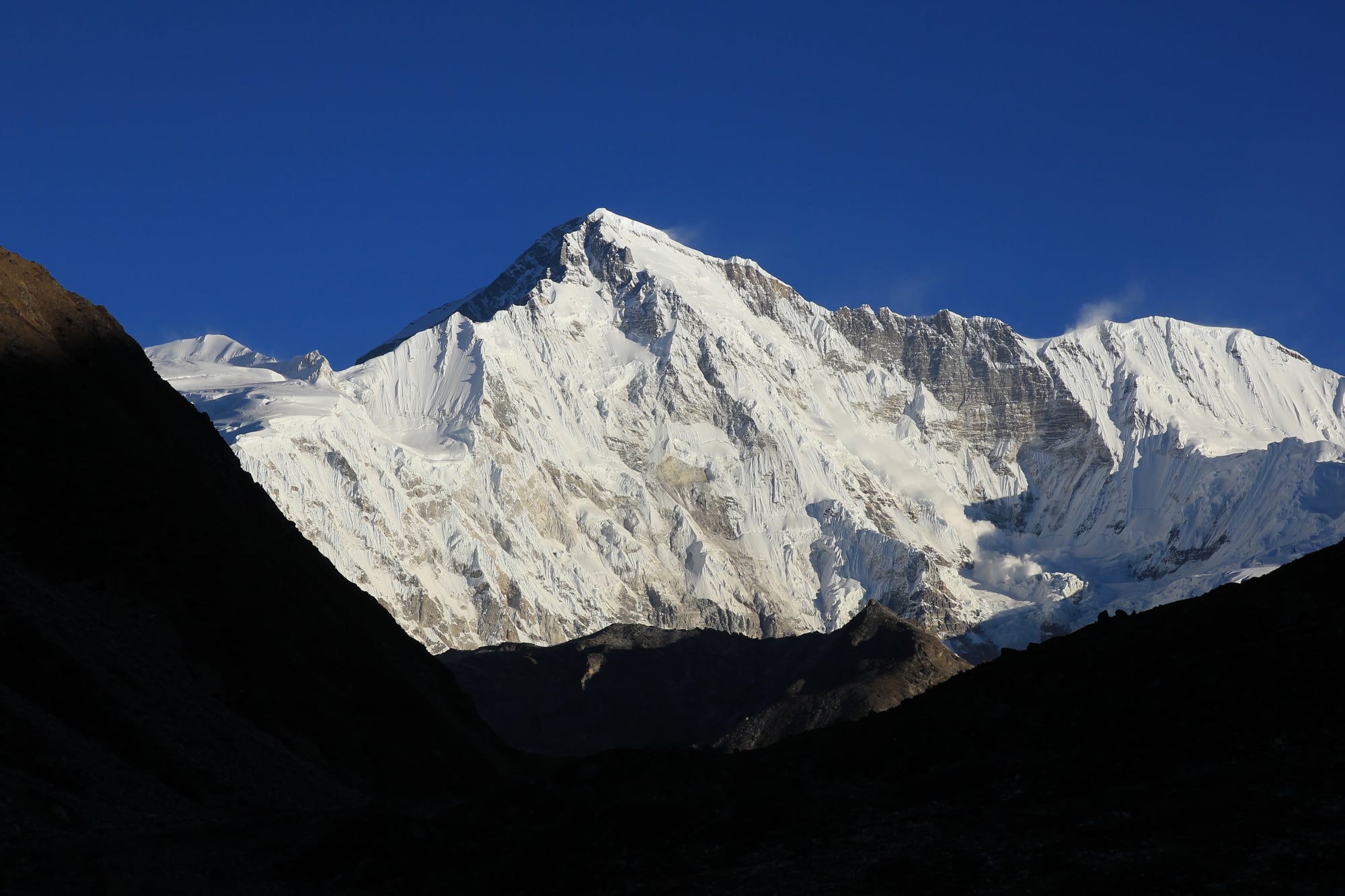
Often called the “easiest” 8,000-meter peak, Cho Oyu at 8,188 meters kills through complacency rather than obvious technical challenges.
Climbers underestimate the mountain because it lacks the fearsome reputation of K2 or Annapurna. Weather windows close suddenly, trapping climbers high on the mountain where oxygen levels drop to life-threatening levels.
The “easy” reputation means some climbers attempt the summit without proper experience or preparation.
Like Go2Tutors’s content? Follow us on MSN.
Gasherbrum I hides in plain sight
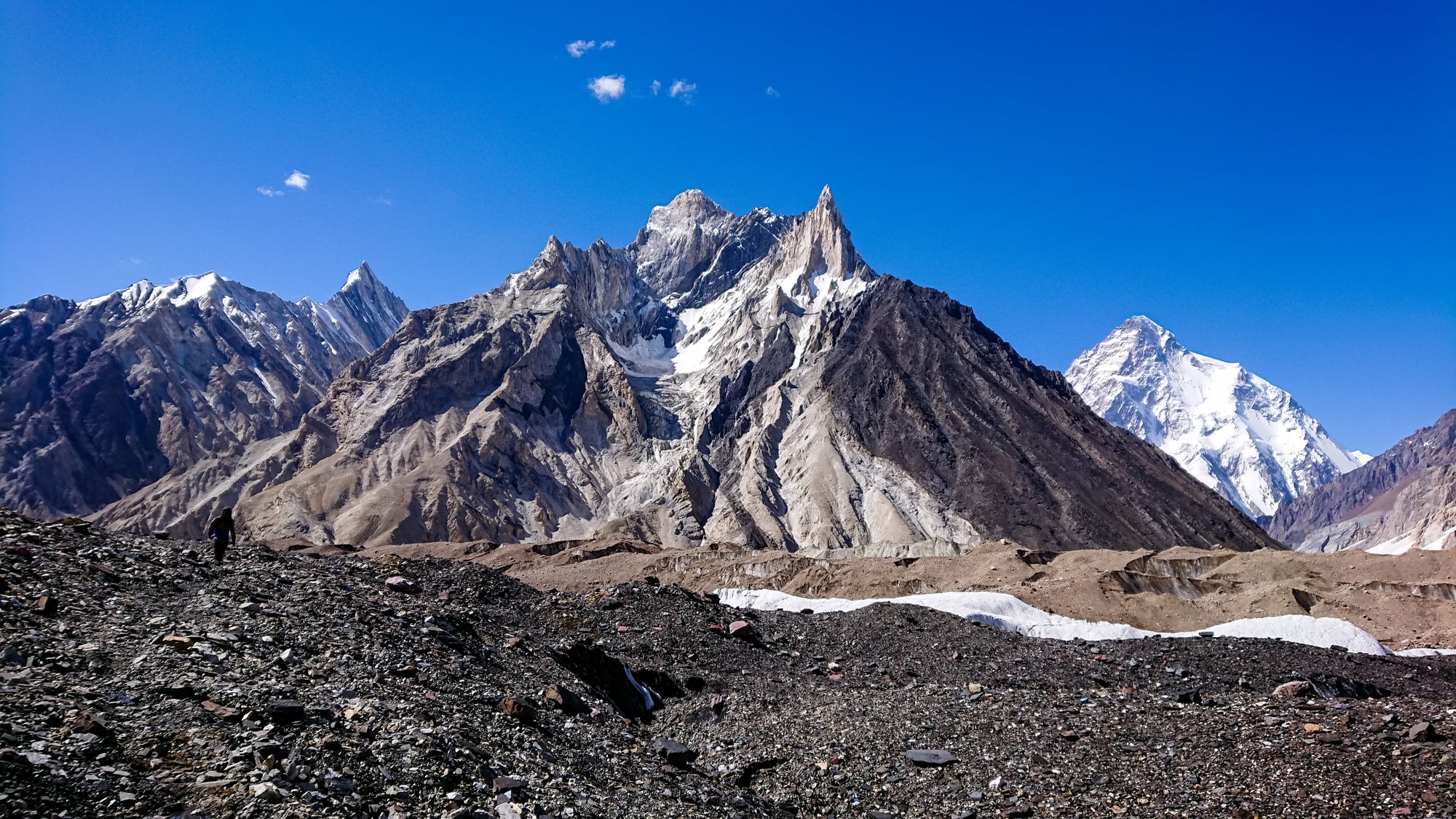
This Pakistani peak at 8,080 meters sits in the heart of the Karakoram range, surrounded by other deadly giants.
The remote location means climbers face days of dangerous approach through unstable glacier terrain before even reaching base camp. Weather patterns remain unpredictable due to the mountain’s position between different climate zones.
The combination of altitude, isolation, and technical difficulty creates a deadly formula that claims lives every climbing season.
Shishapangma stands alone in danger
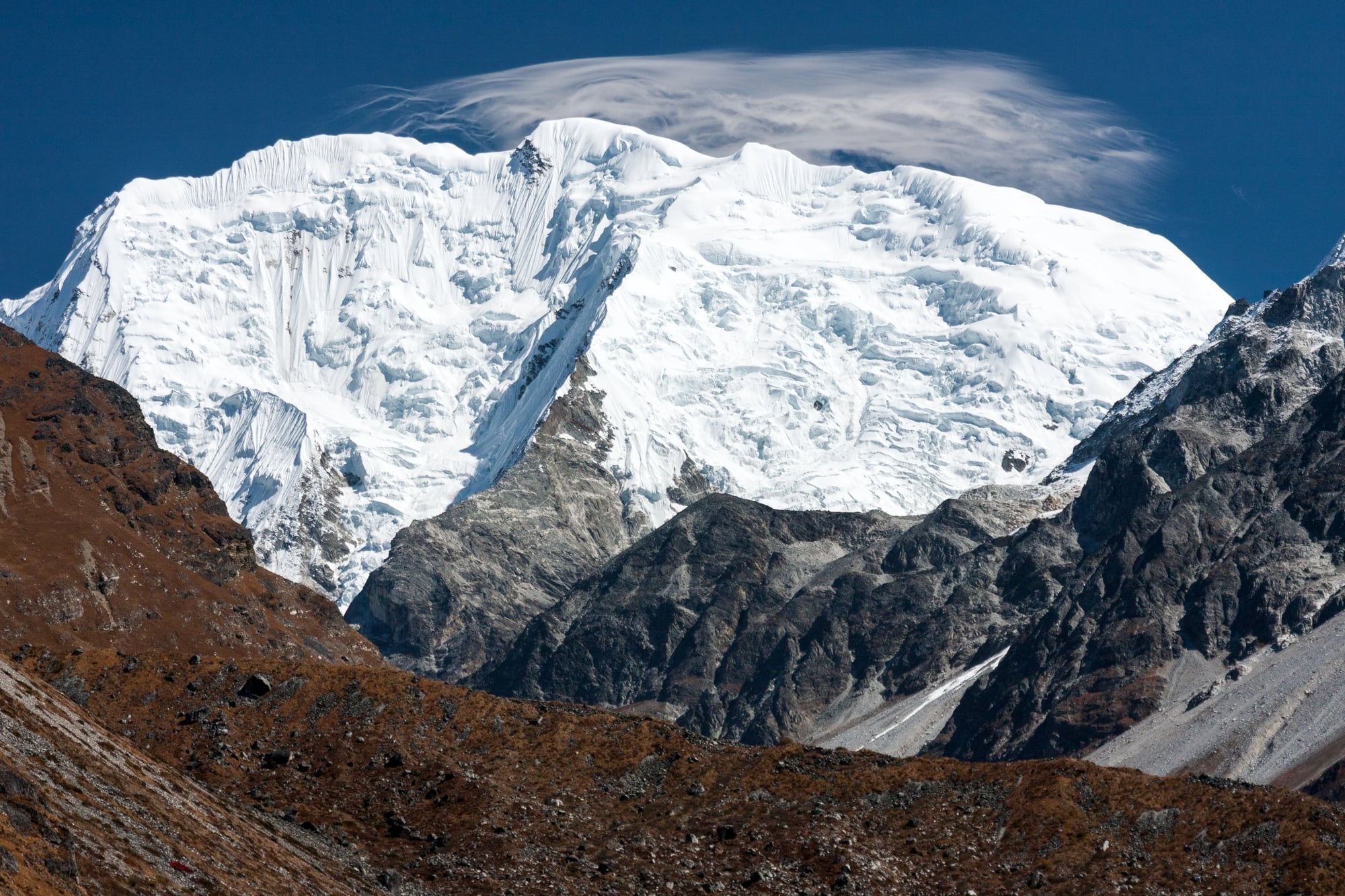
As the only 8,000-meter peak located entirely within Tibet, Shishapangma at 8,027 meters presents unique challenges beyond its height.
Political restrictions limit rescue operations, and the mountain’s position creates severe weather patterns that develop without warning.
Avalanche danger remains constant throughout the climbing season due to the mountain’s snow accumulation patterns. The isolated location means climbers must be completely self-sufficient for weeks at a time.
Lhotse shares Everest’s deadly weather
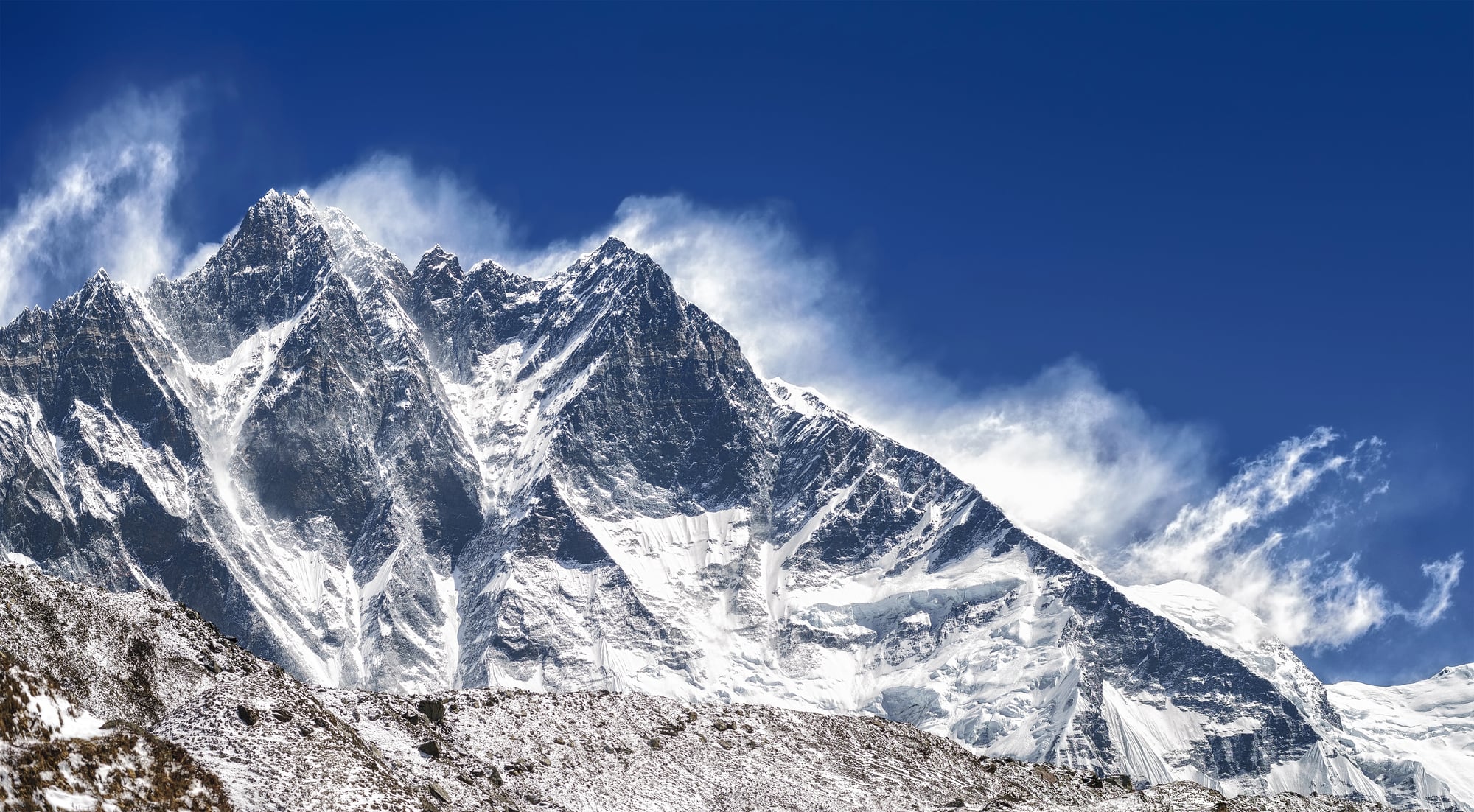
Connected to Mount Everest by a high ridge, Lhotse at 8,516 meters faces the same brutal weather systems that claim lives on its more famous neighbor.
The mountain’s south face presents one of the most technical climbs in high-altitude mountaineering. Wind speeds can exceed 200 kilometers per hour, strong enough to blow climbers off exposed ridges.
The summit pyramid requires advanced rock climbing skills at altitudes where most people can barely walk.
Like Go2Tutors’s content? Follow us on MSN.
Everest’s notorious death zone
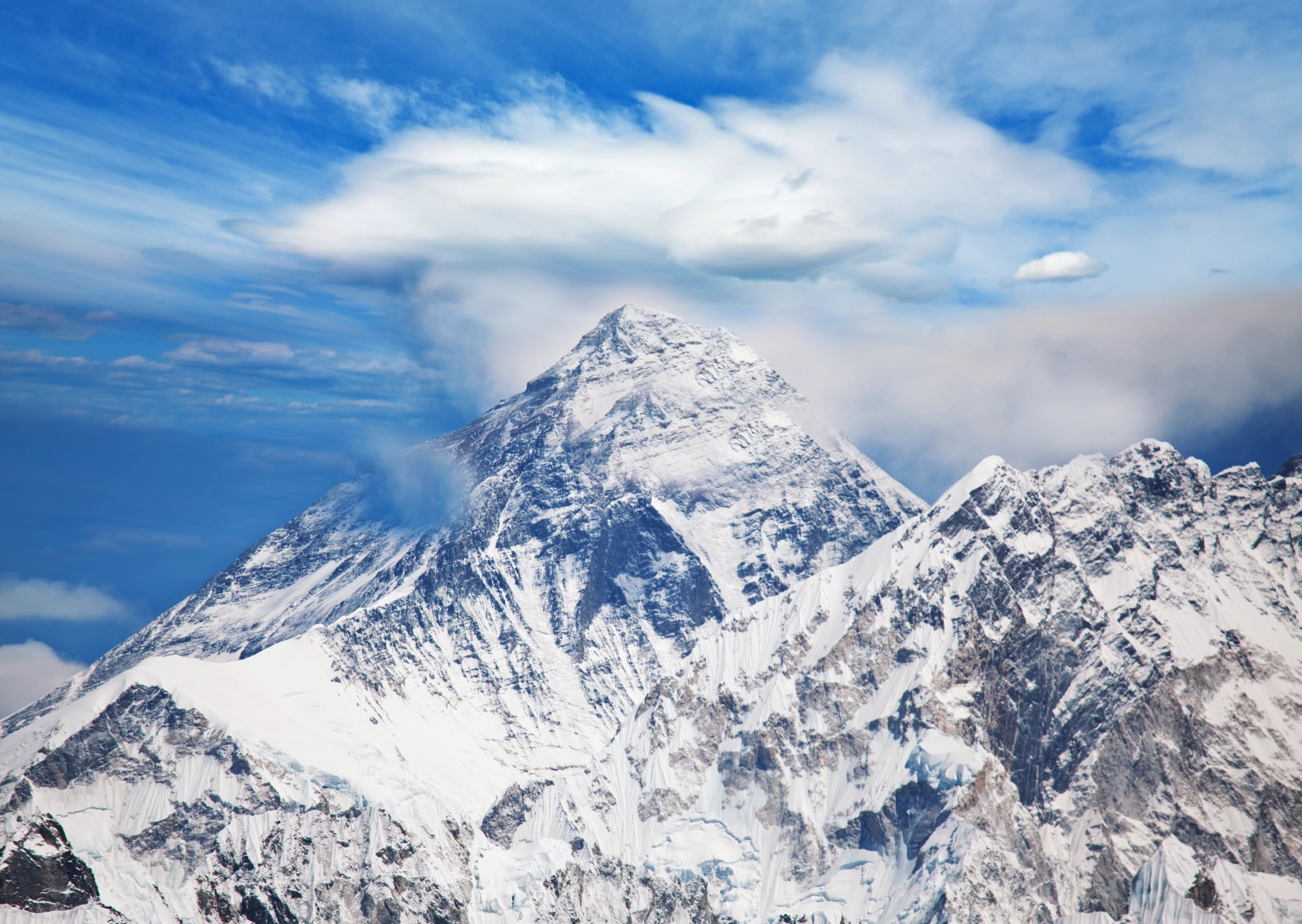
While not the deadliest mountain by percentage, Mount Everest at 8,849 meters kills more climbers than any other peak simply due to the number of attempts.
The infamous “death zone” above 8,000 meters provides only one-third of the oxygen available at sea level. Traffic jams near the summit create deadly delays that exhaust oxygen supplies and expose climbers to extreme conditions for longer periods.
Deaths have occurred on the mountain every year since 1978, excluding 2020, when permits were not issued due to the COVID-19 pandemic.
Why experts choose their battles carefully
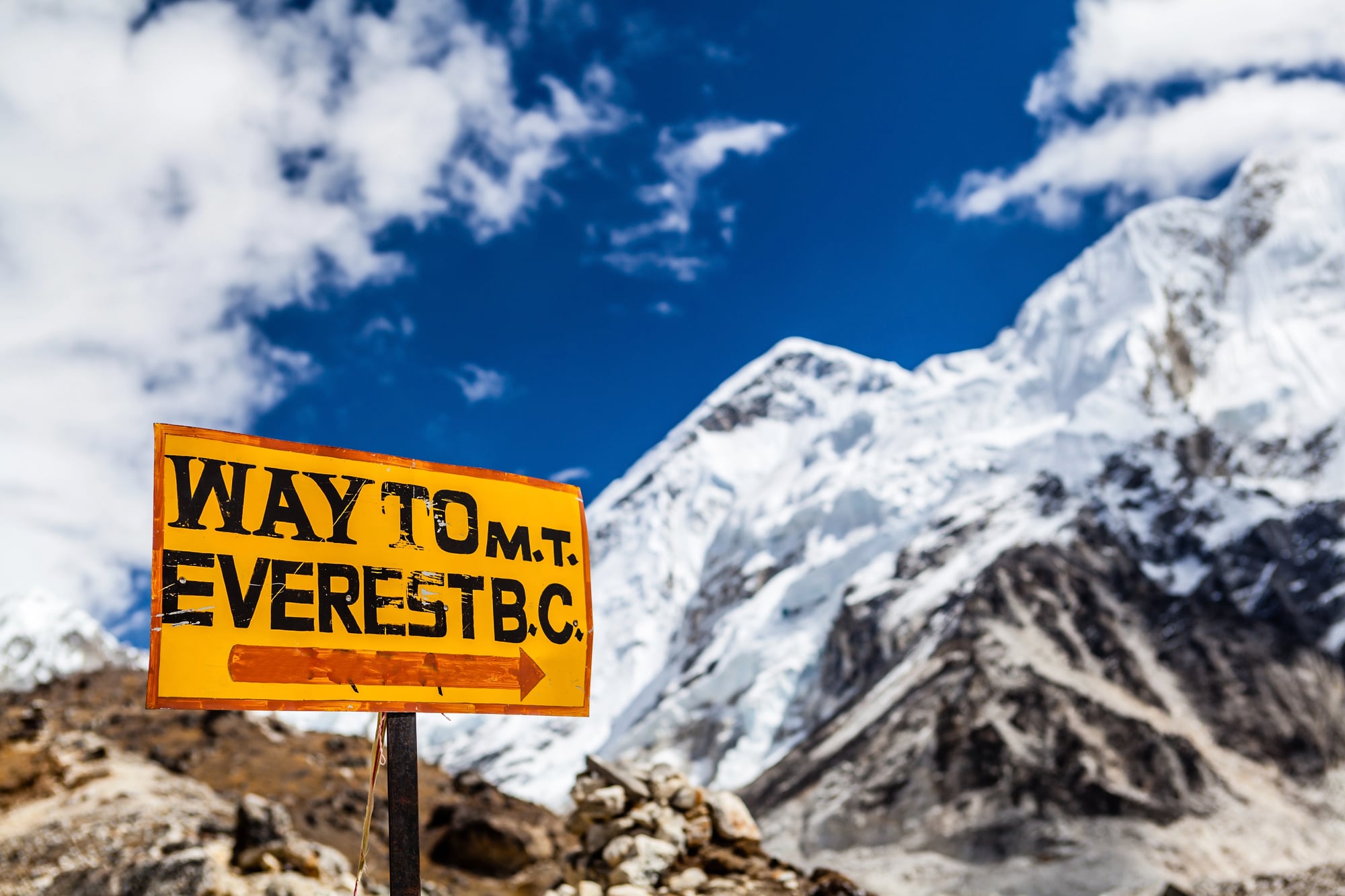
These deadly peaks teach us that mountain climbing isn’t about conquering nature but learning to survive its tests.
Professional mountaineers spend years building skills on smaller peaks before attempting the giants, and many never try the most dangerous routes at all.
While Annapurna has long held the record, there has been a higher number of recent deaths on Nanga Parbat, so it has retaken the mantle of “world’s deadliest mountain,” according to ExplorersWeb.
The mountains that kill most efficiently continue claiming lives because they combine every possible danger into an nearly impossible challenge.
Even today’s advanced weather forecasting and rescue technology cannot eliminate the fundamental risks these peaks present to anyone brave enough to attempt their summits.
More from Go2Tutors!

- 16 Historical Figures Who Were Nothing Like You Think
- 12 Things Sold in the 80s That Are Now Illegal
- 15 VHS Tapes That Could Be Worth Thousands
- 17 Historical “What Ifs” That Would Have Changed Everything
- 18 TV Shows That Vanished Without a Finale
Like Go2Tutors’s content? Follow us on MSN.