15 Forgotten Toys That Were Pulled for Being Too Weird
Remember when toys were just simple playthings? Before safety regulations and public scrutiny became paramount, toy manufacturers sometimes released products that left parents scratching their heads. From questionable design choices to outright dangerous features, the history of toys includes some truly bizarre entries that didn’t last long on store shelves.
Here is a list of 15 forgotten toys that were ultimately pulled from stores for being just too weird or inappropriate for their young audience.
Lawn Darts

These oversized darts with weighted metal tips were meant for outdoor games but quickly became known for causing serious injuries. The heavy projectiles could easily puncture skin, and after thousands of injuries and several fatalities, they were banned in the U.S. in 1988.
Modern versions exist with soft tips, resembling the dangerous originals in appearance only.
Snacktime Cabbage Patch Kid
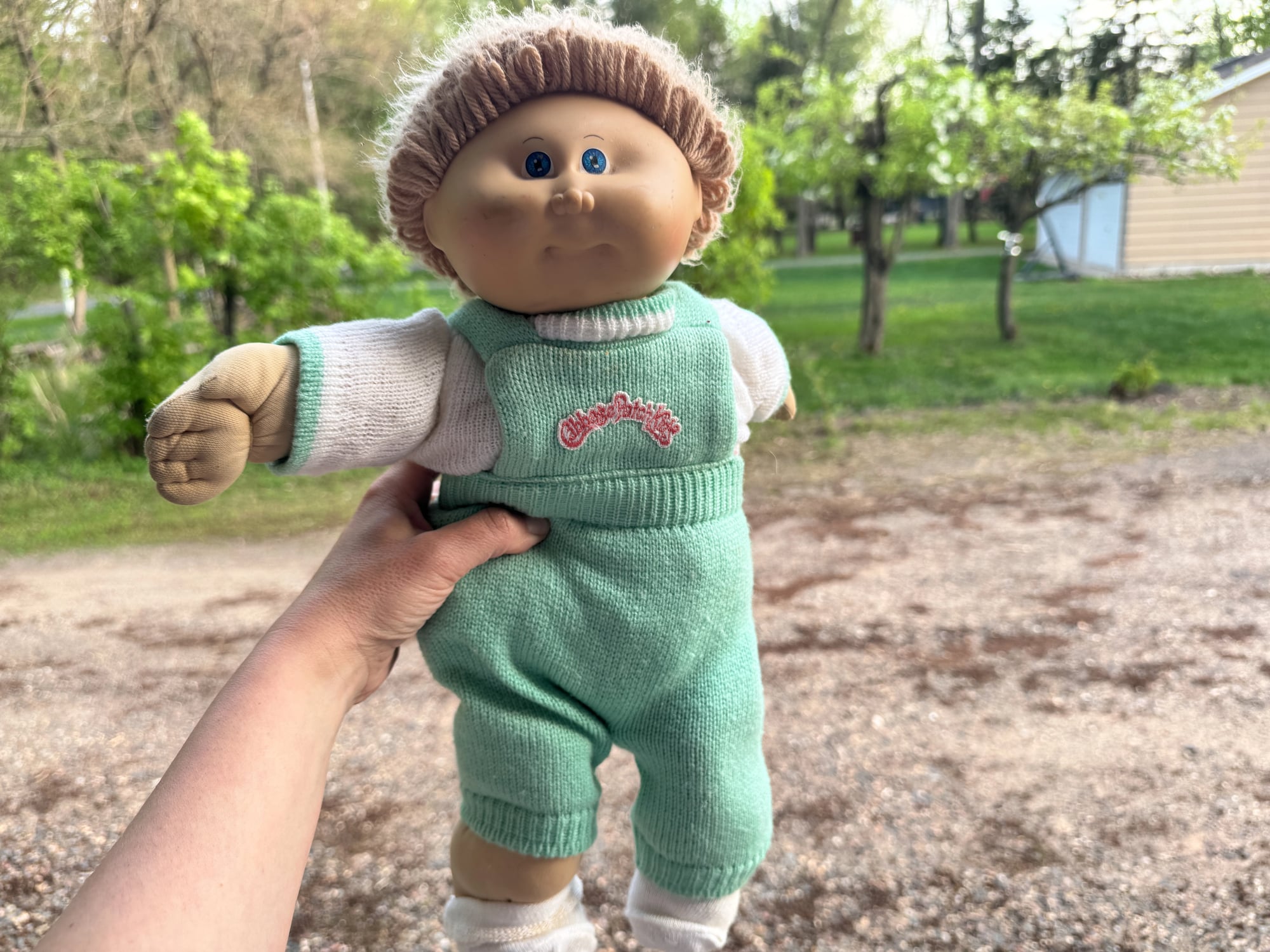
This 1996 doll came with a mechanical chewing mechanism designed to ‘eat’ plastic snacks. The problem? It couldn’t distinguish between food accessories and fingers, hair, or clothing.
With no emergency shut-off switch, the doll would continue pulling until the object was consumed or batteries were removed. Mattel recalled the dolls after numerous incidents of children getting their hair and fingers caught.
Like Go2Tutors’s content? Follow us on MSN.
Gilbert U-238 Atomic Energy Lab

In the 1950s, this science kit actually contained real uranium ore samples. It allowed children to observe radioactive decay with a working Geiger counter included in the set.
Priced at $50 (equivalent to over $500 today), it was marketed as educational despite containing genuinely radioactive materials. Unsurprisingly, it lasted only one year on the market.
Aqua Dots
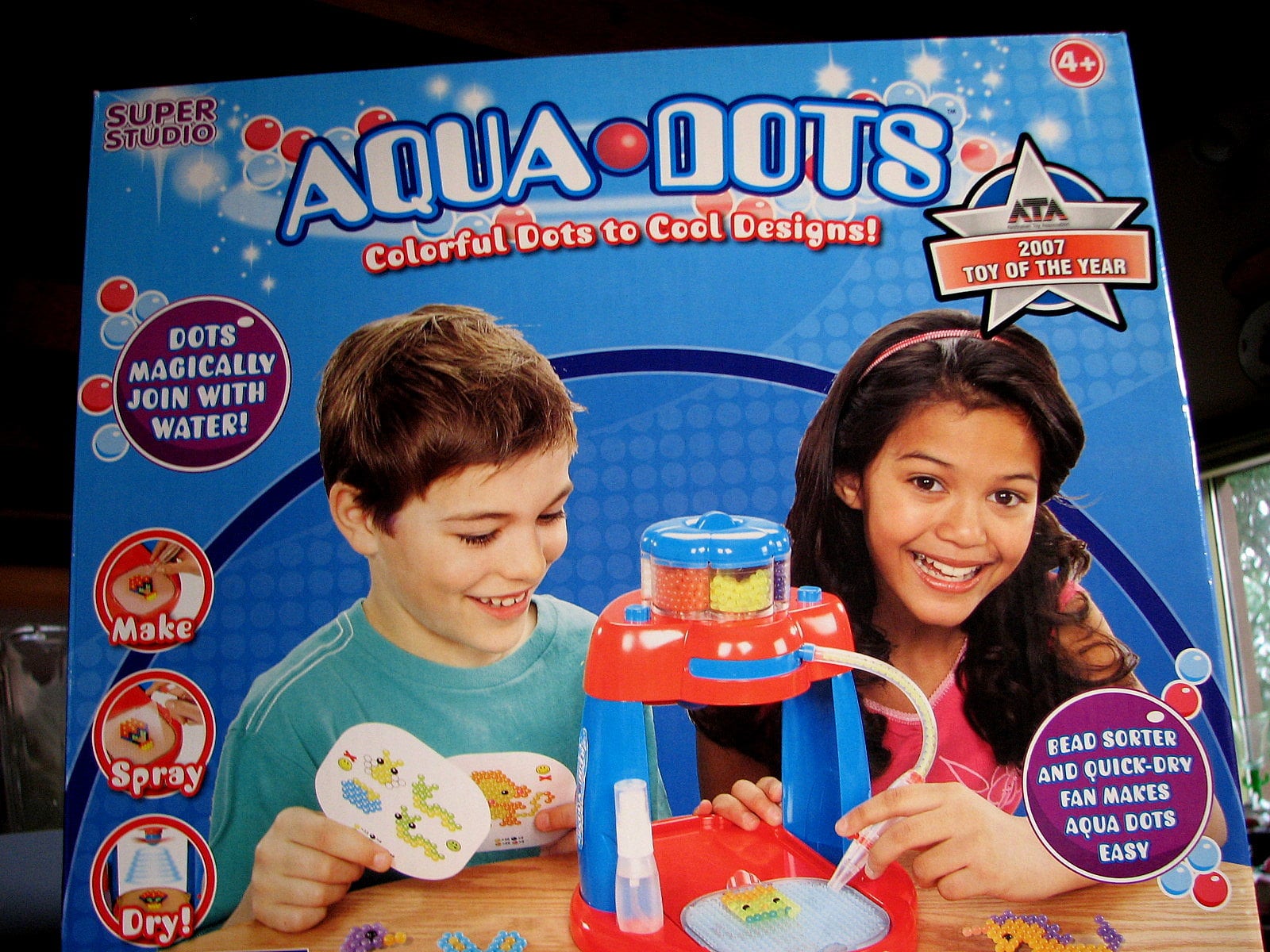
These colorful beads could be arranged into designs and fused together with water. Unfortunately, they were coated with a chemical that, when ingested, metabolized into GHB, commonly known as the ‘date rape drug.’
Children who swallowed the beads became ill and sometimes unconscious. The toy was swiftly recalled in 2007 after several hospitalizations.
Sky Dancers
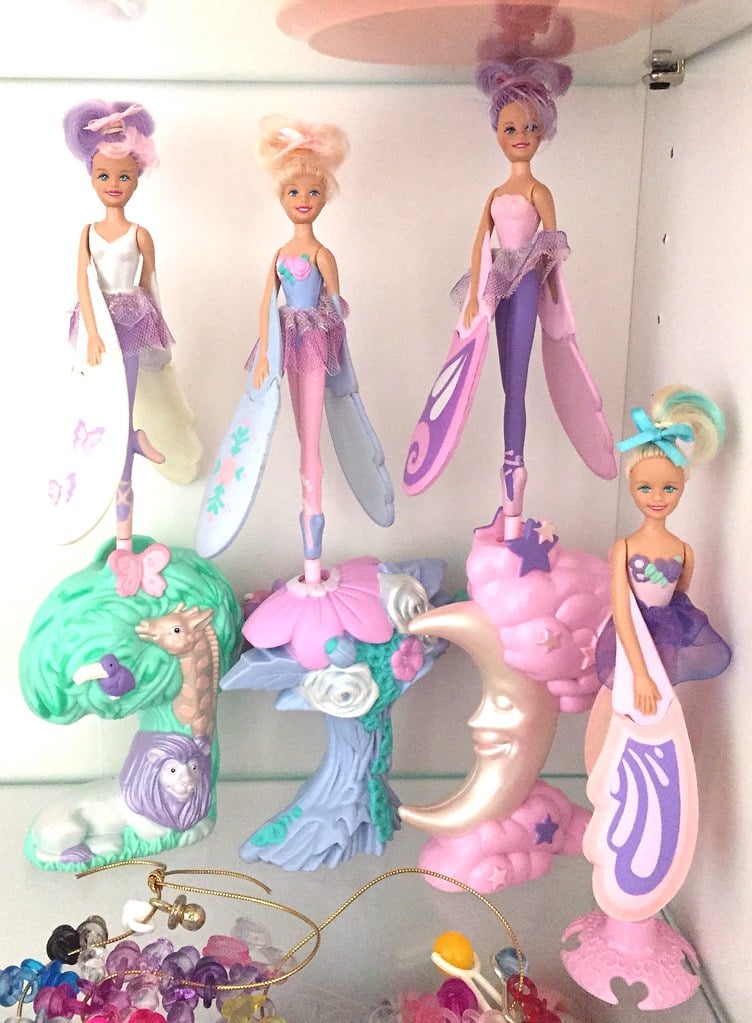
These fairy dolls were launched into the air from a base when you pulled a string. While the concept seemed innocent, the unpredictable flight patterns turned the hard plastic toys into miniature helicopters of doom.
They spun wildly in random directions, causing eye injuries, facial lacerations, and even mild concussions. After 170 reported injuries, Tiger Electronics recalled millions of units in 2000.
Like Go2Tutors’s content? Follow us on MSN.
CSI Fingerprint Examination Kit

This forensic toy based on the popular TV show contained powder for dusting fingerprints that was later found to contain up to 7% asbestos. The cancer-causing material was discovered in 2007, leading to immediate recalls in several states.
The manufacturer insisted the levels weren’t harmful, but parents and health officials strongly disagreed.
Austin Magic Pistol

This 1950s toy weapon fired ping pong-like projectiles using calcium carbide, which created a minor explosion when mixed with water. Users would put a ‘bullet’ in the chamber, add a drop of water, and watch it fire with a loud pop and flash.
The essentially chemical-reaction powered toy would never pass modern safety standards and was eventually discontinued after causing burns and injuries.
Battlestar Galactica Colonial Viper
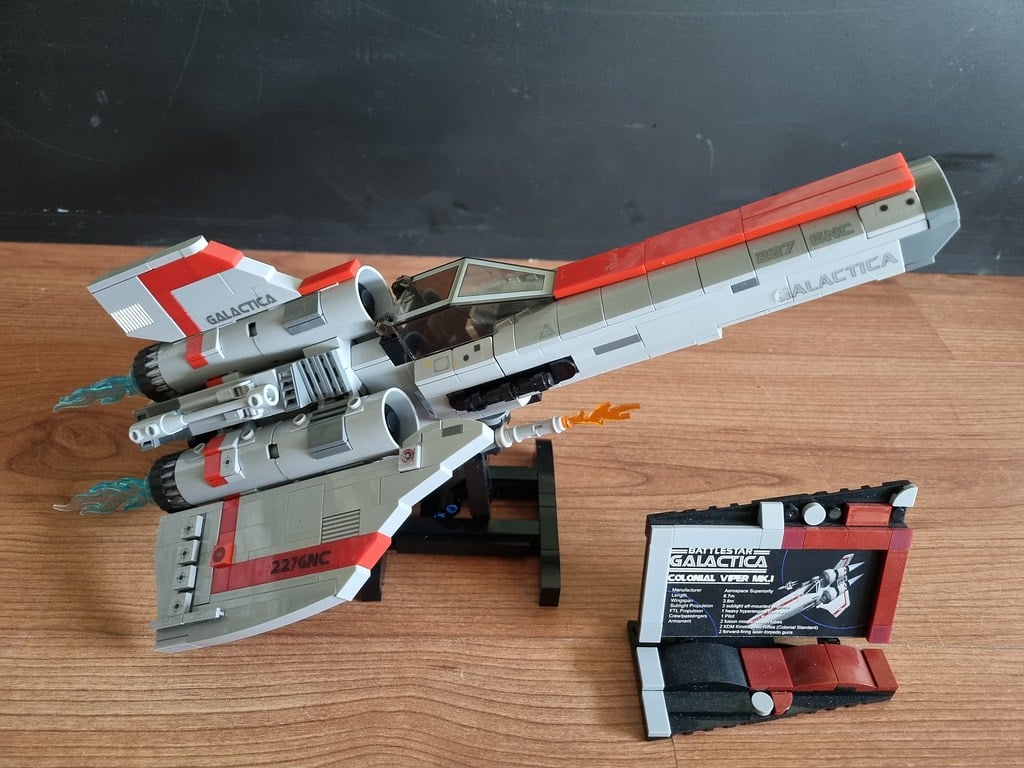
This toy spacecraft from the popular TV series was recalled in 1979 after children choked on the small red missile it fired. The projectile was designed to shoot from the front of the toy with significant force.
After a child fatality, Mattel recalled the toy and redesigned future space-themed playthings with larger, softer projectiles.
Like Go2Tutors’s content? Follow us on MSN.
Buckyballs

These small, powerful magnetic spheres were marketed as desk toys for adults but inevitably found their way into children’s hands. When multiple magnets were swallowed, they could connect through the intestinal walls, causing severe internal damage requiring surgery.
After years of legal battles, the Consumer Product Safety Commission forced their removal from the market in 2012.
Hugo: Man of a Thousand Faces
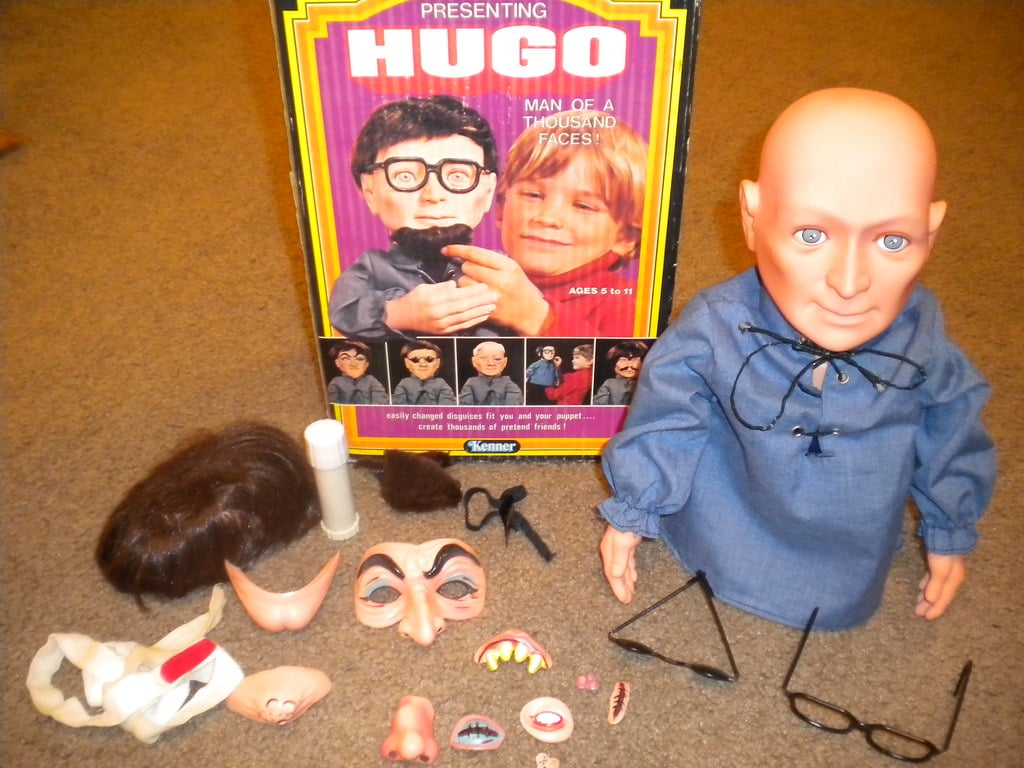
This 1975 toy featured a bald mannequin head with attachable facial features like noses, ears, and eyebrows. While the concept itself wasn’t dangerous, the small parts were choking hazards, and the creepy appearance traumatized as many children as it entertained.
The disembodied head with its blank stare and interchangeable features was discontinued after poor sales and safety concerns.
Spin-Pop
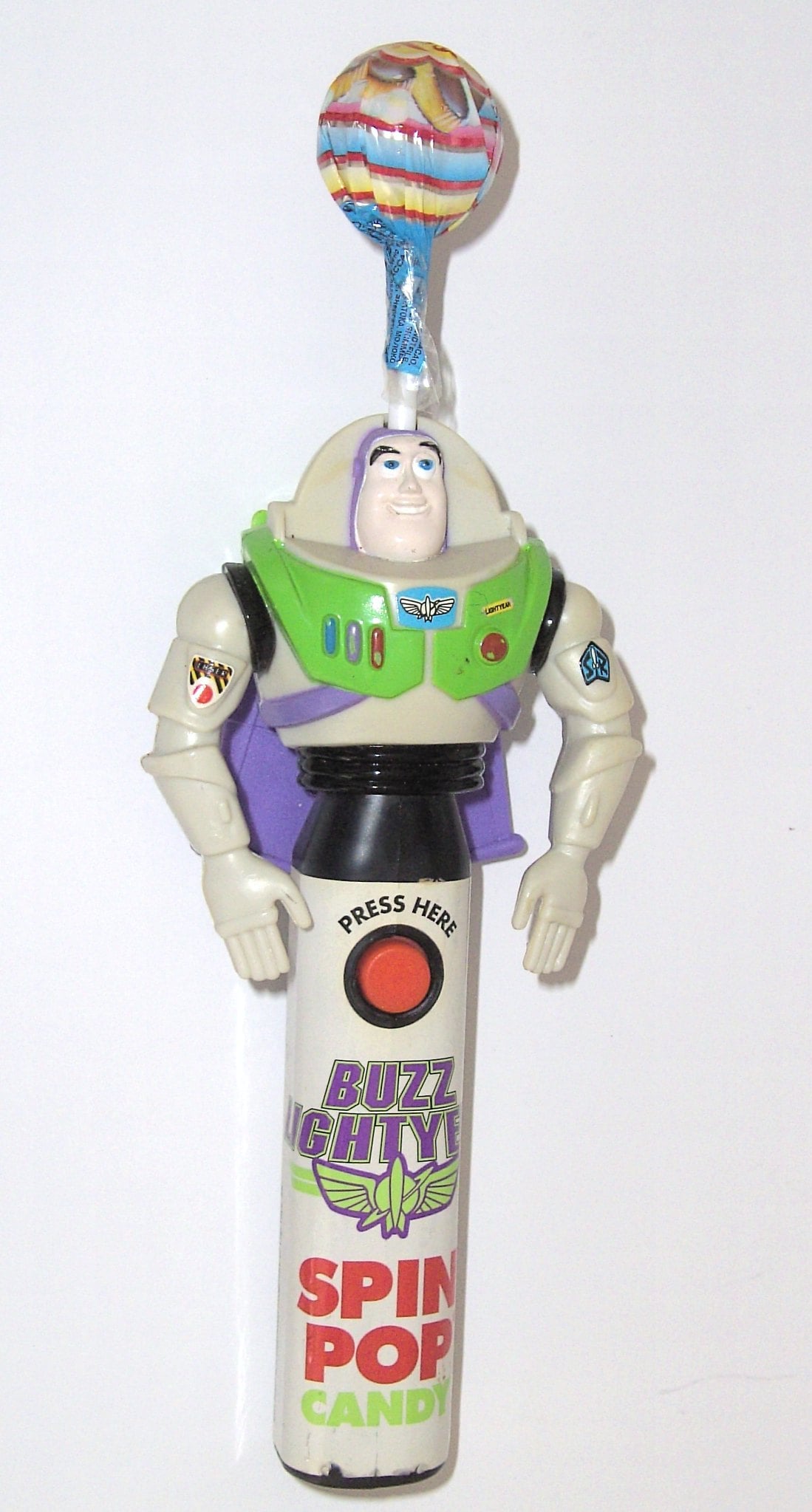
This lollipop holder from the late 1990s rotated candy in the user’s mouth at high speed with a battery-powered motor. The device resembled a small power tool and sometimes caught children’s lips or tongues in its mechanism.
Parents complained about both safety issues and the inappropriate suggestive nature of the toy, leading to its quiet disappearance from store shelves.
Like Go2Tutors’s content? Follow us on MSN.
Rollerblade Barbie
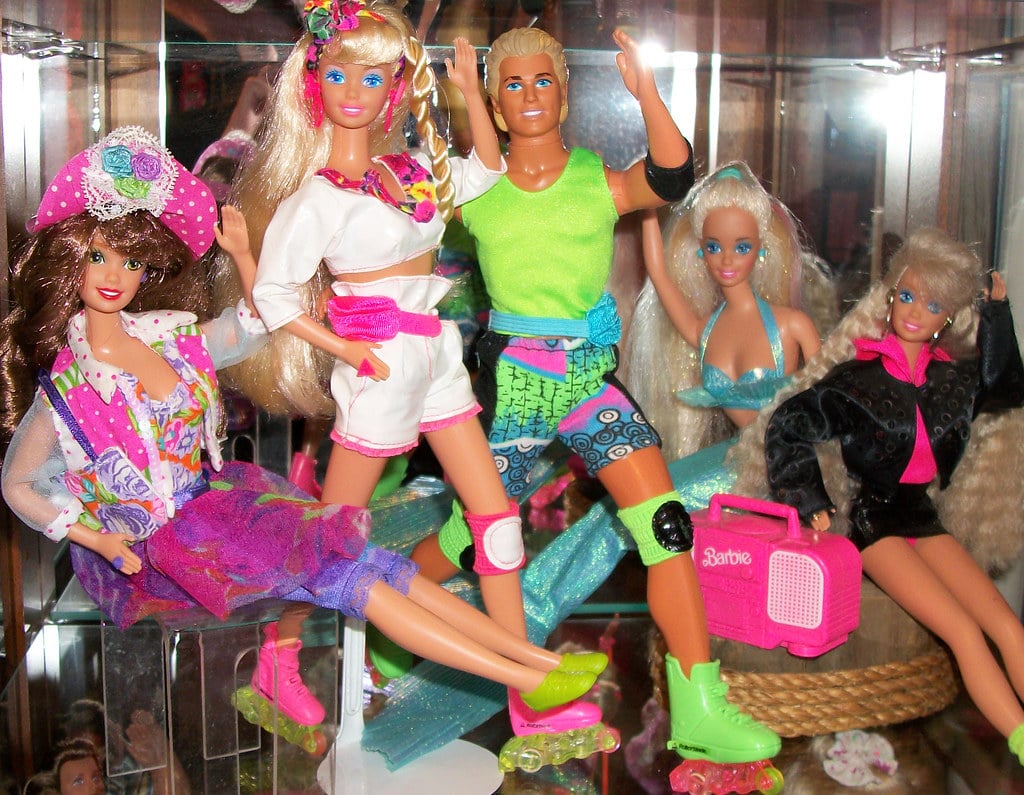
This 1991 Barbie came with tiny plastic rollerskates that shot actual sparks when rolled quickly across hard surfaces. The sparks were created by flint stored in Barbie’s heels, similar to a cigarette lighter.
The fire hazard should have been obvious, but it took several minor incidents and a recall to remove this surprisingly flammable fashion doll from the market.
Moon Shoes

These mini-trampolines for feet were strapped onto children’s shoes, promising a bouncy, moon-like walking experience. The reality was less cosmic and more catastrophic as the unstable platforms frequently caused sprained ankles and worse injuries.
The original 1950s version used metal springs that could pinch skin, while the 1990s model with rubber bands was only marginally safer.
Splash Off Water Rockets

This 1970s water-powered rocket would shoot 100 feet in the air when its pressure chamber was pumped full of water. The problem occurred when children would over-pump the chamber, turning it into a potential explosive device.
Several bursts in children’s hands occurred before the manufacturer added clearer warnings about maximum pressure levels.
Like Go2Tutors’s content? Follow us on MSN.
Creepy Crawlers Thingmaker

The original 1960s version of this toy allowed children to pour liquid plastic into metal molds and cook them on a mini hotplate reaching temperatures of 300+ degrees. Burns were common as children worked with the hot molds and sometimes spilled the liquid plastic.
Modern versions use much lower temperatures and safer materials, but the original remains a relic of a more cavalier era in toy safety.
Play Beyond Boundaries

Looking at these discontinued oddities provides perspective on how toy safety has evolved over the decades. The strange products of yesterday helped shape today’s rigorous testing standards and consumer protections.
While modern toys might seem tamer by comparison, the creativity behind them continues to flourish within safer boundaries. These weird discontinued items remind us that sometimes innovation requires a few missteps along the path to better playthings.ind us that sometimes innovation requires a few missteps along the path to better playthings.
More from Go2Tutors!

- 16 Restaurant Chains That Went Too Fast
- 12 Things Sold in the 80s That Are Now Illegal
- 15 Strange Things People Have Tried to Ban (And Failed)
- 16 Collectibles People Tossed Out Too Soon
- 17 Myths from Your Childhood That Were Actually Based on Real Things
Like Go2Tutors’s content? Follow us on MSN.