The World’s Most Surprising Capital Cities
The majority of people envision vibrant metropolises like Tokyo, Paris, or London when they think of capital cities. These urban behemoths appear to be the most logical choices for housing a nation’s government and cultural hubs. From small towns that hardly appear on maps to entirely new cities constructed in remote locations, the world is full of capitals that defy expectations.
We are taken aback by some capitals because they are surprisingly small, while others are in totally unexpected places. These 12 capital cities will challenge your preconceived notions about how nations select their seats of government.
Bern
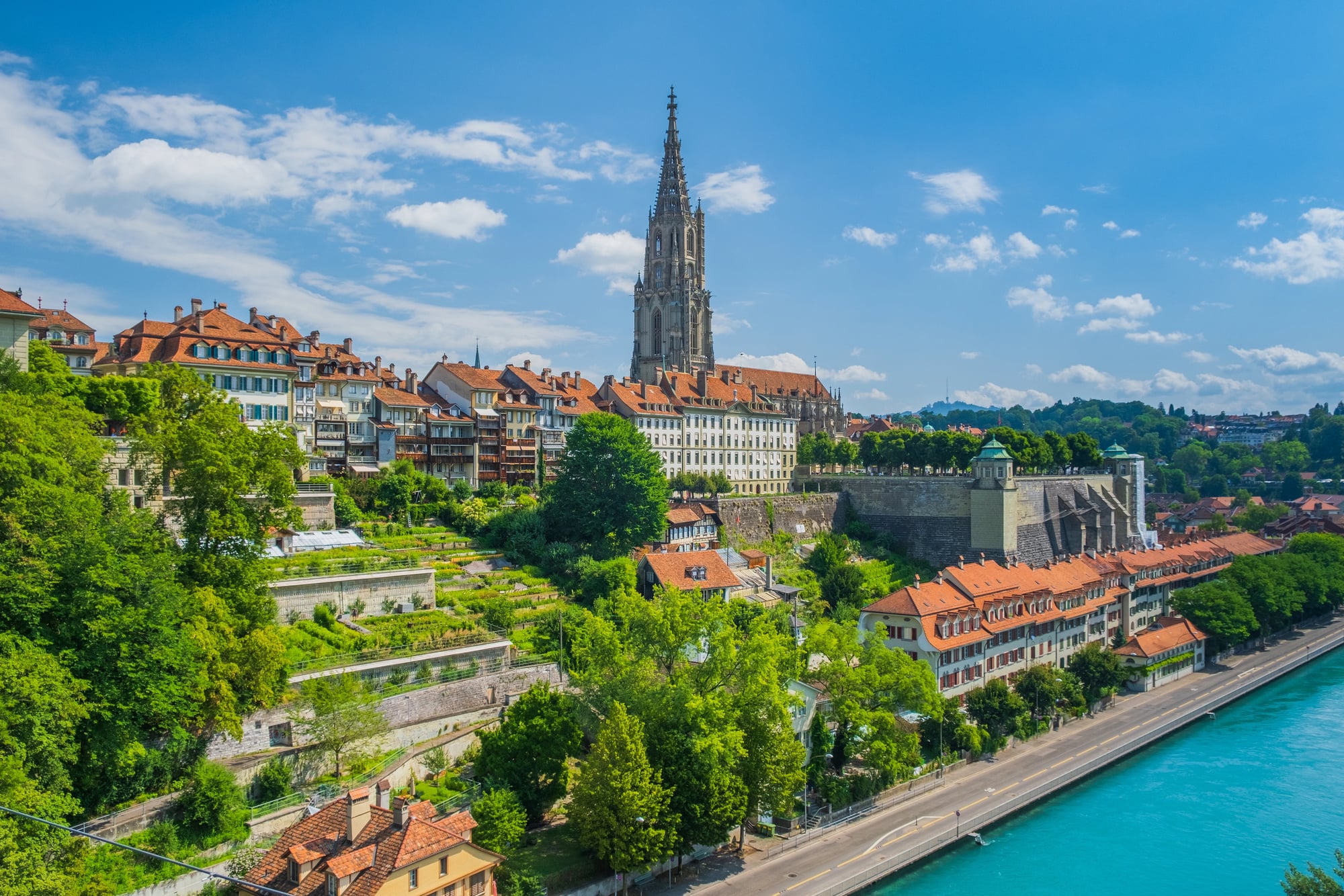
Switzerland’s capital isn’t Zurich or Geneva, despite what many travelers assume. Bern, with about 133,000 people in the city proper, serves as the federal city (Bundesstadt) rather than an official capital.
The medieval city was chosen in 1848 primarily for its central location and political neutrality, making it an ideal seat for the Swiss Confederation.
Canberra
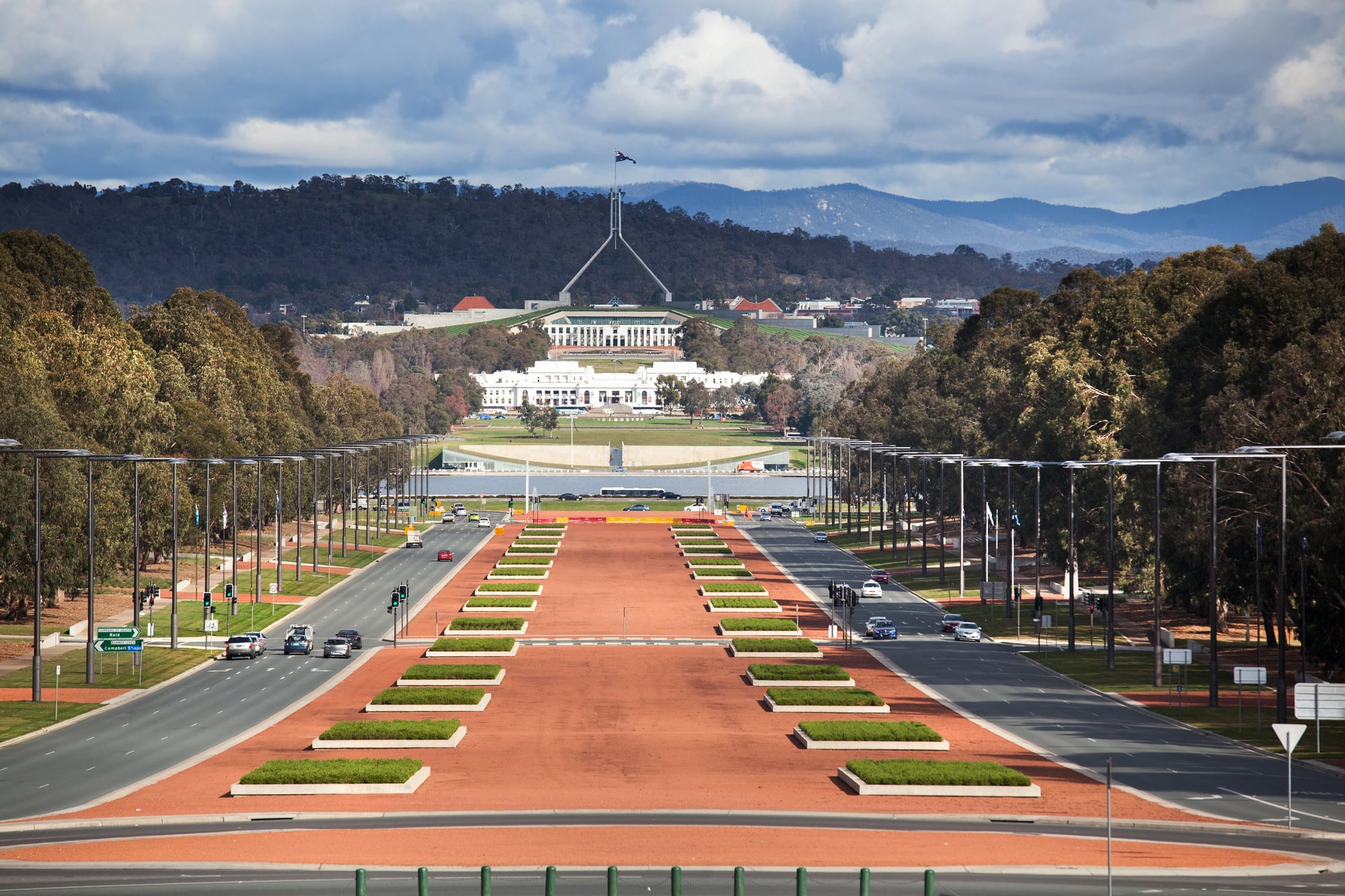
Australia decided to build their capital from scratch rather than choose between Sydney and Melbourne. Canberra was founded in 1913 on rural land about 180 miles southwest of Sydney, with Parliament officially moving there in 1927.
Today, it’s a carefully planned city of around 460,000 people that many Australians still consider a purpose-built government town.
Like Go2Tutors’s content? Follow us on MSN.
Belize City vs. Belmopan
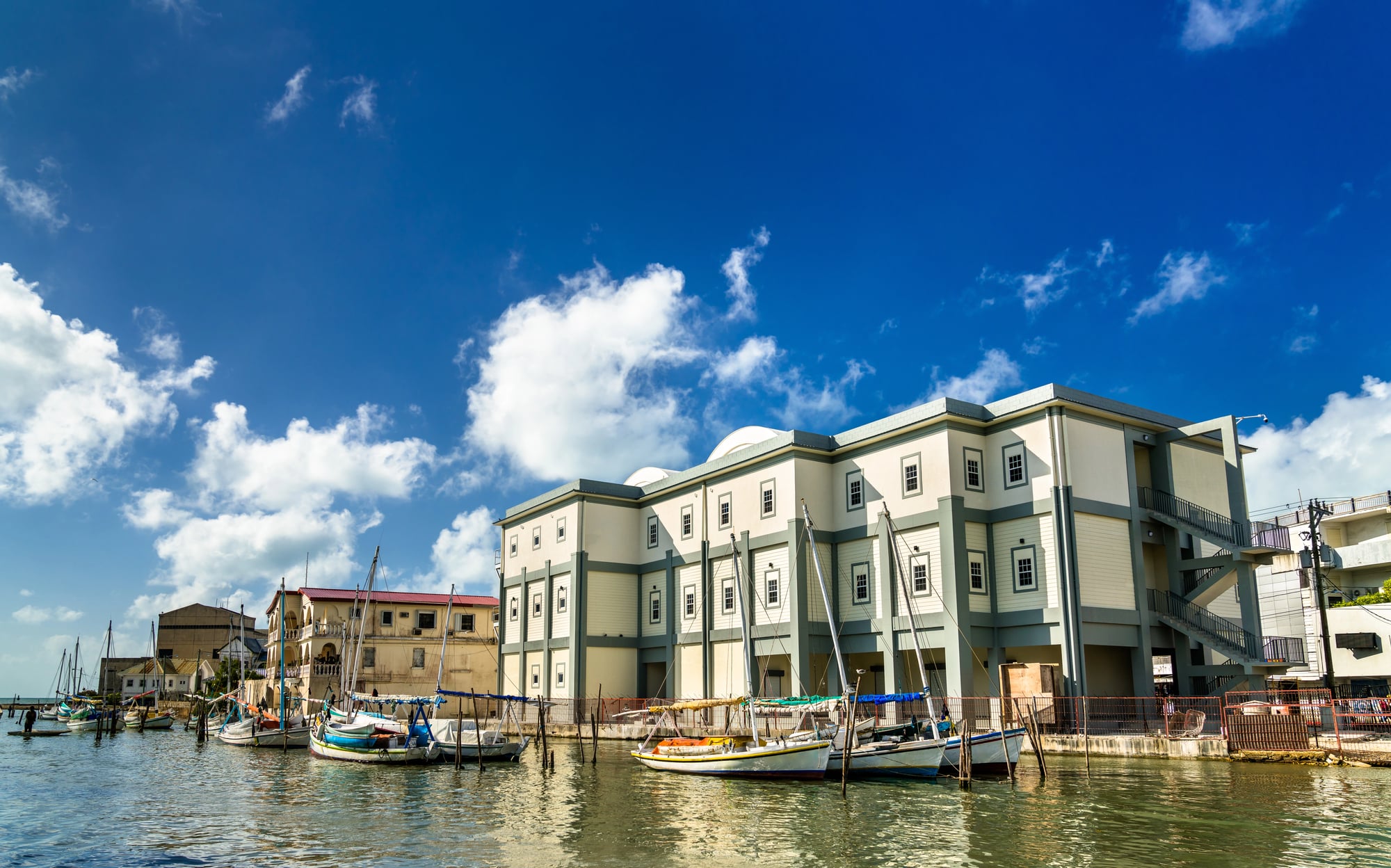
Belize pulled a switcheroo in 1970 that caught many people off guard. After Hurricane Hattie destroyed much of Belize City in 1961, the government decided to build a brand-new capital inland.
Belmopan has about 27,000 residents compared to Belize City’s 61,000, making it one of the smallest capitals in the Americas.
Ottawa
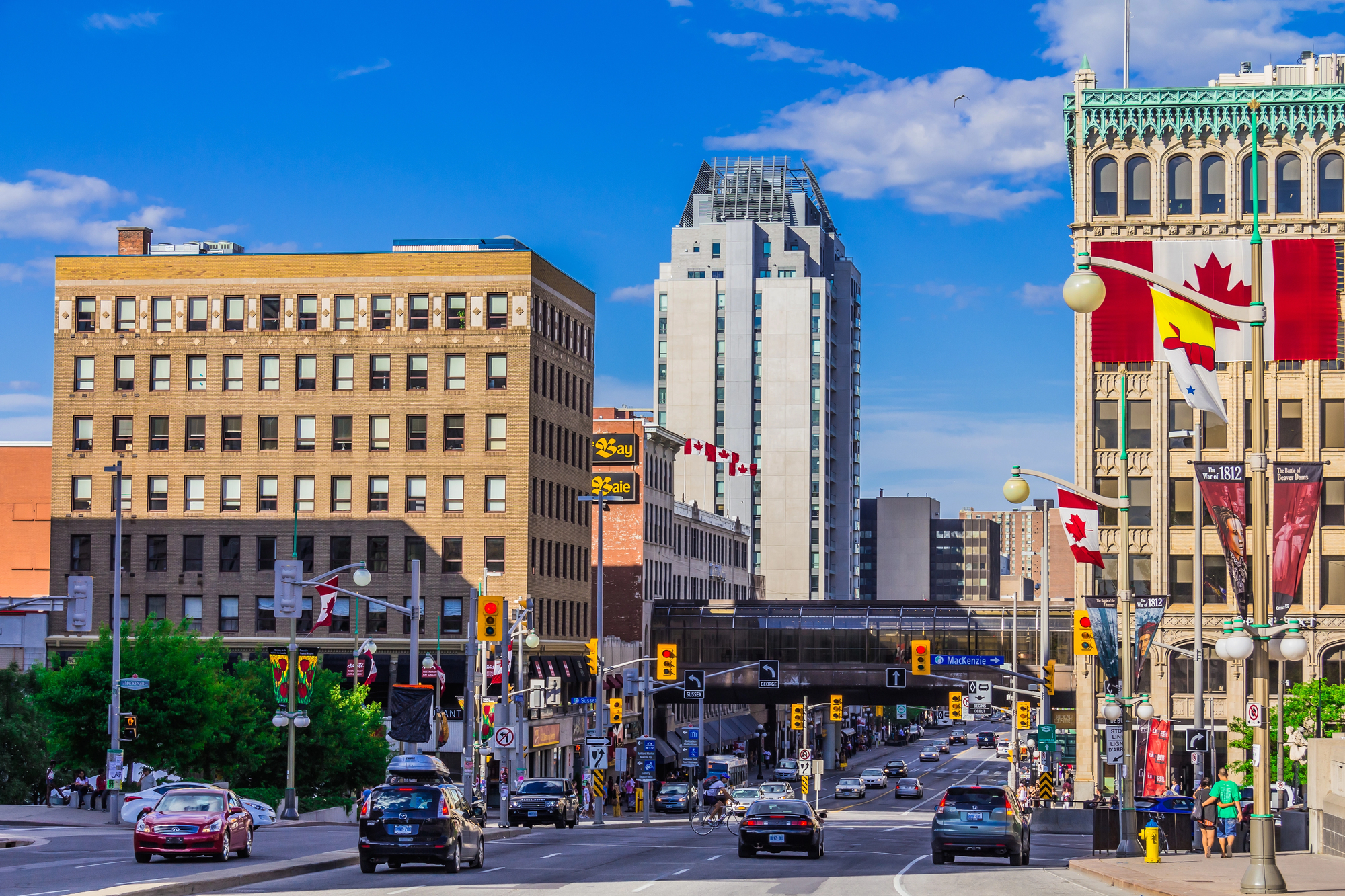
Canada’s capital isn’t Toronto, Montreal, or Vancouver—it’s Ottawa, a city that most people struggle to locate on a map. Queen Victoria picked Ottawa in 1857 when it was a major lumber center, choosing it for its strategic inland location and political neutrality between English and French Canada.
The city sits right on the border between Ontario and Quebec, literally straddling the country’s cultural divide.
Sucre vs. La Paz
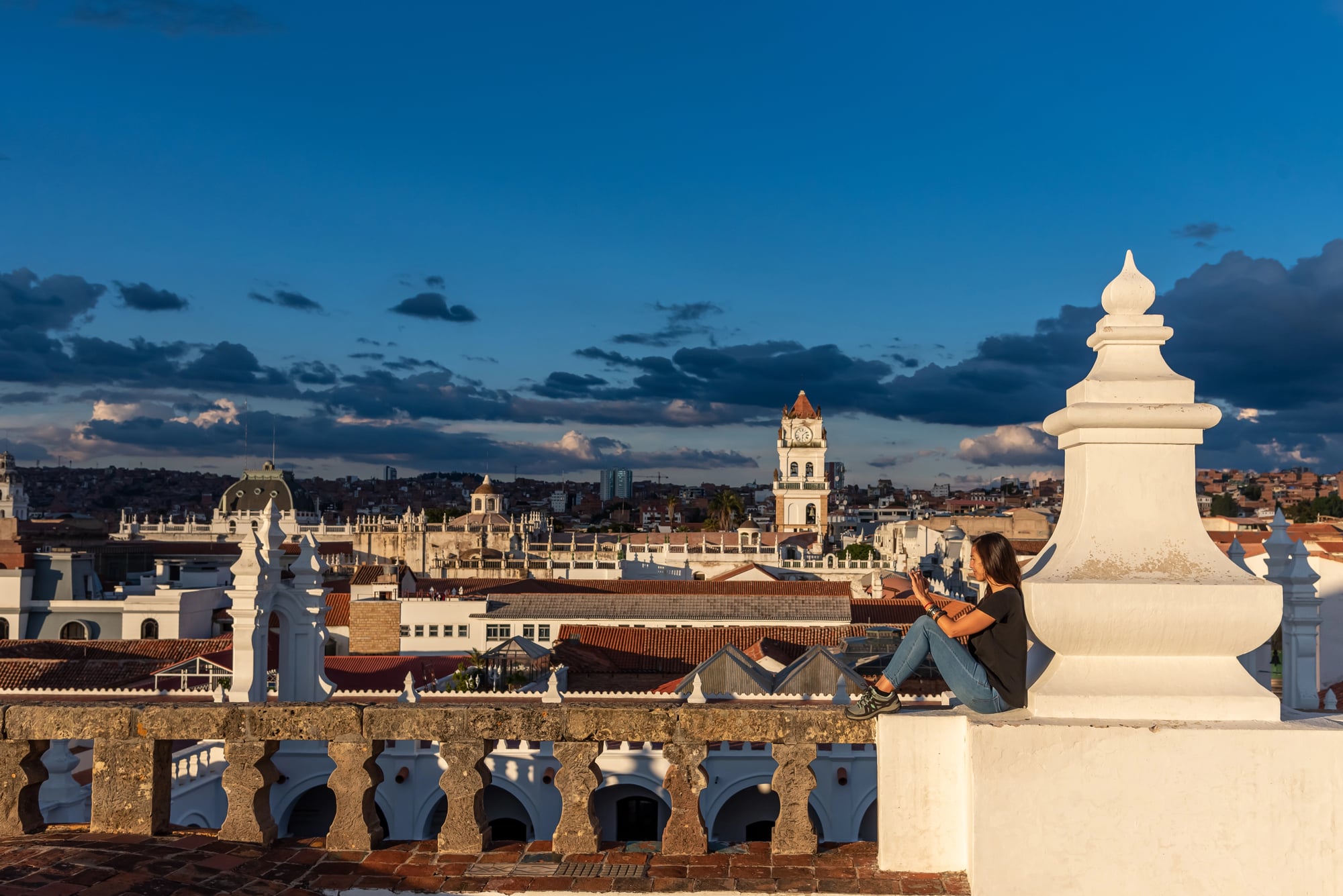
Bolivia has two official capitals, which creates enough confusion to puzzle geography teachers everywhere. Sucre serves as the constitutional capital where the Supreme Court sits, while La Paz functions as the seat of government housing the president and congress.
Most people think La Paz is the only capital, but both cities share official status in this unique arrangement.
Like Go2Tutors’s content? Follow us on MSN.
Brasília
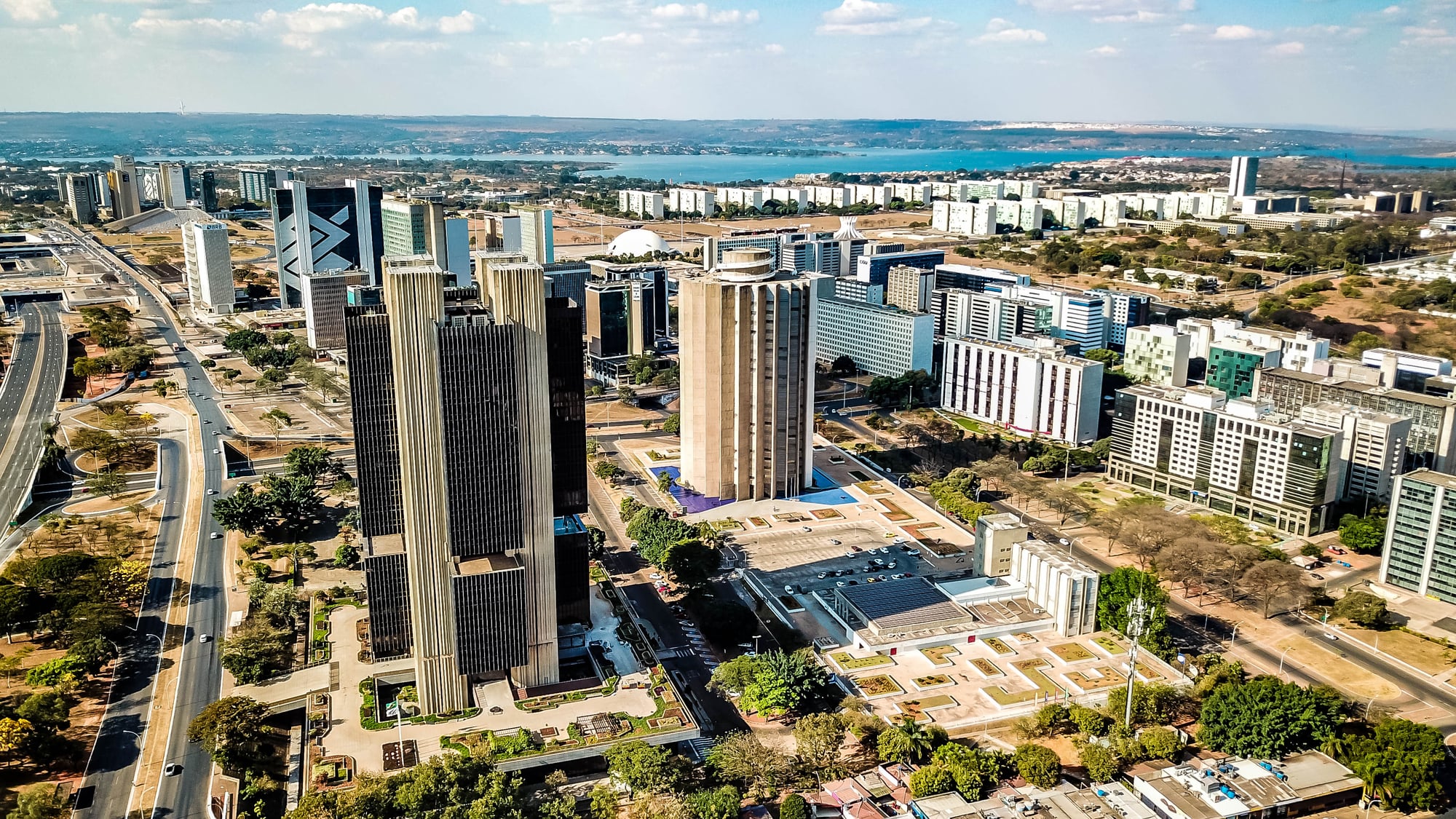
Brazil’s capital looks like it emerged from a futuristic vision of urban planning. Built from scratch between 1956 and 1960 with urban planning by Lúcio Costa and architecture by Oscar Niemeyer, Brasília replaced Rio de Janeiro as a way to pull development inland from the coast.
The city’s modernist architecture and airplane-shaped layout earn it UNESCO World Heritage status, but residents often complain it feels less lively compared to Rio’s vibrant chaos.
Astana
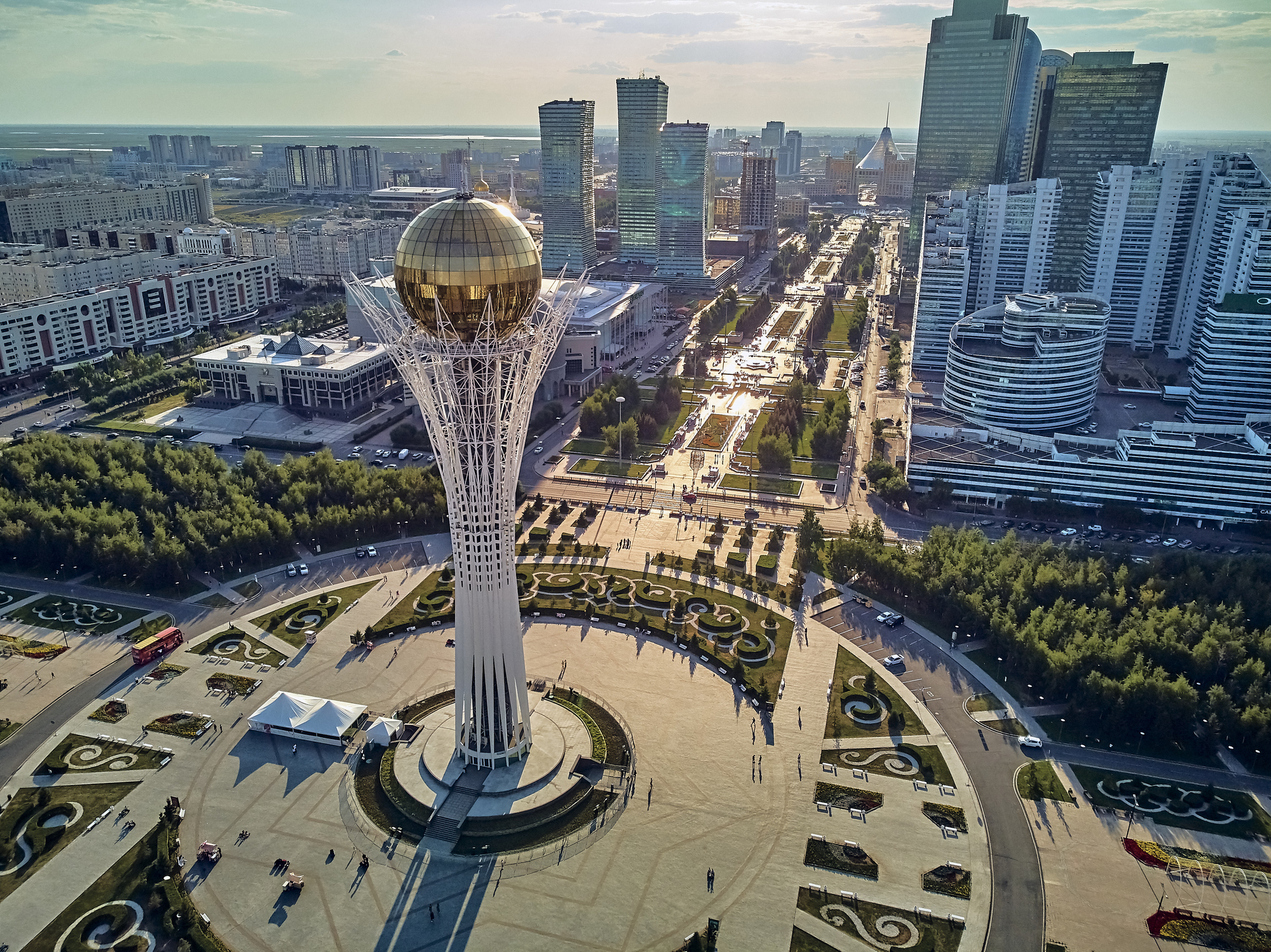
Kazakhstan moved their capital from Almaty to the northern city of Astana in 1997, renamed it Nur-Sultan in 2019, then changed it back to Astana in 2022. The capital endures winter temperatures that drop to -40°F and summer heat that reaches 100°F.
Despite the harsh climate, the government built a gleaming city of modern architecture that looks completely out of place on the Central Asian steppe.
Wellington
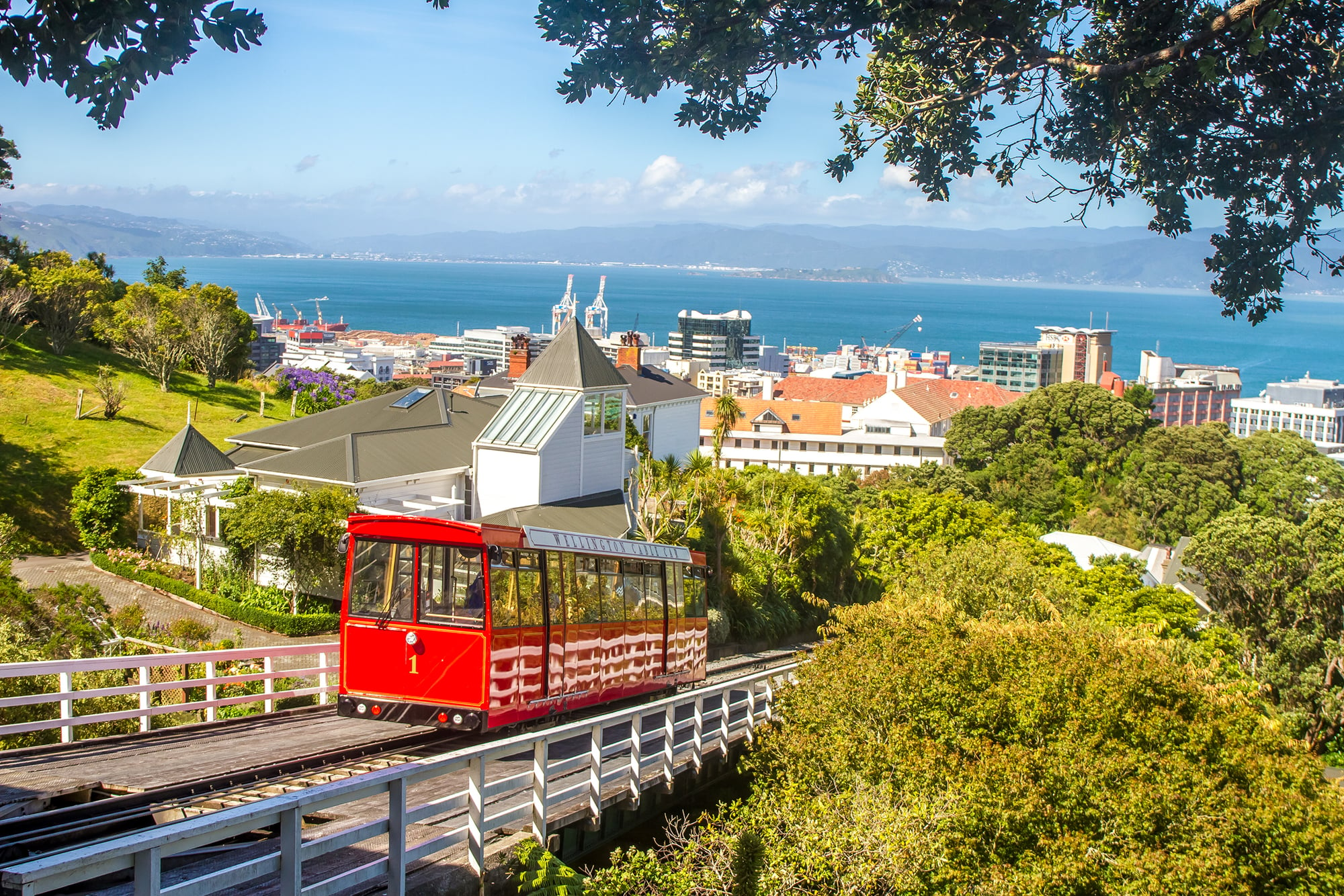
New Zealand’s capital isn’t Auckland, the country’s largest city by far. Wellington earned the title in 1865 because it sits in the center of the country and has a better harbor than the previous capital, Auckland.
The city’s 215,000 residents deal with constant wind that can literally knock people over, earning Wellington the nickname ‘Windy Wellington.’
Like Go2Tutors’s content? Follow us on MSN.
Ljubljana
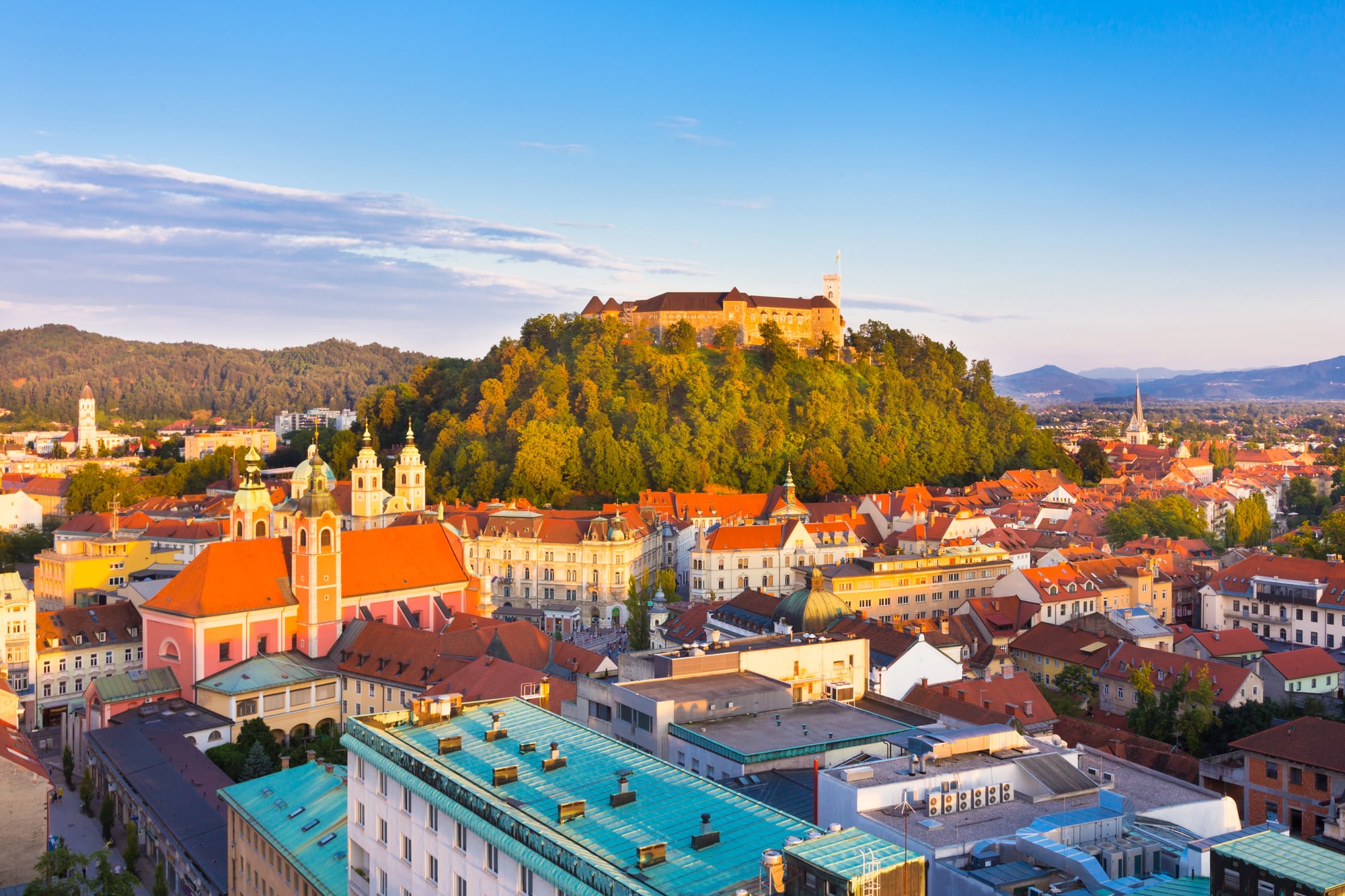
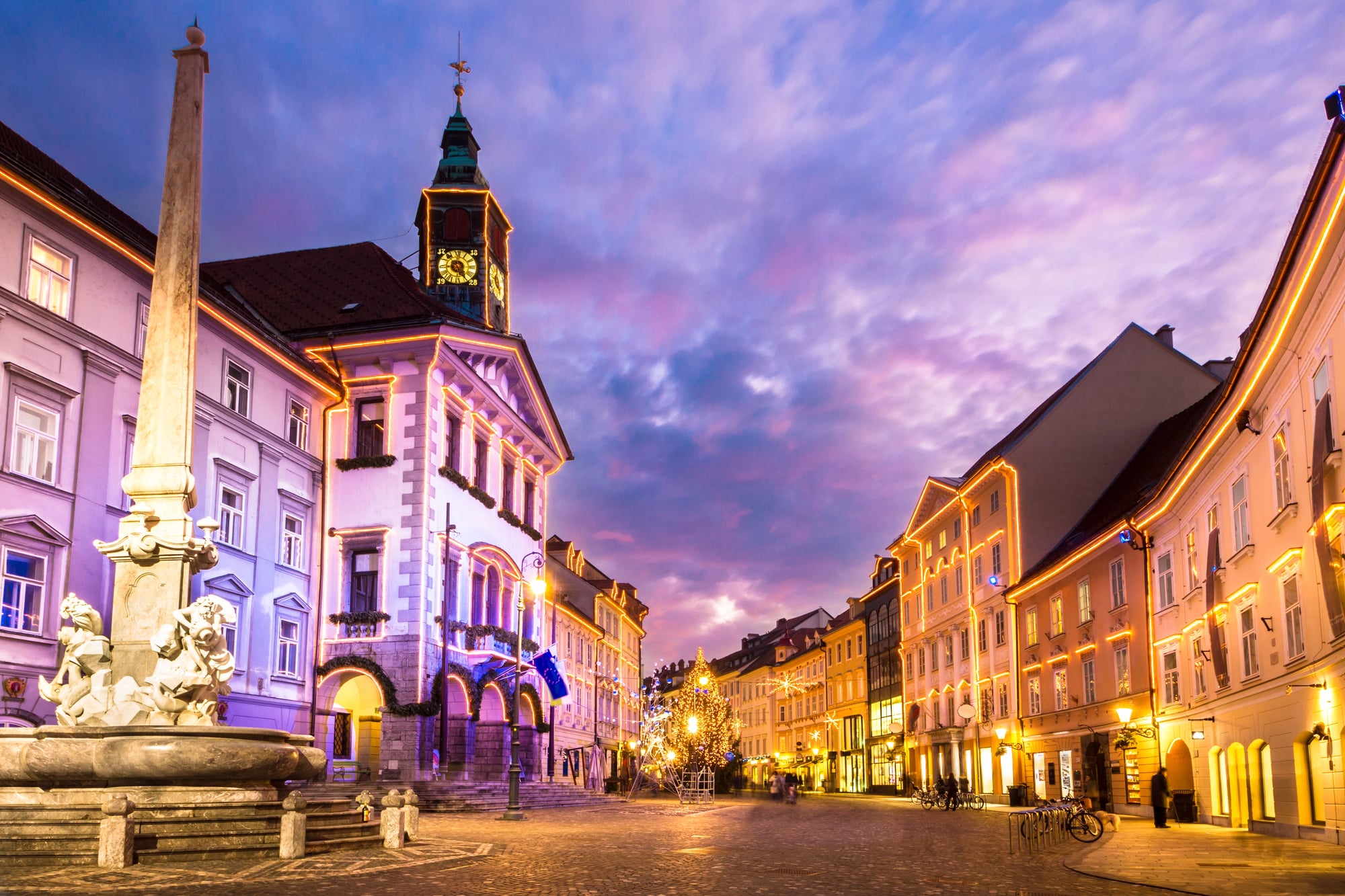
Slovenia’s capital has about 295,000 people, making it smaller than many American suburbs. Ljubljana sits in the center of this tiny European country that most people couldn’t find on a map until recently.
The city’s old town looks like something from a fairy tale, complete with a castle perched on a hill and a dragon as the city symbol.
Vaduz
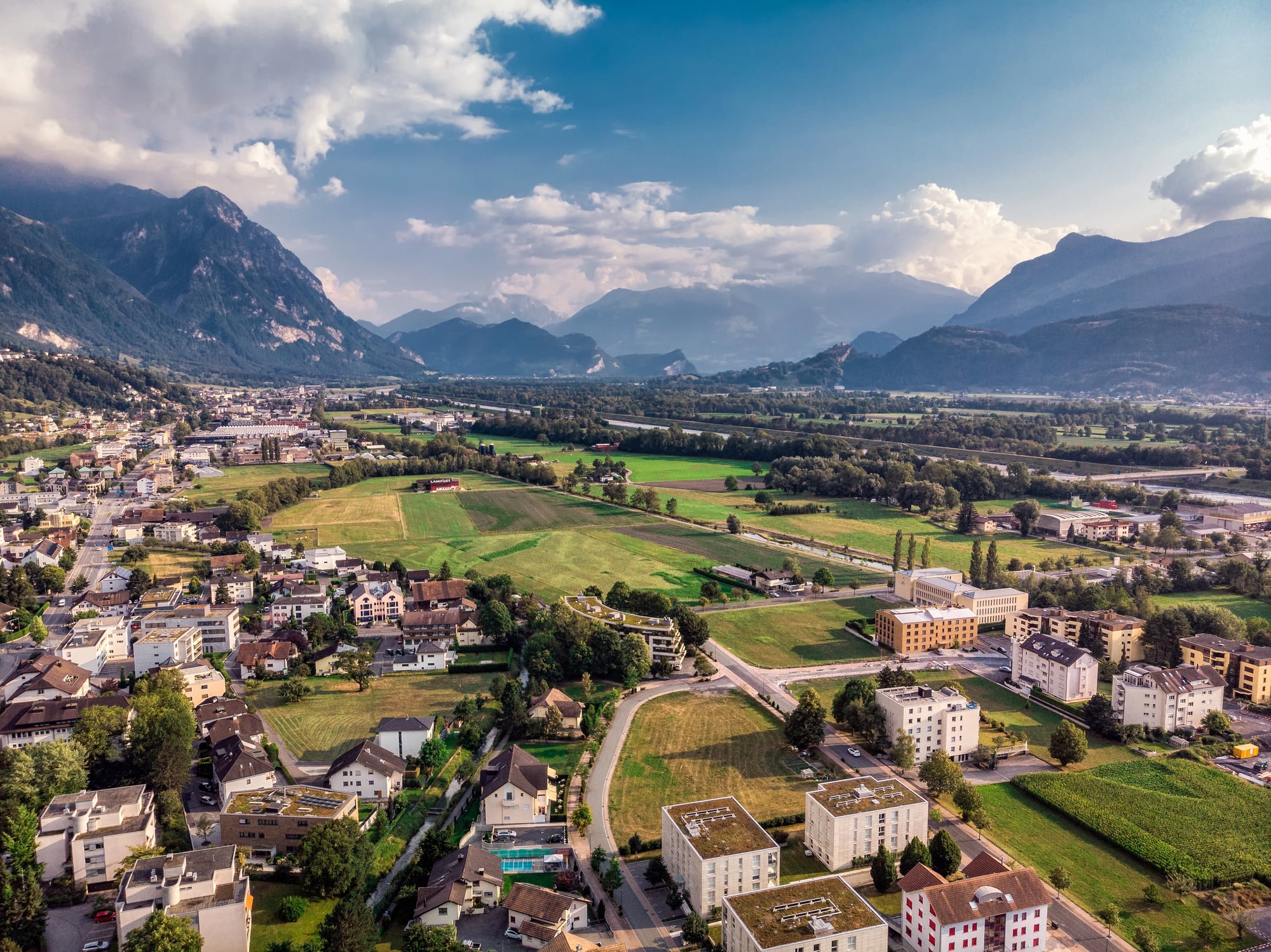
Liechtenstein’s capital is so small that you could walk from one end to the other in about 15 minutes. Vaduz has roughly 5,800 residents in a country with just 39,000 people total.
The prince’s castle overlooks the city from a rocky hill, and from elevated vantage points you can see across the Rhine valley into Switzerland and Austria.
Porto-Novo vs. Cotonou
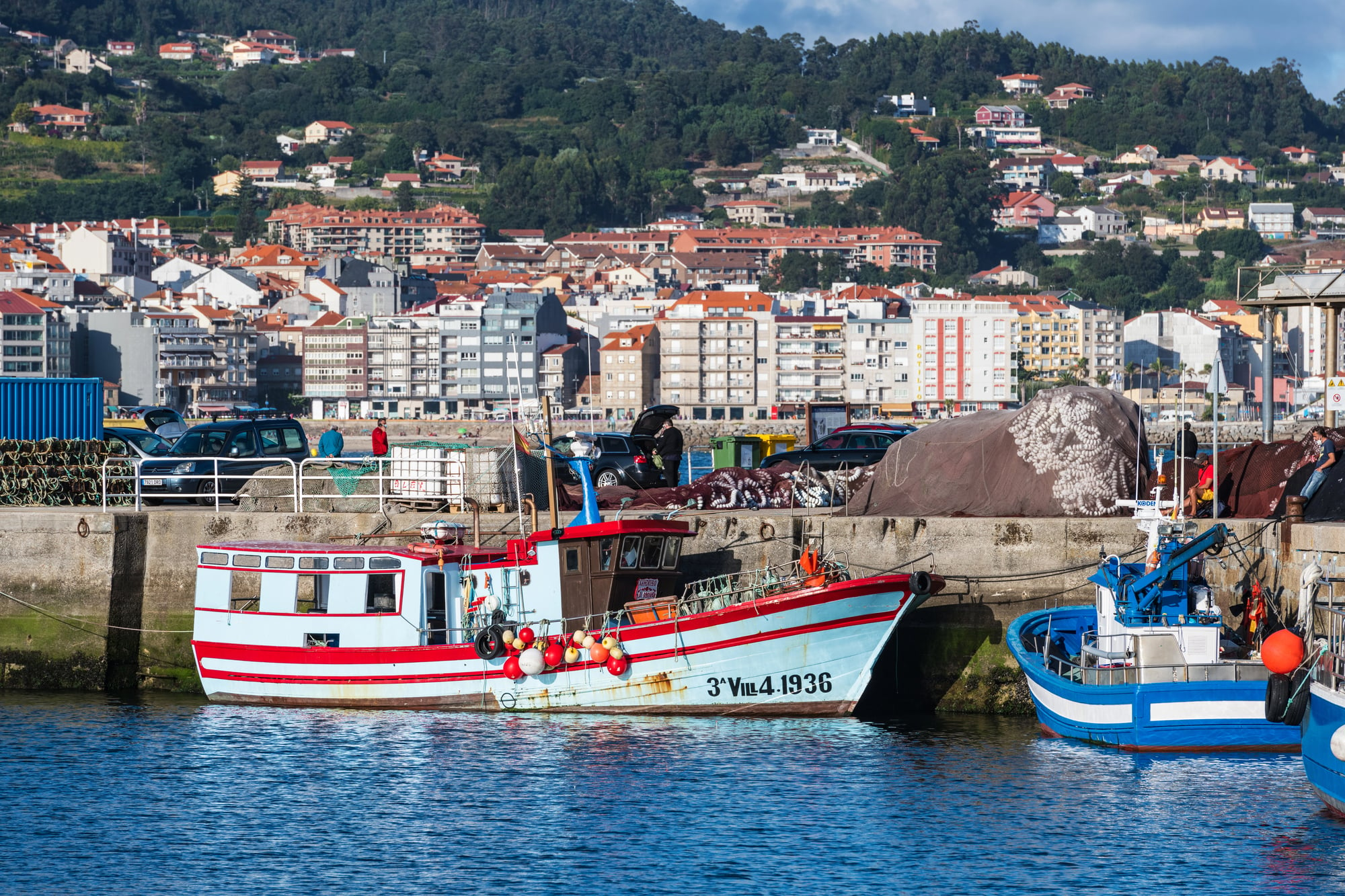
Benin’s constitutional capital is Porto-Novo, but everyone does business in Cotonou. Porto-Novo has about 280,000 people while Cotonou has around 700,000 to 1.2 million depending on metro boundaries, creating a situation where the economic capital completely overshadows the political one.
Most international flights land in Cotonou, and many visitors never even realize Porto-Novo exists.
Like Go2Tutors’s content? Follow us on MSN.
Monaco-Ville
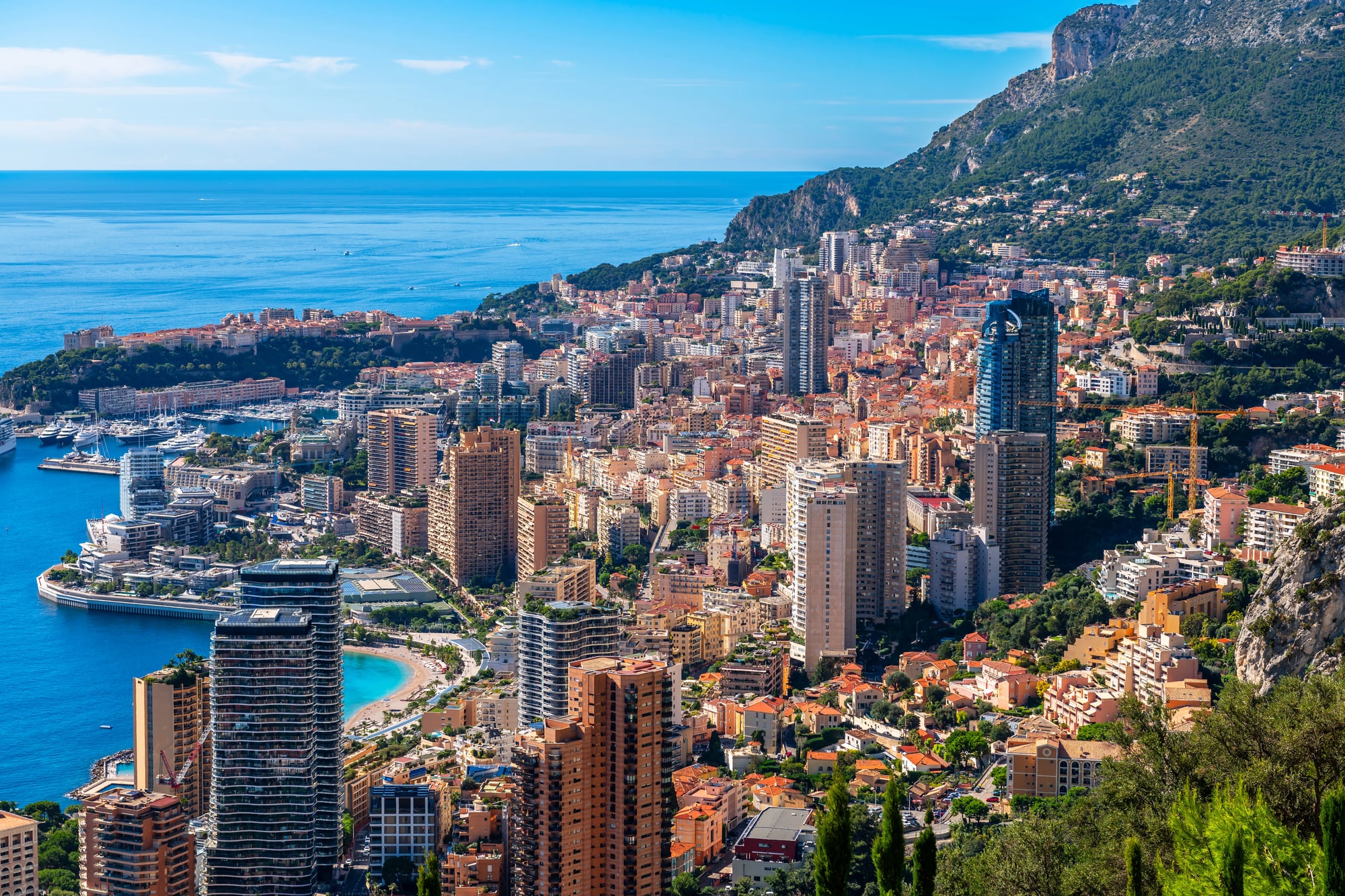
Monaco’s capital district has about 975 residents in a country that’s already smaller than Central Park. Monaco-Ville sits on a rocky promontory called ‘The Rock’ as one of Monaco’s four quartiers, housing the Prince’s Palace along with government buildings.
The entire country measures just 0.78 square miles, making it possible to walk from the capital district to the border in about 10 minutes.
From Ancient Choices to Modern Surprises
These unexpected capitals serve as a reminder that politics and geography don’t always make sense. A number of cities became capitals due to historical coincidences, intentional planning, or outright political obstinacy.
Even though their nations’ economies are dominated by big cities like New York, Sydney, and Mumbai, their governments frequently run from more intimate, smaller locations that are better suited to their political requirements. The seat of power in the world could be in the most unlikely places, so keep that in mind the next time someone thinks they know the capital of a nation.
More from Go2Tutors!

- 16 Historical Figures Who Were Nothing Like You Think
- 12 Things Sold in the 80s That Are Now Illegal
- 15 VHS Tapes That Could Be Worth Thousands
- 17 Historical “What Ifs” That Would Have Changed Everything
- 18 TV Shows That Vanished Without a Finale
Like Go2Tutors’s content? Follow us on MSN.