15 Unusual Bed Styles From Around The World
Most of us just plop down on a standard mattress and call it a night. But step outside the Western world—or even just back in time—and you’ll find people have gotten incredibly creative with where and how they sleep.
Some cultures swing from the ceiling. Others heat their beds with fire. A few have turned sleeping into an art form that doubles as home decor.
Here’s a fascinating look at 15 bed styles that might make you rethink your own nighttime setup.
Hammock beds
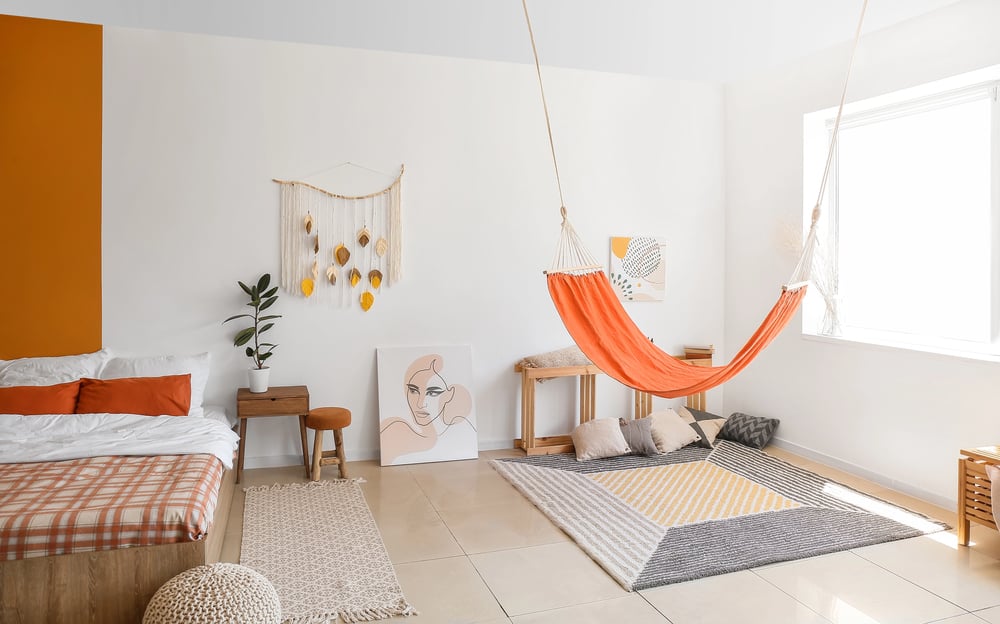
Forget everything you know about hammocks being vacation accessories. In Central and South America, they’re serious sleeping equipment.
Families have been using woven fabric beds for over a thousand years, and for good reason. The setup is brilliant.
Suspend your bed between two points and suddenly you’ve got natural air conditioning flowing underneath you. No more sweaty nights.
Plus, anything crawling on the ground stays there while you sleep peacefully above. The gentle swaying actually triggers your brain’s sleep response faster than lying flat.
Try explaining that to someone who’s never slept in one.
Kang heated platform beds
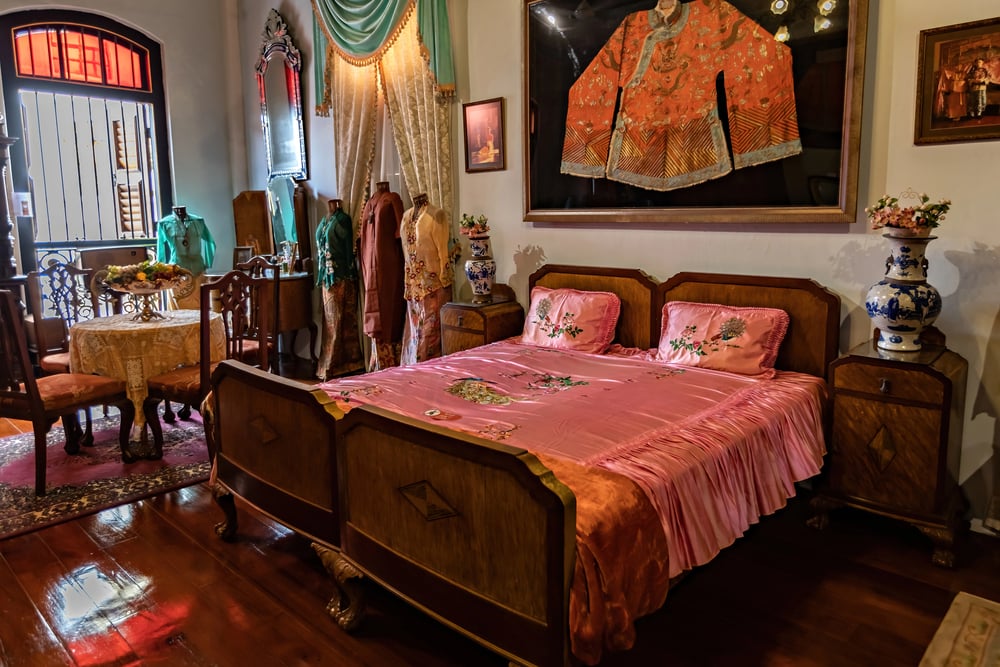
Northern Chinese families figured out something pretty clever centuries ago. Why have a bed and a heater when you can have both in one?
Kangs are massive brick platforms that channel heat from cooking fires through internal passages. The whole family sleeps on these warm surfaces during winter.
Imagine never having cold feet in bed again. The system turns bedtime into family time too, with everyone gathering on the heated platform to share stories before sleep.
Japanese futon and tatami systems
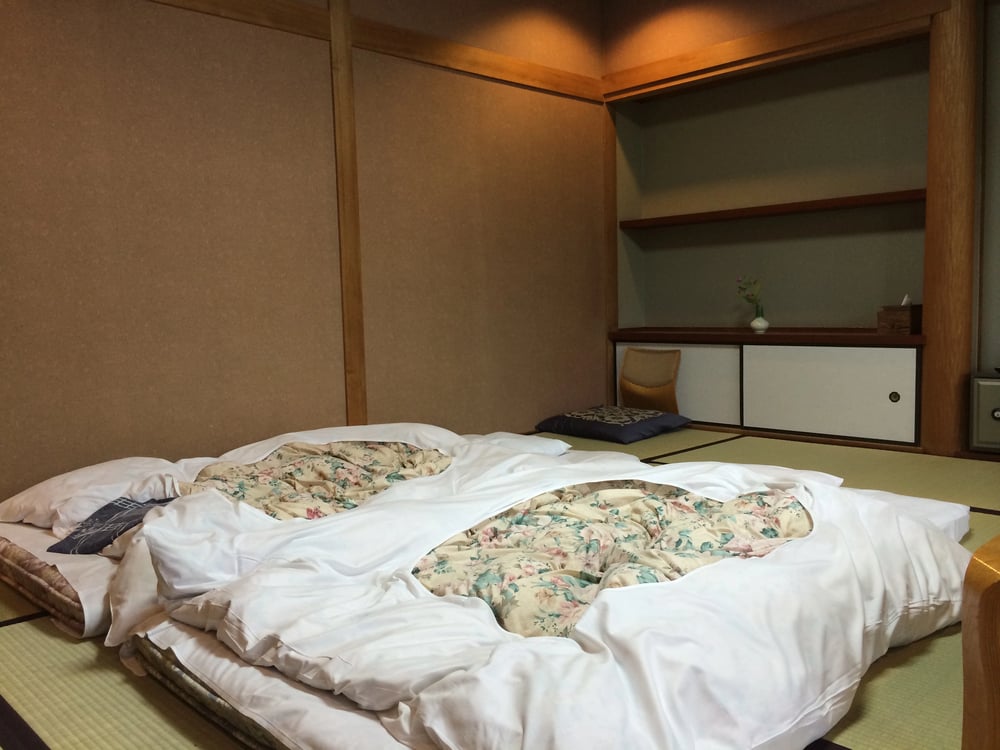
The Japanese mastered the disappearing bed long before Murphy had his bright idea. Every morning, they fold thin cotton futons and tuck them away, instantly converting bedrooms into living spaces.
This happens on tatami mats made from woven straw that smell faintly of grass and somehow make the whole room feel more peaceful. It’s minimalism in action.
Though anyone who’s wrestled with folding a futon knows there’s definitely a technique to it that looks easier than it actually is.
Alcove box beds
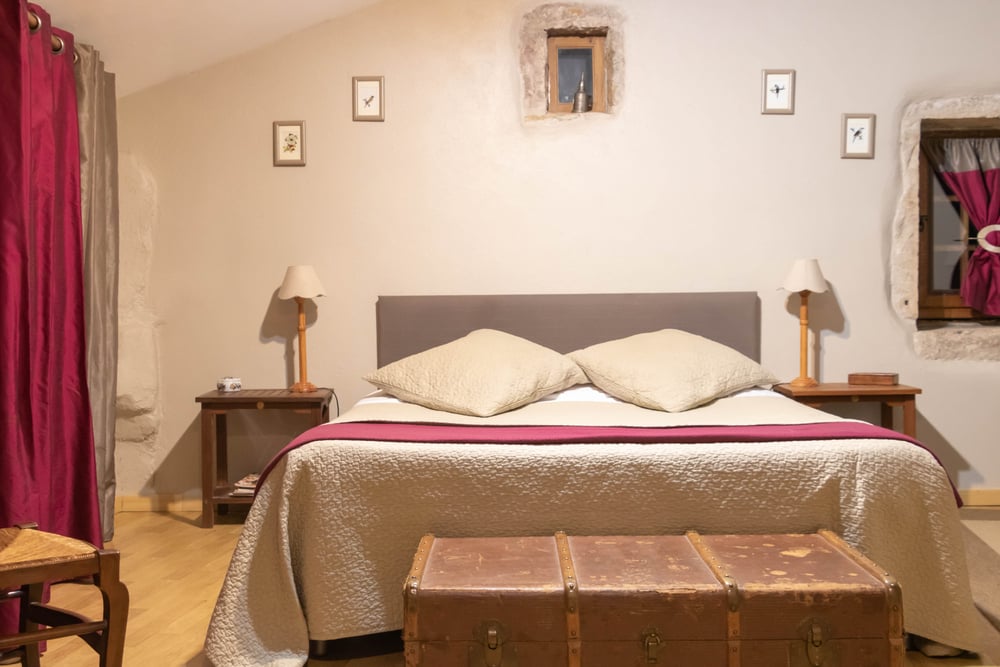
Picture sleeping in a wooden cave built right into your wall. That’s exactly what families in Scotland, Ireland, and Brittany did for centuries.
These box beds came with doors or curtains for privacy. Total cocoon vibes.
Some homes had them stacked like bunk beds, creating multiple private sleeping nooks in a single room. The warmest spots always went to grandparents and little kids first.
Floating water beds
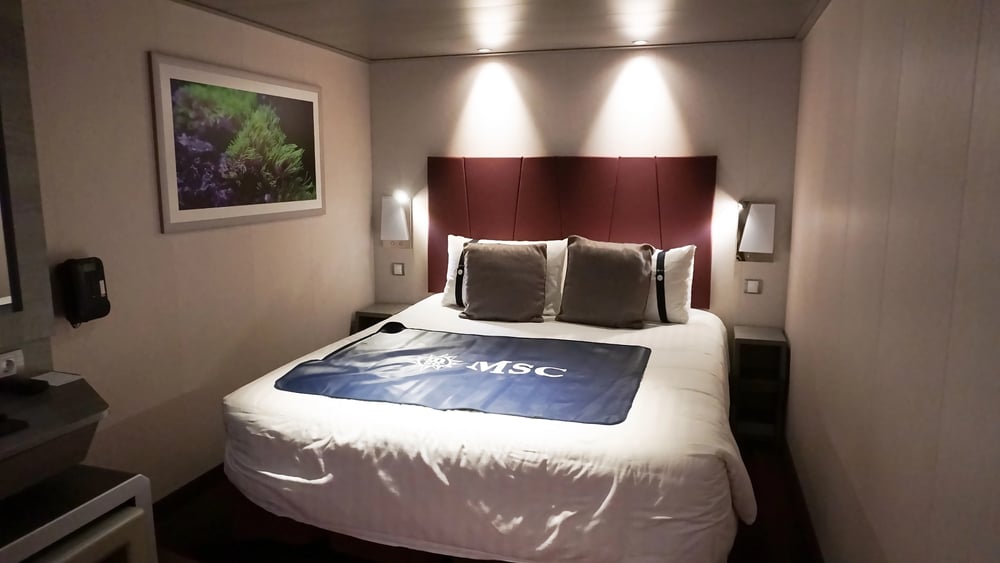
The 1970s gave us disco, bell-bottoms, and beds filled with water. Americans went crazy for these vinyl mattresses that promised to cradle your body perfectly.
Temperature-controlled water kept everything at body heat. Sounds relaxing, right? Well, sort of.
Every time your partner moved, waves rippled across to your side. Rolling over became a group activity whether you wanted it to be or not.
Romance had its limits when you’re dealing with motion sickness at bedtime.
Rope and canvas ship beds
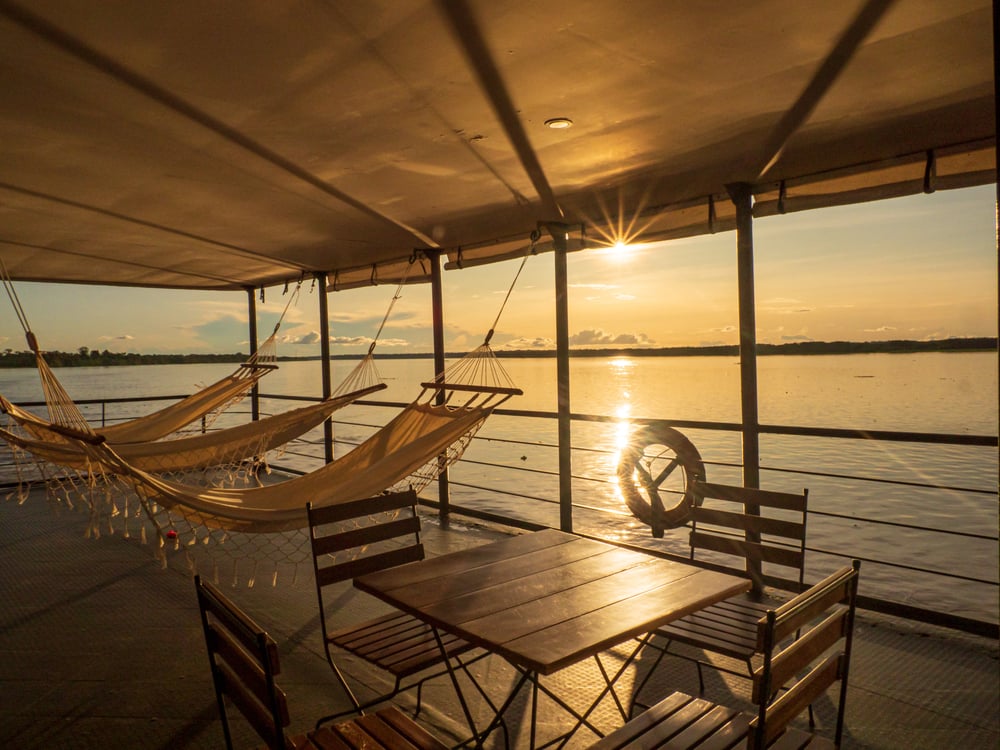
Sailors couldn’t exactly bring their four-posters to sea. Space was tight, the ship never stopped moving, and comfort took a backseat to survival.
They slept in narrow rope beds or hammocks that swayed with the waves instead of fighting them. Three levels of beds got crammed into crew quarters like vertical sardine cans.
The rope tension could be adjusted for firmness. Everything had to fold away quickly when storms hit or battles started.
African raised platform beds
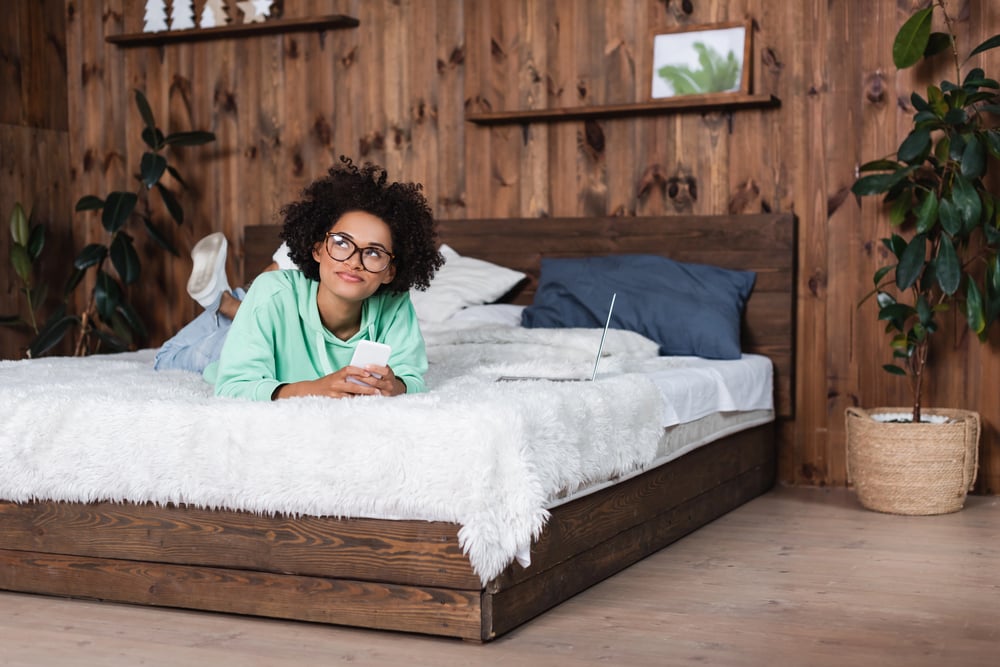
Sleeping on the ground in much of Africa means sharing space with some unwelcome guests. Snakes, insects, and seasonal flooding make ground-level sleeping risky business.
So beds go up on stilts. Wooden posts or stone supports lift sleeping areas several feet off the ground.
The platforms often feature beautiful carvings that turn functional furniture into art. Plus, all that space underneath becomes valuable storage in homes where every inch counts.
Igloo sleeping platforms
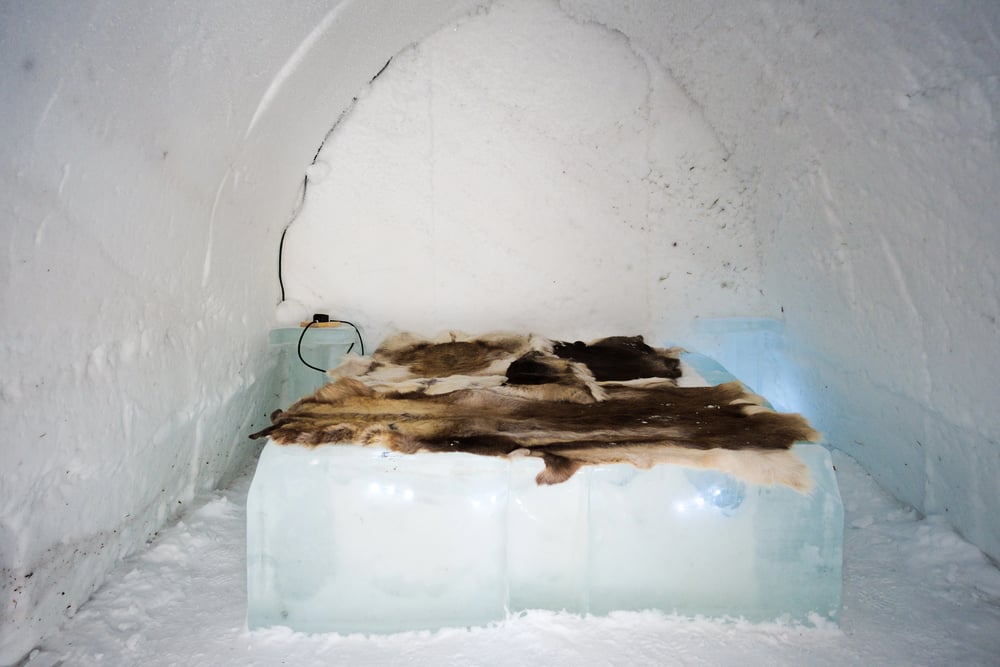
Building a comfortable bed out of ice takes serious ingenuity. Inuit families created raised platforms inside their ice shelters, then covered them with thick animal furs.
Physics did the heavy lifting here. Warm air rises, so sleeping higher up meant staying warmer even when temperatures outside dropped to deadly levels.
Multiple families would pile together under caribou and seal skins. The snoring situation must have been intense.
Murphy fold-down beds
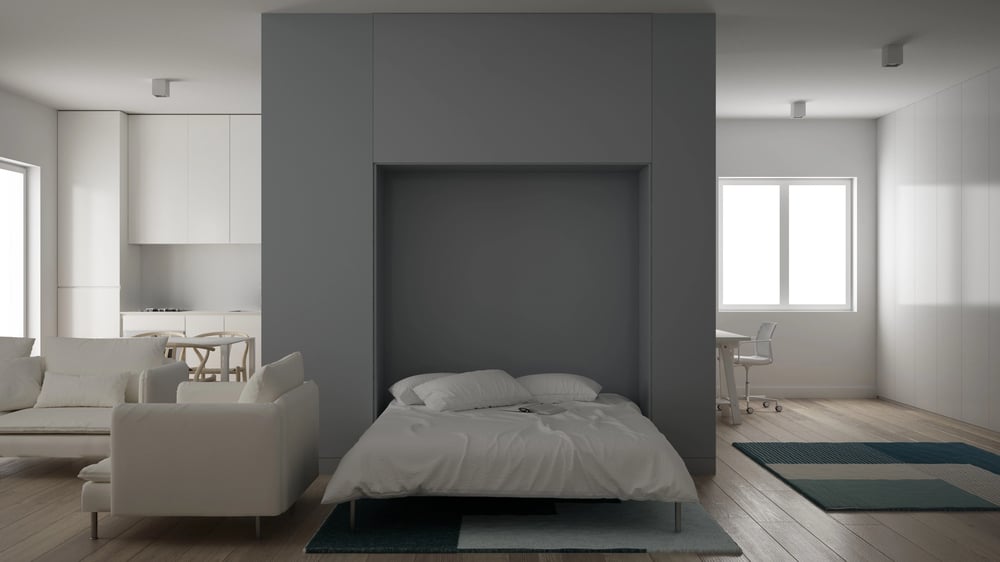
William Lawrence Murphy got tired of his tiny apartment. So he invented a bed that disappears into the wall when you’re done with it.
Early 20th century city apartments were cramped. Murphy beds let people transform bedrooms into offices or entertaining spaces during the day.
Modern versions keep your sheets and pillows in place even when stored vertically, which saves you from remaking the bed twice daily. Small apartment dwellers still swear by them.
Turkish floor seating beds
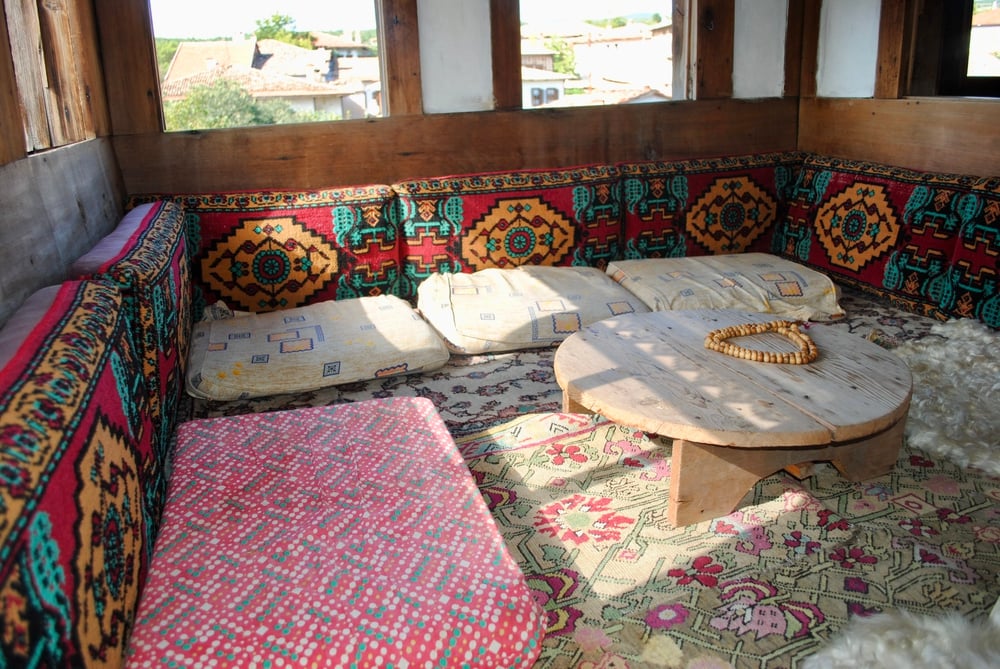
Turkish homes traditionally blurred the line between sitting and sleeping furniture. Low platforms covered with cushions and rugs served double duty throughout the day.
Daytime meant conversation areas for family and guests. Nighttime meant comfortable sleeping spaces.
Everything got stored in built-in cupboards when not needed. The system handled varying numbers of people effortlessly while maintaining the cultural preference for floor-level living.
Scandinavian cupboard beds
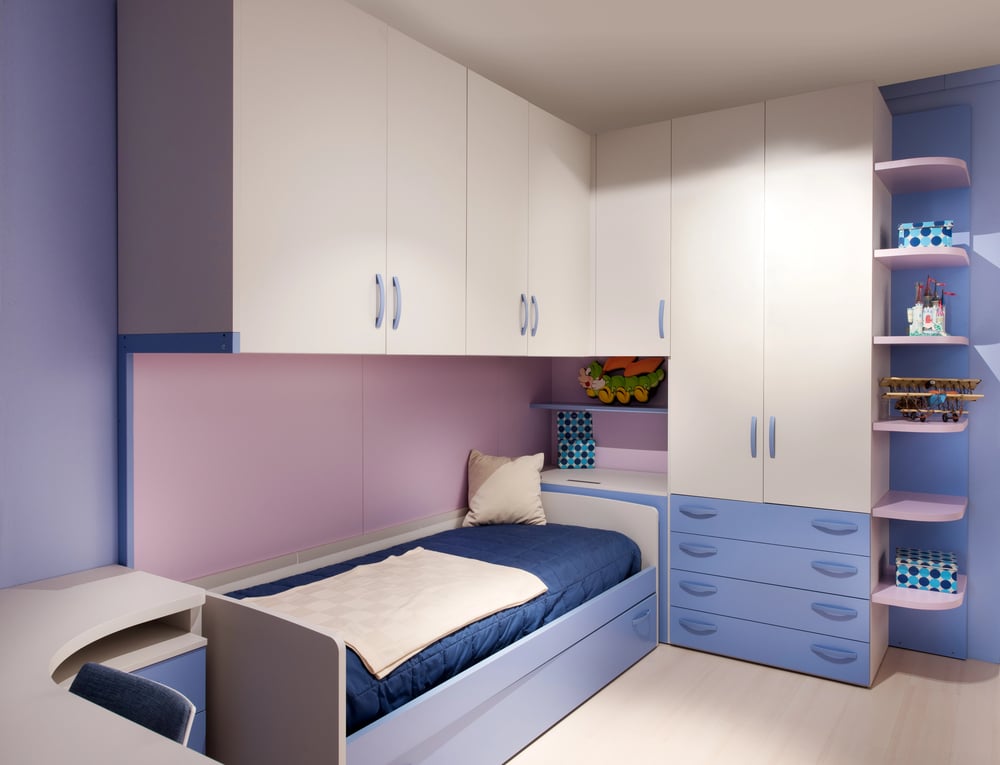
Norwegian and Swedish winters don’t mess around. Rural families needed sleeping solutions that could handle brutal cold in small log homes.
Cupboard beds got built right into the walls. You climbed through a small door into a space just big enough for one or two people.
Body heat stayed trapped in the confined area, keeping you warm through the coldest nights. Morning ventilation became pretty important though.
Indian rope beds
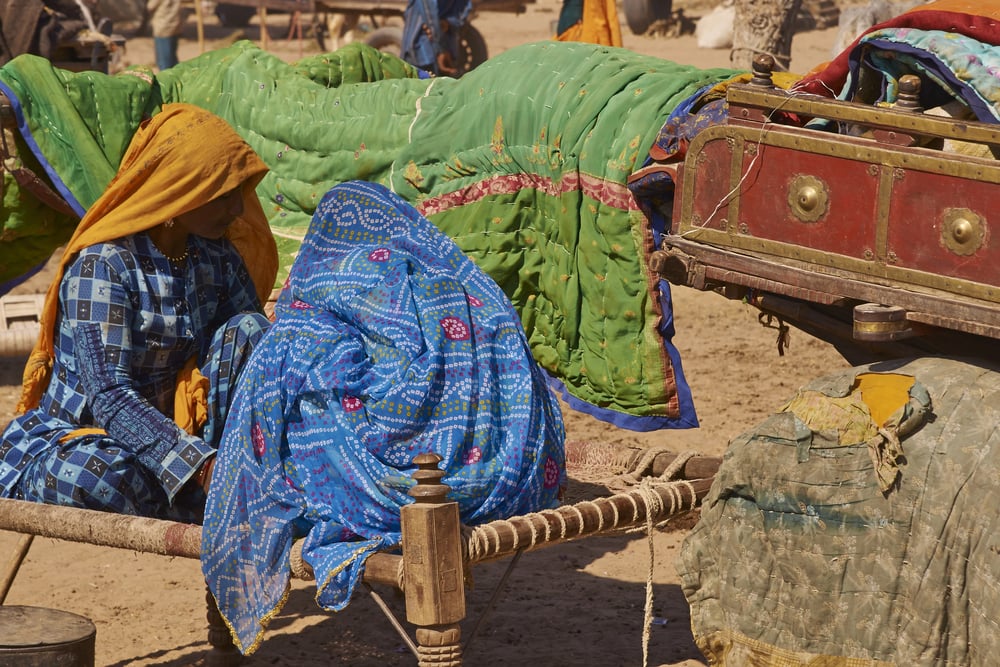
Charpoys prove that simple designs often work best. A wooden frame with rope or fabric stretched across creates a lightweight, portable bed perfect for hot climates.
Air flows freely underneath, preventing the sweaty misery of sleeping on solid surfaces in extreme heat. When temperatures soar, families just grab their charpoys and head outside to sleep under the stars.
You can’t do that with a box spring.
Mongolian ger beds
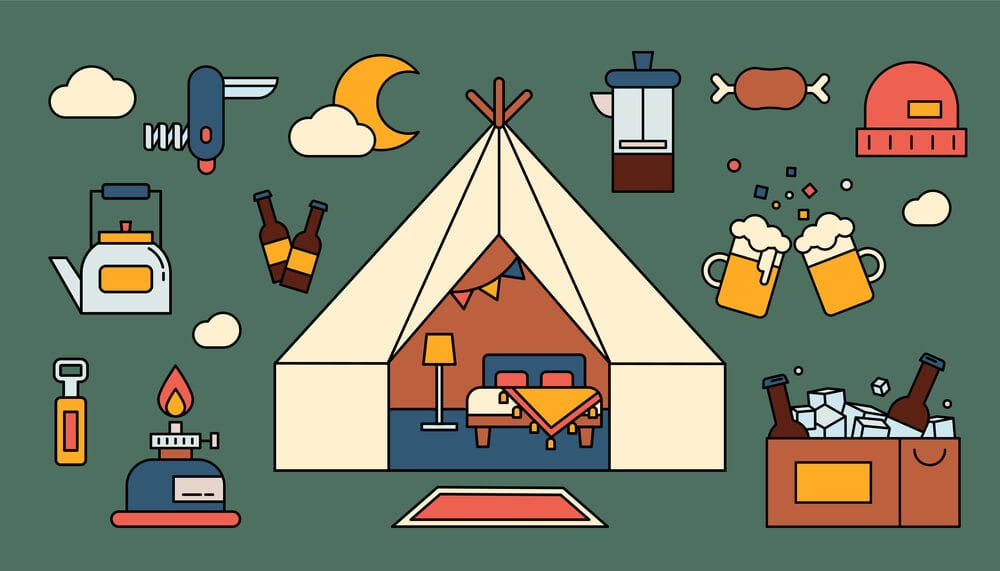
Nomadic life demands furniture that moves as easily as you do. Inside traditional Mongolian gers, bed placement follows strict cultural rules centered around a heating stove.
The spot facing the door gets reserved for honored family members. Everyone else sleeps according to family hierarchy on low platforms covered with felt and furs.
When it’s time to move the herds, everything packs up quickly for the next location.
Brazilian jungle hammock tents

Sleeping in the Amazon rainforest presents unique challenges. Indigenous communities developed hammocks with built-in mosquito netting and rain protection.
These elevated systems keep you safe from ground moisture, insects, and snakes while allowing crucial air circulation in humid jungle conditions. They set up between trees at any height, adapting to the unpredictable terrain of the forest floor.
Portable protection that goes wherever you do.
Victorian canopy and curtain beds
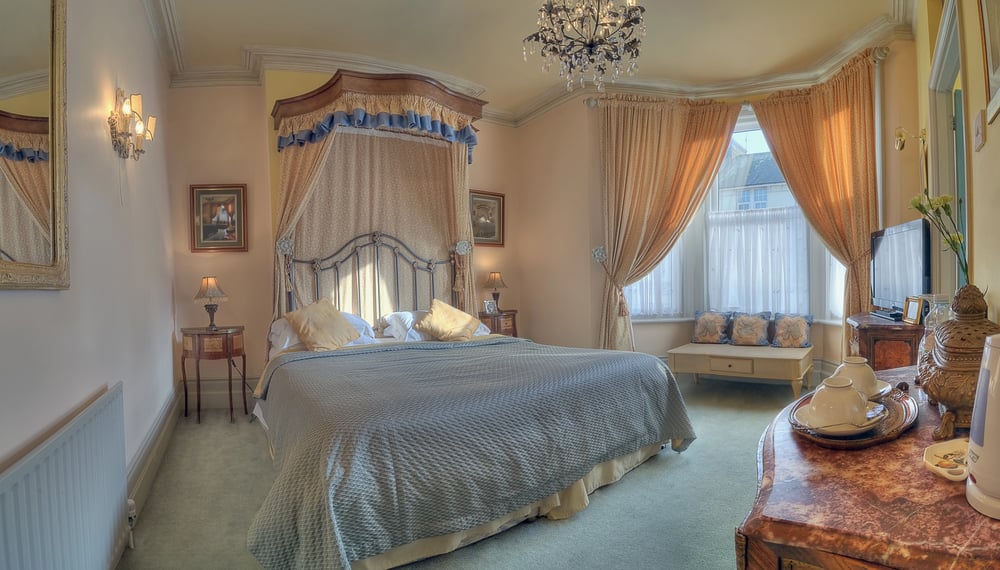
Those elaborate four-poster beds weren’t just showing off Victorian wealth. Heavy curtains and wooden canopies served practical purposes in homes without central heating.
These massive structures dominated bedrooms with intricate carvings and velvet drapes. Closing the curtains created a warm, private space within the larger cold room.
Some even included built-in storage compartments. Privacy was scarce in Victorian households, so bedtime curtains offered rare moments of intimacy.
Different cultures, universal need

Every culture finds its own solution to the basic human need for comfortable sleep. Geography, climate, and available materials all shape how people rest, but creativity remains constant.
Modern mattresses have become the global default, yet many traditional bed styles persist because they solve specific problems better than anything mass-produced. Staying cool in tropical heat, warm in arctic cold, or mobile for nomadic life – human ingenuity keeps finding new ways to make sleep work.
More from Go2Tutors!

- The Romanov Crown Jewels and Their Tragic Fate
- 13 Historical Mysteries That Science Still Can’t Solve
- Famous Hoaxes That Fooled the World for Years
- 15 Child Stars with Tragic Adult Lives
- 16 Famous Jewelry Pieces in History
Like Go2Tutors’s content? Follow us on MSN.



