Music Genres from Small Communities
Big cities usually get credit for creating new music styles, but some of the most interesting sounds came from tiny towns and overlooked neighborhoods. These small communities developed their own musical languages, often mixing different traditions together in ways that nobody expected.
The isolation that kept these places off the map also protected their unique sounds from getting watered down too quickly.
Here are the music genres that started in communities most people have never heard of, yet their influence spread far beyond their humble beginnings.
Zydeco

The prairies of southwest Louisiana gave birth to zydeco, a style that makes people want to dance the moment they hear it. Creole communities around towns like Opelousas and Lafayette mixed accordion music with blues, creating something entirely new in the early 1900s.
The washboard became a rhythm instrument, played with bottle openers or spoons to create a scratchy, driving beat. Clifton Chenier brought zydeco to wider audiences in the 1950s, but the music remained deeply connected to its rural roots.
House parties called ‘la la’ brought neighbors together every weekend, keeping the tradition alive through generations.
Cajun music

Just down the road from zydeco country, Cajun music tells a different story with similar instruments. French-speaking Acadians settled in rural Louisiana after getting kicked out of Canada in the 1700s, bringing their fiddle traditions with them.
They added accordions when German immigrants arrived, creating a sound that felt both sad and joyful at the same time. The music stayed mostly within small farming communities until radio stations started broadcasting it in the 1920s.
Families passed songs down through the generations, often playing at weddings and community gatherings in towns barely big enough for a post office.
Norteño

The border region between Texas and Mexico produced norteño, a style built around the accordion and bajo sexto guitar. Small ranching communities in northern Mexico and southern Texas created this music in the late 1800s, blending German polka with Mexican folk songs.
The accordion came from Czech and German settlers who moved to the area, and locals adapted it to their own musical needs. Norteño stayed regional for decades, played at quinceañeras and local dances in dusty border towns.
The music captured the experience of people living between two cultures, creating something that belonged fully to neither Mexico nor the United States.
Bluegrass

The Appalachian mountains of Kentucky spawned bluegrass in the 1940s, though the musical roots go back much further. Bill Monroe from Rosine, Kentucky, pulled together old-time fiddle tunes, gospel harmonies, and blues into a fast-paced acoustic style.
Small coal mining towns throughout the region already had strong musical traditions, with families playing together on front porches after long work days. The high lonesome sound of bluegrass reflected the isolation of mountain communities where neighbors might live miles apart.
Monroe’s band crystallized the style, but it came from generations of mountain people making music with whatever instruments they could afford.
Conjunto

San Antonio’s working-class neighborhoods developed conjunto music in the early 1900s, creating a voice for Mexican-American laborers. The style centers on accordion and bajo sexto, similar to norteño but with its own distinct flavor and history.
Conjunto emerged from cantinas and community halls on the west side of San Antonio, places where field workers and construction crews gathered after their shifts. Narciso Martínez pioneered the style in the 1930s, focusing on the accordion melody while the bajo sexto kept rhythm.
The music spoke to people who felt caught between two worlds, too Mexican for some Americans and too American for some Mexicans.
Klezmer
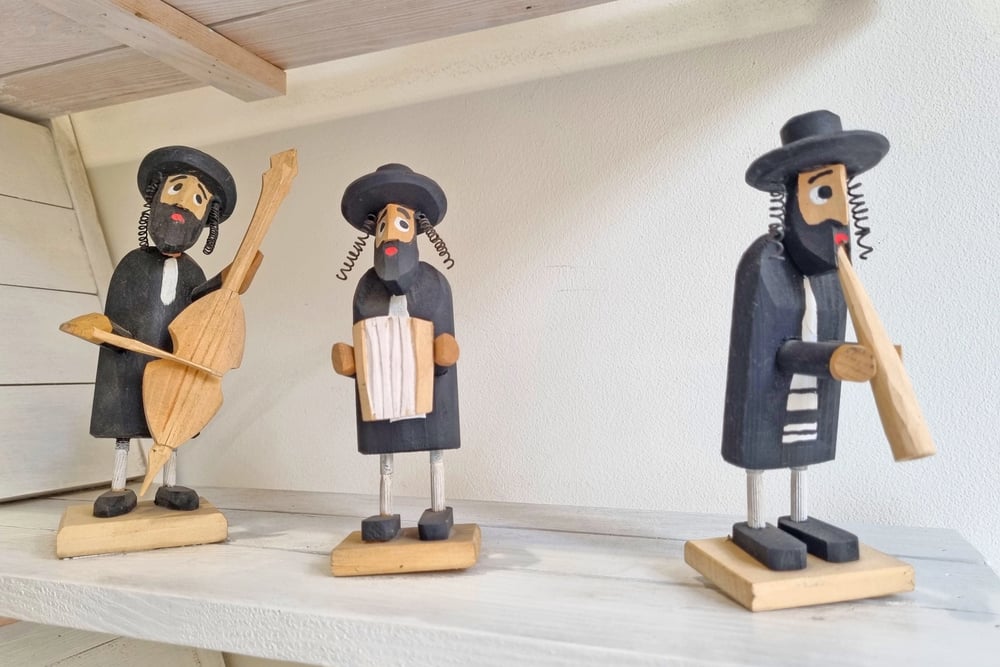
Eastern European Jewish villages called shtetls produced klezmer, music designed for celebrations and community gatherings. Small towns across Poland, Ukraine, and Romania had traveling musicians who played at weddings and festivals, developing a style that could make people laugh and cry within the same song.
The clarinet became the signature instrument, bending notes in ways that sounded almost like the human voice. When Jews immigrated to America, they brought klezmer to neighborhoods in New York and Philadelphia, keeping the sound alive even as the original shtetls disappeared.
The music captured centuries of joy and sorrow packed into melodies that refuse to be forgotten.
Fado

The Alfama district in Lisbon gave the world fado, though calling it just music doesn’t capture what it really means. This style came from poor neighborhoods along the waterfront, where sailors, dock workers, and their families created songs about longing and loss.
A singer, a Portuguese guitar, and a classical guitar create an intimate sound that feels like overhearing someone’s deepest thoughts. Fado stayed within Lisbon’s working-class taverns until the mid-1900s, when singers like Amália Rodrigues brought it to concert halls.
The word ‘fado’ means fate, and the music carries the weight of accepting life’s sorrows along with its brief moments of happiness.
Tejano

South Texas towns like Corpus Christi and San Antonio cultivated tejano music, blending Mexican and American influences into something uniquely Texan. The style evolved from conjunto roots but incorporated elements of rock, country, and R&B as younger generations picked up electric instruments.
Small community halls hosted tejano dances every weekend, creating a circuit of venues that kept musicians employed. Selena brought tejano to mainstream attention in the 1990s, but the music had been thriving in border communities for decades before that.
Tejano represents what happens when cultures collide and decide to dance together instead of fight.
Delta blues

The Mississippi Delta region produced blues music that changed everything that came after it. Small sharecropping communities between Memphis and Vicksburg created this raw, emotional style in the late 1800s and early 1900s.
Musicians like Robert Johnson and Son House played on plantation porches and at juke joints, using whatever guitars they could get their hands on. The flatlands of the Delta trapped both water and people, creating a sense of isolation that seeped into the music.
Blues spread north during the Great Migration, but the Delta style maintained its own character, rougher and more direct than what developed in cities.
Gamelan gong kebyar

The village of Belaluan in northern Bali created gamelan gong kebyar in the early 1900s, revolutionizing Indonesian music. This style uses traditional gamelan instruments but plays them faster and with more drama than older forms allowed.
Small village communities in Bali maintain gamelan orchestras that require up to 50 musicians playing bronze instruments in intricate patterns. Each village develops its own interpretation of pieces, creating friendly competition during festivals.
The music sounds like raindrops, thunder, and lightning all happening at once, controlled chaos that somehow makes perfect sense.
Cumbia

Small villages along Colombia’s Caribbean coast invented cumbia, mixing Indigenous, African, and Spanish influences into dance music that conquered Latin America. The drumming came from African traditions, the flutes from Indigenous peoples, and the lyrics often used Spanish, though early versions might not have had words at all.
Fishermen and farmers in towns like Barranquilla played cumbia at festivals celebrating patron saints and good harvests. The dance requires couples to move in a circle, supposedly mimicking the shuffling walk of enslaved people in chains, though historians debate this origin story.
Cumbia spread throughout Latin America, with each region adding its own twist to the basic rhythm.
Highlife
Ghana’s coastal cities aren’t exactly small, but highlife music started in working-class neighborhoods before spreading across West Africa. The style emerged in the early 1900s when local musicians in Accra mixed traditional Akan music with brass band instruments left behind by colonial forces.
Community bands played at social clubs and outdoor gatherings, creating a sound that felt both African and cosmopolitan. The guitar became central to highlife in the 1950s, making the music more accessible to musicians who couldn’t afford full brass sections.
Highlife captured the optimism of Ghana’s independence era while maintaining connections to older musical traditions.
Appalachian old-time

The mountains of Virginia, North Carolina, and West Virginia preserved British folk ballads and transformed them into something distinctly American. Isolated communities in the hollows and ridges maintained musical traditions that had mostly disappeared in England by the 1800s.
Families played fiddles, banjos, and dulcimers together, passing songs down through generations without writing anything down. The ballads told stories of murder, love, and tragedy with tunes that stuck in listeners’ heads for days.
Old-time music predates bluegrass and differs in its more relaxed rhythm and older song repertoire, representing an earlier layer of Appalachian culture.
Gnawa
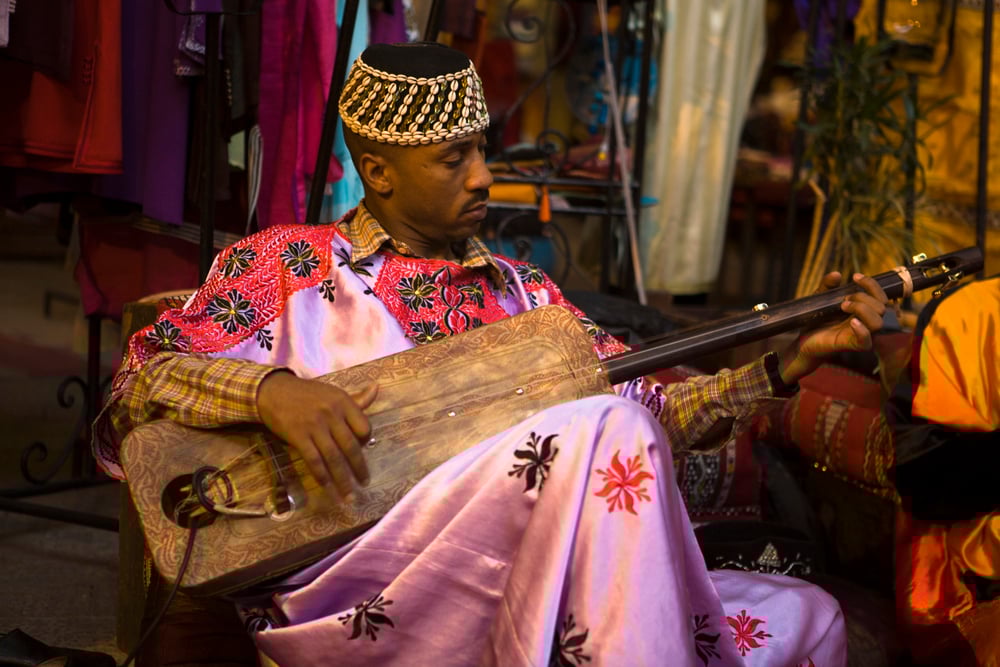
The Moroccan spots Essaouira and Marrakech now showcase Gnawa sounds, yet this form grew out of tight-knit groups tracing back to sub-Saharan people taken into slavery. Instead of guitars, players use a three-string instrument named guembri, paired with ringing metal clappers known as qraqeb – building trance-like, looping beats.
These sessions often run through the entire night, aiming to fix inner struggles and keep bonds alive with ancestors. For hundreds of years, it lived quietly inside those communities until listeners across Morocco – and later around the globe – began feeling its weight in the 1900s.
Figures such as Mahmoud Guinia hauled the tradition onto global stages; still, its truest heartbeat stays rooted where it began.
Polka

Back in the 1800s, tiny farm towns in today’s Poland and Czechia cooked up polka – kicking off a dance wave that went global. Because the beat was just two steps, folks picked it up fast; besides, its lively vibe lit up local get-togethers where fun stuff was rare.
People from Czech and Polish roots carried polka to the U.S., planting it strong in spots such as Wisconsin, Texas, even Pennsylvania. To this day, weekend dances pop up in Midwestern hamlets, holding tight to a custom most cities walked away from.
Over here, the accordion gave polka its voice – but back then, brass bands drove the original Czech flavor.
Soca

In the 70s, Trinidad’s Carnival gave rise to soca – yet it grew out of poor areas in Port of Spain. Instead of sticking with slow calypso, Lord Shorty decided to boost the tempo and mix in Indian beats for more punch during long parade days.
It got its name by blending “soul” with “calypso,” showing exactly what fueled this new sound. As it moved across Caribbean islands, local flavors shaped different versions, though everyone kept that fast, danceable rhythm alive.
Mostly made for Carnival, the genre powers massive street festivals in a nation tiny compared to Delaware.
Mariachi
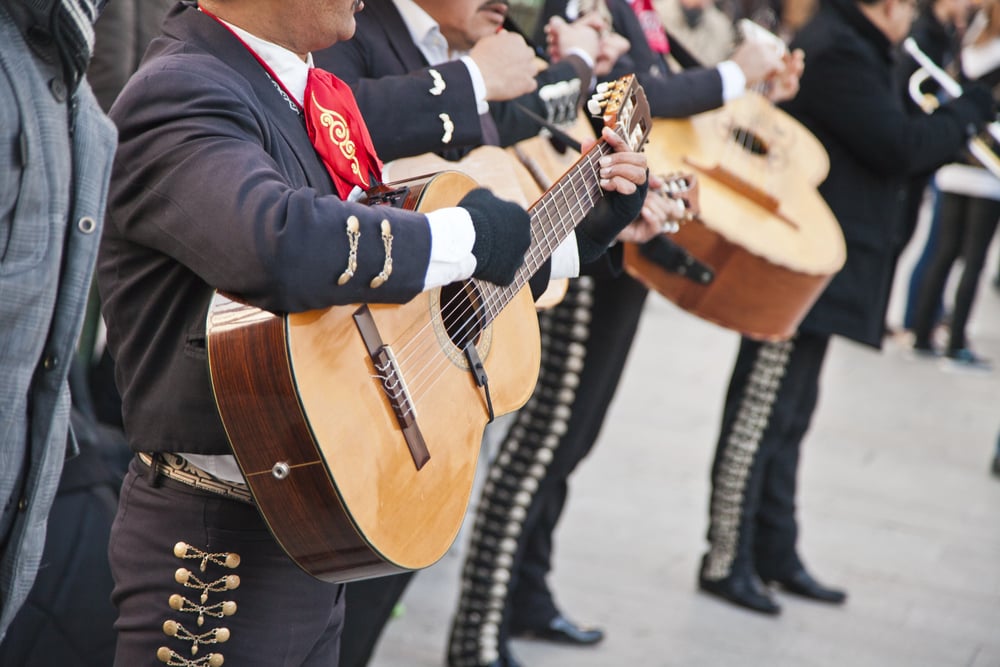
Rural parts of Jalisco in Mexico birthed mariachi, even if it didn’t resemble the slick bands we see now. Around towns such as Cocula, farmers formed small ensembles for village festivities, playing any string tools at hand.
Its tunes blended native, Spanish, and African flavors – mixing sounds just like Mexico’s roots. Instead of fancy outfits, players used everyday farm wear until the 1900s rolled in.
Once they started hitting city stages, charro suits became their look. By the ’30s, trumpets joined in, shifting the vibe fast – but the heart still beat strongest in those countryside meetups.
Legacy in Sound

These styles show how being cut off can actually fuel originality instead of holding it back. Because small groups were separate from popular culture, they developed unique vibes – free to try things out without chasing hits.
Tunes born in quiet towns or ignored areas reached global musicians, proving powerful work doesn’t need urban hubs or high-end gear. Right now, streaming platforms give instant entry to these voices, linking fans to distant places they’ll likely never see but can feel through the songs made there.
More from Go2Tutors!

- The Romanov Crown Jewels and Their Tragic Fate
- 13 Historical Mysteries That Science Still Can’t Solve
- Famous Hoaxes That Fooled the World for Years
- 15 Child Stars with Tragic Adult Lives
- 16 Famous Jewelry Pieces in History
Like Go2Tutors’s content? Follow us on MSN.