The World’s Deadliest Animal Is Not What You Think
When you picture the most dangerous animals on Earth, your mind probably conjures images of great white sharks lurking in dark waters, lions stalking the savanna, or venomous snakes coiled and ready to strike. These creatures have earned their fearsome reputations through countless nature documentaries and horror stories.
The reality, however, tells a completely different story.
The actual deadliest animal on the planet kills around 725,000 to one million humans every year—a number so staggering it dwarfs the death tolls of all those frightening predators combined. What makes this revelation even more surprising is the size of the culprit.
Sharks kill only about 70 humans annually, and lions account for just 22 deaths per year, making them seem almost harmless in comparison. The creatures that pose the greatest threat to human life aren’t always the ones with the biggest teeth or the most muscular builds.
Here is a list of some of the world’s deadliest animals, ranked by the devastation they cause to human populations each year.
Mosquitoes
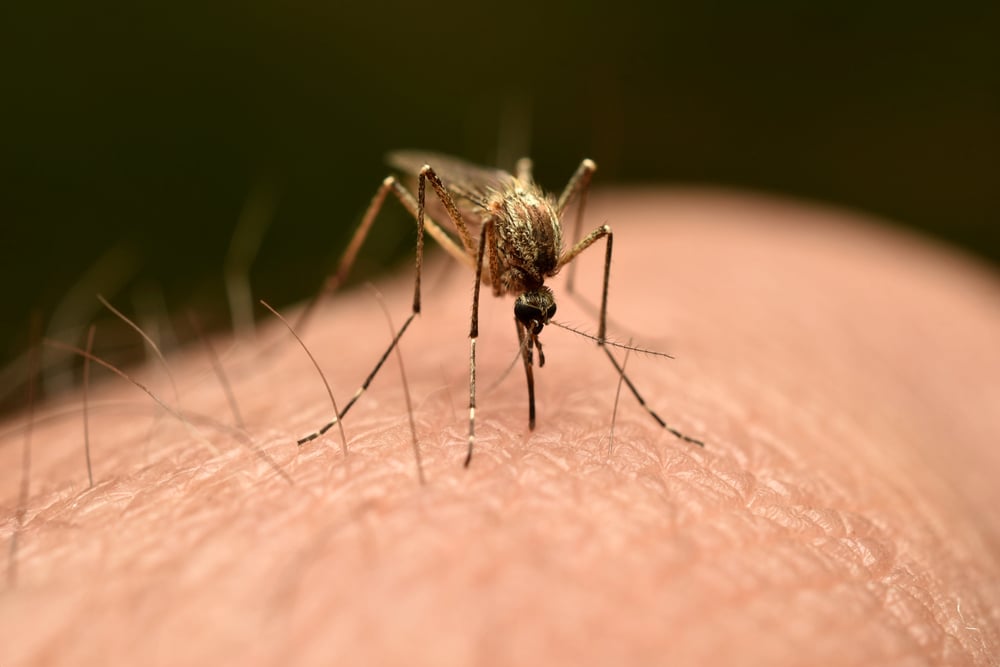
Mosquitoes are responsible for between 725,000 and one million human deaths annually, making them by far the deadliest creature in the world. Only female mosquitos bite, and they kill through spreading diseases such as malaria, dengue fever, yellow fever, and Zika virus.
Malaria alone is responsible for more than half of mosquito-related deaths, predominantly affecting sub-Saharan Africa and South-East Asia. These tiny insects have literally altered the course of human history through the epidemics they’ve spread.
Humans

Humans are technically the second-most dangerous animals on the planet when it comes to human deaths, with approximately 437,000 homicides occurring globally in 2012. We’re not quite our own worst enemy, but we come pretty close.
This makes humans the deadliest mammal to other humans. Our capacity for violence, combined with our advanced tool-making abilities and access to complex weapons, sets us apart from every other species in terms of the harm we inflict on our own kind.
Like Go2Tutors’s content? Follow us on MSN.
Snakes
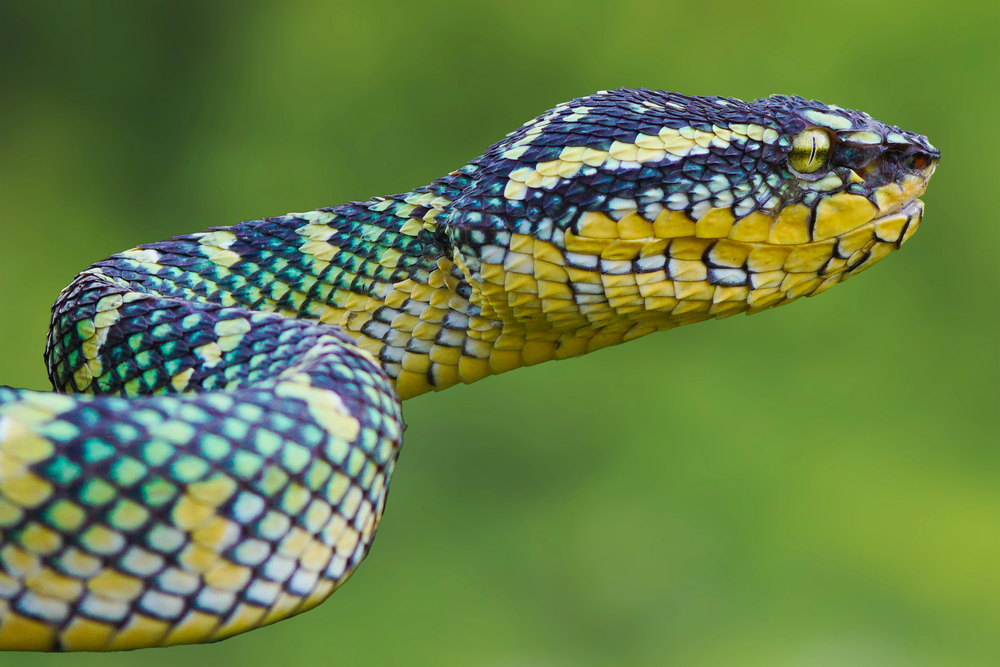
Snakes cause around 100,000 deaths annually worldwide. Venomous species like cobras, vipers, and kraits deliver toxins that can shut down the nervous system or destroy tissue within minutes.
Many of these deaths occur in rural areas of developing countries where access to antivenom is limited or nonexistent. The saw-scaled viper alone accounts for thousands of fatalities each year in regions where it overlaps with human populations.
Dogs

Dogs are responsible for approximately 30,000 human deaths per year, with the vast majority resulting from rabies transmission. This statistic surprises most people because dogs are considered loyal companions in many cultures.
Between 1982 and 2013, some 466 people were killed by dogs in Canada and the United States alone. The real danger lies in rabies, a viral disease that’s almost always fatal once symptoms appear.
Freshwater Snails
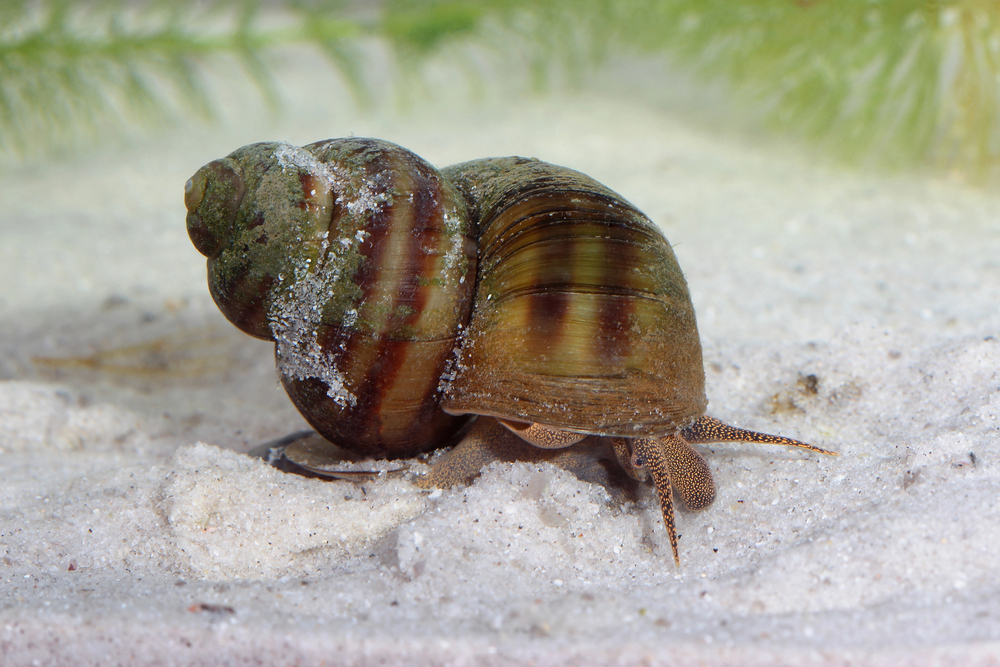
Freshwater snails cause around 200,000 deaths annually through the transmission of schistosomiasis. These snails are hosts to parasitic flatworms called flukes, which live and develop within the snail then are released into water where they penetrate human skin.
After malaria, schistosomiasis is considered the second most socioeconomically devastating parasitic disease. The illness causes fever, abdominal pain, and organ damage that can prove fatal without treatment.
Like Go2Tutors’s content? Follow us on MSN.
Assassin Bugs
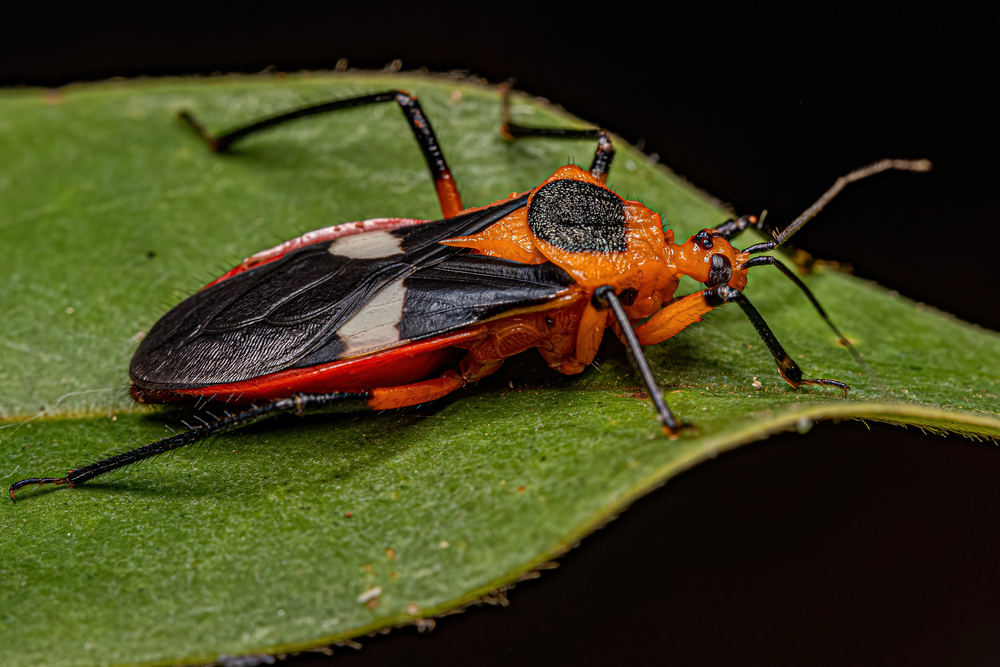
Assassin bugs, also called kissing bugs, spread Chagas disease through their bites, which typically occur on human faces near the lips while people sleep. These insects are found throughout Central and South America.
Chagas disease causes heart problems and digestive issues that can lead to death years after the initial infection. The disease affects millions of people, with fatal outcomes for thousands annually.
Tsetse Flies
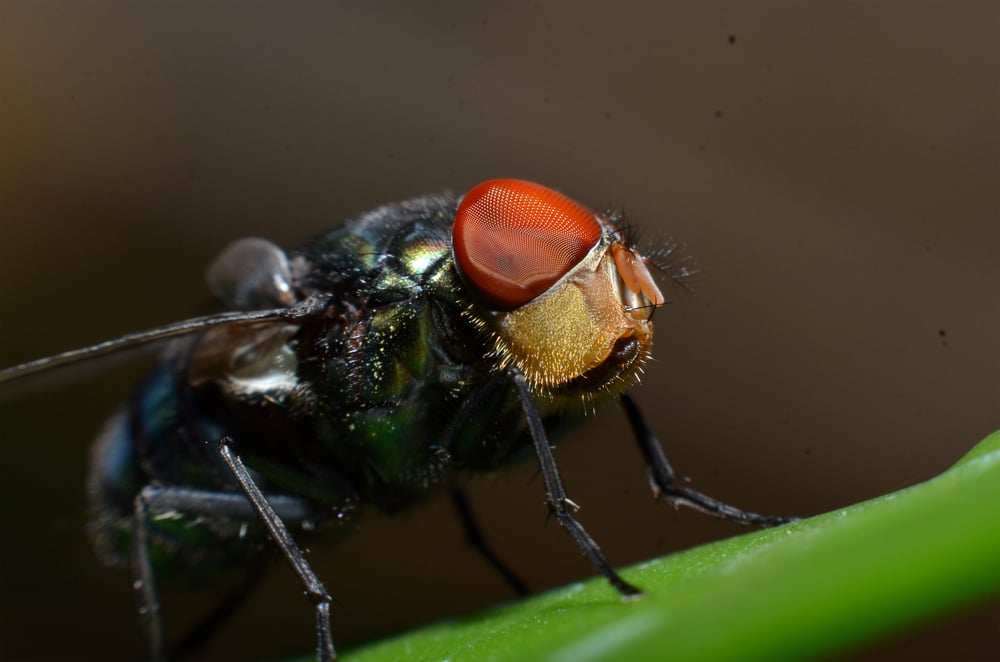
Tsetse flies live in tropical regions of Africa along riverbanks and lakes, feeding exclusively on blood. Their bite infects humans with parasites that cause African sleeping sickness, a disease that is fatal without exception if left untreated.
The lack of medical resources in affected areas makes this disease particularly deadly. New treatments are helping reduce fatalities, but the tsetse fly remains a significant threat.
Crocodiles
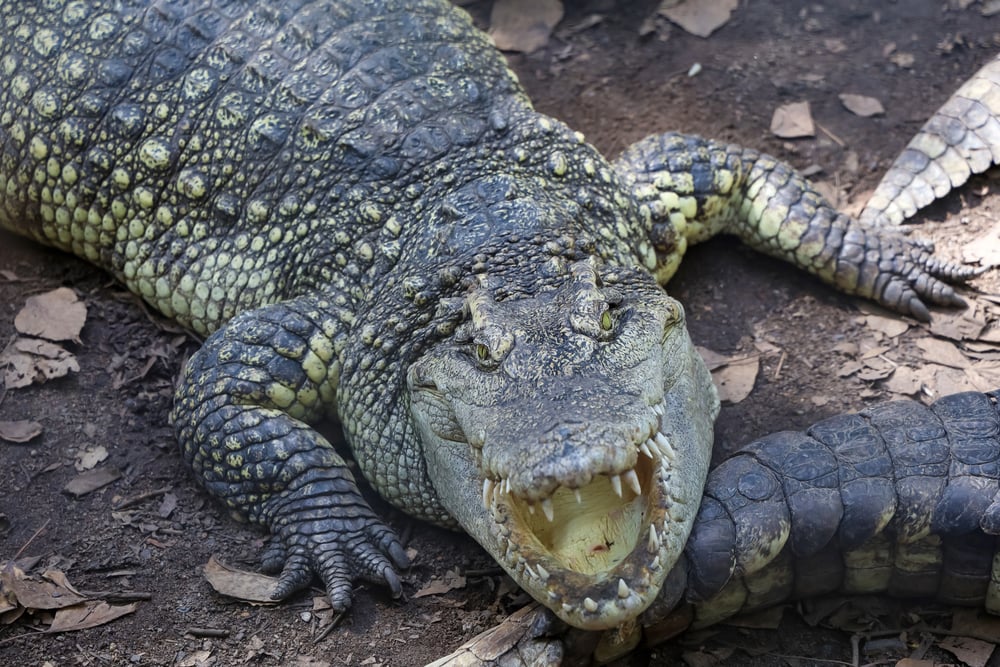
Crocodiles cause approximately 1,000 reported fatalities annually, with the Nile crocodile being particularly deadly. The Nile crocodile has a bite force of up to 5,000 psi, the strongest of any animal in the world.
These prehistoric predators have been around since the age of dinosaurs and can weigh over 2,000 pounds while traveling at speeds up to 25 mph. They’re aggressive, territorial, and will attack anything entering their habitat.
Like Go2Tutors’s content? Follow us on MSN.
Hippos
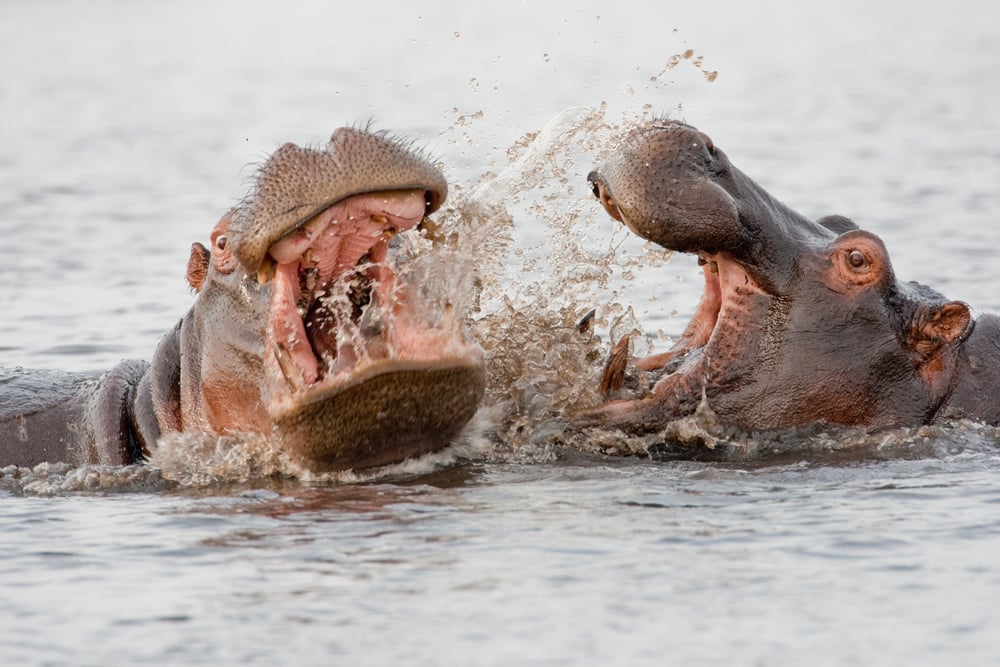
Hippos cause an estimated 500 deaths annually, making them the deadliest land mammal in Africa. They are very aggressive and territorial, with a habit of charging at boats and capsizing them.
The probability of being killed by a hippopotamus attack ranges from 29 to 87 percent, compared to just 4.8 percent for grizzly bear attacks and 22.7 percent for shark attacks. Despite being herbivores, hippos have massive jaws with teeth that can grow up to 20 inches long.
Elephants
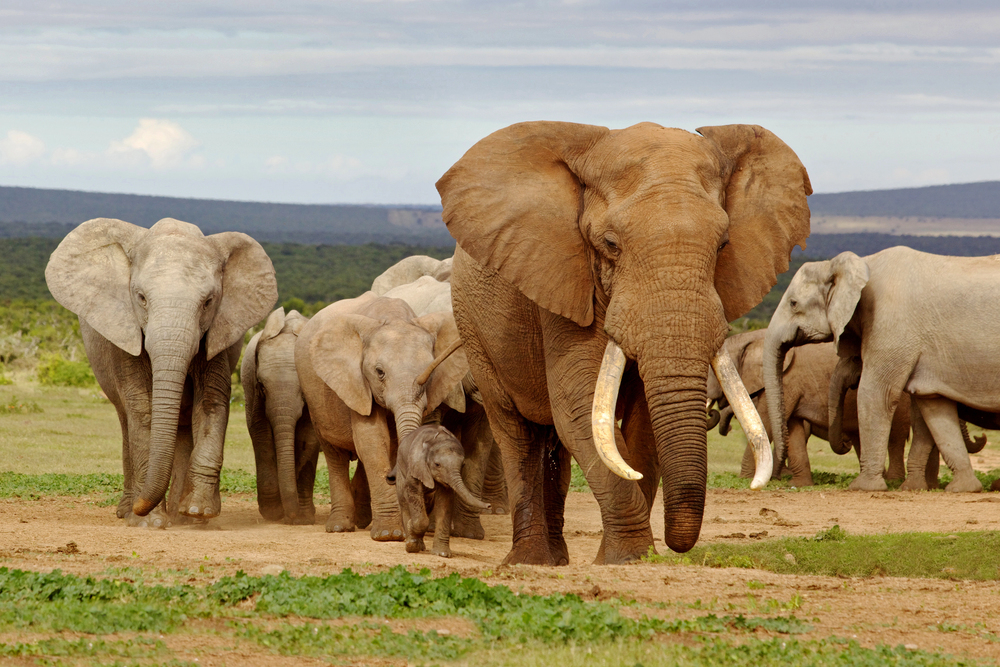
Elephants are responsible for around 500 human deaths per year. These intelligent giants kill humans primarily through trampling, but they can also use their trunks to pick up and throw people or gore them with their tusks.
Most attacks occur when humans encroach on elephant habitats or when elephants feel threatened. The growing human population in Africa has increased encounters between elephants and people.
Scorpions
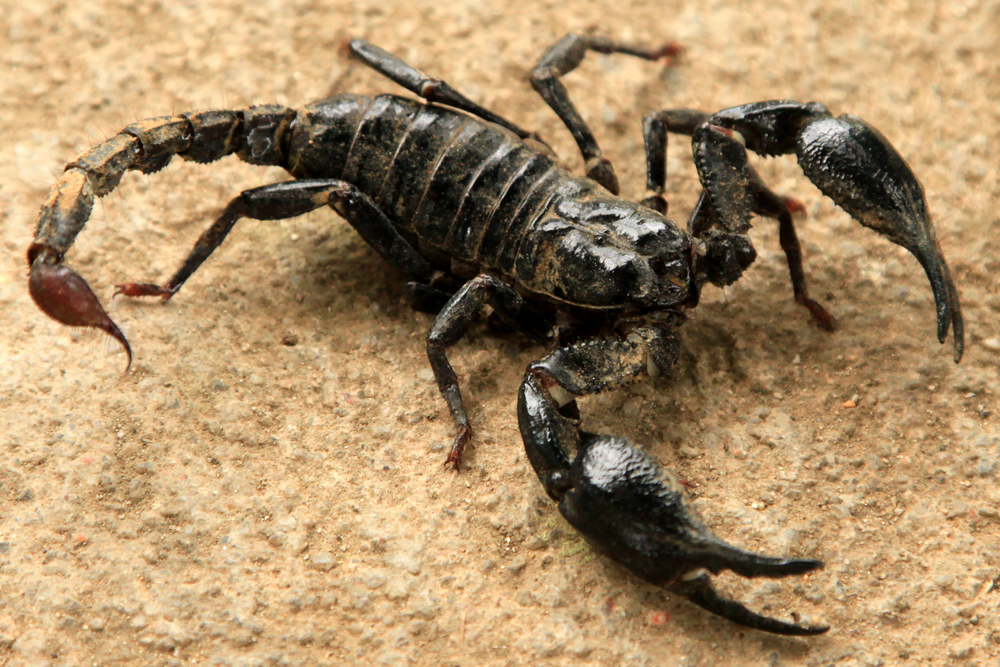
Around 2,600 deaths per year are caused by scorpion stings, with 25 species of scorpion having venom deadly enough to kill humans. The most lethal is the Indian red scorpion, and most stings happen when people accidentally step on scorpions with bare feet or when scorpions hide in shoes.
They sting in self-defense rather than as an attack, but the result can be fatal nonetheless.
Like Go2Tutors’s content? Follow us on MSN.
Roundworms

The Ascaris roundworm leads to an infection called ascariasis that kills an estimated 4,500 people annually. These parasitic worms are transmitted when people accidentally ingest their eggs, usually when food or drink is contaminated.
The worms take up residence in the small intestine, using the human body to stay alive, feed, and reproduce, causing fever, abdominal pain, swelling, and shortness of breath.
Tapeworms
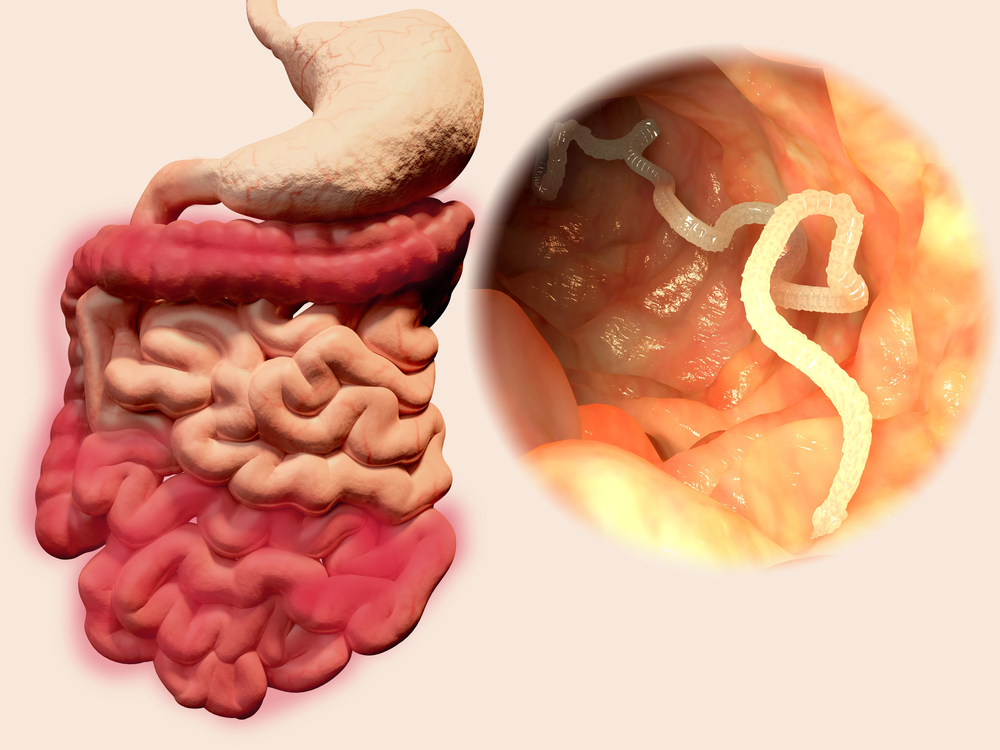
Tapeworms are responsible for an infection called cysticercosis that kills an estimated 700 people per year. These parasitic flatworms can grow to impressive lengths inside the human digestive system.
Humans typically become infected by consuming undercooked meat containing tapeworm larvae. The parasites absorb nutrients directly through their skin and can cause serious complications when they migrate to other organs.
Lions

Lions kill only about 22 to 250 humans per year, depending on the source. While they’re apex predators with incredible strength and hunting abilities, lions generally avoid humans. Most fatal attacks occur when lions are injured, elderly, or when their natural prey becomes scarce.
The famous Tsavo man-eaters of the late 1800s killed between 28 and 135 railway workers in Kenya, showing what can happen when lions develop a taste for human prey.
Like Go2Tutors’s content? Follow us on MSN.
Cape Buffalo
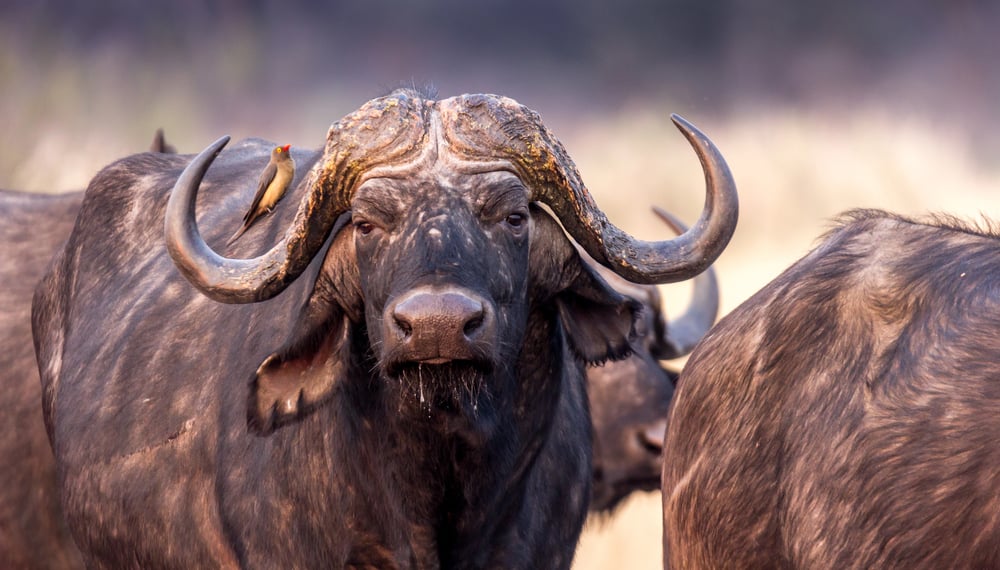
African buffalo are responsible for around 200 human deaths per year despite being herbivores. They are extremely aggressive, unpredictable, intelligent, and capable of coordinated defense.
Buffalo will charge when their territory is invaded or when they sense threats to their young. They’re powerful enough to take down lions, and hunters consider them one of the most dangerous animals to pursue.
Bees
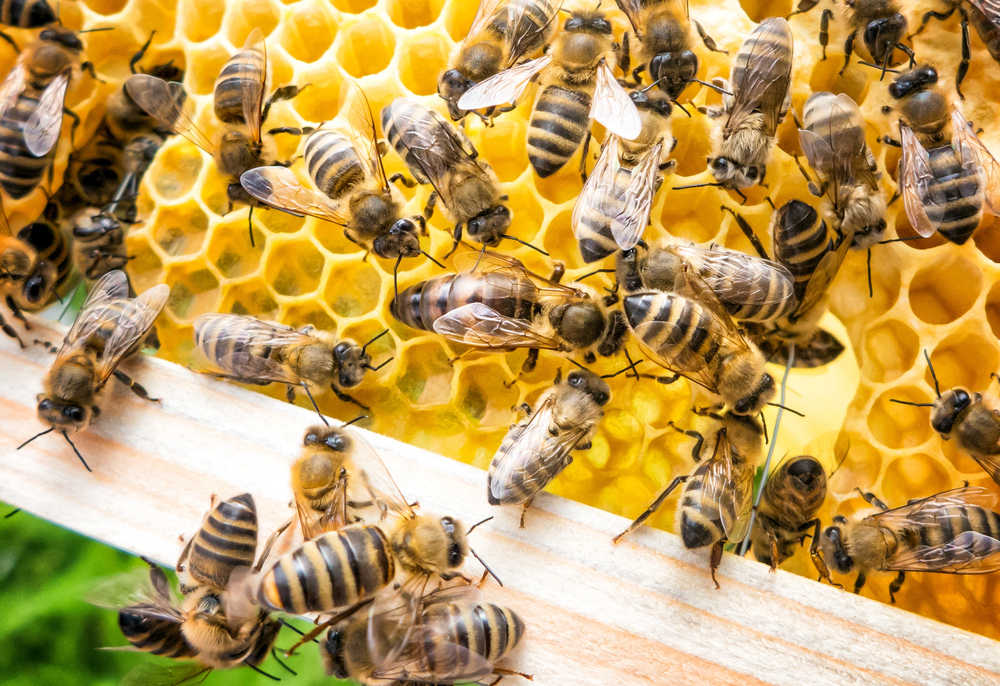
Bees, while crucial for pollination and honey production, can be highly dangerous when provoked. Thousands of people die annually from severe allergic reactions to bee stings.
While a single bee sting is rarely fatal to those without allergies, mass attacks by Africanized ‘killer bees’ can deliver enough venom to kill through sheer volume. Most deaths occur when people accidentally disturb hives.
Tigers
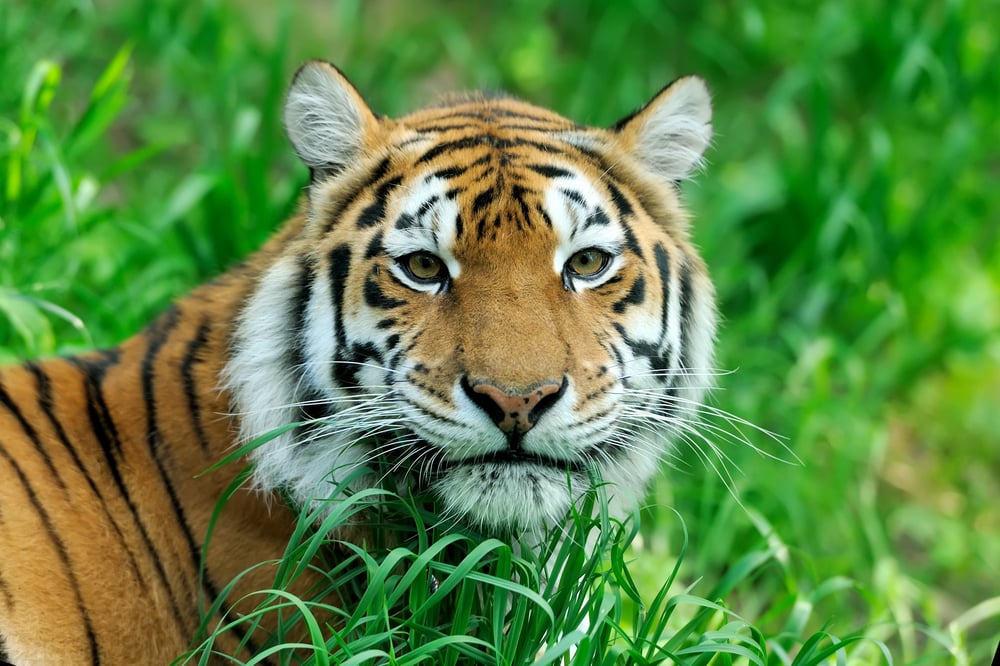
Tigers are among the deadliest big cat predators, responsible for several human deaths annually, particularly in regions where they share habitats with local communities. These massive cats can weigh over 600 pounds and possess incredible strength, agility, and sharp claws and teeth.
Human-tiger conflicts often turn fatal when the animals feel threatened, hungry, or cornered. The Sundarbans region between India and Bangladesh sees regular tiger attacks on fishermen and honey collectors.
Like Go2Tutors’s content? Follow us on MSN.
Box Jellyfish
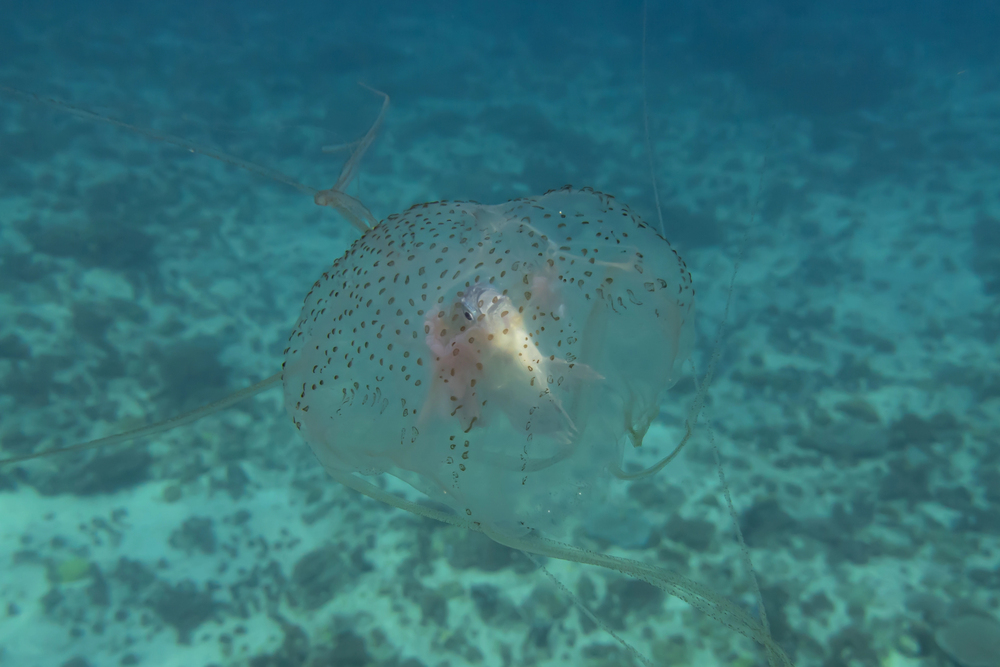
Box jellyfish are considered the most dangerous animal in the ocean, with venomous tentacles that can deliver stings that are life-threatening in extreme cases. They’re found in coastal waters of northern Australia and the Indo-Pacific region.
While fatalities are rare, their stings cause excruciating pain and can trigger cardiac arrest in severe cases. The venom attacks the heart, nervous system, and skin cells simultaneously.
Cone Snails
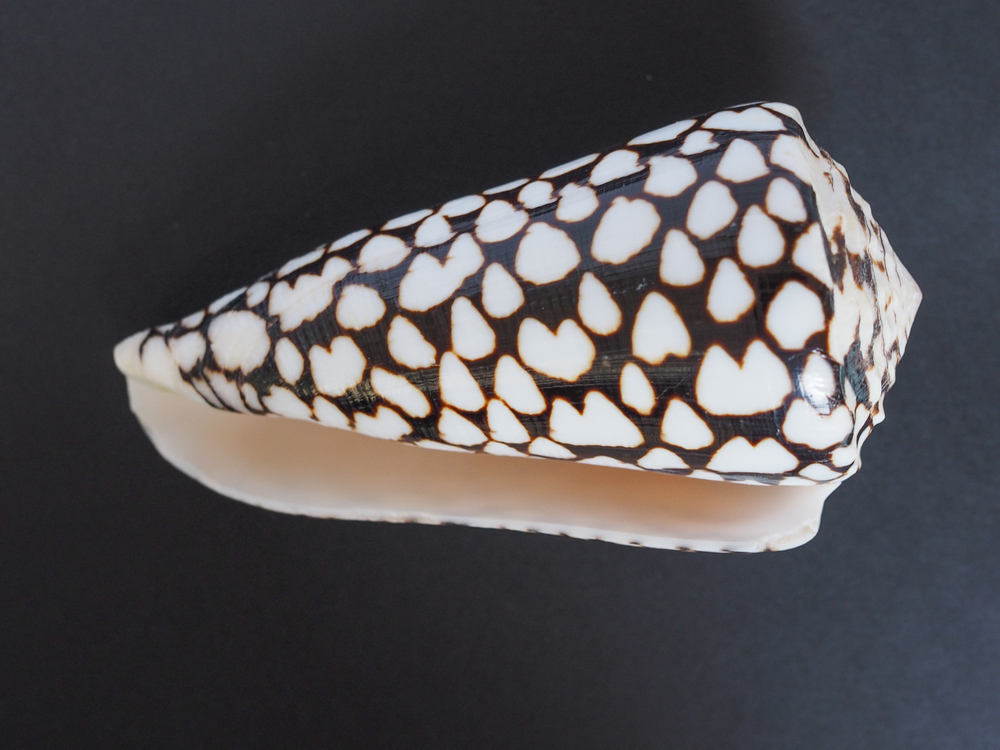
The cone snail, particularly the geography cone, is surprisingly deadly despite its harmless appearance and attractive shell. This tiny aquatic snail contains more than 100 toxins in its complex, fast-acting, and highly toxic venom.
Divers are at risk because cone snails live in shallow waters and coral reefs, and their specialized harpoon-like teeth can penetrate neoprene wetsuits. There’s no antivenom available for cone snail stings.
Poison Dart Frogs
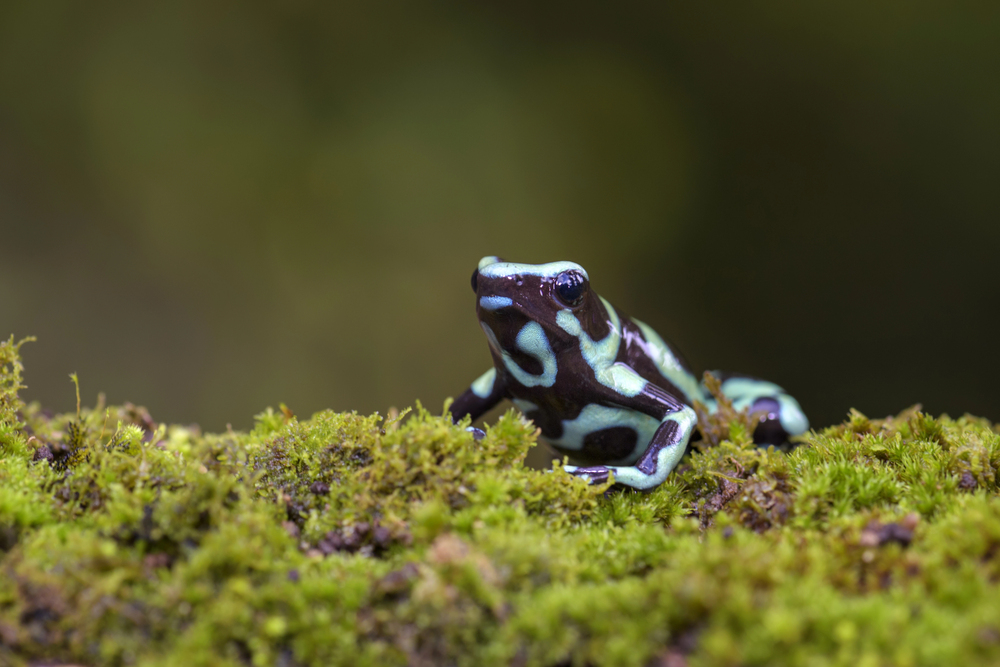
These vibrantly colored frogs are among the most poisonous and deadly animals in the world. Found in Central and South American rainforests, some species carry enough toxin in their skin to kill ten adult humans. Indigenous peoples traditionally used their poison to coat blowgun darts for hunting.
The golden poison dart frog is considered the most toxic, with a single frog containing enough poison to kill 20,000 mice.
Like Go2Tutors’s content? Follow us on MSN.
Where Danger Really Lies

The numbers paint a clear picture that challenges everything we’ve been taught to fear. The scariest predators aren’t as dangerous as you might expect, while creatures we barely notice prove far more lethal.
Size, strength, and fearsome reputations mean little when disease-carrying insects can reach into every corner of human civilization. The real threat comes not from razor-sharp teeth or powerful jaws, but from microscopic pathogens delivered by creatures small enough to crush between your fingers.
Understanding where true danger exists helps us direct resources toward genuine threats rather than Hollywood-fueled fears.
More from Go2Tutors!

- 16 Historical Figures Who Were Nothing Like You Think
- 12 Things Sold in the 80s That Are Now Illegal
- 15 VHS Tapes That Could Be Worth Thousands
- 17 Historical “What Ifs” That Would Have Changed Everything
- 18 TV Shows That Vanished Without a Finale
Like Go2Tutors’s content? Follow us on MSN.