Luxury Items with the Most Bizarre Backstories
Luxury goods have always captured our imagination, but some of the world’s most coveted items got their start in ways that seem almost too strange to be true. From laboratory accidents to airplane conversations, these high-end treasures have origin stories that rival the most creative fiction.
The world of luxury is filled with items that command eye-watering prices and inspire devotion from collectors worldwide. Here is a list of luxury items with the most bizarre backstories.
The Hermès Birkin Bag
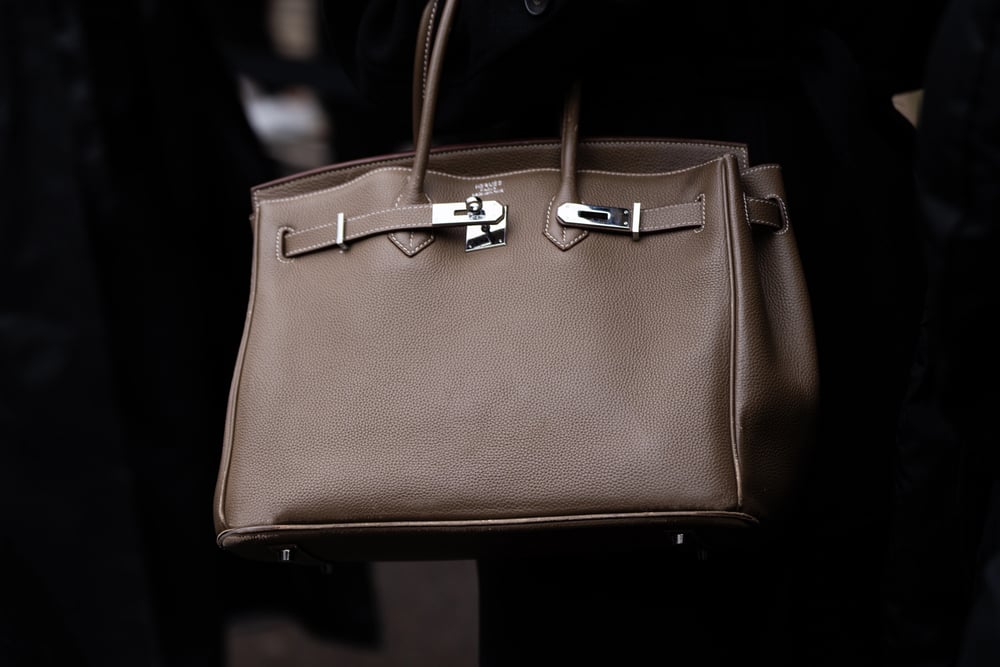
The most iconic handbag in the world was born from a chance encounter on a flight from Paris to London in 1984, when actress Jane Birkin sat next to Hermès CEO Jean-Louis Dumas and complained about not having a practical everyday bag. Birkin’s belongings spilled from her bag during the flight, prompting Dumas to sketch a design right there on an airplane sick bag.
The result became one of history’s most sought-after luxury items, with each bag taking a single craftsman 18 to 25 hours to complete by hand. What makes the story even more peculiar is that Birkin herself eventually stopped carrying the bag due to tendonitis from its weight.
The Cartier Crash Watch
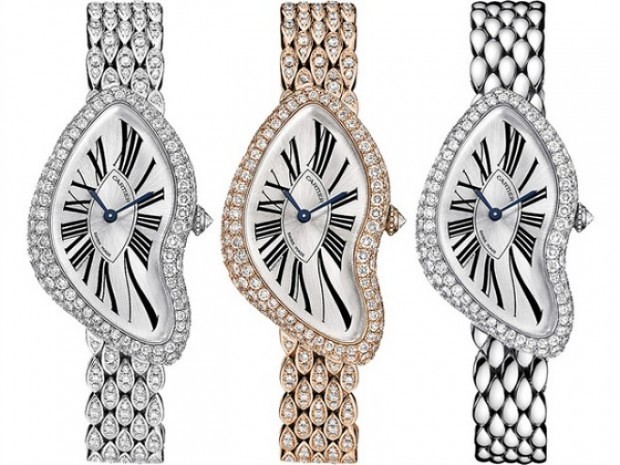
This surreal timepiece looks like it melted in a Salvador Dalí painting, and according to one widely circulated story, that’s essentially what happened—the design was inspired by a damaged Cartier watch recovered from a car crash in London during the 1960s. The creators, Jean Jacques and Rupert Emmerson, had been toying with the idea of what their popular Maxi Oval watch might look like if it were in a car crash, leading to the warped, melting design.
The distorted timepiece became a symbol of rebellion and artistic freedom. Early models from the limited production runs now command prices exceeding one million dollars at auction, making it one of the most valuable watches born from automotive disaster.
Like Go2Tutors’s content? Follow us on MSN.
The Koh-i-Noor Diamond
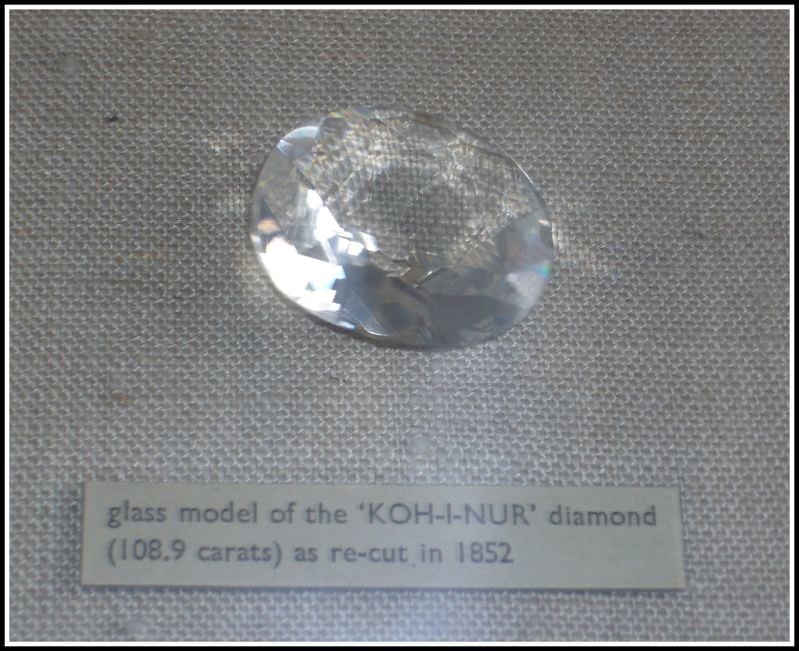
This 105.6-carat diamond came from India’s alluvial mines thousands of years ago and was revered by gods in Hindu belief, even though it seemed to carry a curse based on the luck of its owners. According to folklore, a Hindu description warns that ‘he who owns this diamond will own the world, but will also know all its misfortunes,’ adding that ‘Only God or woman can wear it with impunity.’
The gem changed hands through brutal conquests, with nearly every male ruler who possessed it meeting a violent or tragic end. A rumor about the curse may have originated with the Delhi Gazette and was repeated in The Illustrated London News, causing even Queen Victoria to express concern.
Since then, British royalty has ensured only women wear the diamond, which now sits in the Crown Jewels at the Tower of London.
Chanel No. 5

According to legend, perfumer Ernest Beaux or his assistant accidentally added an ‘overdose’ of aldehydes—chemicals that helped a scent last longer but which were used sparingly by perfumers of the time—to one of the samples prepared for Coco Chanel. A laboratory assistant, mistaking a full strength mixture for a ten percent dilution, had jolted the compound with a quantity of aldehyde never before used.
The mistake created a revolutionary scent that smelled clean and modern rather than like a single flower. Chanel chose sample number 5 because the soapy smell from the high concentration of aldehyde reminded her of her childhood helping her mother, who was a laundress, and the scent of soap and clean laundry was deeply ingrained in her memory.
That laboratory error became the world’s most famous perfume, debuting on May 5, 1921.
The Hope Diamond
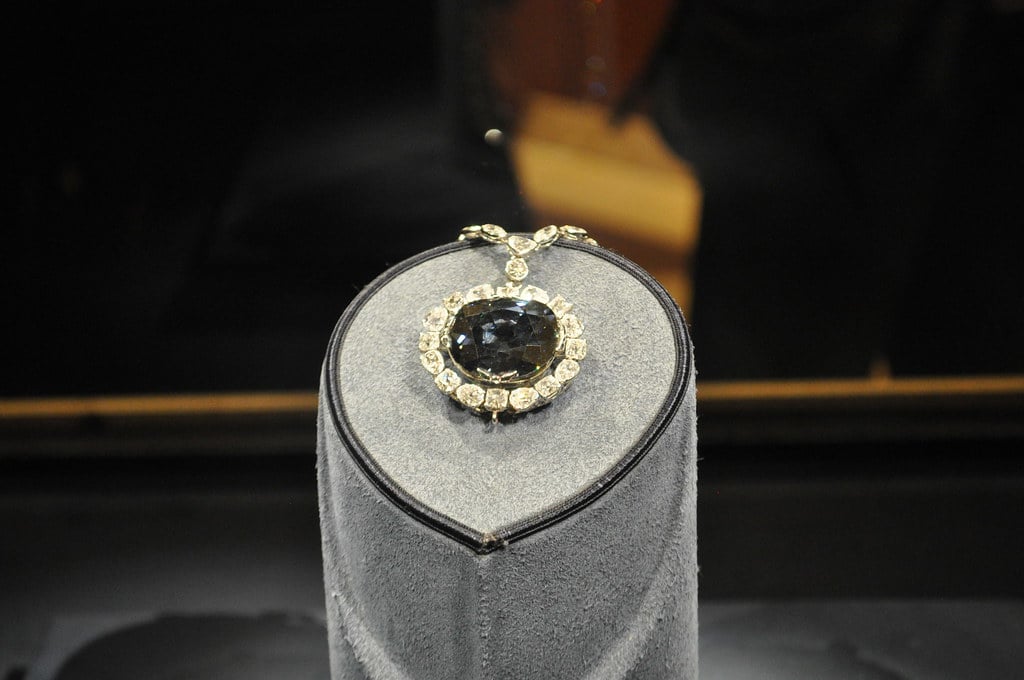
This 45.52-carat blue diamond was discovered in India in 1673 and is said to have contributed to the downfall and death of its owners, including King Louis XIV and Marie Antoinette. It wasn’t until the 1880s that legends of the stone bringing a curse to its owner began to surface, first in an Australian newspaper, then in The Washington Post in 1908.
In 1910, jeweler Pierre Cartier acquired the gem and was thought to have played up the cursed stone angle to attract notoriety and buyers, selling it to American socialite Evalyn Walsh McLean in 1911. McLean was fascinated with the stone’s eerie past, but the couple later divorced, their son died, and her family business went bankrupt.
The diamond now sits safely in the Smithsonian, where it can’t harm anyone.
Like Go2Tutors’s content? Follow us on MSN.
Louis Vuitton’s Flat-Topped Trunk
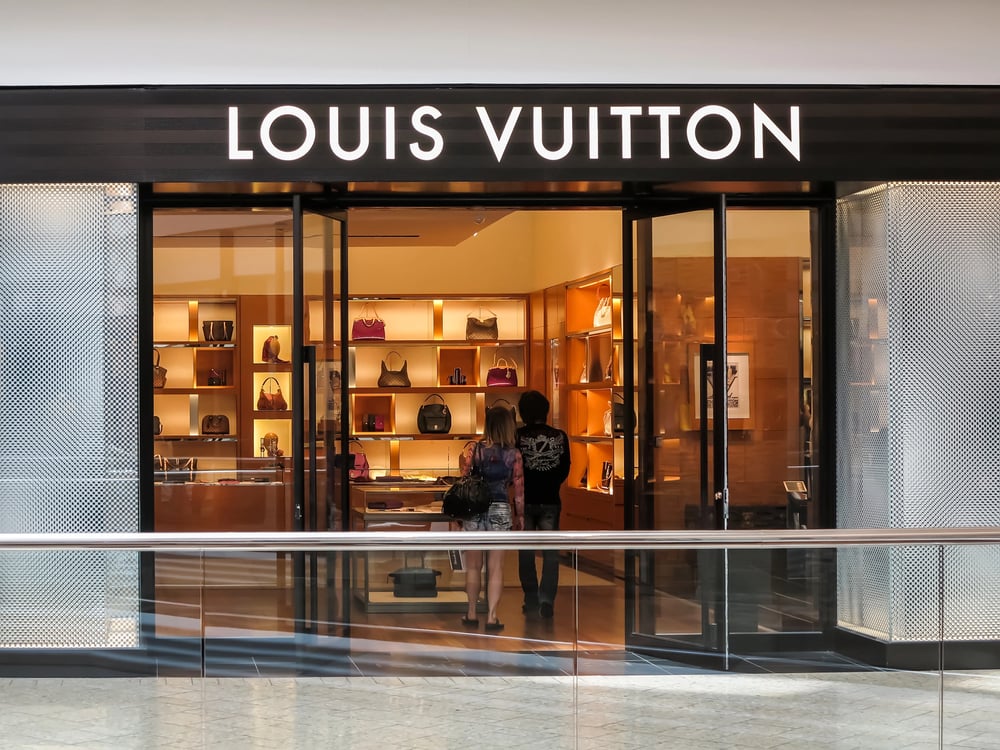
Louis Vuitton left his small town in the Jura Mountains at age 14 and walked to Paris over more than a year, doing odd jobs en route because the mail trunk was too expensive. After mastering trunk-making, he revolutionized luggage with a seemingly simple innovation that changed travel forever.
In 1858, Vuitton introduced the first trunk with a flat top and bottom, making them stackable and more easily transported, while previously trunks featured rounded tops to facilitate water runoff.
Even Harry Houdini tried and failed to escape from a box closed with a Louis Vuitton lock, putting the security system to the ultimate test. The humble flat-topped trunk became the foundation of one of the world’s most recognizable luxury brands.
The Delhi Purple Sapphire
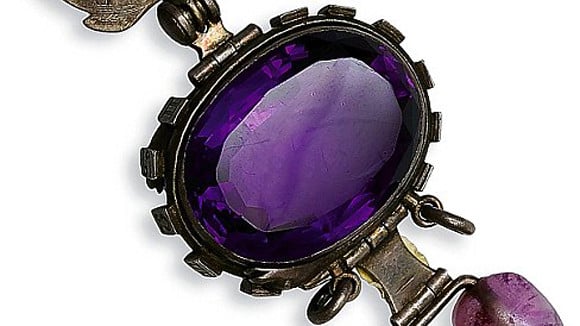
Despite its name, the Delhi Purple Sapphire is actually a striking amethyst with a turbulent past, having been stolen from a sacred temple in India. The gemstone’s journey to England was marked by a string of calamities and financial ruin among its owners, and it was eventually accompanied by a written warning about its cursed nature.
The stone brought such consistent misfortune that its owners felt compelled to document the curse in writing. Today, it sits in London’s Natural History Museum, where its reputation for causing disaster still unsettles those who learn its story.
Hermès Origins as Horse Equipment
Thierry Hermès founded the company in 1837 as a harness workshop in Paris, originally intending to serve the needs of European noblemen by providing saddles, bridles, and other leather riding gear. The company built its reputation on equestrian equipment for aristocrats and their horses.
When automobiles began replacing horses, Hermès faced potential obsolescence but pivoted brilliantly. The duc-carriage-with-horse logo and signature orange boxes that define the brand today were only introduced in the 1950s.
The transition from making saddles to creating the world’s most expensive handbags shows how even the grandest luxury empires sometimes start by accident of changing times.
Like Go2Tutors’s content? Follow us on MSN.
The Basano Vase
This beautifully crafted 15th-century Italian silver vessel is shrouded in ominous legend, with its owners suffering untimely and mysterious deaths according to historical accounts. The vase supposedly appeared at a wedding as a gift, and the bride died that very night.
It then passed through multiple owners, each meeting tragic ends, before disappearing for centuries. When it resurfaced, the pattern continued until someone finally buried it in a secret location.
The vessel’s reputation became so dark that even museums hesitated to display it, fearing the consequences.
Balenciaga’s Trash Pouch

The luxury brand sold this Trash Pouch, inspired by a garbage bag, at a hefty price of 1,790 dollars. The item looked exactly like what you’d find under your kitchen sink, complete with the crinkled texture and drawstring closure of an actual trash bag. Fashion critics and social media users had a field day mocking the absurdity of charging luxury prices for something that mimics refuse disposal.
Yet the pouches sold out quickly, proving that in the luxury market, irony can be just as valuable as tradition. The bizarre success of garbage-inspired fashion shows how luxury has evolved to embrace the unconventional.
The Women from Lemb Statue
— Photo by swilphotos
Known ominously as the Goddess of Death, this ancient artifact was uncovered in Cyprus during the 1800s, and according to legend, its owners suffered untimely and mysterious deaths. The small limestone figure changed hands multiple times, with each owner meeting an early grave shortly after acquisition.
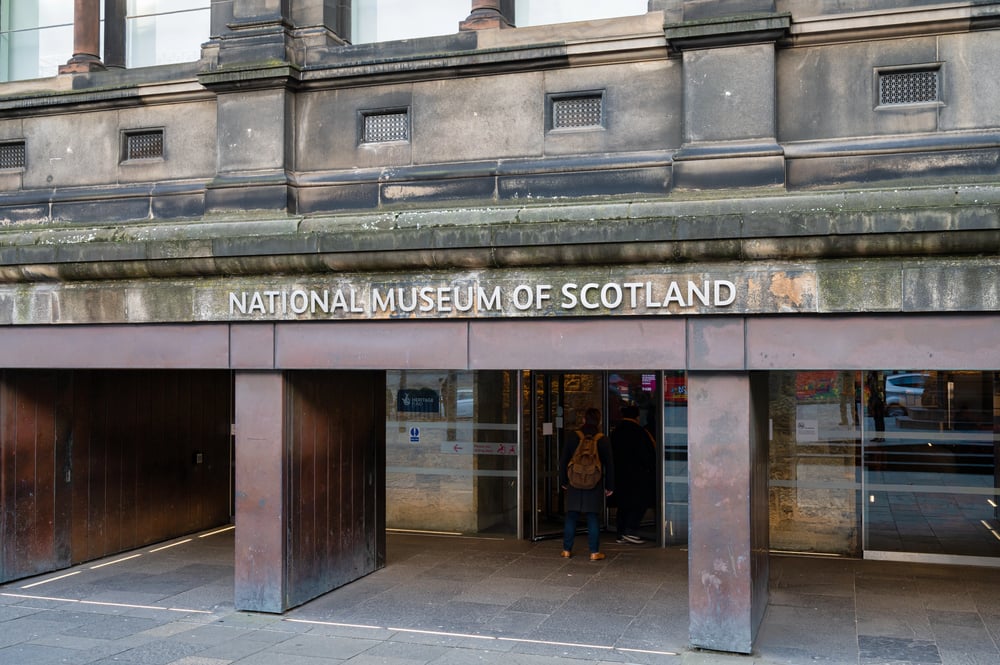
The death toll became so concerning that people began refusing to accept the statue as a gift. Today, it sits on display at the National Museum of Scotland, where its unsettling reputation continues to intrigue visitors.
Museum staff have reported no unusual incidents, suggesting the curse may have finally been broken—or perhaps it only affects private owners.
Like Go2Tutors’s content? Follow us on MSN.
Prada’s Sterling Silver Paperclip
Prada launched an unbelievable paper and money clip made using sterling silver with the classic Prada name stamped upon it, priced at 185 dollars. The paperclip broke the internet with multiple social media posts launched at the luxury brand, with several people speculating it to be inspired by Microsoft.
Despite widespread mockery, the clips sold at stores like Barneys, where luxury enthusiasts swept them off the shelves. The success of an overpriced office supply demonstrates that sometimes the backstory isn’t about how the item was created, but about the collective bewilderment it inspires.
The Marie-Antoinette Grande Complication

— Photo by j49civqv
This watch’s storied past adds to its mystique, including its theft from the L.A. Mayer Museum for Islamic Art in Jerusalem in 1983, with its whereabouts remaining unknown for decades until it was miraculously recovered in 2007. The timepiece was commissioned as a gift for Marie Antoinette but wasn’t completed until decades after her execution.
With an estimated value of 30 million dollars, the Marie-Antoinette Grande Complication is one of the most expensive and historically significant timepieces ever created. The watch spent more than 20 years missing, cementing its reputation as one of the most enigmatic and valuable watches in history.
Dolce & Gabbana’s Hand-Painted Fridges
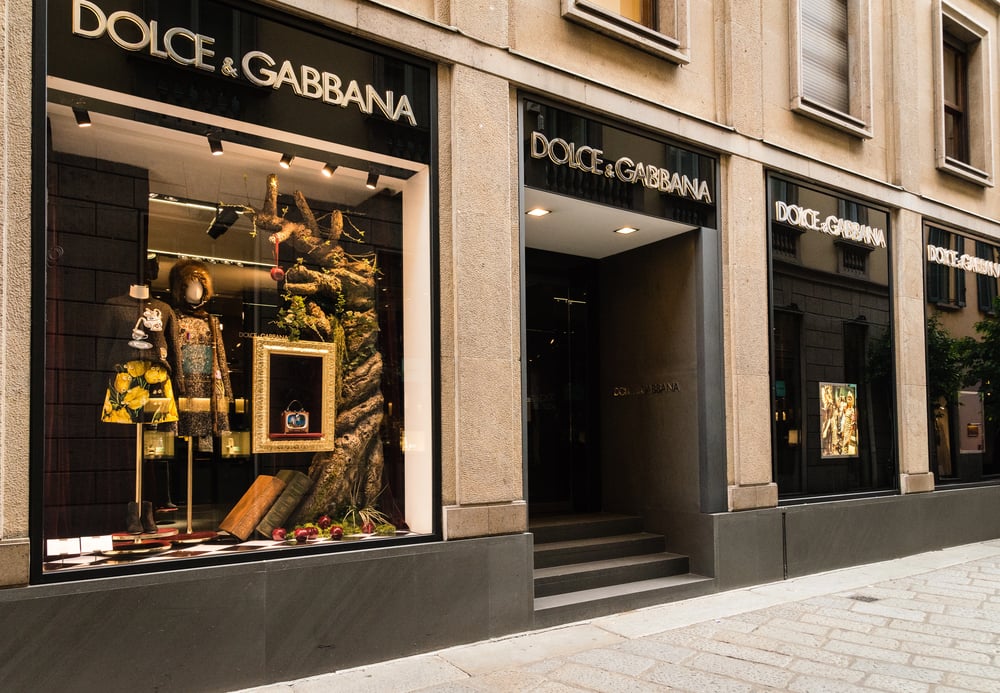
In 2016, Dolce and Gabbana collaborated with Italian appliance brand Smeg to celebrate their mutual ‘Made in Italy’ heritage by hand-painting historical art all over 100 fridges, with each including Sicilian imagery like lemons, cartwheels, and medieval knights posing in historical battles. Sicilian artists made intricately detailed art, taking inspiration from the past, with the results being 100 one-of-a-kind refrigerators, each humming a story of their own. These became an instant favorite in the market, even though they were priced at 36,000 pounds.
Turning a kitchen appliance into a canvas for Renaissance-style artwork shows how luxury can transform even the most mundane household items into coveted art pieces.
Like Go2Tutors’s content? Follow us on MSN.
Louis Vuitton’s Jenga Set
— Photo by Casimiro_PT
Louis Vuitton created a Monogram Tower Jenga set as ‘a whimsical gift to delight the entire family,’ engineered as a portable game with a leather handle for convenience and to establish a beautiful silhouette, priced at 3,050 dollars. The set features the brand’s iconic monogram pattern stamped on wooden blocks, elevating a simple stacking game into a status symbol.
Critics questioned who would risk toppling thousands of dollars’ worth of luxury game pieces during family game night. The Jenga set represents luxury’s expansion into every corner of life, proving that no item is too ordinary to be reimagined as an exclusive product.
Bottega Veneta’s Telephone Cord Necklace
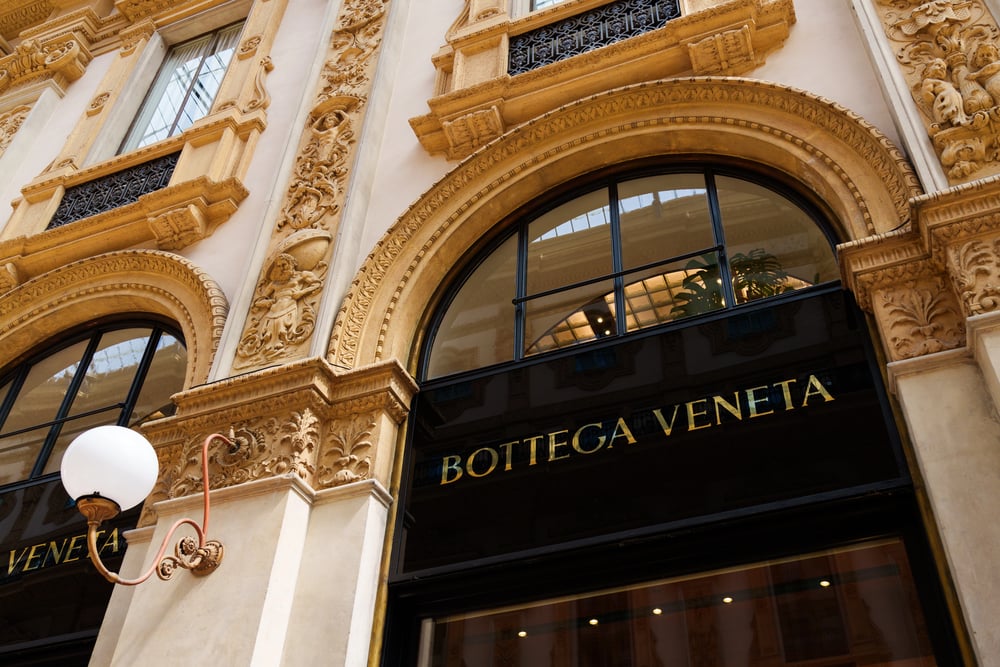
This necklace that resembles a telephone cord can cost you 2,000 dollars, and the luxury item took the internet by storm for obviously not-so-good reasons in 2021. The piece looks exactly like the coiled cord that once connected landline phones to their handsets, complete with the springy texture and bronze finish.
Fashion commentators debated whether it was brilliant commentary on nostalgia or simply proof that luxury brands had run out of ideas. Either way, the bizarre necklace sold well, demonstrating that sometimes the strangest backstories are created by designers who simply ask ‘what if?’
Balenciaga’s Lays Handbag

Spanish luxury fashion brand Balenciaga collaborated with the famous US company Lay’s for a bag collection in 2022, creating bags that were exact replicas of potato chip bags and retailed for 1,800 dollars. The bags mimicked everything from the crinkly metallic material to the logo placement, making them nearly indistinguishable from actual chip bags at first glance.
The collaboration blurred the line between high fashion and junk food packaging in ways no one anticipated. Fashion insiders debated whether it was satirical genius or a sign that luxury had lost touch with reality, but the bags sold regardless.
Like Go2Tutors’s content? Follow us on MSN.
The Graff Diamonds Hallucination Watch

Currently the most expensive watch in the world with a price tag of 55 million dollars, it’s adorned with 110 carats of various colored diamonds, making it a truly dazzling and rare piece. The creation required sourcing rare colored diamonds from around the globe and positioning each stone to create a kaleidoscope effect on the wearer’s wrist.
The name ‘Hallucination’ fits perfectly, as looking at the watch creates an almost psychedelic visual experience from the sheer density of colored gems. What makes this backstory bizarre isn’t how it was made, but rather that someone actually created a wrist-worn item worth more than most people’s houses.
The Sancy Diamond
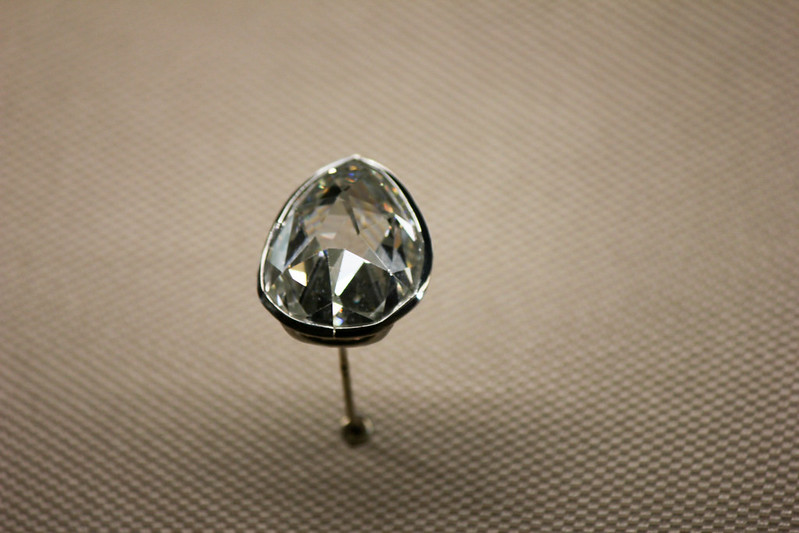
This lovely 55.2-carat yellow diamond has a particularly grotesque chapter in its history—it was once swallowed by a servant and retrieved from his corpse. The servant had been transporting the diamond when he was attacked by thieves.
Rather than let them steal it, he swallowed the gem to protect his master’s property. He died in the attack, and when his body was recovered, the diamond was found inside him.
The loyal servant’s sacrifice has become part of the diamond’s legend, though it raises uncomfortable questions about the value placed on objects versus human life in centuries past.
Where Luxury Meets Legend

These extraordinary backstories remind us that luxury items carry more than just price tags—they bear the weight of history, accident, and human creativity. From cursed gemstones that toppled empires to handbags born from spilled luggage, the most coveted items often have the most unexpected origins. The next time you admire a luxury product, remember that behind its polished exterior might be a tale of laboratory mistakes, airplane conversations, or even cosmic curses that turned ordinary objects into extraordinary legends.
Like Go2Tutors’s content? Follow us on MSN.
More from Go2Tutors!

- 16 Historical Figures Who Were Nothing Like You Think
- 12 Things Sold in the 80s That Are Now Illegal
- 15 VHS Tapes That Could Be Worth Thousands
- 17 Historical “What Ifs” That Would Have Changed Everything
- 18 TV Shows That Vanished Without a Finale
Like Go2Tutors’s content? Follow us on MSN.


