Valuable Items Found On Sunken Ships
Shipwrecks aren’t just graveyards of wood and metal resting on the ocean floor. They’re time capsules holding treasures that span centuries, from Spanish galleons loaded with gold to passenger ships carrying personal belongings that tell human stories.
The ocean has claimed thousands of vessels throughout history, and with them, a staggering array of valuable items that continue to fascinate treasure hunters, archaeologists, and dreamers alike.
Gold Coins
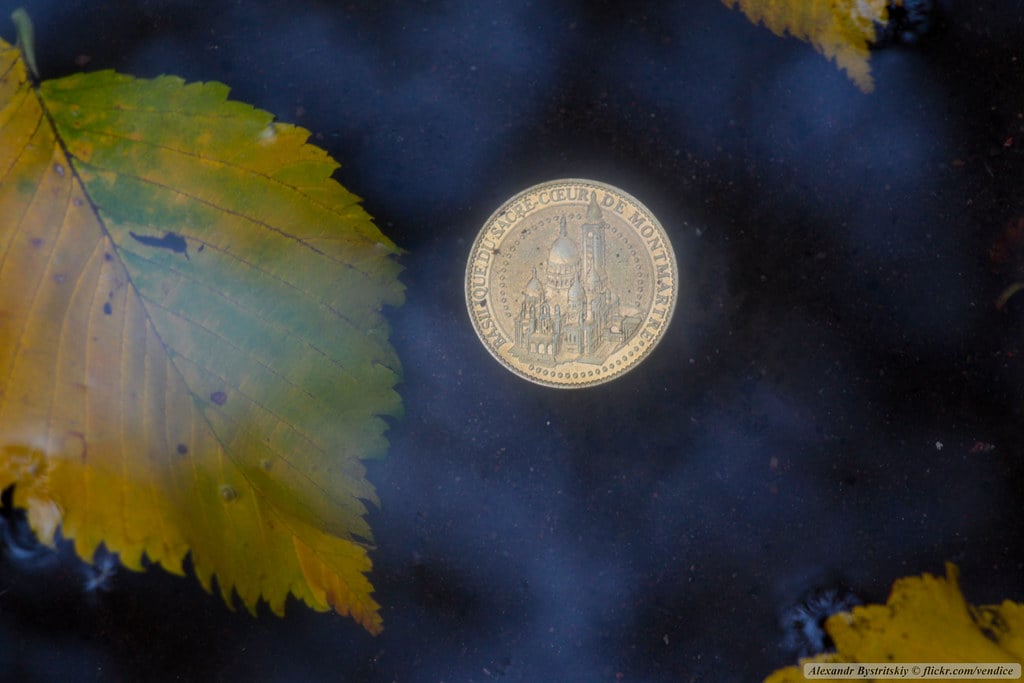
Spanish pieces of eight don’t just exist in pirate movies. Real treasure fleets carried millions of these silver and gold coins across dangerous waters, and many never made it home.
The ocean floor holds more precious metal than most people realize.
Jewelry and Precious Stones
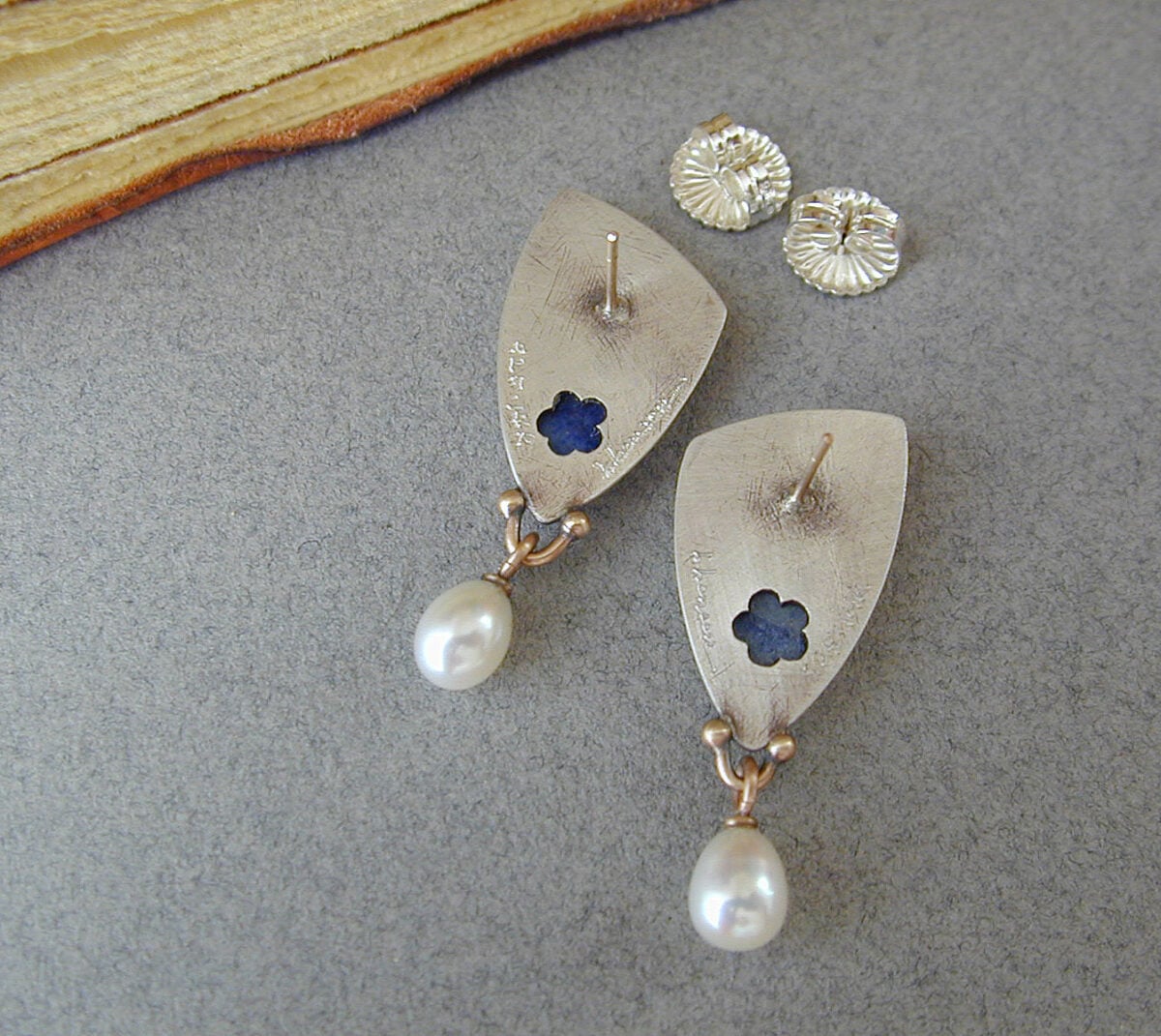
When the Titanic went down, it took with it jewelry collections worth millions in today’s money. Passengers didn’t have time to think about what to save, so diamond necklaces, emerald brooches, and pearl earrings went down with the ship.
The wealthy traveled with their finest pieces, and those pieces are still down there, preserved in the cold Atlantic depths.
Ancient Artifacts
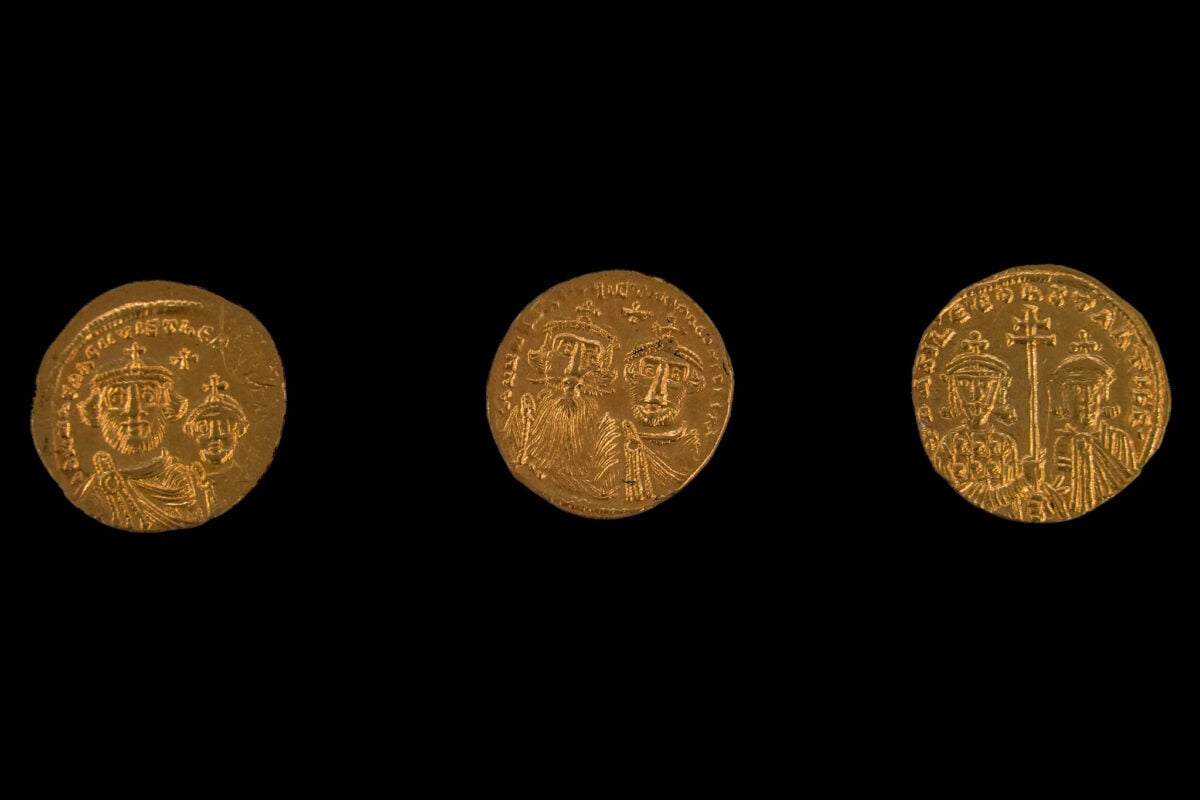
Shipwrecks are museums that nobody planned to build. Roman amphorae (those tall ceramic jars that held wine and oil) sit exactly where they fell 2,000 years ago, and Byzantine coins still shine like new under the sediment.
So much history rests on the seafloor that archaeologists have barely scratched the surface — which is both thrilling and overwhelming, because every wreck tells a story that textbooks missed, and there are thousands of wrecks we haven’t even found yet. The Mediterranean alone holds layers of civilizations.
Porcelain and Ceramics
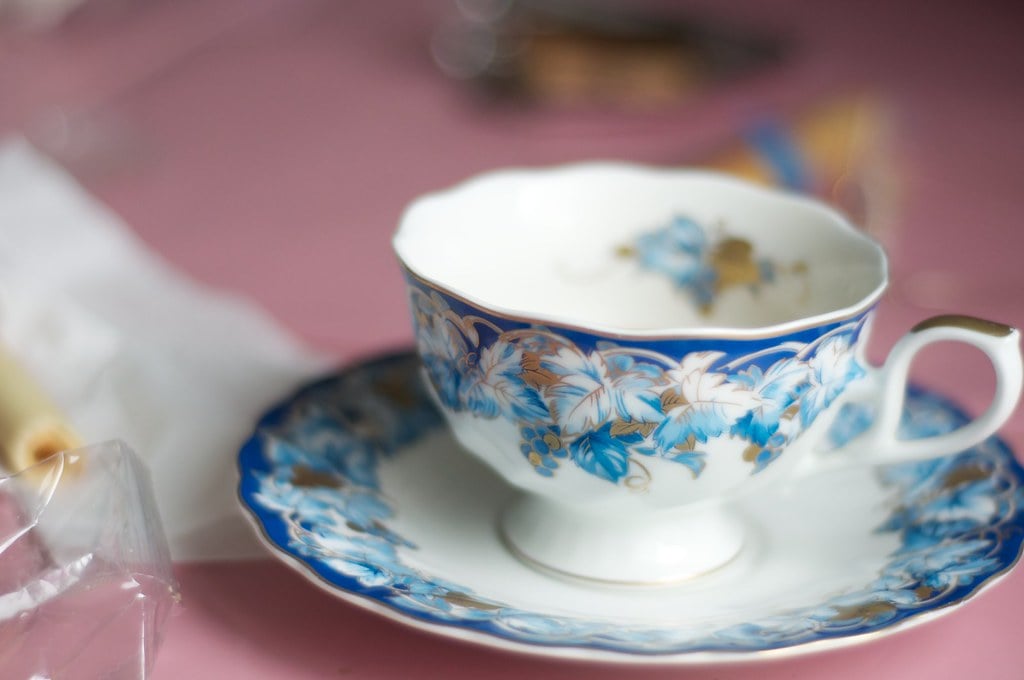
Chinese porcelain was the iPhone of the ancient world. Everyone wanted it, few could afford it, and when it broke, you couldn’t just order another one.
Trade routes carried these delicate treasures across oceans, and storms didn’t care how valuable the cargo was. The irony is striking: porcelain survives underwater better than most materials.
While wood rots and metal corrodes, those delicate tea cups and ornate vases remain intact centuries later. They’re patient objects, these pieces of fine china, waiting in the dark like guests who never got to attend the dinner party they were meant for.
Silver Ingots and Bullion
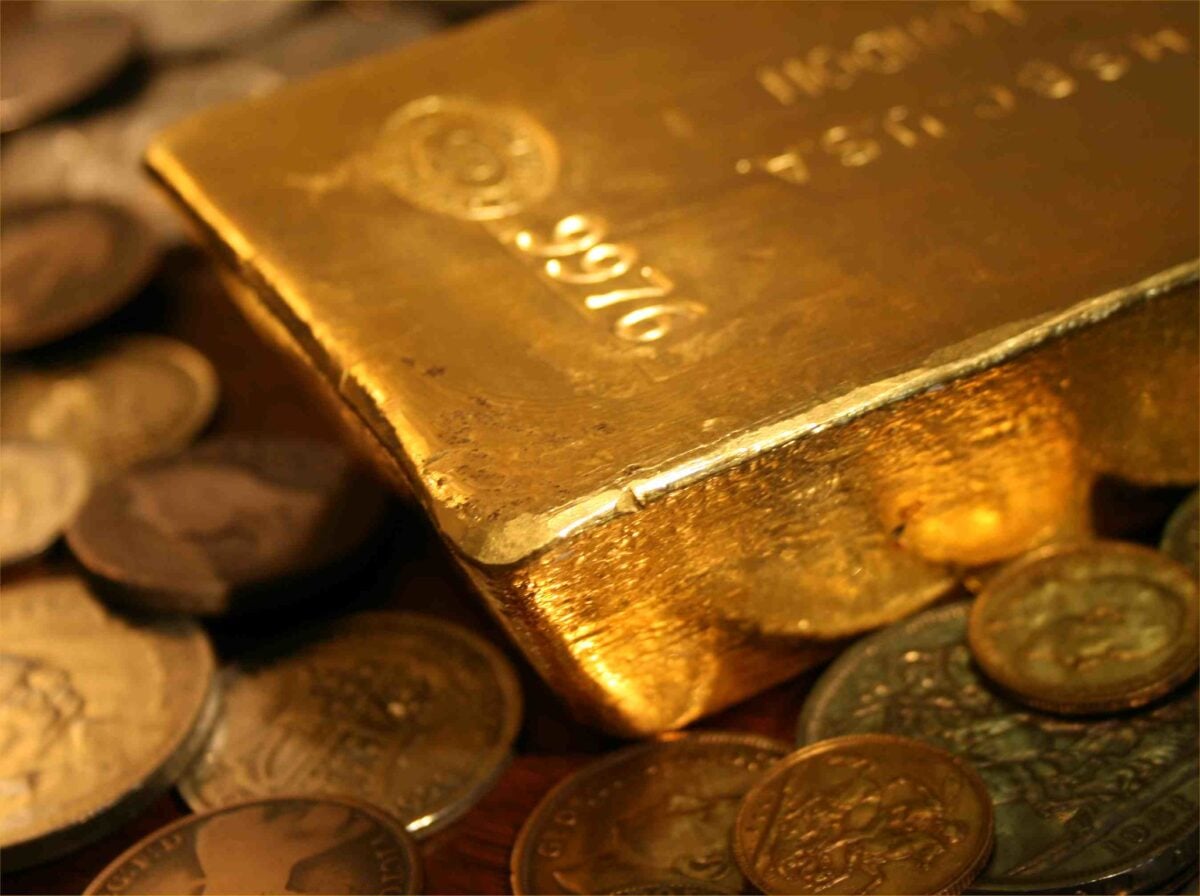
Silver doesn’t lie about its value. When ships carried bars of pure silver, everybody knew exactly what was at stake.
Pirates knew it, captains knew it, and storms didn’t discriminate. The Spanish moved silver like a conveyor belt from the New World back to Europe.
Tons of it. Most made the journey safely, but enough didn’t to keep treasure hunters busy for generations.
To be fair, when your entire economic system depends on moving precious metals across unpredictable oceans, some losses are inevitable.
Historical Documents and Maps
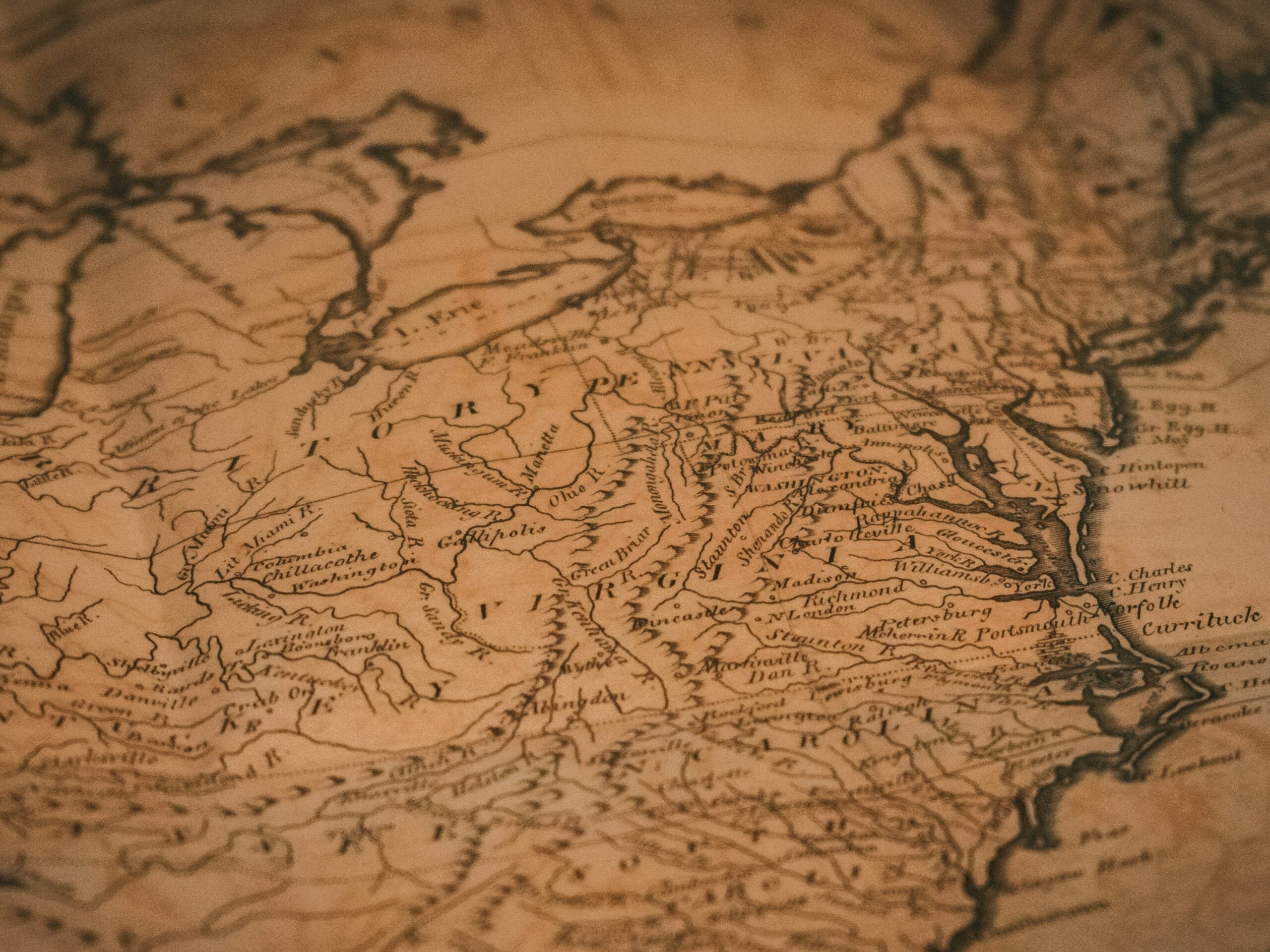
Waterlogged paper doesn’t sound valuable, but the right document can rewrite history. Ship manifests reveal trade routes nobody knew existed.
Personal letters show what life was actually like for ordinary people centuries ago. And charts — well, charts show where other treasure ships might be.
Weapons and Armor
Bronze Age swords emerge from shipwrecks looking like they were forged yesterday (the ocean is kinder to bronze than time is to iron, which is something most people don’t expect until they see it firsthand). Medieval knights traveled by ship too, carrying their life’s work in metal — suits of armor that cost more than houses, and swords that bore family names going back generations.
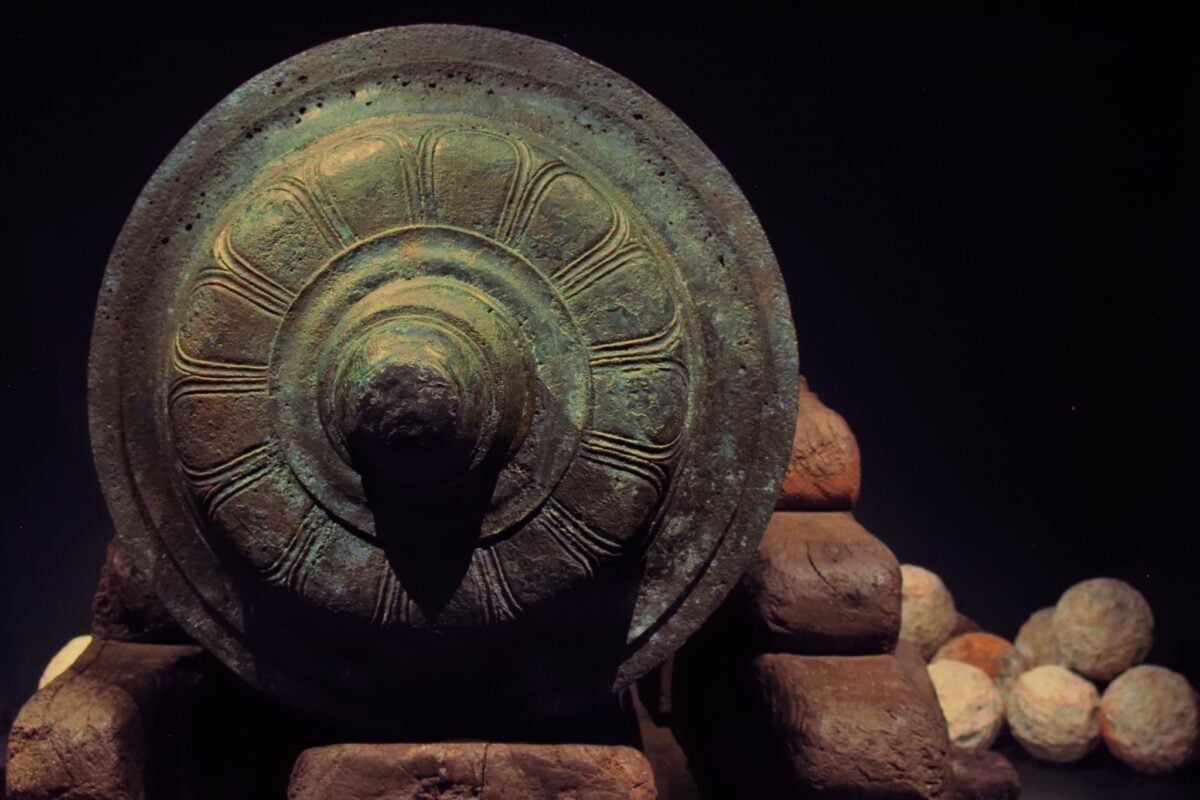
And then there are the cannons: massive bronze and iron weapons that ships carried for protection, though protection didn’t always work out as planned, obviously.
Religious Artifacts
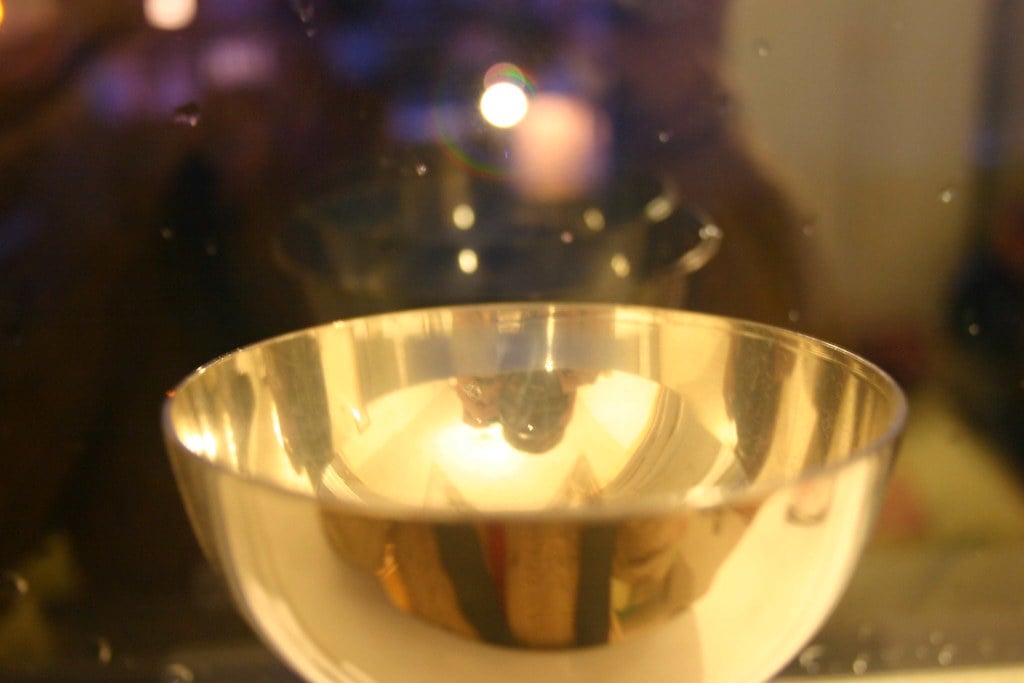
Sacred objects went wherever people went. Crosses made of gold, silver chalices, carved ivory saints — these weren’t just valuable, they were irreplaceable.
Monks and missionaries carried their most precious religious items across dangerous waters, believing faith would protect them. When faith wasn’t enough, the artifacts ended up on the ocean floor.
Some are worth fortunes today, but their real value lies in what they reveal about the spiritual lives of people who lived centuries ago.
Navigational Instruments
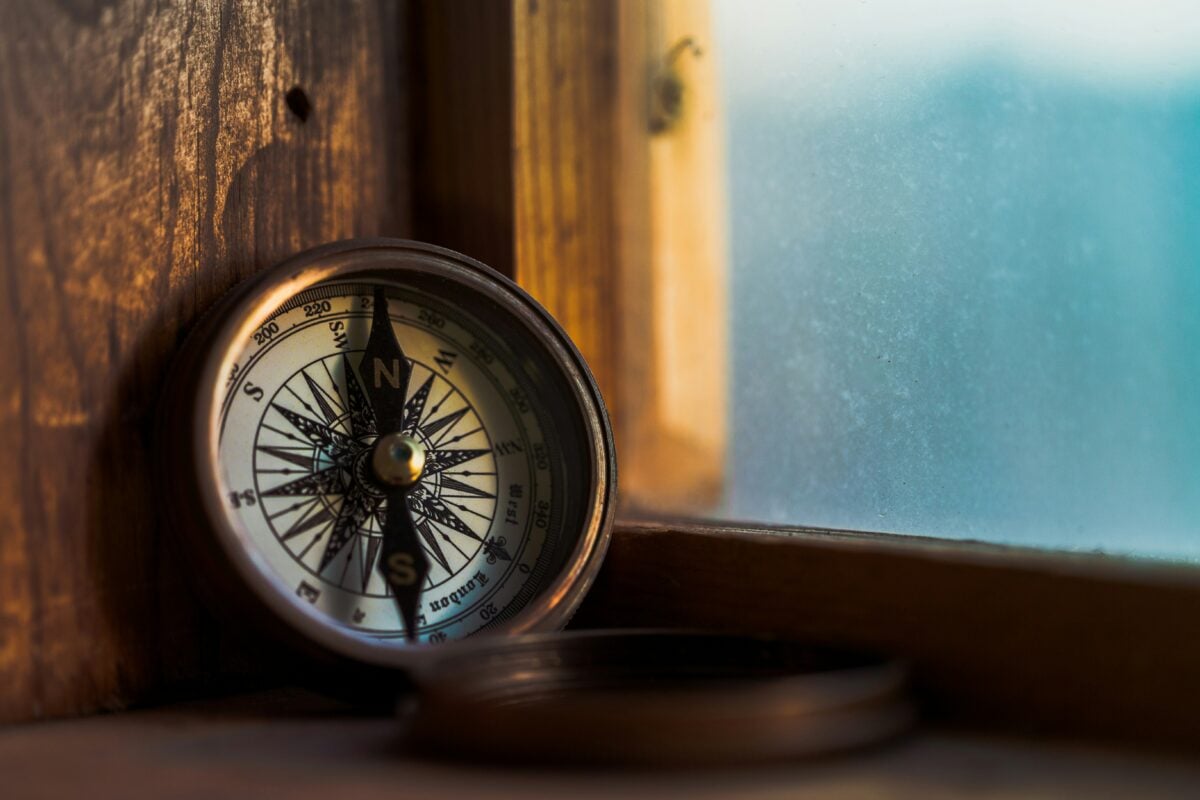
Astrolabes, sextants, and compasses were the GPS of their time. These brass and bronze instruments guided ships across vast oceans using nothing but stars and mathematics.
When a ship went down, it often took the captain’s most prized navigational tools with it. These instruments represent something more than metal and craftsmanship.
They capture human ambition — the stubborn belief that you could point a ship toward the horizon and find exactly what you were looking for. Most of the time, it worked.
Luxury Goods and Textiles
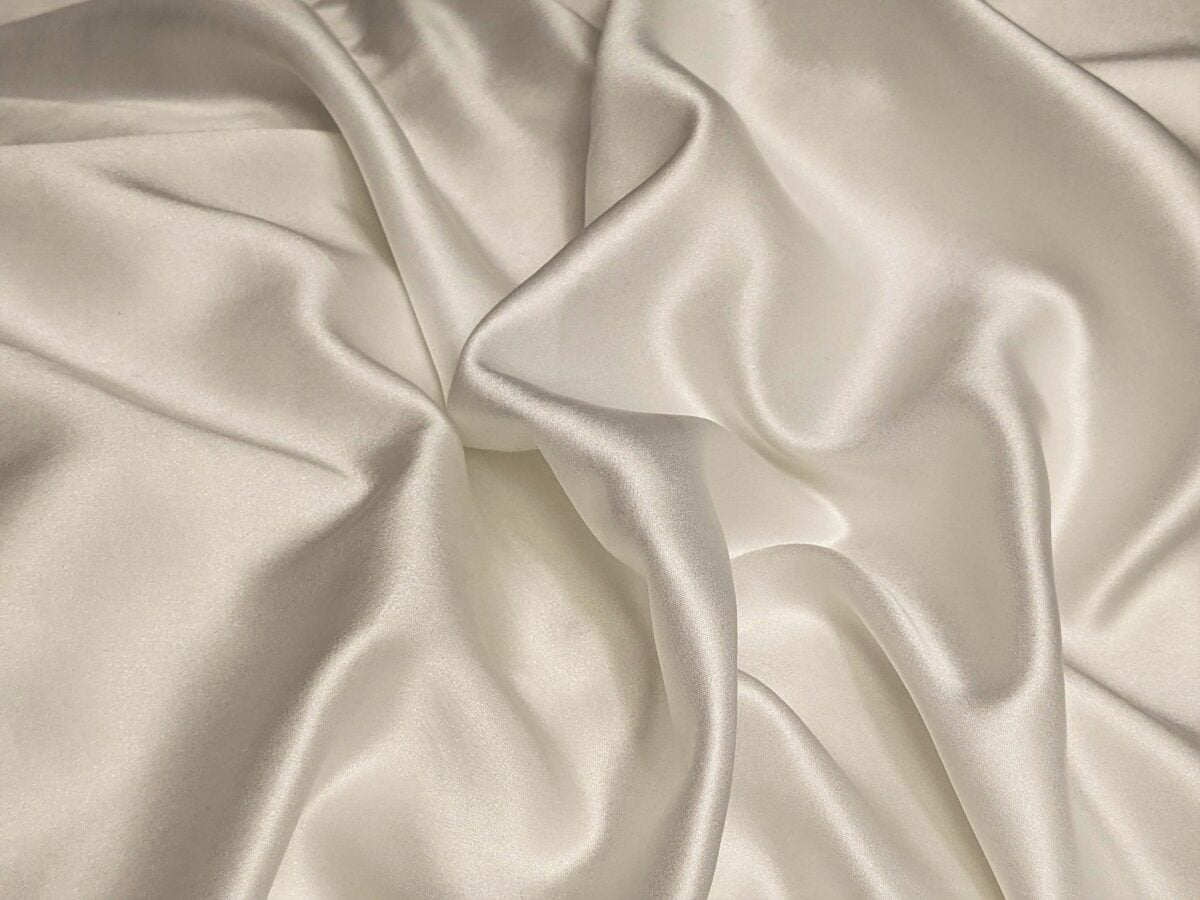
Silk doesn’t survive underwater, but the gold thread woven through it does. Luxury fabrics from Asia commanded prices that justified dangerous ocean crossings, and wealthy merchants filled ships with the finest textiles money could buy.
What remains tells partial stories. Gold buttons scattered across the seafloor hint at elaborate garments that dissolved decades ago.
Silver clasps that once held together expensive cloaks now rest alone in the sand. These fragments feel haunting — they’re evidence of beauty that couldn’t withstand time, but also proof that people have always been willing to risk everything for the things that make life more beautiful.
Scientific Instruments
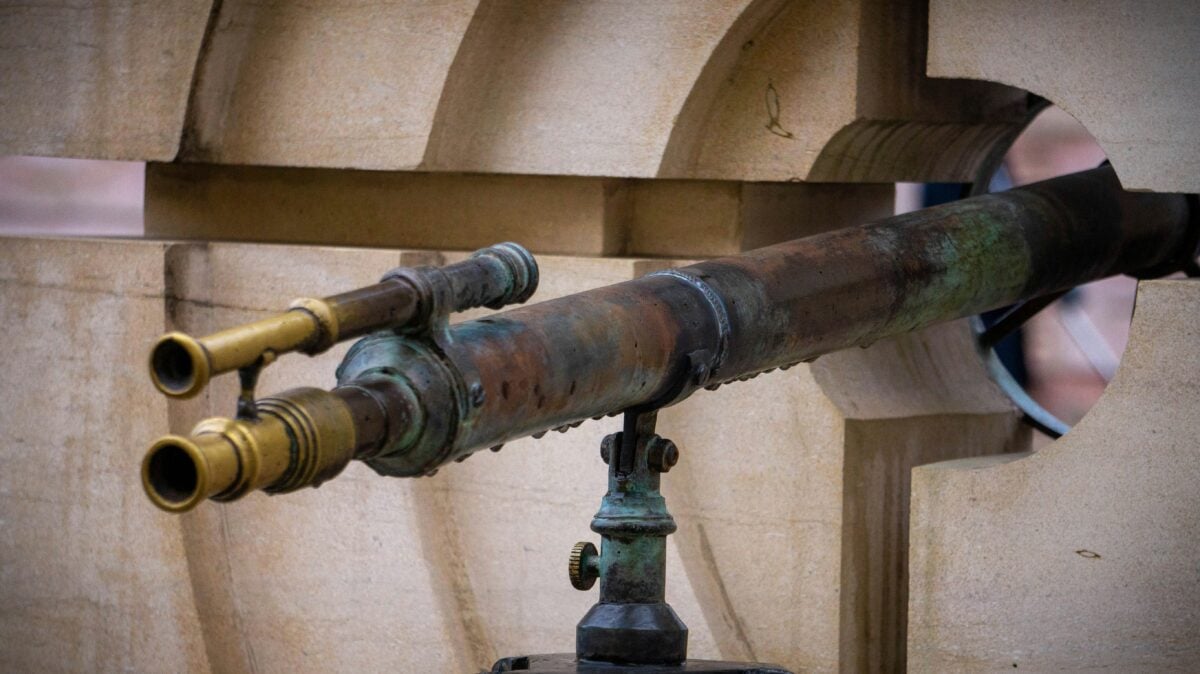
Ships carried telescopes, microscopes, and measuring devices that represent the cutting edge of their era. A 17th-century microscope might look primitive today, but it was revolutionary technology when it went down with its ship.
These instruments show how knowledge traveled — often precariously — from one part of the world to another.
Personal Belongings
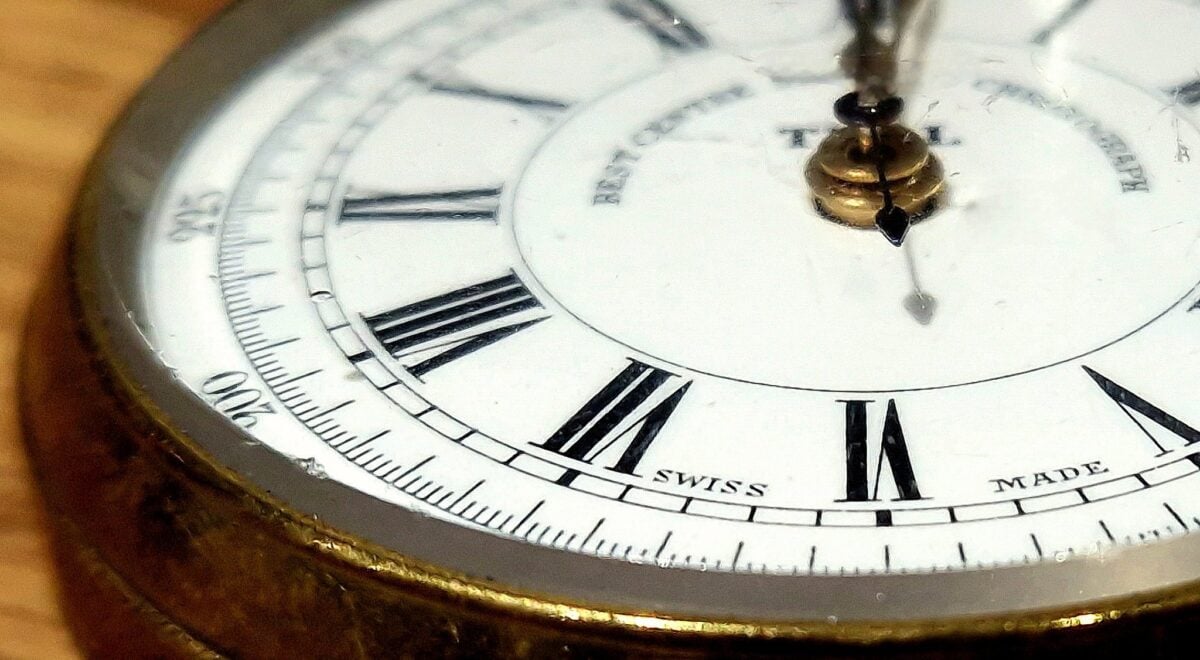
A pocket watch stopped at 2:47. A woman’s hairpin made of silver. A child’s toy carved from wood.
These items aren’t worth much money, but they’re priceless in other ways. They make the past feel immediate and real in ways that history books never can.
Every passenger ship that sank took with it hundreds of personal stories. Wedding rings, family photographs in waterproof cases, letters never sent — these objects turn shipwrecks into intimate human experiences rather than just historical events.
Wine and Spirits
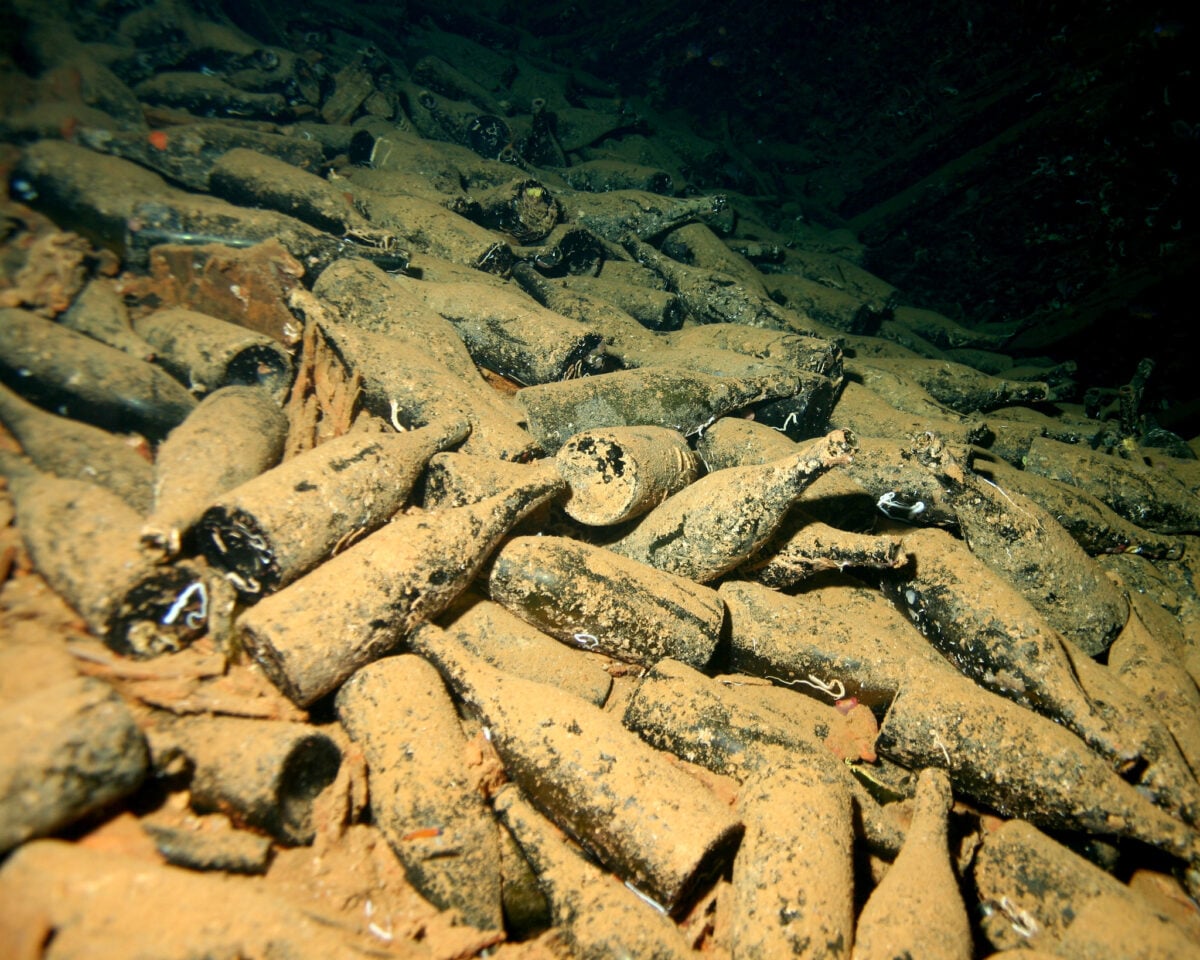
Champagne ages well underwater. Really well.
Bottles recovered from 19th-century wrecks still contain drinkable wine, and some of it tastes better than when it was first bottled. The ocean provides perfect storage conditions: constant temperature, no light, no vibration.
Whiskey, rum, and brandy have also survived underwater for decades. These bottles represent more than alcohol — they’re liquid time capsules that connect us directly to the past.
When someone drinks wine from a sunken ship, they’re literally tasting history.
Treasure Found in Legends
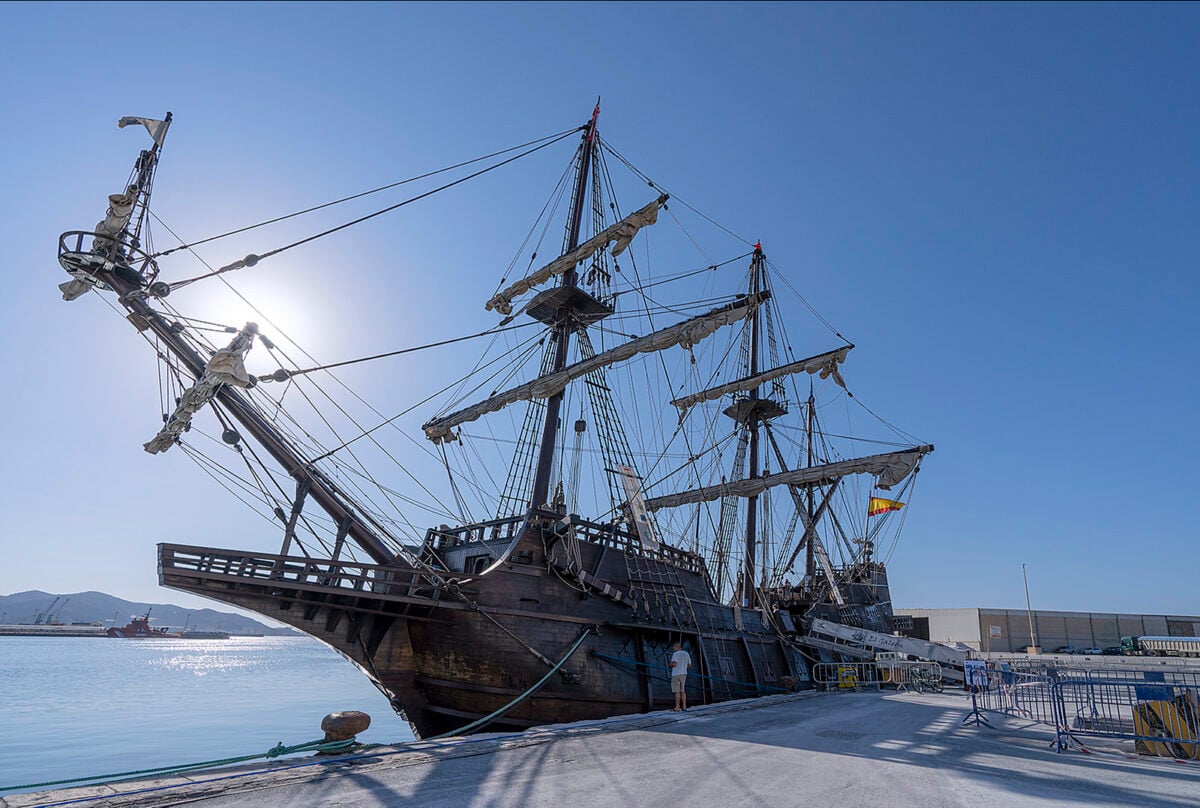
The ocean holds more than documented history. It holds myths that turned out to be real.
Spanish treasure fleets that were thought to be legends until divers found them. Pirate ships that supposedly never existed until sonar revealed their hulls on the seafloor.
The line between legend and reality gets blurry when you’re dealing with shipwrecks that nobody alive has ever seen.
The Weight of Water and Time
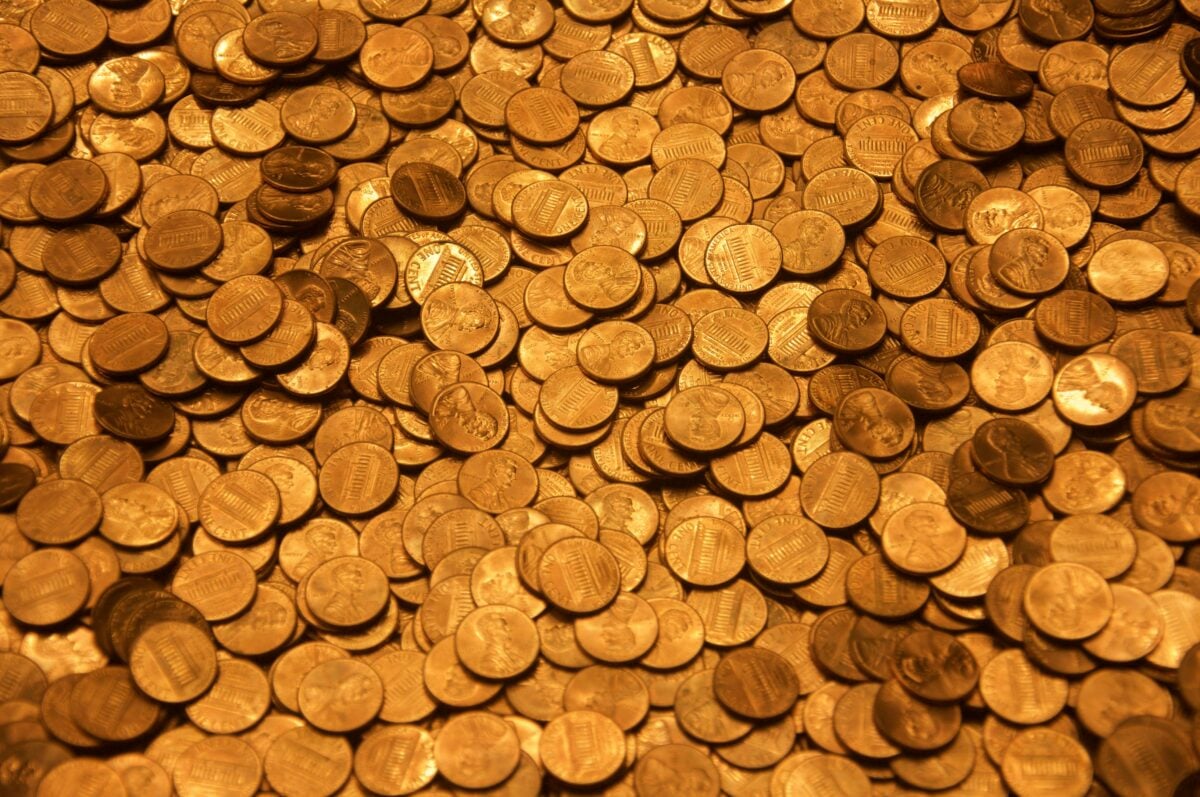
Shipwrecks don’t just preserve objects — they preserve moments. A dinner plate still sitting on a table two miles underwater.
Coins scattered exactly where a treasure chest broke open. These scenes feel frozen, as if the ship sank yesterday instead of centuries ago.
The ocean doesn’t just hold valuable items; it holds the exact instant when normal life became maritime disaster. That preservation is perhaps the most valuable thing of all.
More from Go2Tutors!

- The Romanov Crown Jewels and Their Tragic Fate
- 13 Historical Mysteries That Science Still Can’t Solve
- Famous Hoaxes That Fooled the World for Years
- 15 Child Stars with Tragic Adult Lives
- 16 Famous Jewelry Pieces in History
Like Go2Tutors’s content? Follow us on MSN.



