Albums That Influenced Generations of Artists
Music doesn’t just capture a moment—it often creates new ones. A single record can ignite entire movements, reshaping the way artists write, perform, and even imagine sound itself.
Here’s a list of albums that didn’t simply make waves at release but kept rippling forward, inspiring countless others along the way.
Sgt. Pepper’s Lonely Hearts Club Band
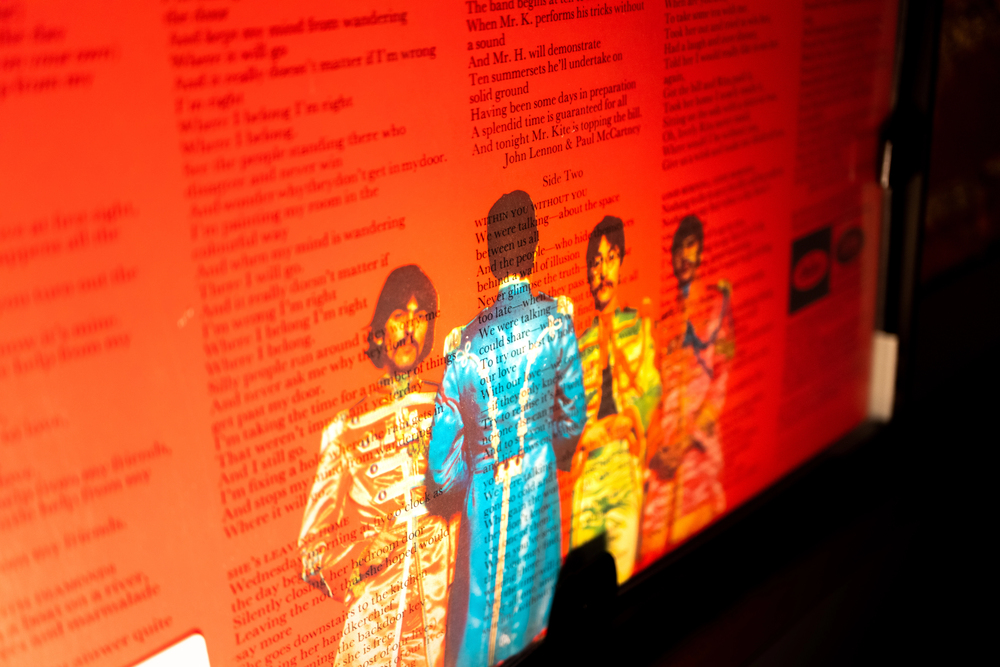
— Photo by DavidArsham
The Beatles weren’t the first to try a concept album—yet Sgt. Pepper made it a cultural milestone. Its seamless transitions, inventive studio tricks, and kaleidoscopic mix of genres turned the LP into a work of art in its own right.
Psychedelia, art rock, even progressive pop all drew strength from its roots.
Nevermind
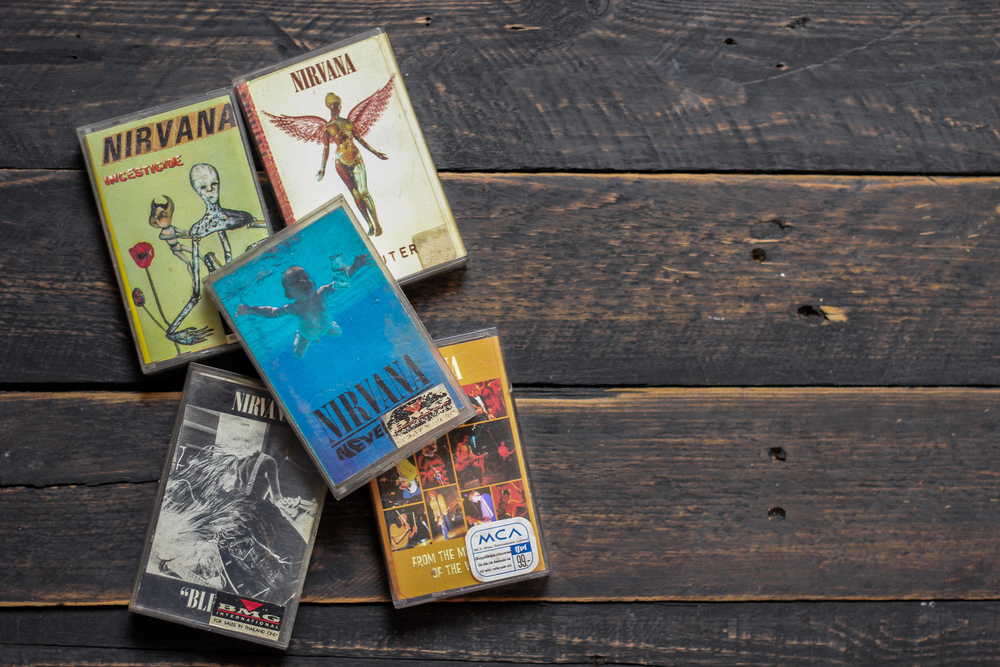
When Nirvana released Nevermind in 1991, alternative rock was pulled—hard—into the mainstream. Quiet-loud dynamics, snarling guitar riffs, and lyrics dripping with raw honesty gave a disenchanted generation its voice.
It wasn’t only music; it was a reset button for culture itself. Suddenly, flannel and garage-band grit pushed polished pop to the sidelines.
Like Go2Tutors’s content? Follow us on MSN.
The Velvet Underground & Nico
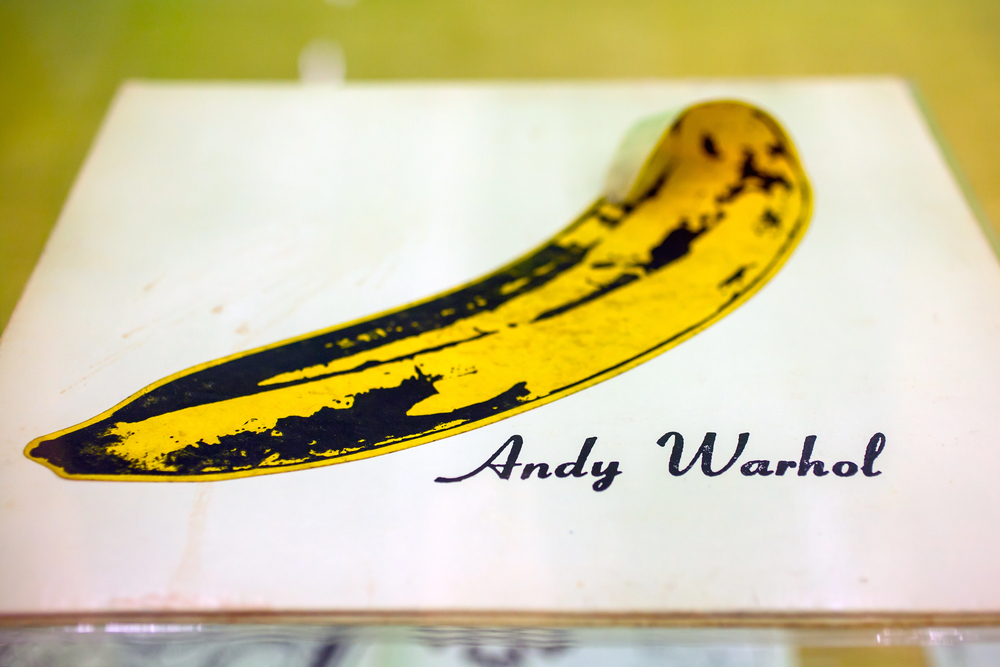
— Photo by bepsimage
Sales were dismal at first. Even so, Lou Reed, John Cale, and the rest cracked open possibilities with stark minimalism, jagged lyrics, and taboo-breaking themes.
Punk, indie, and experimental pop would later bloom from this ground. And that banana cover by Andy Warhol? Equal parts artwork and provocation.
Thriller
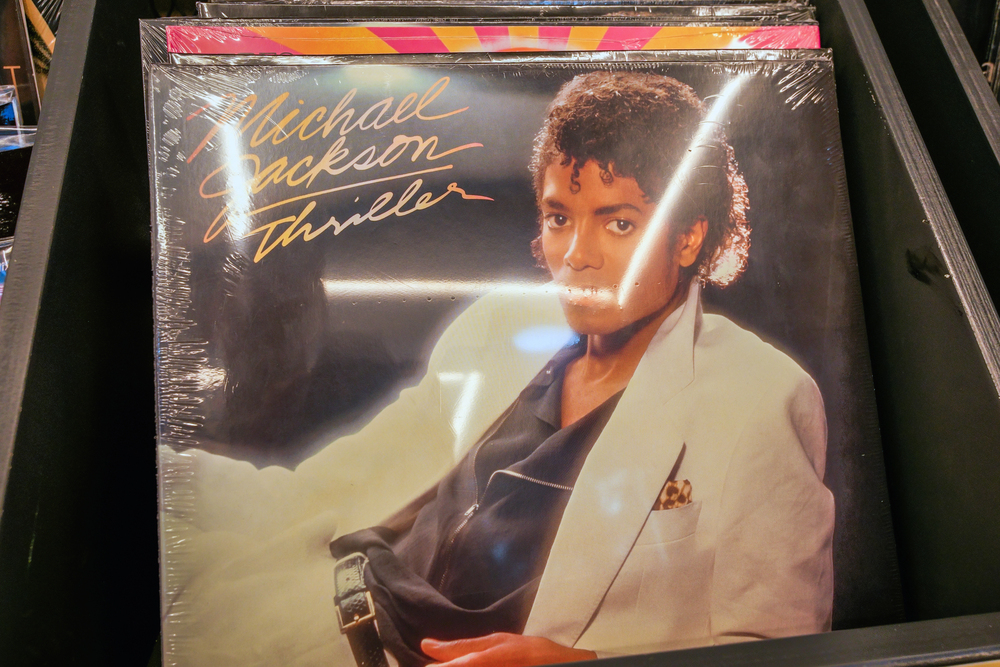
Michael Jackson’s Thriller didn’t just break records—it rewrote the rulebook. Fusing pop, funk, rock, and R&B, it created something universal. Music videos became more than promos; they became short films, complete with choreography etched into memory.
Still, at its heart were grooves and basslines powerful enough to echo for decades.
The Dark Side of the Moon
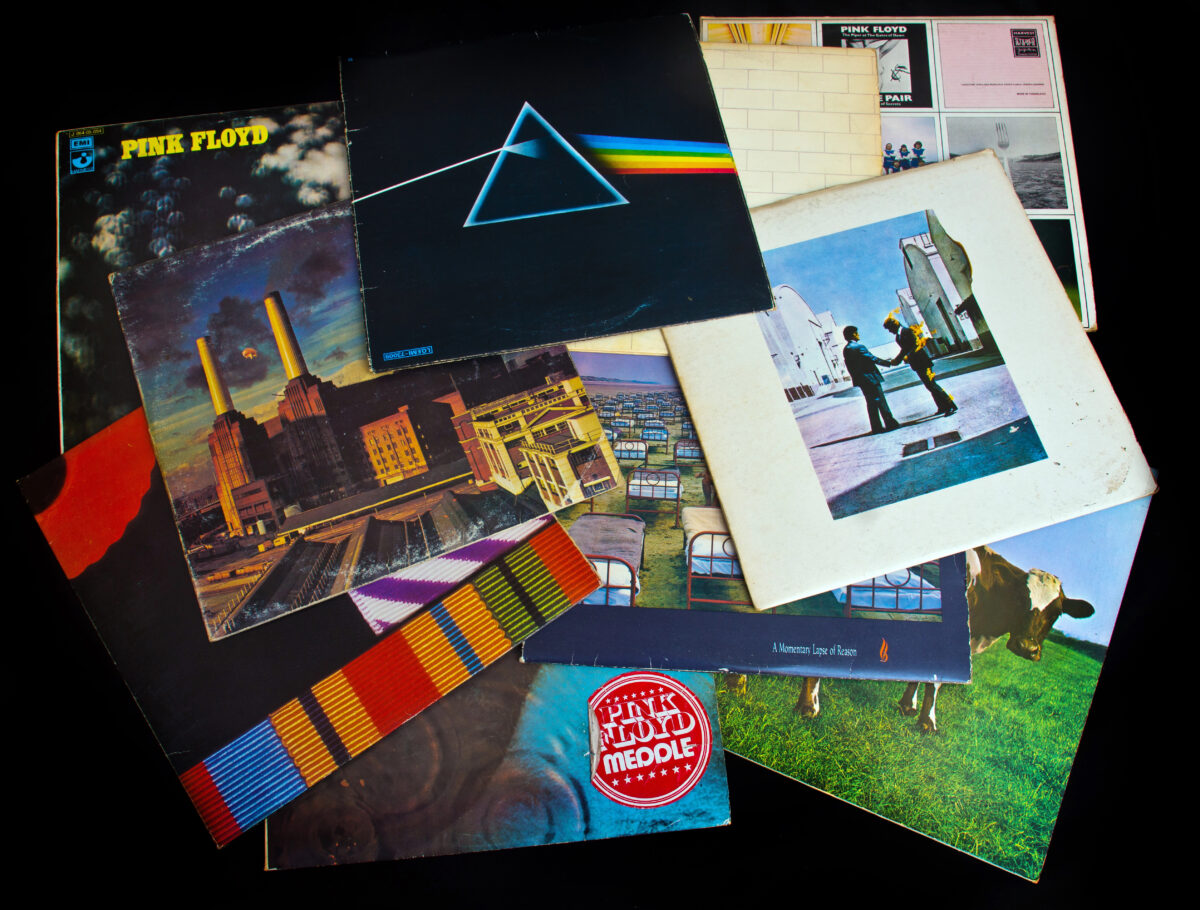
— Photo by bertys30
Pink Floyd’s 1973 masterpiece still seeps through dorm walls and headphones everywhere. Its atmospheric layers, tape loops, and seamless track order made it feel cinematic—immersive in a way few albums achieve.
Yet beneath the grandeur, it was achingly human, meditating on greed, time, and mental strain. A concept album that never really aged.
Like Go2Tutors’s content? Follow us on MSN.
London Calling
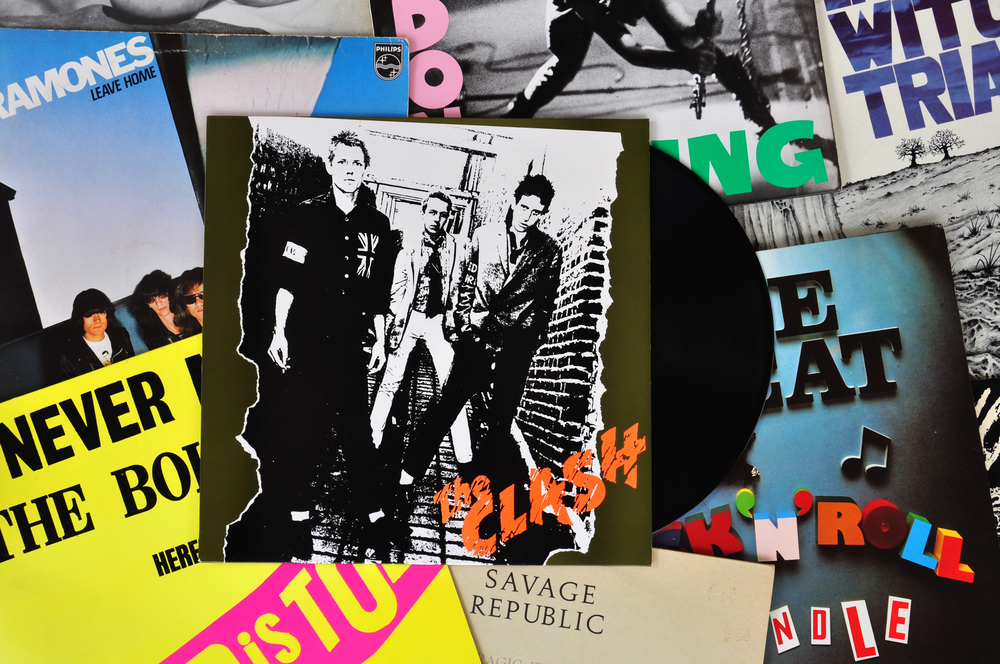
The Clash reshaped punk with London Calling. They folded in reggae, ska, even rockabilly, creating protest music that felt playful and fierce all at once.
Still, punk’s spirit remained—angry, restless, urgent. And the cover image of a smashed guitar? Pure visual rebellion, no caption needed.
Blue
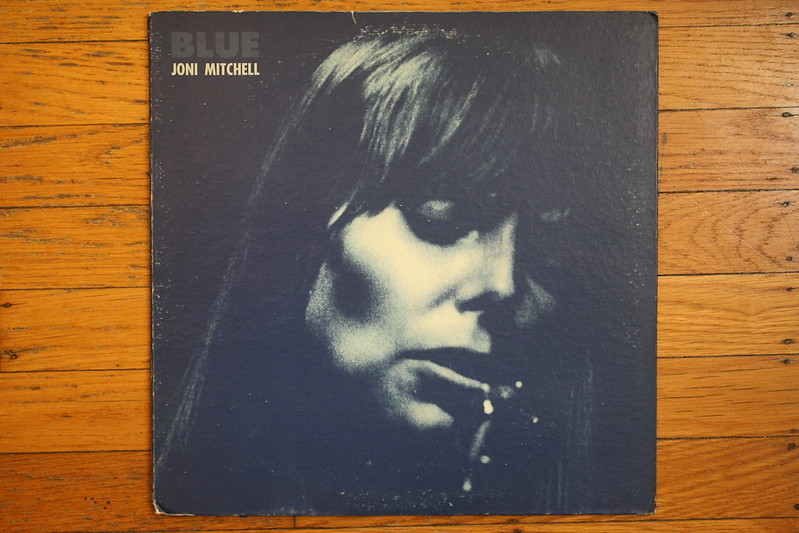
Joni Mitchell’s Blue arrived in 1971 with startling openness. Sparse instrumentation.
Songs soaked in vulnerability. Her voice rose and cracked with an honesty that was hard to ignore.
It’s a quiet record, yet it changed everything—proving confession could carry as much power as protest.
The Chronic
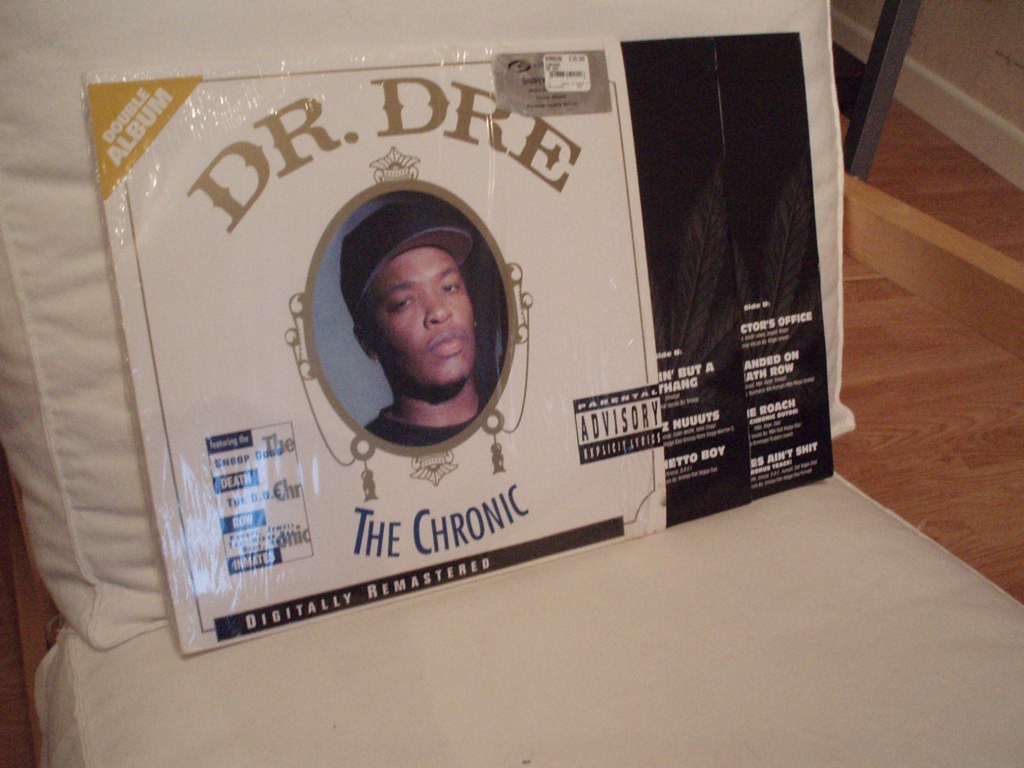
Dr. Dre’s The Chronic didn’t only popularise G-funk—it laid the foundation for West Coast hip-hop as we know it. Heavy beats, smooth synth lines, and crisp production rolled straight from cars to clubs.
And it introduced the world to new names that would define the genre: Snoop Dogg, Nate Dogg, Warren G. Small introductions—massive impact.
Like Go2Tutors’s content? Follow us on MSN.
Rumours
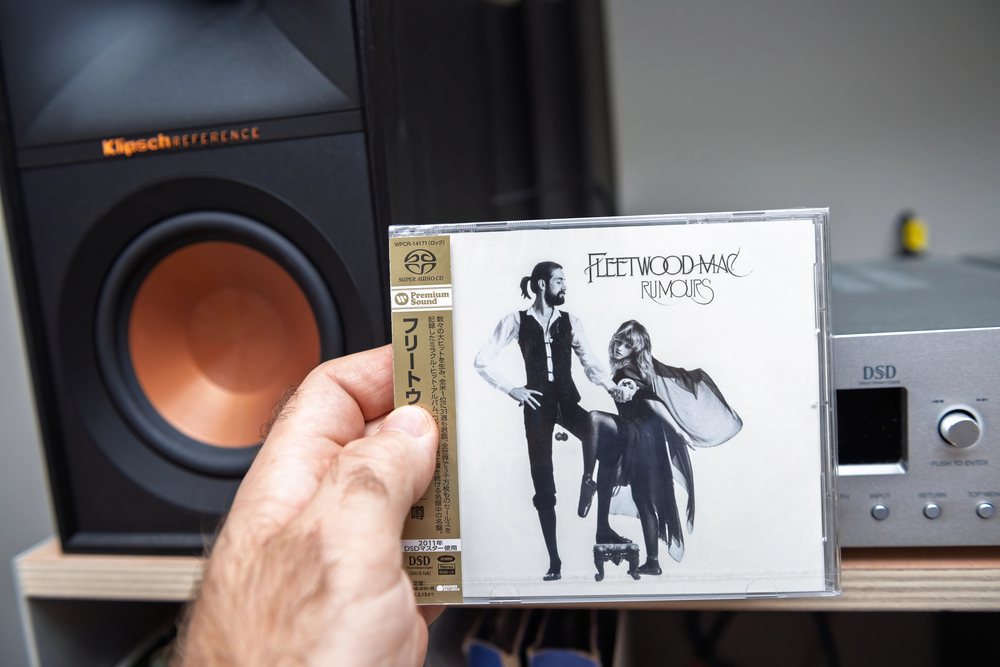
Fleetwood Mac spun heartbreak, betrayals, and tangled romances into one of the world’s best-selling albums. Layered harmonies shimmered, the production was spotless, yet what lingered most was the honesty.
Personal chaos woven into soaring melodies. Proof that out of conflict, brilliance can grow.
Kind of Blue
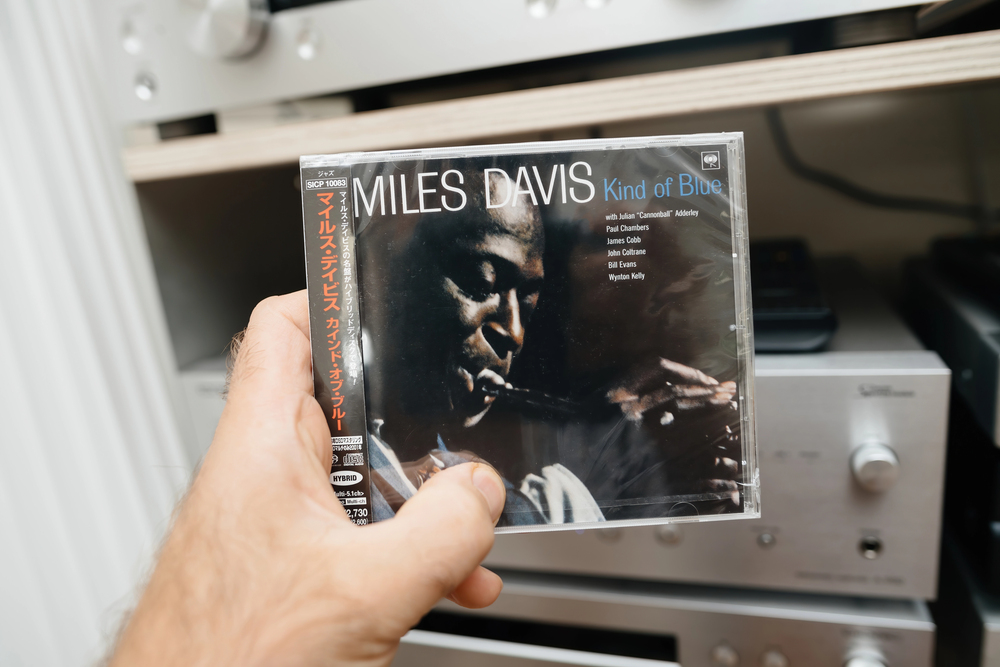
Miles Davis didn’t flaunt his genius—he let it drift. Kind of Blue introduced modal jazz with a freedom that felt both experimental and serene.
Rock musicians studied it. Classical composers admired it.
Jazz players worshipped it. Decades later, it remains a guidebook on how to balance improvisation with restraint.
Small Sparks, Lasting Flames
Some albums dominate charts. Others quietly plant seeds that sprout decades on.
These did both, shaping not just the sound of their era but the very language of music itself. Generations return, listen, borrow—and the cycle never really ends.
More from Go2Tutors!

- 16 Historical Figures Who Were Nothing Like You Think
- 12 Things Sold in the 80s That Are Now Illegal
- 15 VHS Tapes That Could Be Worth Thousands
- 17 Historical “What Ifs” That Would Have Changed Everything
- 18 TV Shows That Vanished Without a Finale
Like Go2Tutors’s content? Follow us on MSN.