Different Coming of Age Traditions Worldwide
Ever wondered how different cultures mark that pivotal moment when childhood ends and adulthood begins? You know, that invisible line we all cross but rarely think about until we’re looking back?Growing up is universal, but how we celebrate it is beautifully diverse. Some cultures throw parties.
Others test courage. A few involve jumping off towers with vines tied to your ankles (yes, really).What’s fascinating is how these traditions reveal what each society values most – whether it’s courage, community, spiritual connection, or family bonds.
They’re like cultural fingerprints, each one unique yet serving the same essential purpose: helping young people find their place in the adult world.Here are 11 incredible coming of age traditions that show just how creatively humans celebrate growing up.
Bar and Bat Mitzvah – Judaism
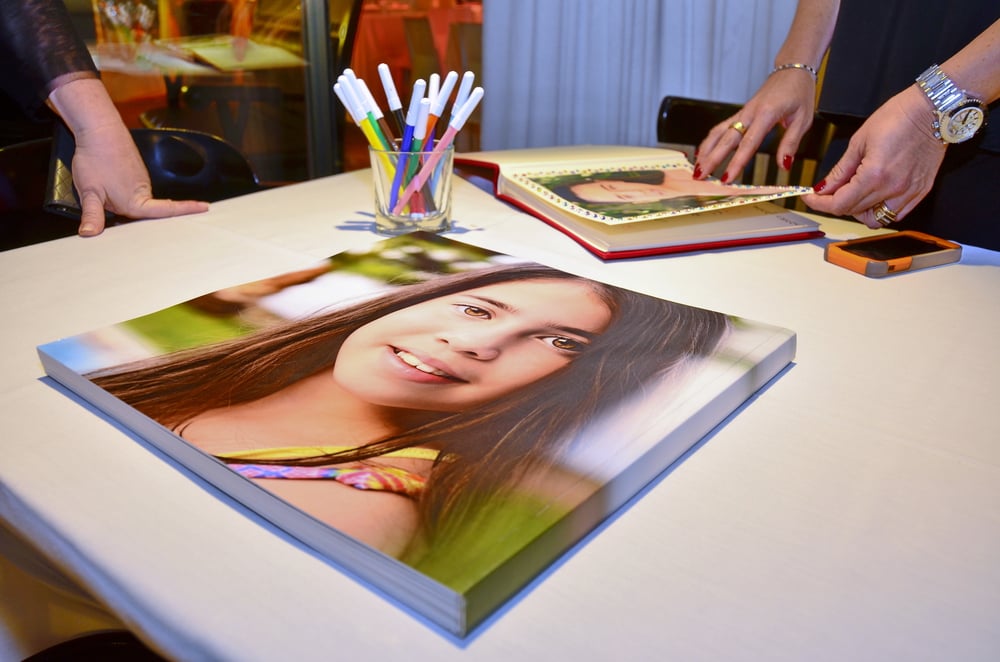
Picture yourself at 13, standing before your entire community, reading ancient Hebrew texts you’ve spent months memorizing. That’s the heart of the Jewish Bar Mitzvah (for boys) and Bat Mitzvah (for girls).
Around the world, young Jewish boys and girls celebrate their Bar and Bat Mitzvahs at age 13 and 12 in order to demonstrate their commitment to their faith and recognize that they are now responsible for following Jewish law. The ceremony itself is just the beginning – afterward comes the celebration where families often go all out with receptions that rival weddings.
It’s not just about the party though; it’s about taking responsibility for your own spiritual journey.
Quinceañera – Latin America
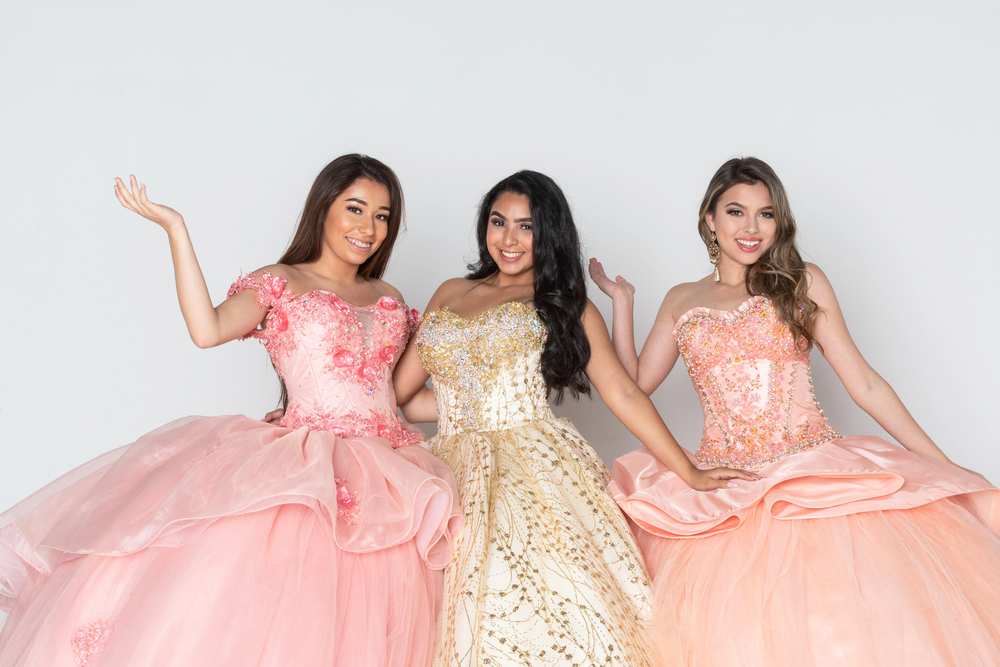
Imagine being treated like a princess for an entire day, complete with a gown, tiara, and court of 14 friends. In many parts of Central and South America, young girls celebrate their Quinceañera when they turn 15 years old.
The coming of age tradition typically begins with a Catholic mass where the girl renews her baptismal vows and solidifies her commitment to her family and faith. One beautiful tradition involves giving away a porcelain doll to a younger sister, symbolically leaving childhood behind.
The transition from flat shoes to high heels during the ceremony? That’s the moment everyone knows you’re stepping into womanhood.
Like Go2Tutors’s content? Follow us on MSN.
Seijin-no-Hi – Japan
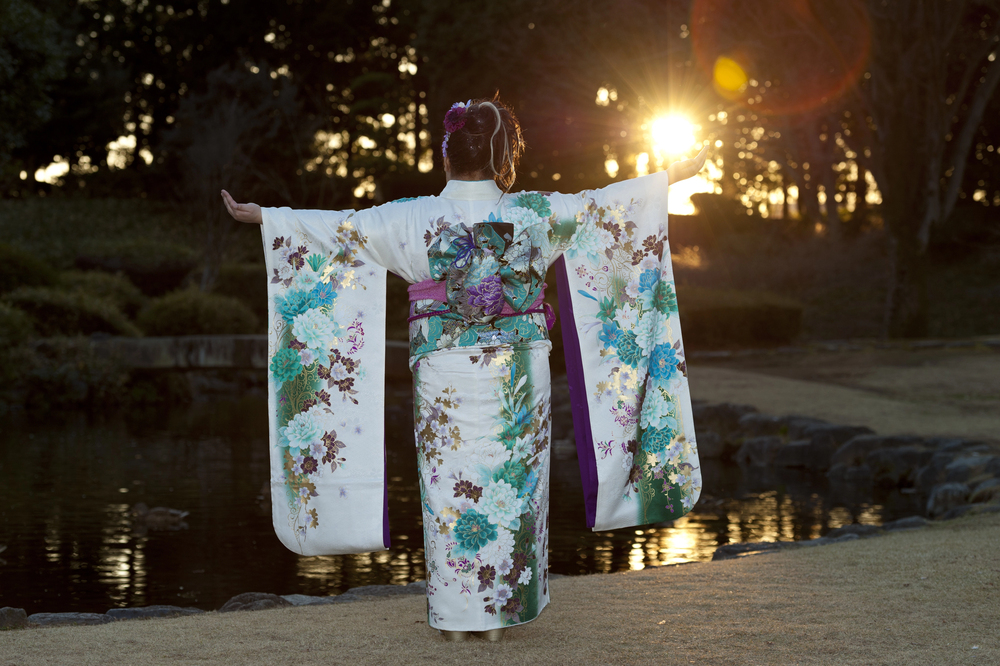
Every January, Japan transforms as young people dress in their finest traditional attire for one of the most elegant coming of age celebrations in the world. Japan celebrates the ‘Seijin no Hi’ holiday every January.
This national holiday called Adults’ Day, traditionally marks the 20th birthday, though legal adulthood is now recognized at 18. Young women don gorgeous furisode kimonos often passed down through generations, while men wear formal suits or traditional hakama.
The entire country basically throws a party for its new adults – now that’s what I call community support.
Bullet Ant Initiation – Sateré-Mawé, Brazil

Ready for something that’ll make you grateful for your own teenage years? In the Brazilian Amazon, young boys belonging to the indigenous Sateré-Mawé tribe mark their coming of age when they turn 13 in a Bullet and Ant Initiation.They weave sedated bullet ants (whose sting is 30 times more painful than a bee’s) into gloves with stingers pointing inward, then wake up the ants and wear the gloves for 10 minutes while dancing.
The kicker? They have to do this 20 times over several months. The temporary paralysis and hallucinations that follow are considered part of becoming a man.
Vision Quest – Native American
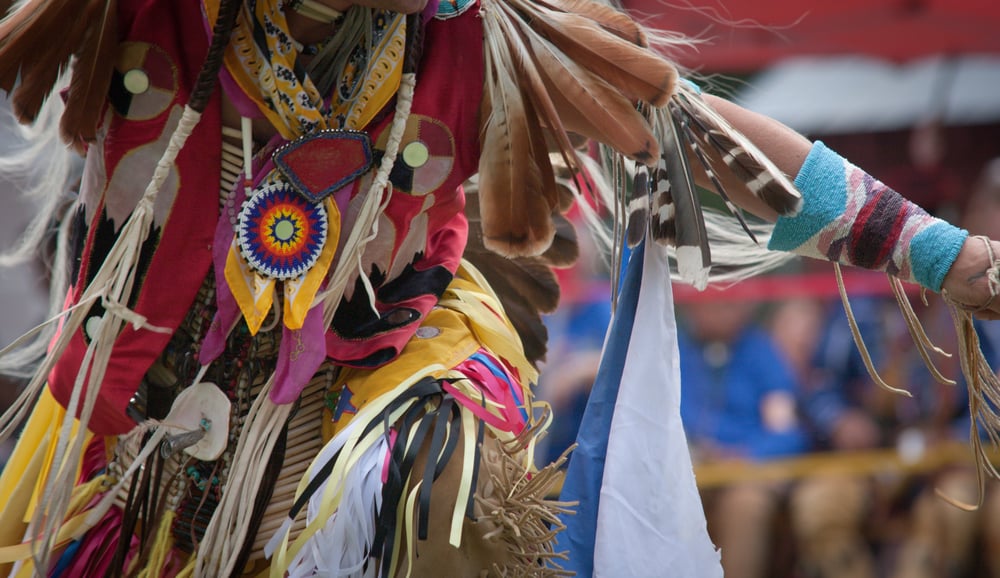
Imagine spending several days alone in the wilderness, fasting and seeking spiritual guidance from your ancestors. One of the most recognized coming-of-age rituals among many Native American tribes is the Vision Quest.
This ceremonial practice involves a young individual, often between the ages of 12 and 18, embarking on a solitary journey into nature for several days. It’s not about surviving Bear Grylls-style – it’s about finding your spiritual path and understanding your role in the community.
The visions received during this time are believed to guide major life decisions.
Like Go2Tutors’s content? Follow us on MSN.
Amish Rumspringa
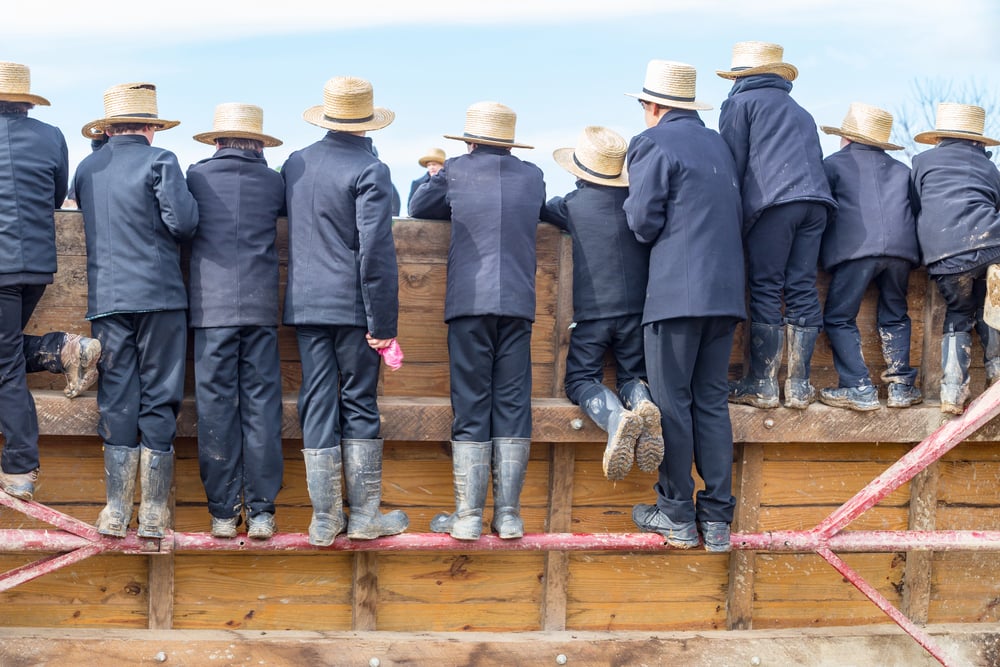
What happens when one of the world’s most traditional communities gives teenagers a taste of freedom? In Amish tradition, Rumspringa marks the time when youth turn 16 and are finally able to enjoy unsupervised weekends away from family.During this period, they’re free from the strict community supervision they’ve known all their lives, which naturally leads to varying levels of experimentation with the outside world.
It’s basically the ultimate ‘try before you buy’ approach to adult life. Young people can experience the outside world completely, then choose whether to return to their Amish community and get baptized, or leave permanently.
Debut – Philippines

Picture Cinderella’s gala, but it’s specifically designed to celebrate your transition into womanhood. In the Philippines, a popular coming of age celebration for 18-year-old women is the debut.
It is normally a formal affair, with a strict dress code such as a coat and tie for the upper-middle and upper classes, and usually has a theme or color scheme that is related to the dress code. The birthday girl chooses ’18 Roses’ (special men in her life) and ’18 Candles’ (important women), each presenting her with their token and a short speech about her journey into adulthood.
Khatam Al Koran – Malaysia
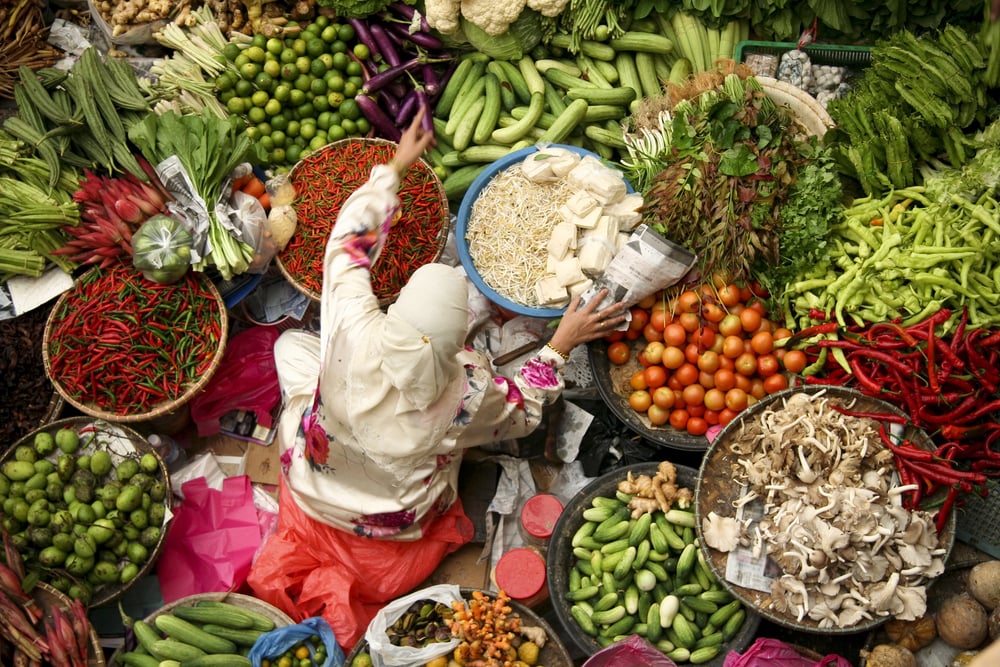
Here’s a tradition that combines spiritual achievement with community celebration. Boys’ circumcision (khatan) is a separate rite in Malaysian culture, while Khatam Al-Quran typically happens for both boys and girls after finishing Qur’an recitation, often around 11-13 years old.
Girls spend years preparing to recite the final chapter of the Koran from memory in front of friends and family at their local mosque. It’s like a spiritual graduation ceremony that shows dedication and maturity.
Like Go2Tutors’s content? Follow us on MSN.
Maasai Warrior Initiation – Kenya and Tanzania
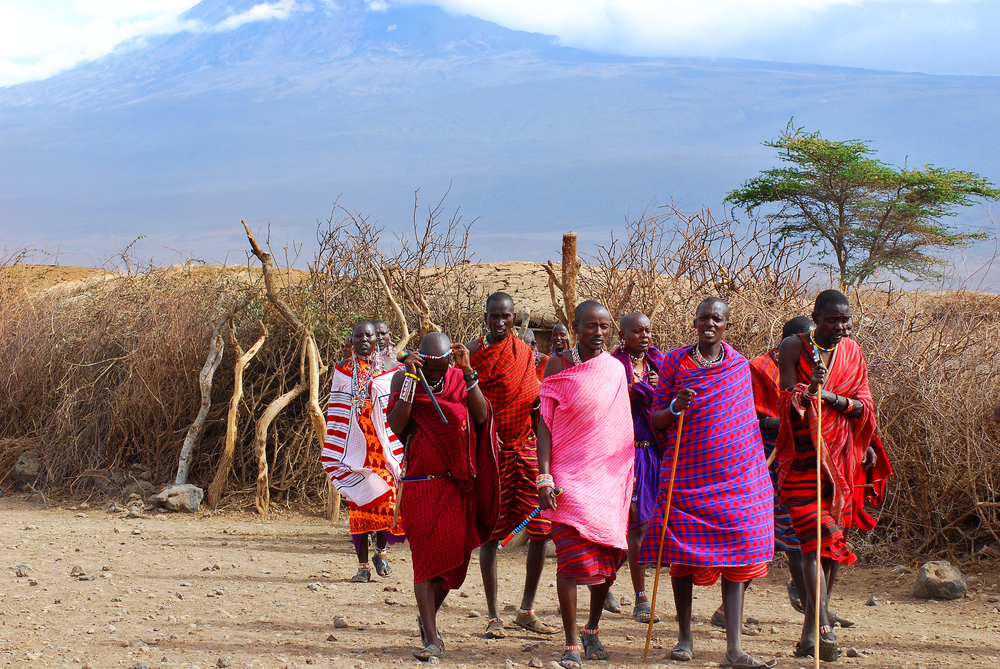
The Maasai have turned growing up into an epic community event. Boys between the ages of 10-20 come together to be initiated as the new ‘warrior class’ of the tribe, placed in dozens of houses built for the occasion.
The night before the ceremony the boys sleep outside in the forest, and at dawn they return for a day of singing and dancing. They drink traditional mixtures of cow’s blood and milk (sometimes fermented milk) while consuming large portions of meat.
The ceremony includes circumcision performed without anesthesia, testing their bravery and creating unbreakable bonds between age-mates who will support each other for life.
Dipo Ceremony – Ghana

The Krobo people of Ghana have created a two-day celebration that combines ritual purification with practical education. In Ghana, the Krobo group introduces women to adulthood with the two-day Dipo ceremony.
Young women, all virgins, get paraded around the community as Dipo-yi, or initiates. After ritual baths and ceremonial drinks, the women are taught essential skills like childbirth, cooking, and housekeeping during a week of confinement.
The ceremony ends with the ‘klama’ dance, performed half-clothed and adorned with beads and body paint.
Confirmation – Christianity
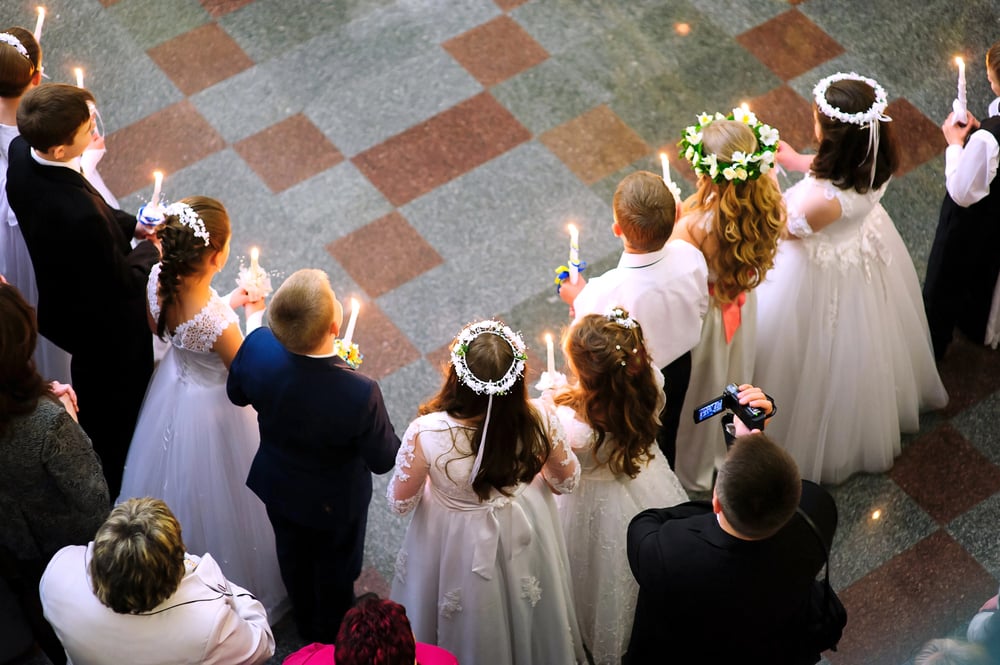
While it might seem familiar to many, Christian Confirmation represents a profound spiritual milestone. As a young one who’ll receive their Confirmation from the church, it’s a sign of one stepping up as an adult to become closer with the Holy Spirit.
Typically occurring during teenage years, young people study their faith intensively before making a personal commitment to their beliefs. It’s less about parental expectations and more about individual choice – the moment someone decides to own their spiritual journey rather than just inherit it.
Like Go2Tutors’s content? Follow us on MSN.
The Thread That Connects Us All
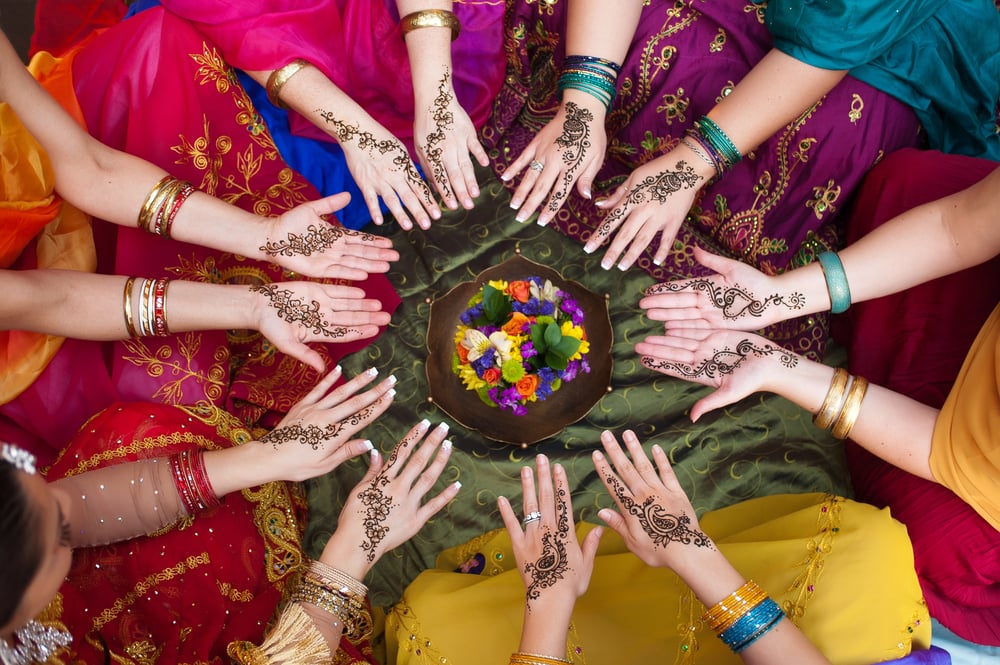
What strikes me most about these traditions is how they all recognize something we sometimes forget in modern Western culture: growing up deserves to be honored. Whether it’s through physical challenges, spiritual quests, or community celebrations, every culture seems to understand that crossing from childhood to adulthood is a big deal.
These ceremonies don’t just mark a birthday – they create identity, build resilience, and forge connections between generations. They remind young people that becoming an adult isn’t something that happens to you; it’s something you actively embrace with the support of your entire community.
More from Go2Tutors!

- 16 Historical Figures Who Were Nothing Like You Think
- 12 Things Sold in the 80s That Are Now Illegal
- 15 VHS Tapes That Could Be Worth Thousands
- 17 Historical “What Ifs” That Would Have Changed Everything
- 18 TV Shows That Vanished Without a Finale
Like Go2Tutors’s content? Follow us on MSN.