Incredible Amenities on Disney Cruise ships
Stepping aboard a Disney cruise ship feels like entering a floating city designed entirely around wonder. Every corner has been imagined by people who understand that vacation isn’t just about getting away from home — it’s about discovering experiences that make ordinary life feel small by comparison.
These ships don’t just transport passengers from port to port; they create entire worlds where the impossible becomes routine and where amenities extend far beyond what anyone expects from time at sea.
AquaDunk Water Slide
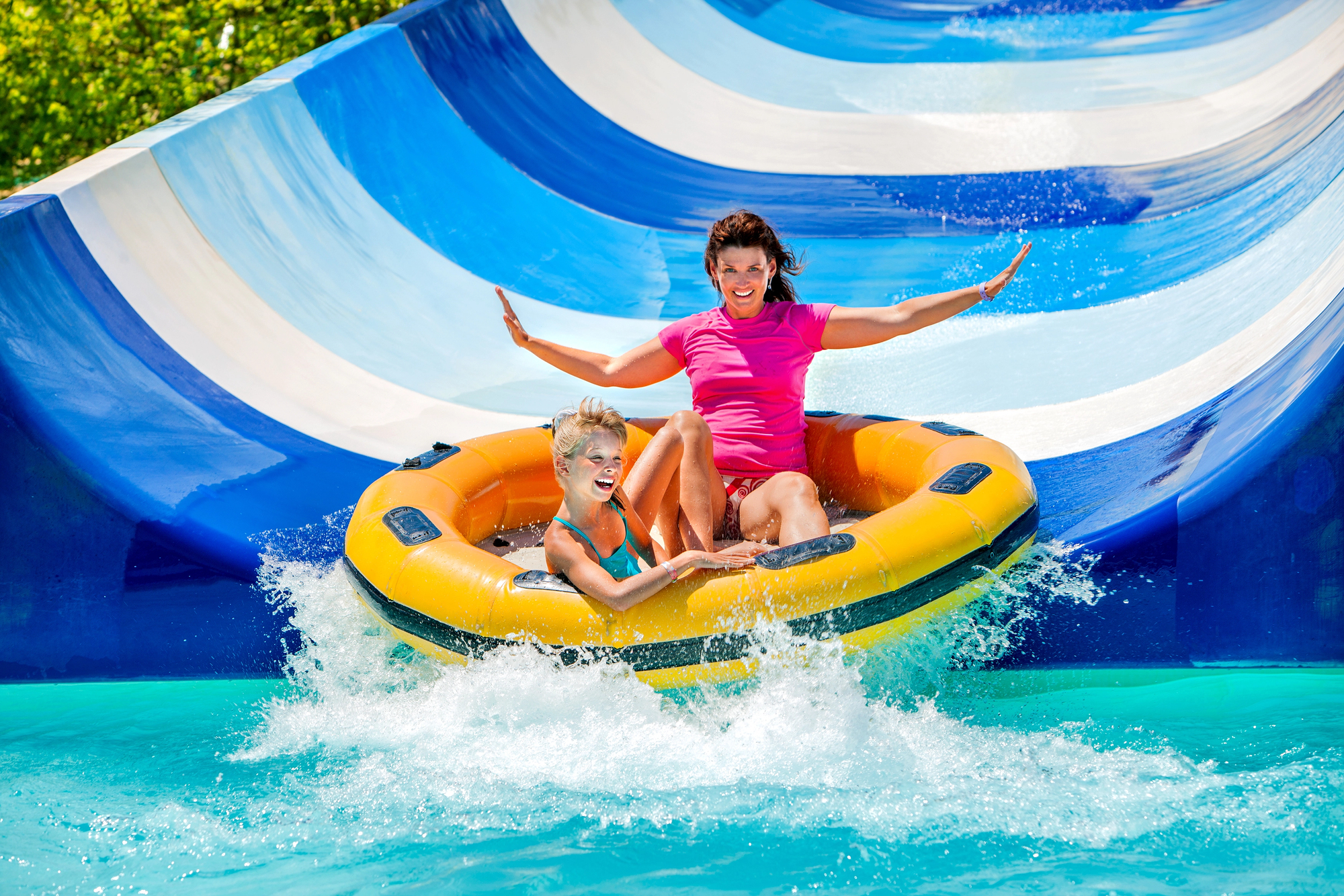
The AquaDunk doesn’t mess around. A translucent tube launches riders into a near-vertical drop that shoots them over the side of the ship.
The floor disappears beneath your feet, and gravity takes over with zero apologies.
Most people scream. The ones who don’t are lying.
Adult-Only Areas
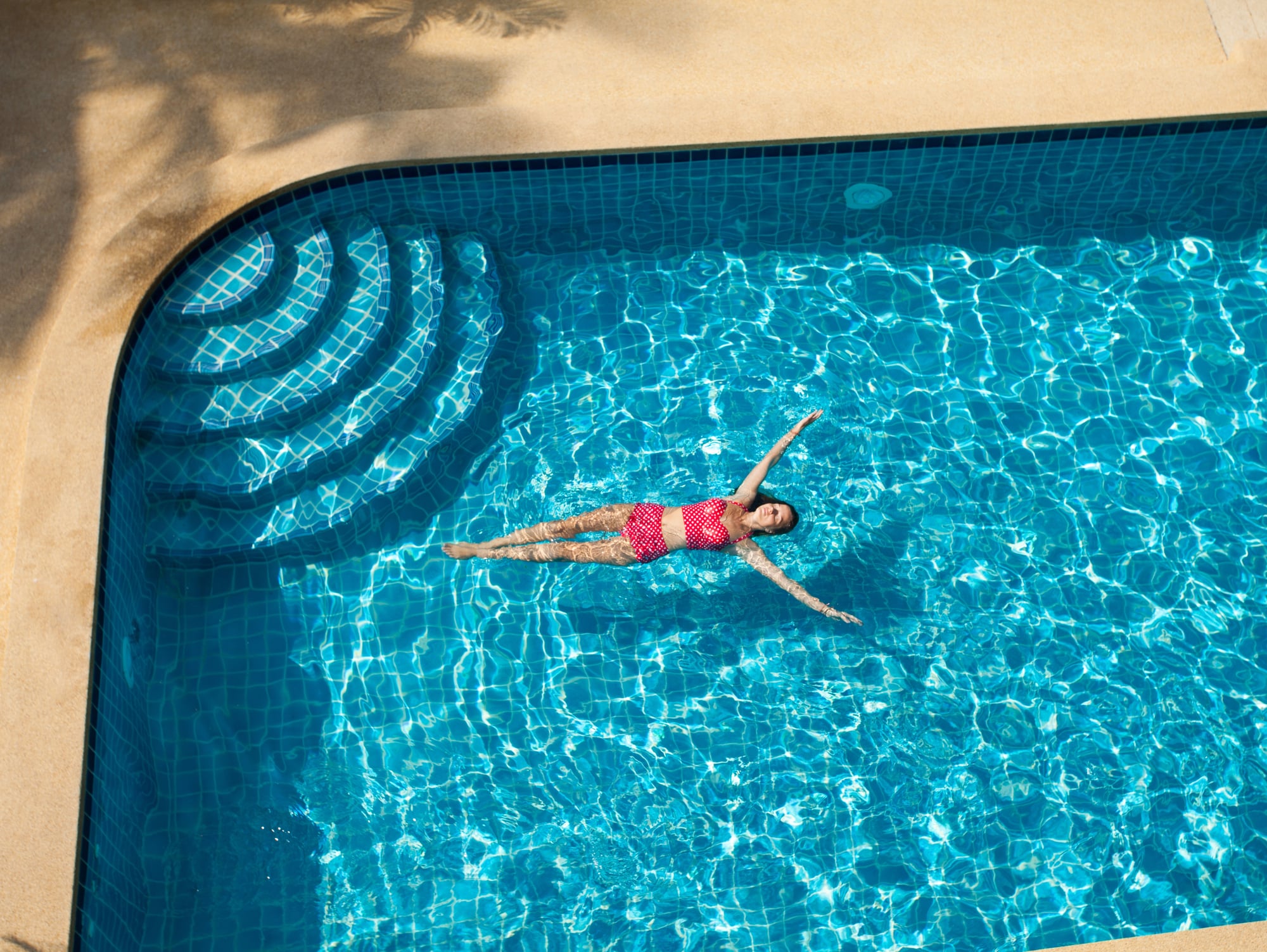
Disney ships understand something crucial about family vacations (and here’s where the design gets quietly brilliant): parents need spaces where they can remember who they were before they became the people responsible for sunscreen applications and snack distribution every twelve minutes. So they’ve carved out entire sections — pools, lounges, restaurants, even a coffee bar — where the only soundtrack is adult conversation and the occasional clink of glassware rather than the persistent negotiation tactics of small humans who’ve decided that 2 PM is the perfect time to discuss why they absolutely must have ice cream for lunch.
And yet these spaces don’t feel like an afterthought or a concession to tired parents.
They feel intentional. The Quiet Cove Pool area, for instance, doesn’t just exclude children — it actively cultivates the kind of calm that makes you remember what your thoughts sound like when they’re not interrupted every forty-seven seconds.
Even so, it sits right there on the same ship where kids are presumably having the time of their lives elsewhere, which creates this strange but perfect ecosystem where everyone gets exactly what they came for.
Disney Character Meet and Greets
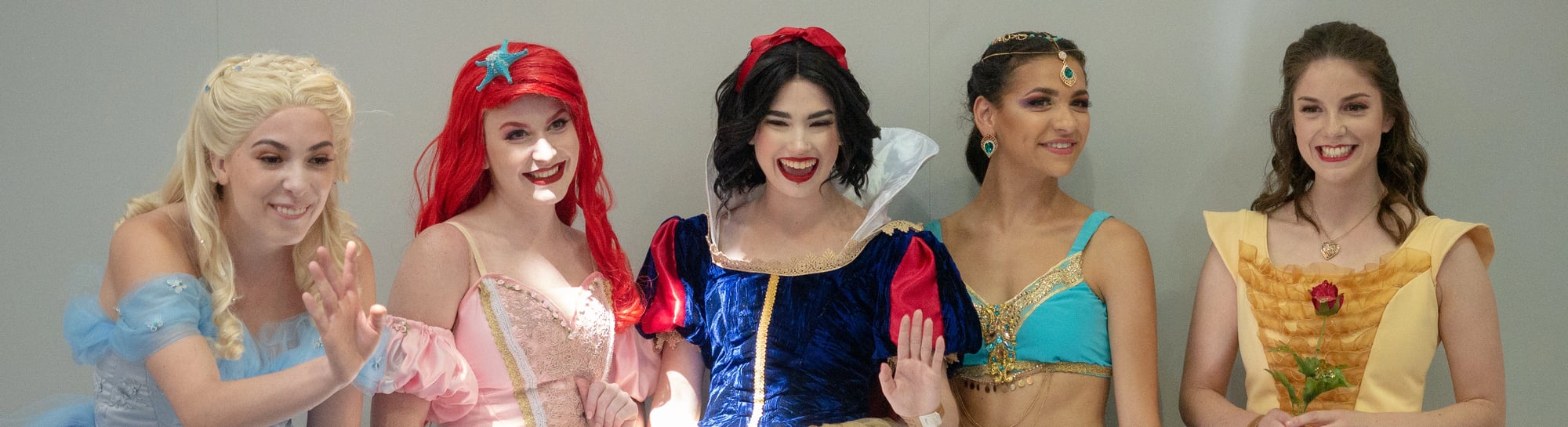
Meeting Mickey Mouse on a cruise ship hits differently than meeting him at the theme parks. There’s something about the ocean backdrop that makes the whole interaction feel more intimate, less rushed — as if Mickey has actual time to spend with each family rather than a schedule that moves people through like an assembly line.
The ship photographers capture these moments with the kind of attention usually reserved for wedding portraits.
Characters appear throughout the day in various locations, but the timing feels organic rather than mechanical.
You might stumble across Goofy near the pool deck or find the Disney Princesses holding court in the ship’s atrium.
It’s choreographed spontaneity at its finest.
AquaDuck Water Coaster
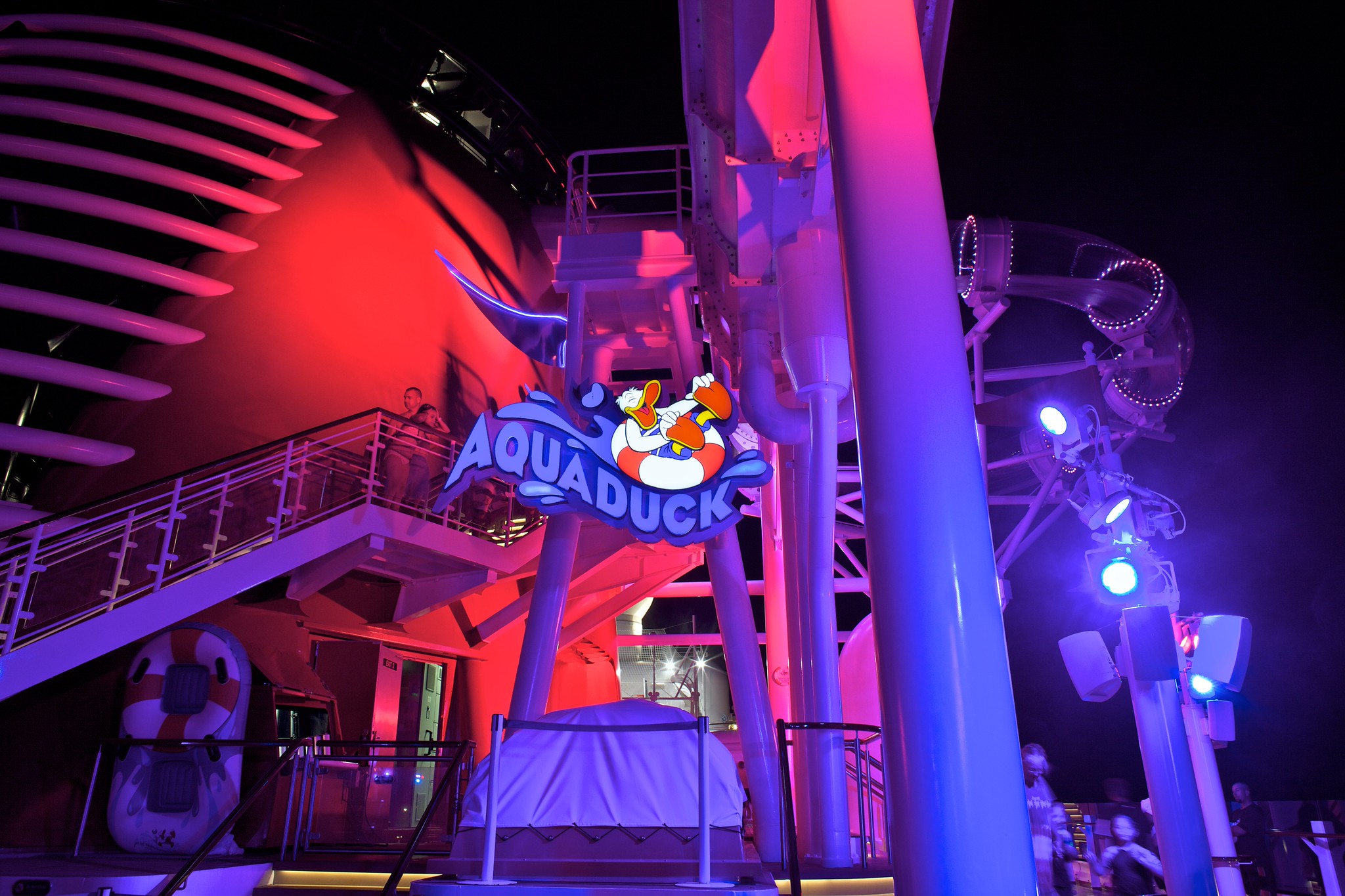
Think of the AquaDuck as the intersection where engineering meets childlike imagination — and somehow, the result defies what seems possible on a moving vessel. This isn’t just a water slide; it’s a roller coaster that happens to use water as propulsion, sending riders through clear tubes that extend over the ocean, around the ship’s superstructure, and through sections that feel designed by someone who never got the memo that cruise ships are supposed to stay predictable.
The experience starts innocently enough: you climb into a raft with one other person.
Then physics takes over. Water jets launch you upward through transparent tubes where you can see the ocean hundreds of feet below, around corners that shouldn’t exist at sea, and through loops that make you temporarily forget that you’re on a ship at all rather than some impossible theme park built on the waves themselves.
Bibbidi Bobbidi Boutique
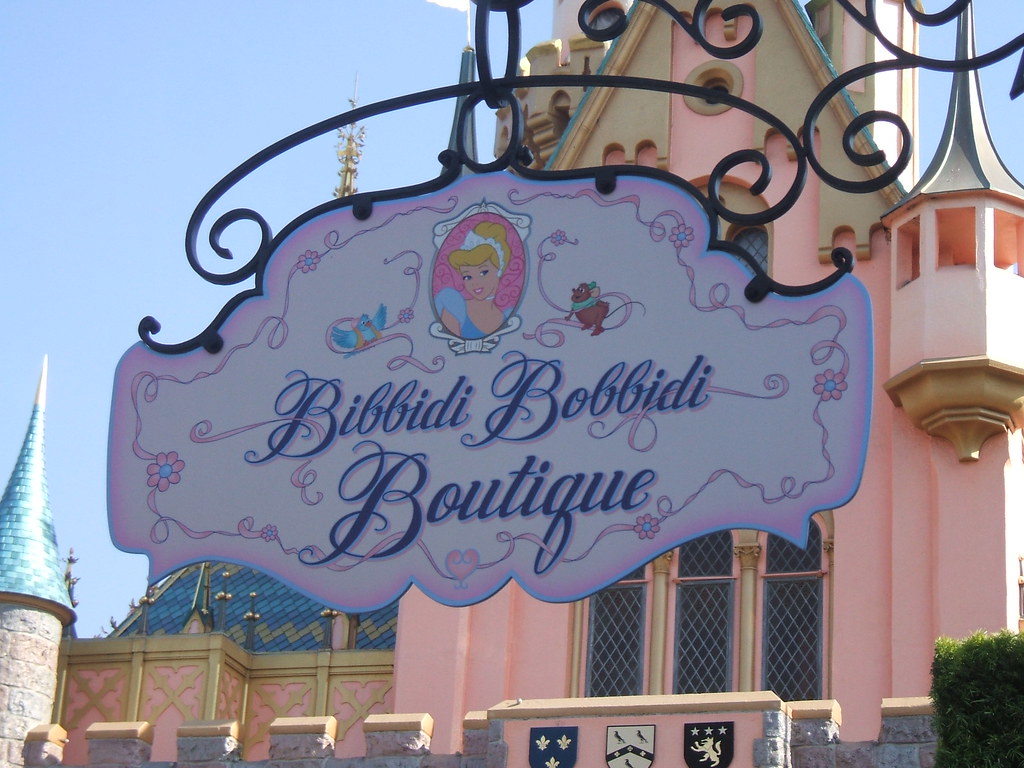
The Bibbidi Bobbidi Boutique operates on a simple premise: transformation should feel like magic, not like getting ready for school. Children walk in looking like children who’ve spent the morning at the pool, and they emerge looking like they stepped out of their favorite fairy tale.
The staff — “Fairy Godmothers-in-Training” — approach the makeover process with theatrical seriousness.
Every hairstyle gets the full treatment: elaborate braids, glittering accessories, and enough hair spray to survive ocean winds.
The makeup application happens with the kind of careful attention usually reserved for actual stage performances.
Even the photos afterward are treated like royal portraits rather than vacation snapshots.
Broadway-Style Shows
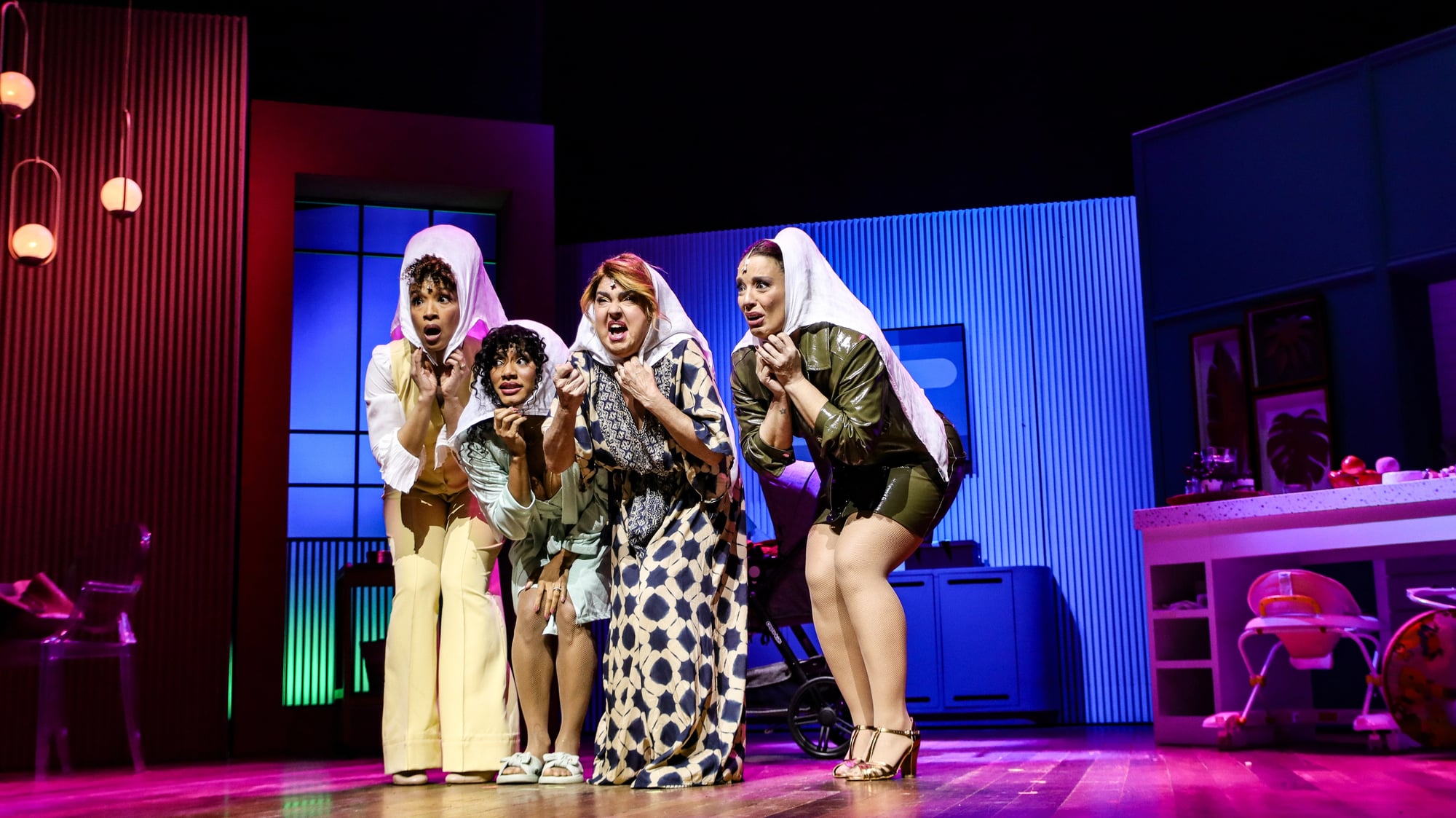
The theaters on Disney ships weren’t designed by people who think cruise entertainment means cheesy lounge acts and amateur magic shows. These are legitimate Broadway-quality productions — “Aladdin,” “Frozen,” “Beauty and the Beast” — performed by casts who could hold their own in actual Broadway theaters.
The production values match what you’d find on land: elaborate costumes, sophisticated lighting design, orchestral arrangements that don’t sound like they were recorded in someone’s basement.
The performances happen in purpose-built theaters with sight lines designed so that every seat feels like a good seat, which is saying something on a ship where space comes at a premium.
What makes these shows work isn’t just the quality of the performances — it’s the fact that they’re performed for audiences who aren’t expecting to see something this polished at sea.
The surprise factor elevates everything.
Animator’s Palate Restaurant
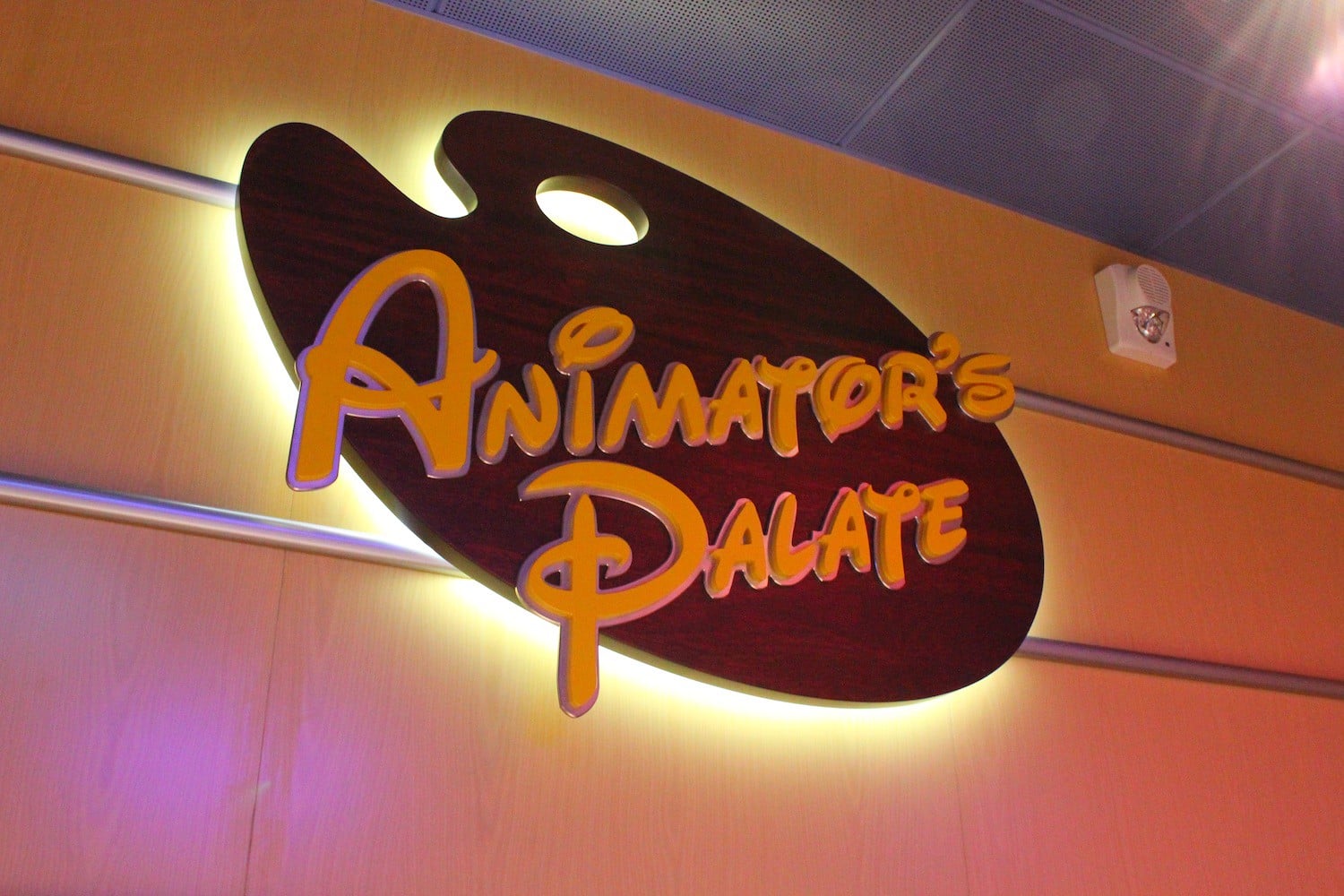
Animator’s Palate starts dinner with blank walls and black-and-white sketches scattered around the dining room. Throughout the meal, the walls come alive — literally.
Colors begin filling in the sketches, animated characters start moving, and by dessert, you’re eating inside what feels like a living Disney movie.
The technology behind this experience is impressive, but the real magic lies in the timing.
The animation doesn’t just happen — it builds slowly throughout the evening, so diners become part of an unfolding story rather than just witnesses to a technological demonstration.
Kids notice first, of course, but adults find themselves looking up from their conversations to watch Mickey Mouse sketches transform into full-color animations that dance across the restaurant walls.
The food holds its own against the visual spectacle, which matters more than it sounds.
Amazing ambiance loses its charm quickly when paired with disappointing meals.
Castaway Cay Private Island
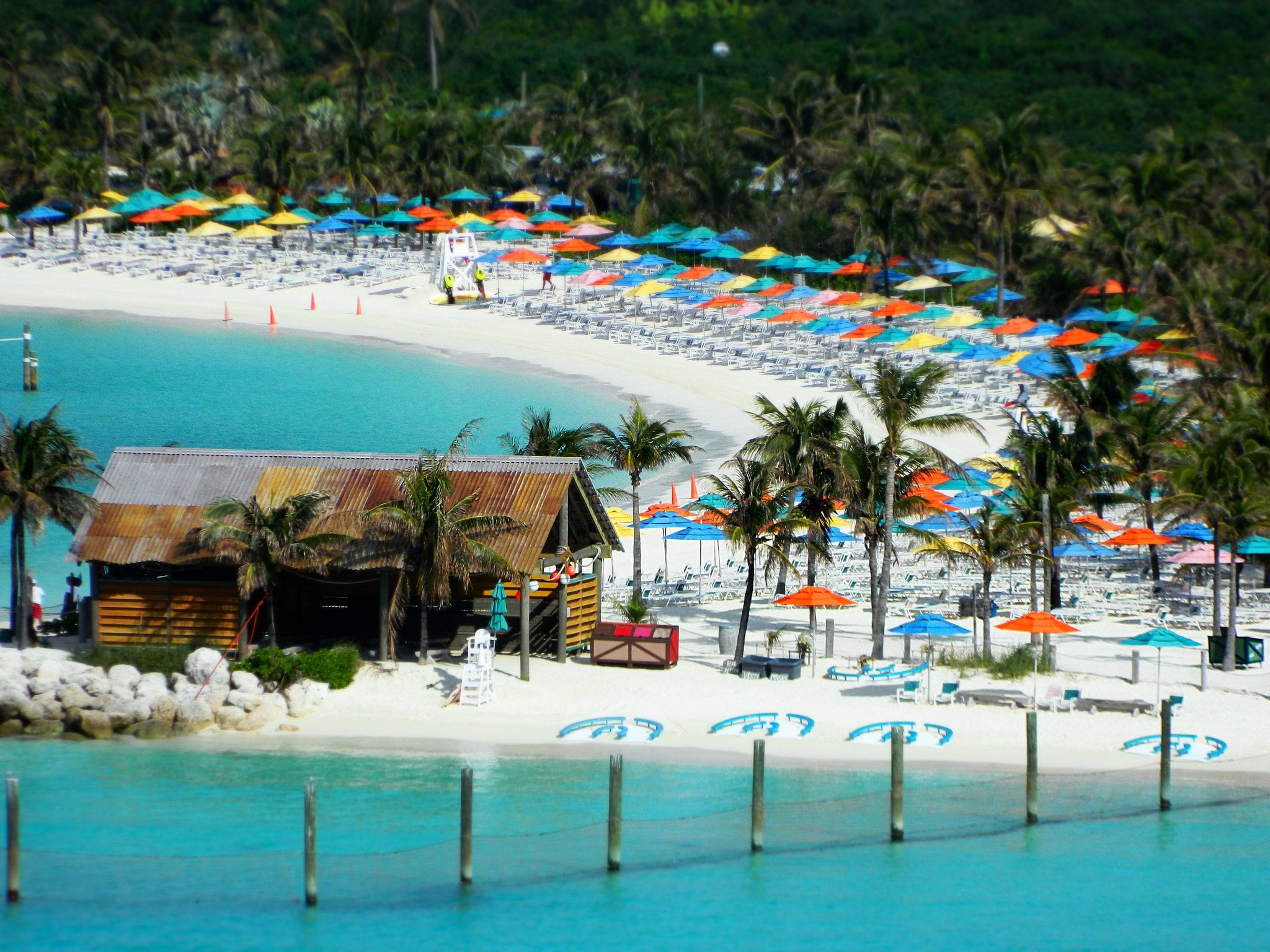
Disney owns an entire island in the Bahamas, and they’ve turned it into something that feels like a theme park designed by people who understand that the best theme is paradise itself. Castaway Cay doesn’t try to recreate Disney magic through artificial means — instead, it applies Disney-level attention to detail to an actual tropical island experience.
The beaches are pristine because Disney maintains them that way.
The snorkeling areas are stocked with tropical fish because Disney makes sure they stay healthy and populated.
The bike trails wind through landscapes that look untouched because Disney works to keep them that way while still making them accessible to families with small children and grandparents who need assistance getting around.
But here’s what sets Castaway Cay apart from other private cruise islands: it doesn’t feel like a tourist trap disguised as a tropical paradise.
The island maintains separate areas for families and adults, beach activities that range from completely passive (lounging in a beach chair with a drink) to legitimately adventurous (snorkeling, kayaking, parasailing).
Even the food served on the island — grilled burgers, fresh fruit, Caribbean specialties — tastes like real food rather than mass-produced cruise buffet offerings.
Adult Beverage Tastings
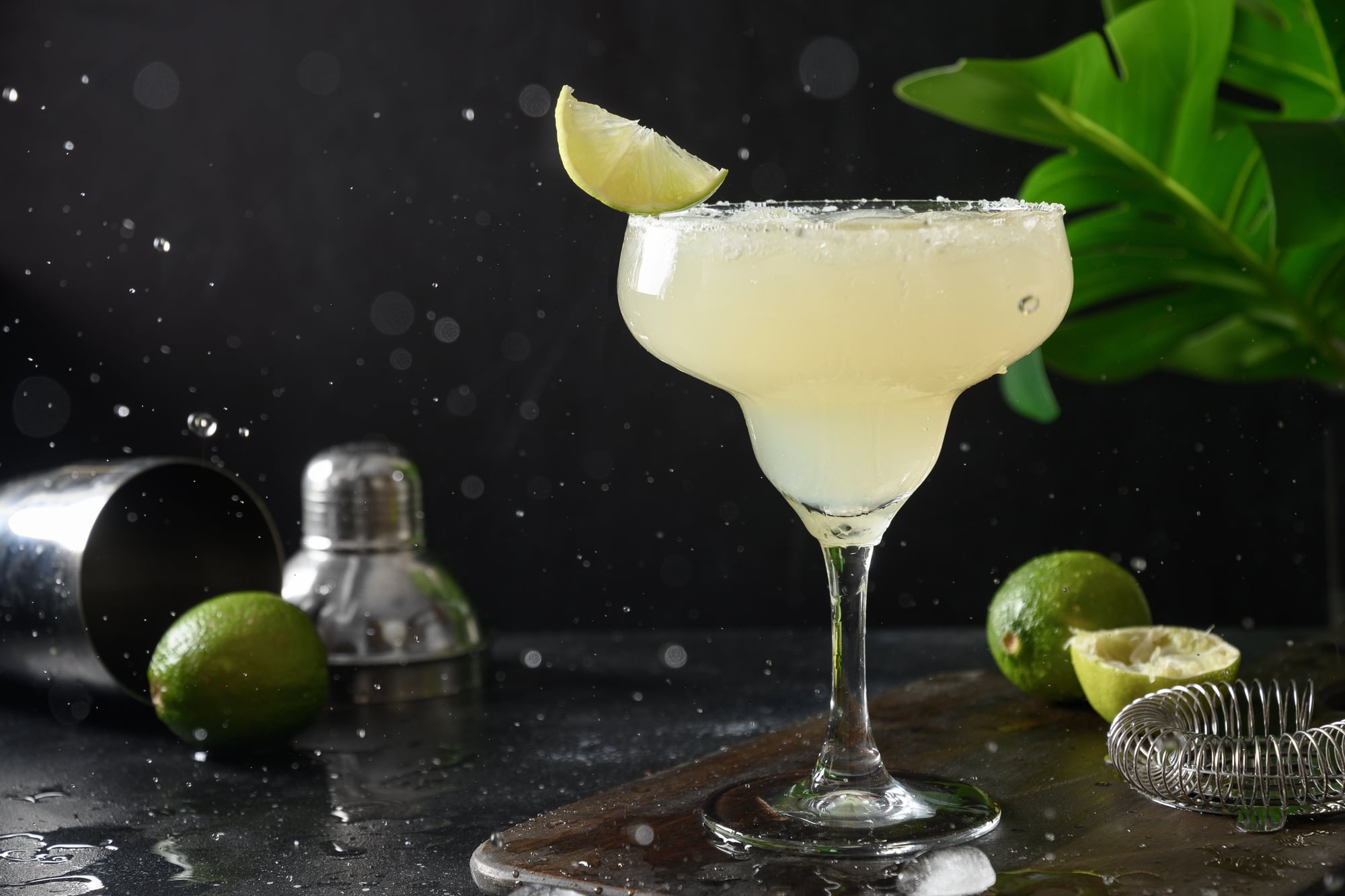
Disney’s beverage tastings treat alcohol education like a legitimate cultural experience rather than an excuse to day-drink with strangers. Wine tastings feature selections from specific regions, led by sommeliers who actually know what they’re talking about.
Beer tastings explore craft brewing traditions from different countries.
Cocktail classes teach the history behind classic drinks and the techniques that separate professional bartending from pouring liquor into a glass.
These aren’t just opportunities to sample alcohol — they’re structured learning experiences that happen to involve drinking.
Participants leave understanding why certain wines pair with specific foods, how different beer styles developed in different climates, or what makes a properly balanced cocktail different from something mixed by someone who learned bartending from watching movies.
The educational approach makes the drinking feel purposeful rather than indulgent, which somehow makes the whole experience more enjoyable rather than less.
Kids’ Clubs by Age Group
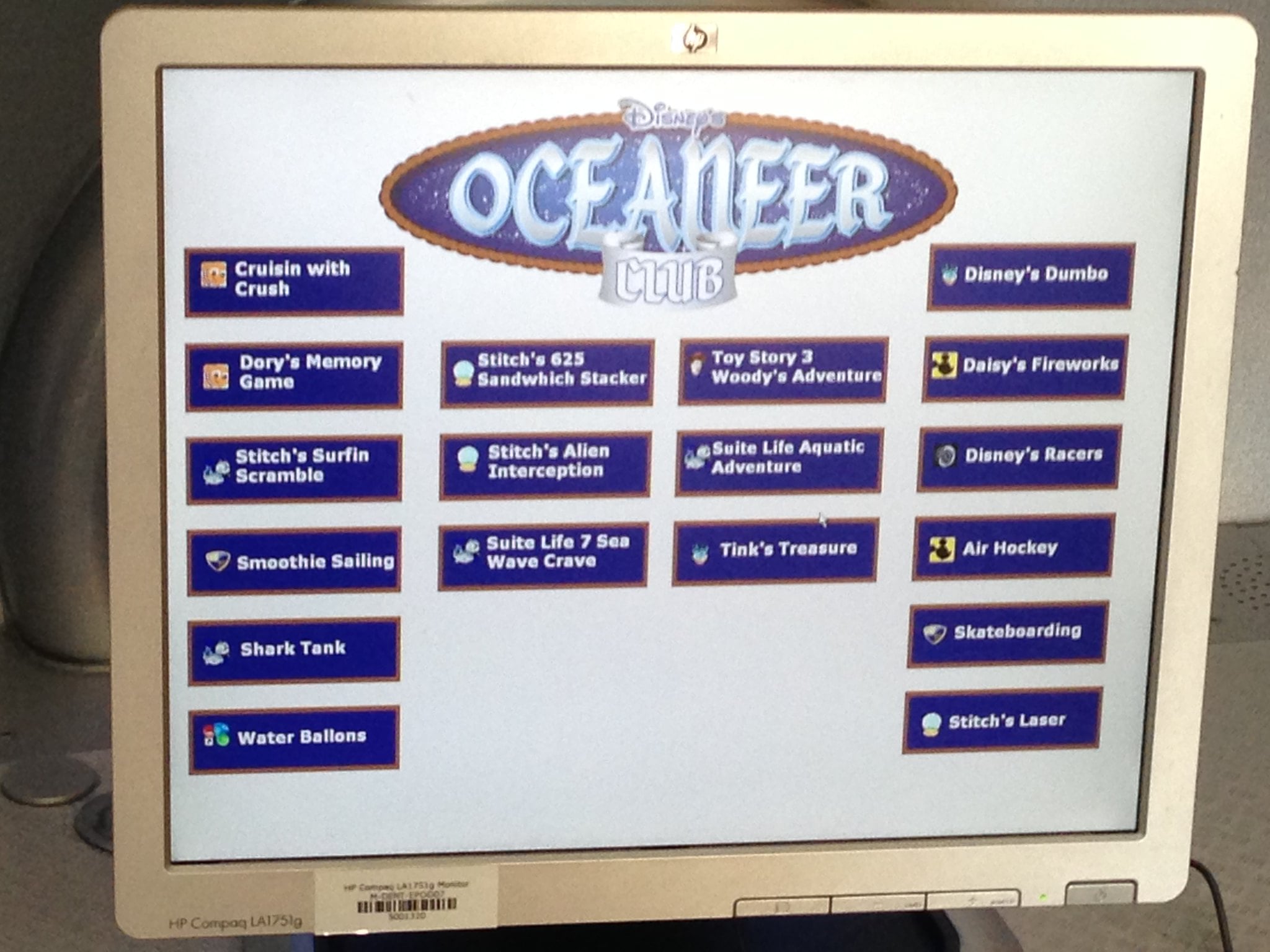
Disney divides children into age-appropriate groups — It’s a Small World Nursery for the youngest cruisers, Oceaneer Club and Oceaneer Lab for elementary school ages, and Edge for tweens — but what makes these clubs work isn’t just the age separation, it’s the fact that each space has been designed specifically for its intended age group’s developmental needs and interests.
The nursery feels like a high-end daycare center with trained childcare professionals who understand that leaving your baby with strangers on a ship requires a level of trust that most parents don’t give easily.
The elementary spaces feature activities that rotate throughout the day — arts and crafts, video games, character visits, themed parties — with enough variety to keep kids engaged without overwhelming them with choices.
The tween space acknowledges that 11-14 year olds have outgrown “kids” activities but aren’t ready for teen independence.
Staff members in each club are trained specifically for their age groups, which means they know how to talk to a three-year-old about missing their parents, how to mediate disputes between seven-year-olds over video game turns, and how to make eleven-year-olds feel sophisticated without making them feel rushed toward adulthood.
Spa Services
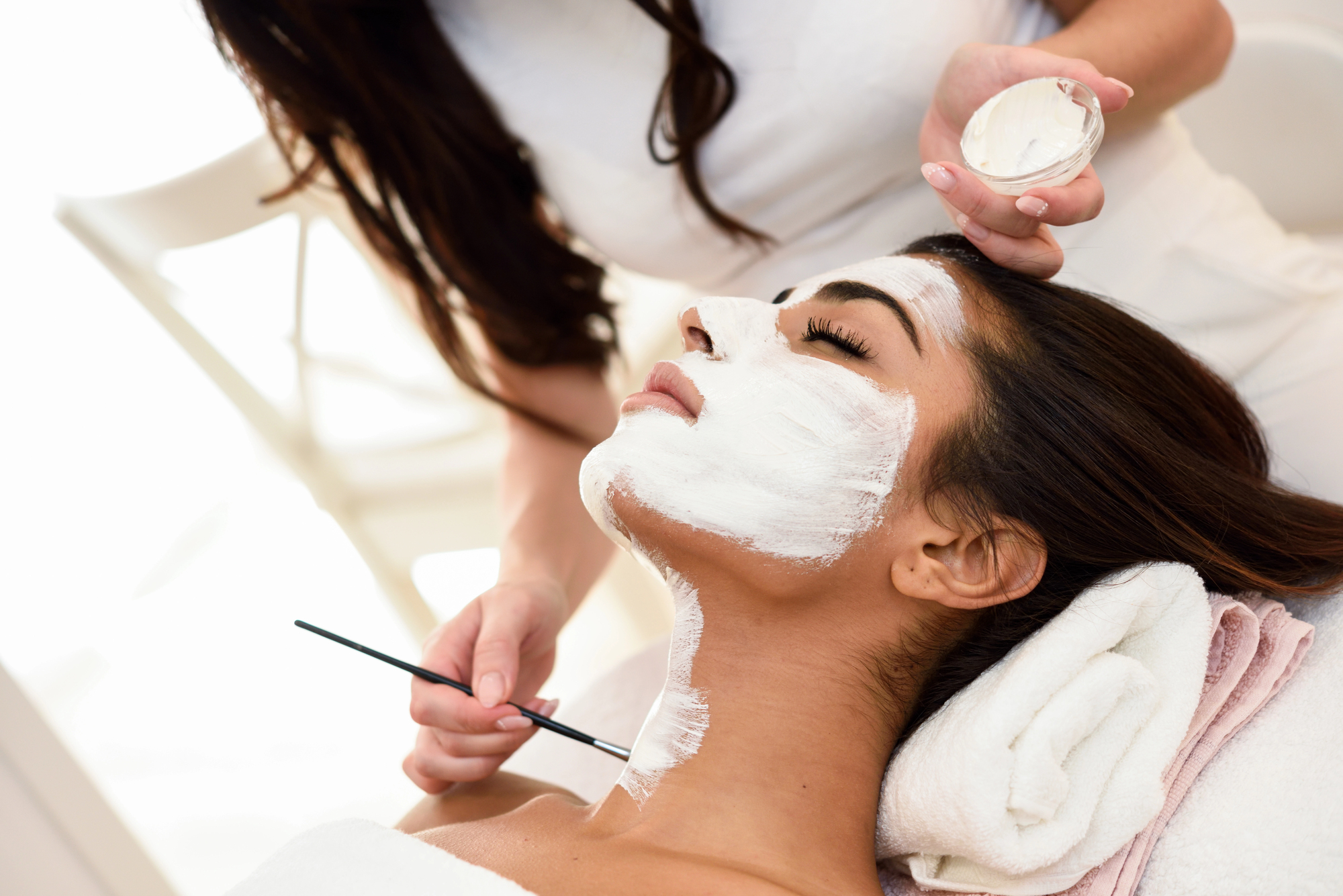
The spa on a Disney ship doesn’t try to be something it’s not. This isn’t a wellness retreat or a spiritual journey — it’s a place where people can get professional massages, facials, and other treatments in a setting that prioritizes relaxation over transformation.
The treatment menu includes standard spa offerings — Swedish massages, deep tissue work, anti-aging facials, body wraps — performed by licensed therapists who understand that most clients are looking for stress relief rather than a life-changing experience.
The spa also offers treatments designed specifically for the cruise environment: sunburn relief, post-excursion muscle recovery, and hydrating treatments for skin that’s been exposed to ocean air and ship recycling systems.
What makes the spa work is the same attention to detail that Disney applies everywhere else.
Appointments start on time. Treatment rooms are properly maintained.
Staff members are trained to provide professional service without trying to sell additional products or services.
Deck Parties
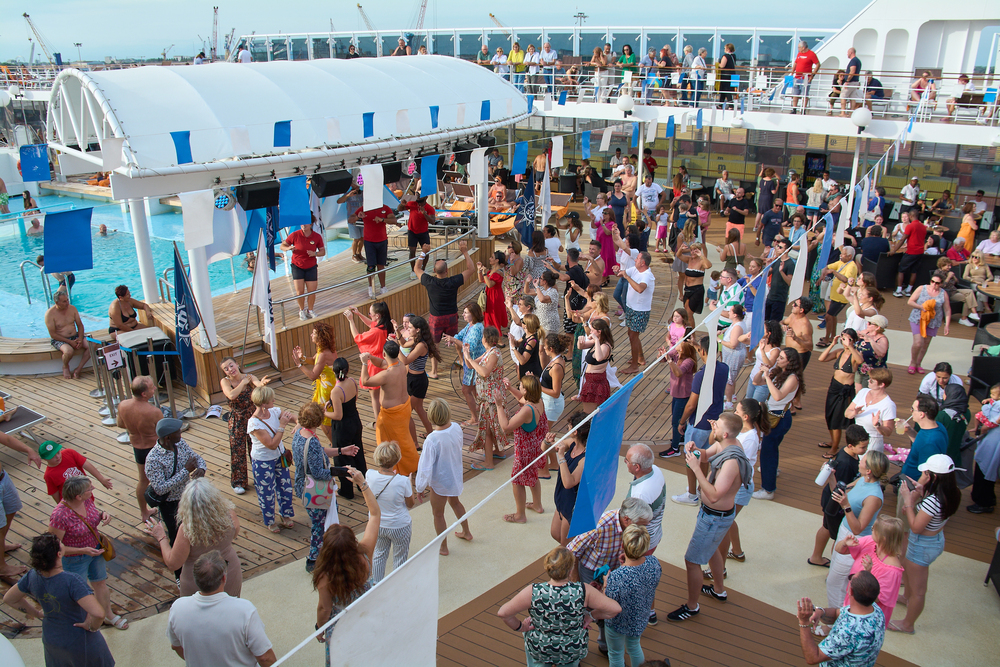
Disney deck parties happen after dark when the ship feels most like a floating celebration rather than transportation between destinations. The pool deck transforms into a dance floor with live DJs, character appearances, and enough energy to make everyone forget they’re in the middle of the ocean.
These aren’t just random dance parties — they’re themed events that change throughout the cruise.
Pirates in the Caribbean night features costume contests and treasure hunts.
Marvel Day at Sea brings superhero characters and comic book-inspired activities.
Star Wars Day transforms the ship into a galaxy far, far away with character meet-and-greets and themed entertainment.
The parties work because they’re inclusive without being mandatory.
Families can participate as much or as little as they want, and the activities are designed so that both kids and adults can have genuine fun rather than adults tolerating children’s entertainment or kids being dragged through adult activities they don’t understand.
Rotational Dining
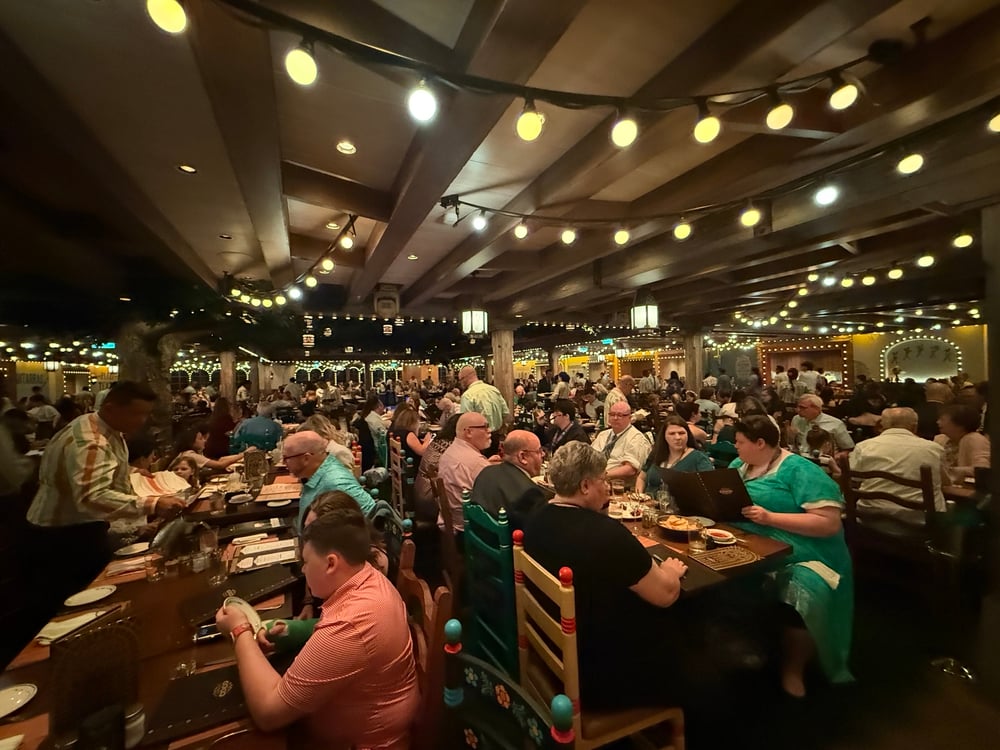
Disney ships don’t just serve dinner — they create dining experiences that change every night of the cruise. Families are assigned to different restaurants each evening, but they keep the same serving staff throughout the cruise, which creates continuity even as the settings change completely.
One night might be spent at Animator’s Palate with its transforming walls and Disney animation magic.
The next could be at Lumiere’s (or Triton’s, depending on the ship), which feels like dining inside a classic Disney fairy tale.
The third might be at Palo, the adult-only Italian restaurant that serves food that would hold its own against land-based fine dining establishments.
The system works because it prevents dining from becoming routine while maintaining the relationships between families and their serving staff.
Waiters get to know dietary restrictions, preferences, and family dynamics, which means service improves throughout the cruise even as the venues change nightly.
Magic Sets Sail
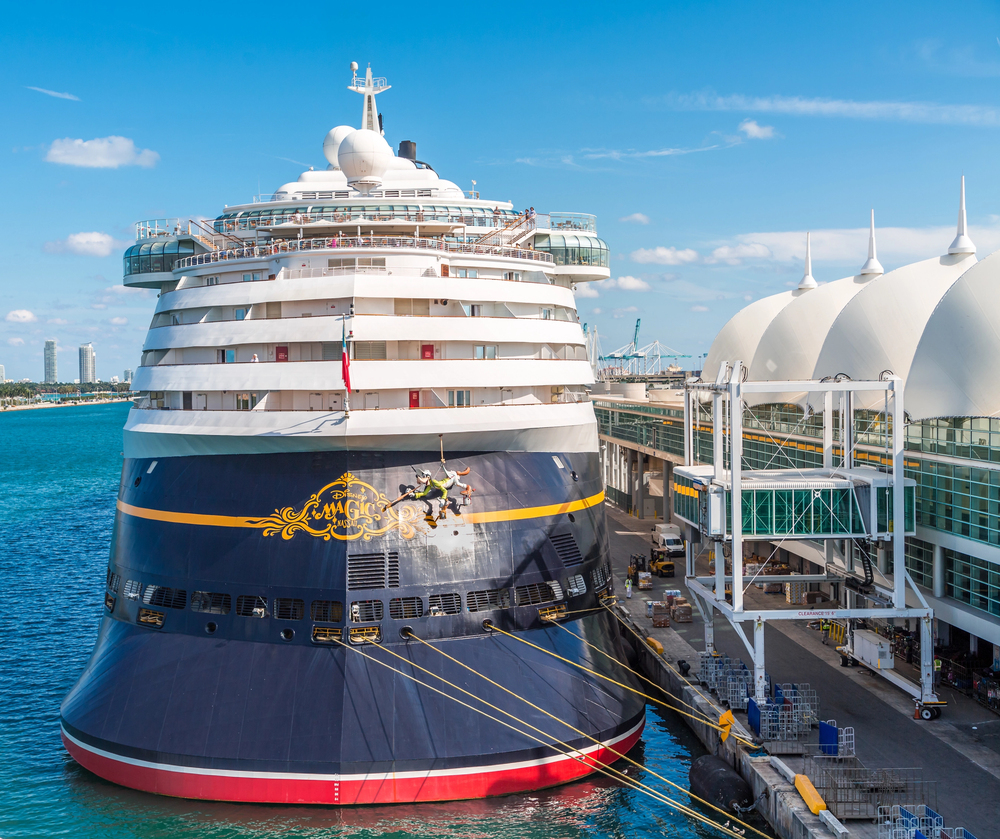
The real magic of Disney cruises isn’t found in any single amenity or experience — it lives in the way everything connects to create something larger than the sum of its parts. These ships prove that attention to detail still matters, that excellence in one area doesn’t excuse mediocrity in another, and that the best family experiences happen when everyone gets what they came for rather than when everyone compromises on everything.
The ocean becomes a backdrop for stories that families will tell for decades, and the amenities become the tools that make those stories possible.
More from Go2Tutors!

- The Romanov Crown Jewels and Their Tragic Fate
- 13 Historical Mysteries That Science Still Can’t Solve
- Famous Hoaxes That Fooled the World for Years
- 15 Child Stars with Tragic Adult Lives
- 16 Famous Jewelry Pieces in History
Like Go2Tutors’s content? Follow us on MSN.



