The Most Powerful Female Voices In Music History
There’s a reason certain voices stay with you long after the song ends. Not because they were loud, or technically perfect, or produced in the right studio at the right time.
These voices did something deeper. They made you feel something you couldn’t quite name.
They carried weight — grief, joy, rage, tenderness — and delivered it straight into your chest.Throughout the history of recorded music, a handful of women have done more than sing.
They’ve redefined what a human voice is capable of.Some broke racial barriers.
Others shattered genre boundaries.A few did both at once. What follows is a look at the female voices that didn’t just fill a room — they changed the room forever.
Aretha Franklin — The Voice That Started Everything
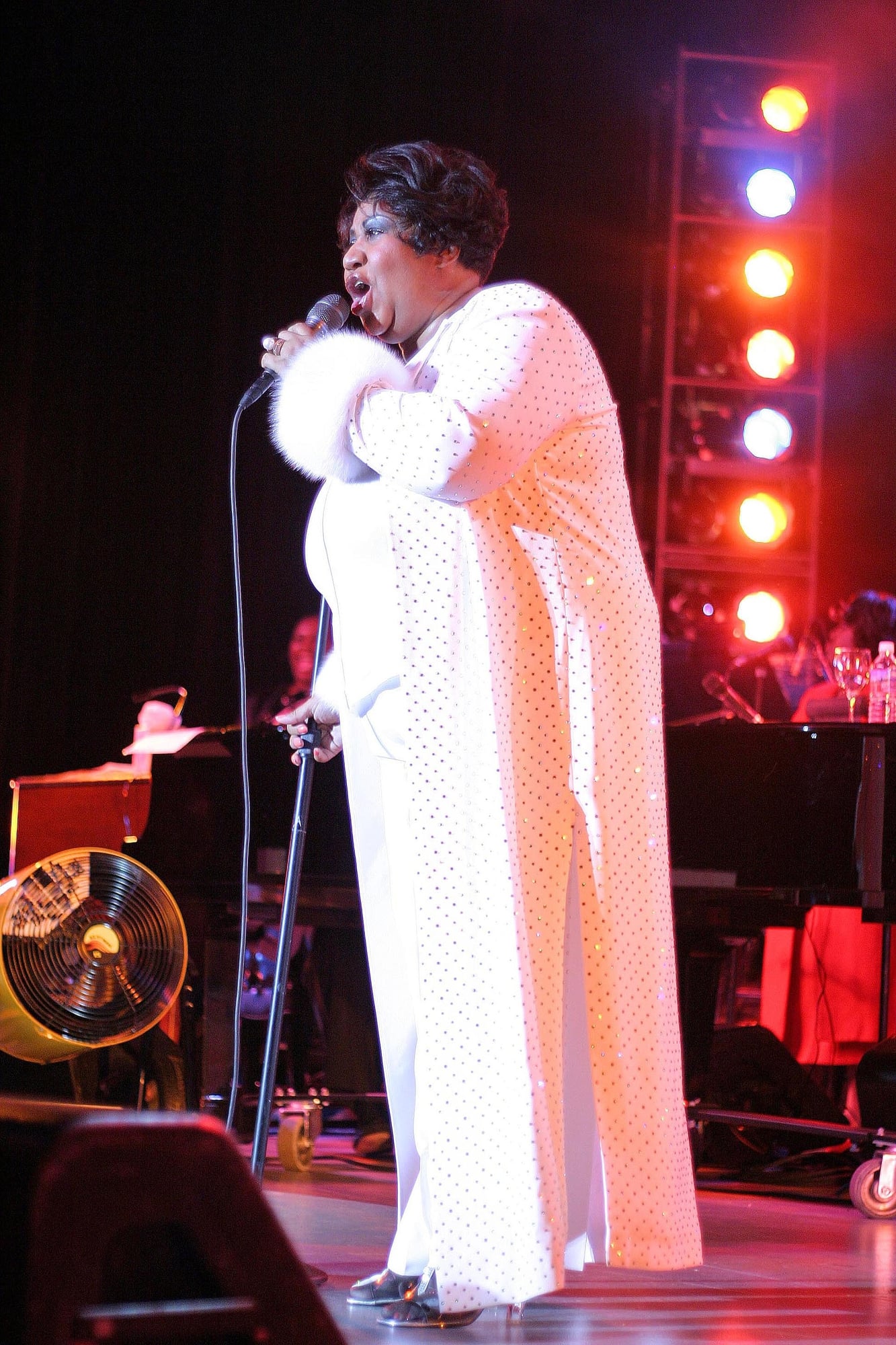
If you trace the lineage of any powerful female vocalist working today, the trail leads back to Aretha Franklin. Rolling Stone named her the greatest singer of all time.
Twice. That’s not an accident.
Franklin grew up singing in her father’s Baptist church in Detroit, and gospel never left her — even when she crossed over into pop and soul. Her 1967 recording of “Respect” didn’t just top the charts.
It became a rallying cry for both the civil rights and women’s rights movements. She didn’t write the song originally, but the way she sang it made it hers in a way that went far beyond ownership.
What set Franklin apart from everyone else was her ability to carry an entire emotional landscape in a single phrase. She could shift from soft to devastating in the span of a breath.
And she was the one who brought melisma — singing rapid runs of notes over a single syllable — into mainstream popular music. Every R&B and pop singer working today owes something to that technique.
Franklin passed away in 2018 after winning 18 Grammy Awards and selling over 75 million records.
Whitney Houston — The Standard Nobody Has Matched

Whitney Houston earned the nickname “The Voice” for good reason. Her soprano rang with a clarity and power that left other singers speechless.
Frank Sinatra once credited Billie Holiday as his greatest musical influence. A generation later, countless singers on talent shows and in recording studios were chasing Whitney’s sound instead.
Her 1992 rendition of “I Will Always Love You” remains one of the most technically stunning vocal performances ever recorded. The way she built from a whisper to a full-throated belt, with absolute control at every step — that was Whitney at her best.
Rolling Stone ranked her second on their list of the greatest singers of all time in 2023.
Beyond the range and the runs, what made Houston special was precision. She didn’t just hit notes.
She placed them exactly where they needed to land, dripping with emotion but never losing her grip. She sold an estimated 200 million records and influenced the sound of pop and R&B in ways that are still being felt today.
Ella Fitzgerald — Jazz, Reimagined
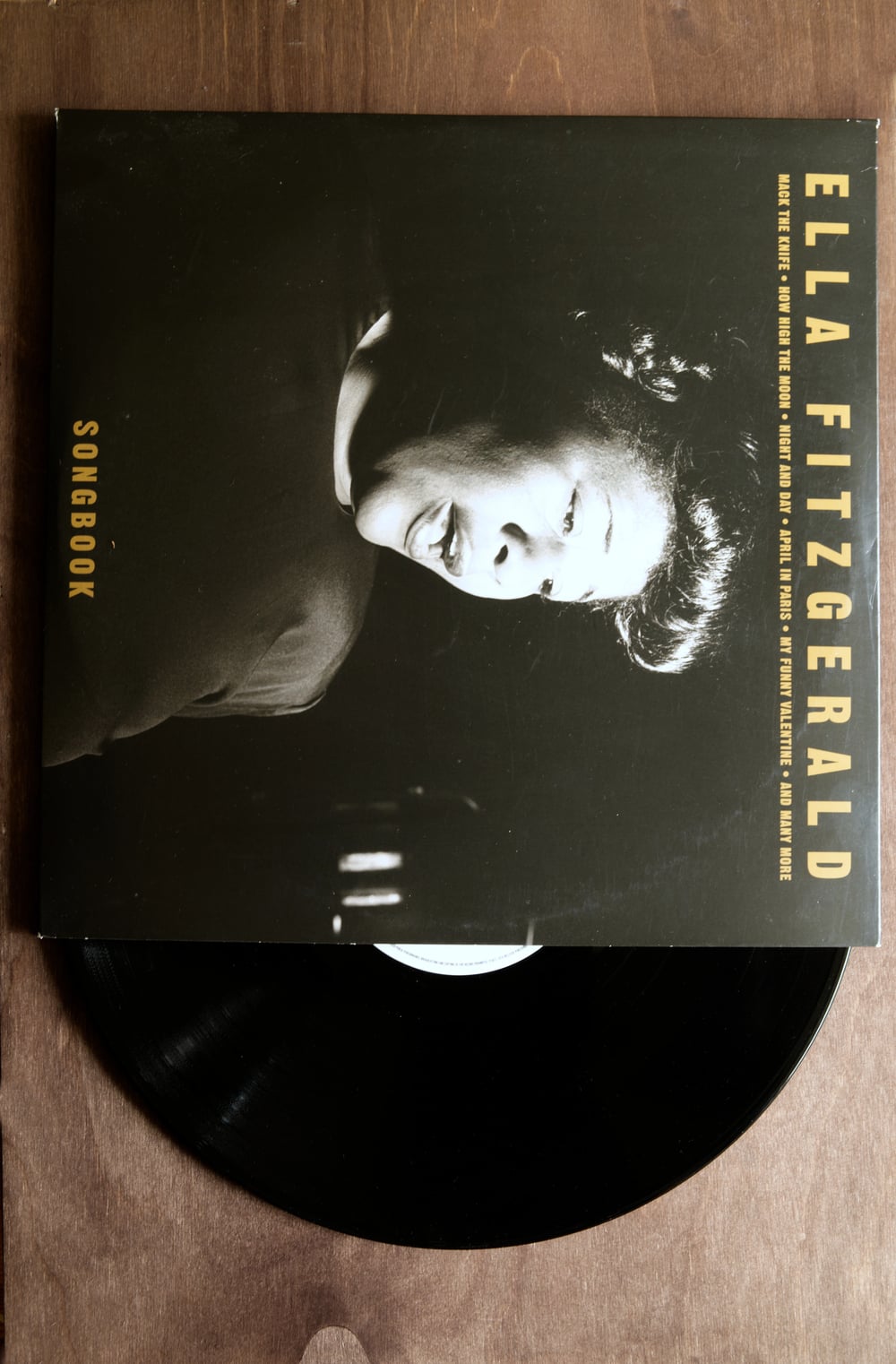
Ella Fitzgerald didn’t just sing jazz. She turned her voice into an instrument — and did it better than almost anyone who came before or after.
Her scat singing, where she used wordless syllables to improvise melodies in real time, sounded like a horn section living inside a single human throat.
Her 1945 recording of “Flying Home” was described by The New York Times as one of the most influential vocal jazz records of the decade. And that was just the beginning.
Through the 1950s and 60s, she recorded her famous Songbook series — full albums dedicated to the works of Cole Porter, Duke Ellington, the Gershwins, and others.
After hearing the Gershwin Songbook, Ira Gershwin himself said he never knew how good his own songs were until Ella sang them. She won 13 Grammy Awards and sold over 40 million albums across a career spanning more than six decades.
Her voice was flexible, accurate, and remarkably ageless. In a world where jazz was dominated by men, Fitzgerald quietly became the standard against which every other vocalist was measured.
Billie Holiday — The Art of Saying Less
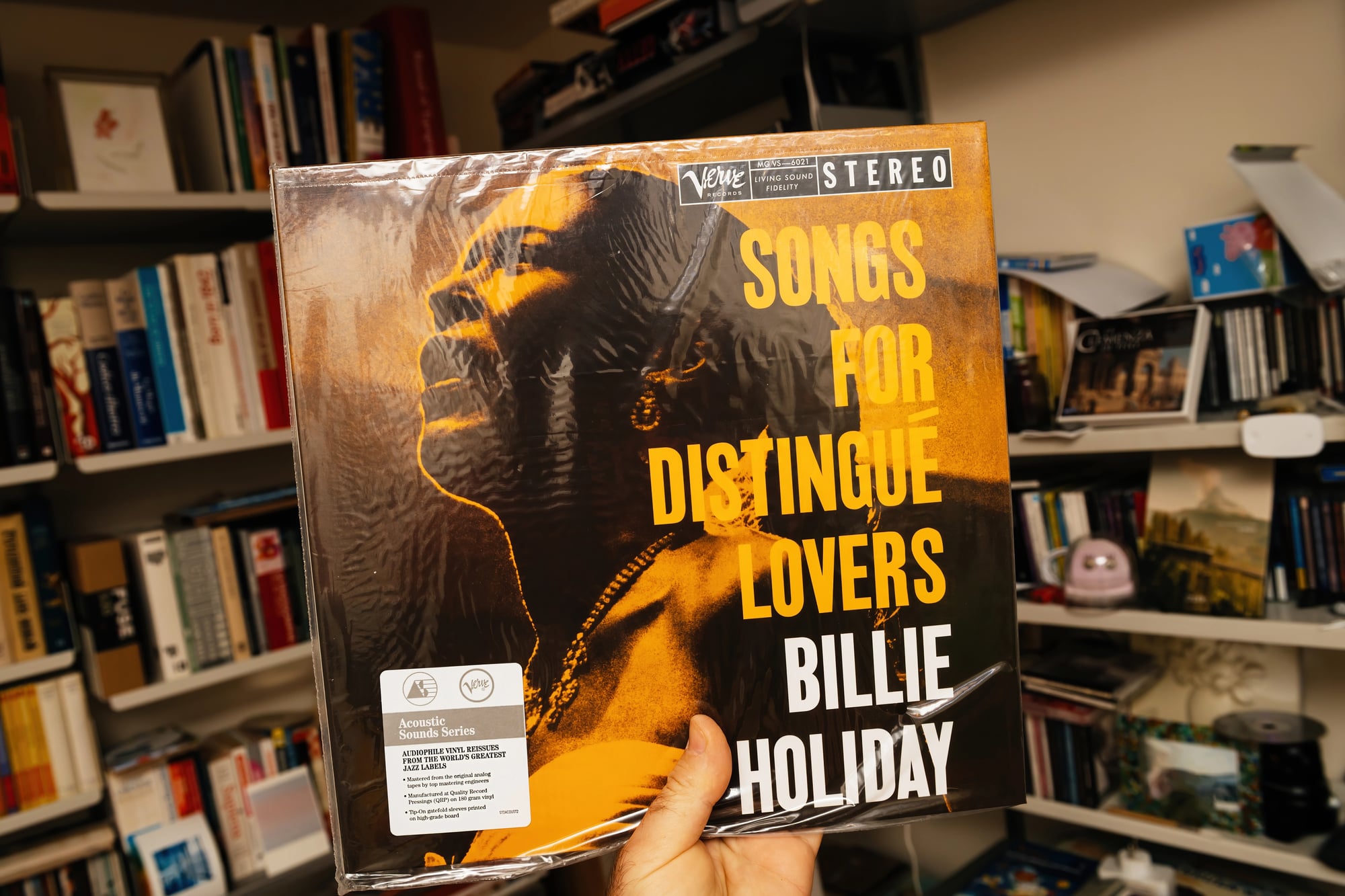
Billie Holiday didn’t have the biggest voice. She knew that.
And she turned it into an advantage that nobody has fully replicated since.Her phrasing was the thing.
While other singers of her era followed the written melody closely, Holiday bent time, drifting behind the beat deliberately, turning each phrase into something that sounded like a confession rather than a performance.Frank Sinatra spent years studying her technique and openly credited her as the single greatest musical influence on his career.
That’s not a small thing — Sinatra being shaped by a woman whose voice was, by the standards of the day, unconventional.But Holiday’s legacy isn’t only about craft. In 1939, she recorded “Strange Fruit,” a protest against the lynching of African Americans.
Atlantic Records co-founder Ahmet Ertegun later called it “the beginning of the civil rights movement.” Club owners tried to ban the song.
The government monitored her. She kept singing it anyway.
Holiday died in 1959 at 44, but her influence on how vocalists approach emotion, timing, and storytelling remains foundational.
Janis Joplin — The First Queen of Rock

Before Janis Joplin, rock music didn’t really have a place for women. Not the way she occupied it, at least.
She changed that in about three years of being famous, which is remarkable given how short her life was.Joplin’s voice was rough, raw, and enormous. It didn’t sound like anything else in pop music at the time — most white singers were chasing a smoother, folk-influenced sound.
She was drawing from Bessie Smith and Big Mama Thornton instead, pulling the full force of the blues into rock and roll.When she took the stage at the Monterey Pop Festival in 1967, the audience sat stunned.
Even Jimi Hendrix watched from the wings.NPR dubbed her the “Queen of Rock,” and the title stuck for good reason.
She didn’t just sing with power — she sang with total abandon, pouring everything she had into every note.Tragically, she died in 1970 at 27. But her influence runs through every female rock singer who followed, from Stevie Nicks to Amy Winehouse.
Tina Turner — Resilience as a Performance
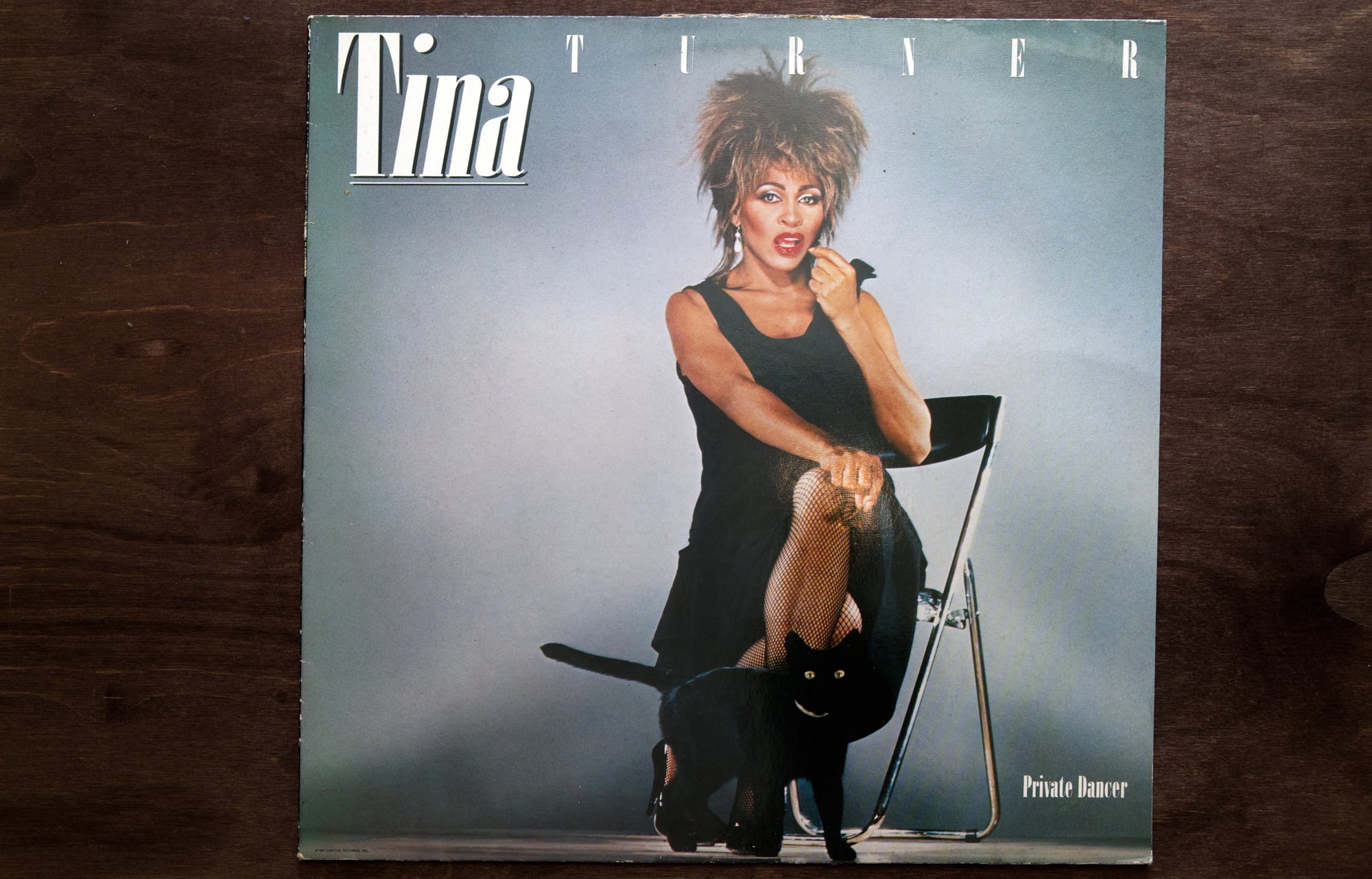
Tina Turner’s voice combined what one journalist described as “the emotional force of the great blues singers with a sheer, wallpaper-peeling power.” That’s about as accurate a description as you’re going to find.
Born Anna Mae Bullock in Tennessee, Turner spent years as the lead vocalist in Ike & Tina Turner’s band before escaping an abusive marriage in the mid-1970s. She left with almost nothing.
Then, in 1984, at age 44, she released Private Dancer. It sold over 10 million copies and won multiple Grammy Awards.
Her comeback didn’t just save her career — it essentially invented the concept of the comeback in popular music. On stage, Turner was a force.Her rapid-fire vocal style, combined with choreography that influenced everyone from Mick Jagger to Beyoncé, made her live shows something close to an event.
She sold over 100 million records in total and was inducted into the Rock and Roll Hall of Fame twice — once with Ike, and again as a solo artist in 2021.
Mariah Carey — Five Octaves and a Whistle

Mariah Carey can sing five octaves. That alone would be enough to set her apart.
But what actually makes her voice remarkable is what she does with it — the way she moves between registers with an ease that sounds almost effortless, even though it’s anything but.
Her whistle register, where the voice produces tones so high they barely sound like singing, became a signature move that no other mainstream pop artist has matched. Songs like “Hero” and “We Belong Together” showcased both the technical firepower and the emotional depth of her voice.
Carey has won 23 Grammy Awards and sold well over 200 million records worldwide. She’s one of the best-selling music artists in history, and her vocal range and control remain the benchmark for pop and R&B singers working today.
Celine Dion — Built to Last
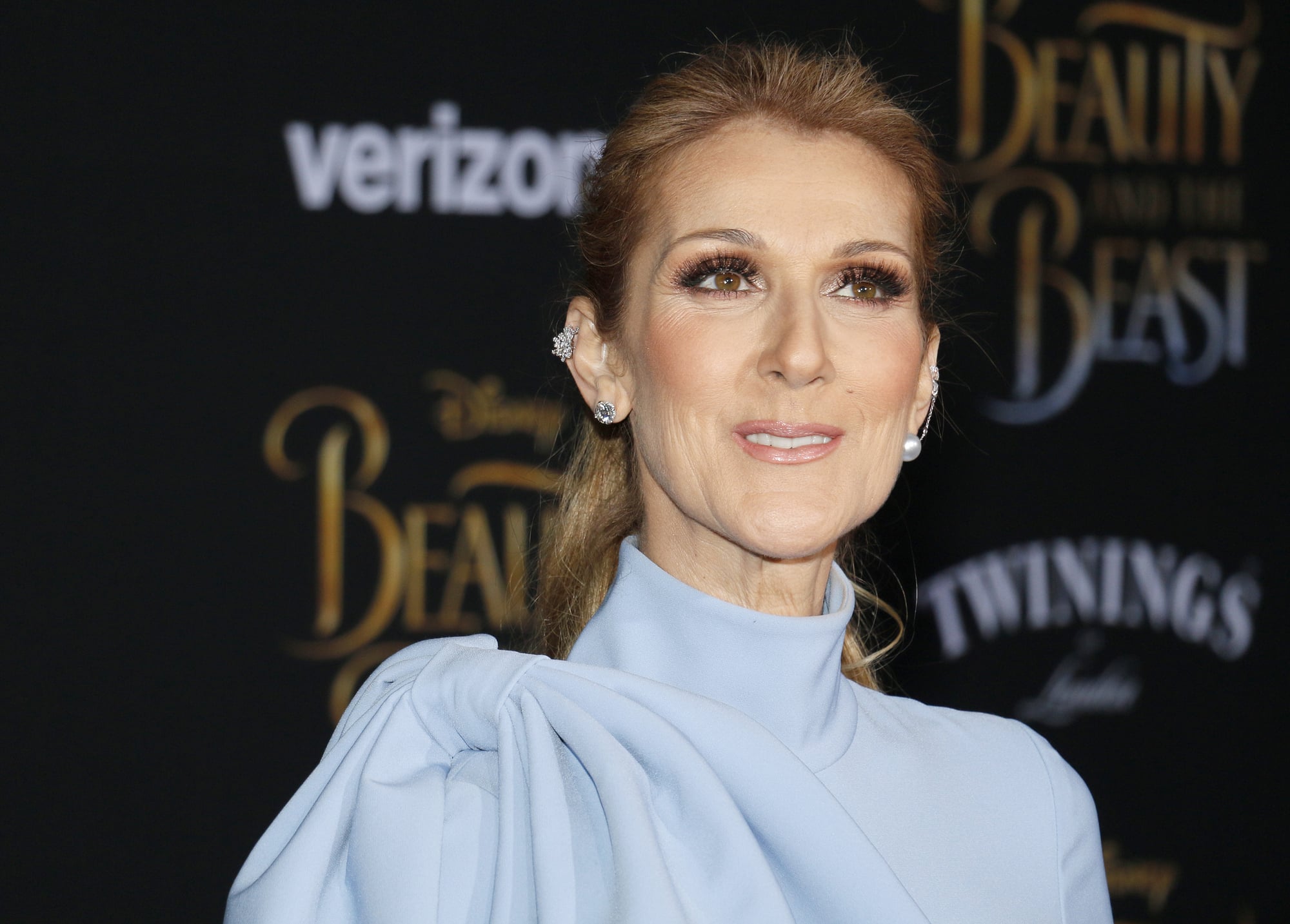
There’s a reason Celine Dion’s version of “My Heart Will Go On” became one of the most recognized songs on the planet. Her voice carries an almost architectural quality — built strong at the base, soaring at the top, and designed to fill enormous spaces.
Dion sold over 200 million records worldwide, and her ability to deliver power ballads with genuine emotional weight kept her at the top of the charts for decades. But she wasn’t just a ballad singer.
Her vocal control allowed her to navigate both delicate, breathy moments and full-throttle belting within the same song, and she did it with a precision that held up night after night on tour. She remains one of the greatest live performers in terms of longevity — a singer who could do it for decades without the voice breaking down.
Adele — Raw and Unassuming

Adele doesn’t try to dazzle you with runs or high notes. She doesn’t need to.
Her mezzo-soprano voice carries a richness and emotional weight that hits you somewhere deep before you’ve even finished listening.
Her album 21, released in 2011, broke numerous records and earned her six Grammy Awards in a single night. The album 25 followed with similar success — demand was so high it reportedly caused a global vinyl shortage.
What makes Adele stand out isn’t technical gymnastics. It’s honesty.
When she sings about loss or heartbreak, you believe every word. That kind of sincerity is harder to pull off than any vocal run.
She’s spoken openly about stage fright, which makes her willingness to get on stage and deliver every time even more striking.
Amy Winehouse — Jazz in a Rock Body

Amy Winehouse brought something to modern pop that hadn’t been there for a long time: a voice that sounded like it belonged in a 1960s jazz club, but was singing songs that felt completely current.
Her 2006 album Back to Black showcased a smoky, retro-soul sound that blended jazz, blues, and R&B in a way that felt effortless. The album won five Grammy Awards and remains a touchstone for anyone interested in how a voice can carry mood and atmosphere.
George Michael called her the best female vocalist he’d ever heard in his career. Winehouse died in 2011 at 27, but her influence on how younger artists approach soul and vocal storytelling has been significant.
She proved that vulnerability could be a strength — that a voice didn’t need to be polished to be compelling.
Joni Mitchell — A Voice That Grew Up in Public

Joni Mitchell’s voice changed over the decades, and that’s part of what makes her so interesting to listen to. In the late 1960s, it was bright and high, delicate enough to carry folk ballads like “Both Sides Now” with an almost childlike clarity.
By the time she revisited that same song decades later, her voice had deepened and roughened into something warmer, more world-worn, more knowing. Mitchell wrote nearly all of her own material, which meant her voice was always in service of words she’d chosen herself.
That connection between the lyrics and the delivery gave her songs a personal quality that set her apart from most of her contemporaries. Her influence on songwriting and vocal expression in folk and rock music is hard to overstate.
Gladys Knight — Gospel Power, Soul Delivery

Gladys Knight started singing professionally before she was ten years old, and it shows. Her voice carries the kind of authority that only comes from decades of knowing exactly what a song needs.
Rooted in gospel, Knight brought a depth and spiritual weight to soul music that few singers have matched. Her phrasing is deliberate, her tone is rich, and when she opens up on a big note, the room changes.
She’s earned the nickname “Empress of Soul” — and unlike many of these titles, it actually fits. Knight has won seven Grammy Awards across a career stretching from the 1950s onward.
She’s one of the few artists in history to chart hits across five different decades.
Lady Gaga — More Than Meets the Eye
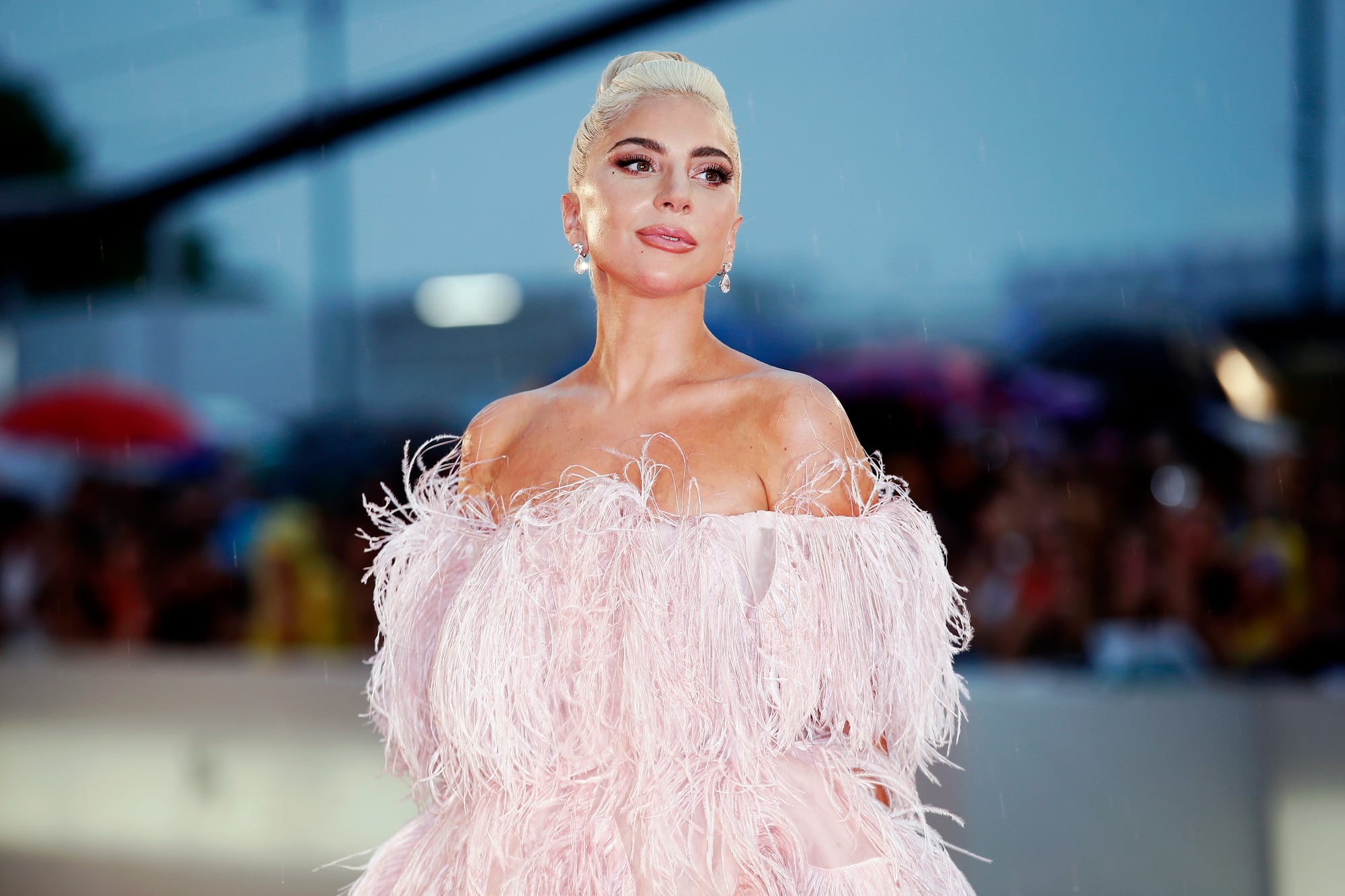
Lady Gaga started her career being taken seriously as a dancer and a spectacle more than a vocalist. That was a mistake on the part of anyone who dismissed her voice.
Underneath the theatrical performances and the costumes, Gaga is a classically trained pianist and a singer with genuine vocal range and control. Her performance of “Shallow” in the 2018 film A Star is Born stripped away all the theatrics and revealed something raw and powerful.
Critics who had underestimated her as a vocalist had to reconsider. She has won 13 Grammy Awards and has shown a willingness to move between pop, jazz, and dramatic ballads in a way that keeps her voice fresh and unpredictable.
The depth of her instrument becomes more apparent with every year.
What These Voices Share
Start with one voice, then another – each stands apart. Not a single pair shares a tone.
Aretha brings fire shaped by church walls, while Billie speaks low, like secrets meant for one ear. Janis tears through notes as they owe her something; Ella shapes every syllable with calm control.
One after the next, they refuse to echo each other. Still, each took an identical path in one core way: their sound stood out beyond confusion.
Just two seconds played, recognition followed instantly. Such uniqueness refuses creation on demand.
It grows through long stretches of stretching limits, rejecting imitation, letting audiences decide if they stay on board. What made certain singers stand out wasn’t about hitting high notes or loudness or perfect control.
It was that they carried meaning – a truth shaped in sound unlike any other.
More from Go2Tutors!

- The Romanov Crown Jewels and Their Tragic Fate
- 13 Historical Mysteries That Science Still Can’t Solve
- Famous Hoaxes That Fooled the World for Years
- 15 Child Stars with Tragic Adult Lives
- 16 Famous Jewelry Pieces in History
Like Go2Tutors’s content? Follow us on MSN.