Nostalgic Magazines People Collect
Back then, before thumbs swiped screens, paper pages came folded inside envelopes. A magazine showed up like a guest who knocks once and stays awhile.
It rested where people could see it – on low tables, near couches, sometimes left open mid-article. Each turn of the sheet felt deliberate, almost quiet. People didn’t just read them – they kept them, tucked beside bookshelves or saved in drawers.
These weren’t updates flashing past eyes; they stood still, claiming space. Even when fewer copies were printed each year, some names held on. Weight mattered.
Texture helped memory stick. Something about holding a cover made belief easier. As everything else turned light and fast, those editions stayed heavy in the hands.
Magazines mean more than old pages now. What sticks is how they held up snapshots of change, showing what people talked about back then in ways screens hardly ever manage.
Design makes certain copies stand out, while words pull others forward – often it is the personal echoes that give weight. Moments live inside these folds, not just facts.
Peeking into the past, old magazines draw collectors who find charm in yellowed pages. These print relics stick around because they speak of simpler times.
Flipping through them feels like visiting another world. Their staying power comes from memories tucked inside each issue.
Some love the photos others the stories once fresh now vintage. Holding one brings back moments long gone. Not everyone gets it yet those who do never let go.
Life

Life magazine occupies a unique place in publishing history because it taught readers how to see the world through photographs. At its peak in the mid-20th century, it brought major global events into living rooms with clarity and emotional weight.
Wars, political moments, and cultural milestones were presented visually, often before television became widespread.Collectors are drawn to Life because each issue feels like a time capsule.
The photography captures not only historic moments but also everyday life in ways that feel intimate and immediate. Even now, flipping through an old issue offers a sense of presence that modern media rarely recreates.
National Geographic
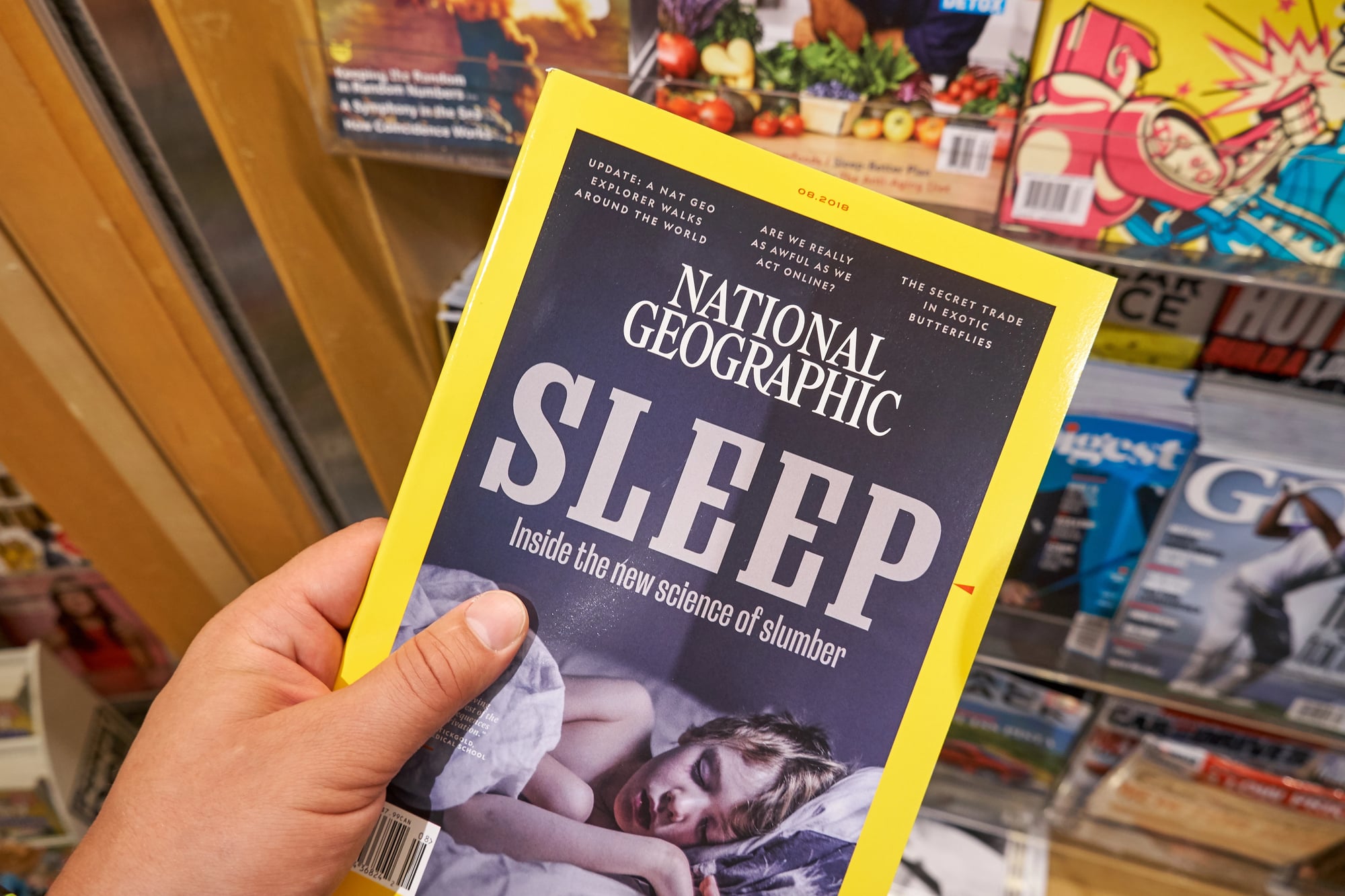
National Geographic has long been synonymous with exploration, science, and storytelling grounded in curiosity. Its distinctive yellow border made it instantly recognizable, and its photography set a standard that few publications could match.
Readers trusted it to bring distant places and cultures closer in a respectful and informative way.For collectors, older issues represent a record of how the world was once understood and documented.
The writing style, map inserts, and photography reflect changing perspectives over time. Complete collections are especially valued because they show decades of evolving knowledge and visual storytelling.
Playboy

— Photo by monticello
Playboy’s collectability often surprises people who only associate it with a single aspect of its identity. At its height, the magazine functioned as a cultural platform that featured respected writers, long-form interviews, and commentary on art, politics, and society.
Its editorial ambitions extended far beyond surface-level appeal.Collectors often seek early issues or editions tied to notable interviews and contributors.
These magazines represent a specific era in publishing when print could be provocative, influential, and widely discussed all at once. As a result, they hold historical significance beyond their covers.
Rolling Stone
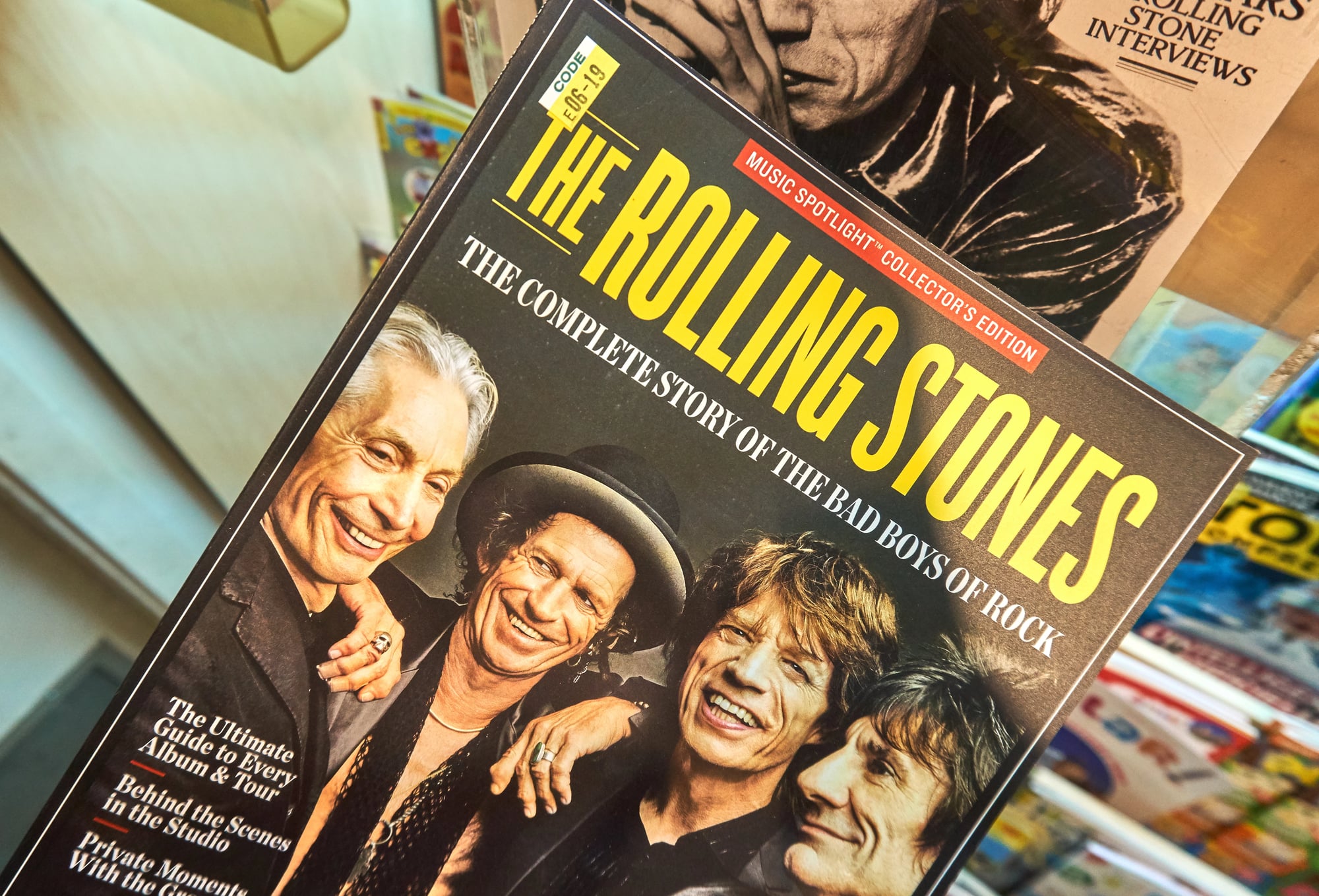
Rolling Stone captured the sound and spirit of changing generations. What began as a music-focused publication grew into a broader chronicle of youth culture, politics, and social movements.
Its long-form interviews and investigative pieces became essential reading during periods of cultural upheaval.Collectors value Rolling Stone for its documentation of artists at pivotal moments in their careers.
Album releases, tours, and movements were often covered in real time, making older issues feel like firsthand accounts. Holding a vintage copy connects readers to moments when music and culture felt inseparable.
MAD Magazine

MAD Magazine stood apart by refusing to take anything seriously. Its satire skewered politics, advertising, entertainment, and social norms with sharp humor and distinctive art.
For many readers, it offered their first exposure to critical thinking disguised as comedy.Collectors seek MAD issues because they reflect the concerns and absurdities of their eras with remarkable honesty.
The humor remains relevant because it was rooted in observation rather than trends. Complete runs or early editions are especially prized for their originality and cultural influence.
Vogue

Vogue has long been more than a fashion magazine. It has served as a record of style, design, photography, and cultural aspiration.
Each issue captures not only what people wore, but how beauty and identity were presented at specific moments in time.Collectors gravitate toward Vogue for its visual excellence and historical relevance.
Iconic covers, landmark photo shoots, and influential editors contribute to its lasting value. Vintage issues are often treated as art objects, valued as much for their design as their content.
Time
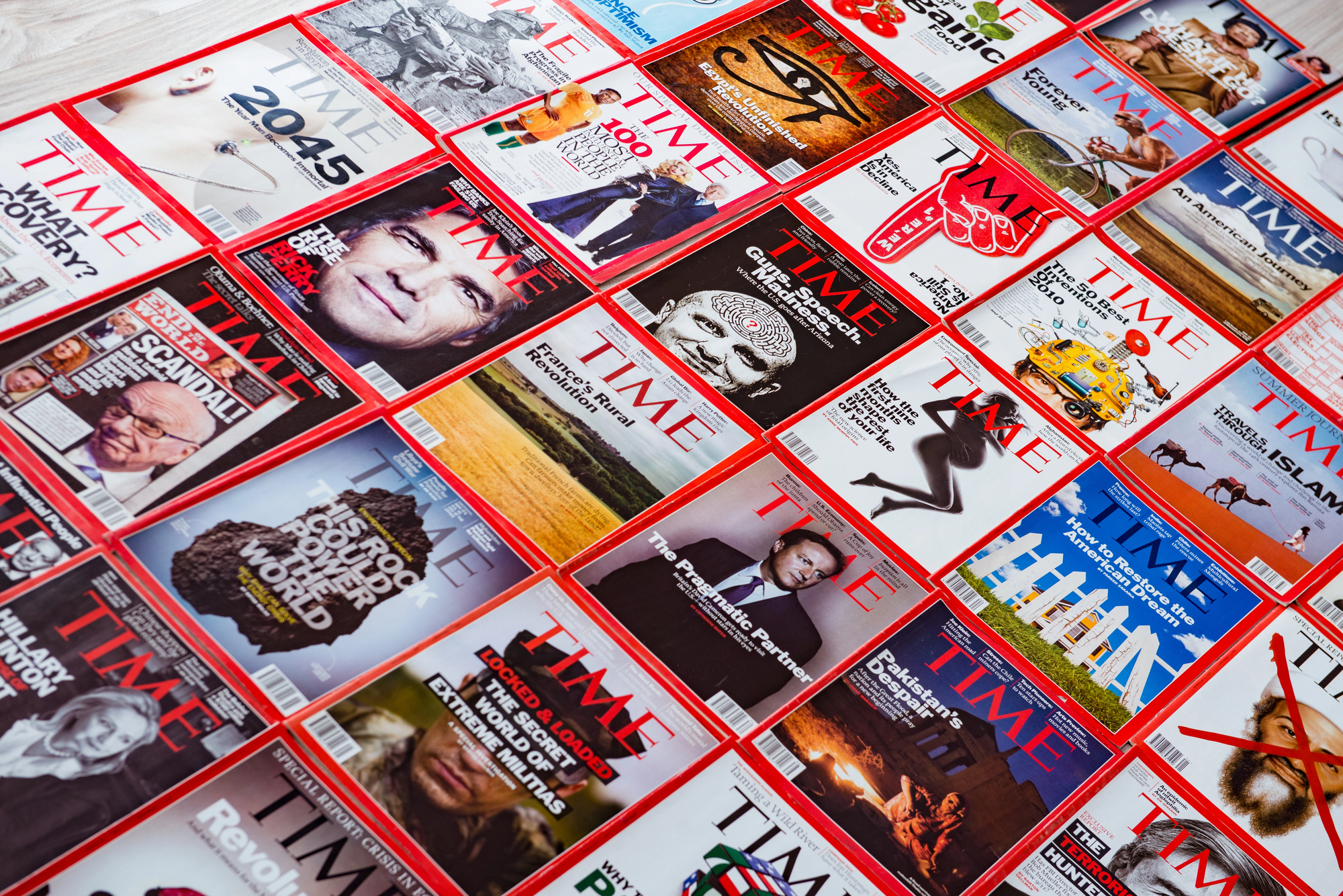
Time magazine helped define how news was packaged for a general audience. Its recognizable cover design and concise reporting made complex events accessible. For decades, being featured on the cover signaled importance and relevance on a global scale.
Collectors are drawn to Time because of its role as a historical record. Major political events, cultural shifts, and public figures are preserved in its pages. Individual issues tied to significant moments often hold particular appeal, serving as snapshots of collective attention.
Seventeen
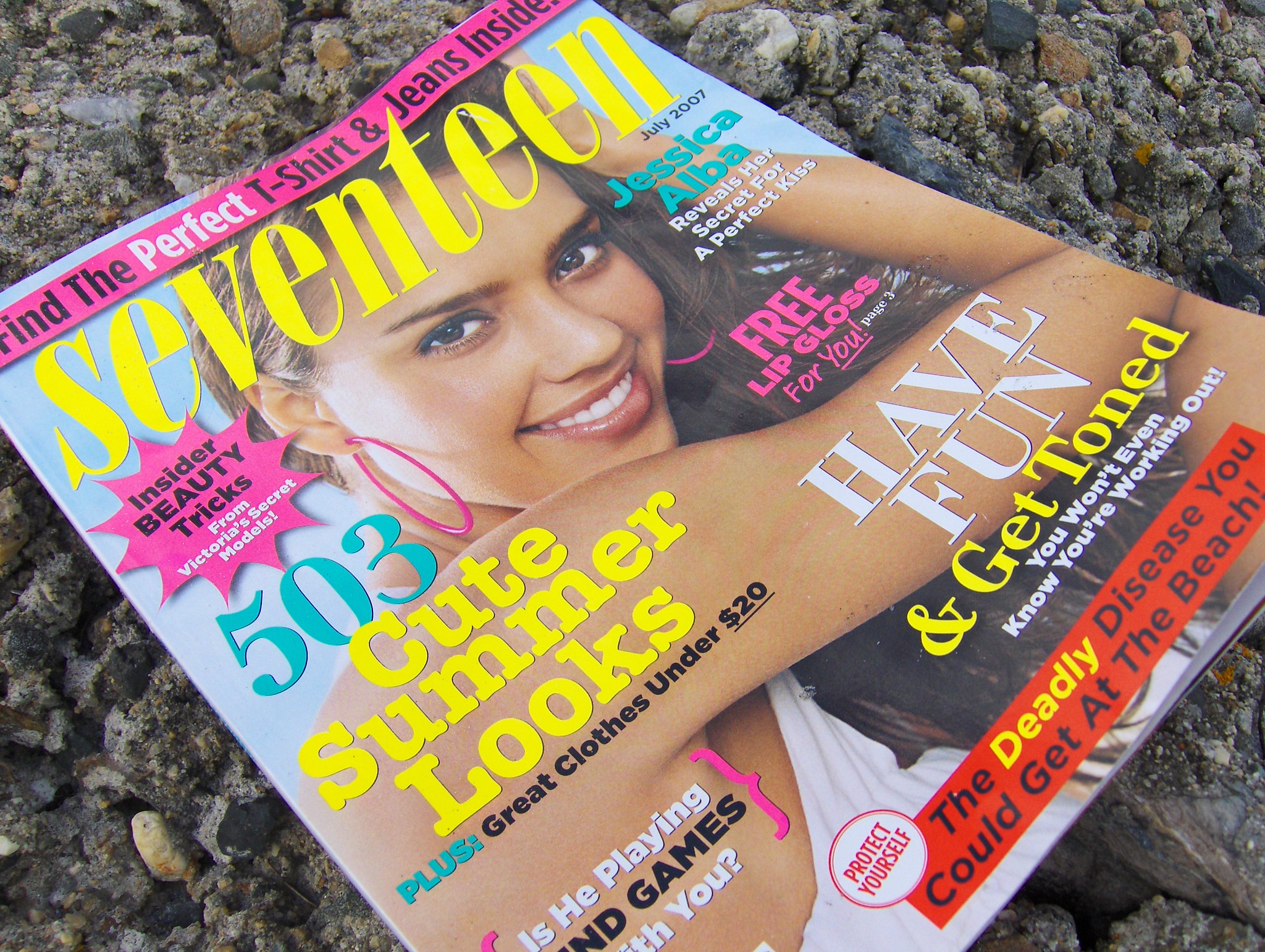
Seventeen spoke directly to young readers during formative years. It blended fashion, advice, pop culture, and lifestyle content in a way that felt personal and reassuring. For many, it was a first introduction to the media that acknowledged their interests and concerns.
Collectors value Seventeen for its emotional resonance. Old issues reflect changing norms around youth, identity, and self-expression. Reading them now offers insight into how adolescence was framed in different decades, making the magazine both nostalgic and revealing.
TV Guide

TV Guide documented entertainment at a time when watching television required planning. Weekly listings were essential, and the magazine became a household staple. Beyond schedules, it offered interviews, previews, and commentary on popular shows.
Collectors are drawn to TV Guide because it preserves a slower rhythm of media consumption. Each issue captures what audiences were watching and anticipating at a given moment. Covers featuring iconic programs or performers often hold special appeal for collectors.
The New Yorker
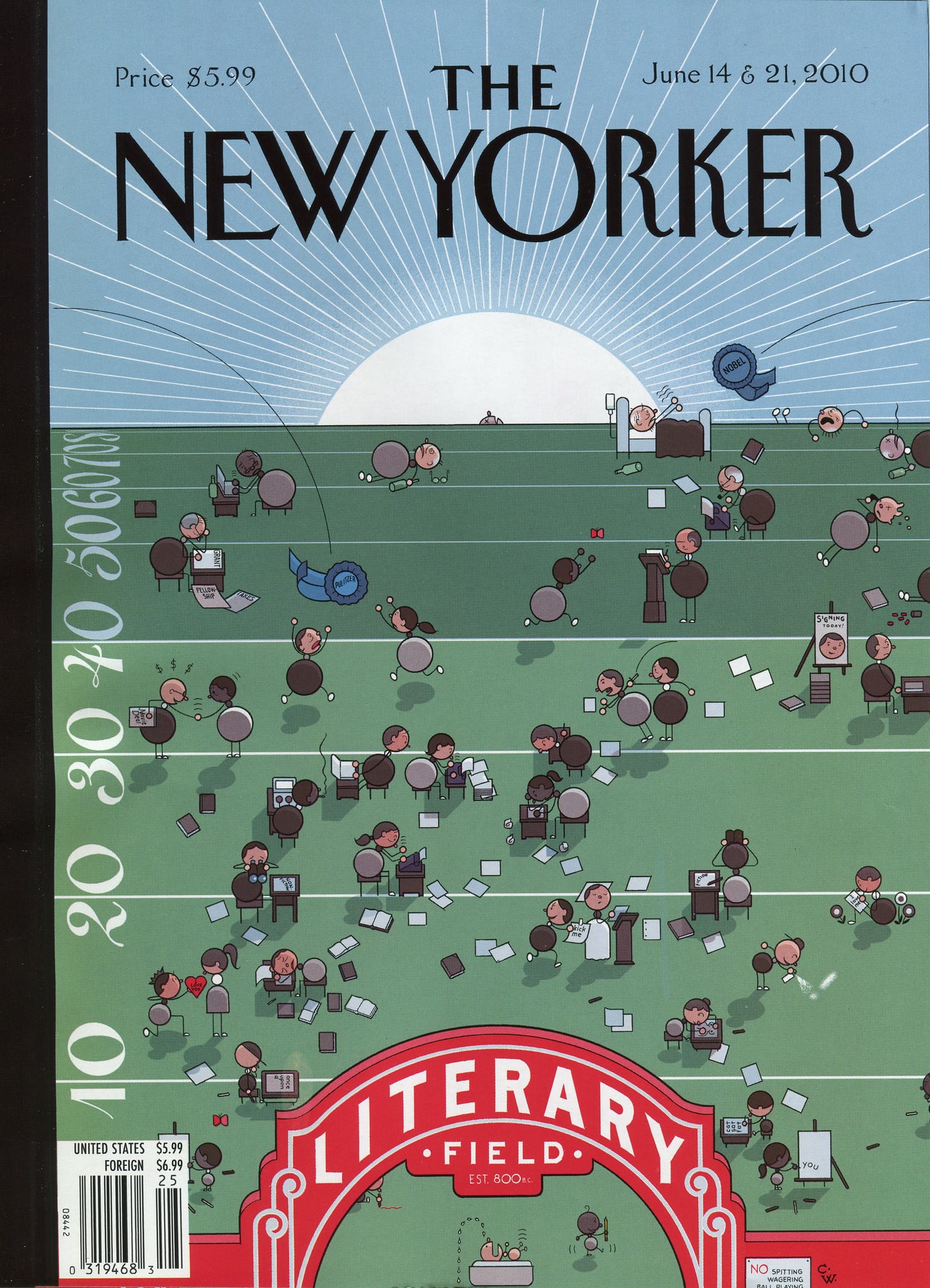
The New Yorker has built its reputation on thoughtful writing, illustration, and understated humor. Its cartoons, essays, and reporting reflect a commitment to nuance and literary quality. Over time, it became a benchmark for long-form journalism.
Collectors often seek older issues for their timeless content and artwork. The magazine’s style has remained consistent, making decades-old editions feel surprisingly current. For readers who appreciate craft and restraint, The New Yorker offers enduring value.
Why Print Still Holds Its Power

Pages once felt heavy with thought, didn’t they. Moments lived between covers built slowly, shaped by touch instead of taps. A pause came naturally when ink met paper, slowing eyes and mind alike. Focus wasn’t chased – it arrived with the rustle of turning sheets.
Stillness lives between magazine pages, even now. Not only do they show facts, but moods too – what mattered then, how people saw things. Because of this, some keep every copy safe. Stories came tucked inside folds, quiet until someone turned the page. A different rhythm ran through those hands.
More from Go2Tutors!

- The Romanov Crown Jewels and Their Tragic Fate
- 13 Historical Mysteries That Science Still Can’t Solve
- Famous Hoaxes That Fooled the World for Years
- 15 Child Stars with Tragic Adult Lives
- 16 Famous Jewelry Pieces in History
Like Go2Tutors’s content? Follow us on MSN.