Everyday Items Turned High-Fashion Hits
Luxury doesn’t always begin with rare jewels or couture fabrics. Sometimes the most ordinary things—objects meant for chores, sports, or school—are reimagined and suddenly walk down runways with price tags in the thousands.
Below are everyday items that were transformed into high-fashion icons.
White T-Shirts
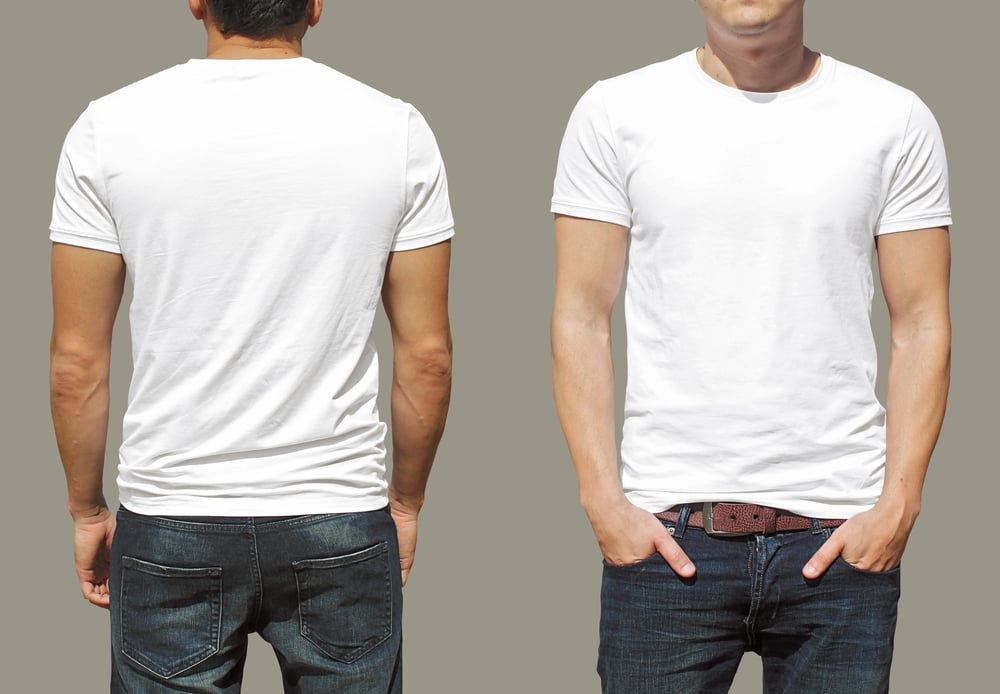
Once a simple undershirt, the white tee has been elevated by brands like Prada and Givenchy. Suddenly it’s not just cotton—it’s a carefully cut piece of minimalism priced at hundreds of dollars. The irony isn’t lost: a garment meant for invisibility turned into a statement.
Denim Jeans

Workwear for miners became one of fashion’s most enduring staples. Luxury houses now distress denim by hand, add embellishments, and sell jeans for sums that rival monthly rent. And the appeal remains universal. Rugged, but chic. A contradiction wrapped in indigo.
Like Go2Tutors’s content? Follow us on MSN.
Sneakers
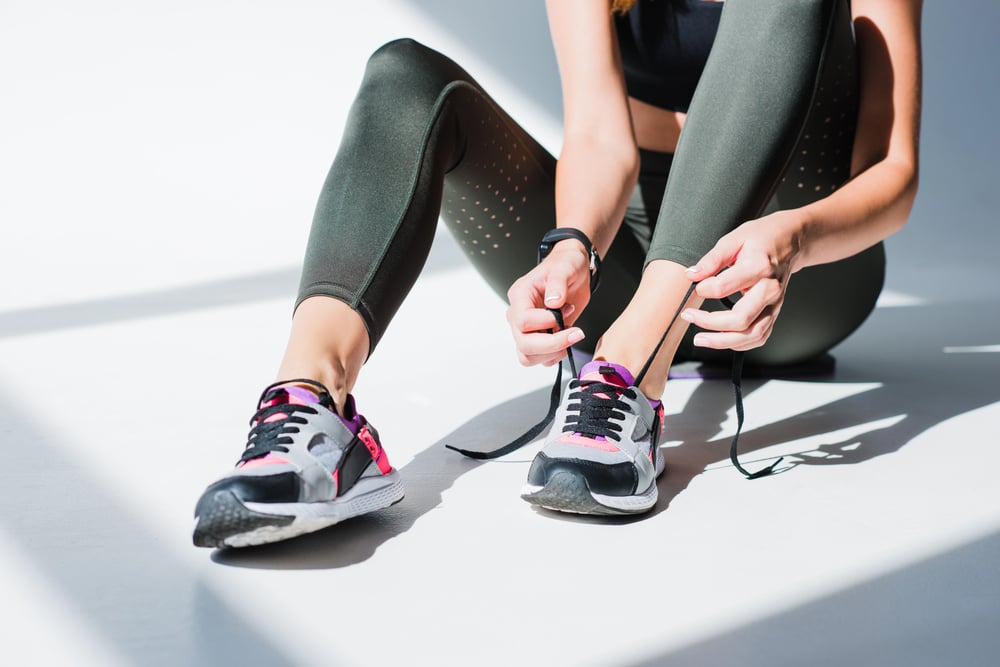
Athletic shoes, built for courts and tracks, crossed into high fashion decades ago. Designers like Balenciaga and Dior turned sneakers into runway must-haves, some fetching four-figure sums.
- Chunky soles
- Limited editions
- Collaborations with artists
What was once gym gear now sparks bidding wars.
Hoodies

Streetwear elevated the hoodie, once dismissed as too casual, to designer status. Brands began releasing hooded sweatshirts made from cashmere, embroidered with logos, or adorned with crystals. Still, at its core, it’s a sweatshirt. Soft fleece. Drawstrings. Kangaroo pocket. Nothing mysterious there—except the price.
Baseball Caps

A sunny-day staple became a luxury canvas. Gucci, Louis Vuitton, and Chanel released logo-heavy versions with leather brims and exotic materials. Not great if caught in the rain. Yet, the cap moved from stadiums to catwalks with surprising ease.
Like Go2Tutors’s content? Follow us on MSN.
Tote Bags
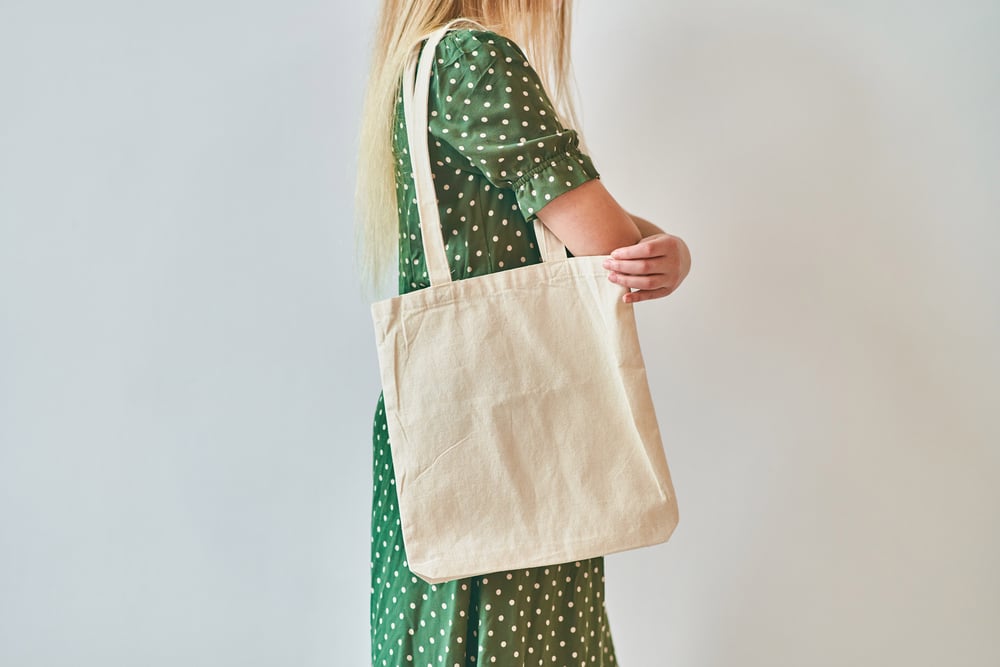
The humble tote, used for groceries and library books, transformed into a runway darling. Designers pushed out oversized leather versions, monogrammed canvas, and limited collaborations. A bag once handed out free at conferences suddenly costs as much as a holiday weekend.
Crocs
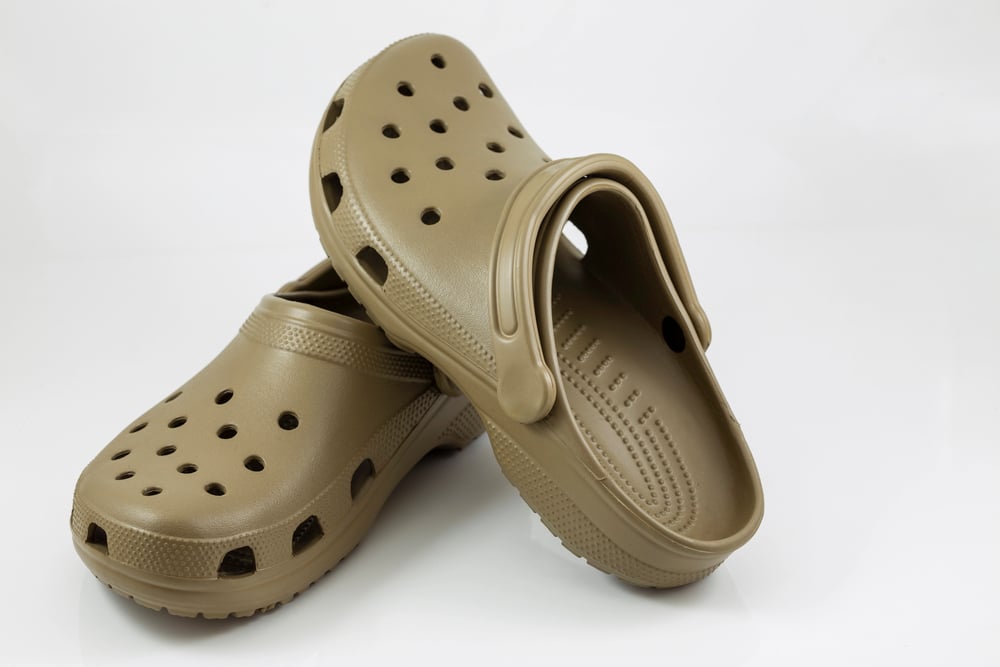
Once the butt of fashion jokes, Crocs found new life in high-end collaborations with Balenciaga and Salehe Bembury. The foam clogs appeared with exaggerated platforms, wild textures, and jewel-like decorations. Somehow, against all odds, ugly became desirable.
Work Boots
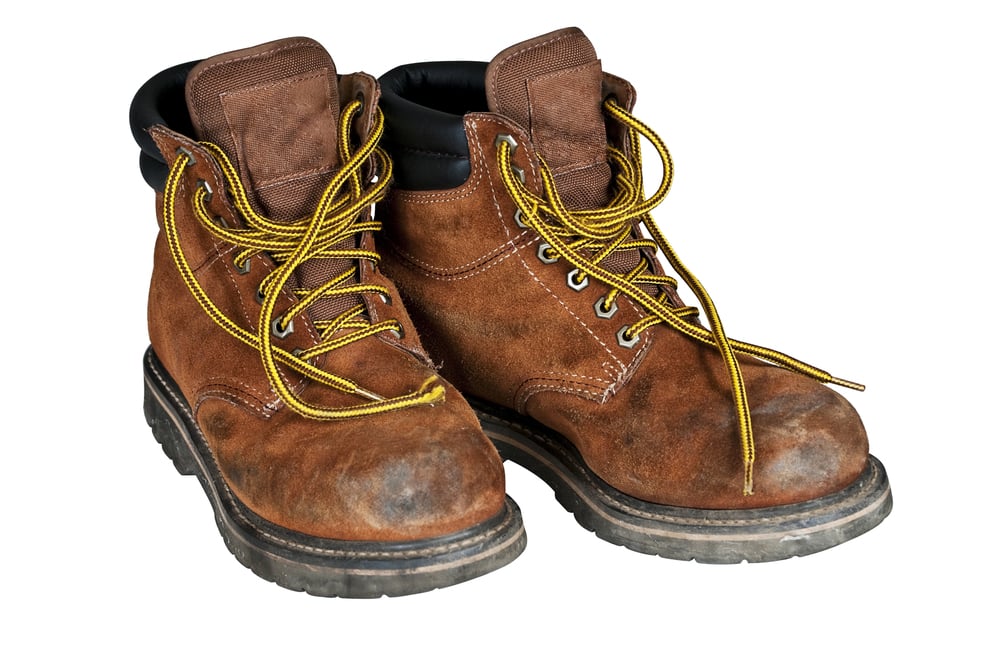
Timberlands and steel-toe silhouettes shifted from construction sites to high-fashion wardrobes. Designers covered them in velvet, crystals, and bold patterns. So, a boot made to protect feet on scaffolding ended up in glossy editorials. Heavy, but stylish.
Like Go2Tutors’s content? Follow us on MSN.
Tracksuits

What was gym wear in the 1970s reemerged as high-fashion loungewear. Velour Juicy Couture sets in the 2000s paved the way for luxury designers to create silk and cashmere versions. Today, tracksuits are as likely to appear in front rows as in locker rooms.
Backpacks
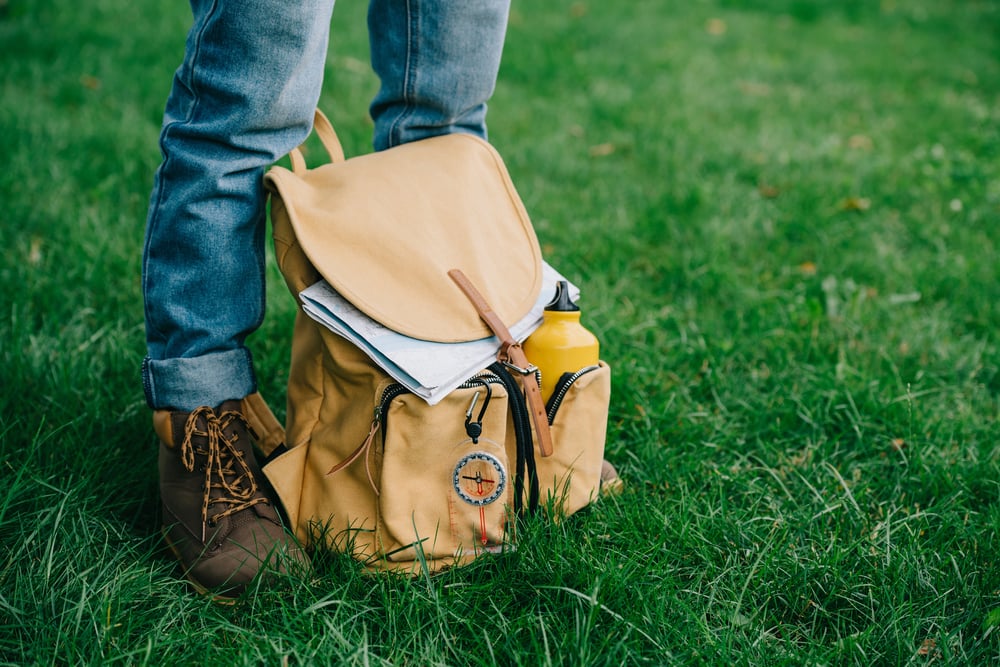
From school corridors to Milan Fashion Week. Luxury backpacks use exotic leathers, sleek minimalism, or street-inspired shapes. Some are priced higher than traditional briefcases. And yet, they still hold the same things: books, laptops, snacks. Funny how little that part changes.
Everyday Made Extraordinary

Fashion thrives on reinvention. By taking what’s common and reframing it as luxury, designers remind the world that even the most ordinary items can be transformed into status symbols. Sometimes, the magic lies not in what the item is—but in how it’s worn.
Like Go2Tutors’s content? Follow us on MSN.
More from Go2Tutors!

- 16 Historical Figures Who Were Nothing Like You Think
- 12 Things Sold in the 80s That Are Now Illegal
- 15 VHS Tapes That Could Be Worth Thousands
- 17 Historical “What Ifs” That Would Have Changed Everything
- 18 TV Shows That Vanished Without a Finale
Like Go2Tutors’s content? Follow us on MSN.