16 Countries Where Official Languages Are Spoken by Less Than 5% of Citizens
Languages often serve as pillars of national identity, yet many countries have official languages that barely register in everyday conversation. This linguistic oddity typically stems from colonial hangovers, calculated political decisions, or historical twists that have created some genuinely fascinating cultural contradictions across the globe.
Here is a list of 16 countries where official languages are spoken by less than 5% of citizens – each with its own unique story about the sometimes bizarre disconnect between official policy and linguistic reality.
Rwanda
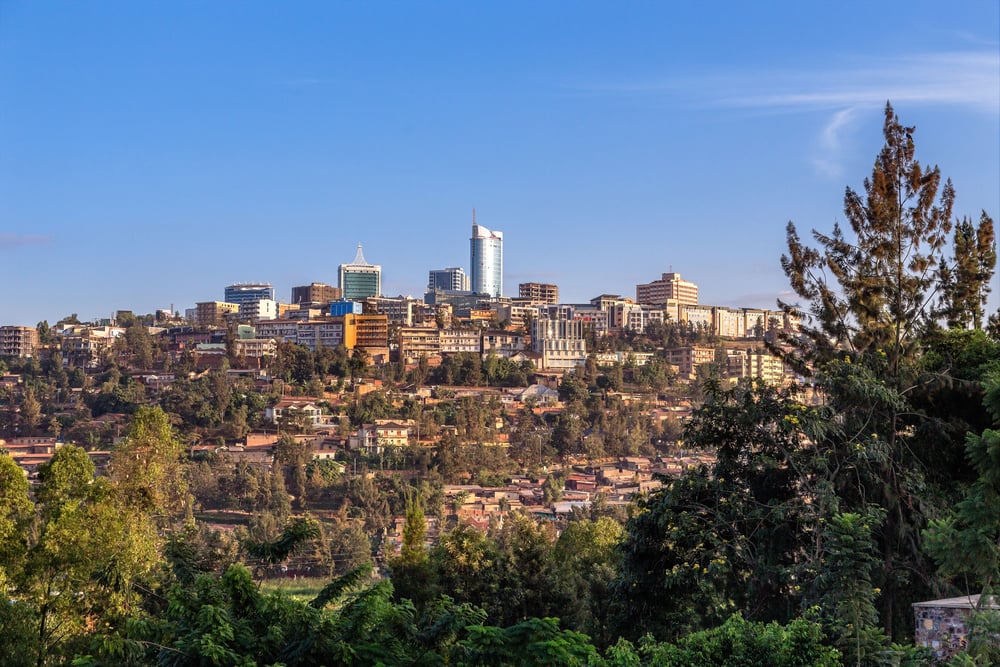
Rwanda’s official languages include English and French, but you’d hardly know it from walking the streets – less than 5% of Rwandans use either as their main language. After the horrific 1994 genocide, the government deliberately ditched French (too reminiscent of colonial ties) in favor of English as part of cozying up to the East African Community.
Meanwhile, Kinyarwanda remains what everyone actually speaks – it’s a bit like keeping fancy china that only comes out when important guests visit, while eating off regular plates every day.
Equatorial Guinea

Spanish holds official status in Equatorial Guinea – a leftover from colonial days – yet barely 4% of locals speak it with any real fluency. Most people chat in local languages like Fang, Bubi, or various creoles that developed naturally over generations.
French and Portuguese also count as official languages here, creating an absurd situation where government paperwork exists in languages most citizens couldn’t read if their lives depended on it. The gap between what’s official and what’s practical couldn’t possibly be wider in this tiny West African nation.
Namibia

English enjoys official status across Namibia, though fewer than 3% of Namibians grew up speaking it at home. The country adopted English after breaking free in 1990 despite having virtually no historical connection to British rule – they chose it as a neutral option among competing indigenous language groups.
Most Namibians actually communicate in Oshiwambo, Nama/Damara, or Afrikaans day to day. This creates the weird reality where practically everyone must learn what amounts to a foreign language just to deal with their own government – imagine needing a translator to read your tax forms!
Chad
French maintains official status in Chad, though good luck finding many people who speak it beyond government offices. Roughly 1% of the population speaks it with any real confidence.
Arabic functions as the other official language with somewhat higher usage rates, but most Chadians communicate using local languages like Sara or regional Arabic dialects that bear little resemblance to the classical variety. French hangs on in government and education like a stubborn houseguest who refuses to leave – a lingering colonial shadow with minimal relevance to how most citizens actually talk to each other.
Senegal

French holds official status throughout Senegal – yet venture beyond government buildings and you’ll discover that only about 4% of Senegalese citizens speak it with any meaningful fluency. Wolof functions as the true national language, understood by roughly 90% of the population regardless of which ethnic group they belong to.
The continued dominance of French in government, education, and media creates a massive hurdle for ordinary folks trying to engage with official institutions. It’s rather like keeping the instruction manual for an entire country in a language most residents barely comprehend.
Mali
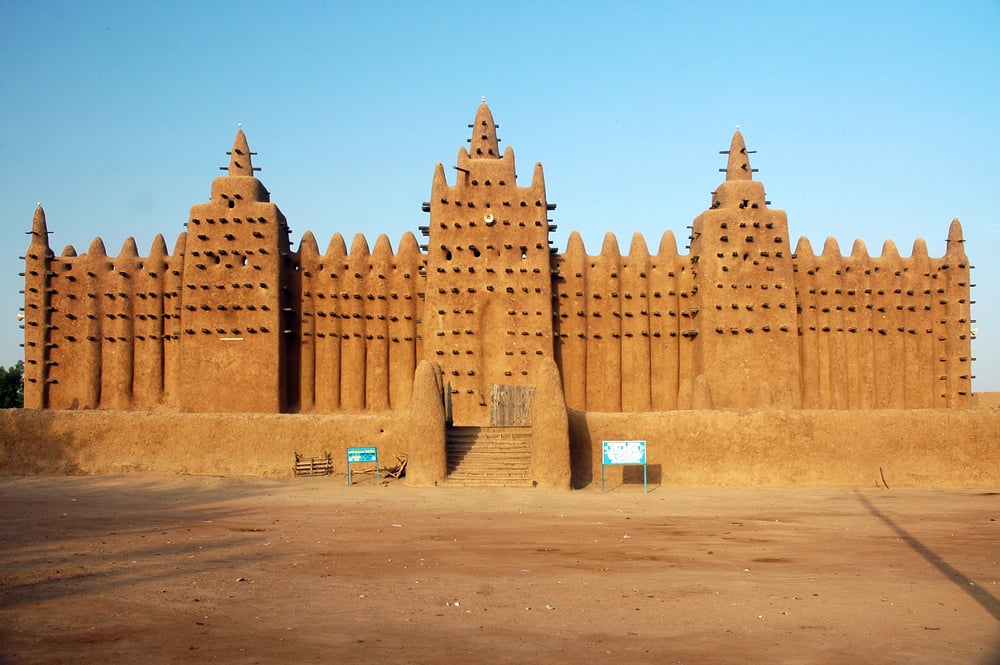
French remains Mali’s official language – a curious fact considering only about 3% of Malians can speak it proficiently. Bambara works as the actual common tongue, understood by approximately 80% of citizens across ethnic boundaries.
This massive gap between policy and reality means many Malians need translators or middlemen just to understand basic government communications, creating a profound disconnect between regular people and the institutions supposedly serving them.
Niger

French maintains its official status in Niger despite only about 2% of the population having any real command of it. Most Nigeriens communicate using Hausa, Zarma, or other indigenous languages in their day-to-day lives – languages that evolved naturally in the region over centuries.
This linguistic divide essentially creates two parallel societies – the tiny French-speaking elite who control access to power and the vast majority who must navigate life in languages deemed unofficial by their own government.
Mozambique

Portuguese holds official language status across Mozambique, but only around 4% of citizens learned it as their mother tongue. Following independence, they kept the former colonial language as a unifying element among diverse ethnic groups who otherwise might have trouble communicating.
Most Mozambicans speak Makhuwa, Changana, or other Bantu languages at home and in their communities. Getting ahead professionally or academically typically requires mastering what remains essentially a foreign language for most of the population.
Democratic Republic of Congo
Though less than 5% of the population can really use it with any confidence, French remains official status in the Democratic Republic of Congo. National languages with significantly more daily use are Lingala, Kikongo, Tshiluba, and Swahili—languages that evolved naturally over centuries of local history.
The language gap creates great obstacles to civic engagement since important government papers, court cases, and educational materials exist mostly in a language most people can hardly reach.
Angola
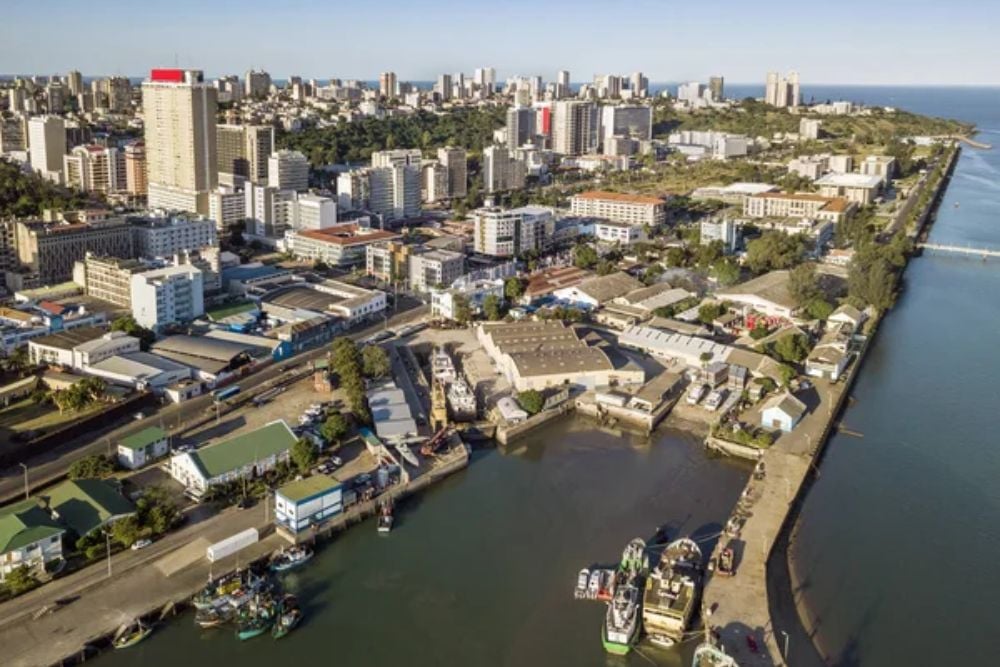
Portuguese holds official status throughout Angola despite only about 2% of Angolans speaking it as their first language. After gaining independence in 1975, the government stuck with the colonial language as a neutral choice among various competing ethnic groups.
Most Angolans actually communicate using Umbundu, Kimbundu, or other Bantu languages in their daily lives. This creates a society where getting ahead often depends on mastering what amounts to a foreign language for most citizens.
Djibouti
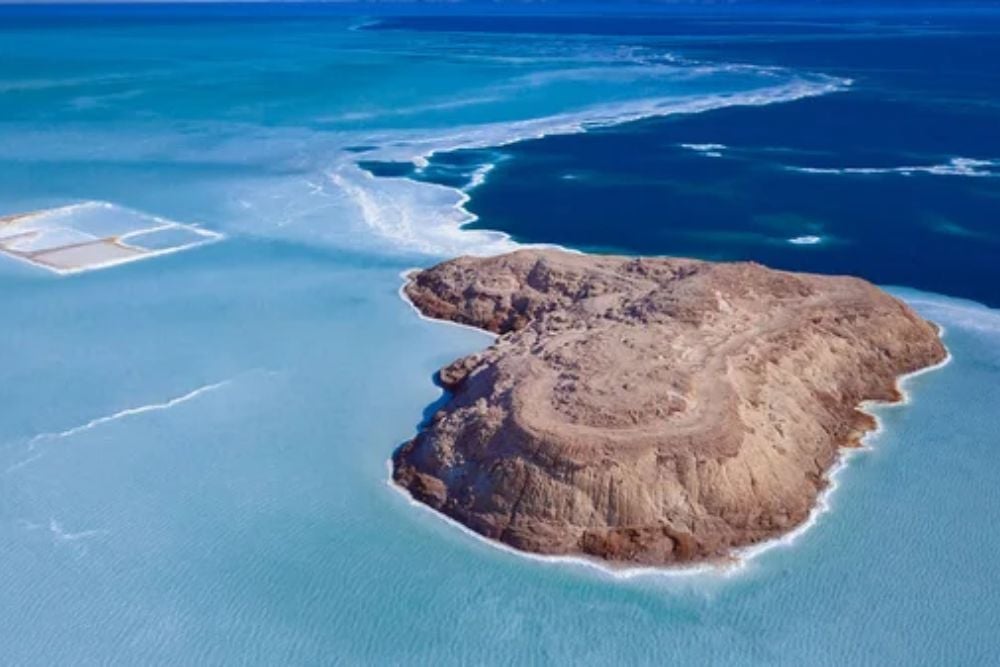
French and Arabic serve as official languages in Djibouti, yet less than 5% of the population speaks French natively, while standard Arabic remains similarly uncommon in everyday conversation. Most Djiboutians communicate using Somali or Afar when talking with family, shopping in markets, or chatting with neighbors.
This creates a situation where languages of government, higher education, and international relations remain largely inaccessible to ordinary citizens, effectively establishing linguistic barriers to full participation in society.
Benin
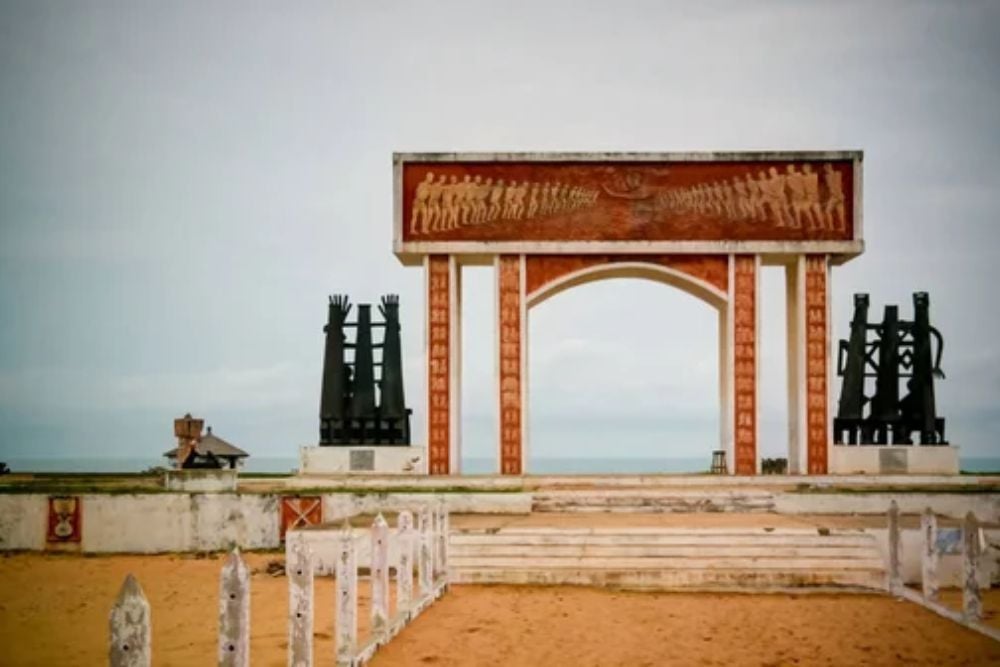
French serves as the official language of Benin though only about 4% of citizens speak it with any real proficiency. The vast majority communicate using Fon, Yoruba, and various other indigenous languages that have been spoken in the region for centuries.
This linguistic divide effectively creates a two-tiered society where access to government services, higher education, and certain career paths requires fluency in a language most citizens never fully master. Imagine having your country’s most important systems and opportunities locked behind a language barrier.
Central African Republic
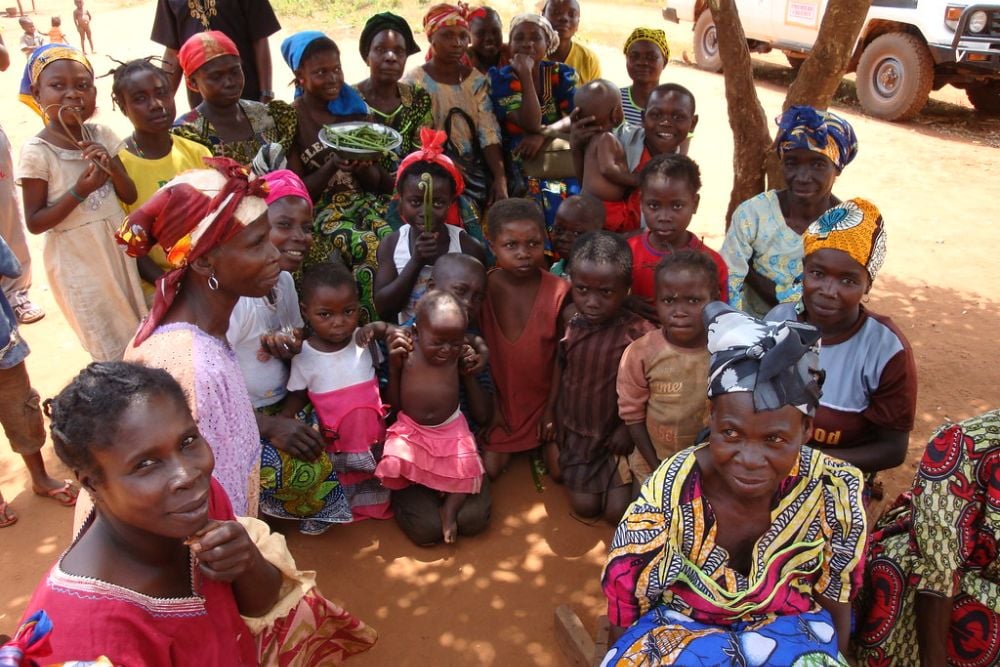
French maintains official status in the Central African Republic despite fewer than 3% of citizens speaking it fluently. Sango serves as both a national language and the actual common tongue, understood by most people across different ethnic communities.
The continued prominence of French in government, education, and professional sectors creates substantial obstacles for ordinary citizens attempting to engage with official institutions or pursue advanced studies.
Mauritania
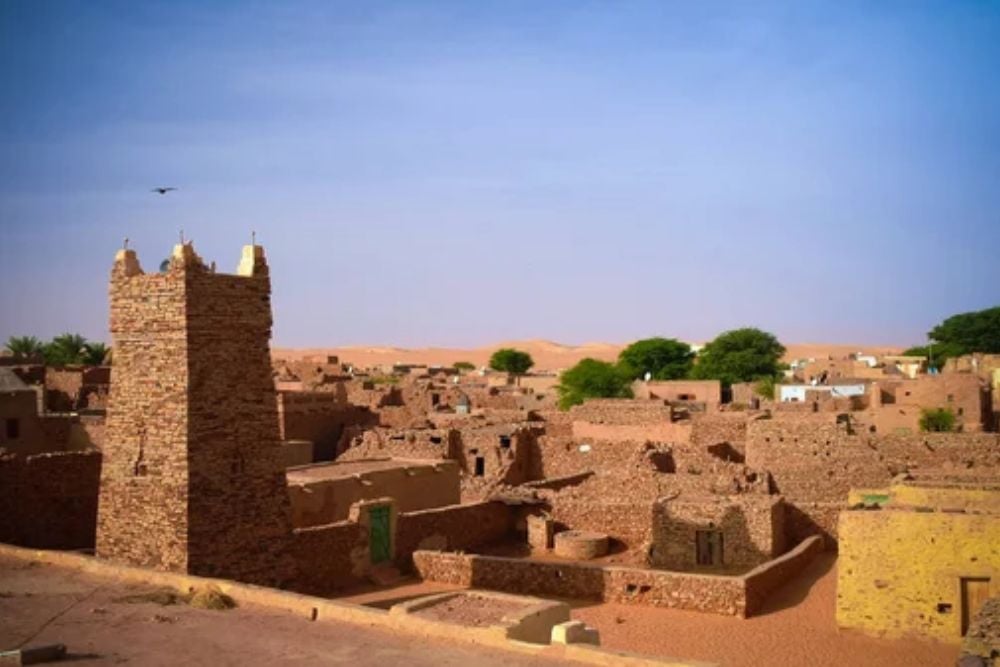
Arabic holds official status in Mauritania, but the standard version used in formal settings differs dramatically from the Hassaniya Arabic dialect most Mauritanians actually use in daily conversation. Meanwhile, French continues functioning as the administrative language despite having no official standing.
Most Black Mauritanian populations speak Pulaar, Soninke, or Wolof as their primary languages. This creates an unusually complex linguistic environment where official language policy poorly reflects the communication realities of everyday life.
Burundi

French serves as an official language in Burundi despite being spoken by less than 3% of the population. English also holds official status with similarly minimal usage rates.
Kirundi functions as the genuine national language, spoken universally by virtually all Burundians regardless of education or social standing. Maintaining colonial languages in government and education effectively creates substantial barriers to civic participation and educational advancement for most citizens who never achieve fluency in these official languages.
Guinea
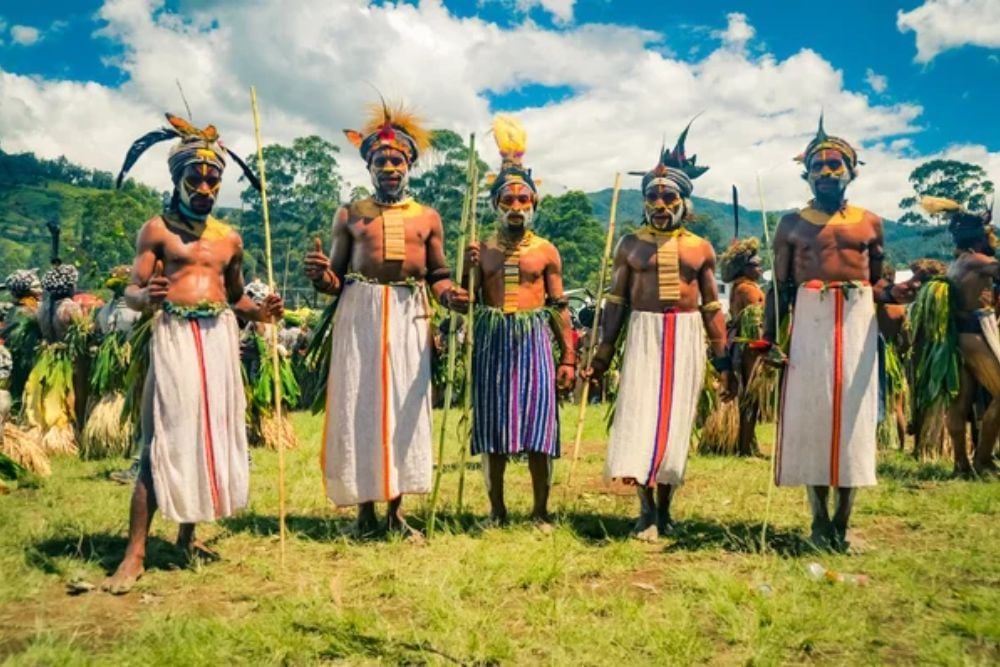
Although barely 4% of Guineans speak French fluently, the language is nonetheless recognized as official throughout the country. The vast majority speak their native tongues, with Pular, Malinke, and Susu being the most often used in various geographical areas.
As a result, full involvement in national institutions is essentially limited because government documents, educational resources, and formal sector interactions are largely written in a language that most individuals find difficult to grasp.
Languages as Colonial Echoes
The persistence of European languages as official in countries where hardly anyone speaks them reveals volumes about the lingering effects of colonialism and the complicated relationship between language, power, and national identity. These linguistic mismatches create real everyday challenges for citizens while raising important questions about authentic representation and accessibility in governance.
Many of these nations have gradually begun incorporating indigenous languages into official spaces, recognizing that meaningful democracy requires communication in languages people actually understand. The slow evolution of language policy across these countries shows that the words we legitimize through official recognition ultimately reflect deeper choices about whose voices truly matter in shaping national identity.
More from Go2Tutors!

- The Romanov Crown Jewels and Their Tragic Fate
- 13 Historical Mysteries That Science Still Can’t Solve
- Famous Hoaxes That Fooled the World for Years
- 15 Child Stars with Tragic Adult Lives
- 16 Famous Jewelry Pieces in History
Like Go2Tutors’s content? Follow us on MSN.



