The Role of Bowling Alleys in Midcentury America
The 1950s and 1960s represent a golden era in American culture, and few places captured the spirit of those times quite like bowling alleys. These weren’t just places to knock down pins—they were where communities gathered, families bonded, and the American Dream took a decidedly casual turn. The transformation of bowling from a male-dominated bar game into a suburban phenomenon reshaped leisure culture across the country.
Here is a list of 17 ways bowling alleys shaped midcentury America.
The Automatic Revolution
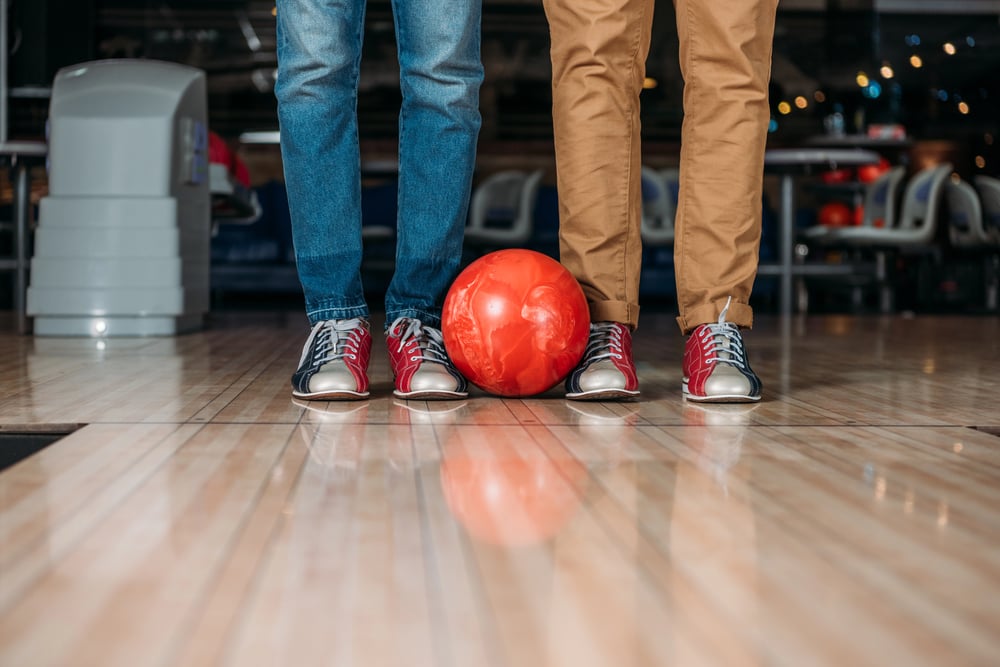
In 1952, American Machine and Foundry introduced automatic pinsetter machines that eliminated the need for pinboys. This single innovation changed everything. Before automation, young men manually reset pins after each throw, making the game slower and more expensive to operate. The automatic pinsetter caused bowling to rocket in popularity, earning the 1950s the nickname ‘Decade of the Bowler’. The machines worked like mechanical ballet dancers, catching pins, sorting them, and placing them back with precision that turned bowling from a novelty into something anyone could enjoy without waiting.
The Numbers Tell the Story
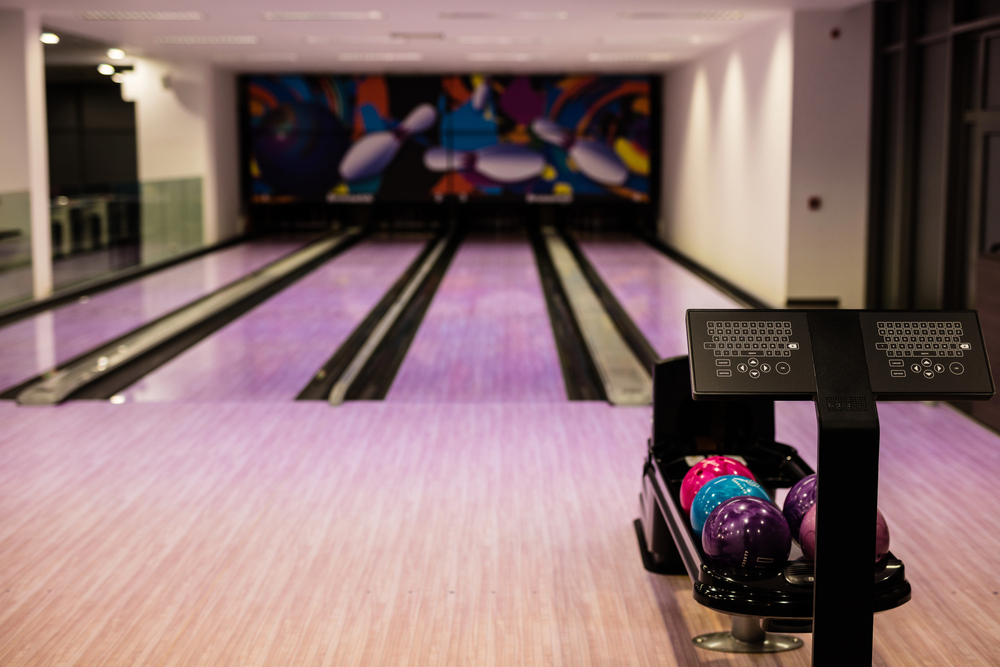
The number of bowling alleys nearly doubled from 6,600 in 1955 to 11,000 by 1963. That’s not just growth—that’s an explosion. During the same period, league membership jumped from less than three million to seven million people. Think about that scale: in less than a decade, bowling went from regional recreation to national obsession. By the late 1970s, more than 9 million Americans were members of bowling leagues. Every city, every suburb, every town wanted its own alley, and developers were happy to build them.
From Saloons to Suburbs
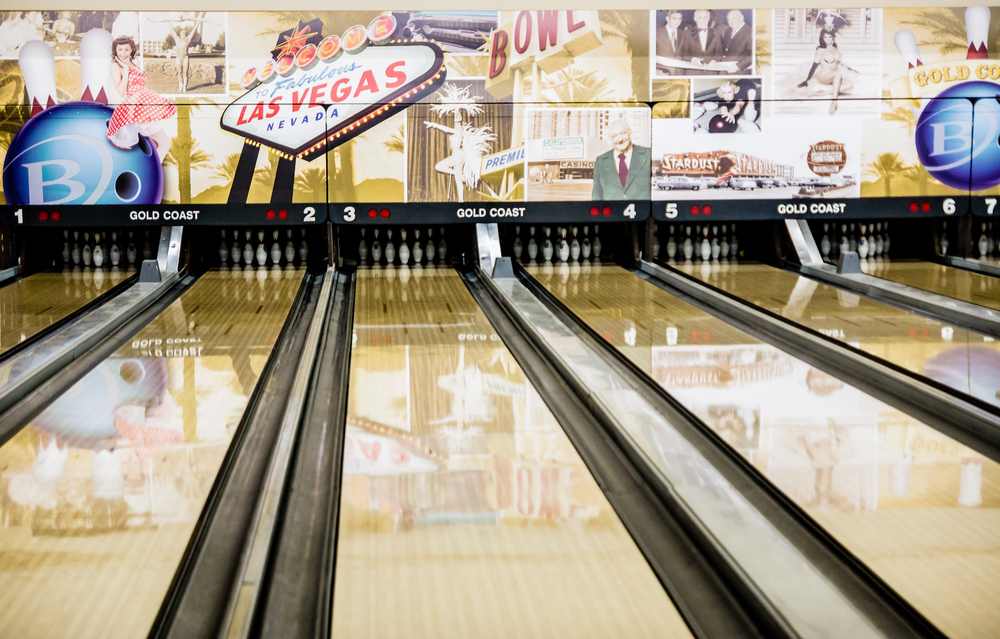
Bowling alleys emerged from the basements of bars and saloons to become physically and visually suitable for suburban neighborhoods. The modern bowling alley became a far cry from the dingy pre-war establishments, with many featuring attractive decor, comfortable seats, air conditioning, elaborate scoring facilities, snack bars, coffee shops, restaurants, cocktail lounges, and parking areas. This wasn’t accidental—it was a calculated reinvention. Proprietors understood that suburban families with disposable income wouldn’t visit grimy backroom operations. The transformation turned bowling into what observers called the ‘poor man’s country club’, offering luxury without the membership fees.
Googie Goes Bowling
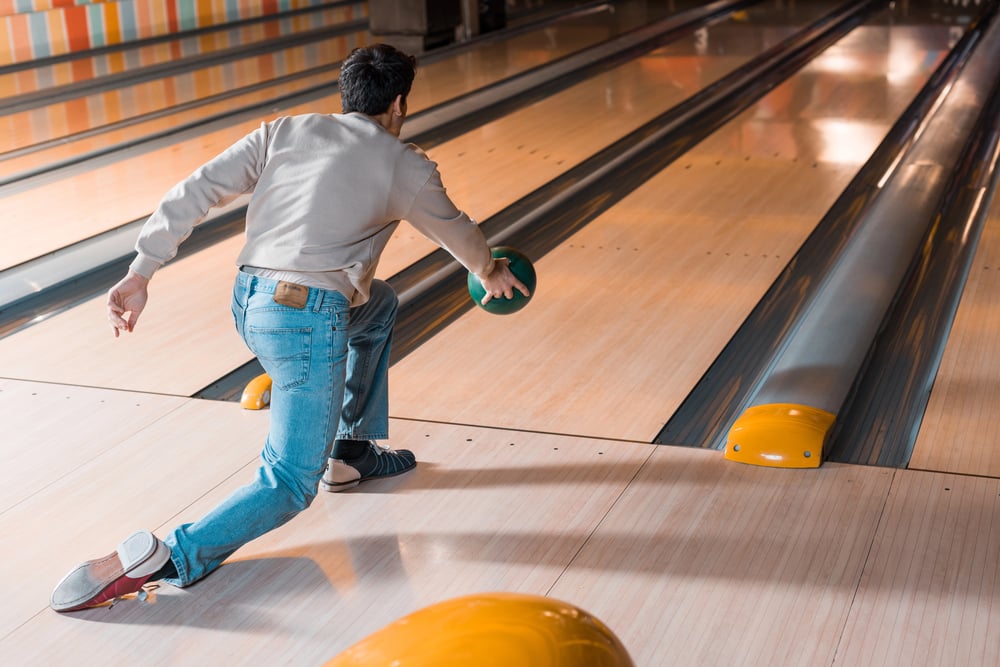
Bowling alleys adopted the Googie style, featuring over-the-top, exuberant designs with colorful, oversized signage and swooping, dramatic forms that exhibited space-age technology influence. Phoenix’s 300 Bowl, opened in 1958, featured classic Googie design with sharply exaggerated rooflines, considered one of the city’s prime examples of midcentury modern architecture. These buildings didn’t whisper—they screamed from the roadside. With rooflines that seemed to defy gravity and neon signs visible from miles away, bowling alleys became architectural landmarks that made suburban sprawl look exciting rather than monotonous.
Women Changed the Game
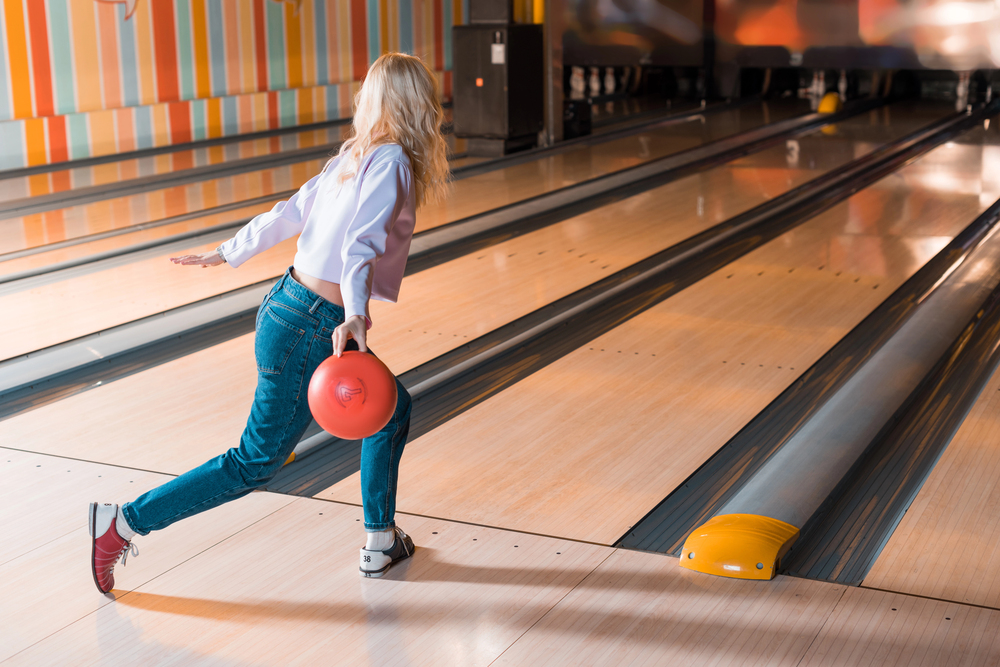
Women started the Women’s International Bowling Congress in 1916, and during Prohibition women began bowling in greater numbers as they looked to bowling as an outlet for financial frustrations and stress. By 1940, at least half of America’s three million female bowlers could recall the time when their gender slid apologetically into side-street entrances to bowling alleys. The Women’s International Bowling Congress grew from about 82,000 members in 1940 to about 866,000 in 1958. Women didn’t just participate—they transformed bowling into family entertainment, pushing alleys to clean up their act and welcome everyone through the front door.
Corporate Leagues Dominated
League bowlers generated 52.6 percent of yearly lineage, making them the most important customer base for bowling alleys. Factory workers and office employees formed teams that competed weekly, turning Wednesday or Thursday nights into social obligations nobody wanted to miss. Companies sponsored leagues as employee recreation programs, understanding that workers who bowled together stayed longer and complained less. These weren’t casual games—they were serious competitions with standings, trophies, and bragging rights that lasted until the next season started.
The Coffee Shop Connection
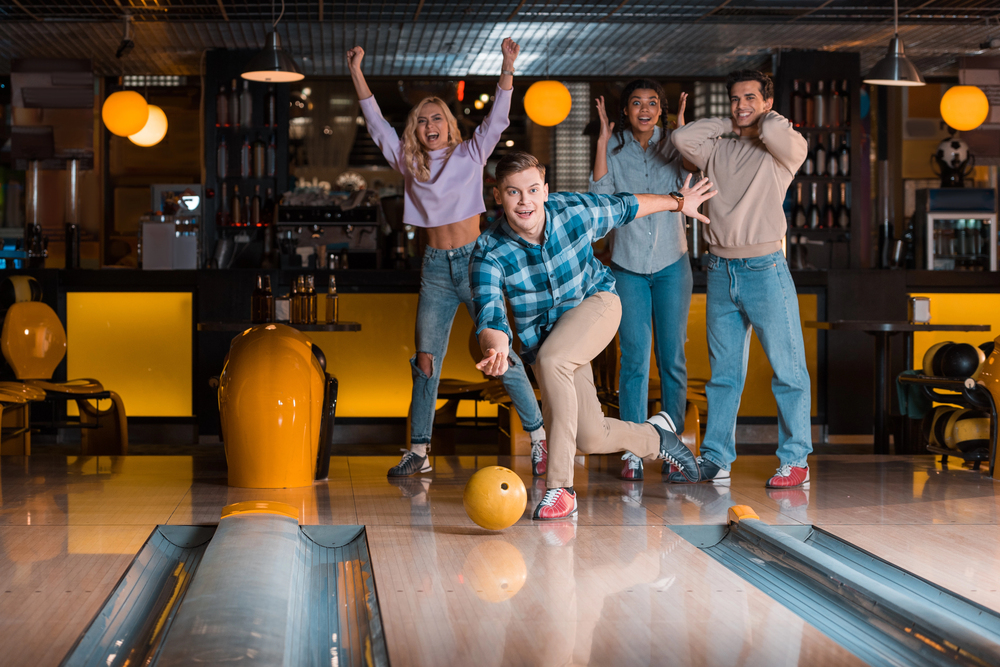
Bowling alleys featured glass-fronted coffee shops with street visibility, while the windowless bowling area prevented glare that might disrupt play. Some bowling alleys had white-tablecloth restaurants where patrons could get steak and lobster, and celebrity chef Mike Roy served as maitre d’ and head chef at two bowling alley restaurants in 1957. The coffee shop wasn’t an afterthought—it was the face of the operation. Families could watch bowlers through windows while eating burgers, creating a spectacle that made bowling alleys feel like entertainment complexes before that term existed.
Community Centers in Disguise
Bowling alleys distinguished themselves as cultural landmarks where newly-developed suburban municipalities found meeting spaces that didn’t exist in areas lacking traditional civic centers. Bowling alleys featured large all-purpose rooms that could serve as nurseries, meeting spaces, and venues for community congregations, with many proprietors offering these rooms to groups without other meeting places. Church groups, civic clubs, and school organizations held gatherings at bowling alleys because suburbs grew faster than infrastructure. The alley wasn’t competing with town halls—it was becoming one.
Hand Scoring Kept Everyone Engaged

Bowlers used pencils to calculate scores manually, writing down results on scoring sheets throughout each game. This meant everyone stayed involved between turns, doing arithmetic and tracking progress frame by frame. Parents taught kids how to add strikes and spares, turning scorekeeping into informal math lessons. The ritual of marking down scores created a shared responsibility that made bowling more participatory than watching could ever be. When automatic scoring arrived later, something communal disappeared from the experience.
The Sensory Experience

Midcentury bowling alleys were dimly lit, requiring bowlers to squint at their scoresheets, and seemed much louder thanks to larger crowds. The din of crashing pins mixed with jukebox music, shouted conversations, and the mechanical rumble of orb returns created a wall of sound that signaled fun from the parking lot. Every alley had its own smell—a combination of lane oil, snack bar grease, and worn leather from rental shoes. These sensory markers made bowling alleys instantly recognizable, the kind of places you could identify with your eyes closed.
Entertainment Beyond Bowling
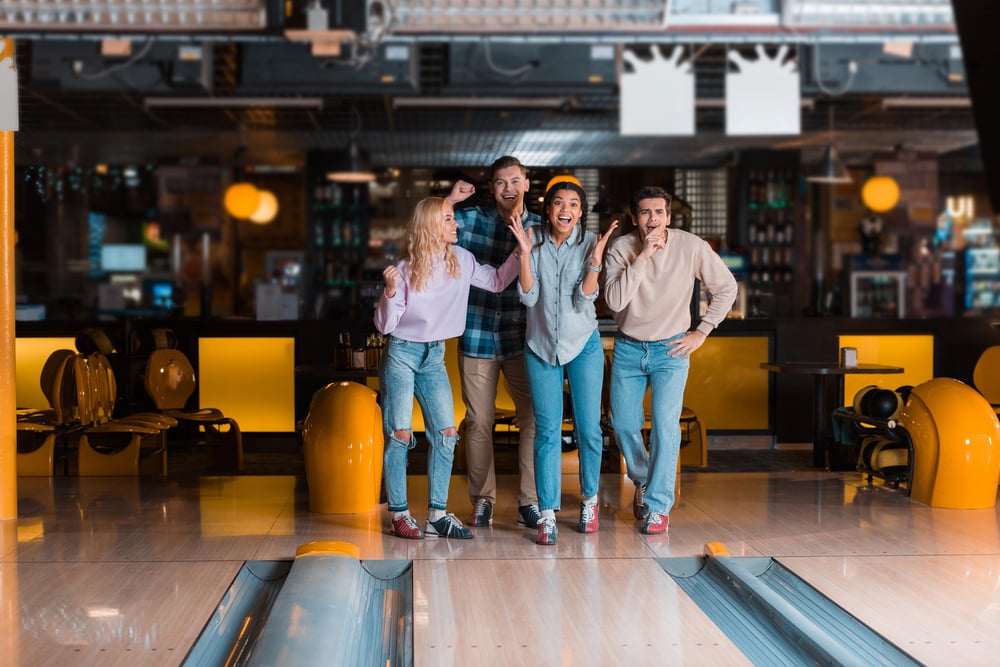
Some bowling alleys had Las Vegas-style lounges with name performers, with couples dressing up to attend, and Covina Bowl’s Pyramid Room featured Mel Tormé as the New Year’s Eve 1962 headliner. Covina Bowl operated 40 lanes around the clock and was so busy it made financial sense to add 10 more lanes. This wasn’t just bowling—it was nightlife. Alleys competed with movie theaters and dance halls by offering everything under one roof. You could bowl, eat dinner, watch a show, and dance, all without moving your car from the massive parking lot.
The Economic Bubble
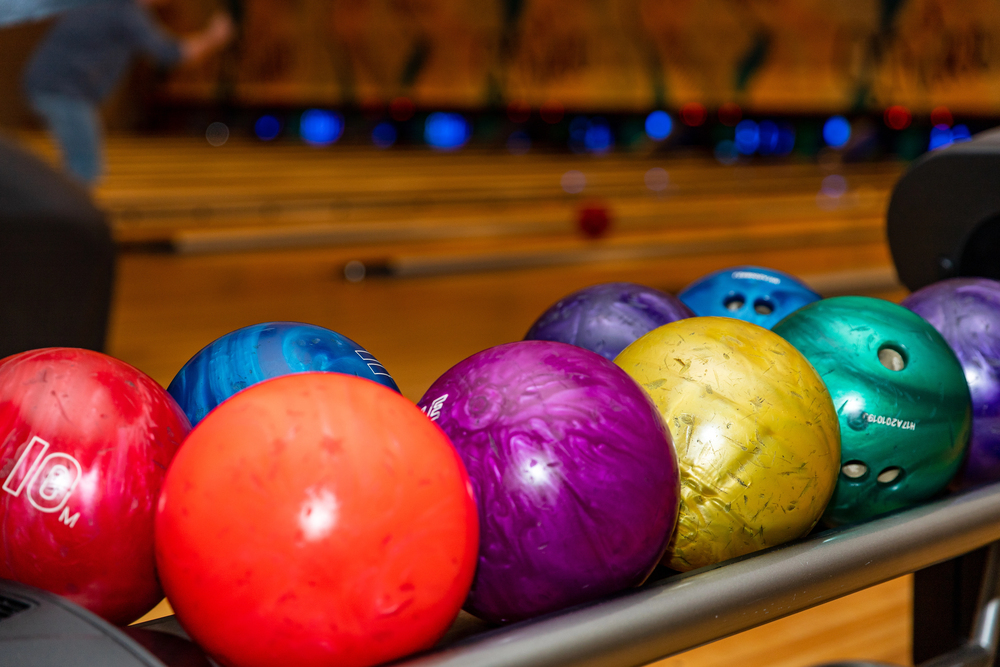
The number of bowling alleys in the United States zoomed from 65,000 in 1957 to 160,000 in 1962, but the bowling industry boom hit a brick wall in 1963. The boom spurred massive investment in bowling centers which led to overcapacity in the industry. Investors poured money into construction, assuming demand would climb forever. When it didn’t, the industry crashed hard. Blue-collar Americans began fleeing cities for suburbs, rendering many urban bowling centers obsolete and making land occupied by suburban bowling centers more valuable for alternative users like pharmacies and department stores.
Television’s Bowling Champions
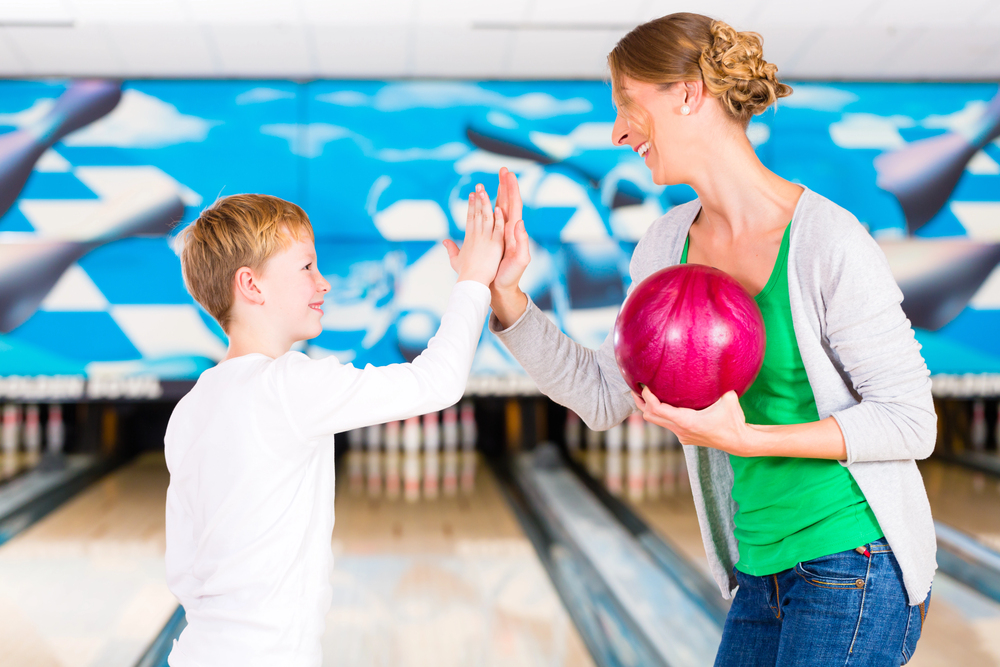
In 1953, Grazio Castellano rolled the first perfect game on live television during an Eastern All-Star league session in Newark, New Jersey. Sports Illustrated published an article in November 1963 revealing that PBA stars made more money than other professional sports stars, with more than one million dollars in prizes available. Professional bowling became appointment television, with networks broadcasting tournaments that made stars out of bowlers. For a brief moment, guys like Don Carter and Weber were household names, their faces on magazine covers alongside baseball players and boxers.
Integrated Slowly and Reluctantly
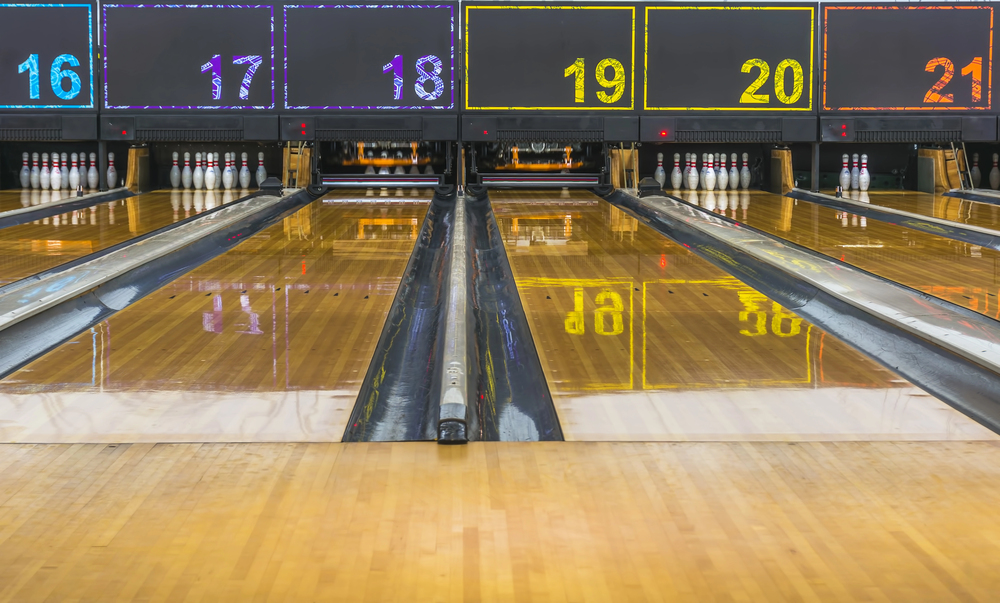
Help-wanted ads for bowling alley jobs often specified race, with front-line positions soliciting white applicants while ads for pinsetters and back-of-the-house cooks sought African Americans. In 1964, Kansas City voters passed a revised public accommodations law extending racial nondiscrimination requirements to bowling alleys and other places of amusement. The story of midcentury bowling alleys includes an uncomfortable truth: they reflected the segregation of American society. While some establishments excluded Black customers entirely, others relegated them to specific days or hours, mirroring the discrimination present throughout the country.
The Snack Bar Culture
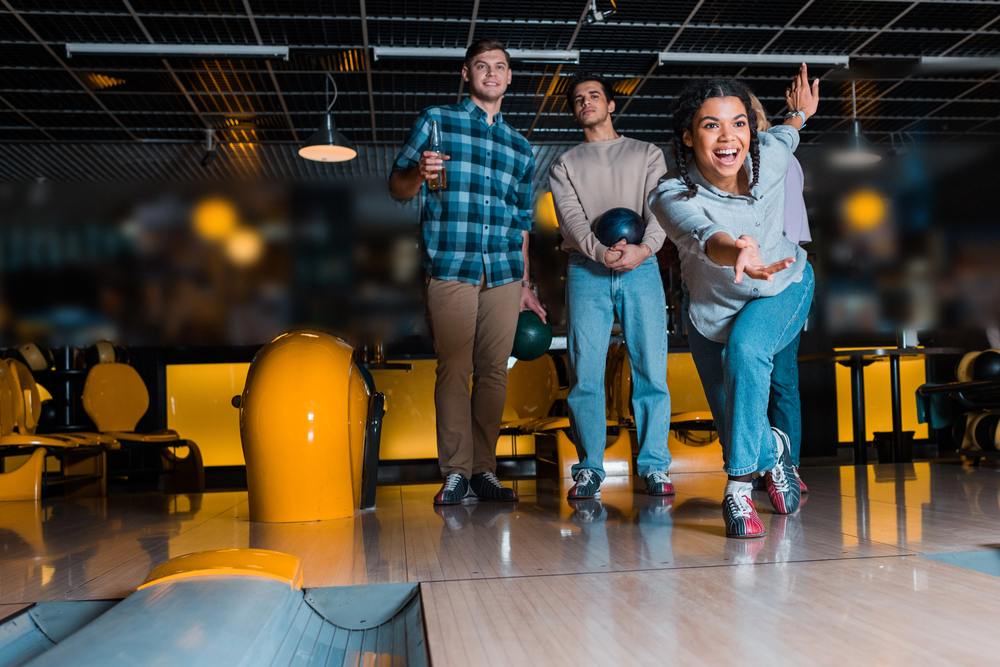
Bowling alleys served traditional fare including popcorn, hot dogs, burgers, and Coca-Cola. The food wasn’t gourmet, but it didn’t need to be. Bowling alley burgers became a specific thing—greasier than restaurant versions, served in baskets with fries, eaten between frames with fingers that smelled like bowling equipment. The snack bar created its own mini-economy, with families spending as much on food as they did on games. Some regulars showed up mainly for the atmosphere and the food, bowling almost as an afterthought to justify their presence.
Presidential Endorsement
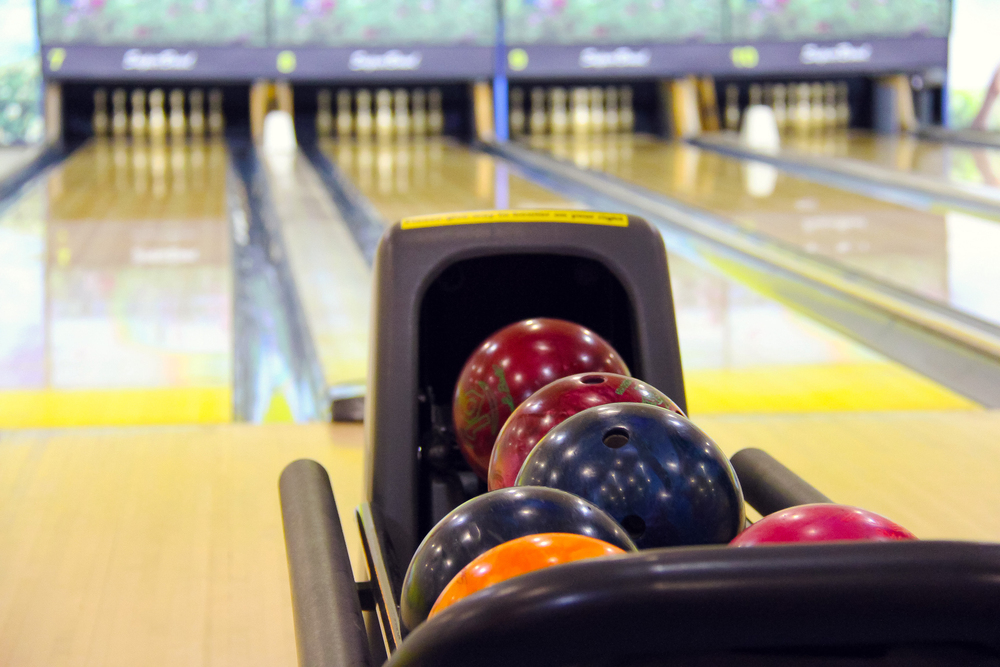
President Richard Nixon, an avid bowler, had a one-lane bowling alley installed in an underground space of the White House. When the president of the United States dedicates White House real estate to bowling, it signals something about the activity’s cultural status. Nixon’s alley wasn’t just personal recreation—it was a political statement that bowling represented American values. The installation suggested that anyone, including the most powerful person in the country, could enjoy knocking down pins. It made bowling simultaneously ordinary and presidential, accessible yet aspirational.
Where Suburbs Found Their Soul
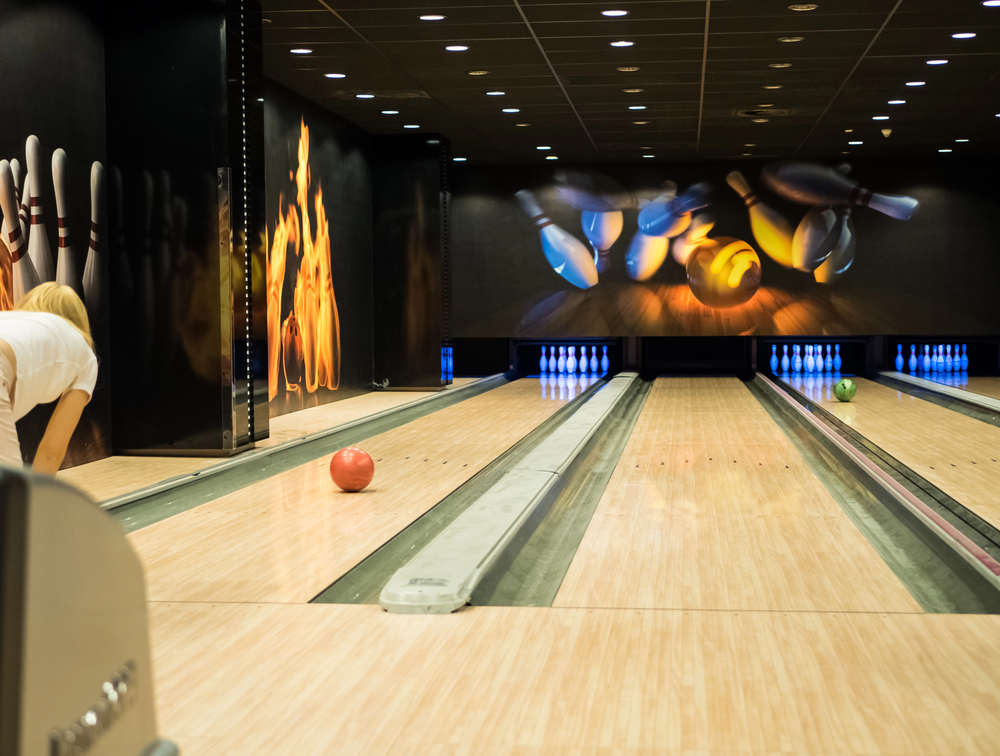
By the mid-1960s, bowling had cemented itself into middle-class American life as one of the most popular post-war leisure activities, boasting nearly 40 million players in the United States. Suburbs were new, often sterile places where families knew few neighbors and lacked the dense social networks of urban neighborhoods or small towns. Bowling alleys gave these communities gathering spaces before churches were built and schools established traditions. They became the places where suburbs developed their own identities, where newcomers met locals, and where the abstract concept of community became tangible through shared frames and friendly competition.
The Legacy Lives in Memory
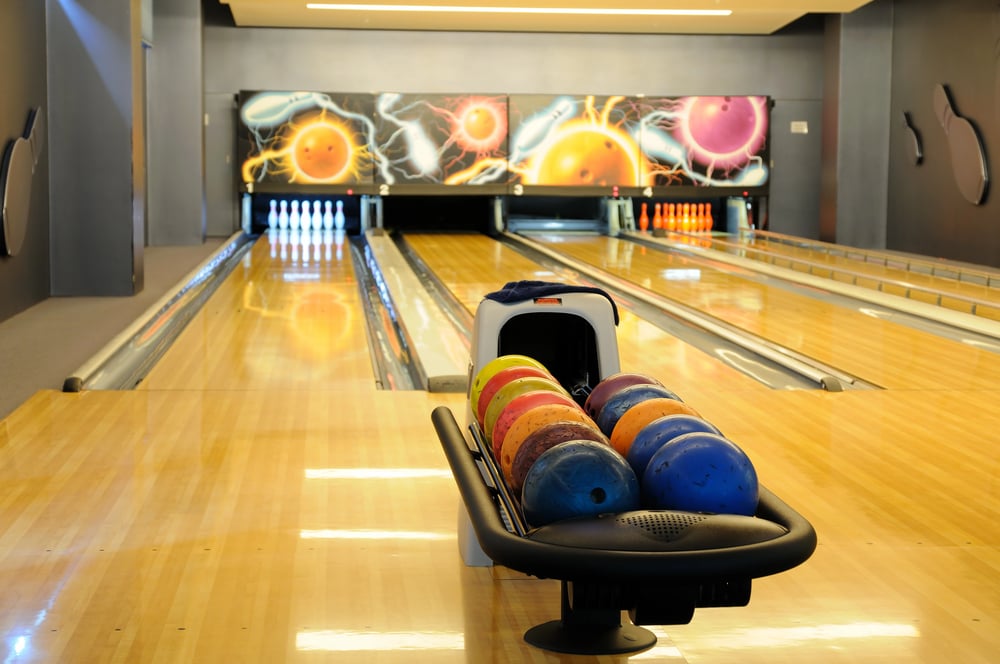
The midcentury bowling boom created institutions that defined a generation’s social life and left architectural landmarks still visible in aging suburbs. While thousands of alleys have closed and Googie buildings have been demolished for strip malls, the remaining vintage alleys serve as time capsules. They remind us of an era when Americans sought entertainment that was participatory rather than passive, communal rather than isolated, and accessible to families regardless of income. The bowling alley’s role in midcentury America wasn’t just about recreation—it was about creating the social fabric of post-war suburban life, one frame at a time.
More from Go2Tutors!

- 16 Historical Figures Who Were Nothing Like You Think
- 12 Things Sold in the 80s That Are Now Illegal
- 15 VHS Tapes That Could Be Worth Thousands
- 17 Historical “What Ifs” That Would Have Changed Everything
- 18 TV Shows That Vanished Without a Finale
Like Go2Tutors’s content? Follow us on MSN.



