How Apple’s iPod Changed Music Consumption
Do you recall the days when you had to carry a backpack full of CDs in order to listen to your entire music collection? When did you find new songs by chance on the radio or through recommendations from friends? A sea change occurred in the early 2000s that permanently altered our perception of music.In 2001, Apple changed the rules of music consumption rather than merely releasing another device.
The iPod evolved from a gadget to the driving force behind the most significant change in music history since the creation of recorded sound.Here are 10 ways that the iPod radically altered the way we listen to music:
Massive Personal Libraries Became Possible
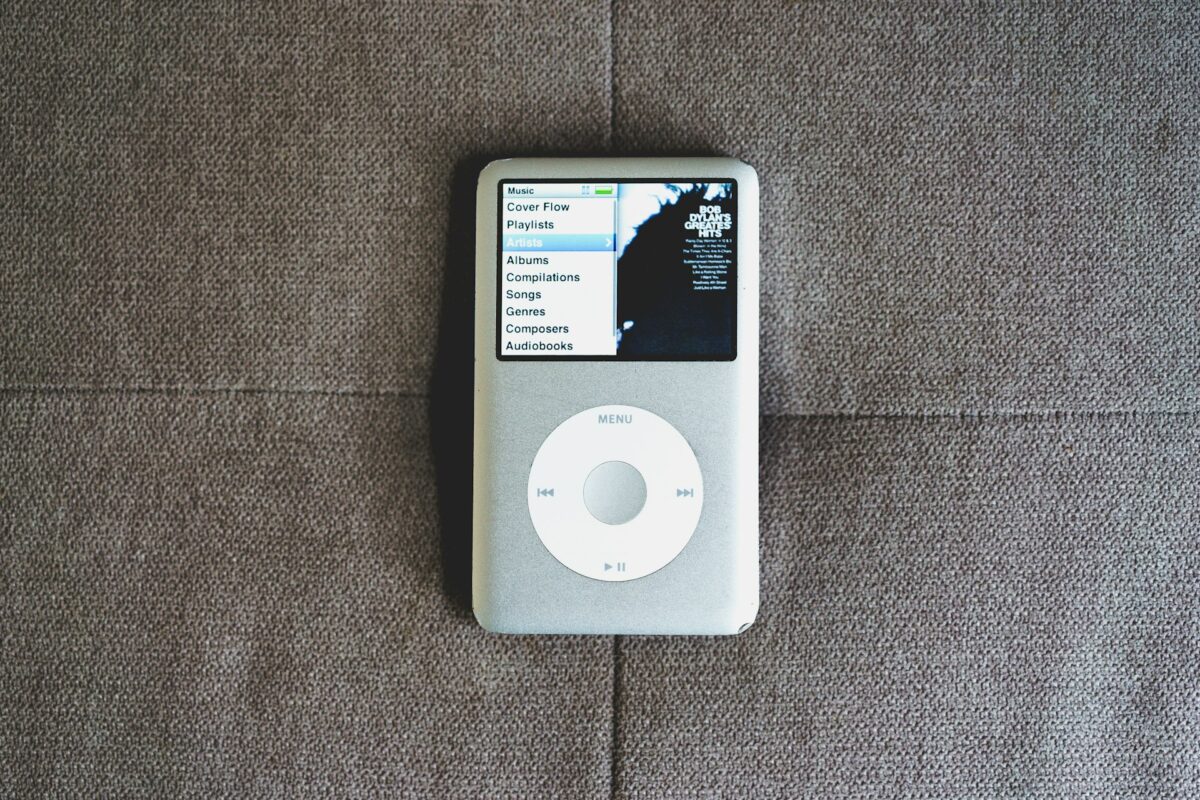
‘1,000 songs in your pocket’ wasn’t just a marketing copy—it was a revolution in music ownership that completely changed how people thought about their collections. A dedicated music fan might own 200-300 CDs before the iPod, representing maybe 3,000-4,000 songs total, but the original iPod made that entire collection portable for the first time ever.
As storage increased with each generation, people started accumulating music libraries that would have cost tens of thousands of dollars in physical format, creating a psychological shift where music went from something you carefully selected to something you could collect almost endlessly. The sheer volume of music suddenly available changed listening habits forever.
Playlist Culture Transformed Music Discovery
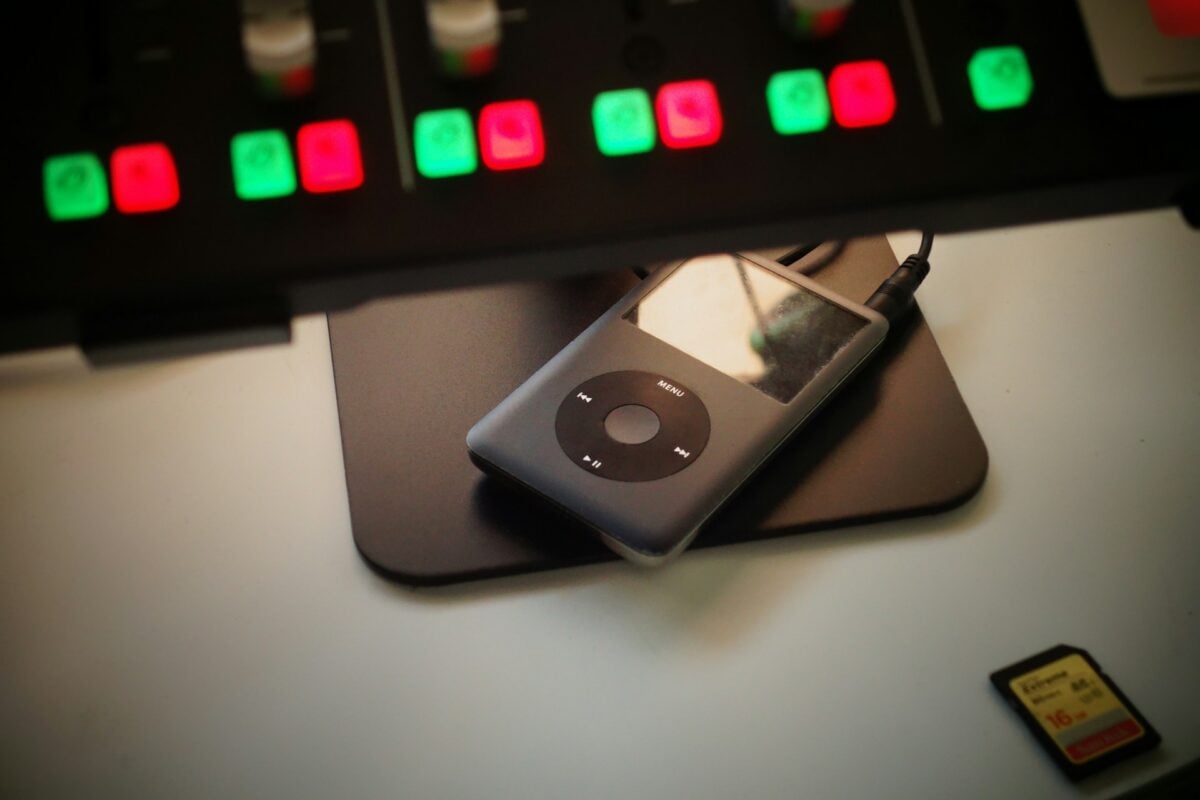
Creating mixtapes used to require serious planning, blank cassettes, and time investment, but the iPod turned playlist creation into an art form that anyone could master in minutes. Smart Playlists added another layer of sophistication, automatically grouping songs by criteria you set, while the simple drag-and-drop interface made organizing music feel intuitive and fun.
This playlist revolution fundamentally changed how people thought about albums versus individual songs, allowing listeners to become their own DJs instead of experiencing an artist’s intended song sequence. Mood-based listening replaced album-based listening for millions of people, creating personalized soundtracks for every aspect of daily life.
Like Go2Tutors’s content? Follow us on MSN.
Music Piracy Shifted Toward Legal Alternatives
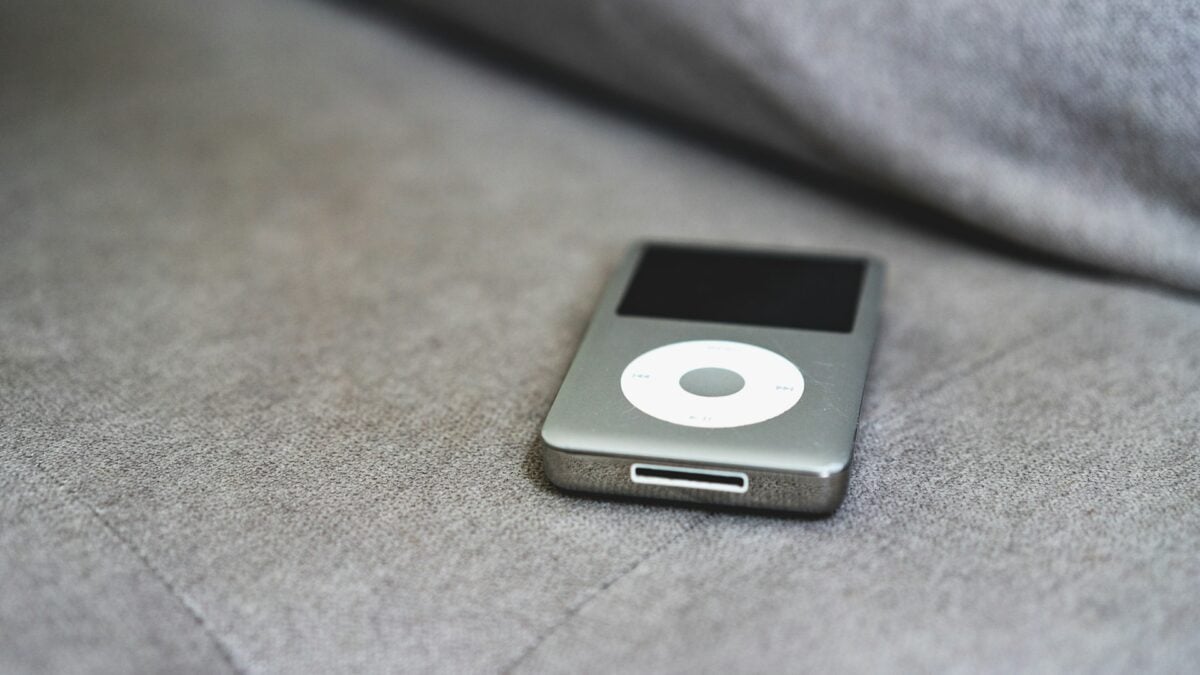
The iPod era coincided with rampant music piracy through services like Napster and Kazaa, but rather than stopping piracy outright, it created a legitimate alternative that many people actually preferred. iTunes made legal downloads so convenient and reliable that the hassle of finding trustworthy illegal sources started feeling unnecessary, especially when you factored in the time spent dealing with corrupted files and malware.
Apple’s ecosystem approach meant your purchased music worked seamlessly across all your devices, offering a level of reliability and quality control that gradually won over users who might have otherwise continued with free but unreliable downloads. The convenience factor proved more powerful than the cost savings for millions of consumers.
Album Sales Started Their Long Decline
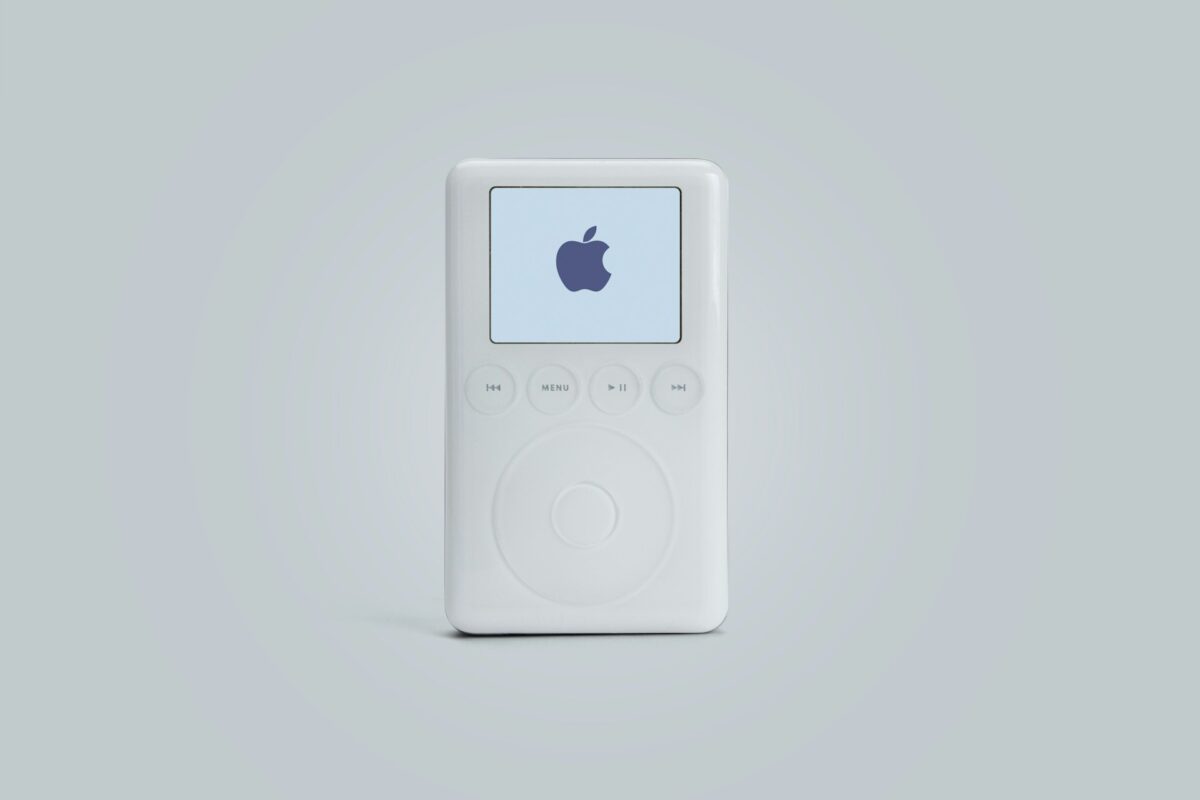
The iPod didn’t single-handedly destroy the album format, but it definitely accelerated a fundamental shift that had been brewing since the rise of digital music. When you could buy specific songs for 99 cents each, spending $15-18 for a full album with only 2-3 tracks you actually wanted felt increasingly unreasonable to consumers who now had better options.
Artists and record labels had to completely rethink their strategies as the traditional album format suddenly felt less consumer-friendly, though physical CD sales remained strong through the late 2000s. Musicians started focusing more on creating individually compelling tracks rather than cohesive album experiences, while the industry grappled with a new reality where streaming services would eventually complete the transformation that the iPod had begun.
Shuffle Mode Revolutionized Listening Habits
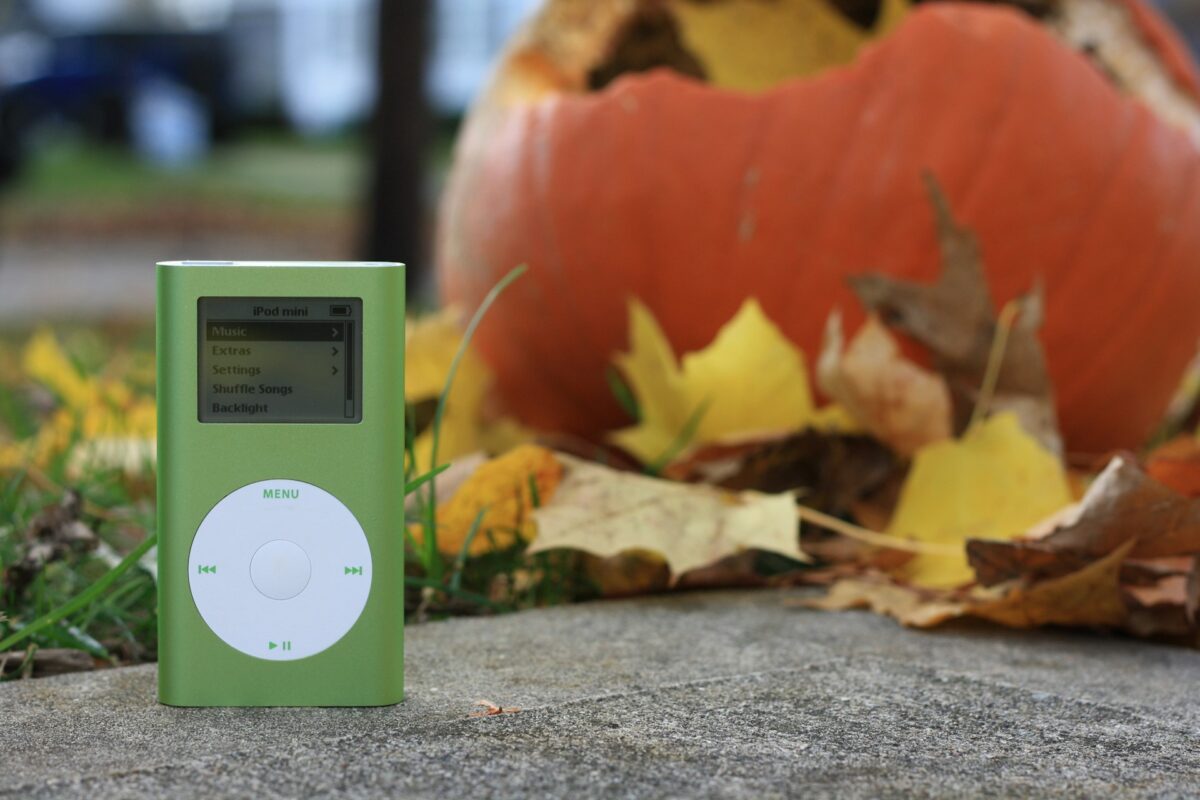
The simple ‘shuffle’ feature fundamentally changed how people experienced their music collections by introducing an element of surprise and rediscovery that hadn’t existed in personal music consumption before. Instead of deliberately choosing specific songs or albums, listeners could let randomness create unexpected combinations and rediscover forgotten tracks buried deep in their libraries.
This randomized listening created serendipitous musical moments where songs you barely remembered purchasing would suddenly appear and remind you why you loved them in the first place. It was like having a personal radio DJ who knew your exact taste but wasn’t afraid to surprise you with forgotten gems from your own collection.
Like Go2Tutors’s content? Follow us on MSN.
White Earbuds Became Cultural Symbols
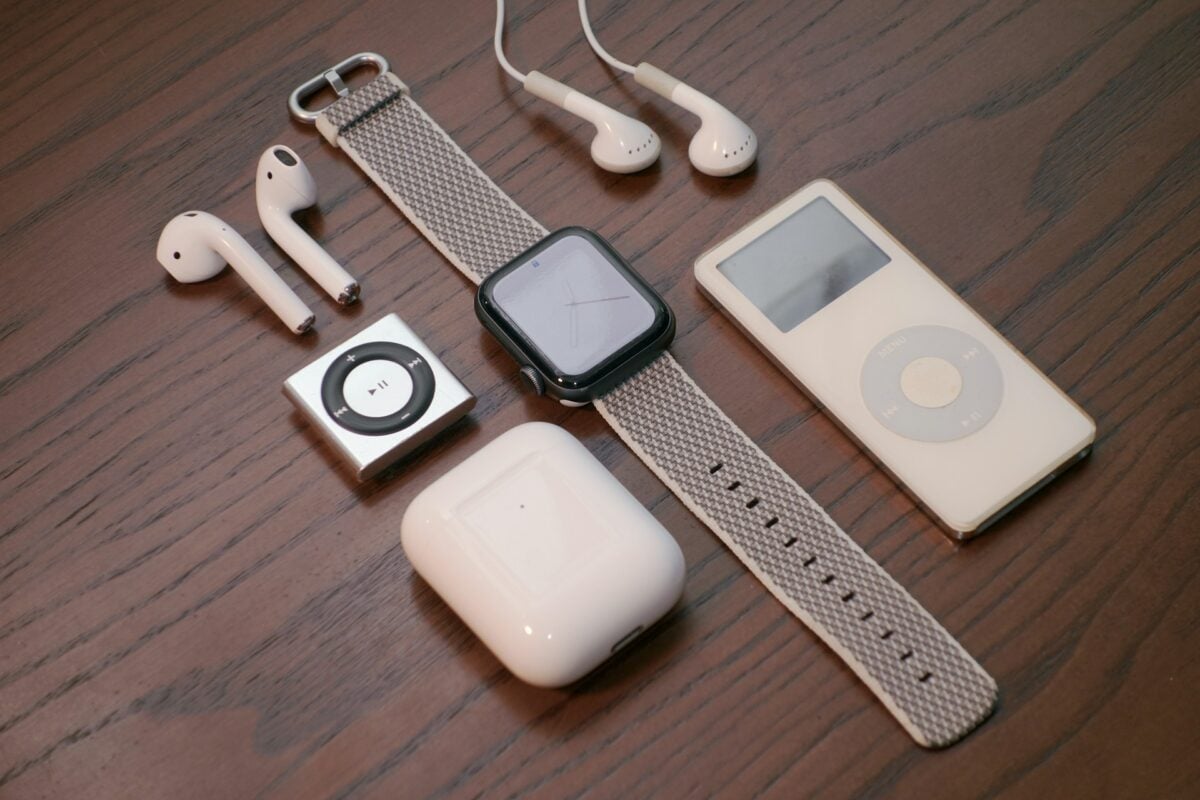
Those distinctive white earbuds weren’t just functional accessories—they became instant status symbols that announced your membership in the iPod revolution to everyone around you. In a world dominated by black electronics, Apple’s bold white design choice stood out like a beacon, making iPod users immediately identifiable in crowds.
Wearing white earbuds signaled that you were part of the digital music revolution and had the disposable income to afford the latest technology. The earbuds created such an instantly recognizable silhouette that Apple leveraged it brilliantly in their advertising campaigns, while creating a sense of community among early adopters who could spot each other across subway cars and coffee shops.
Music Became More Portable Than Ever
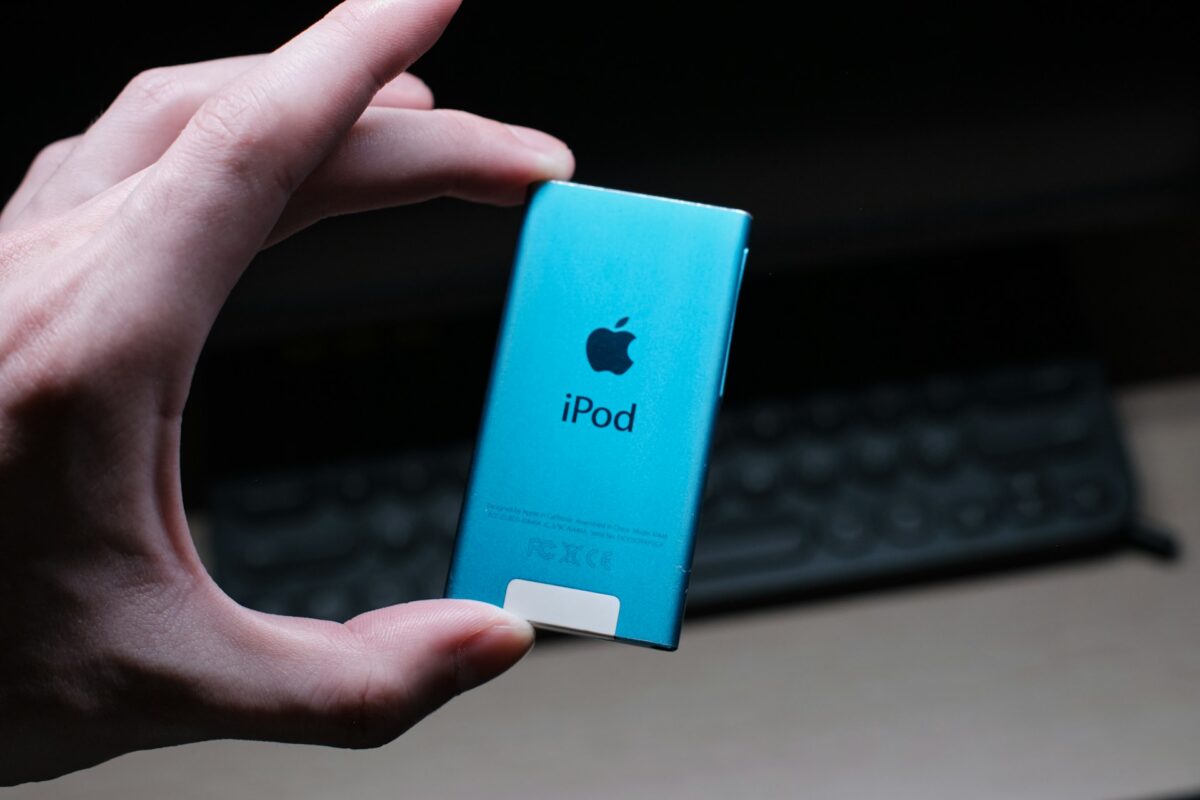
The iPod made your entire music collection as portable as your keys and wallet, eliminating the painful choice limitations that had defined portable music for decades. Previous devices required you to select just a small subset of your collection—maybe one cassette or CD at a time—but suddenly that restriction vanished completely.
This unprecedented portability changed where and when people listened to music, turning commutes, workouts, and daily activities into opportunities for personalized soundtracks. Music transformed from something you primarily experienced at home or in the car to something that could accompany literally every moment of your day.
Sound Quality Standards Shifted
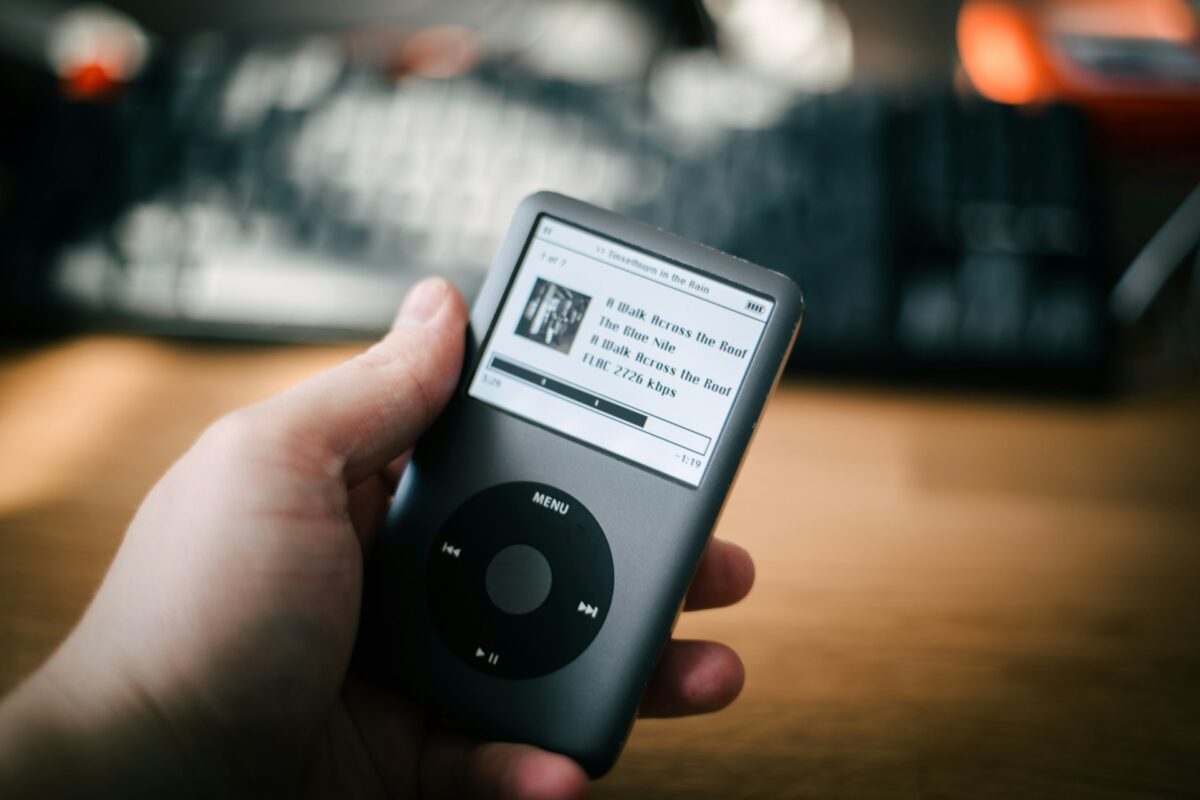
For most listeners, the iPod provided more consistent audio quality than the cassettes and radio they were used to, even though compressed MP3 files drew criticism from dedicated audiophiles. Compared to the scratchy AM/FM radio, worn cassette tapes with their warbled sound, or CDs that skipped when you walked too fast, digital files played through quality earbuds sounded remarkably clean and reliable every single time.
The device’s built-in equalizer settings allowed users to customize their listening experience in ways that weren’t easily available before, making people more aware of sound quality differences. While purists complained about lossy compression removing audio detail, the average person experienced a significant upgrade in consistency and clarity compared to their previous portable music options.
Like Go2Tutors’s content? Follow us on MSN.
Seasonal and Mood-Based Listening Emerged
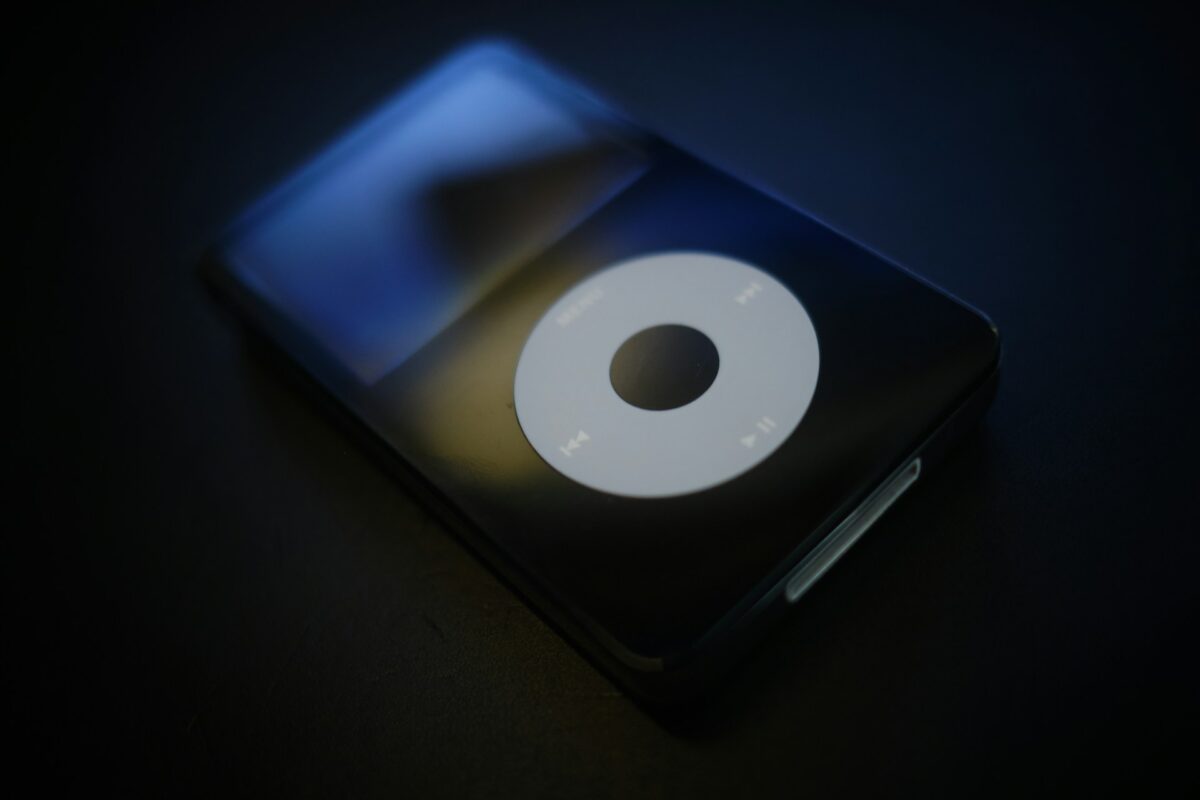
With enormous music libraries suddenly at their fingertips, iPod users began creating incredibly specific playlists for different situations, moods, seasons, and activities with an attention to detail that bordered on obsessiveness. Categories like ‘Rainy Day Indie Rock’ or ‘Summer Road Trip Mix’ became common organizational systems that people curated with the care of professional DJs.
This behavioral shift meant people engaged with their music collections much more actively than before, transforming from passive consumers who accepted whatever was on the radio to active curators of their own personalized experiences. Music consumption became more intentional, thoughtful, and deeply personal than it had ever been in the mass media era.
Music Videos Found New Relevance
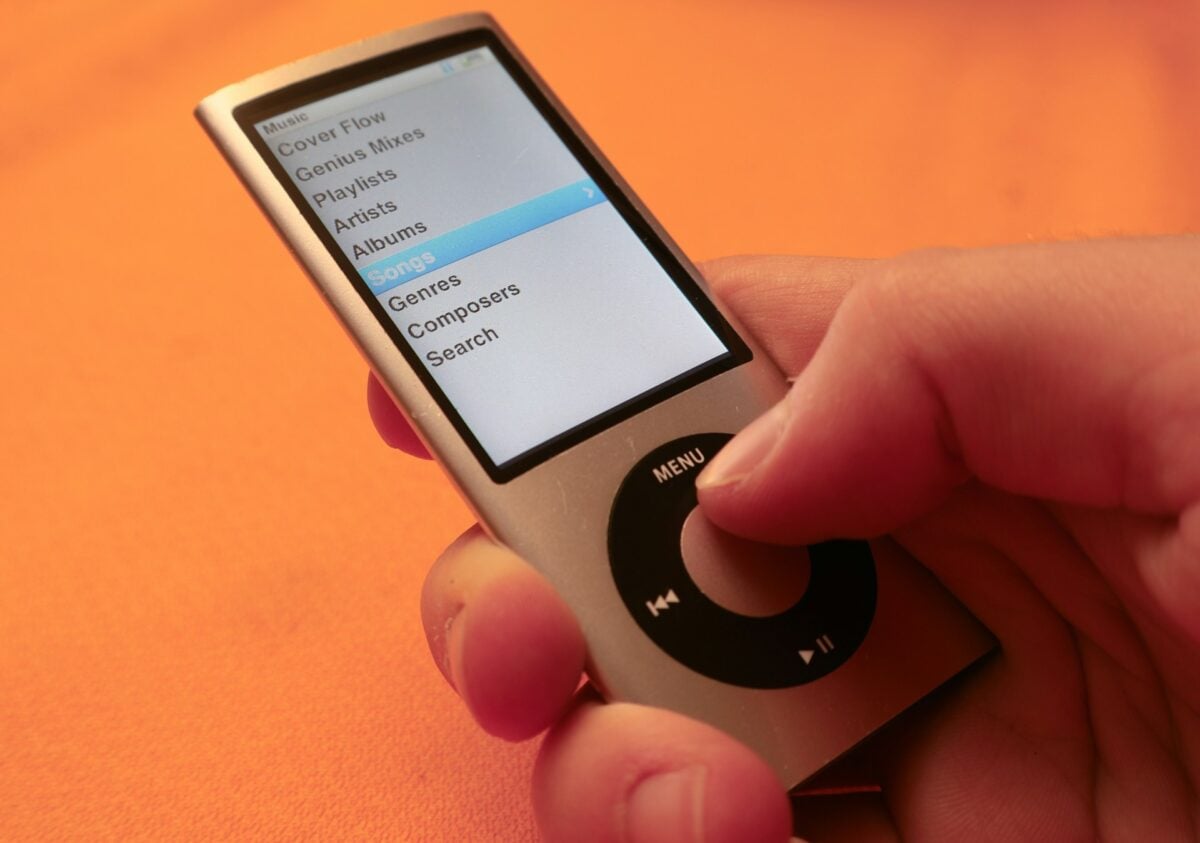
Later iPod generations included video capabilities that gave music videos a new platform just as MTV was shifting away from music content toward reality shows. Artists began creating content specifically designed for small screens and personal viewing experiences, leading to more intimate and artistic approaches rather than relying on big-budget spectacle.
This shift toward personal viewing encouraged different creative approaches that influenced music video aesthetics for years to come, making videos more story-driven and visually focused. The personal nature of iPod viewing meant artists could experiment with more subtle, detailed content that wouldn’t work on television but was perfect for individual consumption.
The Beat Goes On
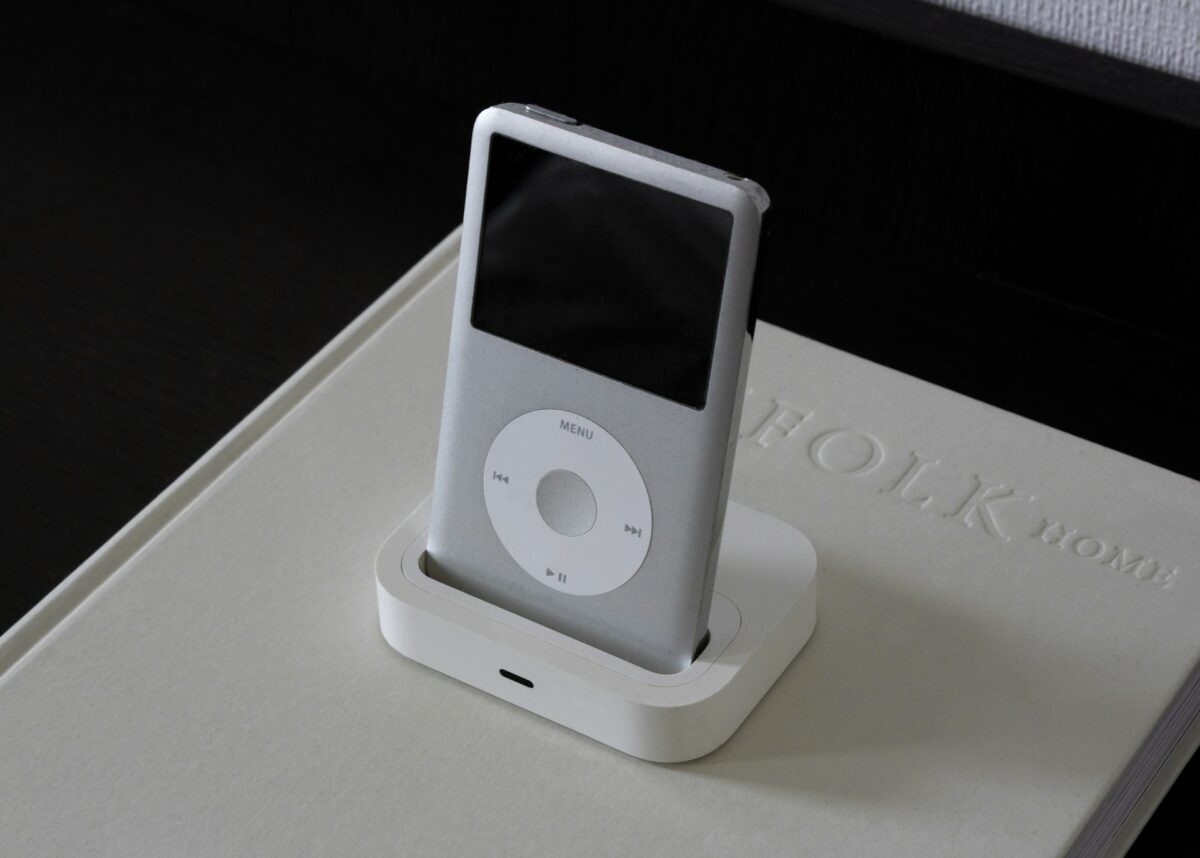
The iPod taught a whole generation that music should be instantly available, infinitely portable, and fully customizable to personal taste, and its impact goes well beyond its production run from 2001 to 2014. Every subsequent music platform, from social media integration to streaming services to AI-powered recommendation systems that seem to read your mind, was influenced by these core assumptions.
Binge-listening to new artists, making extremely specialized playlists, and using advanced algorithms to find music are all examples of modern music consumption habits that have their roots in the revolutionary promise of “1,000 songs in your pocket” made by the first-generation iPod. Not only did Apple produce a successful product, but they also completely changed the way people listen to recorded music.
Although the white earbuds are no longer in use, the revolution they started is still being played in our pockets every day.
More from Go2Tutors!

- 16 Historical Figures Who Were Nothing Like You Think
- 12 Things Sold in the 80s That Are Now Illegal
- 15 VHS Tapes That Could Be Worth Thousands
- 17 Historical “What Ifs” That Would Have Changed Everything
- 18 TV Shows That Vanished Without a Finale
Like Go2Tutors’s content? Follow us on MSN.