The Animal That Can Survive in Space
Most creatures would die instantly if you tossed them into the vacuum of space. The lack of oxygen, freezing temperatures, and brutal radiation would make quick work of just about anything living. But there’s one tiny animal that laughs in the face of these conditions. Tardigrades, also called water bears or moss piglets, are microscopic creatures that have survived every extreme environment scientists have thrown at them—including the harsh void of outer space.
These eight-legged micro-animals might be smaller than a grain of sand, but they’ve got survival skills that put every other organism on Earth to shame. Here is a list of 13 remarkable facts about the animal that can survive in space.
They’re Incredibly Small
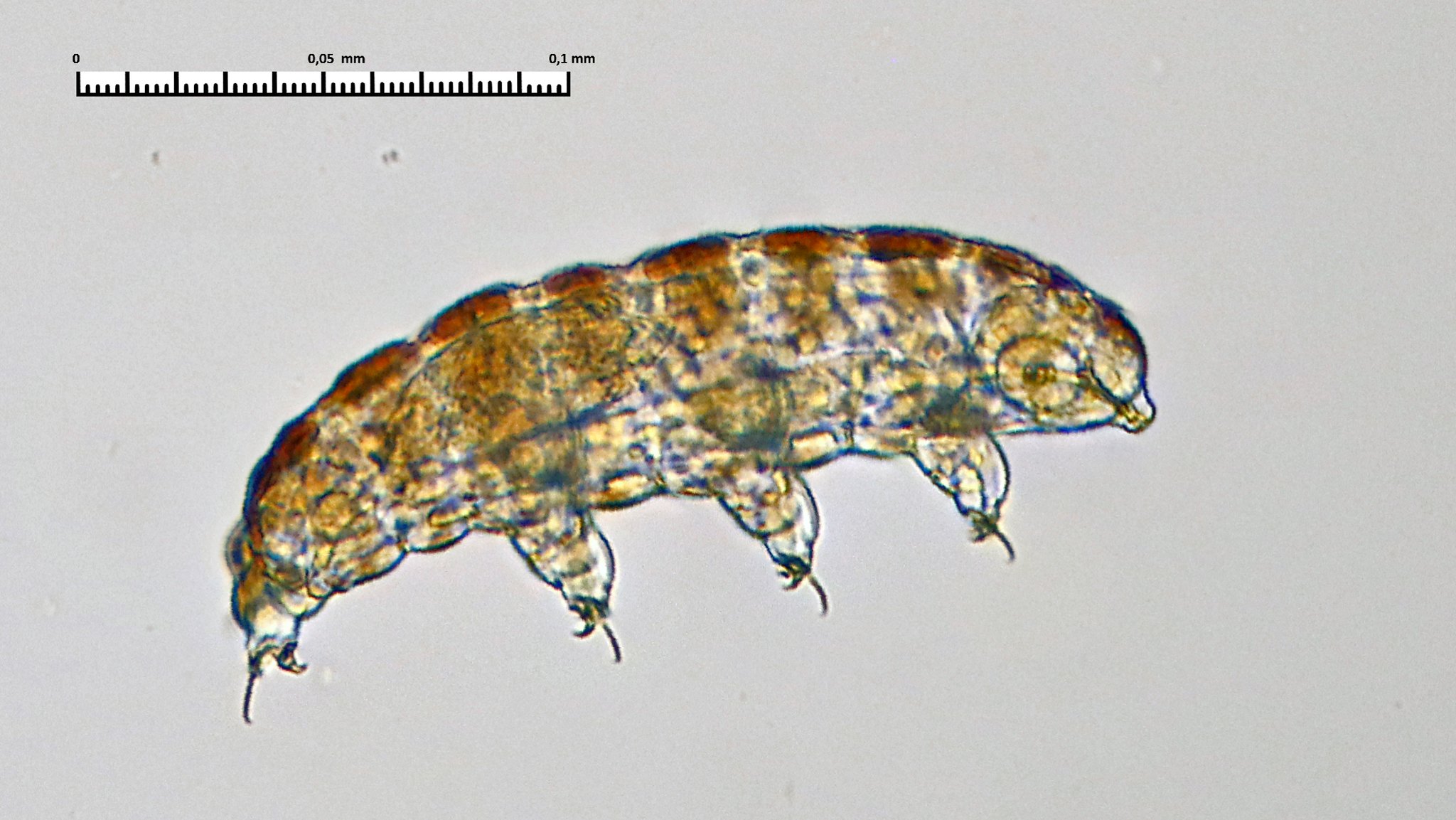
Tardigrades measure between 0.004 and 0.06 inches long, making them about the size of a dust mite. You’d need a microscope to get a good look at one, though their chubby, bear-like appearance makes them surprisingly adorable for something so tiny.
Despite their microscopic size, they’re complex animals with brains, nervous systems, and digestive tracts.
They Live Almost Everywhere on Earth
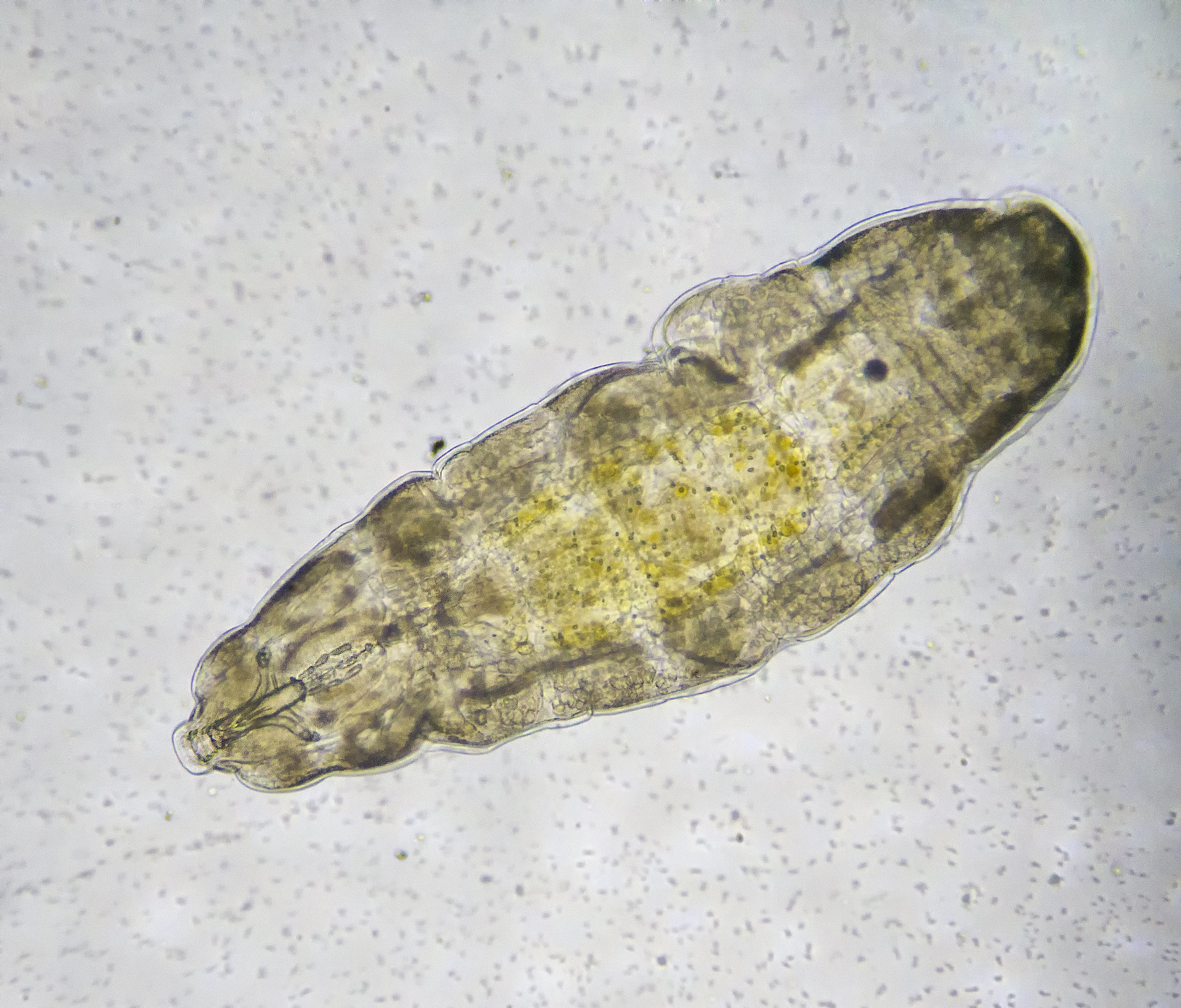
These creatures have been found on mountaintops over 19,000 feet high in the Himalayas and in ocean trenches more than 13,000 feet deep. They thrive in tropical rainforests, Antarctica, and even in the moss growing on your backyard fence.
Tardigrades have colonized nearly every habitat on the planet, from scorching deserts to frozen tundra.
Like Go2Tutors’s content? Follow us on MSN.
They Were Discovered in 1773
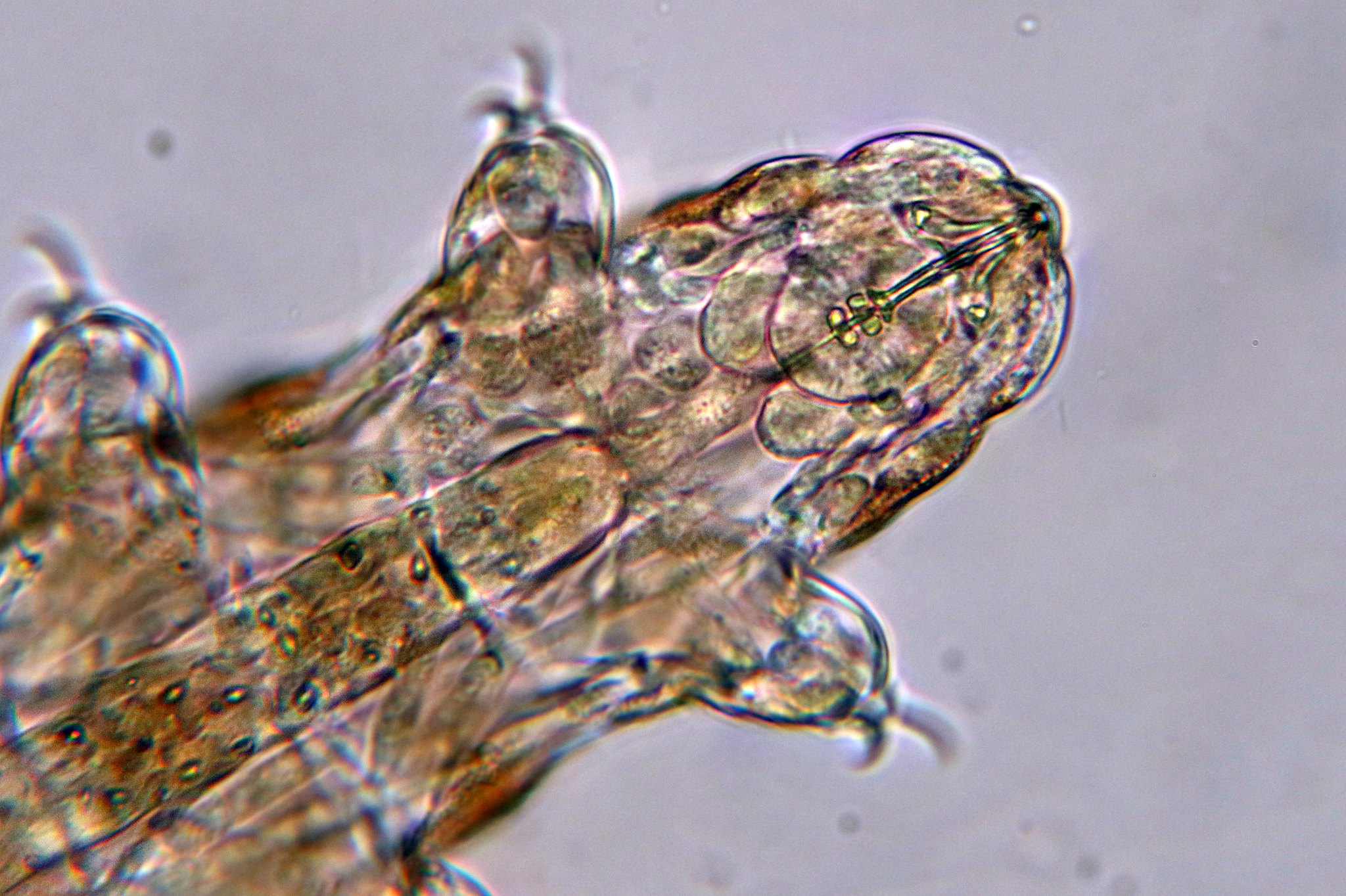
A German zoologist named Johann August Ephraim Goeze first described tardigrades, calling them ‘Kleiner Wasserbär’ or ‘little water bear’ in German. Three years later, an Italian biologist gave them their scientific name, Tardigrada, which means ‘slow walkers’ in Latin.
The name fits perfectly since they lumber along on their eight legs like tiny bears.
They Actually Went to Space in 2007
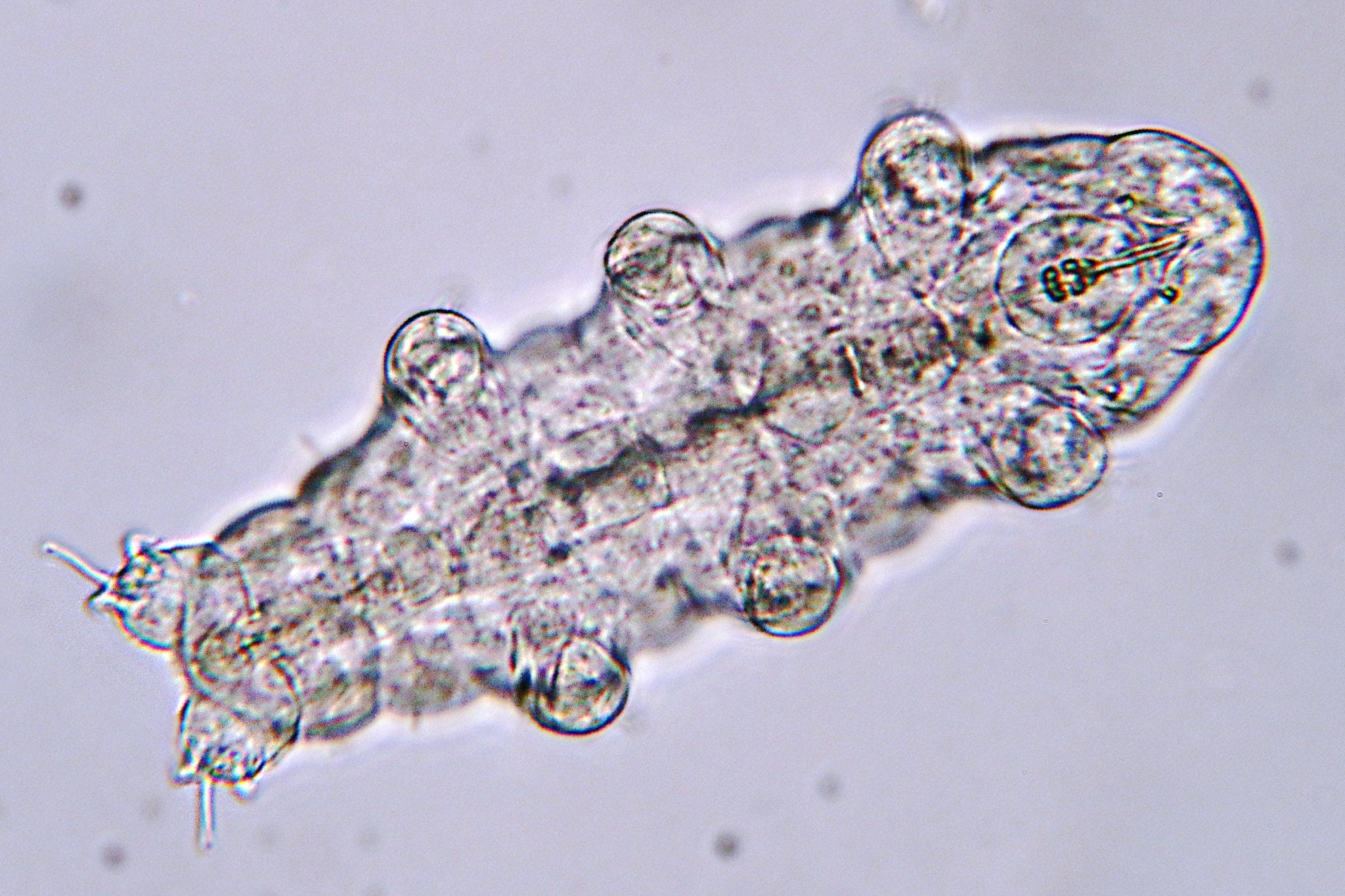
The European Space Agency sent dehydrated tardigrades into low Earth orbit aboard the FOTON-M3 spacecraft for 10 days. Some were exposed only to the vacuum of space, while others faced both vacuum and full solar radiation.
After returning to Earth, the tardigrades that avoided direct UV radiation were reanimated within 30 minutes of being rehydrated.
Most Animals Would Die Instantly in Space
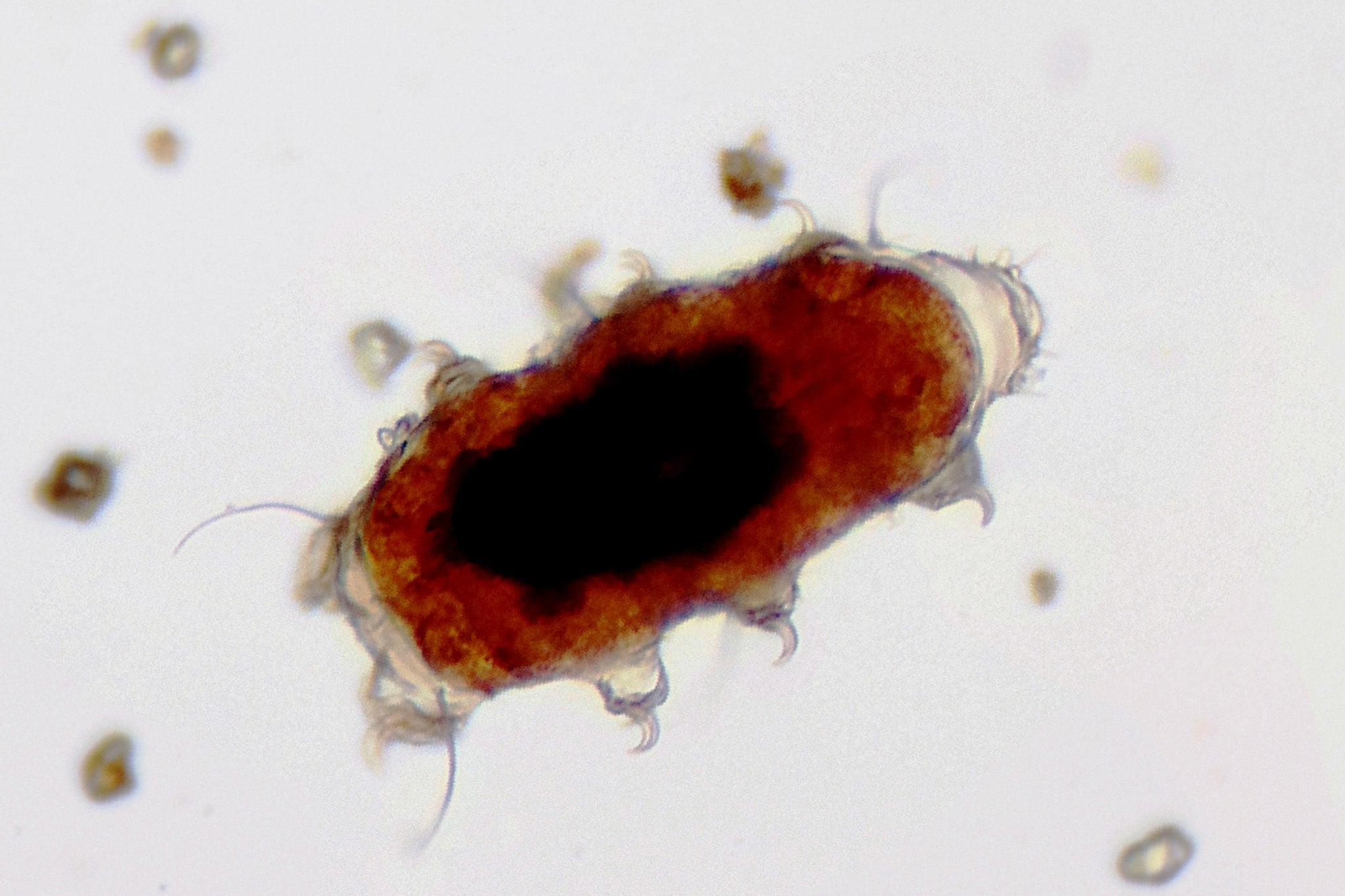
The vacuum of space creates conditions that are immediately lethal to nearly all life forms. There’s no air to breathe, temperatures hover near absolute zero, and radiation from the sun and cosmic sources bombards anything exposed.
Tardigrades became the first animals ever proven to survive these conditions, making them unique in the animal kingdom.
Like Go2Tutors’s content? Follow us on MSN.
They Can Shut Down Their Metabolism Completely
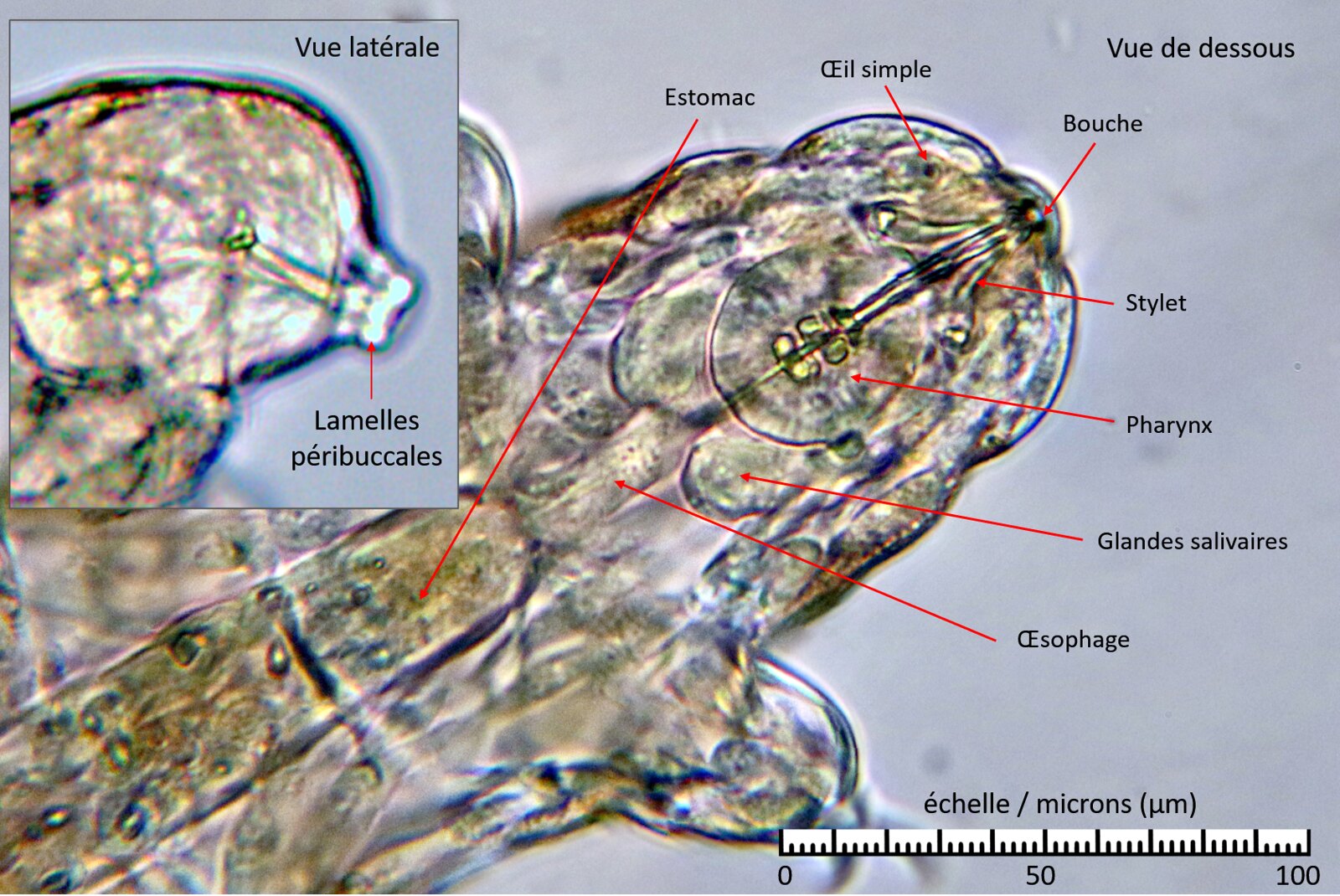
When conditions get rough, tardigrades enter a state called cryptobiosis, specifically a form called anhydrobiosis when they dry out. They retract their legs, shrivel up into a barrel-shaped ‘tun,’ and their metabolism drops to just 0.01% of normal levels.
In this state, they’re essentially not alive in the traditional sense, but they’re not dead either.
They Survived 10 Days in Open Space
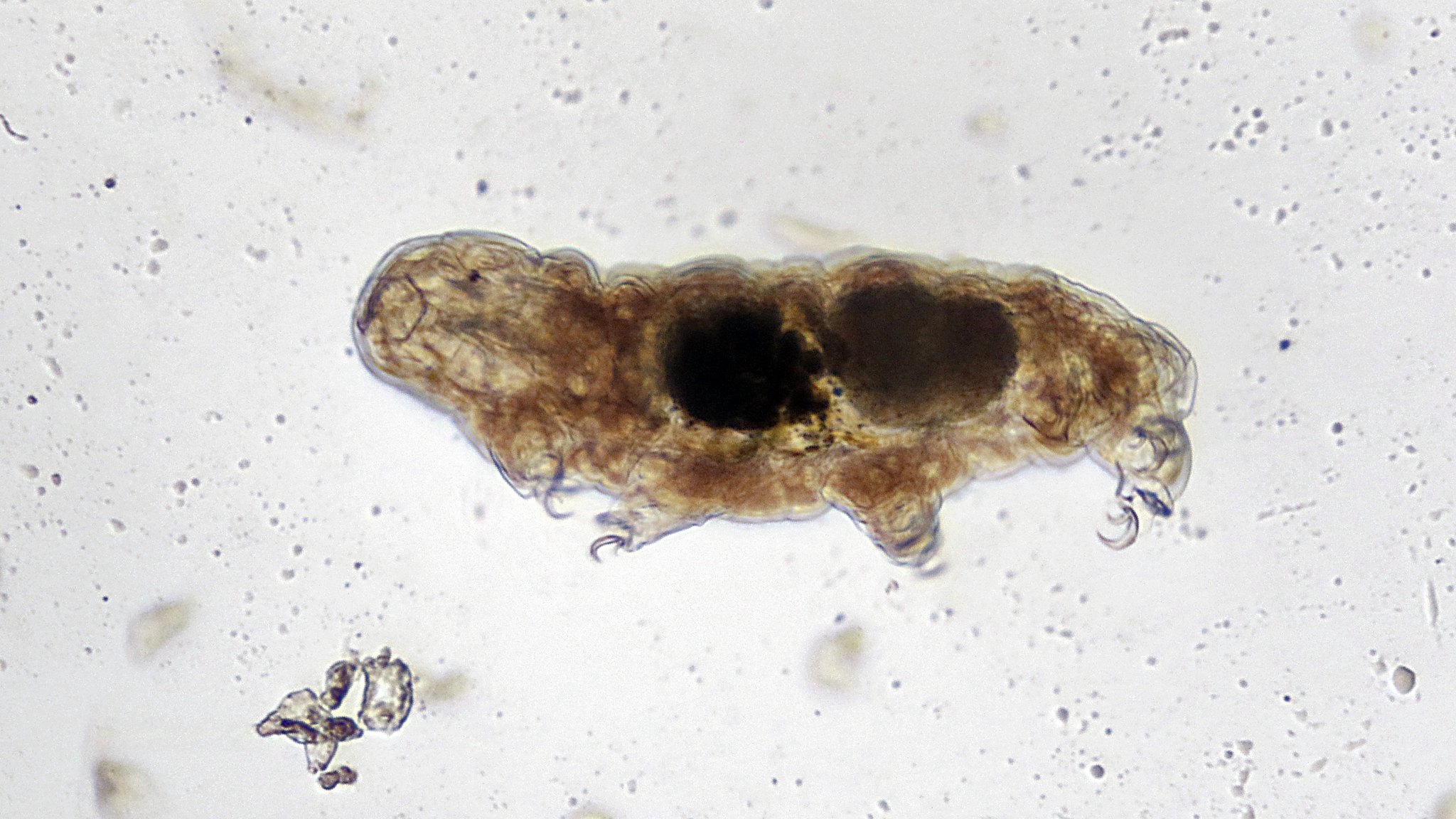
During the 2007 space mission, many tardigrades that were shielded from direct UV radiation survived the entire exposure period. The vacuum of space, cosmic radiation, and extreme cold didn’t kill them.
Once back on Earth and rehydrated, they moved around and even laid viable eggs, proving their survival was genuine.
UV Radiation Was Their Biggest Challenge
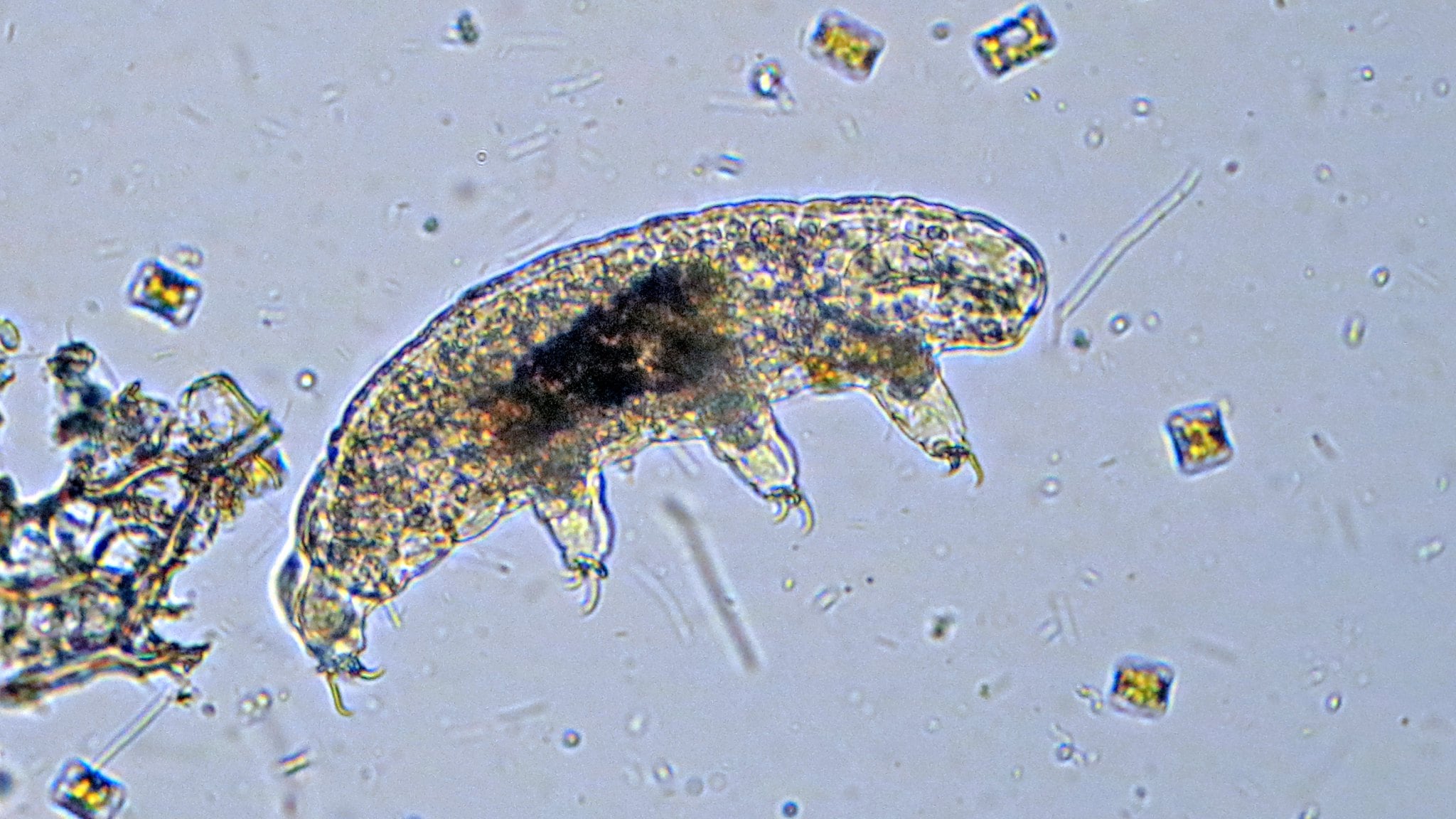
While tardigrades handled the vacuum and cosmic rays remarkably well, solar UV radiation proved more dangerous. Only about 10-15% of tardigrades exposed to UV-B radiation survived beyond a few days, and those hit with combined UV radiation fared even worse.
Still, the short-term survivors produced healthy offspring before dying, showing their reproductive systems remained intact.
Like Go2Tutors’s content? Follow us on MSN.
They Have a DNA Protection System
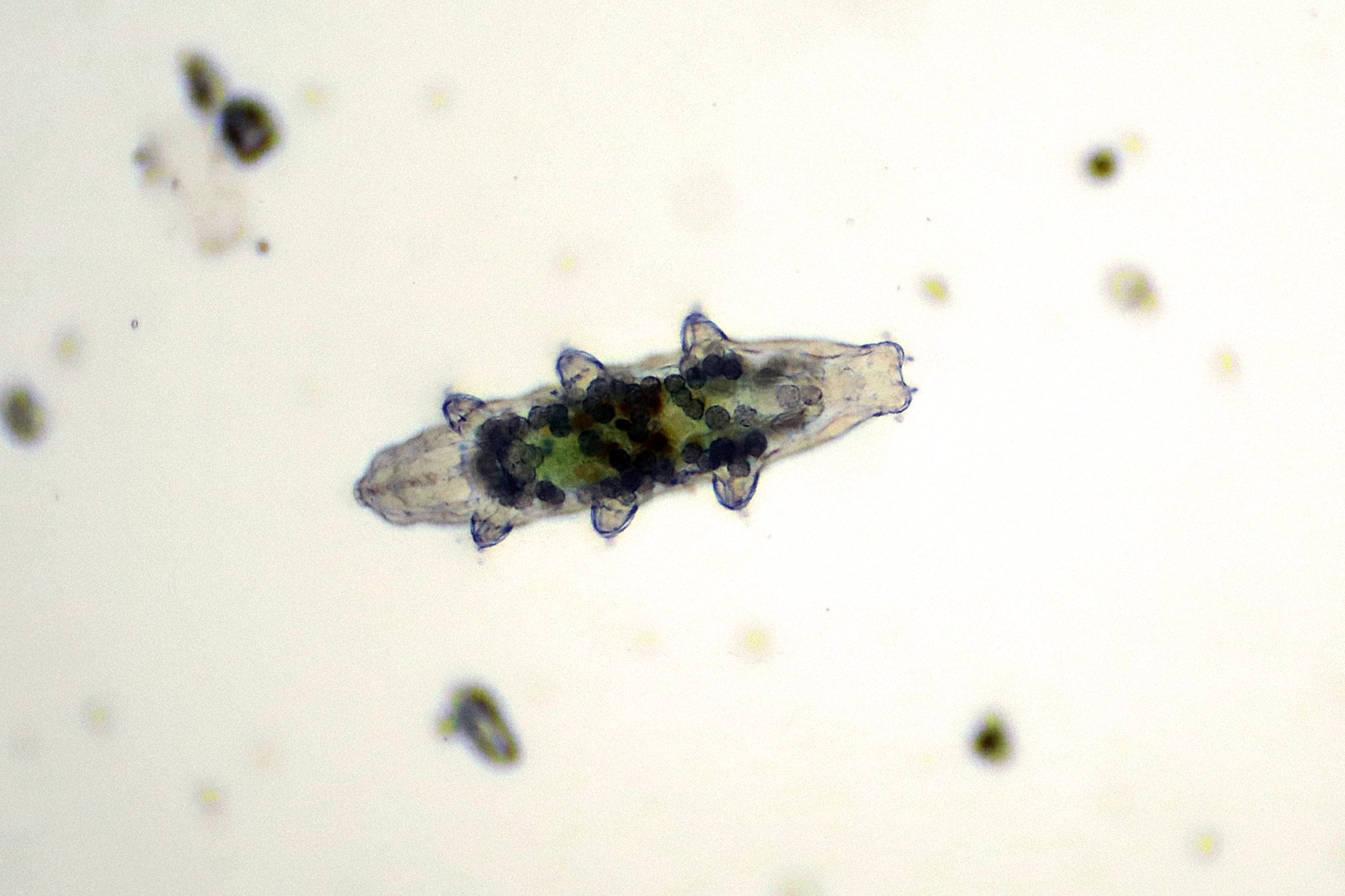
Scientists discovered that tardigrades produce a unique protein called Dsup, short for ‘damage suppressor,’ that physically shields their DNA from harm. This protein binds to their chromosomes and protects them from the kind of hydroxyl radicals that radiation creates.
No other animal on Earth has this particular protein.
They Can Survive Over 1,000 Times More Radiation Than Humans
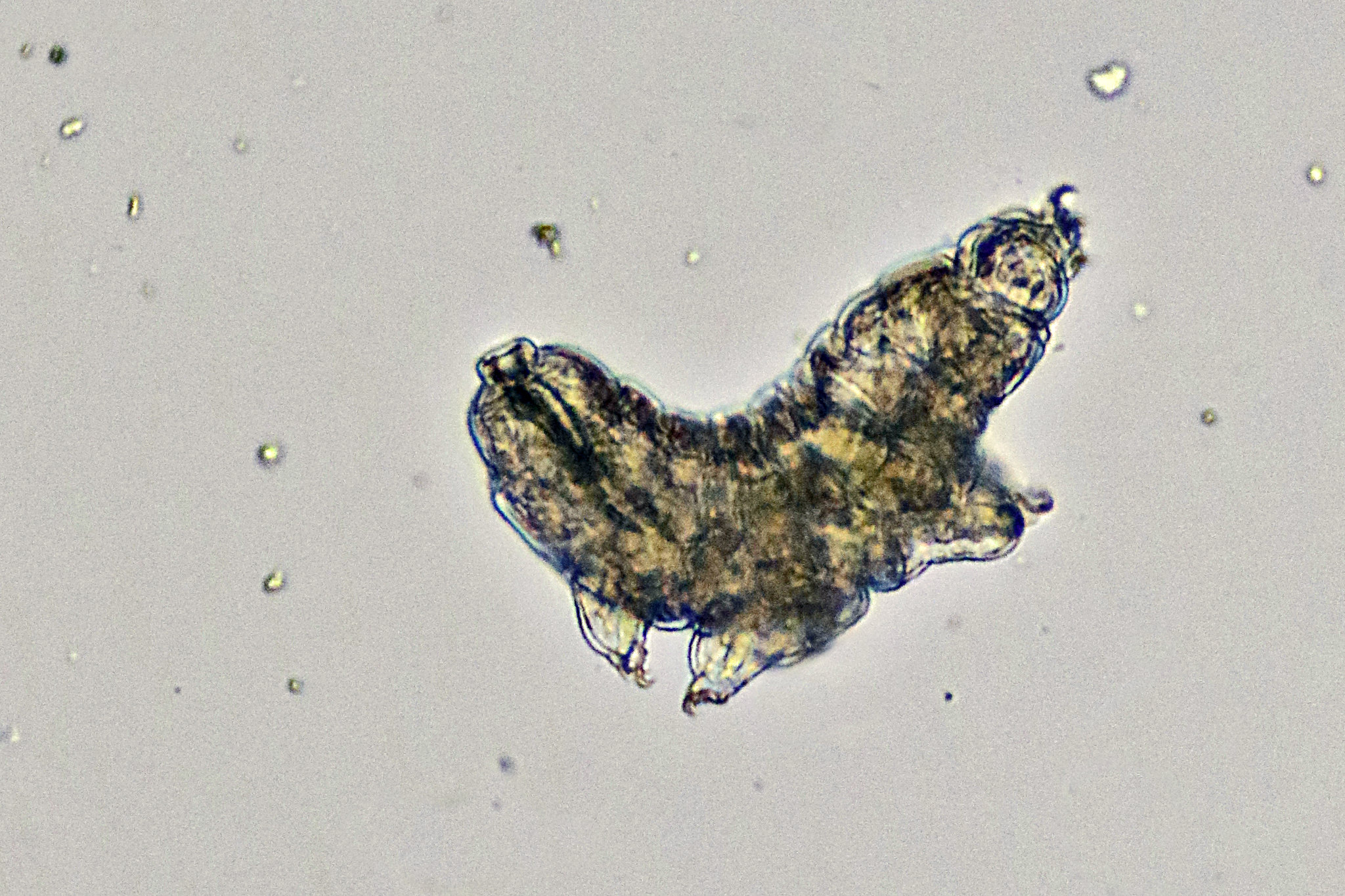
A lethal radiation dose for humans is around 5-10 Grays, but tardigrades can handle 5,000 Grays or more. They’ve been blasted with X-rays, gamma rays, and heavy ions without dying. Recent research found they produce antioxidant pigments called betalains that neutralize the harmful reactive chemicals radiation creates inside cells.
They’ve Been to the International Space Station
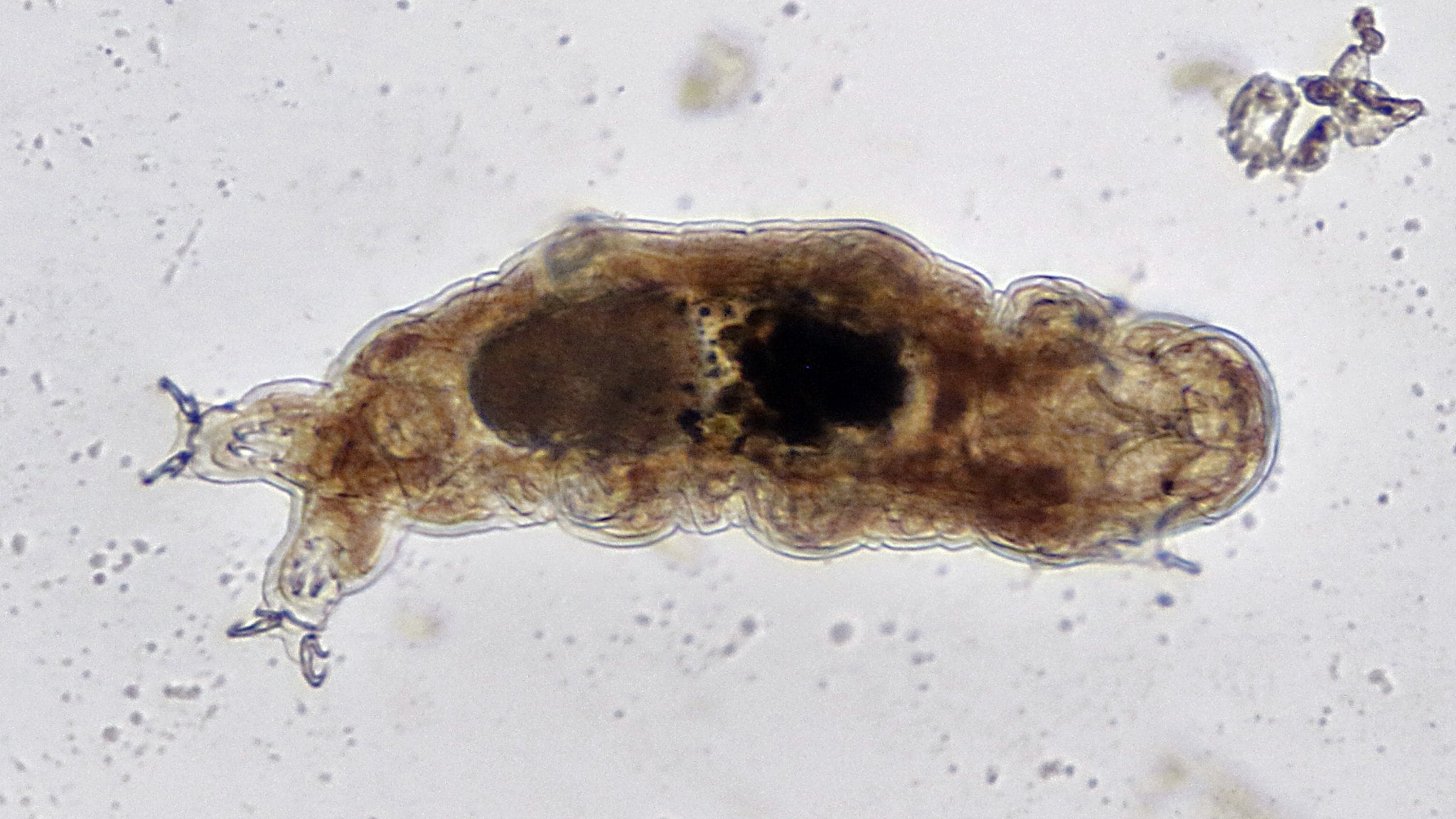
In 2011, tardigrades flew aboard the Space Shuttle Endeavour to the ISS as part of the TARDIKISS experiment. Researchers wanted to see how microgravity and cosmic radiation affected them over time.
The results showed that spaceflight conditions didn’t significantly harm the tardigrades, making them excellent subjects for studying long-term space exposure.
Like Go2Tutors’s content? Follow us on MSN.
From Moss to the Moon
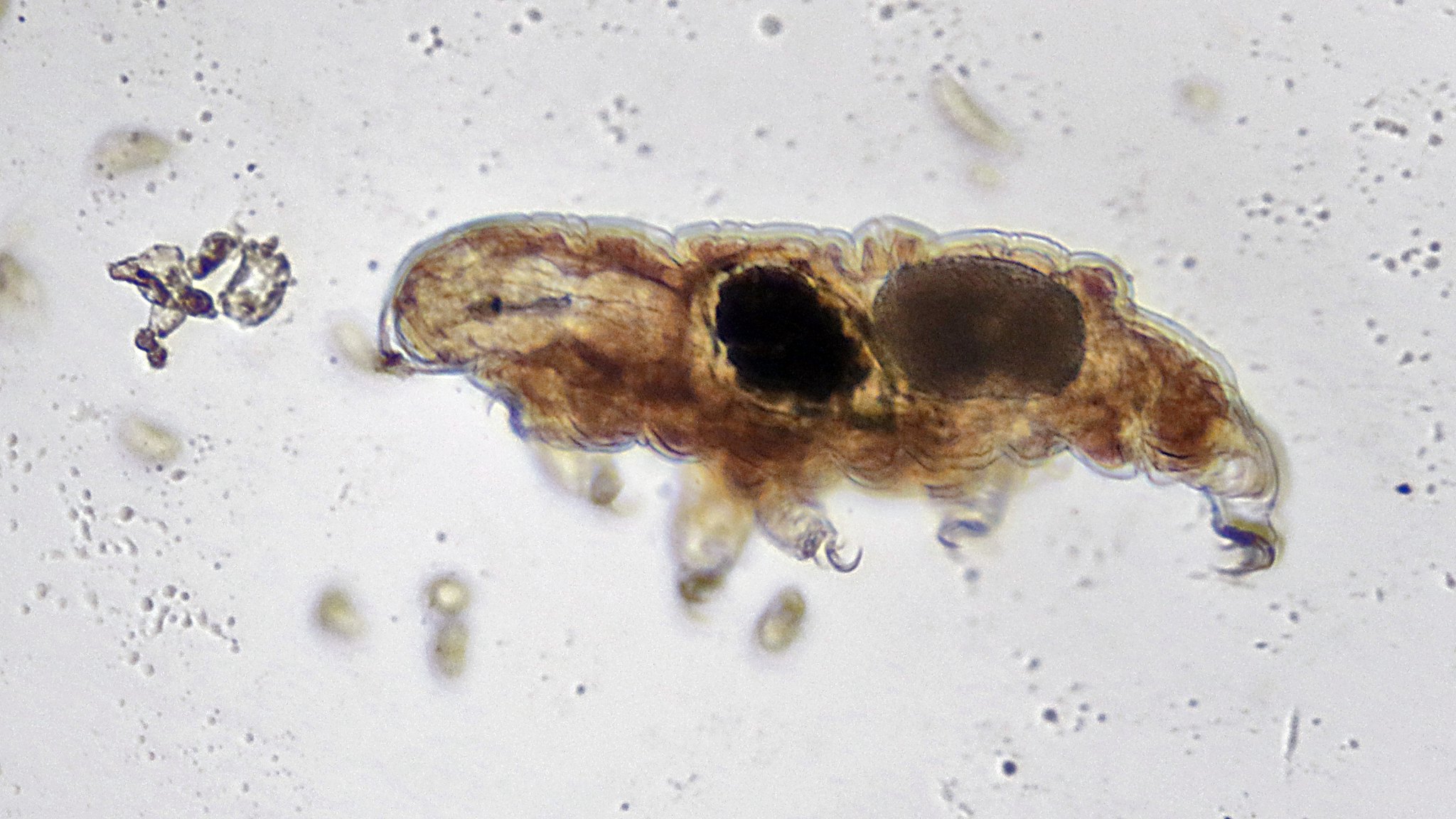
What started as a curiosity about tiny animals living in backyard moss has turned into serious astrobiology research. Tardigrades have forced scientists to reconsider what’s possible for life in extreme environments and have opened new doors for protecting humans during space exploration.
These microscopic survivors prove that size doesn’t determine toughness, and that life finds ways to persist in places we never thought possible.
More from Go2Tutors!

- 16 Historical Figures Who Were Nothing Like You Think
- 12 Things Sold in the 80s That Are Now Illegal
- 15 VHS Tapes That Could Be Worth Thousands
- 17 Historical “What Ifs” That Would Have Changed Everything
- 18 TV Shows That Vanished Without a Finale
Like Go2Tutors’s content? Follow us on MSN.