Inventions Rejected Before They Became Essential
History is full of brilliant ideas that people initially dismissed as worthless or ridiculous. Some of the most important inventions we use every day faced rejection, mockery, or complete indifference when they first appeared. Inventors often heard “no” countless times before the world finally recognized the value of what they had created.
These stories remind us that being ahead of your time isn’t always an advantage.Here are some inventions that went from rejected to absolutely essential.
The telephone
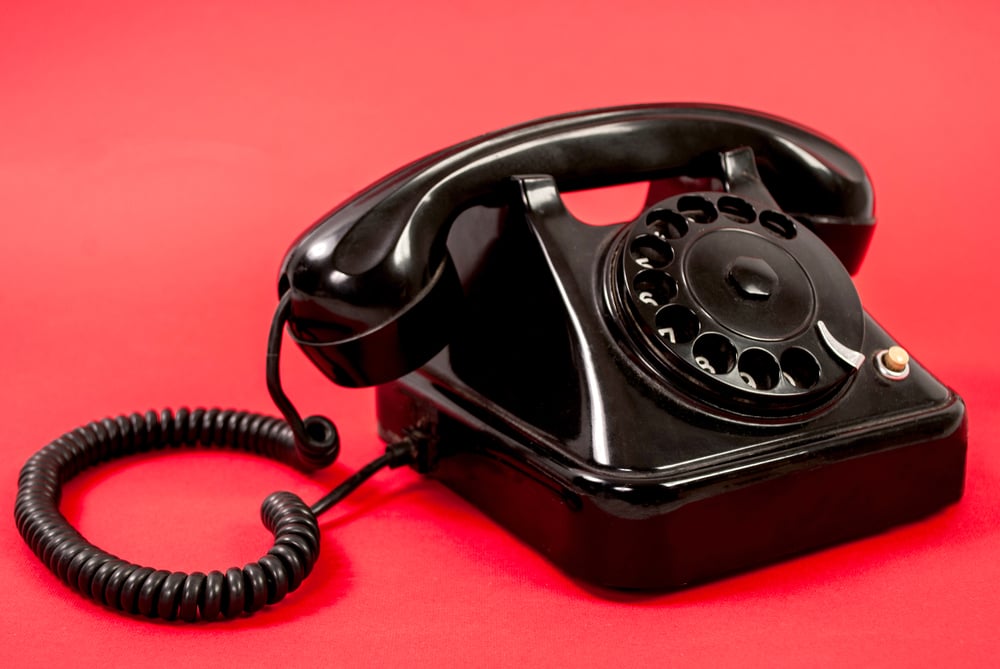
Alexander Graham Bell struggled to convince people that his talking device had any real value. Western Union, one of the biggest companies at the time, turned down the chance to buy the patent for just $100,000 in 1876.
They called it nothing more than a toy with no commercial possibilities. Within a few decades, telephones transformed how the entire world communicated, and Western Union probably regretted that decision forever.
Post-it notes

Spencer Silver created a weak adhesive at 3M in 1968, but nobody could figure out what to use it for. The company saw no practical application for glue that didn’t stick very well.
Art Fry, another 3M scientist, finally found a use for it years later when he needed bookmarks that wouldn’t damage his church hymnal. Even then, 3M was hesitant to produce them. Today, those little yellow squares are everywhere.
Like Go2Tutors’s content? Follow us on MSN.
The personal computer

IBM and other major companies believed computers would only ever be useful for large corporations and government agencies. When presented with early personal computer concepts, executives couldn’t imagine why regular people would want one at home.
Ken Olsen, founder of Digital Equipment Corporation, famously said in 1977 that there was no reason for anyone to have a computer in their home. That prediction aged poorly.
Within two decades, personal computers became household necessities.
The fax machine
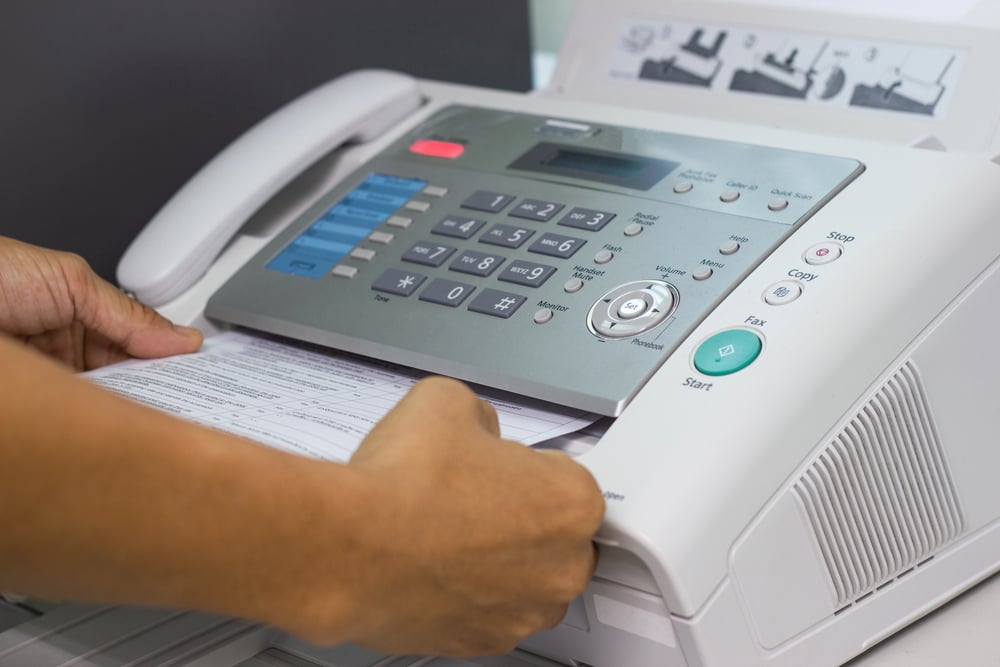
Alexander Bain invented the basic technology for fax transmission in 1843, but the world wasn’t ready for it. Telegraph companies felt threatened and actively worked against its adoption.
People couldn’t understand why anyone would need to send documents electronically when mail worked fine. The fax machine didn’t become common in offices until the 1980s, more than a century after its invention.
The zipper

Whitcomb Judson invented an early version of the zipper in 1893, but it kept jamming and breaking. People preferred buttons, which were reliable and familiar.
Gideon Sundback improved the design significantly in 1913, yet clothing manufacturers still refused to use it. The breakthrough came when the military started using zippers on uniforms during World War I.
After soldiers returned home praising their convenience, fashion designers finally took notice.
Like Go2Tutors’s content? Follow us on MSN.

Ray Tomlinson sent the first network email in 1971, but his employer didn’t think it was particularly important. He developed it as a side project because he thought it might be useful, not because anyone asked for it.
Many technology experts at the time believed email would never replace phone calls or memos. The idea of typing messages to communicate seemed inefficient and impersonal. Now billions of emails get sent every single day.
The microwave oven

Percy Spencer discovered microwave cooking by accident in 1945 when a chocolate bar melted in his pocket while working with radar equipment. Raytheon, his employer, built the first commercial microwave, but it weighed 750 pounds and cost thousands of dollars.
Restaurants and hotels showed little interest. Home cooks thought the idea of cooking with radiation sounded dangerous and strange.
It took decades of refinement before microwaves became kitchen staples.
The ballpoint pen
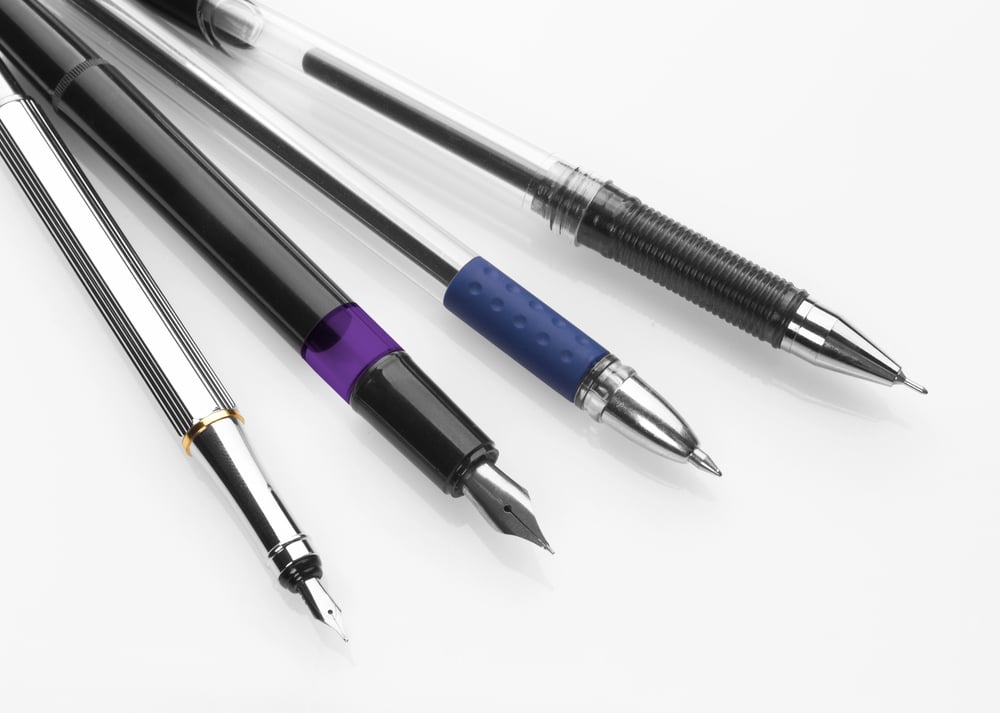
László Bíró invented a reliable ballpoint pen in 1938, but fountain pen manufacturers fought hard against it. Writing purists claimed ballpoint pens produced inferior, cheap-looking writing.
Schools in many countries actually banned students from using them. Teachers insisted that only fountain pens taught proper penmanship.
Eventually, the convenience and reliability won everyone over, and fountain pens became the specialty item instead.
Like Go2Tutors’s content? Follow us on MSN.
Home video recording
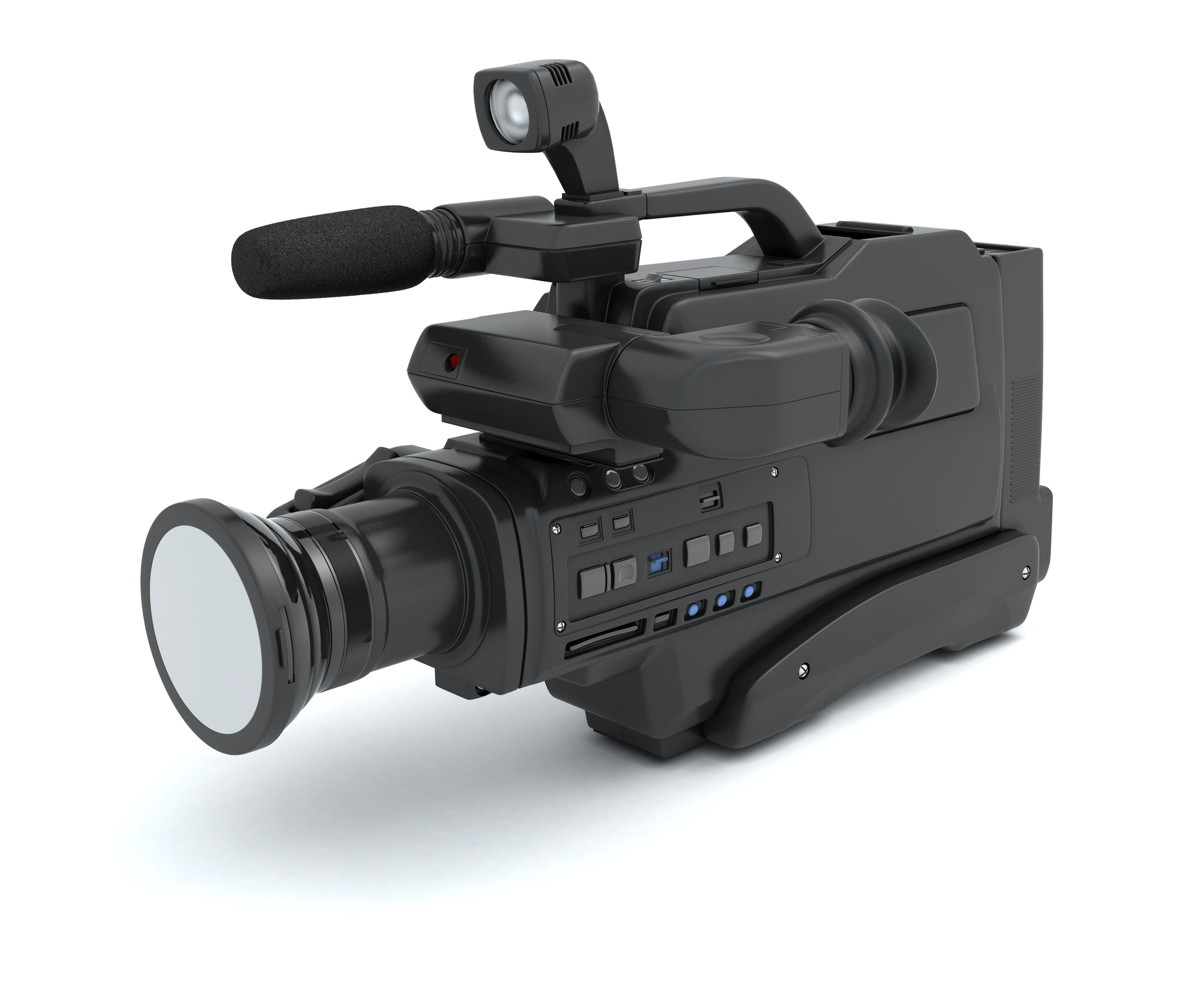
When Sony released Betamax in 1975, movie studios panicked and tried to ban it. Universal and Disney actually sued Sony, claiming that recording TV shows was illegal.
Jack Valenti, president of the Motion Picture Association, testified that VCRs would destroy the film industry. The Supreme Court ruled in Sony’s favor in 1984.
Ironically, home video sales later became one of Hollywood’s biggest revenue sources.
The printing press
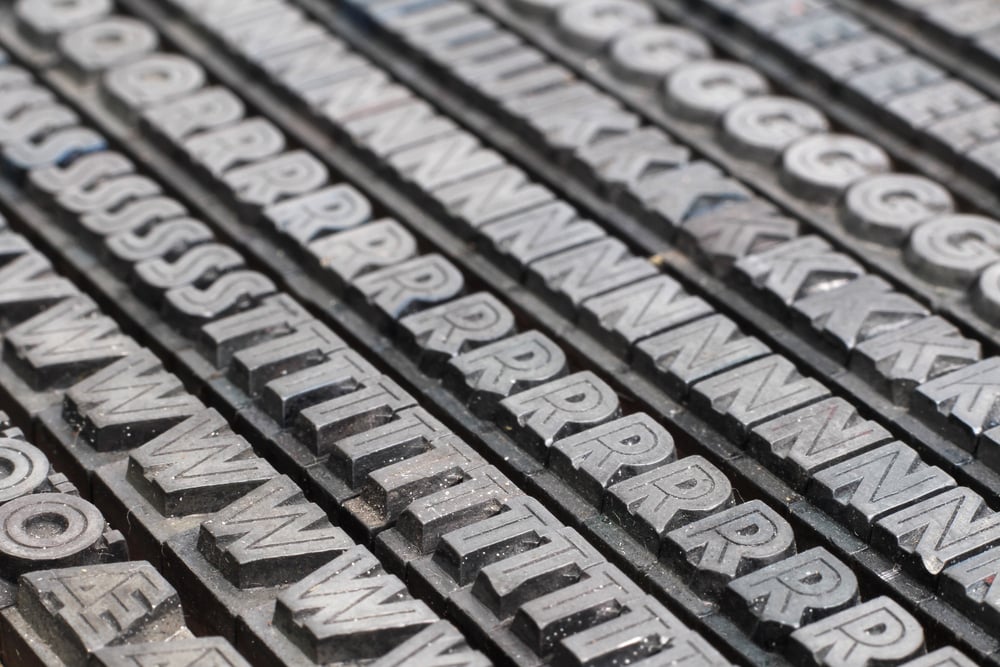
Johannes Gutenberg’s printing press revolutionized information sharing when he introduced it around 1440. However, scribes who copied books by hand saw it as a threat to their livelihood.
Religious authorities worried that easier access to books would spread dangerous ideas. Some scholars believed that mass-produced books would be lower quality than hand-copied manuscripts.
The Catholic Church even tried to control what could be printed. Despite the resistance, the printing press changed human history forever.
Electric lighting

Thomas Edison faced enormous skepticism when he demonstrated electric light bulbs. Gas lighting companies launched campaigns claiming electric lights were dangerous and would never be practical.
Many scientists doubted Edison could make a bulb that lasted long enough to be useful. Newspapers published articles mocking his efforts. Some people even feared that electric lights would disturb the natural order and harm their health.
London’s gas companies were so worried they actively campaigned against electrical infrastructure.
Like Go2Tutors’s content? Follow us on MSN.
The dishwasher

Josephine Cochrane invented a practical dishwasher in 1886, but homemakers showed almost no interest. Women had washed dishes by hand for centuries and saw no reason to change.
Many believed a machine couldn’t get dishes as clean as hand washing. Hotels and restaurants slowly adopted dishwashers, but home versions didn’t sell well until the 1950s. It took decades of marketing and cultural shifts before families accepted them as normal appliances.
The credit card
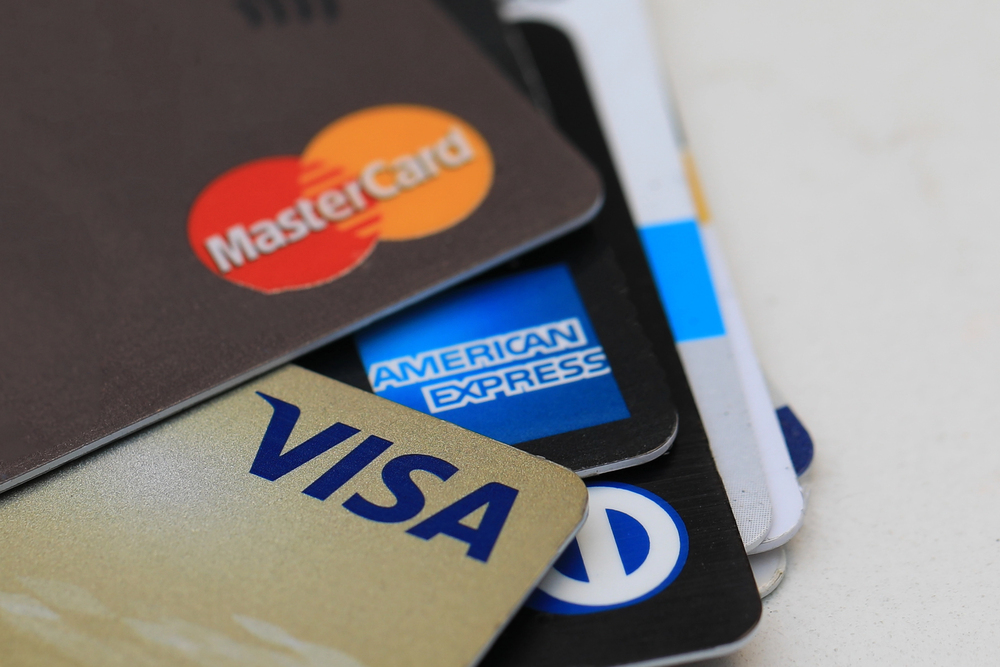
Frank McNamara introduced the Diners Club card in 1950 after forgetting his wallet at a restaurant. Banks and retailers resisted the concept for years.
They didn’t want to pay processing fees or deal with new equipment. Customers worried about debt and overspending. Many people found the idea of buying things without cash immediately available to be irresponsible.
Credit cards didn’t become widespread until the 1970s when society’s attitudes toward consumer credit shifted dramatically.
When rejection becomes acceptance

The pattern repeats itself throughout history: something new arrives, people reject it, and eventually it becomes impossible to imagine life without it. What seems strange or unnecessary at first often becomes essential once people understand its true value.
Many of today’s rejected ideas might be tomorrow’s necessities. The inventors who pushed through rejection and kept believing in their ideas literally changed the world. Next time something seems too different or unusual to succeed, it might be worth remembering that someone probably said the same thing about smartphones, computers, and even the wheel.
Like Go2Tutors’s content? Follow us on MSN.
More from Go2Tutors!

- 16 Historical Figures Who Were Nothing Like You Think
- 12 Things Sold in the 80s That Are Now Illegal
- 15 VHS Tapes That Could Be Worth Thousands
- 17 Historical “What Ifs” That Would Have Changed Everything
- 18 TV Shows That Vanished Without a Finale
Like Go2Tutors’s content? Follow us on MSN.