16 Human Senses Most People Don’t Know About
Remember learning about the five senses in grade school? Teachers made it sound so simple. See, hear, smell, taste, touch — done. Except that’s not even close to the whole story.
Researchers have discovered humans actually have way more sensory abilities than anyone realized. Most of these work completely under the radar. Your body’s constantly collecting information you’re not even aware of, influencing everything from how you feel to the decisions you make.
Here is a list of 16 human senses that fly completely under most people’s radar.
Knowing Where Your Body Parts Are

Try this: close your eyes and touch your nose with your finger. No peeking. Pretty easy, right? That’s because you’ve got this amazing internal map of where all your body parts are at any given moment.
Scientists call it proprioception, but basically it’s your body’s GPS system. Little sensors in your muscles and joints are constantly chattering away to your brain about position and movement.
Drink too much and this system goes haywire — which is exactly why cops use field sobriety tests that mess with your coordination.
Your Built-In Spirit Level
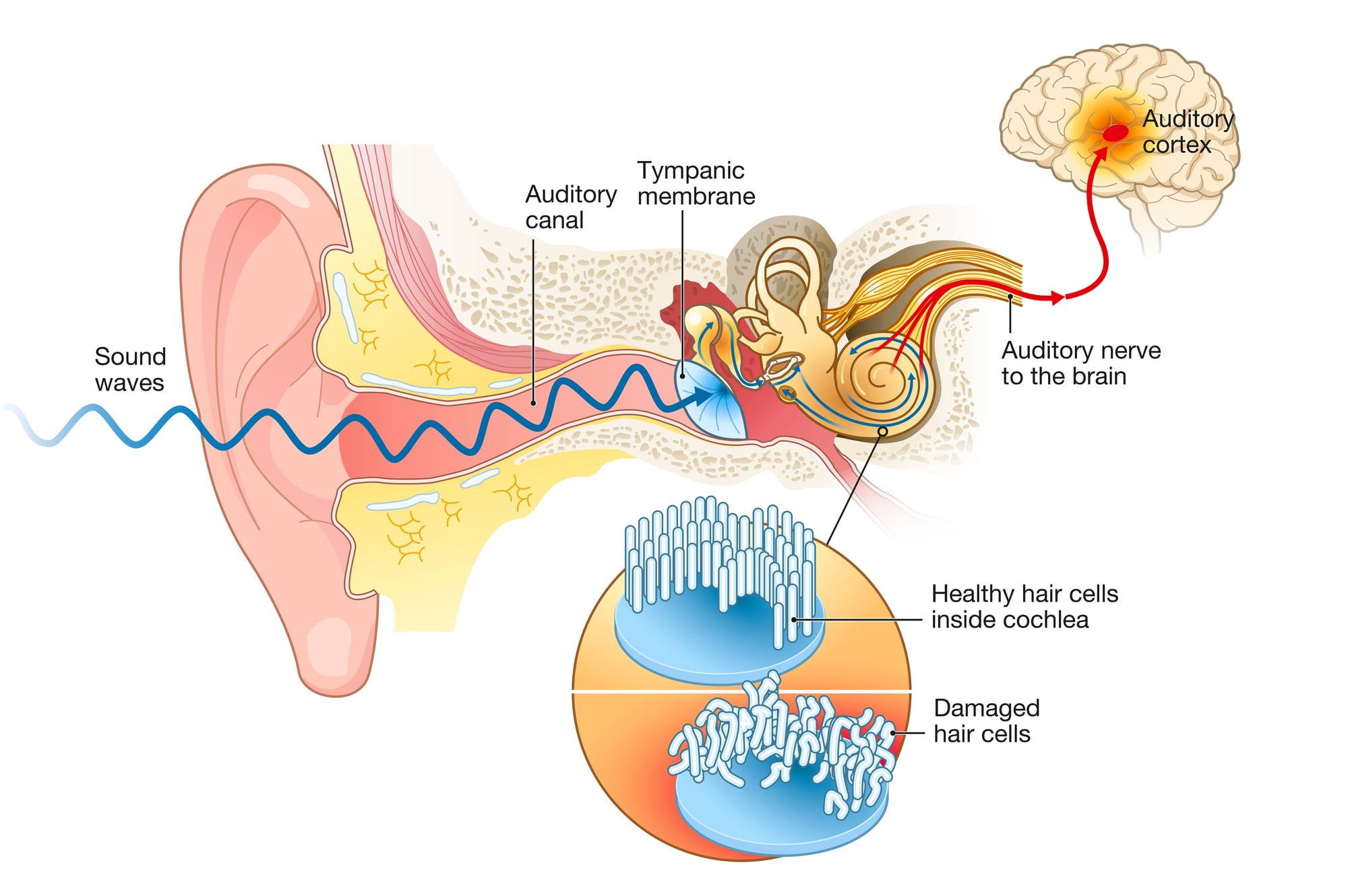
Ever wonder how you stay upright without constantly thinking about it? Your inner ear has these incredible tiny structures that work like the bubble in a carpenter’s level.
They’re filled with fluid and have these microscopic crystals floating around that shift when your head moves. When something screws up this system — maybe an ear infection or just getting older — you get vertigo.
Everything spins and you feel like you’re going to fall over even when you’re sitting still.
Way More Than Hot and Cold

Your skin doesn’t just detect temperature; it’s got different types of heat and cold sensors doing specialized jobs. Some only fire when things warm up, others when they cool down.
Then there are the danger detectors that scream when temperatures get extreme enough to cause damage. Here’s something weird: menthol tricks your cold sensors into firing even though it doesn’t actually make your skin colder.
That’s why mint gum feels cooling — your brain’s getting false signals.
Your Personal Alarm System

Pain isn’t just “ouch.” It’s this incredibly complex warning system that your brain constantly adjusts based on what’s happening around you.
The same injury can hurt like hell when you’re anxious but barely register when you’re distracted by something else. Athletes playing through injuries aren’t just being tough — their brains are literally dampening pain signals because the competitive situation makes other things seem more important.
Context is everything when it comes to pain.
Your Wonky Internal Clock

Time perception is absolutely terrible in humans. Fun stuff makes hours feel like minutes, boring meetings make minutes feel like hours.
Your brain tries to estimate time using all sorts of clues — how many new memories you’re forming, your emotional state, whether you’re paying attention. Kids perceive time differently than adults because everything’s newer to them.
That’s why summer vacations felt endless when you were eight but now they zip by in what feels like a weekend.
Listening to Your Insides

Your body’s constantly running diagnostics on itself — heart rate, breathing, hunger, bathroom needs, you name it. Some people are naturally better at picking up these internal signals than others.
Those folks tend to make better gut decisions because they can actually feel what their gut is telling them. Ever get butterflies in your stomach when nervous?
That’s not just an expression — your digestive system really does respond to stress hormones, creating actual physical sensations.
Your Hidden Compass
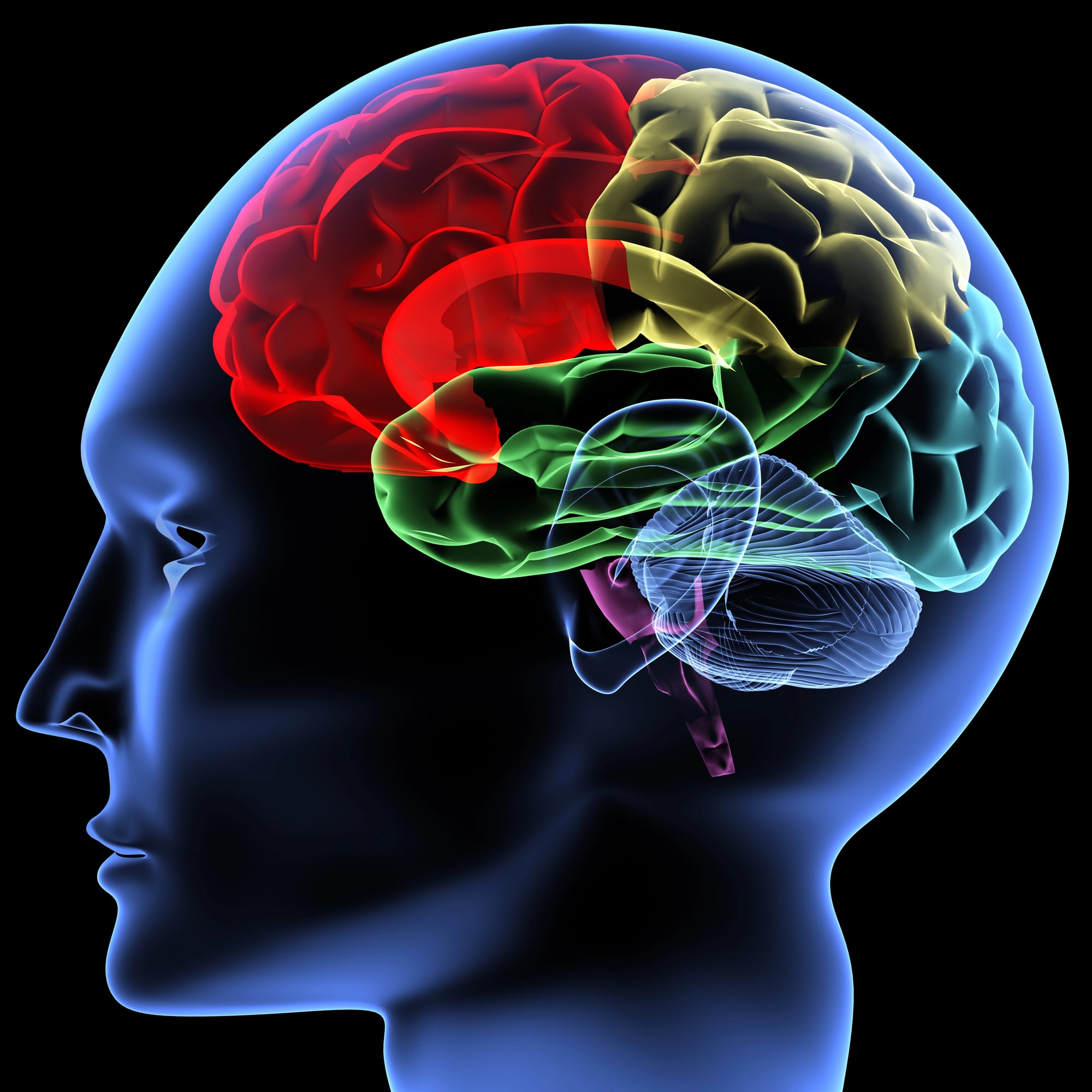
This one’s pretty wild. Humans seem to have some ability to sense magnetic fields, though nothing like what birds can do.
Scientists found magnetic crystals in human brains that might help with navigation, but it all happens below conscious awareness. You can’t point north like a compass, but studies suggest people orient themselves better than random chance would predict.
Maybe that’s why some folks have better direction sense than others.
Feeling the World Through Your Skin

Touch isn’t just one sense — it’s actually several different types of pressure and texture detectors working together. Your fingertips can tell the difference between silk and sandpaper, judge how much pressure to use when handling an egg, or detect when someone’s standing behind you.
These sensors are smart too. They quickly stop responding to constant pressure, which is why you forget you’re wearing clothes after a few minutes. Otherwise you’d be constantly aware of fabric against your skin.
Knowing Your Limits
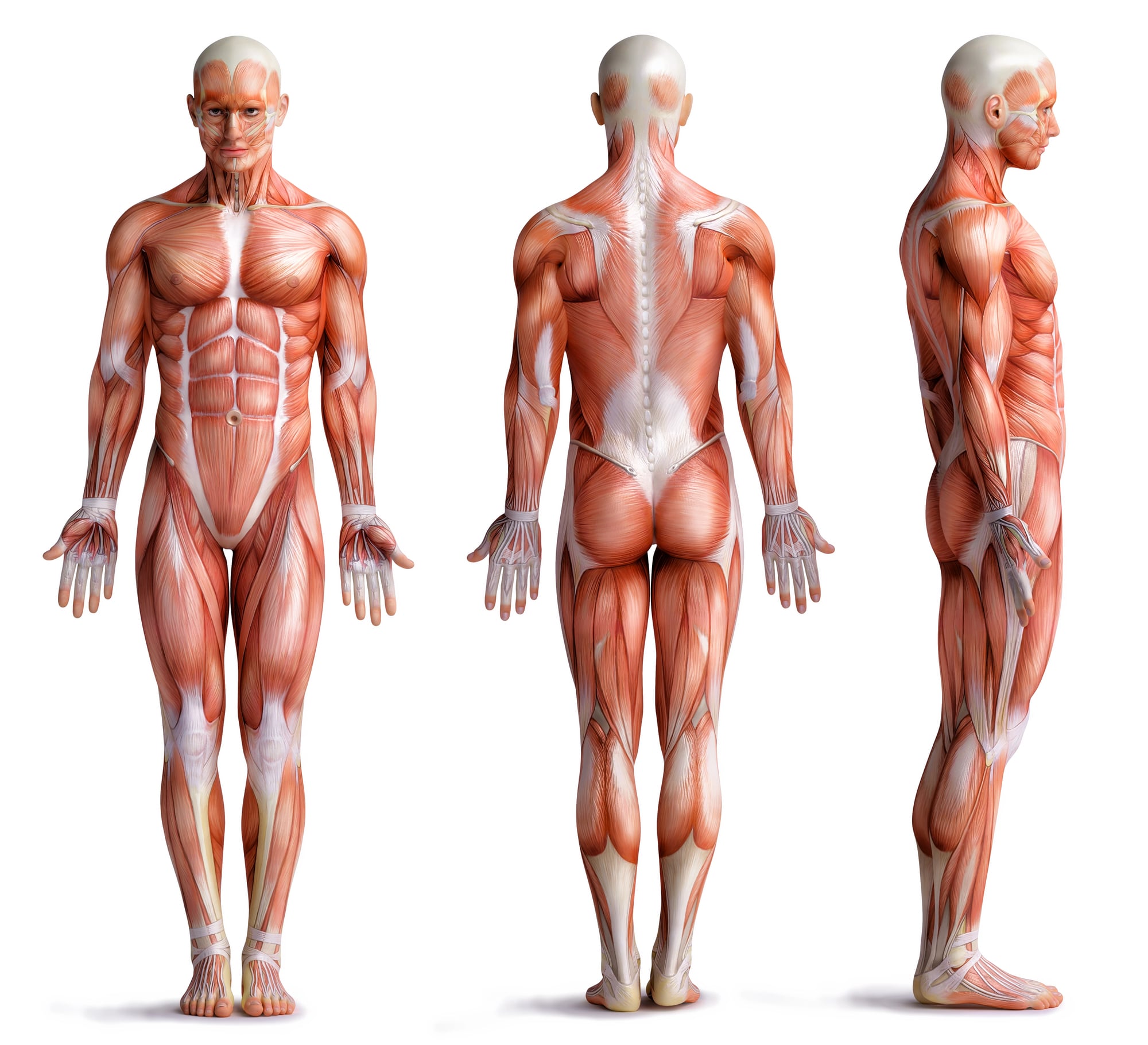
Your muscles have their own sensors that keep track of how much they’re being stretched or squeezed. This feedback prevents you from overextending and hurting yourself.
Gymnasts and dancers develop incredible awareness of these sensations — they can push right to their limits without going too far. When this system breaks down due to injury or illness, simple movements become clumsy and uncoordinated.
You lose that natural sense of where your boundaries are.
Updates From Your Organs

Your internal organs are constantly sending status reports to your brain through a network of nerves. Your stomach tells you when it’s full, your heart reports its rhythm, your lungs signal oxygen levels.
Most of this happens without you noticing, but it’s all influencing how you feel and what you do. That “gut feeling” about someone?
It might actually be your enteric nervous system — basically a second brain in your digestive tract — picking up on subtle cues and sending signals upward.
Detecting Motion Changes
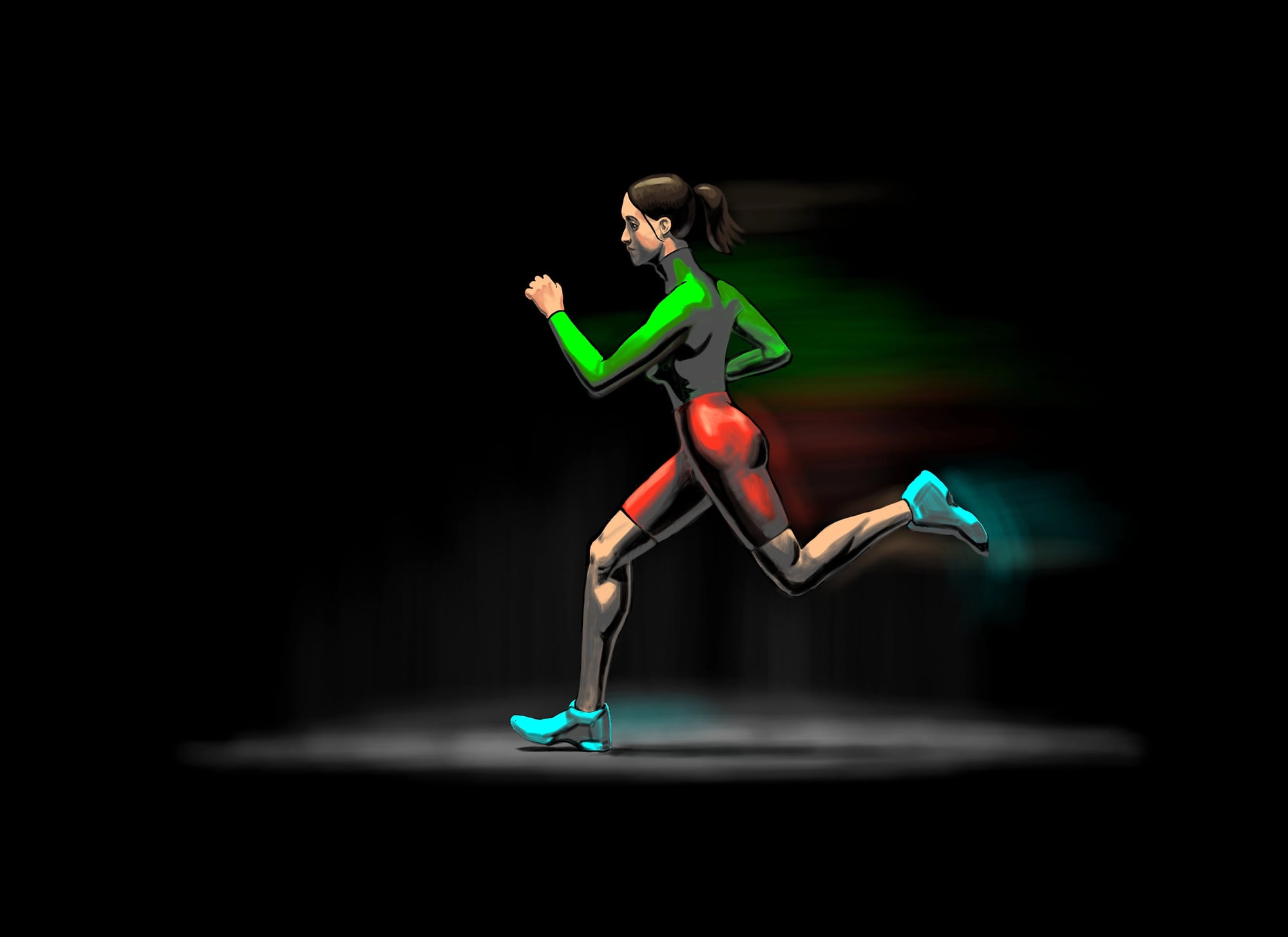
Your balance system can also tell when you’re speeding up, slowing down, or changing direction. That’s separate from just staying upright.
It’s why you can feel an elevator starting to move even with your eyes closed, or why you get pushed back in your seat when a car accelerates quickly. Roller coasters mess with this system on purpose.
That stomach-dropping feeling comes from your motion detectors going crazy as you suddenly change speed and direction.
Picking Up Electrical Activity

Some people are more sensitive to electrical fields than others. They might notice the buzz from power lines, feel uncomfortable around certain electronic devices, or sense static electricity building up before they touch something and get zapped.
This ability varies hugely between individuals. Most people barely notice electrical fields, while others seem to be walking electrical field detectors.
Reading the Air

Your skin and breathing system can gauge how much moisture is in the air around you. Some people are incredibly sensitive to humidity changes and swear they can predict weather shifts based on how the air feels.
This makes sense from an evolutionary perspective — being able to detect approaching storms or dry conditions that might affect water sources would have been pretty useful for survival.
Monitoring Air Quality

You’ve got special sensors that keep track of carbon dioxide levels in your blood and the air around you. When CO2 builds up, these detectors make you want to breathe deeper or get some fresh air.
Ever feel stuffy and uncomfortable in a crowded room? That’s partly your CO2 sensors telling you the air quality isn’t great. Opening a window often provides instant relief.
Sensing Heat Without Touch

Humans can detect heat radiating from objects and other people without actually touching them. It’s nowhere near as good as what snakes can do, but it’s there.
You might sense someone’s body heat when they get close, or feel warmth from a fire before you see the flames. This probably helped our ancestors detect threats or find warmth in the dark.
Even now, you might wake up if someone enters your room at night partly because you sense their body heat.
Using Sound to Navigate

Most people don’t realize they can echolocate to some degree. People who are blind sometimes develop this ability consciously, using tongue clicks or cane taps to navigate.
But even sighted people can learn to detect walls or large obstacles in complete darkness by listening to how sounds bounce back. It’s not nearly as sophisticated as what bats can do, but the basic machinery is there in human hearing systems.
More Than Meets the Eye

These hidden senses create this incredibly rich background layer to human experience that most people never think about. You’re constantly sensing magnetic fields, monitoring CO2 levels, tracking your internal state, and picking up all sorts of environmental cues without realizing it.
Modern life probably dulls a lot of these abilities. We spend so much time in artificial environments with constant stimulation that we lose touch with these subtler senses.
But they’re still there, quietly influencing your mood, decisions, and behavior every single day. Understanding them helps explain those mysterious hunches or feelings that seem to come out of nowhere — turns out your body might be picking up on things your conscious mind hasn’t noticed yet.
More from Go2Tutors!

- 18 Unexpectedly Valuable Collectibles You Might Have Lying Around
- 20 Little-Known Historical Battles That Had Huge Consequences
- 20 Historical Artifacts That Scientists Can’t Explain
- 15 Inventions That Were Immediately Banned After Being Created
- 20 Actors Who Were Almost Cast in Iconic Roles
Like Go2Tutors’s content? Follow us on MSN.