Remote Spots on Earth with Cosmic Connections
Have you ever pondered why astronomers voluntarily relocate to the most remote regions of the world? We must travel to places that seem to be hardly a part of our world in order to comprehend what lies beyond it. Consider the commitment required. In search of better views of space, scientists relocate to mountaintops, frozen wastelands, and deserts.
Here are 11 isolated locations where Earth has direct access to space.
Atacama Desert, Chile
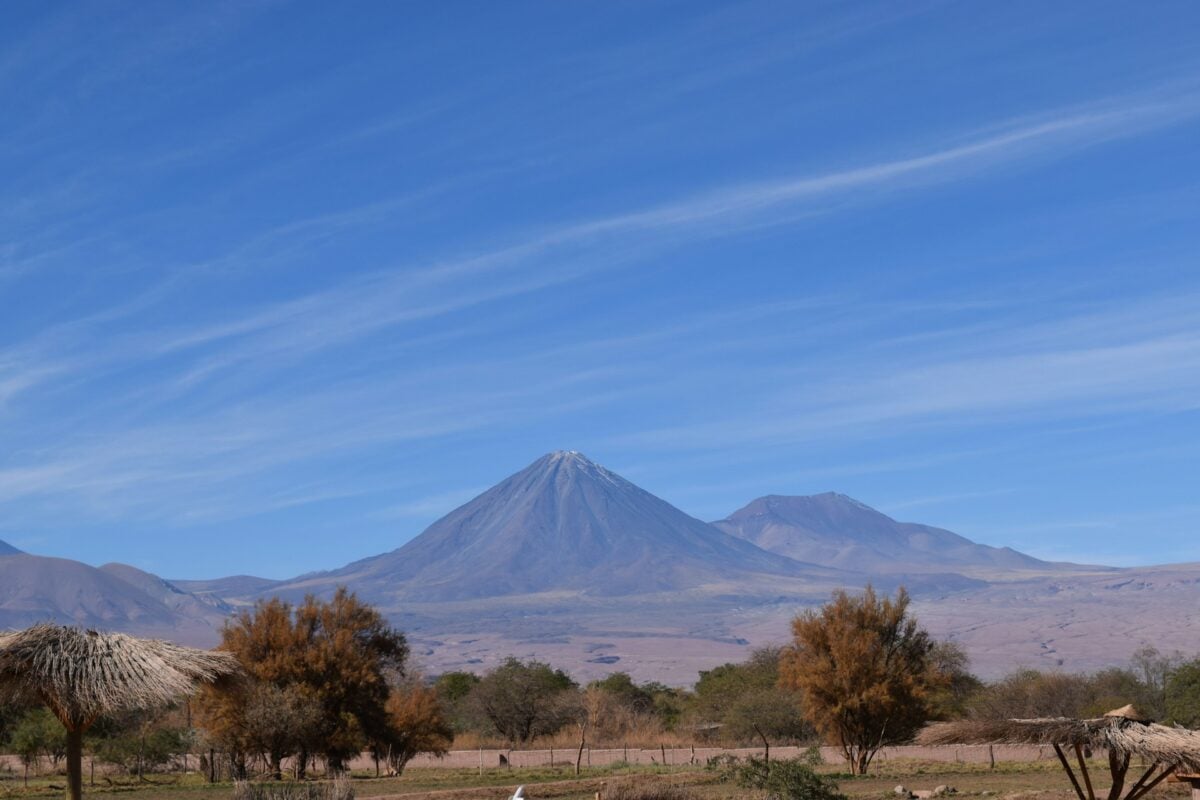
What makes a place perfect for space exploration? Try the world’s driest desert, where rainfall is incredibly rare and some areas go years without precipitation.
The Atacama is so Mars-like that NASA tests rovers here before sending them to the red planet. When you can’t tell if you’re looking at Earth or another world, you know you’ve found the right spot for cosmic research.
Mauna Kea, Hawaii
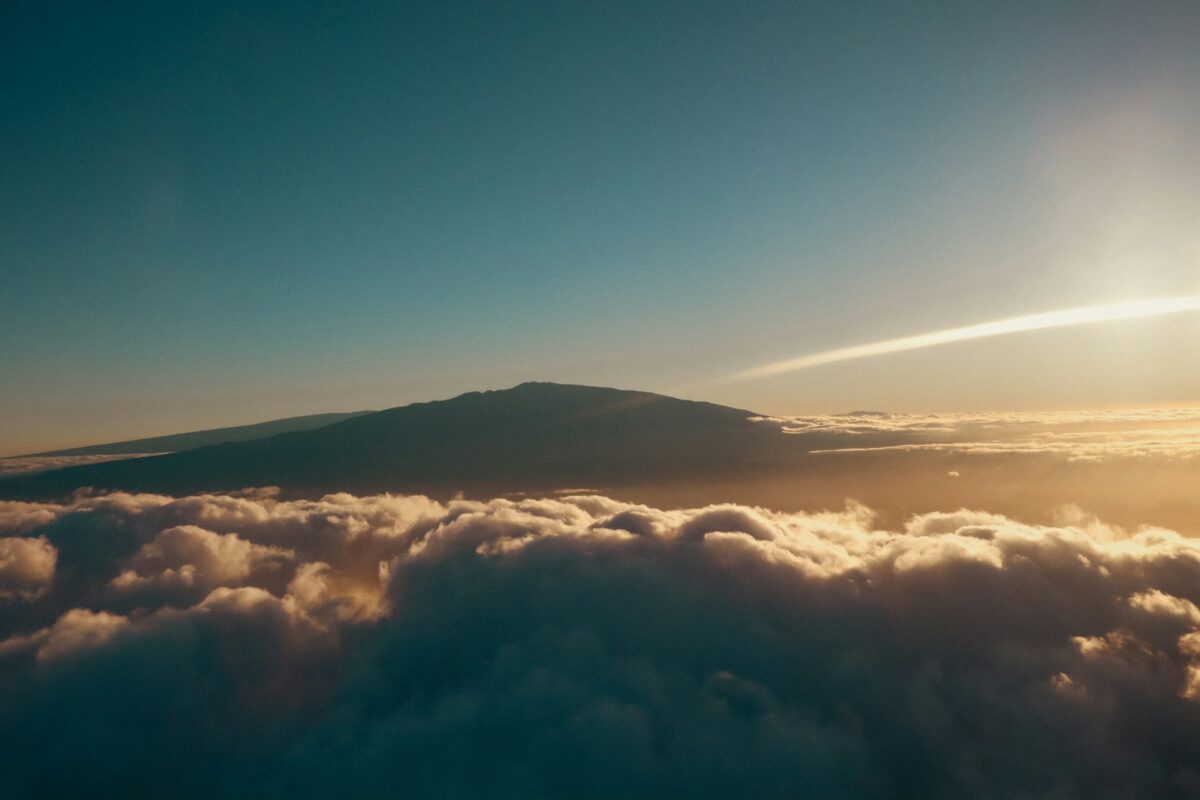
Imagine building world-class telescopes on top of a dormant volcano 14,000 feet above sea level. That’s exactly what scientists did at Mauna Kea, where the thin atmosphere and stable air currents create perfect viewing conditions.
The volcanic terrain is so similar to lunar and Martian landscapes that astronauts come here to practice geological fieldwork for future space missions.
Like Go2Tutors’s content? Follow us on MSN.
Arecibo Observatory, Puerto Rico
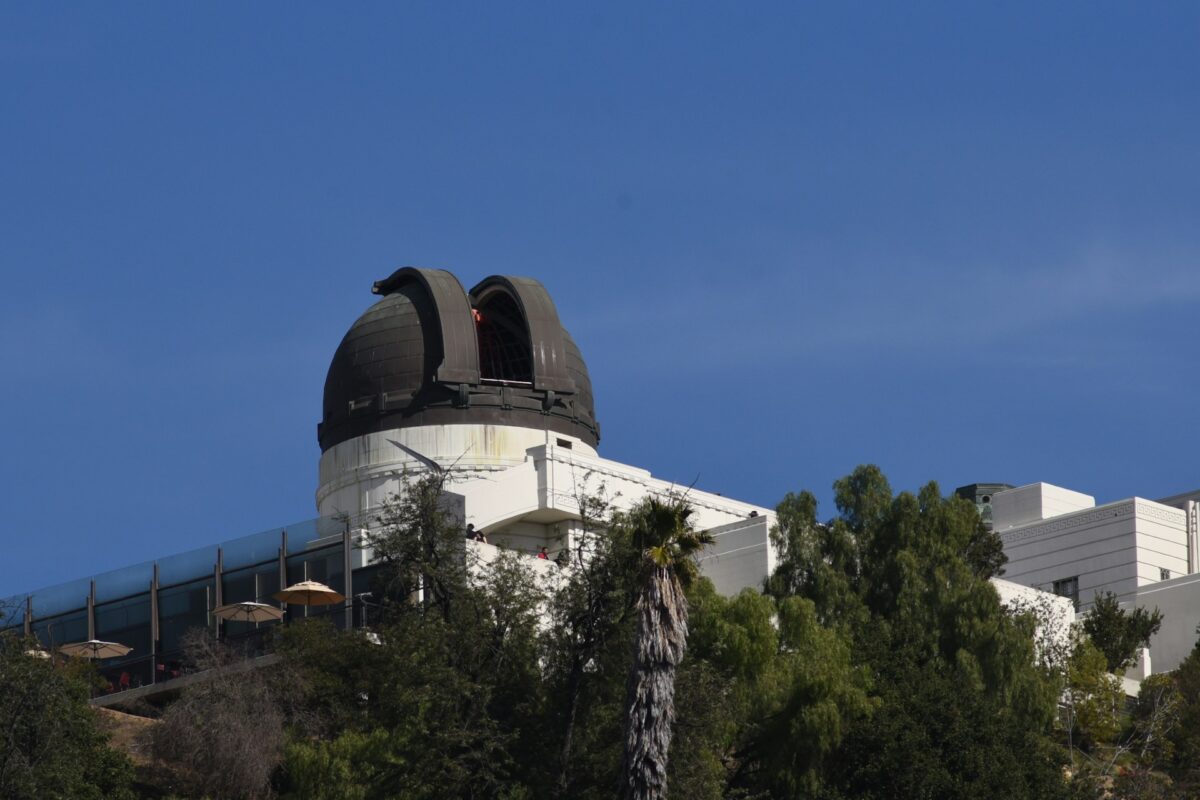
Before its collapse in 2020, this massive radio telescope nestled in a tropical valley listened to the cosmos for over 50 years. Scientists chose this remote Puerto Rican location because the natural bowl-shaped landscape provided the perfect foundation for the 1,000-foot dish.
It detected the first planets outside our solar system and searched for signs of extraterrestrial life.
Very Large Array, New Mexico
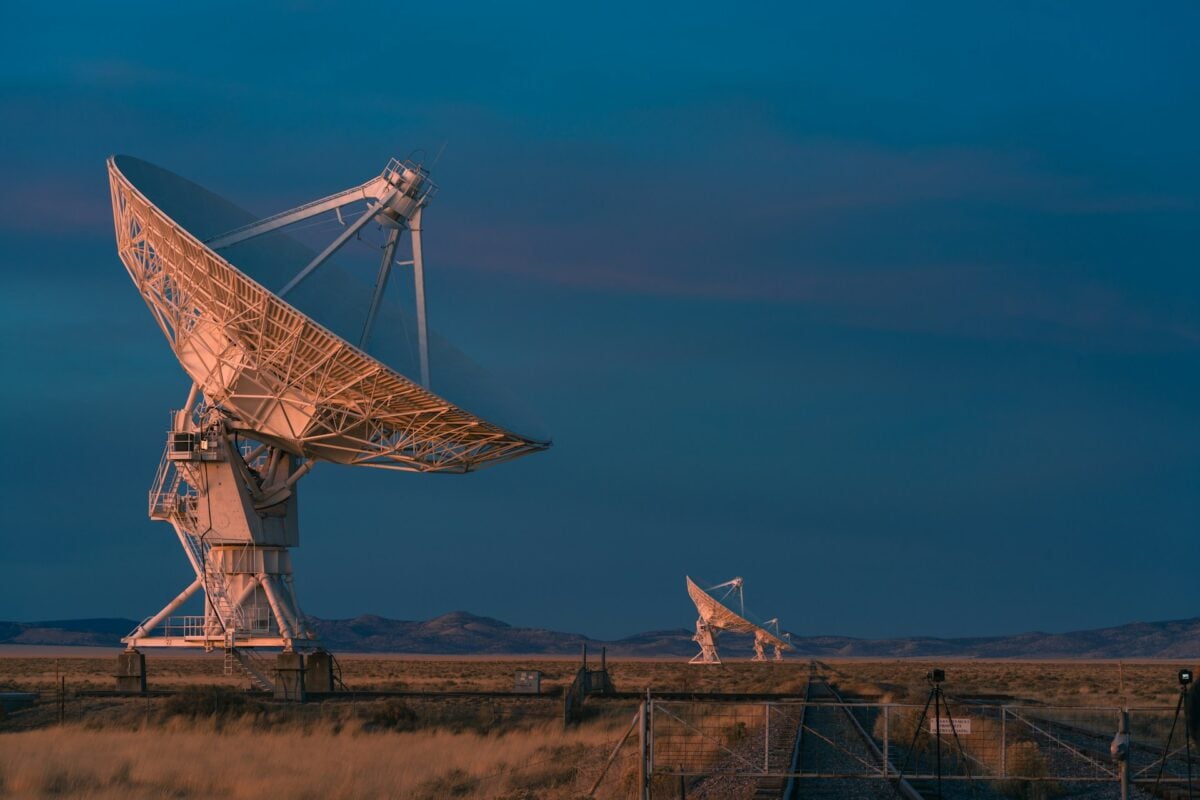
Picture 27 enormous radio dishes scattered across the New Mexico desert, working together like a cosmic orchestra. The remote Plains of San Agustin were chosen specifically because there’s virtually no radio interference from human activity.
When you need to hear whispers from across the galaxy, you go where the silence is absolute.
Antarctica’s Ice Cube Observatory
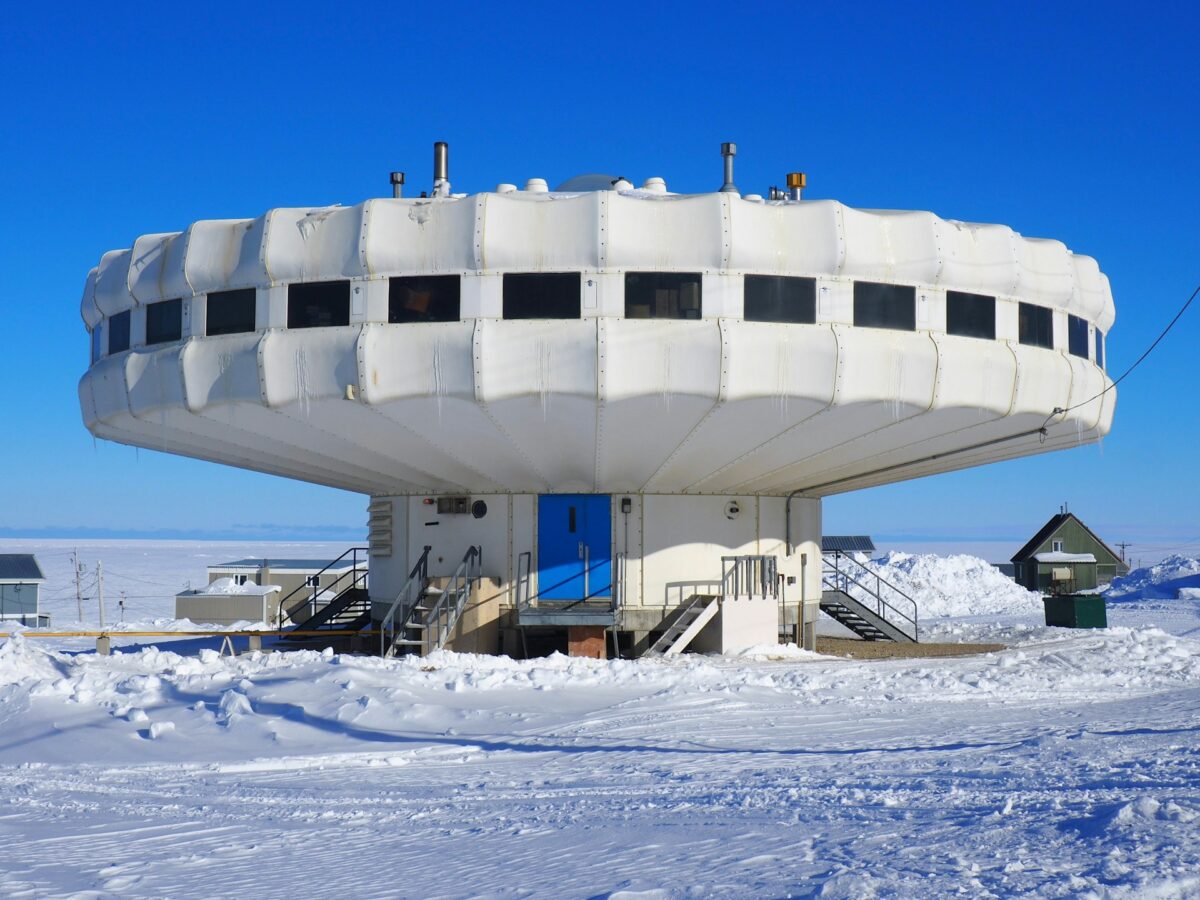
What do you do when you need to detect nearly massless particles from space? You bury detectors deep in Antarctic ice and wait for cosmic neutrinos to create tiny flashes of light. The IceCube Observatory uses the entire continent as a giant detector, transforming the most isolated place on Earth into our window into high-energy cosmic events.
Like Go2Tutors’s content? Follow us on MSN.
Palomar Observatory, California
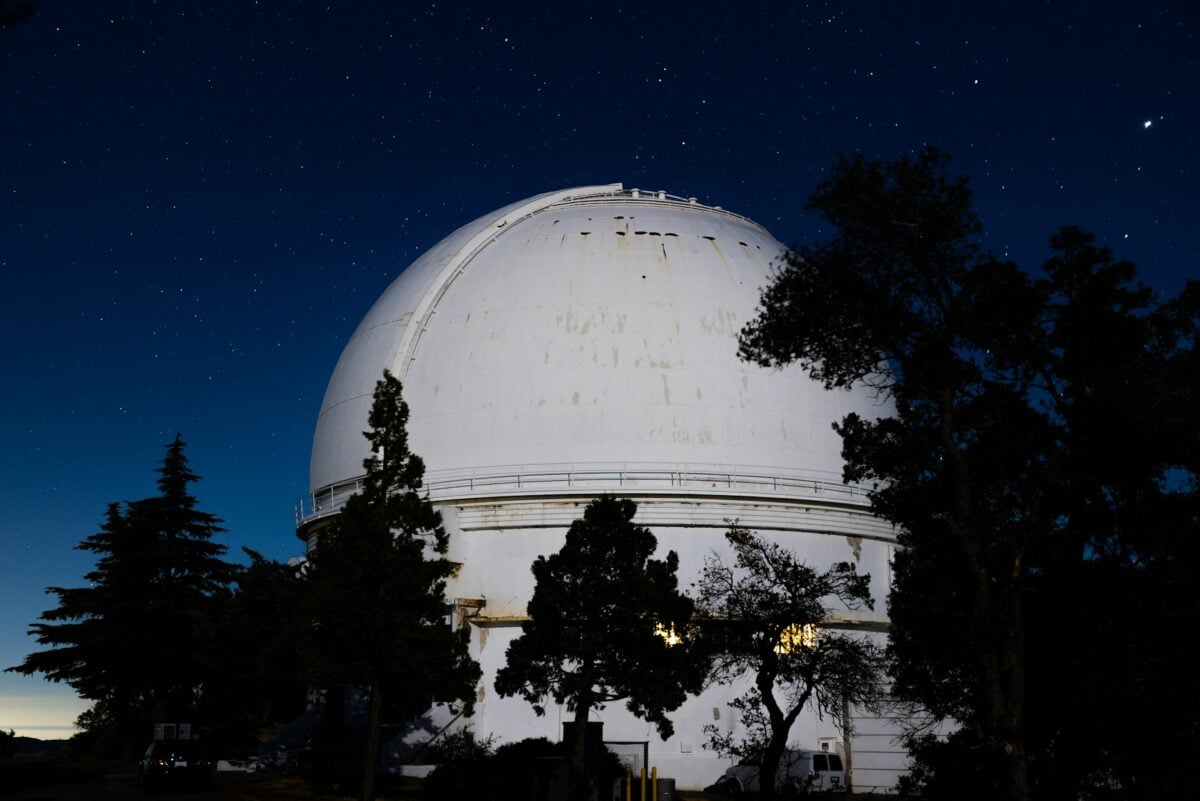
Perched on a mountain north of San Diego, Palomar feels like a cosmic lighthouse scanning the heavens. The 200-inch Hale Telescope discovered quasars and helped refine our measurements of the universe’s expansion from this remote mountaintop.
Sometimes the most important discoveries happen far from the crowds.
Green Bank, West Virginia
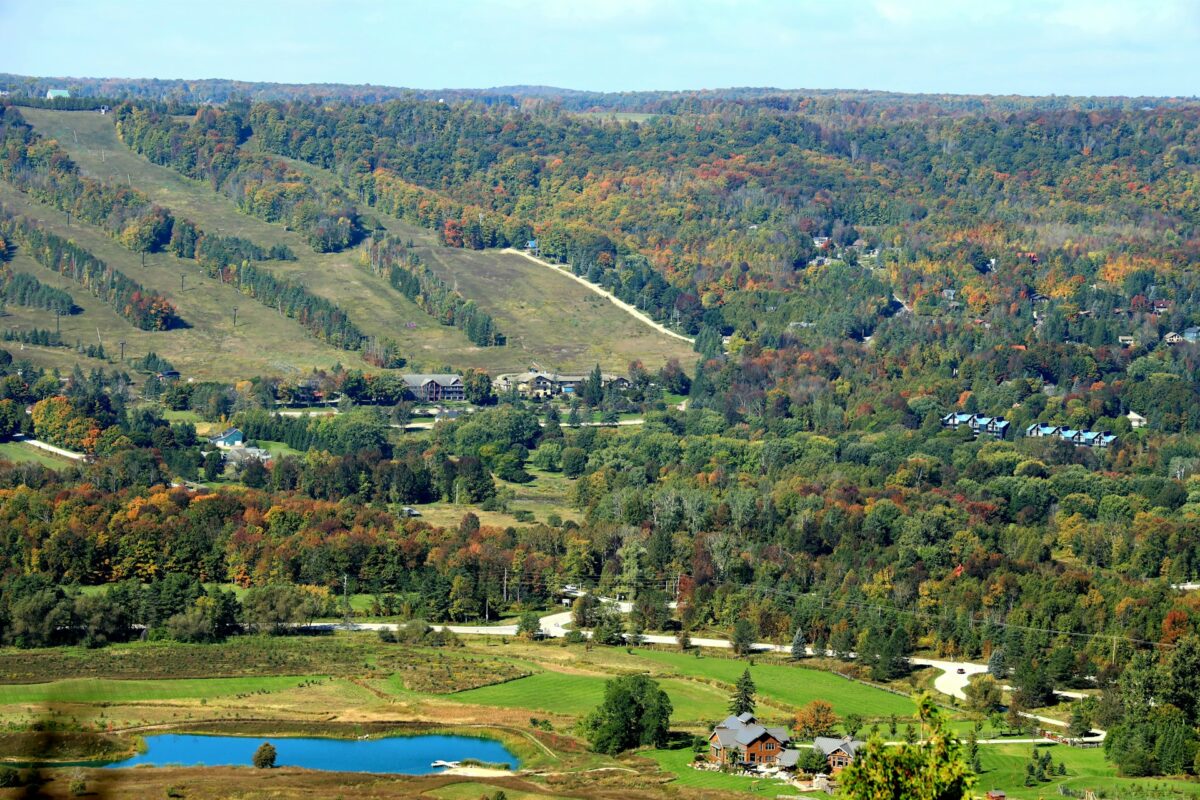
Welcome to the National Radio Quiet Zone, where cell phones don’t work and WiFi is forbidden by law. This remote West Virginia valley protects the Green Bank Telescope from electromagnetic interference, allowing it to detect the faintest radio signals from space.
It’s like having cosmic silence in an increasingly noisy world.
Lowell Observatory, Arizona
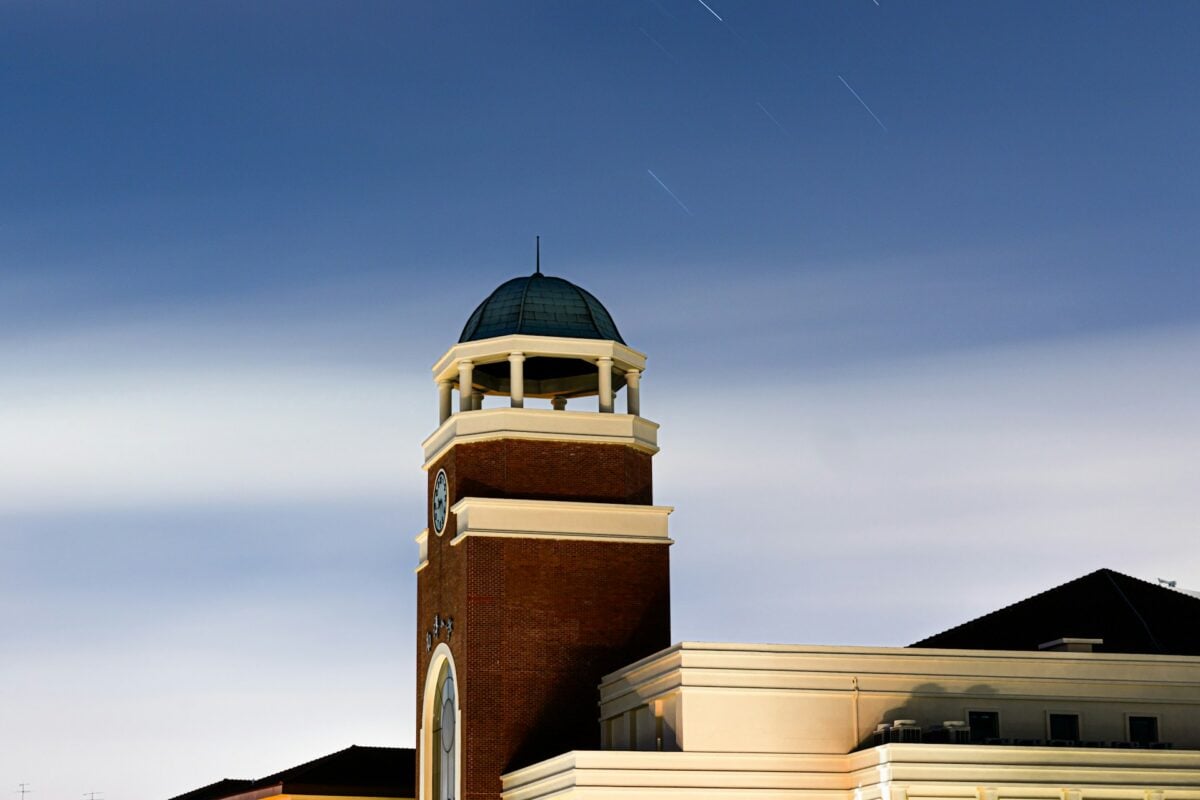
On a hilltop outside Flagstaff, astronomer Percival Lowell built an observatory that discovered Pluto and made countless other cosmic discoveries. The location was chosen for its clear, dark skies and steady atmospheric conditions.
This remote outpost gave us our first glimpse of the outer reaches of our solar system and continues to unlock secrets of distant worlds.
Like Go2Tutors’s content? Follow us on MSN.
La Silla Observatory, Chile
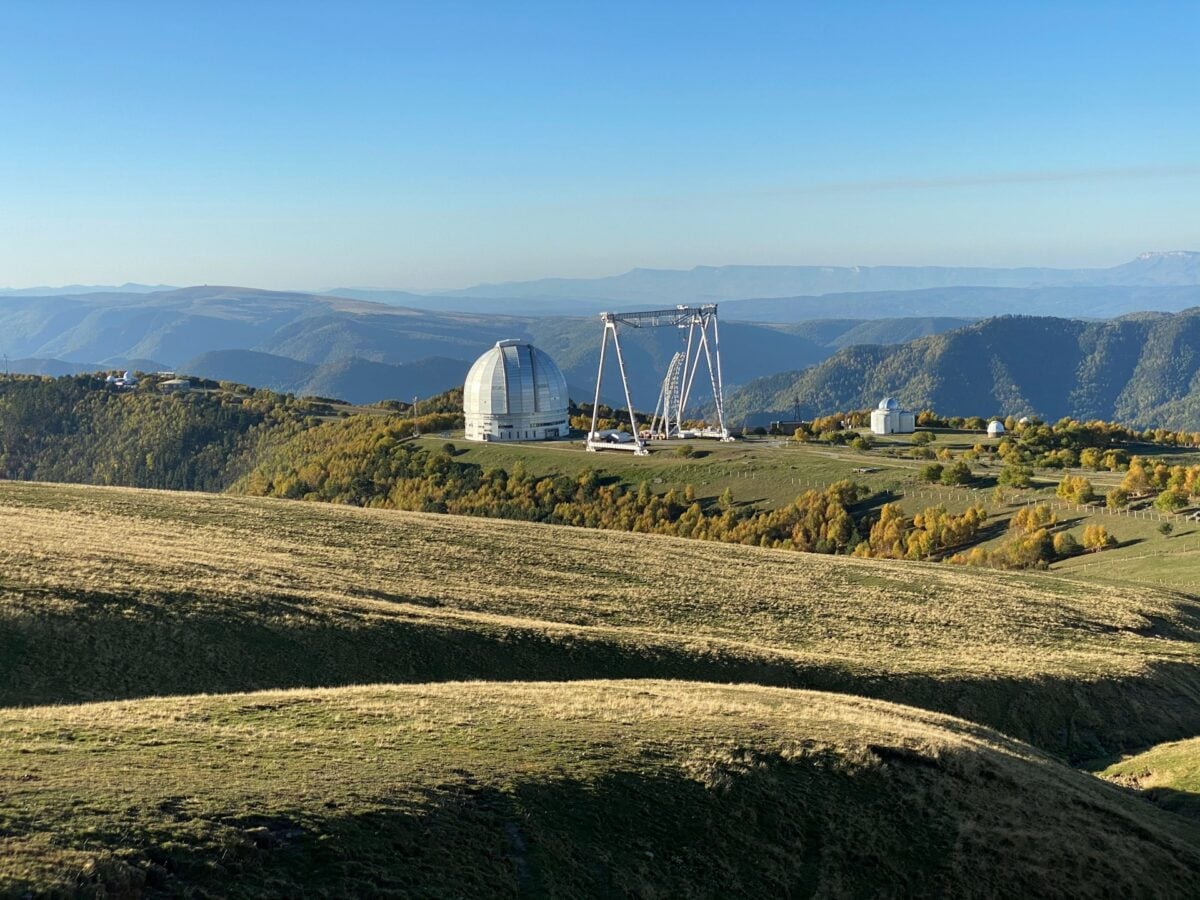
High in Chile’s Atacama Desert, La Silla Observatory takes advantage of some of the clearest skies on Earth. The remote location provides over 300 clear nights per year, making it perfect for discovering exoplanets and studying distant galaxies.
When you need consistency in cosmic observation, you choose your spot carefully.
Jodrell Bank, England
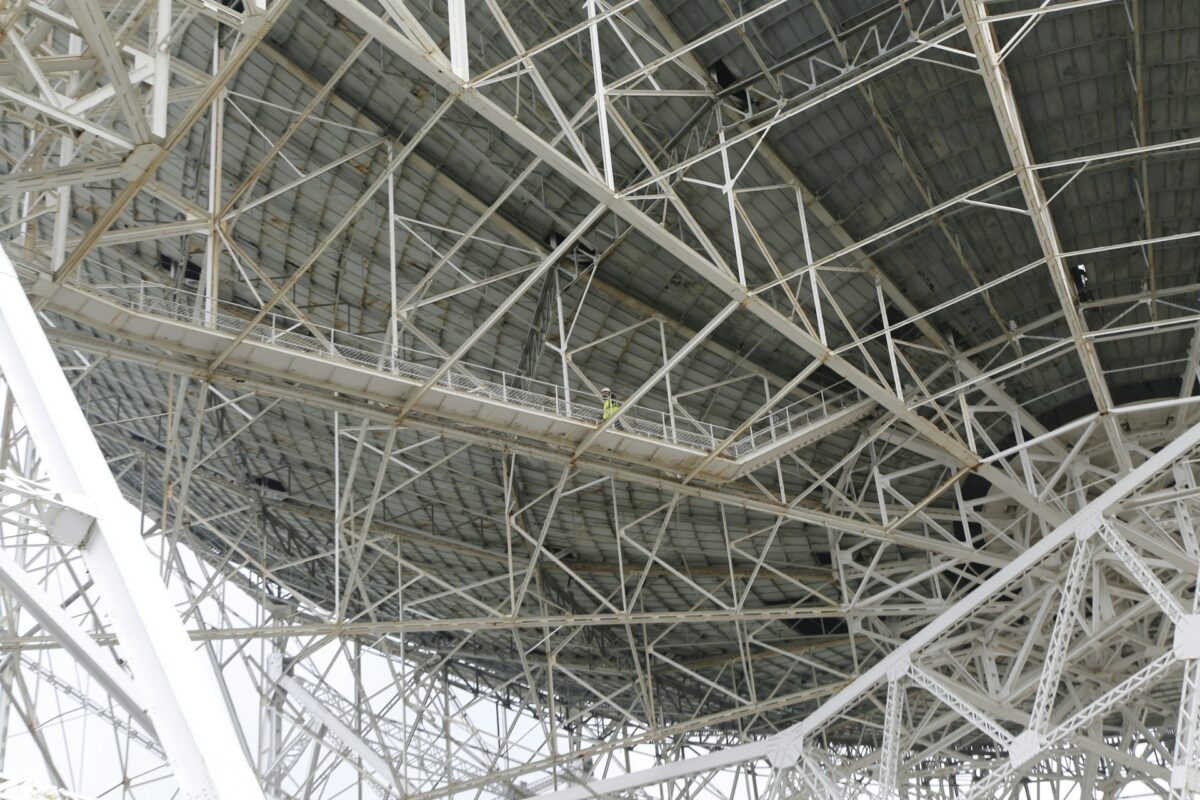
In the English countryside, a massive radio telescope has been scanning space since 1957. Jodrell Bank’s remote location away from major cities allows it to track spacecraft, discover pulsars, and listen for cosmic phenomena without urban interference.
Sometimes the perfect spot for space research is hiding in rural farmland.
Your Connection to the Infinite
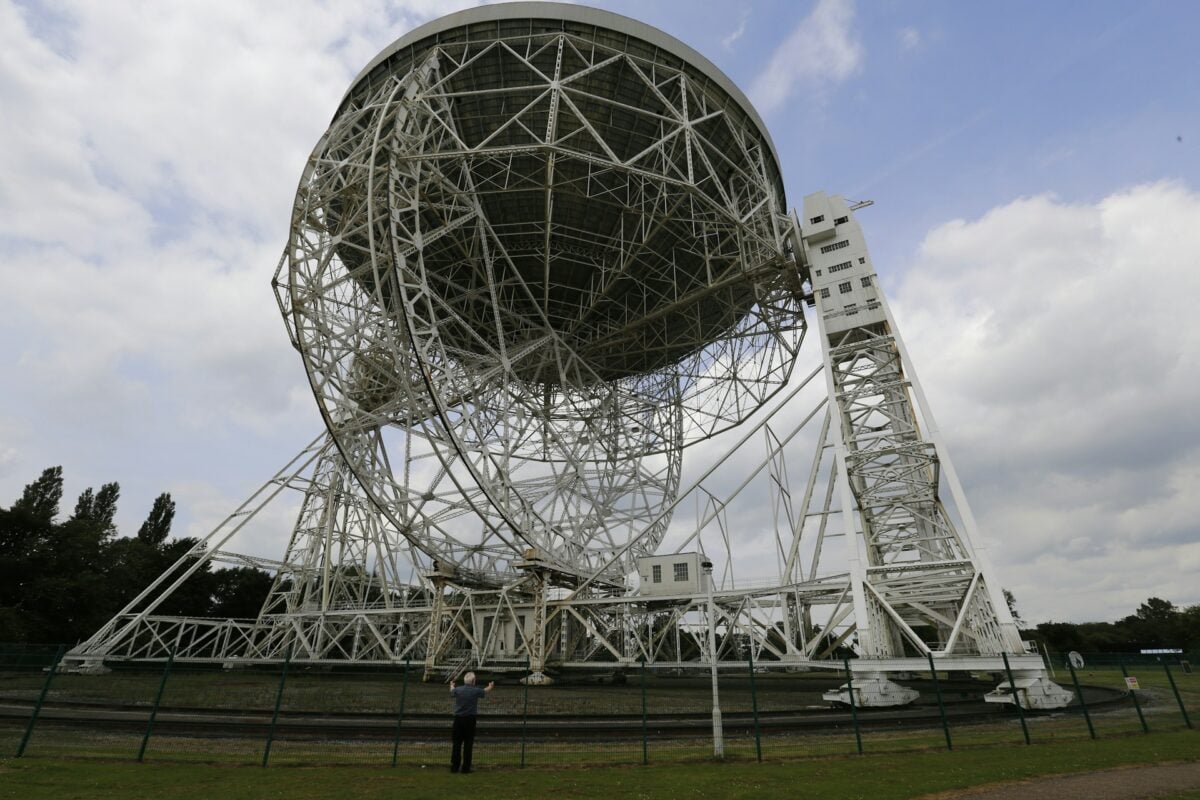
These locations symbolize humanity’s readiness to travel any distance and face any adversity in order to gain a better understanding of our cosmic home. Remember that it most likely originated from one of these far-flung outposts every time you see a breathtaking space photo or read about a new discovery.
You can still take part in this cosmic connection even if you are unable to move to a desert or mountaintop. Locate a dim area away from the lights of the city. Look up. Ponder what you’re witnessing.
That’s what you’re doing right now, connecting Earth to the boundless sky above, just like those scientists in far-off places do.
More from Go2Tutors!

- 16 Historical Figures Who Were Nothing Like You Think
- 12 Things Sold in the 80s That Are Now Illegal
- 15 VHS Tapes That Could Be Worth Thousands
- 17 Historical “What Ifs” That Would Have Changed Everything
- 18 TV Shows That Vanished Without a Finale
Like Go2Tutors’s content? Follow us on MSN.



