15 Surprising Facts About Jackie Robinson
Jackie Robinson broke baseball’s color barrier in 1947, but his story extends far beyond that historic moment. The man who changed America’s pastime forever carried secrets, talents, and experiences that most fans never knew about.
Here’s a list of fifteen surprising facts about the athlete who transformed not just baseball, but the entire landscape of American sports and civil rights.
Court-Martial Charges

Robinson faced a military court-martial in 1944 while serving as a second lieutenant at Fort Hood, Texas. He refused to move to the back of a segregated bus during a routine trip — an act of defiance that would define his character. The charges were eventually dropped, yet the incident revealed his unwavering commitment to equality years before he stepped onto a Major League Baseball field.
Four-Sport College Star
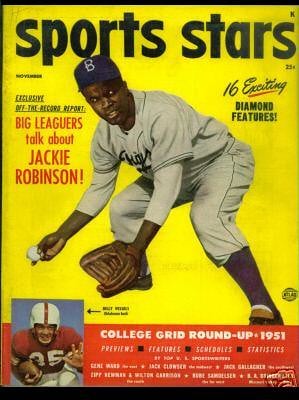
Most people know Robinson played baseball at UCLA. Wrong assumption, really. He was actually a four-sport athlete who excelled in football, basketball, track and field, and baseball — with baseball arguably his weakest sport in college. He was the Pacific Coast Conference champion in the broad jump and played football alongside future NFL stars, though his destiny clearly lay elsewhere on the diamond.
Tennis Tournament Winner
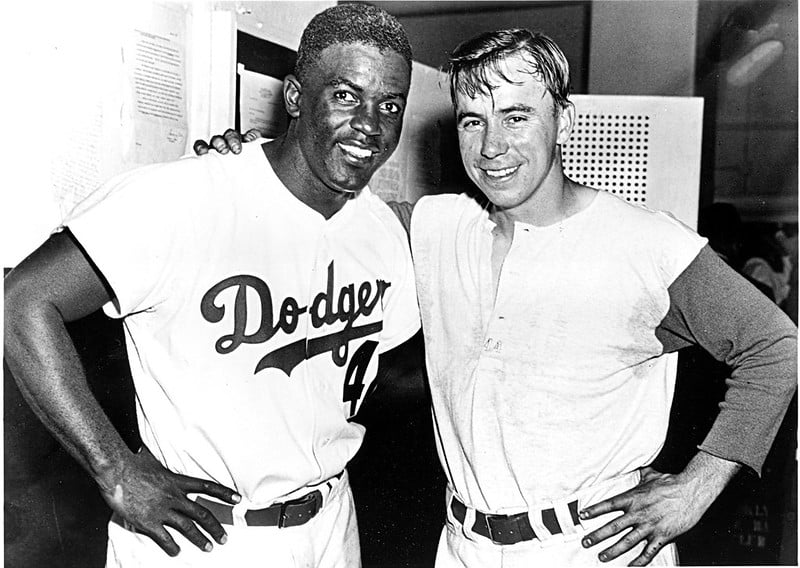
Robinson won a junior tennis tournament before focusing on other sports, which shows just how naturally athletic he was across different disciplines. His quick reflexes and competitive drive made him a natural on the court, whereas many athletes struggle to transition between such different sports. The precision required in tennis would later contribute to his exceptional hand-eye coordination at the plate.
Never Hit .300 in the Minor Leagues
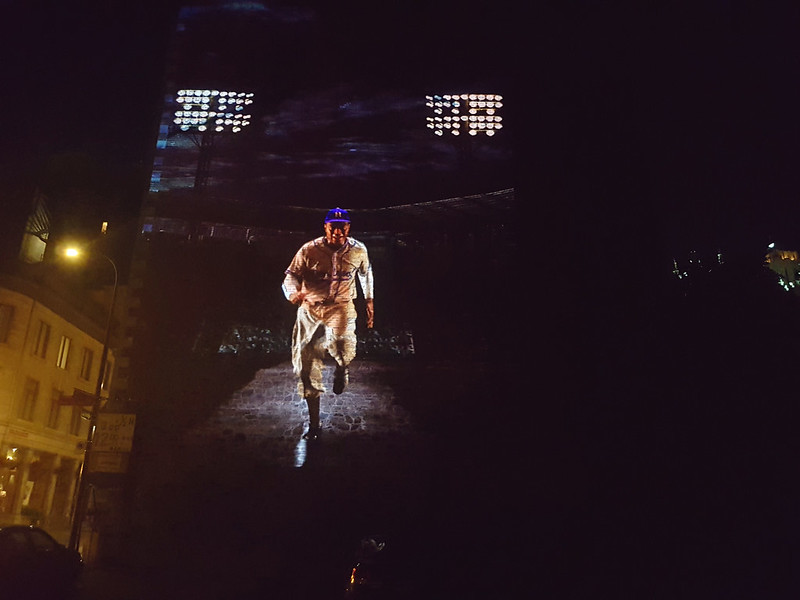
Robinson’s single season in the minors with the Montreal Royals in 1946 saw him bat .349 — wait, that’s well above .300. Many scouts still questioned whether his hitting would translate to the majors despite this impressive performance. They were wrong, obviously.
First UCLA Student to Letter in Four Sports
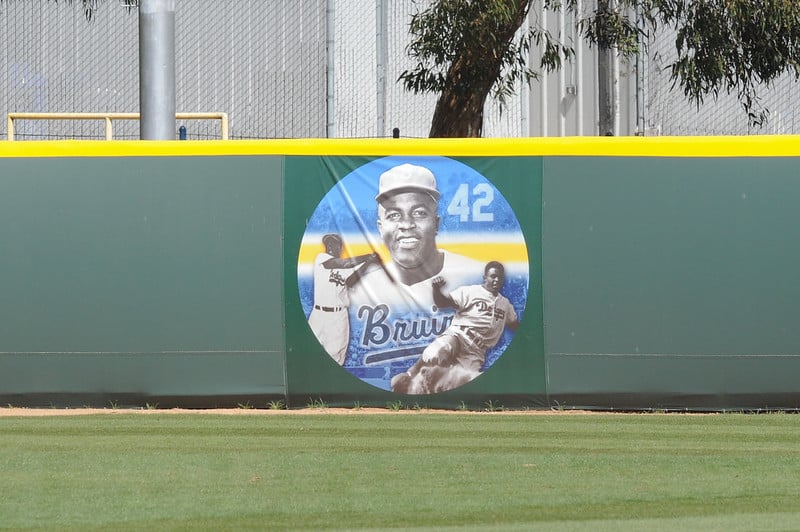
The achievement stands alone in UCLA history. Robinson’s athletic versatility was unmatched, and his performance across multiple disciplines showcased the raw talent that would eventually revolutionize professional baseball, even though the campus was already integrated and gave him a taste of what equality could look like beyond the segregated South.
Ping-Pong Champion
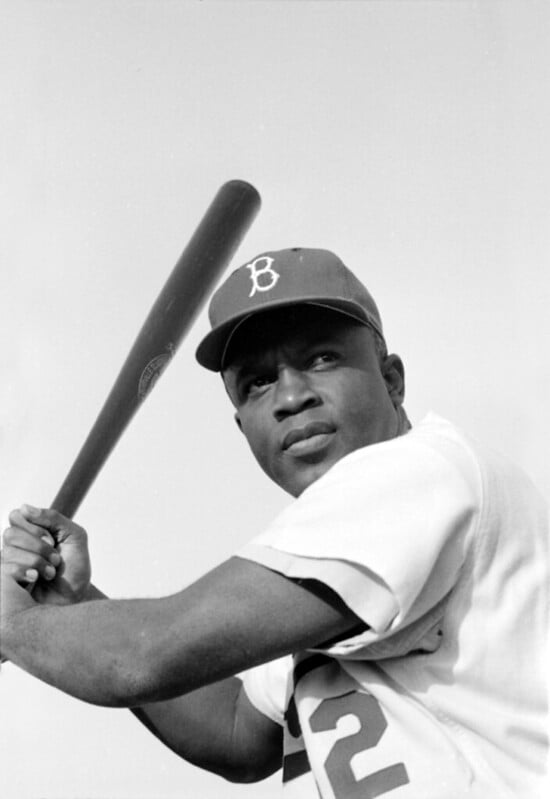
Between serious athletic pursuits, Robinson dominated ping-pong tables wherever he found them. His competitive nature extended to every activity he touched, even something as seemingly trivial as table tennis. Not exactly relevant to baseball, but it shows how his reflexes were sharp in every context — the man just couldn’t help but excel at everything.
Stole Home 19 Times
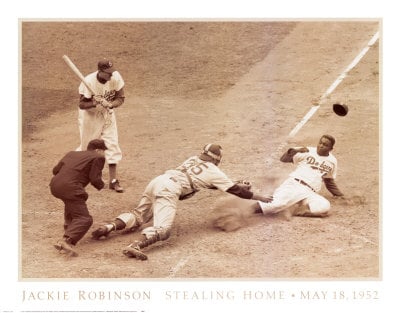
Robinson’s base-stealing prowess included an incredible 19 steals of home plate during his MLB career. The psychological pressure he created on pitchers and catchers was immense — a mental game within the physical game. He would dance off third base, forcing rushed throws and disrupting the entire rhythm of the game.
His timing was perfect. His reads were flawless.
Branch Rickey’s Three-Year Plan
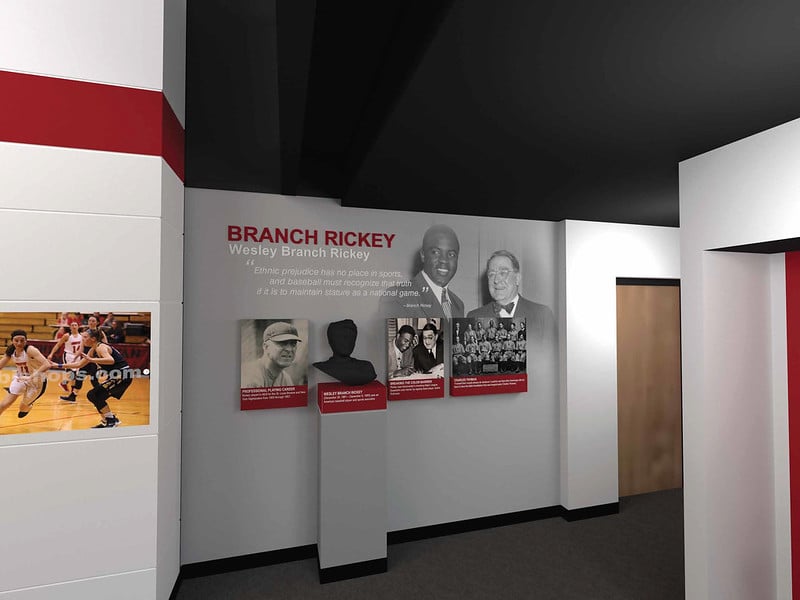
Brooklyn Dodgers general manager Branch Rickey didn’t just sign Robinson on impulse, even though many people assume it was a spontaneous decision driven by conscience alone. He spent three years researching and planning the integration of baseball, methodically searching for the perfect candidate who could handle the enormous pressure both on and off the field. Robinson was chosen not just for his talent — but for his character, intelligence, and college education.
Never Played in an All-Star Game in Brooklyn
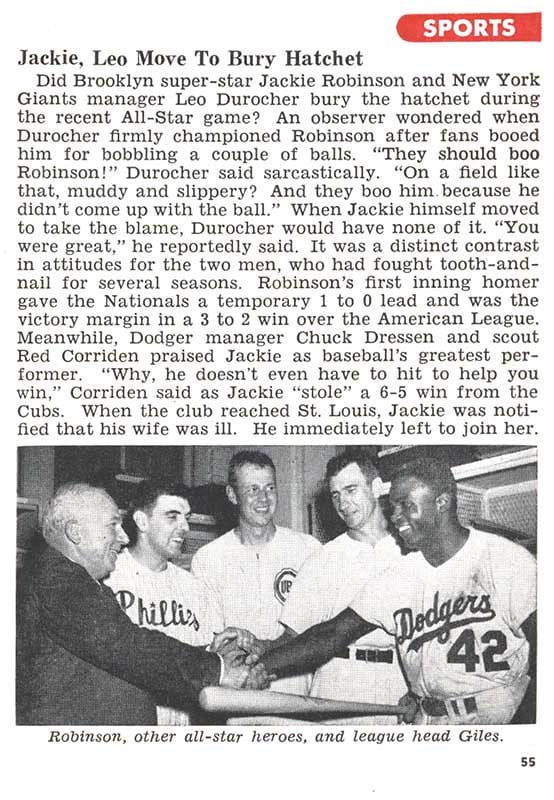
Despite his tremendous impact, Robinson only appeared in six All-Star Games, yet none occurred while playing at Ebbets Field in Brooklyn. The games were held in other cities during his peak years with the Dodgers. A shame, really, given how much Brooklyn fans adored him and would’ve loved to see him shine on their home turf with that distinctive crack of the bat echoing through their beloved ballpark.
Played Every Infield Position
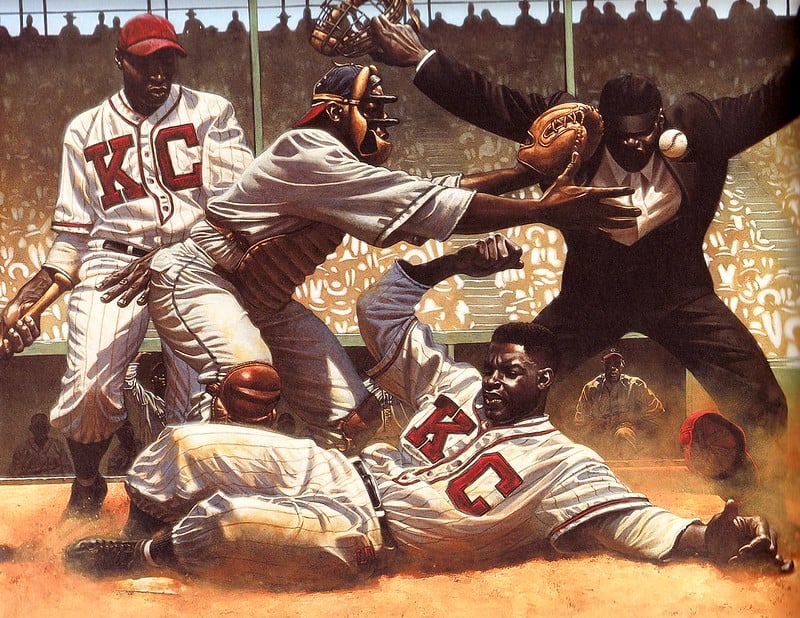
Robinson’s defensive versatility was extraordinary. He literally played first base as his primary position in 1947, second base where he’s most remembered, third base occasionally throughout his career, and even shortstop briefly when needed. This flexibility made him invaluable to managers and allowed the Dodgers to experiment with different lineups depending on matchups and strategy.
Retired His Own Number
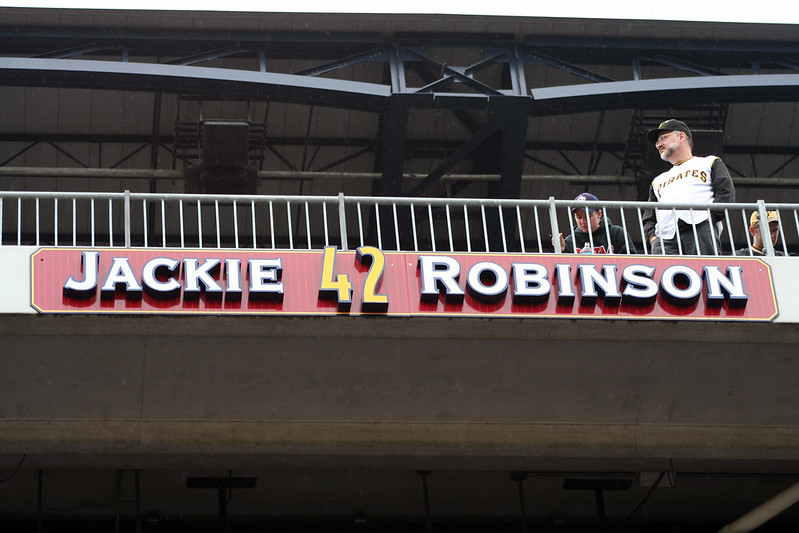
Robinson retired from baseball after the 1956 season rather than accept a trade to the New York Giants. He had already arranged to take a position with Chock Full O’Nuts coffee company, though many fans wished he’d continue playing. The move showed his business acumen and his desire to control his own destiny beyond baseball — something few athletes had the foresight to do in that era.
Golf Scratch Handicap

After retirement, Robinson became an accomplished golfer who played to a scratch handicap. Impressive stuff. He participated in numerous celebrity tournaments and used golf as a platform to continue breaking racial barriers in country clubs across America, whereas many retired athletes simply fade from public view and enjoy their anonymity.
Television Show Host
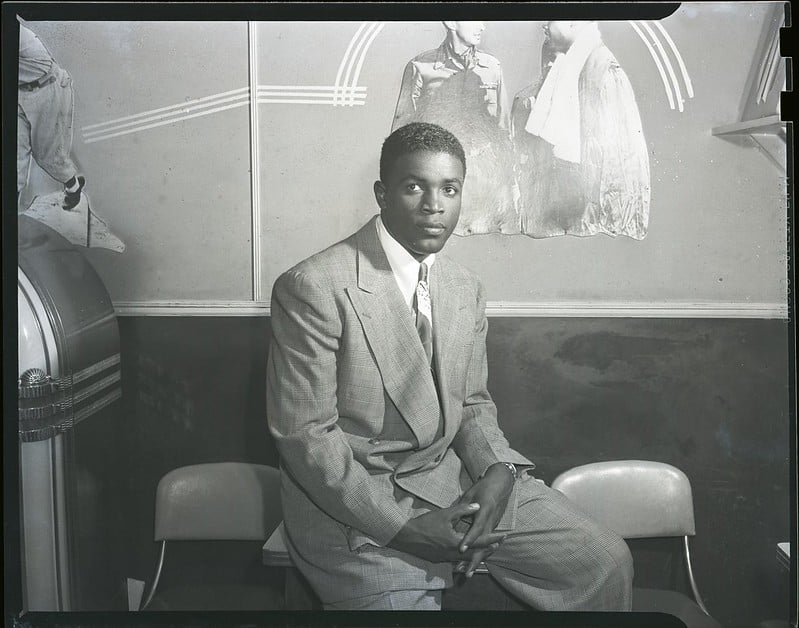
Robinson hosted a television show called “Jackie Robinson Sports Classroom” in the 1960s. The program featured discussions about sports and social issues, demonstrating his communication skills and continued influence beyond his playing days, even though television wasn’t his primary passion since activism remained at the forefront of everything he did.
Business Executive Success
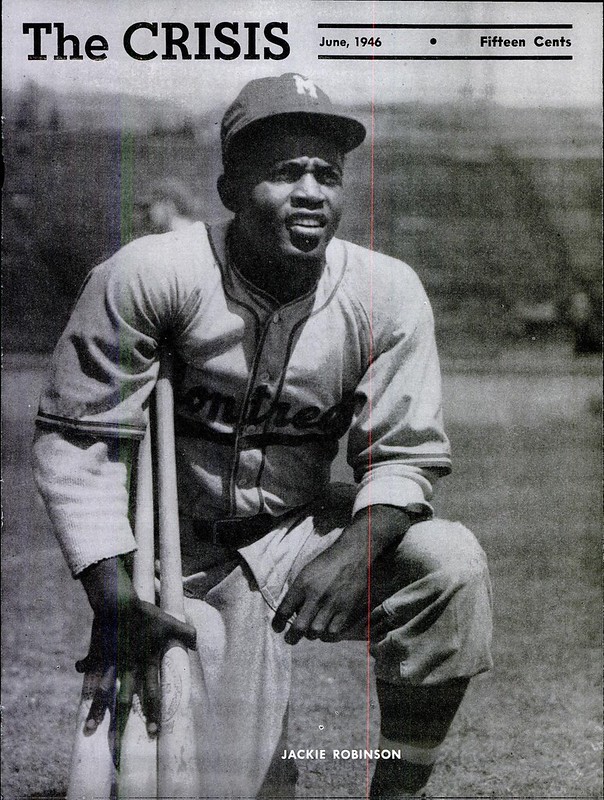
Robinson became the first Black vice president of a major American corporation when he joined Chock Full O’Nuts. His business career was as groundbreaking as his athletic achievements, opening doors for future generations in corporate America despite facing the same prejudices that had plagued his baseball career, proving that breaking barriers was apparently going to be a lifelong mission for him.
Hall of Fame Speech Controversy
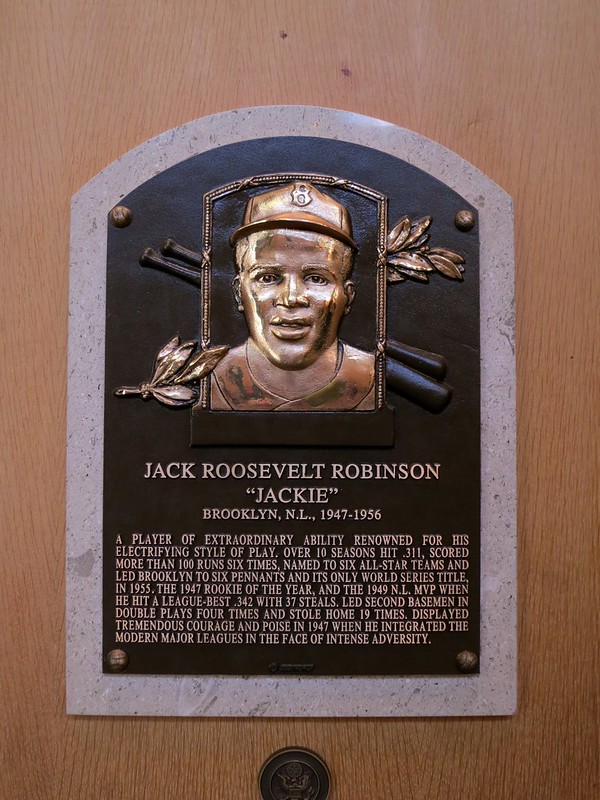
Robinson’s Hall of Fame induction speech in 1962 was notably brief and focused more on thanking specific individuals than celebrating personal achievements. Some criticized it as too modest, while others appreciated his humility and understanding that his success was part of a larger movement involving countless supporters who had helped pave the way.
A Legacy Beyond Statistics
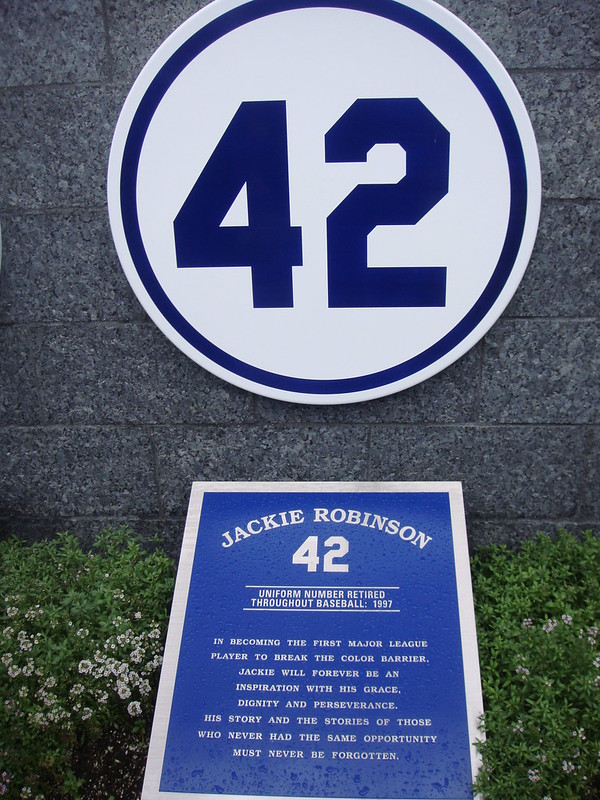
Jackie Robinson’s impact transcended batting averages and stolen bases. He changed how America viewed itself, proving that talent and character matter more than skin color. Every integrated sport today owes something to the courage of number 42.
More from Go2Tutors!

- 16 Historical Figures Who Were Nothing Like You Think
- 12 Things Sold in the 80s That Are Now Illegal
- 15 VHS Tapes That Could Be Worth Thousands
- 17 Historical “What Ifs” That Would Have Changed Everything
- 18 TV Shows That Vanished Without a Finale
Like Go2Tutors’s content? Follow us on MSN.