16 Brands That Got Famous for a Jingle — Then Vanished
Remember those catchy commercial jingles that would get stuck in your head for days? Many companies invested heavily in memorable musical hooks that helped cement their brands in consumer consciousness.
These mini-songs were marketing gold, becoming as recognizable as the products themselves. Here is a list of 16 once-prominent brands that rode to fame on the wings of an earworm jingle, only to later disappear from store shelves and our collective memory.
Ipana Toothpaste

Ipana’s “Brusha, Brusha, Brusha” jingle featuring the cartoon mascot Bucky Beaver dominated television advertising in the 1950s. The cheerful beaver encouraged Americans to brush their teeth with Ipana for a “smile of beauty.”
Despite this catchy campaign, Ipana couldn’t compete with Crest’s fluoride innovation and gradually faded from the market by the 1970s.
OK Soda

Coca-Cola’s experimental brand OK Soda launched in 1993 with a haunting, alternative-rock style jingle that captured the ironic, disaffected tone of Generation X. The minimalist tune matched the brand’s unusual marketing approach that featured enigmatic messaging and artwork by underground comic artists.
Despite its cult following, OK Soda failed to connect with mainstream consumers and was discontinued after just seven months on the market.
Like Go2Tutors’s content? Follow us on MSN.
Meow Mix
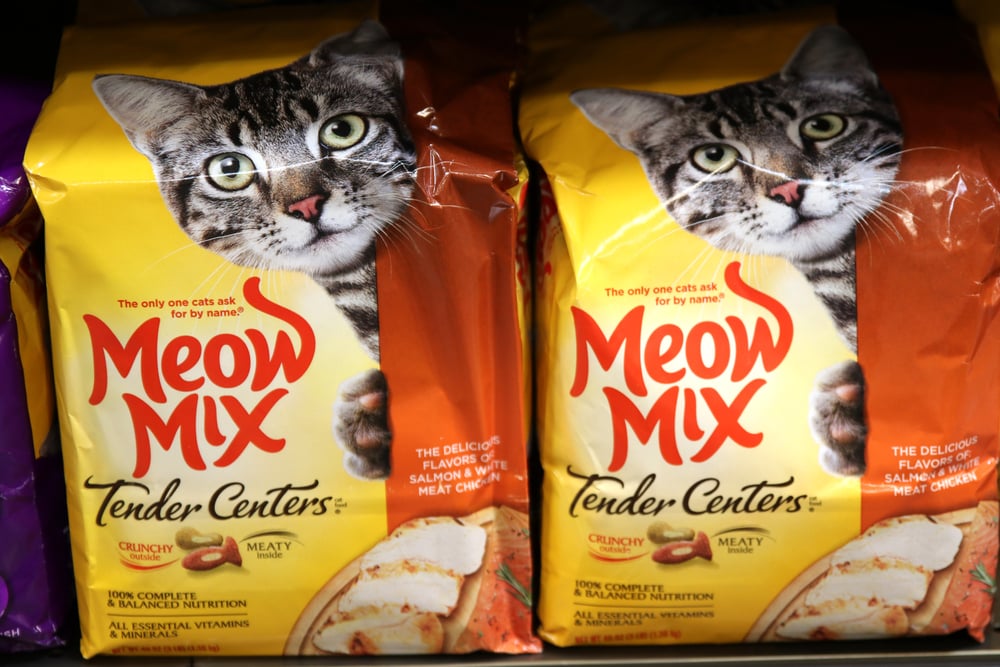
The famous “Meow, Meow, Meow, Meow” jingle helped Meow Mix become a household name in the 1970s and 1980s. While the brand itself still exists, the original company that created this iconic campaign was acquired and absorbed multiple times, eventually losing its independent identity.
The original jingle was so effective that many Americans can still sing along to it nearly 50 years later.
Tab Cola
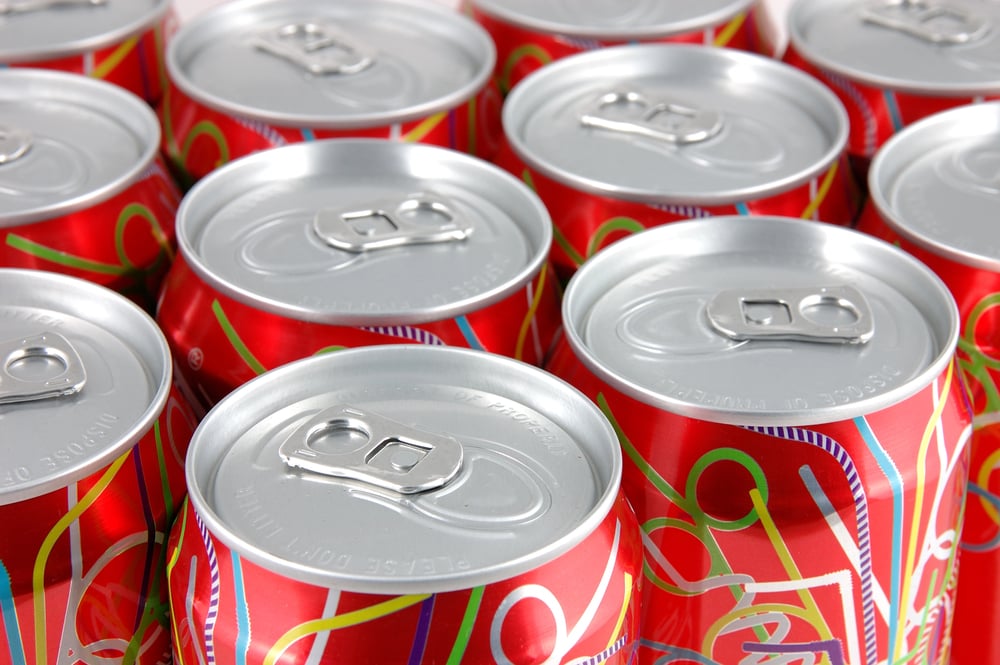
Tab’s “One calorie beautifully disguised” jingle helped make this diet soda a sensation among weight-conscious consumers in the 1970s and early 1980s. The brand’s pink cans became a status symbol for the fitness-minded before Diet Coke emerged as Coca-Cola’s premier diet offering.
After decades of declining sales, Tab was officially discontinued in 2020, ending a 57-year run as one of America’s pioneering diet sodas.
Gateway Computers

Gateway’s “You’ve got a friend in the business” jingle accompanied their iconic cow-spotted boxes throughout the 1990s tech boom. Based in North Dakota and later South Dakota, this direct-to-consumer computer company leveraged their folksy, midwestern image to stand out in the crowded PC market.
Despite their early success, Gateway couldn’t keep pace with competitors like Dell and HP, leading to its acquisition by Acer in 2007 and the eventual retirement of the brand.
Like Go2Tutors’s content? Follow us on MSN.
Eastern Airlines
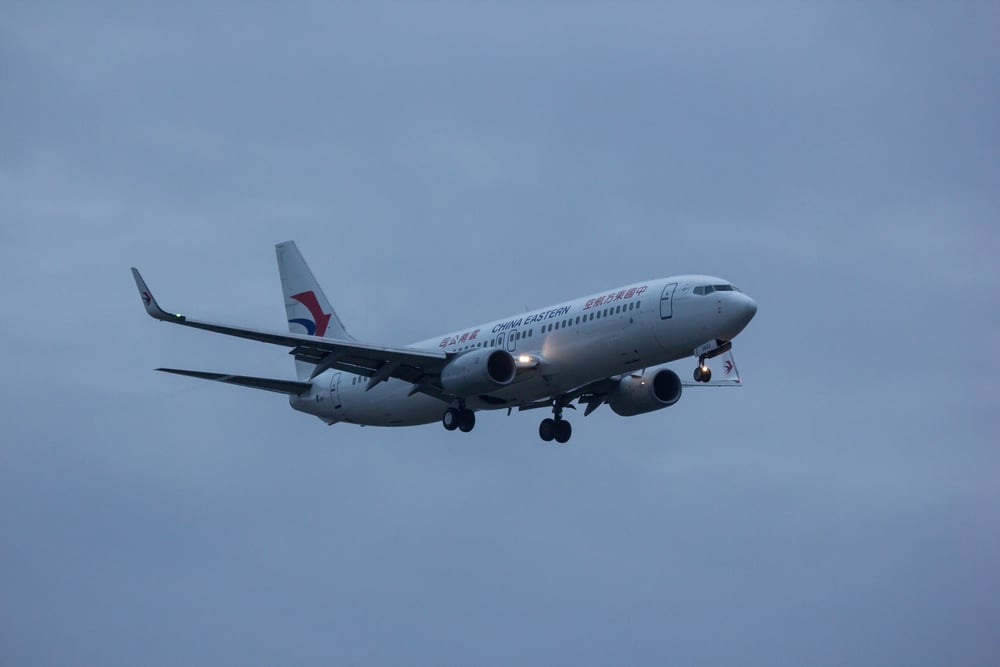
Eastern’s “Wings of Man” jingle soared through American television sets in the 1970s and early 1980s. The majestic tune helped position Eastern as one of America’s premier airlines during the golden age of air travel.
Labor disputes, deregulation challenges, and mismanagement led to the airline’s bankruptcy and shutdown in 1991, ending what was once one of the world’s most recognized air carriers.
Wink Soda
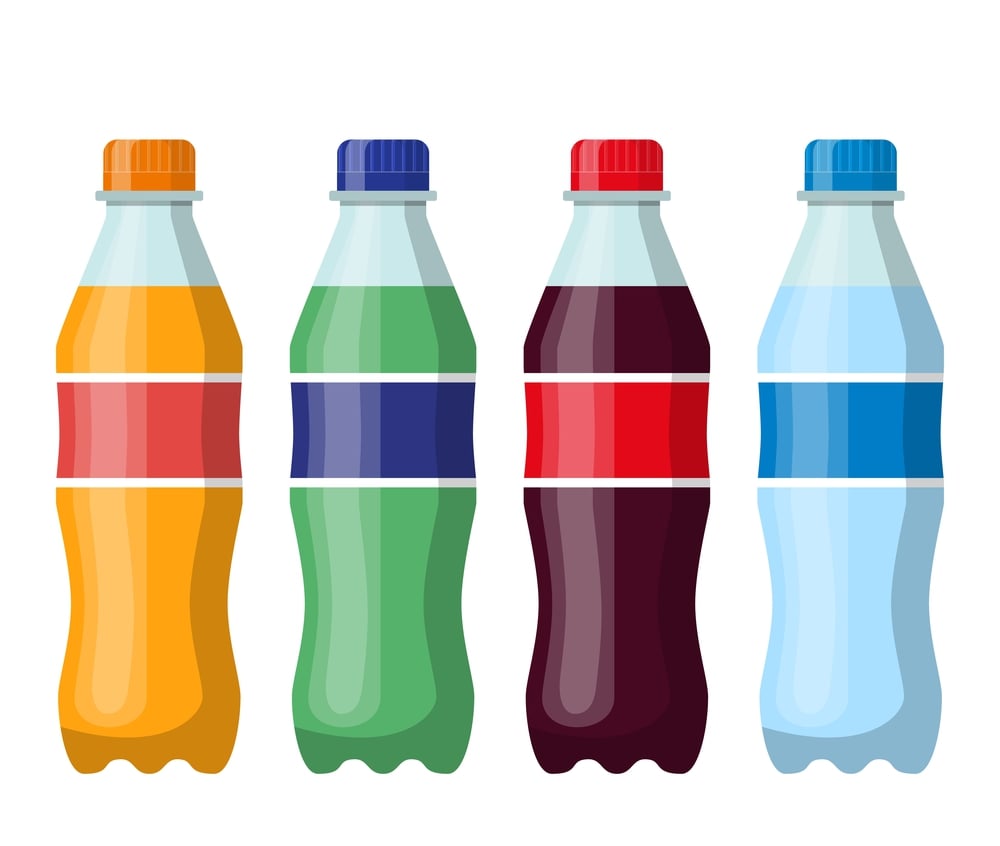
“The Wink drink” jingle helped this grapefruit-flavored soda carve out a niche in the competitive soft drink market of the 1960s and 1970s. Produced by Canada Dry, Wink’s catchy musical signature helped it compete against giants like Coca-Cola and Pepsi.
The brand gradually lost prominence through the 1980s and 1990s, becoming increasingly difficult to find outside of select regional markets before quietly disappearing from most store shelves.
Gee, Your Hair Smells Terrific

This unusually named shampoo from the 1970s had an equally memorable jingle that repeated the product name in a way that ensured consumers would never forget it. The shampoo promised to keep hair smelling fresh all day, a novel concept at the time.
Despite strong initial sales, the brand couldn’t maintain its momentum against competitors with more traditional names and was discontinued in the United States by the mid-1980s.
Like Go2Tutors’s content? Follow us on MSN.
Chipwich
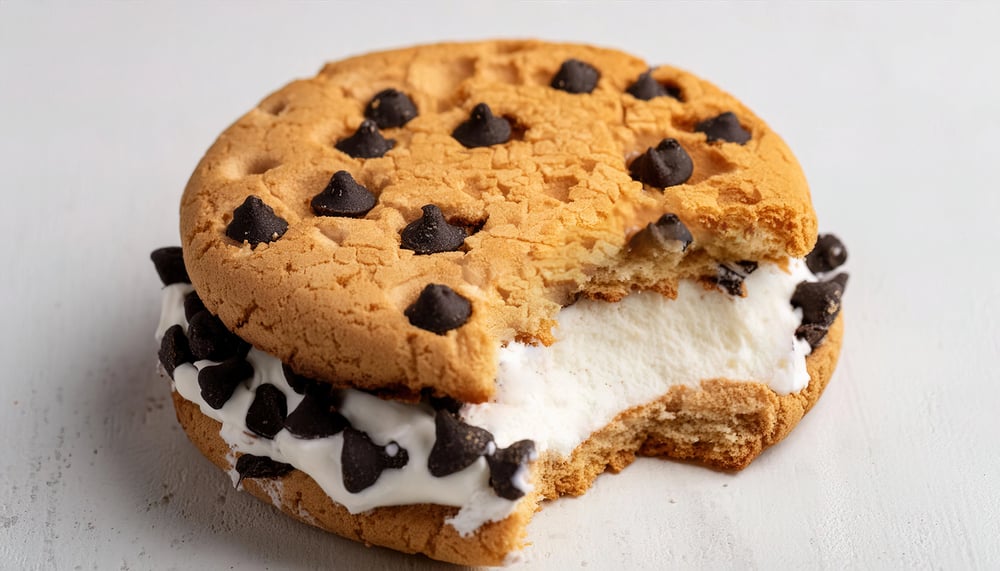
The “Chipwich Please” jingle accompanied the launch of this ice cream sandwich made with chocolate chip cookies instead of traditional wafers. Invented in 1978 by Richard LaMotta, the Chipwich became a street vendor staple in New York City before expanding nationwide.
Despite its popularity, ownership changes led to its disappearance until a recent revival under new ownership, though the original company that created the memorable jingle is long gone.
Pan Am
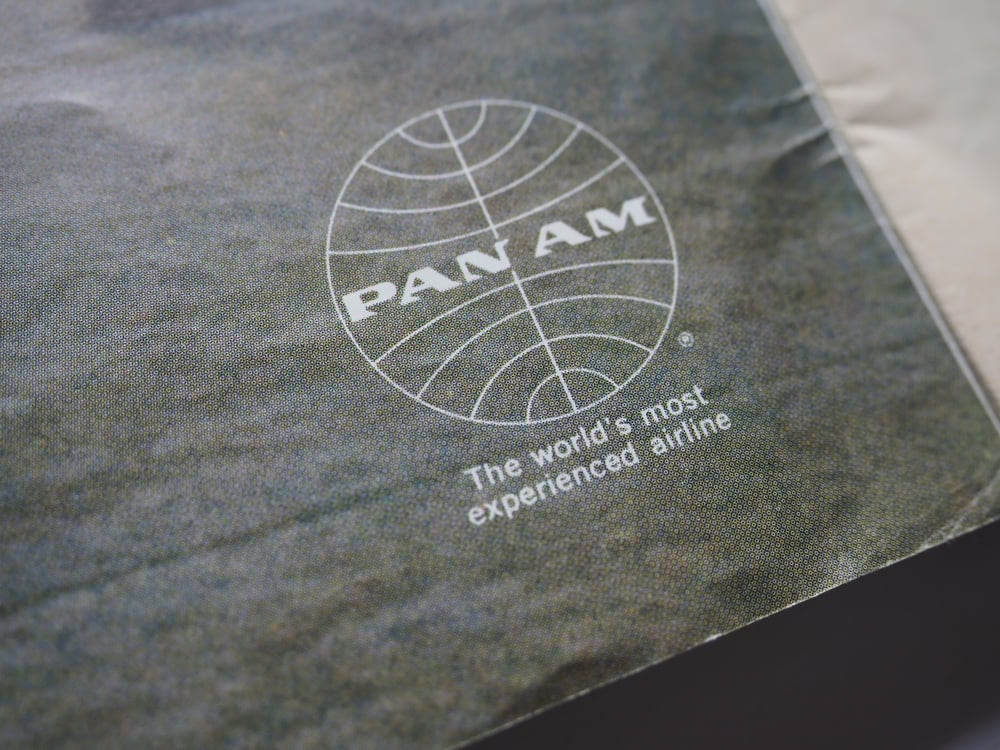
Pan American World Airways’ “Pan Am Makes the Going Great” jingle represented the glamour of international travel in the jet age. For decades, Pan Am was not just an airline but a cultural icon, featured in films and television as the epitome of sophisticated global travel.
Financial struggles following the 1988 Lockerbie bombing disaster and rising fuel costs led to the airline’s bankruptcy in 1991, ending a 64-year legacy in aviation history.
Burma-Shave
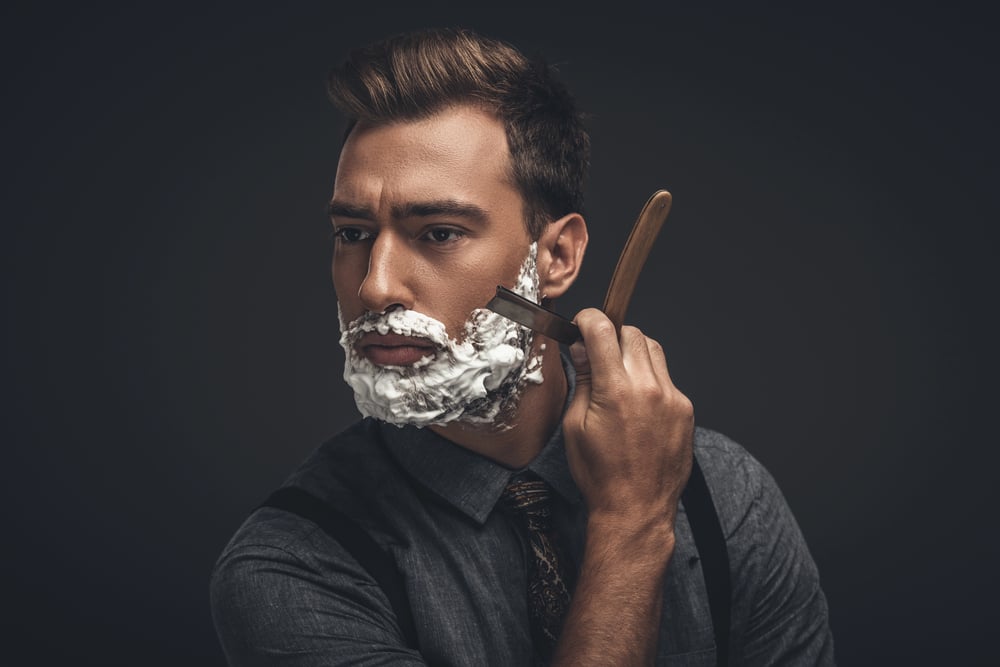
While not a television jingle, Burma-Shave’s roadside sequential sign poems functioned as an early version of an advertising earworm. From the 1920s through the 1960s, their clever rhyming sequences entertained American motorists on highways nationwide.
The shaving cream brand couldn’t compete with aerosol competitors and was acquired by Philip Morris in 1963, with the product eventually discontinued and the memorable roadside advertisements removed.
Like Go2Tutors’s content? Follow us on MSN.
Jordache Jeans

The disco-influenced “The Jordache Look” jingle helped make these designer jeans a must-have fashion item of the late 1970s and early 1980s. The brand’s horse head logo and tight-fitting style represented the height of disco-era fashion.
While the Jordache name technically still exists, the company pivoted to licensing and manufacturing, with the original high-profile consumer brand and its earworm jingle fading from the American retail landscape.
Rambler
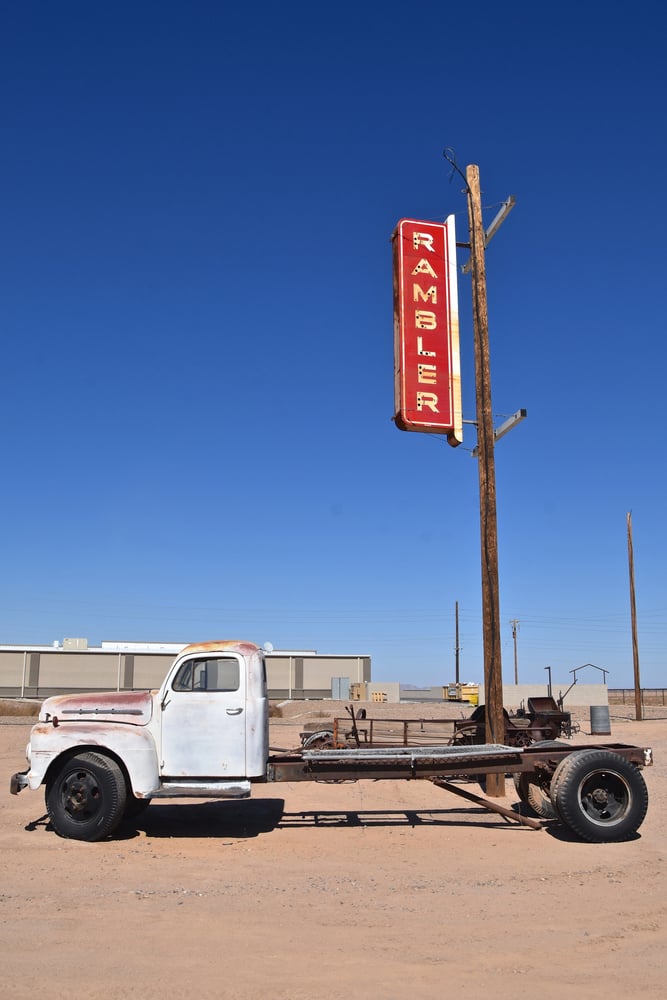
American Motors Corporation’s “Rambler is the Answer” jingle positioned these compact cars as the logical choice for practical Americans in the 1960s. The economical Rambler represented a different approach from the oversized, gas-guzzling vehicles produced by other American manufacturers.
Despite initial success, AMC struggled financially and was eventually acquired by Chrysler in 1987, with the Rambler nameplate retired years earlier in 1969.
McDonnell Douglas
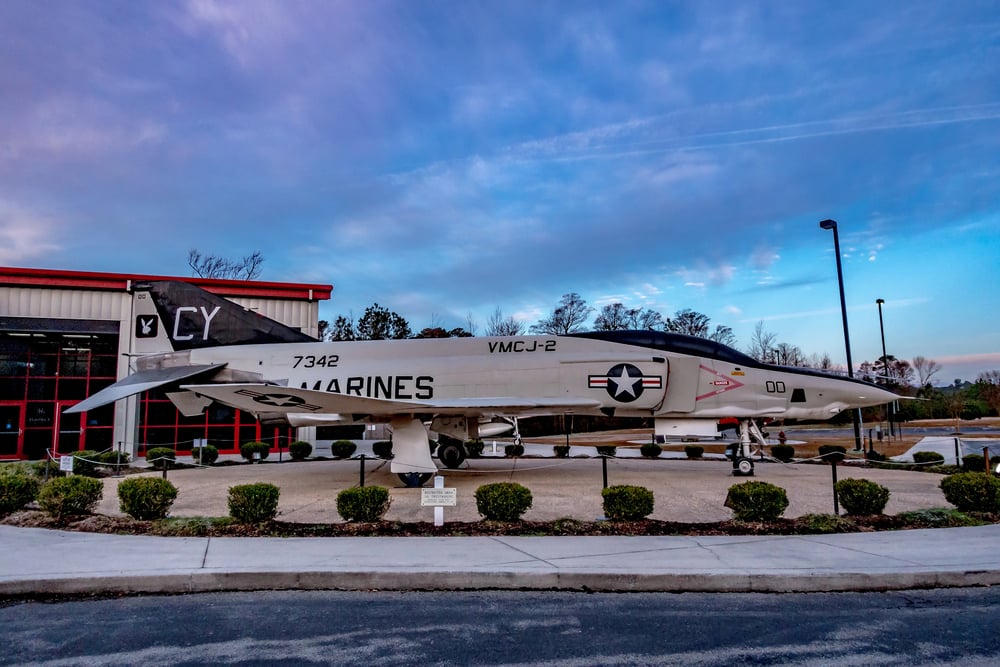
This aircraft manufacturer’s “McDonnell Douglas, the skyline looks brighter from here” jingle accompanied commercials showcasing their commercial and military aircraft throughout the 1980s. The company was formed from a 1967 merger and became one of the world’s largest aerospace manufacturers.
Increasing competition from Airbus and development challenges led to McDonnell Douglas being acquired by Boeing in 1997, ending the brand’s independent existence in aviation.
Like Go2Tutors’s content? Follow us on MSN.
The Clapper
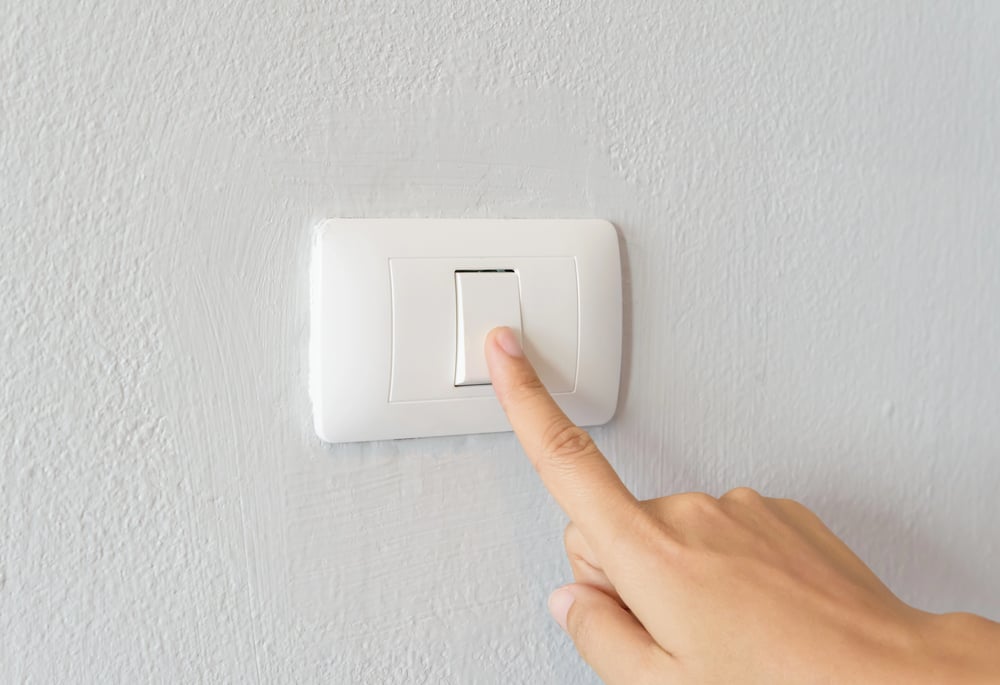
“Clap on! Clap off! The Clapper!” might be one of the most recognized jingles in television advertising history. This sound-activated light switch gained fame through late-night commercials in the 1980s and 1990s.
While briefly a cultural phenomenon, the original company behind The Clapper couldn’t sustain its success as more sophisticated home automation technologies emerged, eventually selling to a larger corporation and seeing its prominence fade.
Crystal Pepsi
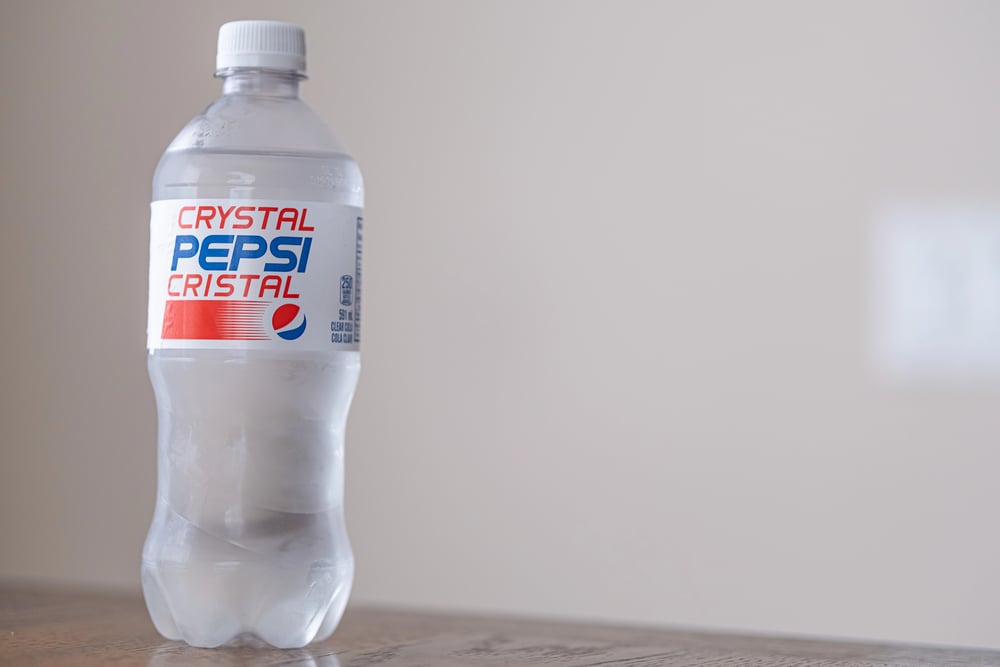
Crystal Pepsi’s “Right Now” campaign featuring Van Halen’s hit song helped launch this clear cola in the early 1990s. The transparent soda capitalized on consumer trends toward purity and clarity in products.
Despite initial strong sales and massive marketing investment, consumers ultimately rejected the concept of cola without its characteristic color, leading Pepsi to discontinue the product after just a few years on the market.
The Legacy of Musical Marketing
These vanished brands demonstrate the curious paradox of advertising—a brilliant jingle can implant a product in our cultural memory long after the actual item has disappeared from shelves. The musical signatures created for these companies proved more durable than the businesses themselves, serving as time capsules of American consumer culture.
Even as marketing strategies evolve toward digital approaches, the power of a catchy tune remains undiminished in our collective consciousness.
Like Go2Tutors’s content? Follow us on MSN.
More from Go2Tutors!

- 18 Unexpectedly Valuable Collectibles You Might Have Lying Around
- 20 Little-Known Historical Battles That Had Huge Consequences
- 20 Historical Artifacts That Scientists Can’t Explain
- 15 Inventions That Were Immediately Banned After Being Created
- 20 Actors Who Were Almost Cast in Iconic Roles
Like Go2Tutors’s content? Follow us on MSN.