Rarest Geography Quirks That Few Countries Share
Most people think they know how countries work. There’s a border, some land inside it, maybe a coast or two.
But the world is much stranger than anyone imagines. Some nations exist in ways that break every rule about what a country should look like.
Being landlocked by landlocked countries

Only two countries in the entire world share this incredibly rare situation: Liechtenstein and Uzbekistan. These nations aren’t just cut off from the ocean like regular landlocked countries.
They’re surrounded entirely by other landlocked countries, creating what experts call double-landlocked status. To reach any sea from Liechtenstein, you’d have to cross through both Austria and Switzerland first, then through another country beyond that.
Uzbekistan faces the same challenge in Central Asia. Getting goods shipped to these countries costs a fortune because everything has to travel through multiple borders just to reach them.
Existing entirely inside another country
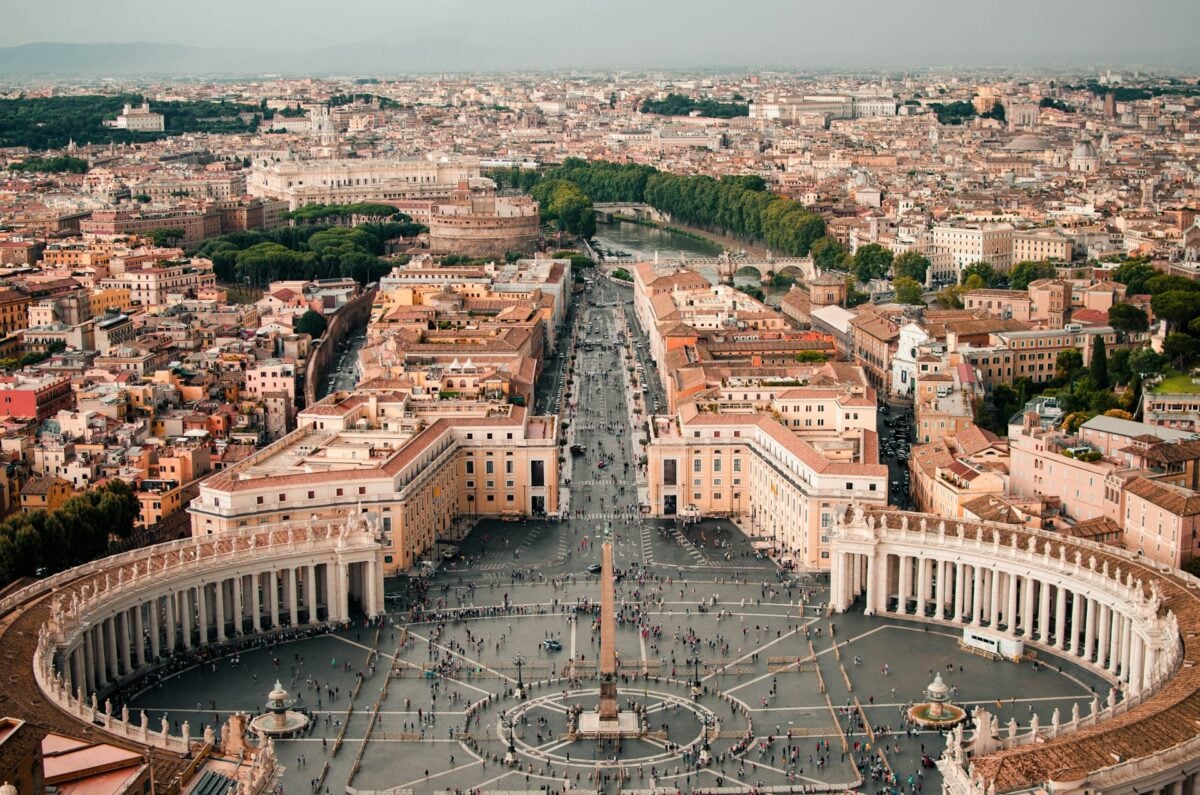
Only three countries on Earth are completely surrounded by just one other nation. Vatican City sits entirely within Rome, Italy.
San Marino is completely surrounded by Italy too. Then there’s Lesotho, which exists as a mountain kingdom completely enclosed by South Africa.
These enclave countries can’t expand their territory without their neighbor’s permission. They depend on their host country for almost everything that comes from outside their borders.
Imagine living in a country where every single road leading out goes through the same foreign nation.
Like Go2Tutors’s content? Follow us on MSN.
Having your country cut into puzzle pieces
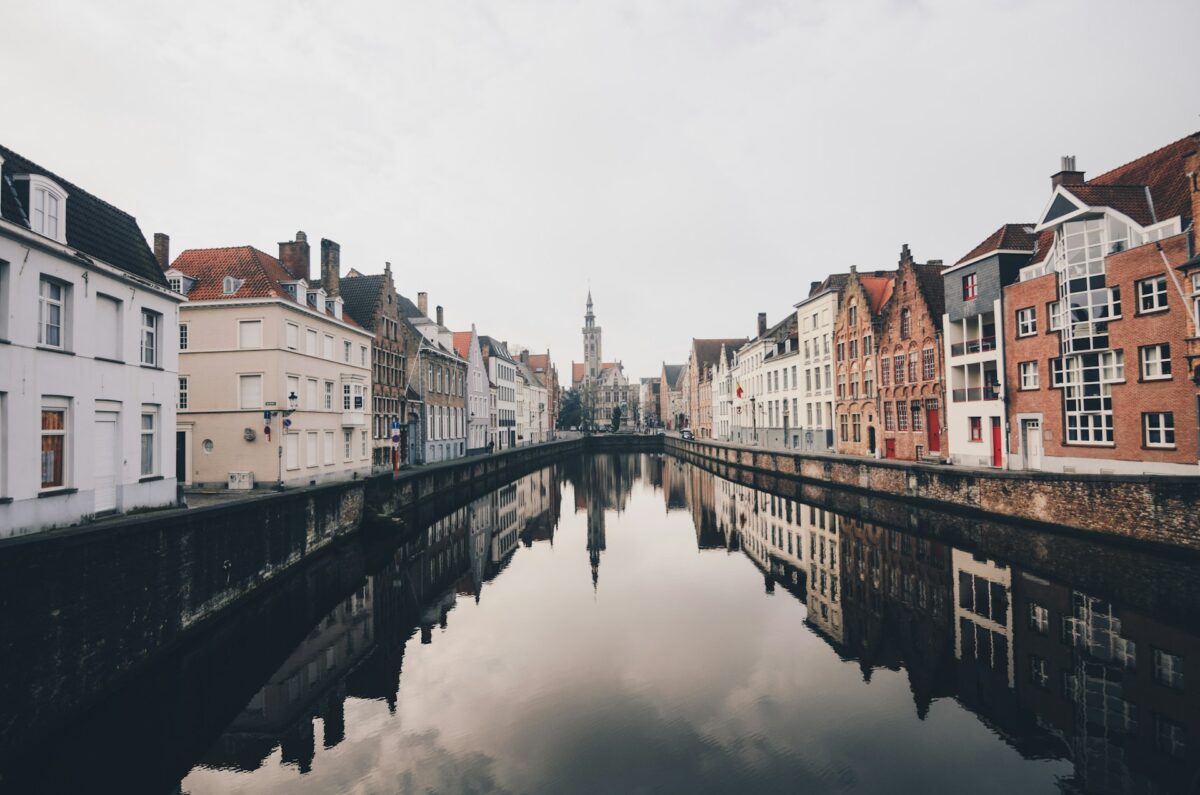
Belgium and the Netherlands share one of the strangest borders on Earth in the towns of Baarle-Nassau and Baarle-Hertog. The border between these two places just boggles the mind.
Some buildings have the front door in one country and the back door in another. Restaurants serve customers sitting in two different nations at the same time. People can walk from their bedroom in Belgium to their kitchen in the Netherlands without leaving their house.
The postal workers need maps just to figure out which country they’re delivering mail to.
Sharing the same time zone as countries thousands of miles away
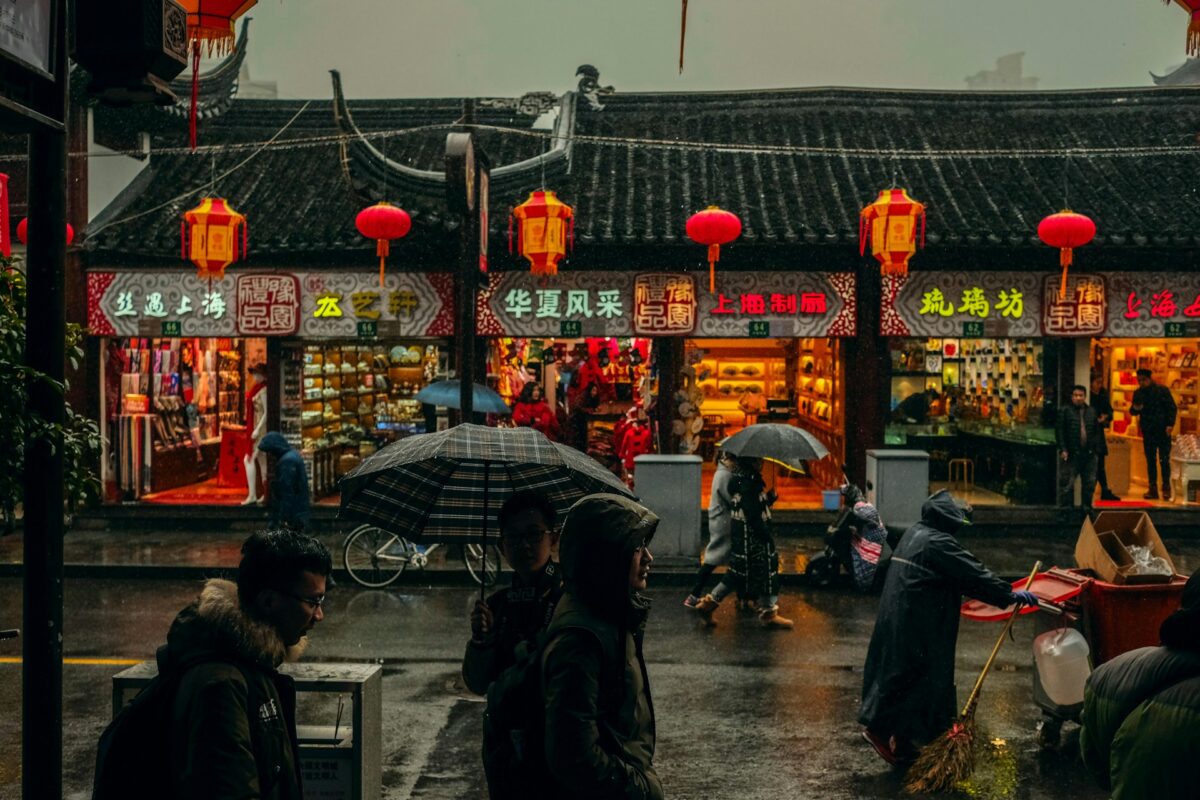
Some countries choose time zones that make no geographic sense at all. China stretches across what should be five different time zones but uses only one.
This means sunrise in western China happens at what the clocks call late morning. Spain sits in the same time zone as Poland, even though Spain is lined up with Portugal and the United Kingdom on the map.
These decisions were made for political reasons, not because the sun agrees with them.
Having territory on multiple continents
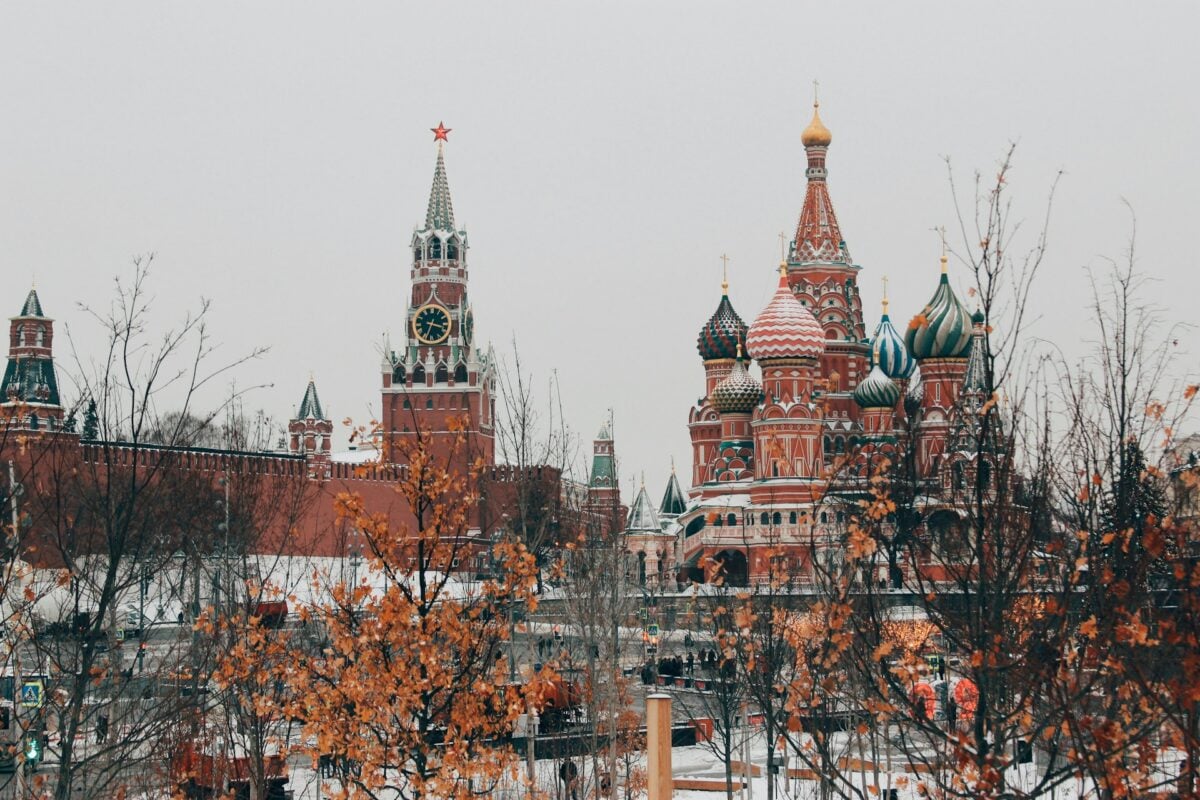
Several countries spread their land across different continents, creating some confusing geography lessons. Russia spans both Europe and Asia.
Turkey sits on both Europe and Asia too. Egypt has land in both Africa and Asia thanks to the Sinai Peninsula. France gets even more complicated with territories scattered across South America, the Pacific, and the Indian Ocean.
Students trying to color these countries on continental maps often give up and use rainbow crayons instead.
Like Go2Tutors’s content? Follow us on MSN.
Controlling territory you can’t reach by land
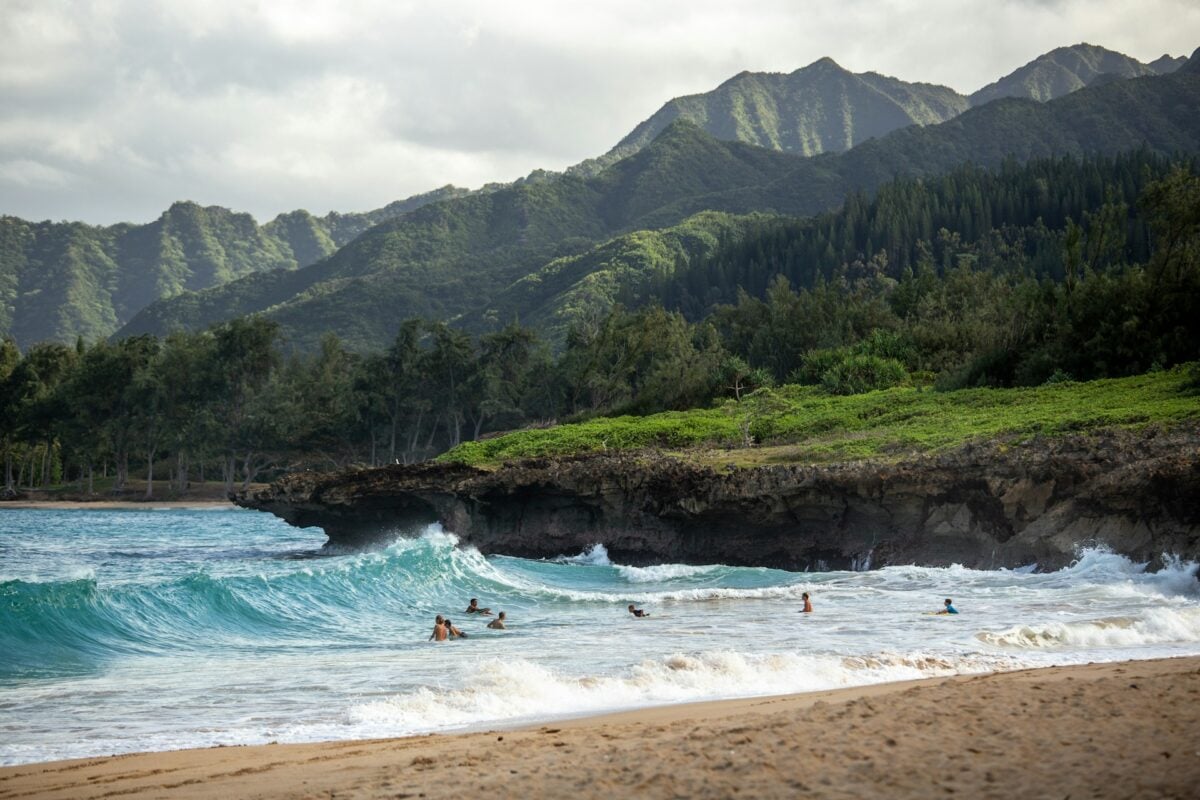
Many countries own islands or territories that are completely separated from their mainland. The United States controls Hawaii, which sits in the middle of the Pacific Ocean, thousands of miles from the mainland.
France owns French Guiana in South America. The United Kingdom still controls islands scattered around the world from their empire days.
These distant territories often have completely different cultures, languages, and climates from their parent countries.
Being smaller than a major city
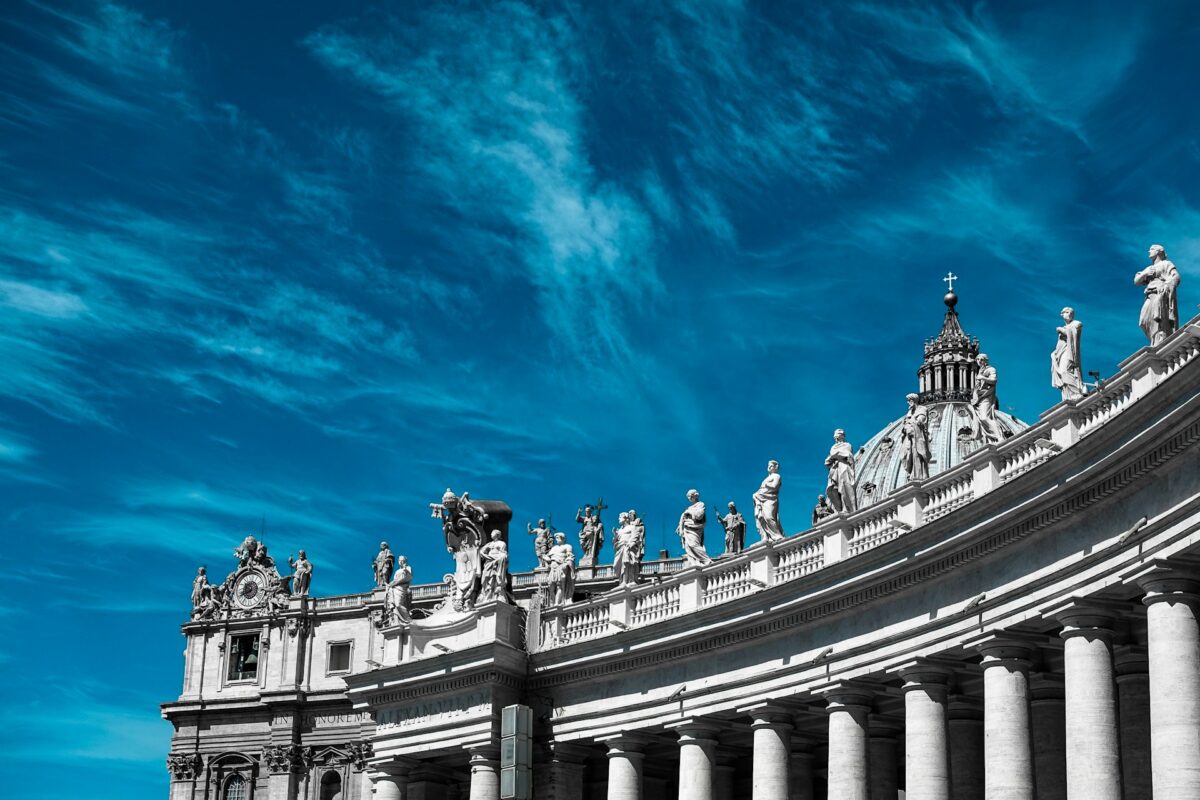
Some countries are so tiny they make small towns look huge by comparison. Vatican City covers less area than most shopping malls.
Monaco is smaller than Central Park in New York City. Nauru is so small you can drive around the entire country in about 20 minutes.
San Marino has less land than many airports. These micro-nations often have more tourists visiting each year than they have permanent residents.
Sharing a capital city with another country
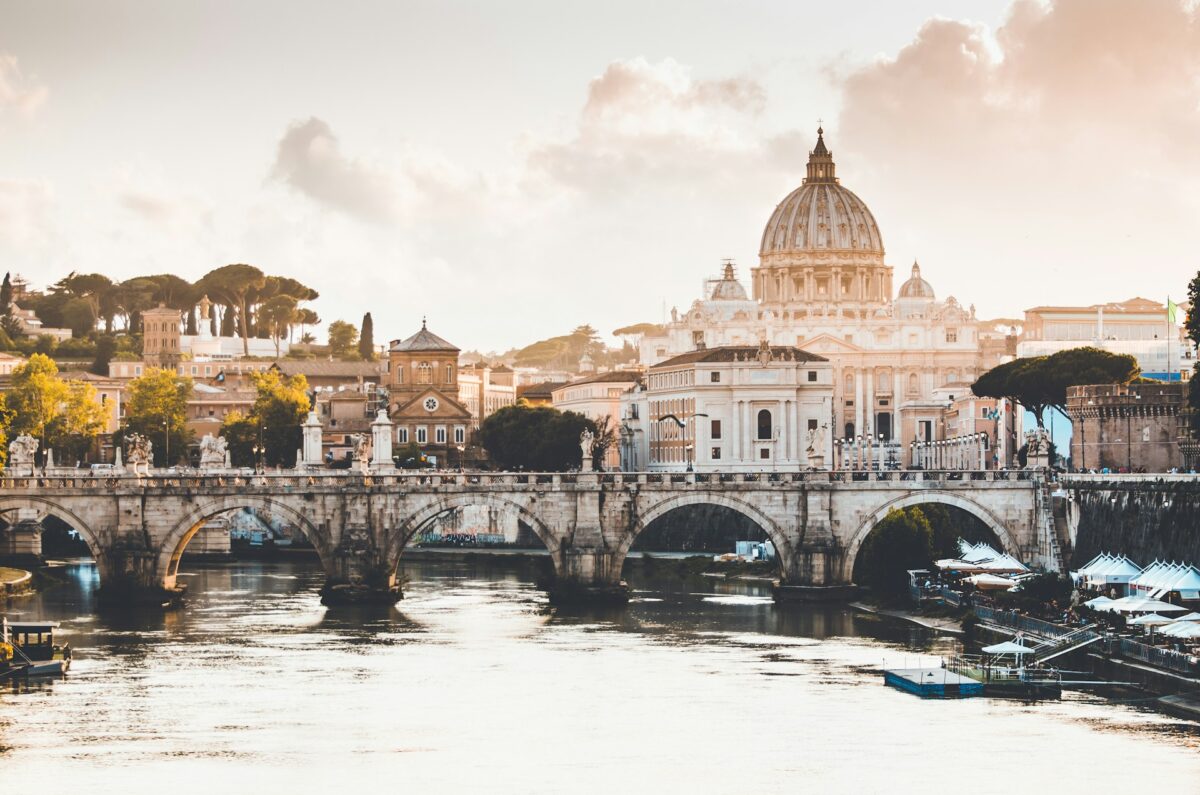
Very few countries have figured out how to share their most important city with a neighbor. The Vatican and Italy both consider Rome their capital, though the Vatican only controls a tiny part of it.
Some proposed peace deals have suggested Jerusalem could be shared between Israel and Palestine, but this remains extremely rare in practice. Most countries guard their capitals jealously and would never dream of sharing them with anyone else.
Like Go2Tutors’s content? Follow us on MSN.
Having your highest point lower than other countries’ lowest points
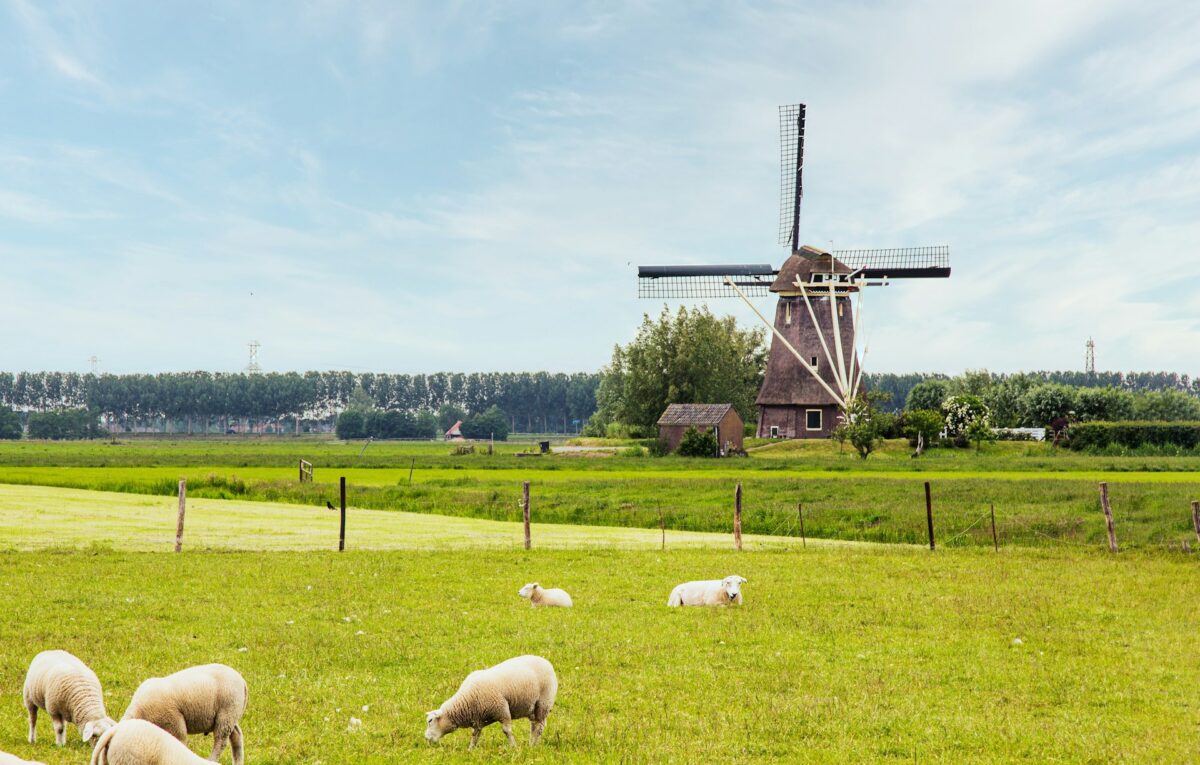
The Netherlands has such flat geography that their highest natural point is barely taller than a large building. Meanwhile, countries like Nepal have valleys that sit higher above sea level than the Netherlands’ highest mountain.
The Maldives face an even more extreme situation, with their highest point just a few feet above sea level. When other countries worry about mountain climbing, these nations worry about the ocean rising a few inches.
Existing only because of artificial borders
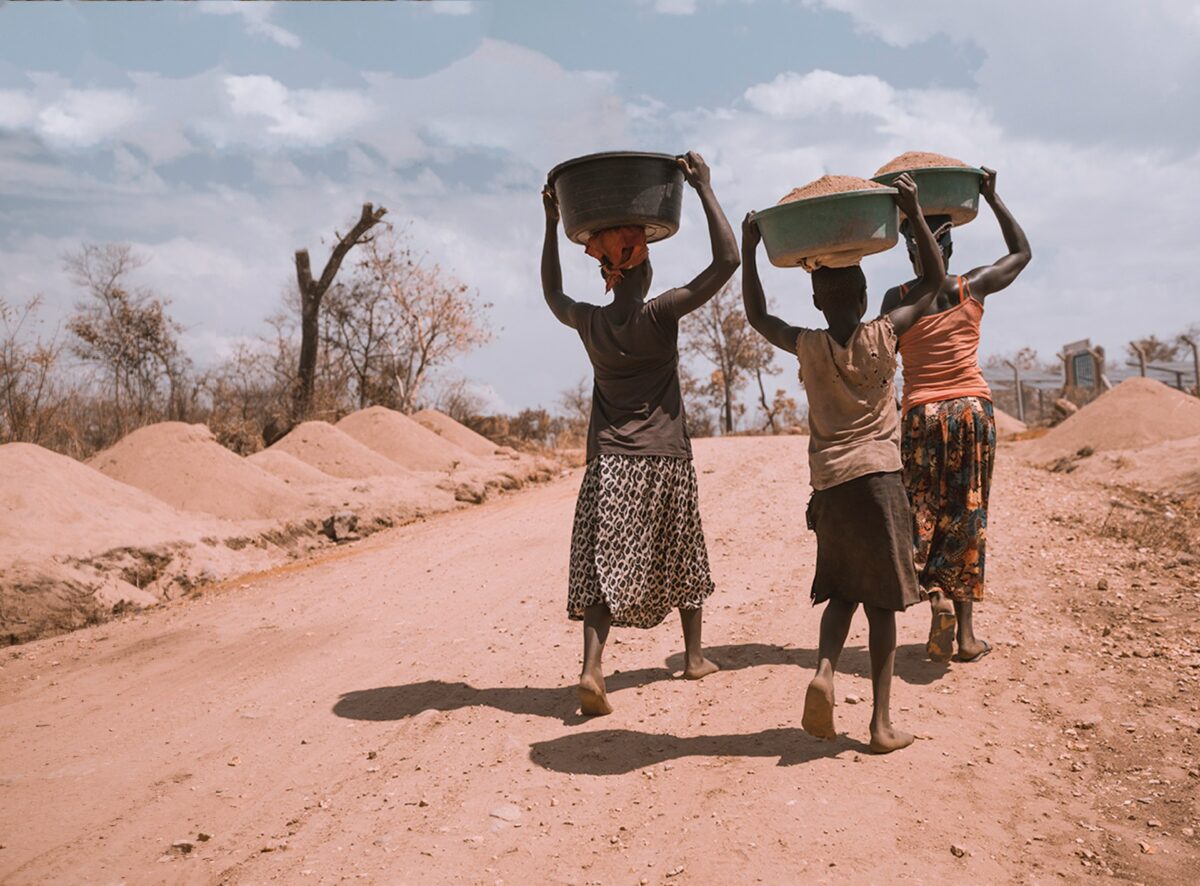
Some countries exist purely because humans drew lines on maps, not because of any natural boundaries. Many African countries have perfectly straight borders that slice through deserts, ignoring rivers, mountains, or tribal territories.
These straight-line borders were often drawn by colonial powers who had never visited the places they were dividing. The results created countries with no natural unity or logical geographic boundaries.
Having more neighbors than territory
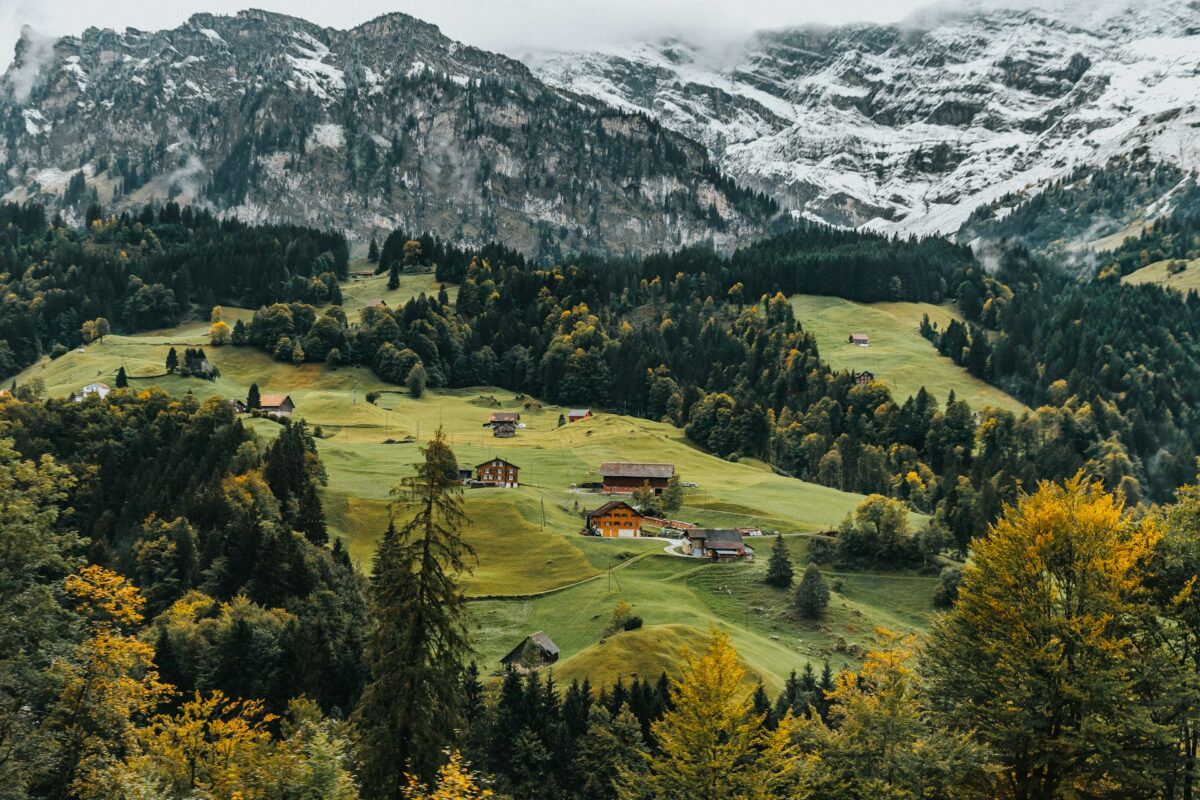
Small countries sometimes end up touching borders with many different nations despite having very little land themselves. Switzerland touches eight different countries despite being smaller than many individual states.
Austria borders eight countries too. These small nations become natural crossroads where multiple cultures, languages, and currencies meet.
Border patrol officers in these countries need to speak several languages just to do their jobs properly.
Like Go2Tutors’s content? Follow us on MSN.
Being famous for something that doesn’t exist there
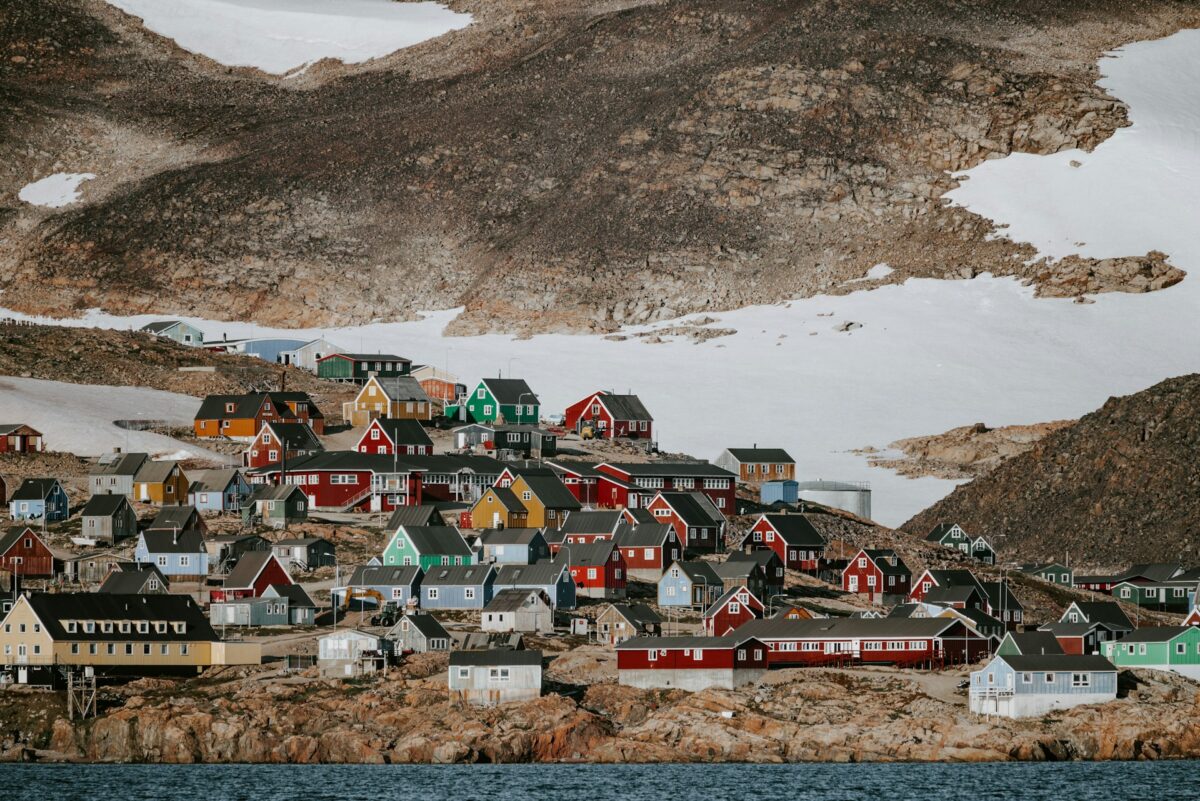
Some countries become known for geographic features they don’t actually have. Greenland is mostly covered in ice, while Iceland is relatively green.
The Netherlands means “low countries” but parts of the country are actually below sea level. These names often come from historical accidents, translation errors, or the first impressions of early explorers who didn’t stick around long enough to get the full picture.
Where geography writes its own rules
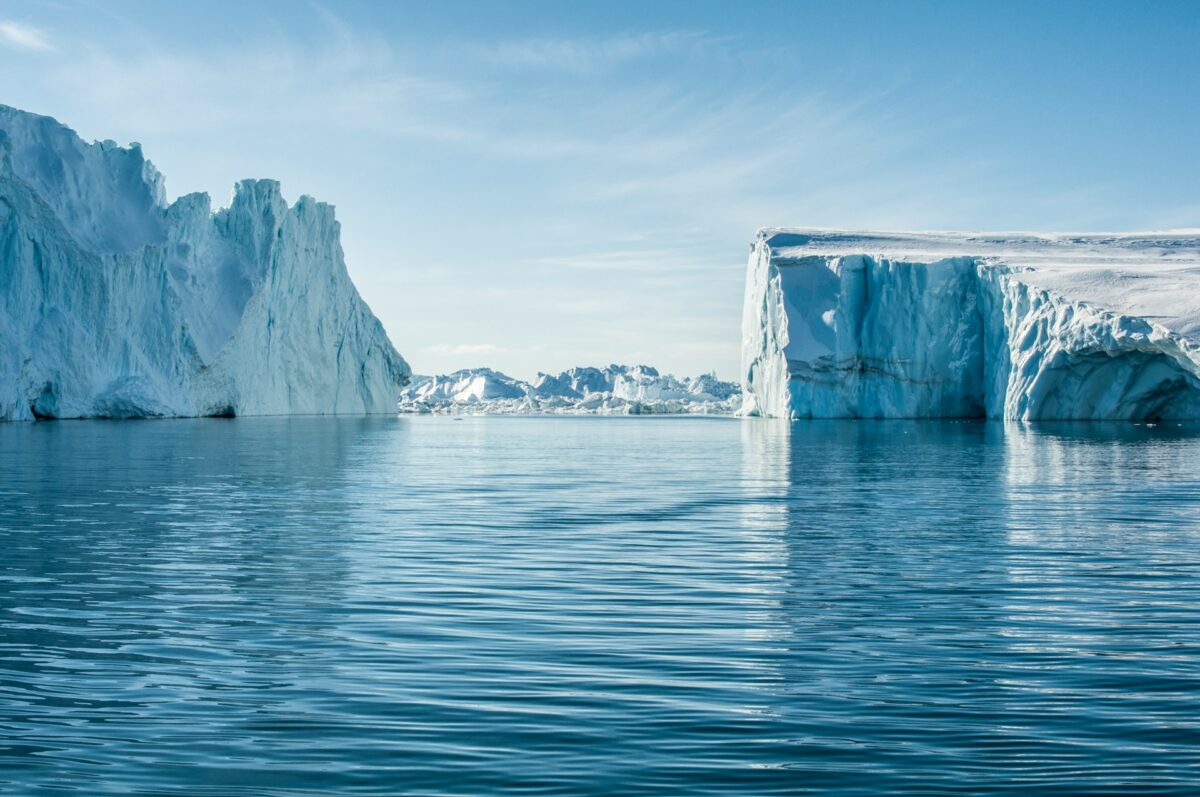
These geographic quirks remind everyone that the world refuses to fit into simple categories. Countries aren’t just neat rectangles on a map.
They twist, bend, split, and merge in ways that would make a geometry teacher weep. The planet keeps surprising people with new combinations of land, water, and borders that no one saw coming.
Every time cartographers think they’ve seen everything, another country does something that breaks their rules all over again.
More from Go2Tutors!

- 16 Historical Figures Who Were Nothing Like You Think
- 12 Things Sold in the 80s That Are Now Illegal
- 15 VHS Tapes That Could Be Worth Thousands
- 17 Historical “What Ifs” That Would Have Changed Everything
- 18 TV Shows That Vanished Without a Finale
Like Go2Tutors’s content? Follow us on MSN.



